Angle Steel Punching Machine vs Flat Bar Punching Machine: Application and Performance Comparison


Comparison Summary: Understanding the Core Differences
In the world of metal fabrication, efficiency is driven by the specificity of the machinery used. When comparing an Angle Steel Punching Machine vs Flat Bar Punching Machine: Application Performance Comparison, the primary distinction lies in the geometry of the workpiece and the mechanical constraints required to process it. Angle steel, characterized by its L-shaped cross-section, requires a machine capable of stabilizing two perpendicular planes, often necessitating dual-axis punching or specialized clamping systems. Conversely, flat bar punching machines are designed for linear, flat surfaces, prioritizing high-speed throughput and versatile hole patterns on a single plane.
Choosing between these two machines is not merely a matter of preference but a strategic decision based on the structural requirements of the final product. Angle steel is the backbone of the construction and telecommunications industries, used extensively in trusses and power towers. Flat bars are the versatile workhorses of the manufacturing sector, found in everything from automotive brackets to decorative ironwork. This guide provides a deep dive into the technical specifications, operational advantages, and application-specific performance of both machine types to help fabricators make an informed investment.
While both machines utilize hydraulic or mechanical force to drive a punch through metal, the engineering behind their feeding systems, die holders, and CNC integration differs significantly. An Angle Steel Punching Machine must account for the ‘heel’ of the angle and the potential for material deformation during the punch, whereas a Flat Bar Punching Machine focuses on material flatness and nesting efficiency. Understanding these nuances is critical for optimizing production lines and reducing material waste in high-volume industrial environments.
Angle Steel Punching Machine Overview
The Angle Steel Punching Machine is a specialized piece of equipment engineered to handle L-shaped profiles with precision. These machines are often integrated into larger CNC lines that include shearing and marking capabilities. The primary challenge with angle steel is its structural rigidity and the need to punch holes on both legs of the ‘L’. Modern CNC angle lines solve this by utilizing multiple punching heads that can operate independently or simultaneously, ensuring that the holes are perfectly aligned relative to the vertex of the angle.
One of the standout features of a high-quality Angle Steel Punching Machine, such as those offered by HARSLE, is the robust clamping system. Because angle steel can be prone to twisting or bowing during the manufacturing process, the machine must use hydraulic clamps that secure the material firmly against the reference blocks. This ensures that the distance from the edge (the ‘gauge line’) remains consistent throughout the entire length of the profile, which is vital for structural integrity in bridge building and tower construction.
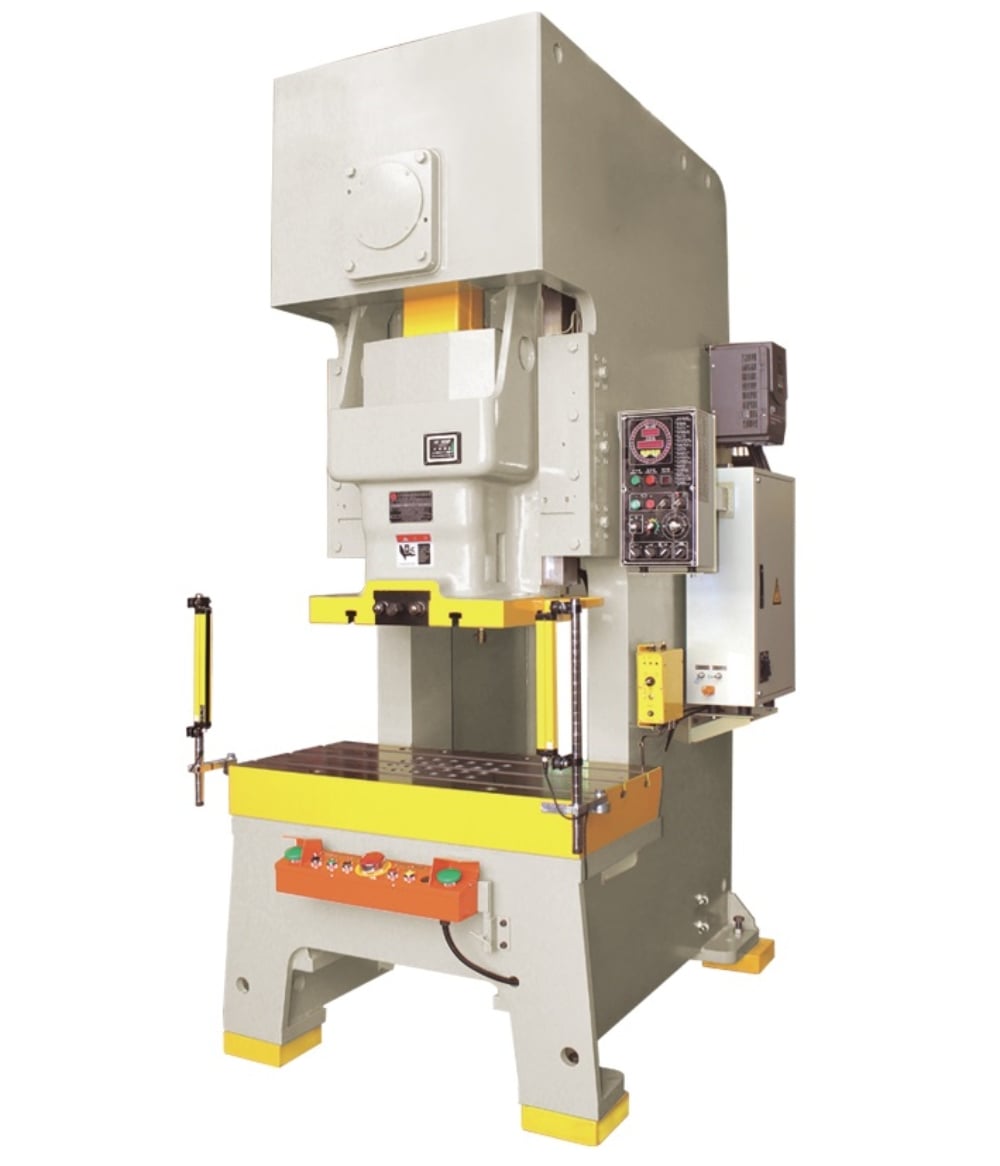
Performance-wise, these machines are rated by the maximum size of the angle they can process (e.g., 200mm x 200mm) and the maximum thickness of the material. The hydraulic systems are designed to deliver concentrated force, often exceeding 100 tons, to punch through thick-walled structural steel. Advanced models feature automatic tool changers, allowing the machine to switch between different hole diameters without manual intervention, significantly boosting productivity in complex projects.
Furthermore, the software integration in Angle Steel Punching Machines allows for the direct import of CAD/CAM files. This minimizes human error in programming hole coordinates. For industries like power transmission, where thousands of identical or slightly varied angle components are required, the repeatability of a CNC angle line is indispensable. The machine’s ability to handle long sections of material—sometimes up to 12 meters—requires sophisticated infeed and outfeed conveyors, making the overall footprint of these machines quite large compared to standalone flat bar punchers.
Flat Bar Punching Machine Overview
Flat Bar Punching Machines are designed for the rapid processing of flat metal strips and plates. Unlike angle machines, these units focus on a single plane of operation. This simplicity allows for much higher speeds and greater flexibility in terms of hole patterns. Flat bar punchers are commonly used in the production of base plates, connecting brackets, and various components for the automotive and appliance industries. The primary advantage here is the ease of material handling; flat bars are easier to stack, feed, and position than L-shaped profiles.
A Flat Bar Punching Machine typically utilizes a linear feeding system where the material is gripped and moved along the X-axis, while the punching head moves along the Y-axis (or remains stationary in simpler models). This setup allows for complex nesting of parts, where multiple components can be punched and then sheared from a single long flat bar. This maximizes material utilization and reduces the cost per part, a critical metric in competitive manufacturing sectors.
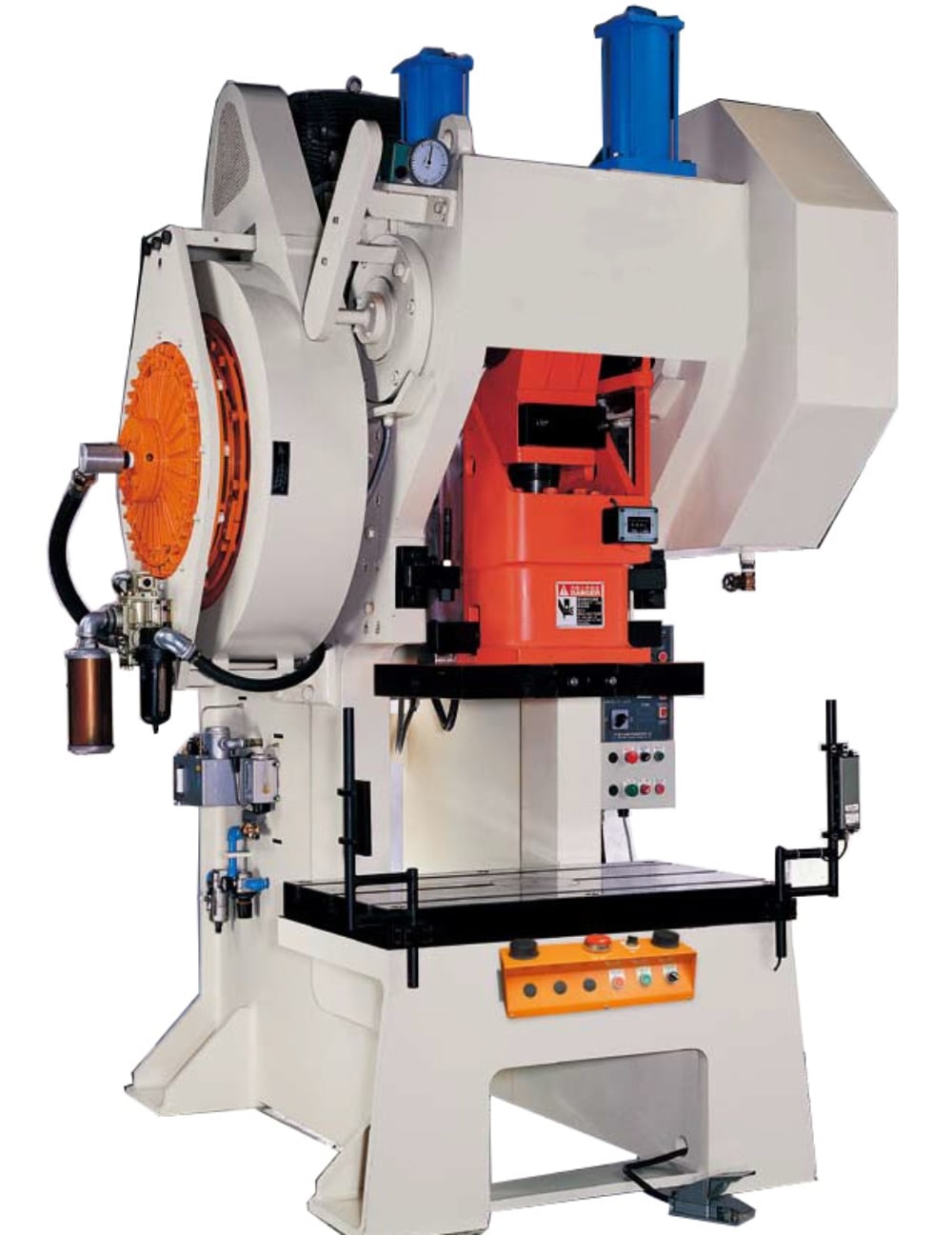
The tooling for flat bar machines is often more varied. Since the geometry is simpler, fabricators can use a wider range of punch shapes—round, square, oblong, or custom profiles—without worrying about the interference of a second leg of material. Many flat bar punchers are also ‘Ironworkers,’ multi-functional machines that can punch, shear, and notch. This versatility makes them a favorite for smaller job shops that need to perform various tasks on a single piece of equipment.
In terms of performance, the Flat Bar Punching Machine excels in cycle time. Because the material doesn’t need to be rotated or supported on multiple planes, the ‘hit rate’ (punches per minute) is generally higher than that of an angle machine. For thinner materials, these machines can operate at incredible speeds, making them ideal for high-volume bracket production. However, they lack the specialized structural alignment features required for heavy-duty angle profiles, which is why they are rarely used for primary structural members in heavy construction.
Specification Comparison Table
To better understand the technical trade-offs between these two types of machinery, the following table compares key performance metrics based on standard industrial configurations.
| Feature | Angle Steel Punching Machine | Flat Bar Punching Machine |
|---|---|---|
| Primary Material Shape | L-Shaped Profiles (Equal/Unequal) | Flat Strips, Plates, Rectangular Bars |
| Punching Axes | Dual-axis (often punches both legs) | Single-axis (X-Y positioning) |
| Max Material Thickness | Up to 25mm+ (Structural Grade) | Up to 20mm (Standard) |
| Positioning Accuracy | ±0.1mm to ±0.5mm | ±0.05mm to ±0.2mm |
| Typical Hit Rate | 40 – 70 punches per minute | 60 – 120+ punches per minute |
| Tooling Complexity | High (Specialized for angle clearance) | Moderate (Standardized punch/die) |
| Automation Level | High (Full CNC lines common) | Variable (Manual to Full CNC) |
| Footprint | Large (Requires long conveyors) | Compact to Medium |
Best-fit Applications
Angle Steel Punching Machine Applications
The Angle Steel Punching Machine is the undisputed king of the structural steel industry. Its most prominent application is in the fabrication of telecommunication and power transmission towers. These structures consist of thousands of angle steel components that must be bolted together with extreme precision. Any deviation in hole placement can lead to structural failure or impossible assembly in the field. The machine’s ability to punch, mark, and cut to length in one pass makes it essential for this sector.
Another critical application is in bridge and building trusses. Angle steel provides excellent strength-to-weight ratios for bracing. In these applications, the punching machine must handle heavy-duty, thick-walled angles. The CNC capabilities allow for the production of unique ‘one-off’ pieces that are often required in architectural steelwork, where every truss member might have a slightly different hole pattern to accommodate complex geometries.
Flat Bar Punching Machine Applications
Flat Bar Punching Machines are found in a much broader range of industries due to the ubiquity of flat metal components. In the automotive industry, they are used to create heavy-duty chassis brackets and reinforcement plates. The high hit rate of these machines allows manufacturers to keep up with the fast-paced assembly lines. Because flat bars are easy to automate with robotic loaders, these machines are often the centerpiece of fully automated production cells.
In the renewable energy sector, specifically solar panel racking systems, flat bar punchers are used to create the mounting rails and connectors. These parts often require long rows of identical holes, a task perfectly suited for the high-speed linear feeding systems of a flat bar machine. Additionally, the furniture and shelving industry utilizes these machines for creating adjustable uprights and support brackets, where aesthetic precision and burr-free holes are a priority.
Cost and Maintenance Comparison
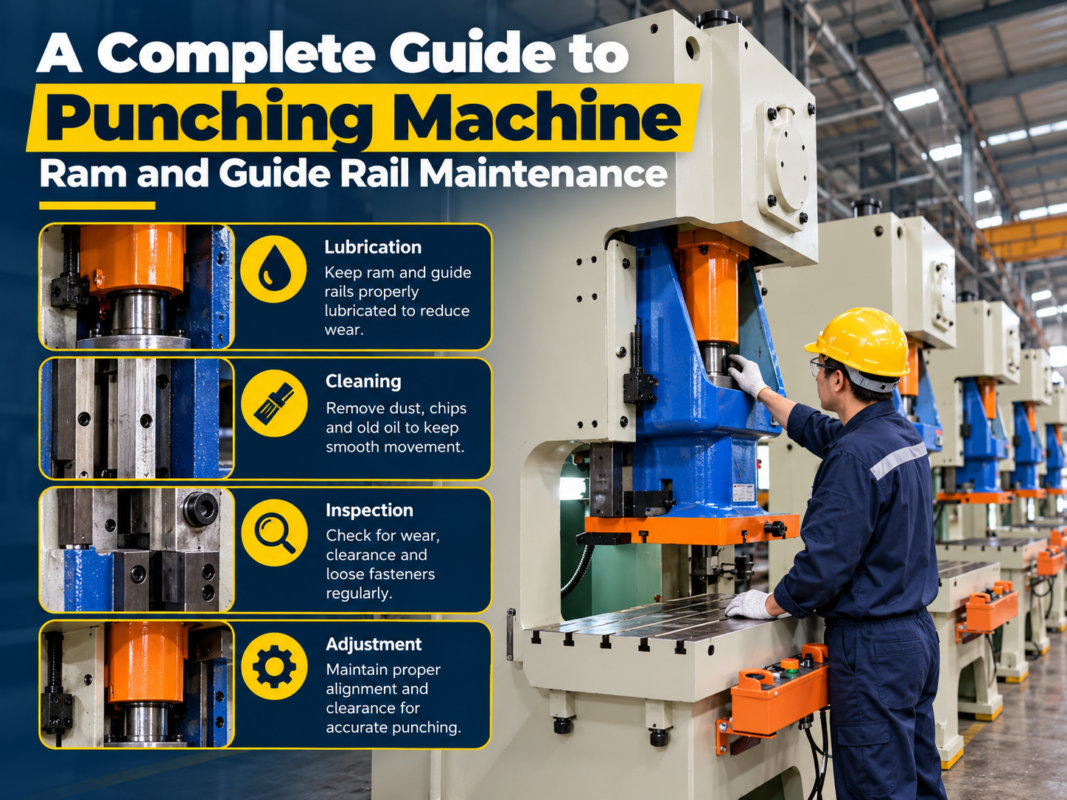
When evaluating the total cost of ownership, the Angle Steel Punching Machine generally represents a higher initial investment. This is due to the complexity of the material handling systems and the specialized dual-punching heads. Maintenance for these machines involves regular calibration of the clamping systems and the alignment of the punching units relative to the angle vertex. Hydraulic fluid management is also critical, as these machines often operate under high pressure for extended periods.
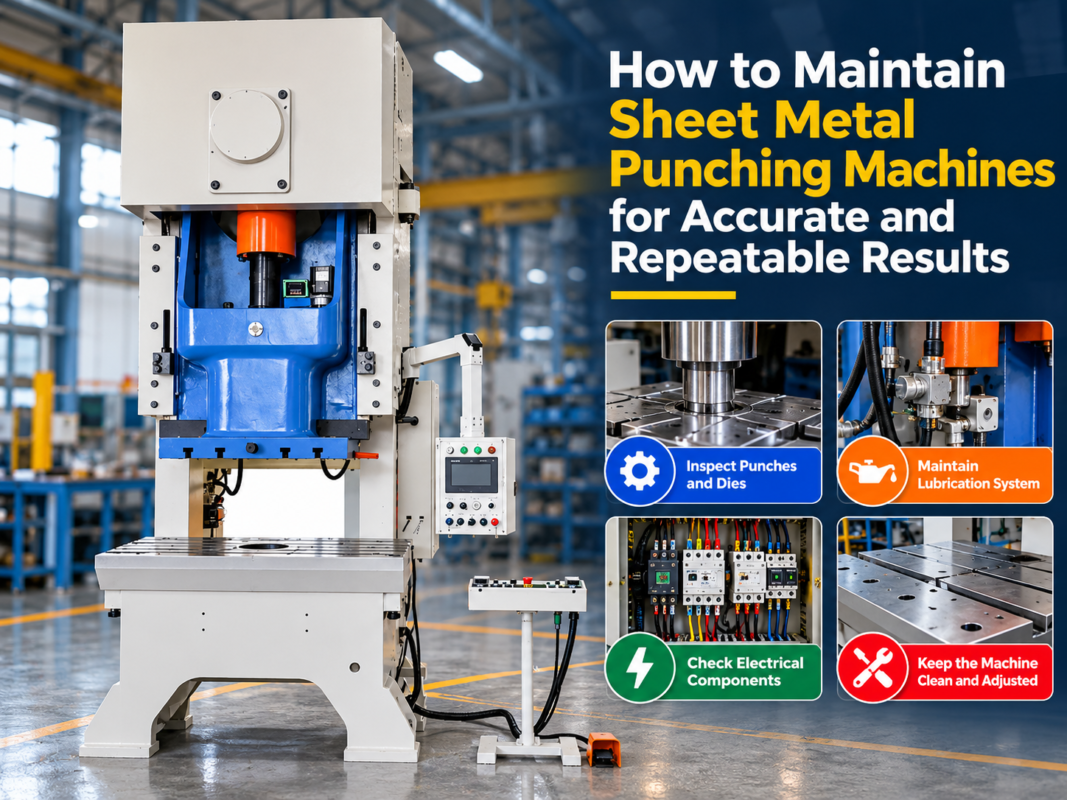
Flat Bar Punching Machines are typically more affordable, especially in their manual or semi-automatic ‘Ironworker’ configurations. However, high-end CNC flat bar lines can still be a significant investment. Maintenance is generally simpler, focusing on the lubrication of the X-Y axis guides and the sharpening of the punches and dies. Because flat bar machines often run at higher speeds, the tooling wear rate can be higher, necessitating a more frequent replacement schedule for the punches to maintain hole quality.
Both machine types require a strict maintenance schedule to prevent downtime. This includes:
- Daily: Checking hydraulic oil levels and cleaning metal shavings from the die area.
- Weekly: Lubricating linear guides and checking the tightness of the punch holders.
- Monthly: Inspecting hydraulic hoses for leaks and checking the alignment of the CNC sensors.
- Annually: Full system calibration and hydraulic oil replacement.
Recommendation: Which Machine Should You Choose?
The decision between an Angle Steel Punching Machine and a Flat Bar Punching Machine ultimately depends on your primary product line. If your business is centered on structural steel, infrastructure, or heavy bracing, the Angle Steel Punching Machine is a necessity. The time saved by not having to manually flip or jig angle profiles will pay for the machine’s higher cost within a short period. Look for models with integrated shearing and marking to maximize your ROI.
If your shop handles a diverse range of smaller components, brackets, or plate work, the Flat Bar Punching Machine (or a versatile Ironworker) is the better choice. Its higher speed and lower tooling costs make it more efficient for the types of parts found in general manufacturing. For those who do a bit of both, some high-end Ironworkers offer interchangeable stations that can handle small angles, but they will never match the throughput of a dedicated CNC angle line for large-scale projects.
Before purchasing, consider the ‘bottleneck’ in your current production. If you find your workers struggling to align holes on L-profiles, it’s time for an angle machine. If your struggle is simply the volume of flat parts needing holes, a high-speed flat bar puncher is the solution. HARSLE provides expert consultation to help you determine the exact tonnage and automation level required for your specific material grades and production targets.
FAQ
1. Can a Flat Bar Punching Machine punch angle steel?
Technically, yes, but with significant limitations. A flat bar machine can only punch one leg of the angle at a time, and you must create a custom jig to support the other leg so the material stays flat. This is slow, potentially dangerous, and lacks the precision of a dedicated angle machine. It is not recommended for industrial production.
2. What is the maximum thickness these machines can handle?
Most industrial-grade punching machines can handle up to 20mm or 25mm of mild steel. However, the ‘tonnage’ required increases with the thickness and the diameter of the hole. Always check the machine’s capacity chart to ensure you aren’t overloading the hydraulic system.
3. How does CNC integration improve performance?
CNC (Computer Numerical Control) eliminates manual layout and marking. It allows the machine to move the material to the exact coordinate with sub-millimeter accuracy. This reduces human error, increases repeatability, and allows one operator to manage multiple machines, significantly lowering labor costs.
4. What kind of maintenance do the punches and dies require?
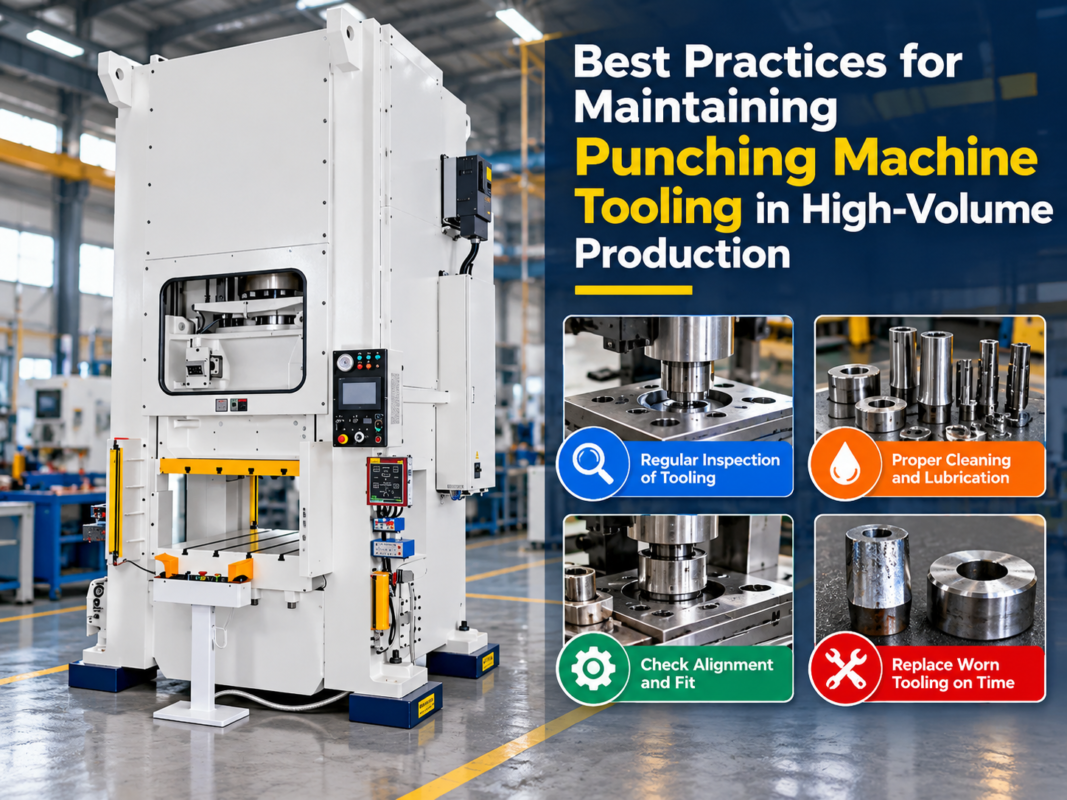
Punches and dies are wear items. They must be kept sharp to ensure clean holes and to reduce the stress on the machine. Using proper lubrication (punching oil) can extend tool life by up to 30%. Once the edges become rounded, they should be reground or replaced to avoid creating burrs on the workpiece.
5. Is hydraulic or mechanical punching better?
Hydraulic punching is the industry standard for these machines because it provides a consistent force throughout the entire stroke and is generally safer and quieter. Mechanical punching is faster but is usually reserved for thinner materials and high-speed stamping presses rather than structural steel fabrication.