
Laser Cutting Machine vs Waterjet Cutting: Best Option for Precision Sheet Metal Work


Comparison Summary: Navigating the Cutting Edge of Metal Fabrication
In the modern industrial landscape, the choice between a Laser Cutting Machine and a Waterjet cutting system is one of the most critical decisions a fabrication shop can make. Both technologies have revolutionized how we process sheet metal, offering levels of precision that were unimaginable a few decades ago. However, the “best” option is rarely universal; it depends heavily on material thickness, required tolerances, production volume, and budget constraints. At HARSLE, we understand that precision sheet metal work requires a nuanced understanding of these tools to optimize ROI and production quality.
Laser cutting, particularly fiber laser technology, has become the gold standard for high-speed, high-precision work on thin to medium-gauge metals. It utilizes a concentrated beam of light to melt or vaporize material with incredible accuracy. On the other hand, waterjet cutting uses a high-pressure stream of water mixed with abrasive particles to mechanically erode material. This “cold cutting” process offers unique advantages, especially when dealing with very thick materials or those sensitive to high temperatures. This guide provides an exhaustive comparison to help you determine which technology aligns with your specific manufacturing goals.
When evaluating Laser Cutting Machine Vs Waterjet Cutting: Best Option Precision Sheet Metal Work, one must look beyond the initial purchase price. Factors such as edge finish, the presence of a Heat Affected Zone (HAZ), and the cost of consumables like nitrogen gas or garnet abrasive play a massive role in long-term profitability. While lasers dominate the automotive and electronics sectors due to their blistering speed, waterjets remain indispensable in aerospace and heavy machinery where material integrity and thickness are paramount.
Ultimately, the transition toward Industry 4.0 has made both machines more intelligent, with CNC controls and automated loading systems becoming standard. Whether you are a small job shop or a large-scale manufacturer, understanding the mechanical and economic differences between these two powerhouses is the first step toward achieving superior fabrication results. In the following sections, we will break down the technical specifications, operational costs, and application strengths of each method.
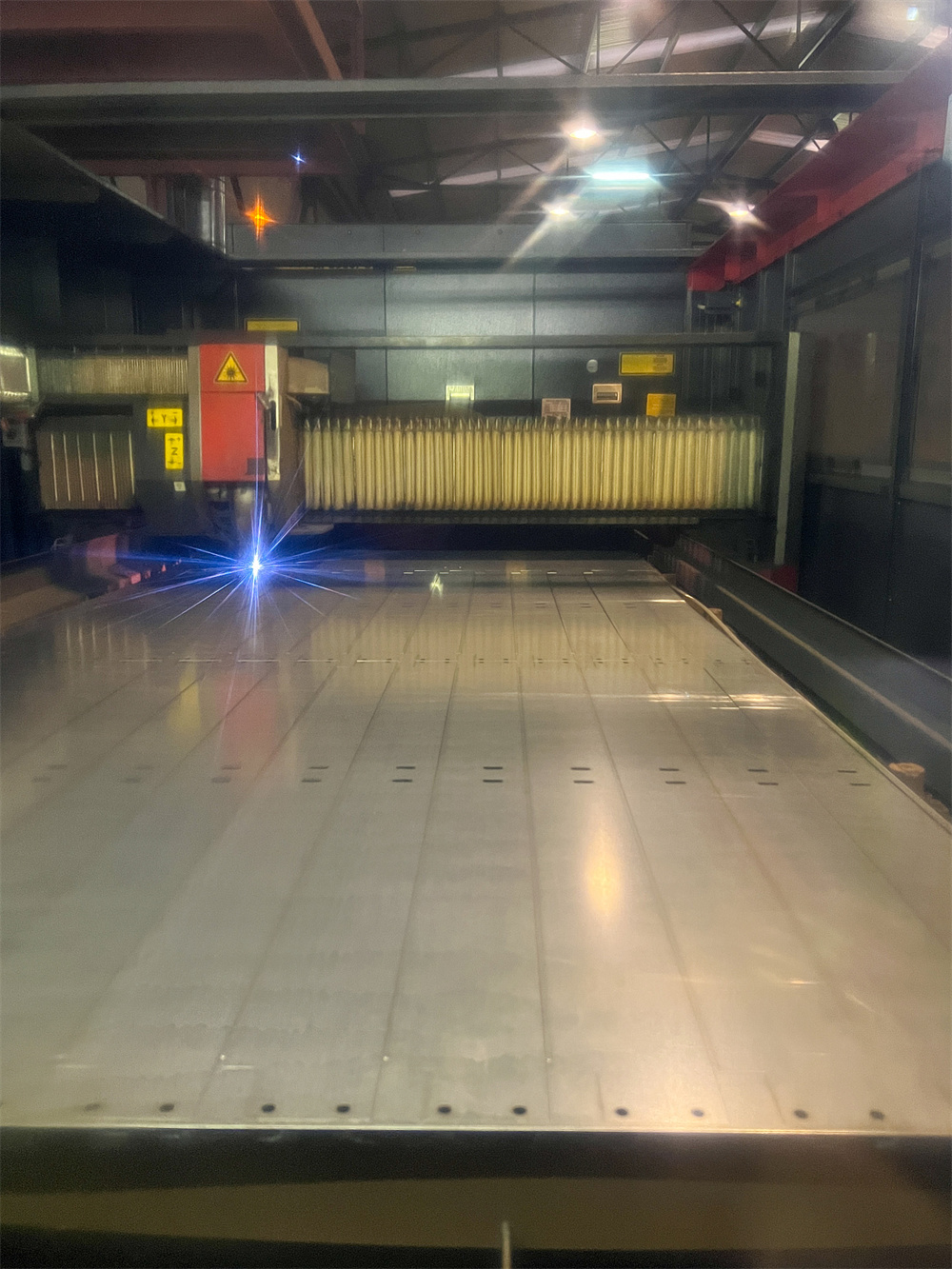
Laser Cutting Machine Overview: The Speed of Light in Fabrication
The modern Laser Cutting Machine is a marvel of optical engineering. In the context of precision sheet metal work, Fiber Lasers have largely superseded CO2 lasers due to their higher energy efficiency and lower maintenance requirements. A fiber laser generates a beam through a series of laser diodes, which is then amplified in a fiber optic cable. This beam is focused through a cutting head onto the metal surface, where it reaches temperatures high enough to melt the material instantly. An assist gas, typically Nitrogen or Oxygen, is used to blow away the molten metal, leaving a clean, narrow kerf.
One of the primary reasons manufacturers choose laser cutting is its unmatched speed on thin materials. For sheet metal under 6mm, a fiber laser can move at speeds that a waterjet simply cannot match. This makes it the ideal choice for high-volume production runs where cycle time is a key performance indicator. Furthermore, the precision of a laser is exceptional, often achieving tolerances within ±0.1mm. This level of accuracy is vital for industries like medical device manufacturing and high-end electronics, where every fraction of a millimeter counts.
However, laser cutting does introduce heat into the material. This creates a Heat Affected Zone (HAZ), which can slightly alter the metallurgical properties of the edge. While modern HARSLE machines minimize this through advanced pulse settings and cooling systems, it is a factor to consider if the part requires further welding or specialized coating. Additionally, lasers are generally limited by material reflectivity and thickness; while high-power lasers can cut up to 30mm or more, their efficiency drops as the material gets thicker compared to the consistent performance of a waterjet.
Maintenance for a laser cutting machine is relatively straightforward but requires specialized knowledge. The primary concerns are the cleanliness of the optics, the quality of the assist gas, and the condition of the slats. Because there are fewer moving parts in the beam delivery system of a fiber laser compared to a CO2 laser or a waterjet pump, the uptime is generally very high. This reliability is a cornerstone of HARSLE’s design philosophy, ensuring that our clients can maintain continuous production schedules without frequent interruptions.
Waterjet Cutting Overview: The Power of Erosion
Waterjet cutting is often described as a “natural” process accelerated by technology. It involves a high-pressure pump (intensifier or direct drive) that forces water through a tiny ruby or diamond orifice at speeds up to Mach 3. For metal fabrication, an abrasive—usually garnet—is mixed into the water stream in a mixing chamber. This abrasive-laden jet acts like a liquid saw, eroding the material through mechanical force rather than thermal energy. This fundamental difference is what gives waterjet cutting its most significant advantage: the total absence of a Heat Affected Zone (HAZ).
Because it is a cold cutting process, waterjet technology is the preferred method for materials that are sensitive to heat, such as certain aerospace-grade aluminum alloys, titanium, and composites. There is no risk of warping, distortion, or hardening of the edges, which eliminates the need for secondary finishing processes like grinding or heat treating. For precision sheet metal work that involves intricate designs in thick plates (over 25mm), the waterjet maintains a level of edge perpendicularity that lasers struggle to achieve at those depths.
Another strength of the waterjet is its versatility. While a Laser Cutting Machine is primarily optimized for metals, a waterjet can cut almost anything—from stainless steel and copper to stone, glass, and rubber. This makes it an excellent “all-rounder” for shops that handle a diverse range of projects. However, this versatility comes at the cost of speed. Waterjet cutting is significantly slower than laser cutting, especially on thin gauge sheets. The process also involves a “tailing” effect where the bottom of the cut lags behind the top, though modern 5-axis waterjet heads can compensate for this taper.
The operational environment of a waterjet is also distinct. It is a wet and relatively noisy process. The management of abrasive garnet and the disposal of the water-metal slurry are ongoing logistical considerations. The high-pressure components, such as seals and nozzles, require regular replacement due to the sheer force of the water. Despite these factors, for heavy-duty applications and materials where thermal integrity is non-negotiable, the waterjet remains an unrivaled tool in the fabricator’s arsenal.
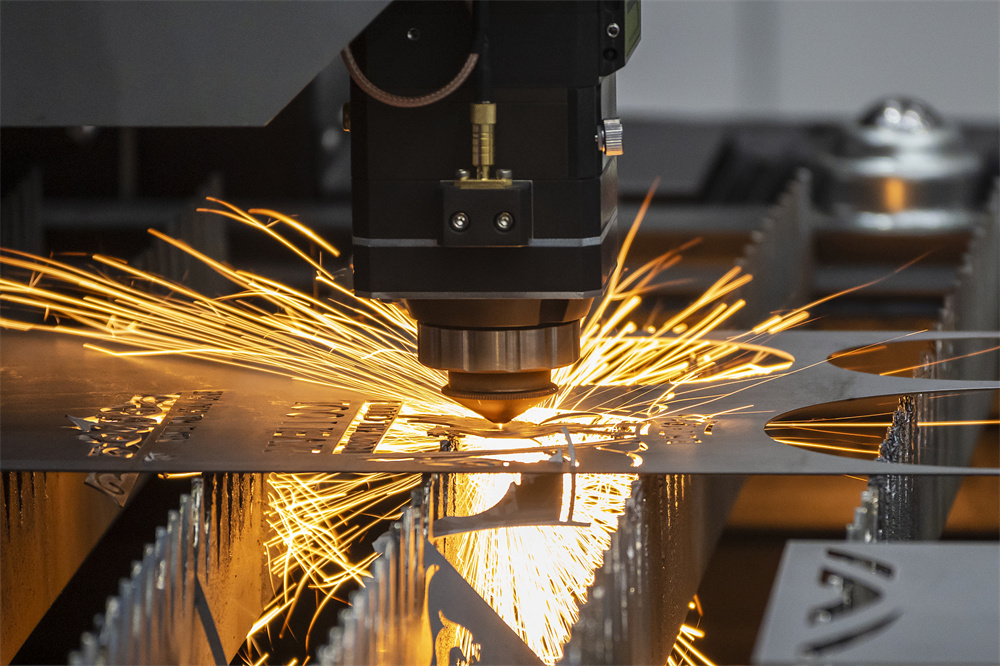
Specification Comparison Table
To better understand the trade-offs between these two technologies, the following table compares the key technical and operational parameters relevant to precision sheet metal work.
| Feature | Fiber Laser Cutting Machine | Abrasive Waterjet Cutting |
|---|---|---|
| Cutting Speed (Thin Metal) | Extremely High (Up to 100m/min) | Low to Moderate (Up to 5m/min) |
| Precision/Tolerance | Excellent (±0.05mm – ±0.1mm) | Very Good (±0.1mm – ±0.2mm) |
| Heat Affected Zone (HAZ) | Present (Minimal in Fiber) | None (Cold Cutting) |
| Max Material Thickness | Up to 30-50mm (Power dependent) | Up to 200mm+ |
| Material Versatility | Mainly Metals (Reflective metals require Fiber) | Virtually any material |
| Operating Cost (Hourly) | Lower (Electricity + Gas) | Higher (Abrasive + Water + Parts) |
| Edge Quality | Smooth, may have slight dross | Satin-like, no dross, no burrs |
| Setup Time | Fast (Digital adjustments) | Moderate (Fixture and Abrasive setup) |
Best-fit Applications: Choosing the Right Tool for the Job
Identifying the best-fit application is crucial for maximizing the utility of your machinery. For a Laser Cutting Machine, the “sweet spot” is high-speed production of complex shapes in thin to medium-gauge carbon steel, stainless steel, and aluminum. Industries such as automotive manufacturing rely heavily on lasers for cutting body panels, brackets, and interior components. The ability of the laser to switch between different shapes and sizes via CNC programming without tool changes makes it perfect for Just-In-Time (JIT) manufacturing environments.
In the realm of architectural signage and decorative metalwork, the laser’s narrow kerf allows for incredibly intricate designs that would be difficult for a waterjet’s wider stream to replicate. Furthermore, the electrical industry uses lasers for enclosures and control panels where speed and clean holes for fasteners are required. If your business model revolves around high-volume orders of parts under 12mm thick, the laser is almost certainly the more profitable choice due to its lower per-part cost and rapid throughput.
Conversely, Waterjet cutting shines in specialized and heavy-industrial applications. In the aerospace industry, where the structural integrity of titanium and high-strength alloys is paramount, the lack of heat distortion makes waterjet the only viable option for many engine and structural components. Similarly, in the defense sector, cutting thick armor plating is a task best suited for the waterjet, as it can handle thicknesses that would require massive amounts of laser power and result in significant edge hardening.
Job shops that cater to a wide variety of industries—including construction (stone/tile), art (glass/thick metal), and heavy machinery (thick steel plates)—often prefer the waterjet for its versatility. It is also the preferred method for cutting laminated materials or sandwiches of different metals, which can delaminate or react poorly to the concentrated heat of a laser. If your work involves materials thicker than 25mm or materials that cannot tolerate any thermal stress, the waterjet is the superior precision tool.
Cost and Maintenance Comparison: The Long-term Perspective
When analyzing the cost of ownership for a Laser Cutting Machine Vs Waterjet Cutting: Best Option Precision Sheet Metal Work, we must look at three pillars: initial investment, consumables, and maintenance. A high-quality fiber laser machine generally has a higher upfront cost than a standard waterjet system. However, the laser’s operating cost per hour is typically lower. The primary expenses for a laser are electricity and assist gases (Nitrogen or Oxygen). Fiber lasers are remarkably energy-efficient, converting about 30-40% of electrical input into laser light, which significantly reduces utility bills compared to older CO2 models.
Maintenance for a laser is centered on the cutting head and the chiller system. Protective windows need regular cleaning or replacement, and the nozzle must be kept in good condition to ensure gas flow consistency. Because the fiber laser source itself is solid-state and has a lifespan of up to 100,000 hours, there are no expensive resonators to rebuild or mirrors to align. This makes the fiber laser a “low-maintenance” powerhouse in the long run, provided the environment is kept relatively clean and the cooling system is serviced.
Waterjet systems have a lower entry price but higher ongoing consumable costs. The abrasive garnet represents about 50-70% of the total operating cost. Additionally, the high-pressure pump requires frequent maintenance. Seals, check valves, and plungers in the intensifier pump are subject to extreme wear and typically need service every 500 to 1,000 hours. The mixing tube and orifice also wear out and must be replaced to maintain cutting accuracy. Furthermore, the cost of water and the subsequent disposal of the used abrasive and contaminated water can add up, especially in regions with strict environmental regulations.
From a labor perspective, laser machines often require less intervention. Modern HARSLE lasers feature automated nozzle changers and focus adjustment, allowing for “lights-out” manufacturing. Waterjets, while also CNC-controlled, often require more manual oversight to manage the abrasive feed and ensure the material is properly submerged or fixtured to prevent splashing. When calculating ROI, a shop with high-volume, thin-metal needs will find the laser pays for itself much faster through sheer volume, while a shop doing specialized, thick, or multi-material work will find the waterjet’s versatility justifies its higher operating costs.
Recommendation: Which One Should You Choose?
The decision between a Laser Cutting Machine and a Waterjet ultimately comes down to your specific production mix. If your primary goal is the high-speed fabrication of precision sheet metal parts—specifically steel, stainless, or aluminum under 20mm—the Fiber Laser is the undisputed winner. Its speed, precision, and low operating cost make it the most competitive tool for the vast majority of sheet metal applications. HARSLE’s range of fiber lasers is designed to provide this exact combination of speed and reliability, ensuring that your shop stays ahead of the competition.
However, do not discount the waterjet if your work involves extreme thicknesses, heat-sensitive materials, or a wide variety of non-metal substrates. If you are frequently cutting plates over 25mm thick or working with materials like copper and brass in thicknesses where lasers struggle with reflectivity and heat buildup, the waterjet provides a level of quality and safety that the laser cannot. Many large-scale fabrication facilities actually employ both technologies, using the laser for high-speed sheet work and the waterjet for heavy plate and specialty materials.
Before making a purchase, we recommend a thorough audit of your current and projected projects. Consider the following checklist:
- What is the average material thickness? (Under 15mm? Go Laser. Over 25mm? Go Waterjet.)
- Is heat distortion a concern for your customers? (If yes, Waterjet is safer.)
- What is your required production volume? (High volume favors Laser.)
- What is your budget for consumables and electricity? (Laser is generally more efficient.)
At HARSLE, we are committed to helping you find the perfect fit for your workshop. Our technical experts can provide detailed demos and cost-per-part analyses to ensure your investment drives your business forward.
FAQ: Common Questions About Laser and Waterjet Cutting
1. Can a laser cutting machine cut reflective metals like copper and brass?
Yes, modern Fiber Laser Cutting Machines are highly capable of cutting reflective metals. Unlike older CO2 lasers, the wavelength of a fiber laser is absorbed much more efficiently by copper, brass, and aluminum, preventing back-reflection that could damage the machine. However, for very thick copper, a waterjet may still be preferred to avoid heat buildup.
2. Does waterjet cutting cause rust on steel parts?
Since waterjet cutting involves water, there is a potential for flash rusting on carbon steel. However, this is usually managed by adding rust inhibitors to the water and drying the parts immediately after cutting. For stainless steel and aluminum, rust is generally not an issue.
3. Which machine is better for very intricate, small-scale designs?
The Laser Cutting Machine is generally better for intricate designs due to its smaller beam diameter (kerf). A laser beam can be as small as 0.1mm, whereas a waterjet stream is typically around 0.5mm to 1.0mm. This allows the laser to cut finer details and sharper corners in thin sheet metal.
4. How thick can a fiber laser actually cut?
With the advent of ultra-high-power fiber lasers (20kW to 40kW+), these machines can now cut stainless steel and carbon steel up to 50mm or even 100mm. However, for most precision sheet metal shops, the practical and economic limit for high-quality edges is usually around 20-30mm.
5. Is the edge of a laser-cut part ready for welding?
Generally, yes. If Nitrogen is used as the assist gas, the edge remains clean and oxide-free, making it perfect for immediate welding. If Oxygen is used, a thin oxide layer forms, which may need to be removed before high-quality welding can occur. Waterjet edges are always weld-ready as they have no oxide layer or heat-affected zone.












