How to Choose Between CNC Laser Cutting Machine and Plasma Cutting Machine: A Comprehensive Guide


Comparison Summary: Navigating the Thermal Cutting Landscape
In the modern metal fabrication industry, selecting the right cutting technology is one of the most critical decisions a business owner or production manager can make. The choice between a CNC laser cutting machine and a plasma cutting machine often dictates the efficiency, precision, and profitability of a workshop. Both technologies fall under the category of thermal cutting processes, yet they operate on vastly different physical principles and offer distinct advantages depending on the material type, thickness, and required tolerance.
A CNC laser cutting machine utilizes a high-powered, focused light beam to melt or vaporize material. It is the gold standard for precision, especially when dealing with thin to medium-gauge sheet metal. On the other hand, a plasma cutting machine uses an accelerated jet of hot plasma—the fourth state of matter—to cut through electrically conductive materials. Plasma is traditionally favored for its ability to handle significantly thicker plates at a lower initial investment cost compared to high-power lasers.
As manufacturers like HARSLE continue to push the boundaries of both technologies, the gap between them is narrowing in some areas while widening in others. For instance, modern fiber lasers are now capable of cutting much thicker materials than their predecessors, while high-definition plasma systems are achieving tolerances that were once the exclusive domain of lasers. This guide provides an exhaustive analysis to help you choose between CNC laser cutting machine and plasma cutting machine technologies based on your specific production needs.
CNC Laser Cutting Machine Overview: The Precision Powerhouse
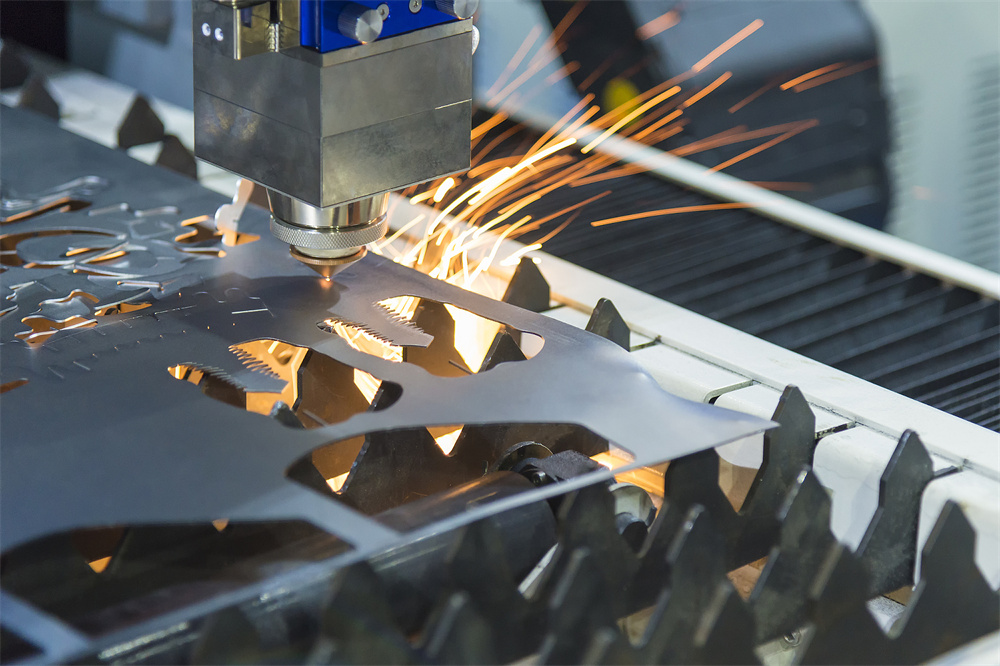
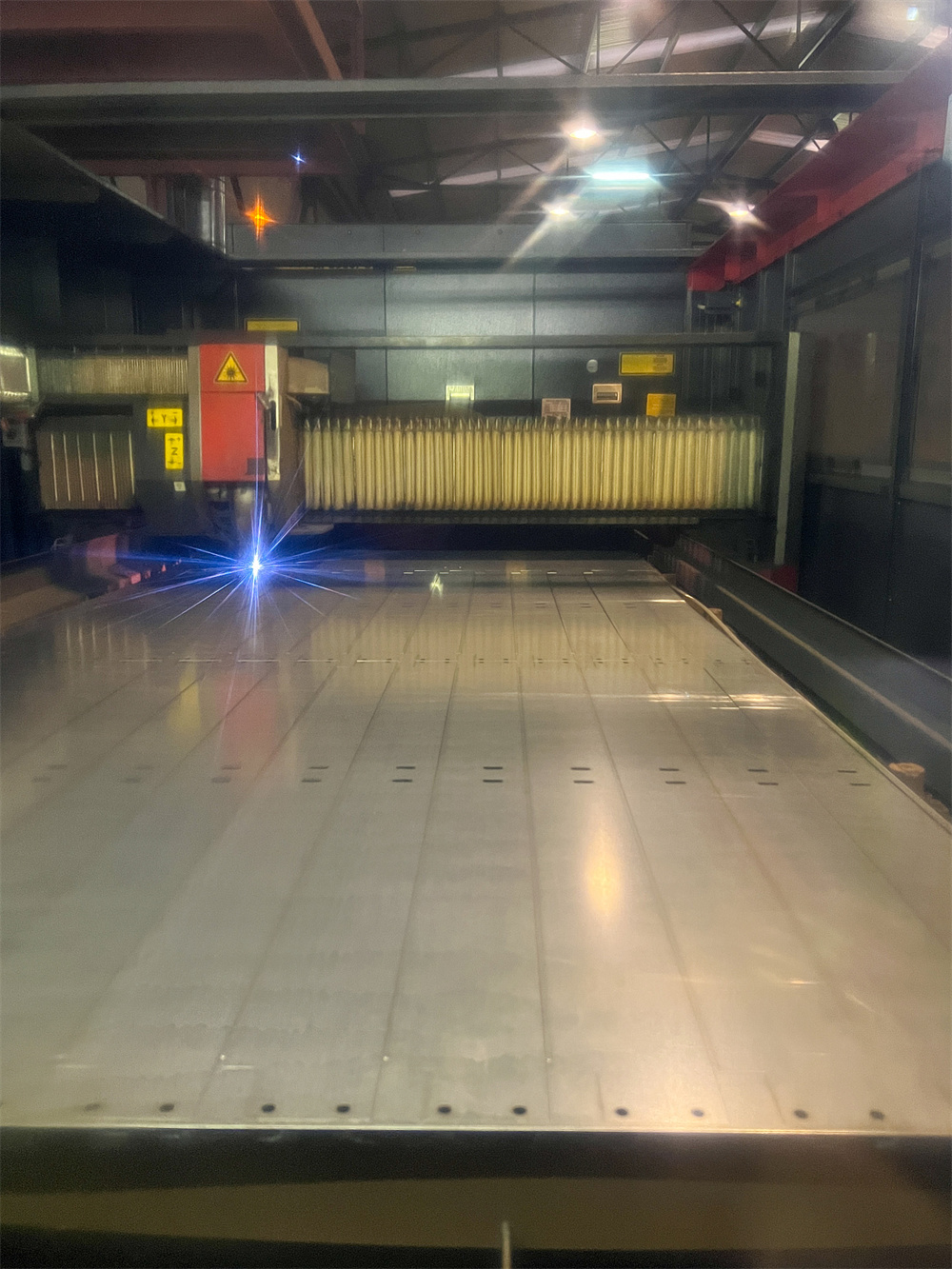
The CNC laser cutting machine, particularly the fiber laser variant, has revolutionized the fabrication industry over the last decade. Fiber lasers generate a beam through a series of laser diodes and amplify it in specially doped optical fibers. This beam is then delivered via a flexible fiber optic cable to the cutting head. The primary advantage of this technology is its incredibly small focal spot size, which allows for a narrow kerf (the width of the cut) and extremely high energy density.
When you choose a laser cutting machine, you are investing in unmatched precision. These machines typically offer tolerances within +/- 0.1mm, making them ideal for industries where parts must fit together perfectly without secondary machining. The Heat Affected Zone (HAZ) in laser cutting is also significantly smaller than in plasma cutting. Because the heat is so localized, there is minimal thermal distortion, which is crucial when working with thin materials that might otherwise warp or buckle under high heat.
Furthermore, laser cutting is highly versatile regarding material types. While fiber lasers are optimized for metals like carbon steel, stainless steel, aluminum, brass, and copper, they can also handle complex geometries and intricate patterns that would be impossible for a plasma torch. The speed of a fiber laser on thin materials (under 6mm) is staggering, often outperforming plasma by a significant margin. However, as the material thickness increases, the speed advantage of the laser diminishes, and the power requirements—and thus the cost—increase exponentially.
HARSLE’s range of fiber laser machines incorporates advanced CNC controllers that allow for automated nesting and real-time monitoring. This integration ensures that material waste is minimized, and the machine can run for extended periods with minimal operator intervention. The lack of moving parts within the laser source itself also contributes to a longer lifespan and lower maintenance requirements compared to older CO2 laser technologies.
CNC Plasma Cutting Machine Overview: The Heavy-Duty Workhorse
CNC plasma cutting machines have long been the backbone of heavy industry. The process involves creating an electrical channel of ionized gas—plasma—that transfers energy from a power supply to any conductive material. This results in an extremely hot and high-velocity jet that melts the metal and blows away the molten material. Because it relies on an electrical circuit, plasma cutting is limited to conductive metals, primarily steel, stainless steel, and aluminum.
The primary draw of plasma cutting is its ability to cut through thick plates with ease. While a laser might struggle or require immense power to cut through 30mm of carbon steel, a standard industrial plasma cutter can handle it efficiently. High-definition plasma systems have also improved the edge quality significantly, reducing the “bevel” effect (where the top of the cut is wider than the bottom) that was common in older plasma units. While it still cannot match the surgical precision of a laser, it is more than sufficient for structural steel, heavy machinery parts, and shipbuilding.
Another significant advantage of plasma is its tolerance for surface imperfections. Laser cutting requires relatively clean material; rust, scale, or oil can interfere with the beam’s focus and the assist gas’s effectiveness. Plasma, however, is much more forgiving. It can cut through rusted or painted plates without significant issues, making it the preferred choice for salvage operations and heavy construction environments where material storage conditions may not be pristine.
From an investment perspective, plasma cutting machines generally have a lower entry price than fiber lasers of comparable size. For a shop that primarily produces large, heavy parts where tolerances of +/- 0.5mm to 1mm are acceptable, a plasma cutter offers a much faster return on investment (ROI). Additionally, plasma torches are robust and can be used for gouging and piercing operations that might damage a delicate laser head.
Specification Comparison Table
To help you visualize the technical differences, the following table compares the key performance indicators of CNC laser and plasma cutting machines.
| Feature | CNC Fiber Laser Cutting | CNC Plasma Cutting |
|---|---|---|
| Precision/Tolerance | Excellent (+/- 0.1mm) | Good (+/- 0.5mm to 1mm) |
| Cutting Speed (Thin Material) | Very High | Moderate |
| Cutting Speed (Thick Material) | Moderate to Low | High |
| Max Cutting Thickness | Up to 30mm-50mm (High Power) | Up to 150mm+ (Heavy Duty) |
| Edge Quality | Smooth, square edges | Slight bevel, some dross |
| Heat Affected Zone (HAZ) | Very Small | Large |
| Material Versatility | Wide (Conductive & Reflective) | Conductive Metals Only |
| Operating Cost | Lower (High Efficiency) | Higher (Consumables & Gas) |
| Initial Investment | High | Low to Moderate |
Best-fit Applications: Choosing Based on Your Industry
Deciding whether to choose between CNC laser cutting machine and plasma cutting machine often comes down to what you are making. If your business focuses on high-precision components, such as those used in the aerospace, medical, or electronics industries, the laser is the clear winner. The ability to cut intricate tabs, small holes (where the diameter is less than the material thickness), and complex logos with a clean finish is essential for these sectors.
In the automotive industry, laser cutting is used for body panels and interior components where aesthetics and fitment are paramount. Similarly, for signage and decorative metalwork, the laser’s ability to produce a “mirror finish” on stainless steel edges without secondary grinding saves hours of labor. If you are working mostly with sheets under 12mm, the speed and accuracy of the laser will allow you to process more parts per hour, effectively lowering your cost per part despite the higher initial machine cost.
Conversely, the plasma cutting machine dominates in structural fabrication, agriculture, and heavy equipment manufacturing. Think of the frames for large tractors, the structural beams for bridges, or the thick plates used in ship hulls. These applications do not require sub-millimeter precision, but they do require the ability to cut through 25mm, 50mm, or even thicker steel consistently. Plasma is also excellent for “stack cutting,” where multiple thin sheets are clamped together and cut at once, a technique that is difficult to execute with a laser due to the air gaps between sheets.
Maintenance and repair shops also favor plasma for its portability and versatility. While a CNC laser is a stationary, high-precision tool, plasma units can be integrated into smaller, more flexible CNC tables or even used as handheld torches for manual trimming. For a general fabrication shop that takes on a wide variety of jobs, having a plasma cutter provides the flexibility to handle heavy-duty projects that a laser simply cannot touch.
Cost and Maintenance Comparison: The Long-term View
When analyzing the cost, you must look beyond the sticker price. The Total Cost of Ownership (TCO) includes the initial purchase, power consumption, assist gases, consumables, and routine maintenance. Fiber lasers have a high initial cost, but their operating costs are remarkably low. They are highly energy-efficient, converting about 30-40% of electrical power into laser light. Furthermore, fiber lasers have very few consumables—mainly the cutting nozzle and the protective window lens.
Plasma cutting machines have a lower entry price, but their operating costs can be higher over time. Plasma requires significant amounts of compressed air or specialized gases (like Oxygen, Nitrogen, or H35) and consumes electrodes and nozzles at a much faster rate than a laser. The power efficiency of plasma is also lower, as a large amount of energy is lost as heat to the surrounding environment and the cooling system. However, for thick plate cutting, the speed of plasma makes it more cost-effective because the laser would require an extremely expensive high-kilowatt source to compete.
Maintenance for a laser machine requires a clean environment. Dust and debris are the enemies of optical components. HARSLE machines are built with robust dust extraction systems, but operators must still be diligent about lens cleanliness. Plasma machines are more rugged and can operate in harsher, dustier environments. However, the plasma torch itself requires frequent inspection to ensure the swirl ring, electrode, and shield are in good condition to maintain cut quality. If these consumables are not replaced timely, the cut quality degrades rapidly, leading to expensive scrap material.
Recommendation: Which One Should You Buy?
To make the final decision, ask yourself the following four questions:
- What is my primary material thickness? If 90% of your work is under 10mm, buy a CNC laser cutting machine. If you regularly work with 20mm and above, a plasma cutting machine is likely the better investment.
- What tolerance do my customers demand? If you need parts to fit together with high precision or require intricate detail, the laser is necessary. If you are building large structures where a 1mm variance is acceptable, plasma is sufficient.
- What is my budget? If capital is tight and you need to cut thick metal immediately, plasma offers the lowest barrier to entry. If you have the capital and want the lowest cost-per-part on high-volume thin sheet work, the laser is the smarter long-term play.
- What is the material condition? If you are cutting clean, new sheets, the laser is perfect. If you are working with salvaged, rusted, or heavily scaled plate, the plasma cutter will handle the surface irregularities much better.
In many high-growth shops, the answer is eventually “both.” Having a fiber laser for high-speed, high-precision sheet work and a plasma table for heavy plate fabrication allows a business to bid on almost any project in the metalworking industry. HARSLE provides expert consultation to help you analyze your production data and choose the specific model that fits your current workflow while allowing for future expansion.
Frequently Asked Questions (FAQ)
1. Can a plasma cutter cut as cleanly as a laser?
While high-definition plasma systems can produce very clean cuts, they generally cannot match the perfectly square, dross-free edges of a fiber laser, especially on thinner materials. Plasma will almost always have a slight bevel and some degree of dross (hardened molten metal) on the bottom of the cut that may require grinding.
2. Is laser cutting faster than plasma?
On materials thinner than 6mm, a fiber laser is significantly faster than plasma. Between 6mm and 12mm, they are competitive. Once you exceed 16mm-20mm, a plasma cutter typically becomes faster and more efficient than most standard-power lasers.
3. Can I cut aluminum and copper with both machines?
Yes, but with caveats. Fiber lasers are excellent for reflective metals like aluminum and copper. Plasma can also cut them, but because these metals conduct heat so well, the edge quality on a plasma cutter can be rougher than on steel. Laser provides a much more precise edge on these specific materials.
4. Which machine is easier to learn for a new operator?
Both machines use CNC (Computer Numerical Control) systems, so the software learning curve is similar. However, laser cutting requires more attention to beam focus and gas pressure settings to achieve the perfect cut. Plasma is generally considered more “plug-and-play” for basic cutting, though mastering high-definition plasma requires significant skill.
5. What are the safety requirements for these machines?
Laser cutting requires a fully enclosed housing or specialized safety glasses to protect operators from reflected laser light, which can cause permanent eye damage. Plasma cutting produces intense UV radiation (similar to welding) and significant fumes/noise, requiring proper eye protection, ear protection, and a high-quality ventilation or water-table system.