
Top Factors to Compare Before Buying an Industrial Laser Cutting Machine


Introduction to Industrial Laser Cutting Selection
In the rapidly evolving landscape of metal fabrication, the decision to invest in a laser cutting system is often the most significant capital expenditure a facility will make. The market is saturated with various brands, technologies, and configurations, making the selection process daunting. Understanding the Top Factors Compare Before Buying An Industrial Laser Cutting Machine is not just about comparing price tags; it is about evaluating long-term operational efficiency, material versatility, and the total cost of ownership. As manufacturers shift from traditional CO2 lasers to high-efficiency fiber lasers, the technical nuances of the machine’s components—from the laser source to the motion control system—become critical benchmarks for success.
HARSLE, a leader in metalworking machinery, recognizes that a machine is only as good as its alignment with the user’s specific production needs. Whether you are a small job shop or a large-scale industrial manufacturer, the precision, speed, and reliability of your laser cutter will dictate your competitive edge. This guide provides an exhaustive analysis of the essential criteria you must evaluate to ensure your investment yields the highest possible return. We will explore the mechanical, electronic, and software-driven aspects that differentiate a standard machine from a high-performance industrial workhorse.
Comparison Summary: Navigating the Laser Landscape
When evaluating the Top Factors Compare Before Buying An Industrial Laser Cutting Machine, the comparison usually boils down to three pillars: Power and Performance, Structural Integrity, and Software Integration. A high-power machine (e.g., 12kW to 30kW) is designed for thick plate processing and high-speed nitrogen cutting, whereas mid-range machines (3kW to 6kW) are the bread and butter of thin-to-medium sheet metal fabrication. However, power is nothing without stability. A machine with a lightweight frame will vibrate at high speeds, compromising the very precision that laser cutting is known for.
Furthermore, the choice of laser source—be it IPG, Raycus, or Max—remains a pivotal point of comparison. While IPG is often cited for its global service network and stability, domestic brands like Raycus have made significant strides in cost-effectiveness and reliability for standard industrial applications. Beyond the source, the cutting head’s ability to handle high-pressure gas and provide autofocus capabilities is a major differentiator in daily productivity. By comparing these elements side-by-side, buyers can identify which machine offers the best balance of initial cost and long-term performance.
Machine A Overview: HARSLE High-Power Fiber Laser (HS-Series)
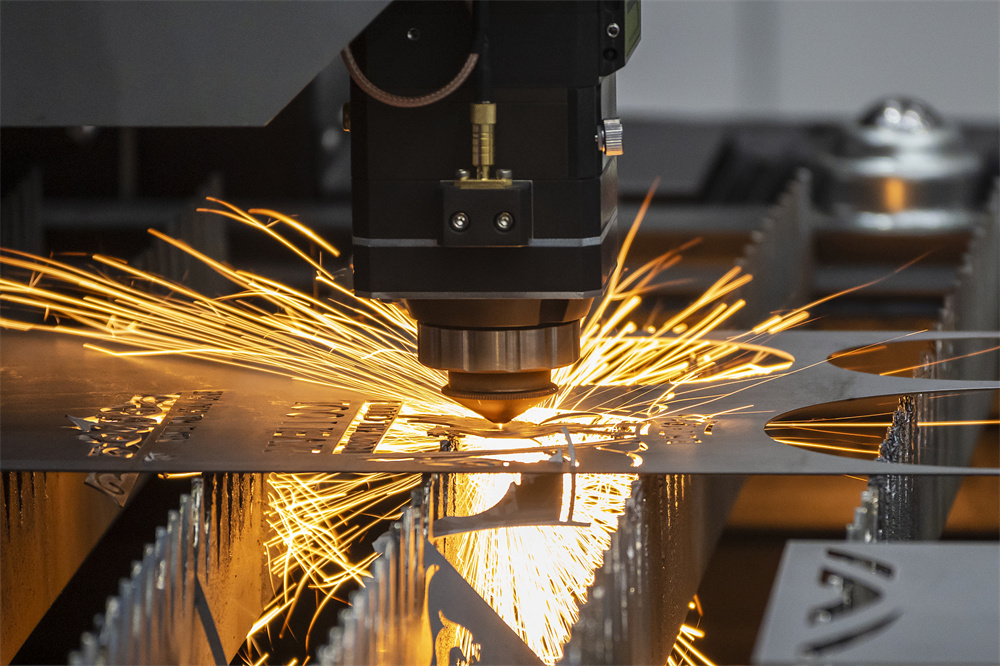
The HARSLE HS-Series represents the pinnacle of industrial fiber laser technology, designed specifically for heavy-duty manufacturing environments. This series is characterized by its high-wattage capabilities, often ranging from 6kW up to 30kW. The primary focus of the HS-Series is throughput. It utilizes a heavy-duty, heat-treated welded bed that undergoes rigorous stress-relief processes to ensure it can withstand the extreme accelerations (up to 1.5G or 2.0G) required for high-speed cutting without losing accuracy over time.
Equipped with world-class components such as Precitec cutting heads and IPG laser sources, the HS-Series is built for 24/7 operation. One of its standout features is the intelligent bus-control system, which allows for real-time monitoring of the cutting process, automatic nozzle cleaning, and exchange table synchronization. For industries like shipbuilding, heavy machinery, and steel structures, the HS-Series offers the robustness and power necessary to cut through 30mm+ stainless steel and carbon steel with a clean, dross-free finish. It is the ideal choice for those who prioritize speed and the ability to handle a wide range of material thicknesses.
Machine B Overview: HARSLE Compact Precision Series (Smart-Series)
In contrast to the heavy-duty HS-Series, the HARSLE Smart-Series is designed for precision, versatility, and space efficiency. This series typically occupies the 1.5kW to 4kW power range, making it the perfect solution for electronics, advertising signage, and precision medical equipment manufacturing. The Smart-Series focuses on the “Top Factors Compare Before Buying An Industrial Laser Cutting Machine” that matter most to small and medium enterprises (SMEs): ease of use, low maintenance, and high precision on thin materials.
The Smart-Series often features a more compact footprint, sometimes with a single-table design to save floor space. Despite its smaller size, it does not compromise on component quality, utilizing Raytools autofocus heads and high-precision servo motors from brands like Yaskawa or Panasonic. The control system is typically the user-friendly CypCut software, which is widely recognized for its intuitive interface and powerful nesting capabilities. For a shop that primarily processes 1mm to 10mm sheets and requires high detail on intricate designs, the Smart-Series provides an unbeatable ROI by minimizing gas and electricity consumption while maintaining tight tolerances.
Specification Comparison Table
| Feature | HARSLE HS-Series (High Power) | HARSLE Smart-Series (Compact) |
|---|---|---|
| Laser Power Range | 6kW – 30kW | 1.5kW – 4kW |
| Bed Construction | Heavy-duty Heat-treated Welded Bed | Reinforced Plate Welded Bed |
| Max Acceleration | 1.5G – 2.0G | 0.8G – 1.2G |
| Positioning Accuracy | ±0.03mm | ±0.05mm |
| Laser Source Options | IPG / Raycus / Max | Raycus / Max |
| Cutting Head | Precitec / Raytools (Autofocus) | Raytools (Manual/Autofocus) |
| Control System | HypCut / CypCut (Bus Version) | CypCut (Standard Version) |
| Exchange Table | Standard (Hydraulic/Electric) | Optional / Single Table |
Best-fit Applications for Industrial Laser Cutters
Choosing the right machine requires a deep dive into your specific application. For the HS-Series, the best-fit applications are found in sectors where volume and thickness are the primary drivers. In the automotive industry, these machines are used to cut high-strength steel components for chassis and frames. In the aerospace sector, the ability to cut exotic alloys with minimal heat-affected zones (HAZ) is critical. Furthermore, heavy machinery manufacturers rely on high-power lasers to replace traditional plasma cutting, as the laser provides a much cleaner edge that requires no secondary finishing, significantly reducing labor costs.
The Smart-Series, on the other hand, excels in industries where detail and material variety are key. The signage and advertising industry uses these machines to cut intricate logos from stainless steel, brass, and aluminum. In the electrical cabinet industry, the precision of the Smart-Series ensures that all cutouts for switches and connectors align perfectly, reducing assembly time. Additionally, the ability to cut highly reflective materials like copper and brass (using fiber technology) makes it a favorite for decorative metalwork and jewelry manufacturers. Understanding these application nuances is one of the Top Factors Compare Before Buying An Industrial Laser Cutting Machine because it prevents over-investing in power you don’t need or under-investing in a machine that can’t handle your growth.
Cost and Maintenance Comparison
The financial aspect of buying a laser cutting machine extends far beyond the initial purchase price. When you Top Factors Compare Before Buying An Industrial Laser Cutting Machine, you must look at the “Cost per Part.” High-power machines have a higher initial cost and higher electricity consumption, but their significantly faster cutting speeds on thick materials can actually result in a lower cost per part due to the sheer volume of production. Conversely, for thin materials, a lower-power machine is more economical to run, as it uses less power and often requires less expensive auxiliary gases.
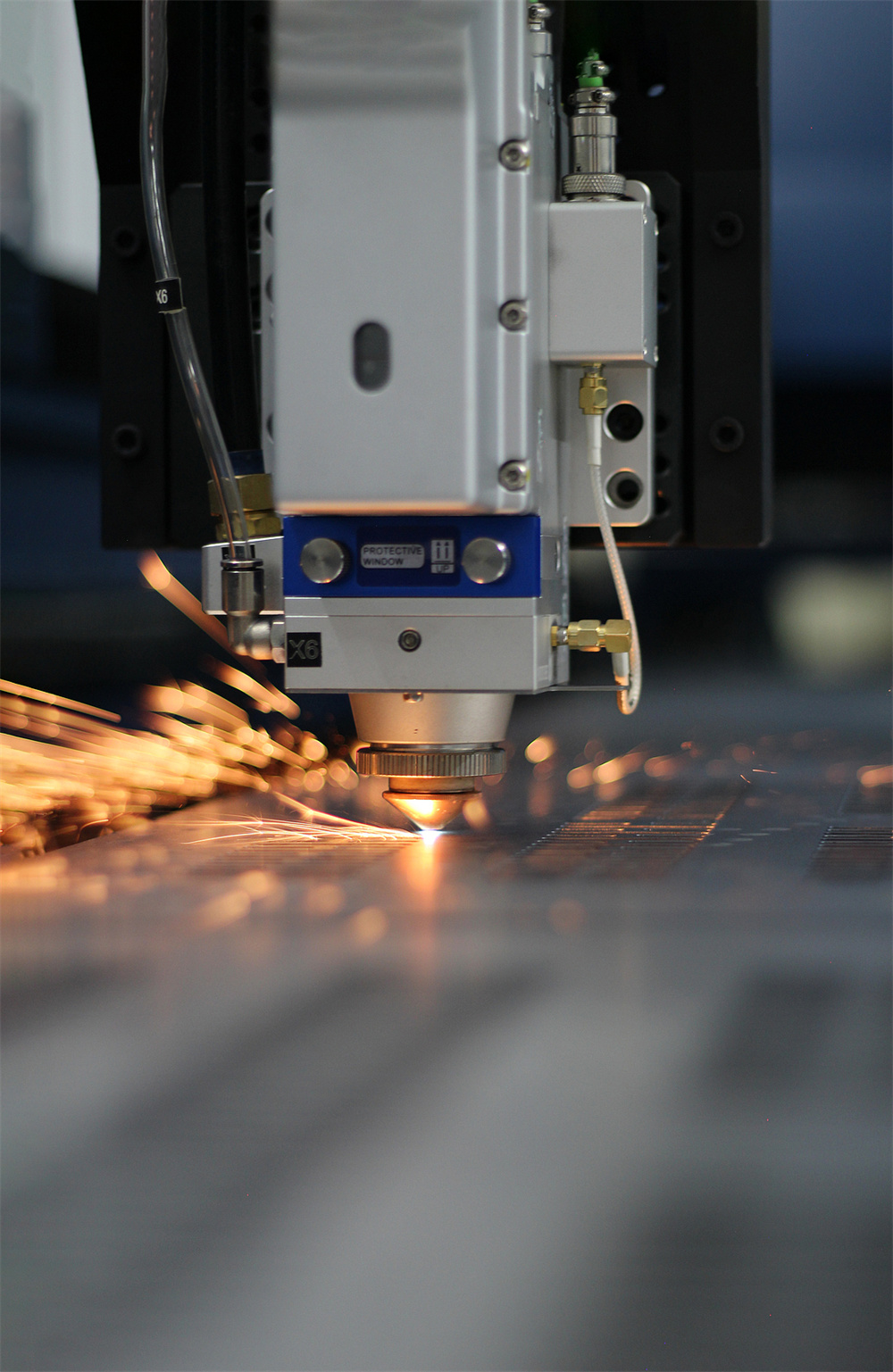
Maintenance is another critical factor. Fiber lasers are generally low-maintenance compared to old CO2 technology because they have no mirrors to align and no laser gas to refill. However, the cutting head is a consumable-heavy component. Protective windows, nozzles, and ceramic rings must be replaced regularly. High-power machines (12kW+) place more stress on these consumables due to the intense heat and gas pressure, requiring more frequent checks. A robust cooling system (chiller) is also vital; if the chiller fails, the laser source can be permanently damaged. Buyers should compare the availability of local spare parts and the manufacturer’s service response time, as downtime in an industrial setting can cost thousands of dollars per hour.
Top Factors to Compare: A Detailed Breakdown
1. Laser Source Reliability and Brand
The laser source is the heart of the machine. When comparing, look at the stability of the power output over time. IPG is the gold standard for longevity and global support, but Raycus offers excellent performance for standard carbon and stainless steel applications at a lower price point. Consider the “BPP” (Beam Parameter Product); a better BPP means a more focused beam, which translates to a smaller kerf and cleaner cuts.
2. Machine Bed and Gantry Dynamics
Don’t be fooled by a shiny exterior. The weight of the machine bed is a direct indicator of its stability. A 10-ton bed will always outperform a 5-ton bed in terms of vibration dampening. Look for beds that have been stress-relieved in a furnace; this prevents the frame from warping over years of thermal cycles. The gantry should ideally be made of aviation-grade aluminum to keep it light enough for high acceleration while remaining rigid.
3. Cutting Head Technology
Modern industrial lasers should feature autofocus cutting heads. This allows the machine to automatically adjust the focal point based on the material thickness and type, which is essential for consistent quality across different batches. For high-power applications, look for heads with integrated sensors that monitor the temperature of the internal lenses to prevent “thermal lens” effects that can distort the beam.
4. Software and Control Integration
The software is the bridge between your CAD design and the finished part. Systems like CypCut are popular because they integrate nesting, lead-in/lead-out optimization, and “fly-cutting” (cutting a grid of holes without stopping the head). Ensure the control system supports Industry 4.0 features, such as remote monitoring and production data logging, which are becoming standard in modern smart factories.
5. Auxiliary Systems: Chiller and Dust Extraction
A laser cutting machine generates immense heat and fine metallic dust. The chiller must be dual-circuit (cooling both the laser source and the cutting head) and sized correctly for your climate. The dust extraction system should have a high CFM (cubic feet per minute) rating and a pulse-jet cleaning filter to ensure a healthy working environment and to protect the machine’s precision components from abrasive dust.
Recommendation: Which Machine Should You Choose?
The final recommendation depends on your production volume and material mix. If your business model involves high-volume production of thick plates (12mm and above) or if you are a service center that needs to handle any job that comes through the door, the HARSLE HS-Series is the clear winner. Its structural rigidity and high-power options provide the future-proofing needed to scale operations and tackle the most demanding industrial tasks.
However, if you are a specialized manufacturer focusing on precision components, thin-gauge sheet metal, or if you are just transitioning from outsourcing to in-house production, the HARSLE Smart-Series offers a more logical entry point. It provides the same high-quality fiber laser technology in a more manageable and cost-effective package. Regardless of the model, the most important of the Top Factors Compare Before Buying An Industrial Laser Cutting Machine is the partnership with the manufacturer. Ensure that HARSLE or your chosen provider offers comprehensive training and a clear warranty structure to protect your investment.
Frequently Asked Questions (FAQ)
What is the lifespan of a fiber laser source?
Most high-quality fiber laser sources, such as those from IPG or Raycus, are rated for approximately 100,000 hours of operation. This equates to over 10 years of 24/7 use, provided the machine is maintained correctly and the cooling system is functioning properly.
Can I cut reflective materials like aluminum and copper?
Yes, fiber laser technology is perfectly suited for reflective materials. Unlike CO2 lasers, where the beam can reflect back and damage the resonator, fiber lasers use a different wavelength and delivery system that allows for safe and efficient cutting of aluminum, brass, and copper.
How much does it cost to run an industrial laser cutter?
The operating cost includes electricity, auxiliary gases (Oxygen, Nitrogen, or Compressed Air), and consumables (nozzles, lenses). On average, running a 3kW machine might cost between $10 and $20 per hour, depending on local utility rates and the type of gas used. Nitrogen cutting is generally more expensive than oxygen cutting due to the higher volume of gas required.
Is autofocus really necessary for a laser cutting head?
For industrial applications, yes. Autofocus significantly reduces setup time when switching between different material thicknesses and ensures that the pierce point and cut quality remain consistent even if the sheet metal is slightly uneven.
What is the difference between a welded bed and a cast iron bed?
A cast iron bed offers superior vibration dampening and thermal stability but is much heavier and more expensive. A high-quality welded bed that has been heat-treated and stress-relieved offers a great balance of performance and cost-effectiveness for most industrial laser applications.












