How to Compare Laser Cutting Machine Prices, Performance, and ROI


Comprehensive Comparison Summary: Navigating the Laser Cutting Market
Investing in a laser cutting machine is one of the most significant capital expenditures a metal fabrication business will undertake. The market is flooded with options ranging from budget-friendly entry-level models to high-performance, ultra-high-power systems. To make an informed decision, business owners must look beyond the initial sticker price and evaluate the holistic value proposition, which includes performance metrics and the long-term Return on Investment (ROI). Comparing laser cutting machine prices, performance, and ROI requires a deep dive into technical specifications, operational costs, and the specific production needs of your facility.
The primary shift in the industry over the last decade has been the transition from CO2 lasers to fiber laser technology. Fiber lasers offer higher electrical efficiency, faster cutting speeds for thin materials, and significantly lower maintenance requirements. However, when comparing machines, one must consider the laser source brand (such as IPG, Raycus, or nLIGHT), the cutting head technology, the motion system (linear motors vs. rack and pinion), and the software integration. These components dictate the machine’s reliability and its ability to maintain precision over years of heavy industrial use.
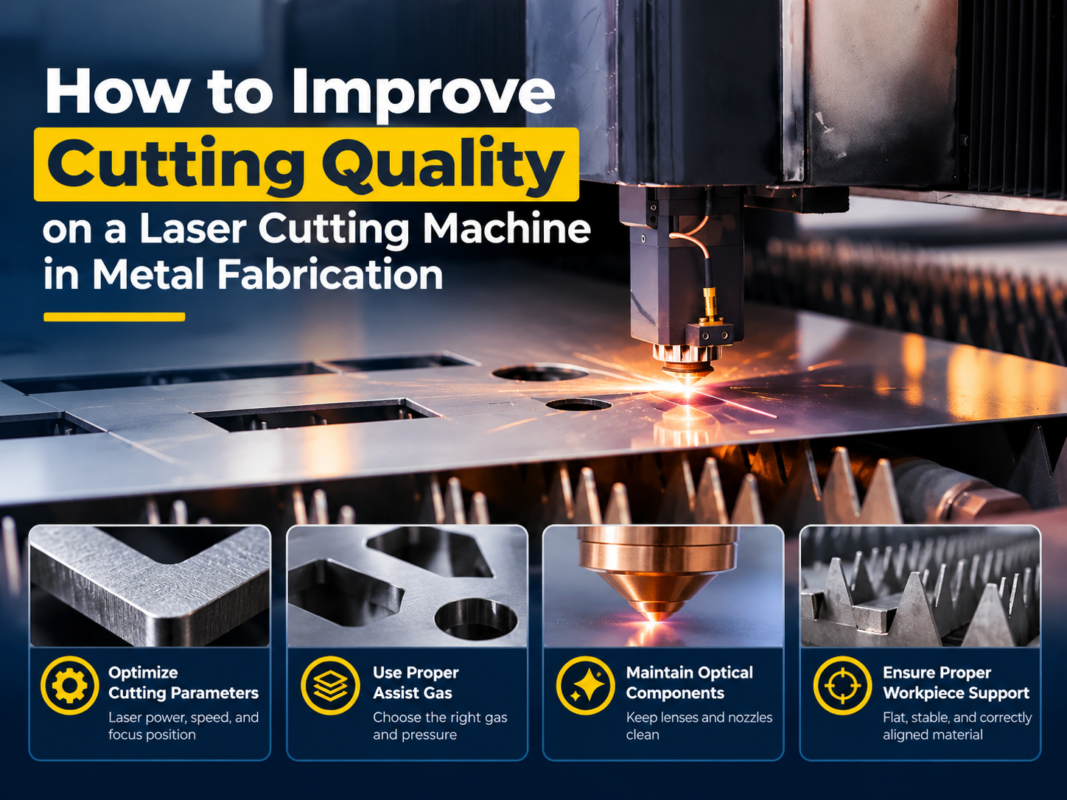
Performance is not just about raw speed; it is about the quality of the cut, the range of materials the machine can handle, and the consistency of output. A machine that cuts 20% faster but requires 30% more secondary finishing (like deburring) may actually have a lower ROI than a slower, more precise machine. Therefore, the comparison must be balanced across three pillars: the initial investment (Price), the technical capability (Performance), and the total cost of ownership relative to profit generation (ROI).
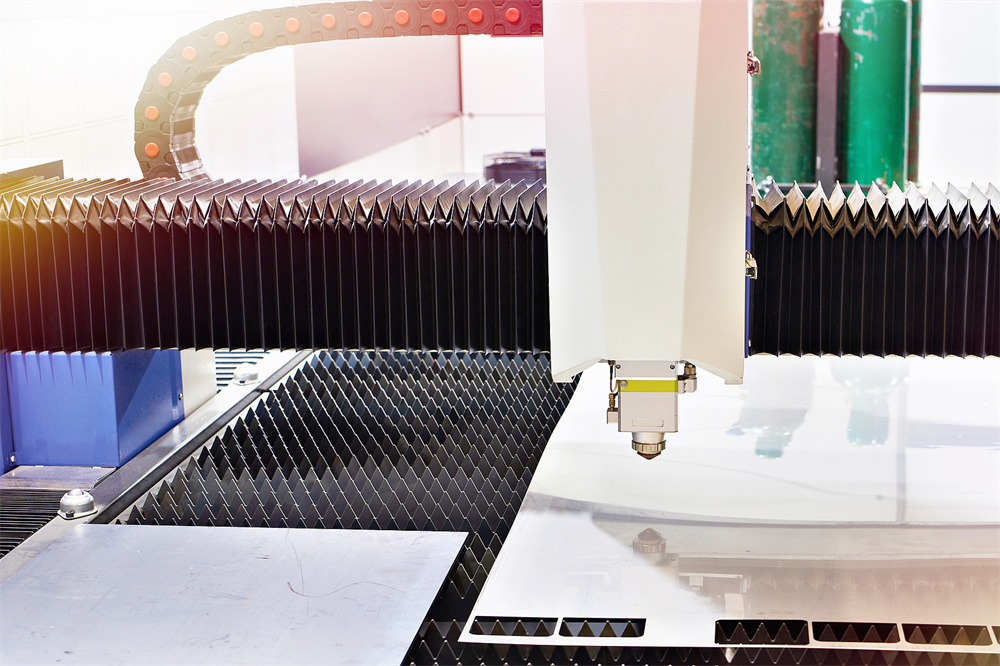
Machine A Overview: High-Power Industrial Fiber Laser (12kW – 30kW)
Machine A represents the pinnacle of modern fabrication technology: the ultra-high-power fiber laser. These machines, typically ranging from 12kW to 30kW, are designed for heavy-duty industrial environments where high throughput and the ability to cut thick plates are paramount. For a fabrication shop dealing with structural steel, heavy machinery parts, or large-scale infrastructure components, Machine A is the workhorse that eliminates the need for plasma cutting or secondary machining processes.
The performance of a 20kW fiber laser is staggering. It can cut through 50mm carbon steel or stainless steel with ease, often providing a clean, square edge that requires zero post-processing. The speed at which these machines operate on medium-thickness materials (10mm to 20mm) is significantly higher than mid-range models, allowing for a much higher volume of parts per shift. This high performance comes with a premium price tag, often exceeding several hundred thousand dollars, but the capacity it unlocks for a business can be transformative.
From a technical standpoint, Machine A usually features reinforced heavy-duty frames to handle the dynamic forces of high-speed cutting, advanced cooling systems for the laser source and cutting head, and sophisticated gas control systems. These machines are often equipped with automated nozzle changers and shuttle tables to minimize downtime. While the initial price is high, the ROI is driven by the sheer volume of production and the ability to take on complex, thick-plate projects that competitors with lower-power machines cannot handle.
Machine B Overview: Mid-Range Versatile Fiber Laser (3kW – 6kW)
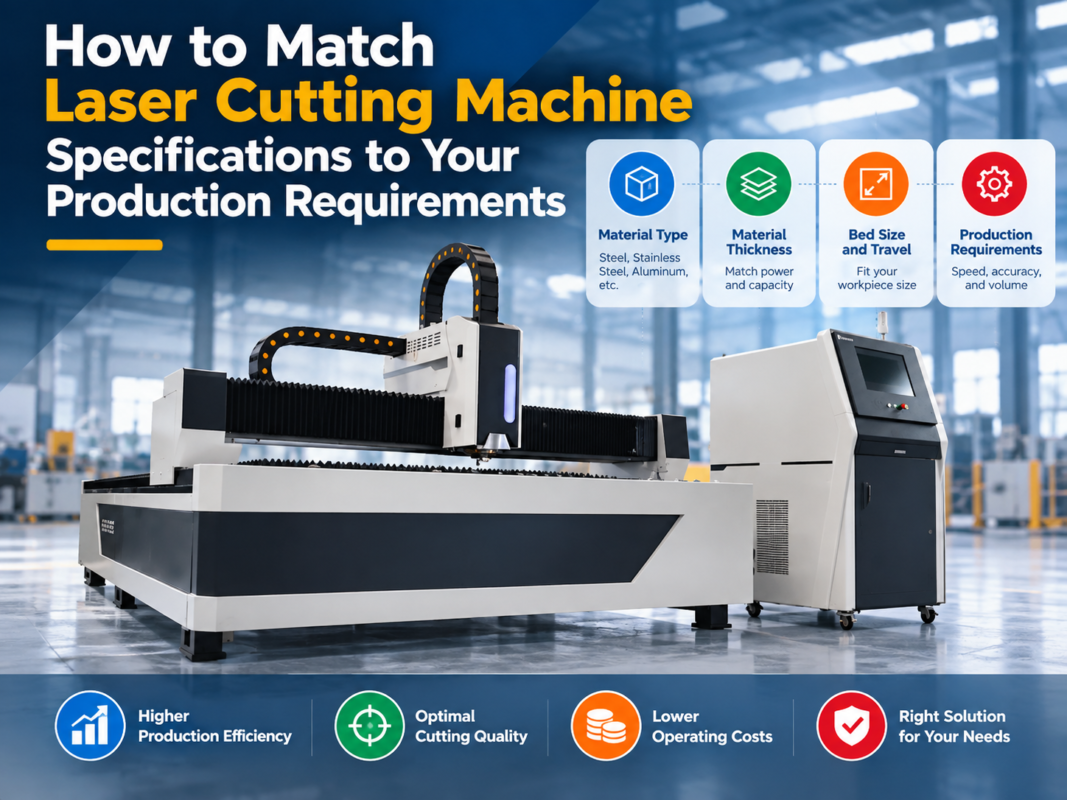
Machine B is the “sweet spot” for many small to medium-sized job shops. With a power range of 3kW to 6kW, these machines offer incredible versatility for cutting thin to medium-thickness sheet metal (up to 20mm-25mm carbon steel). Machine B is characterized by its balance of affordability and capability. It is the ideal choice for businesses transitioning from traditional mechanical cutting methods or older CO2 lasers to modern fiber technology.
The performance of a 6kW laser is optimized for materials between 1mm and 12mm, where it achieves exceptional speeds and edge quality. While it may struggle with the very thick plates that Machine A handles effortlessly, it excels in precision work for the electronics, automotive, and signage industries. The lower power consumption and simpler infrastructure requirements make it an attractive option for shops with limited power supply or floor space.
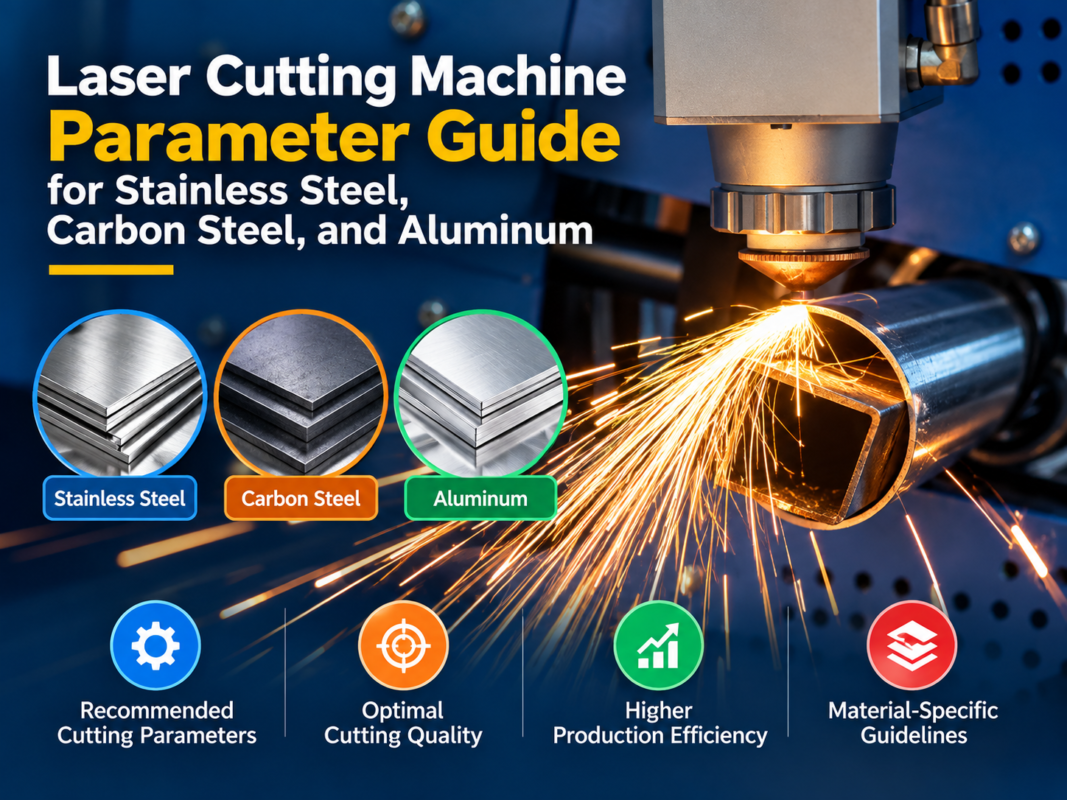
In terms of price, Machine B is significantly more accessible than high-power variants. This lower entry barrier allows shops to achieve a faster break-even point if their primary workload consists of standard sheet metal gauges. The ROI for Machine B is often found in its flexibility; it can switch between different materials (aluminum, brass, copper, and steel) quickly, making it perfect for a high-mix, low-volume production environment. It provides a reliable, high-quality output without the massive capital risk associated with ultra-high-power systems.
Specification Comparison Table
| Feature | Machine A (High-Power 20kW) | Machine B (Mid-Range 6kW) |
|---|---|---|
| Laser Source | High-End Fiber (IPG/nLIGHT) | Standard Fiber (Raycus/Max) |
| Max Cutting Thickness (CS) | 50mm – 70mm | 20mm – 25mm |
| Cutting Speed (2mm SS) | 60-100 m/min | 35-50 m/min |
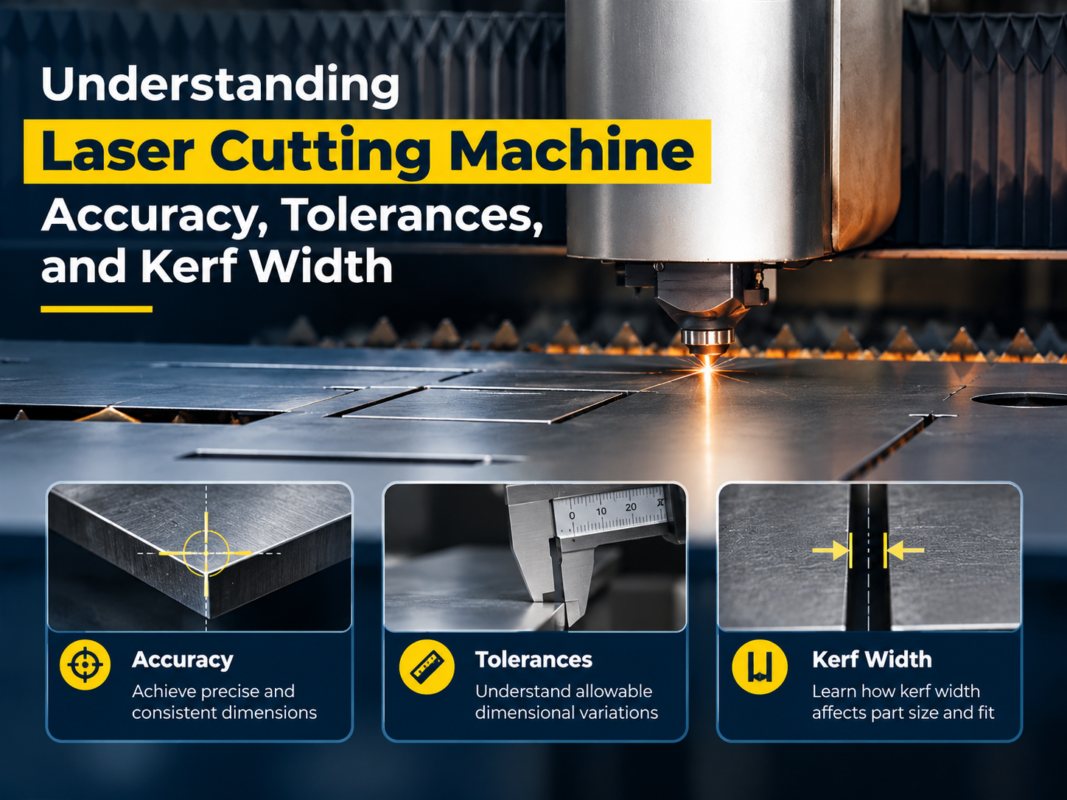
| Positioning Accuracy | ±0.03mm | ±0.05mm |
| Acceleration | 2.0G – 3.0G | 1.0G – 1.5G |
| Power Consumption | High (80kW – 120kW) | Moderate (25kW – 40kW) |
| Typical Price Range | $250,000 – $500,000+ | $60,000 – $120,000 |
| Best For | Heavy Industry, Thick Plate | Job Shops, Thin/Medium Sheet |
Best-fit Applications for Different Laser Classes
Choosing between different laser cutting machines depends heavily on the intended application. High-power machines (Machine A) are indispensable in industries like shipbuilding, aerospace, and heavy construction equipment manufacturing. In these sectors, the ability to cut thick structural components with high precision reduces the reliance on manual welding prep and grinding. The high speed of these machines also makes them suitable for large-scale automotive production lines where every second saved per part translates into significant annual profit.
Mid-range machines (Machine B) find their home in general fabrication, HVAC ductwork, electrical enclosure manufacturing, and decorative metalwork. Because these industries often work with stainless steel and aluminum in the 1mm to 6mm range, the 6kW laser provides more than enough power to maintain high productivity. The precision of Machine B is also ideal for intricate designs required in architectural metalwork and custom signage, where edge finish is a primary quality metric.
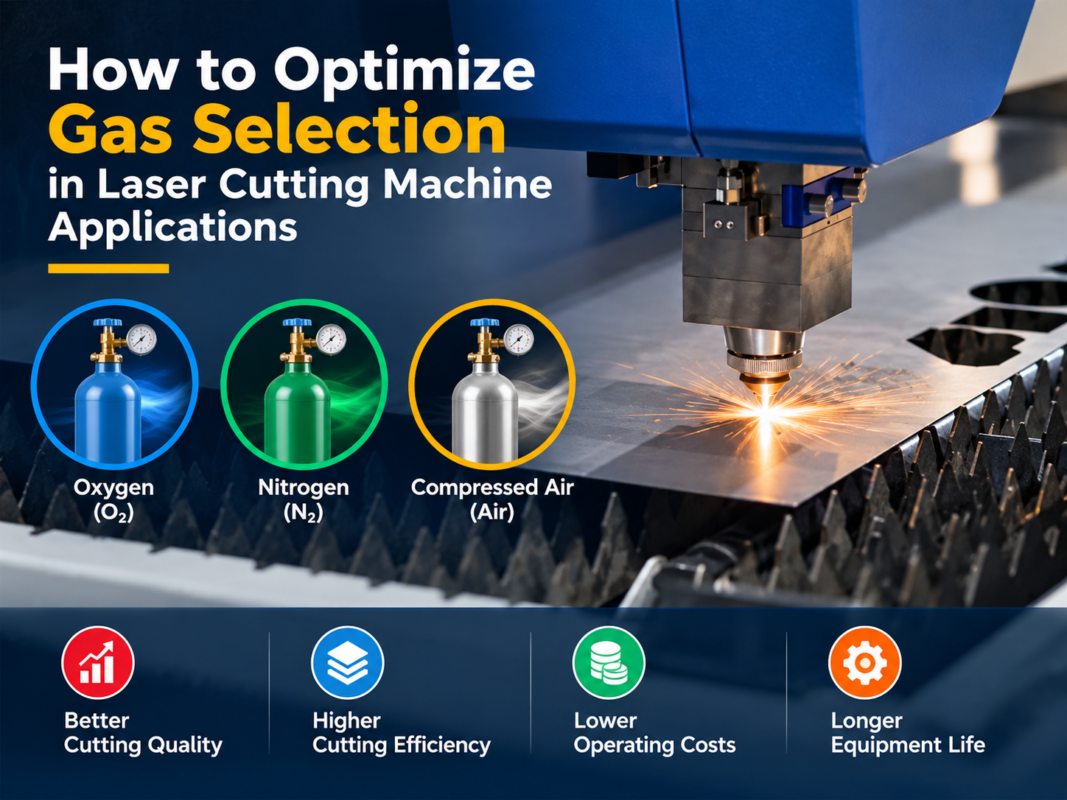
Furthermore, the choice of gas (Oxygen, Nitrogen, or Compressed Air) plays a role in application suitability. High-power machines often utilize high-pressure air cutting to significantly reduce the cost per part on medium thicknesses, a strategy that is less effective on lower-power machines. Understanding your primary material mix and thickness is the first step in determining which machine class will deliver the best performance for your specific shop floor needs.
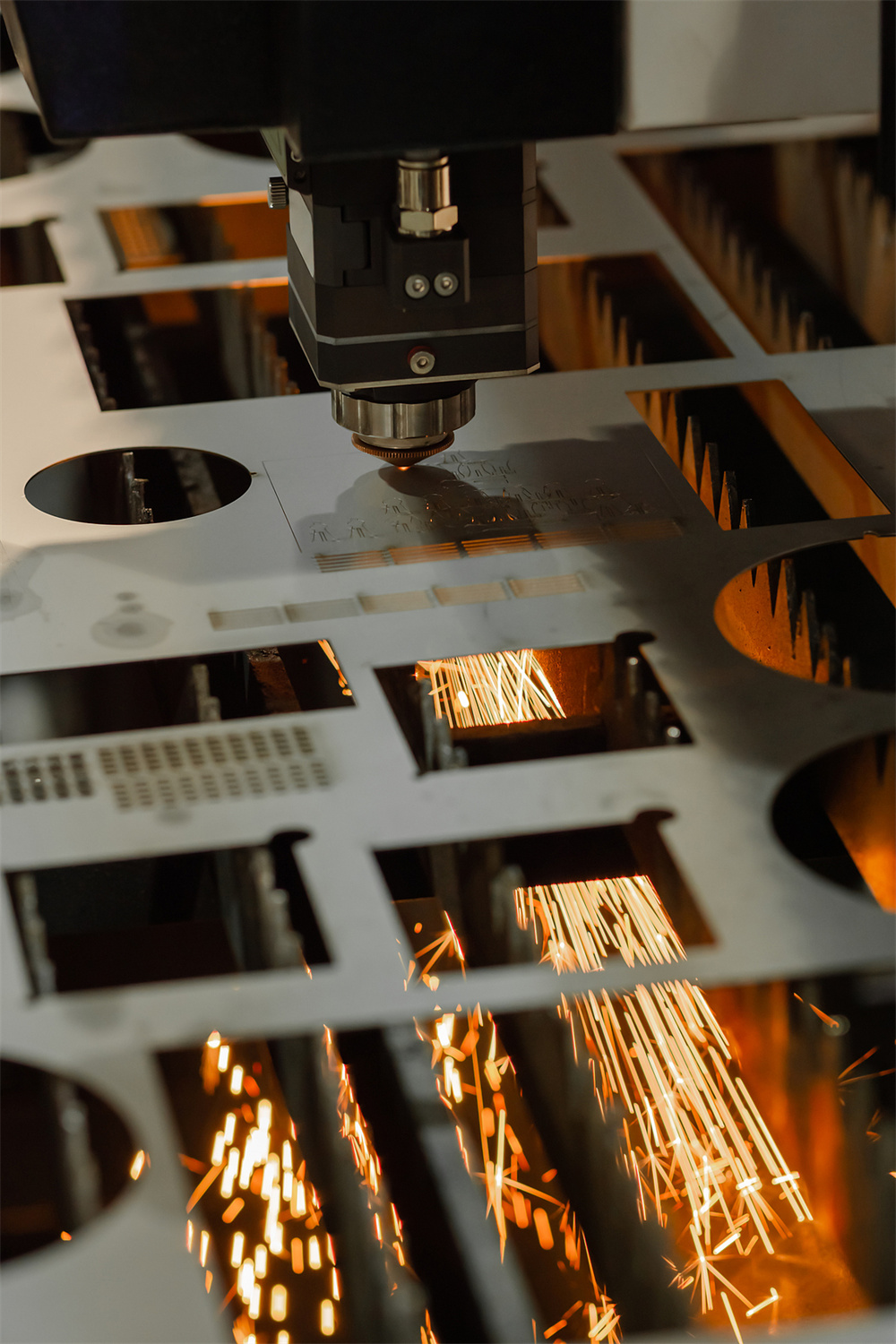
Cost and Maintenance Comparison: Beyond the Purchase Price
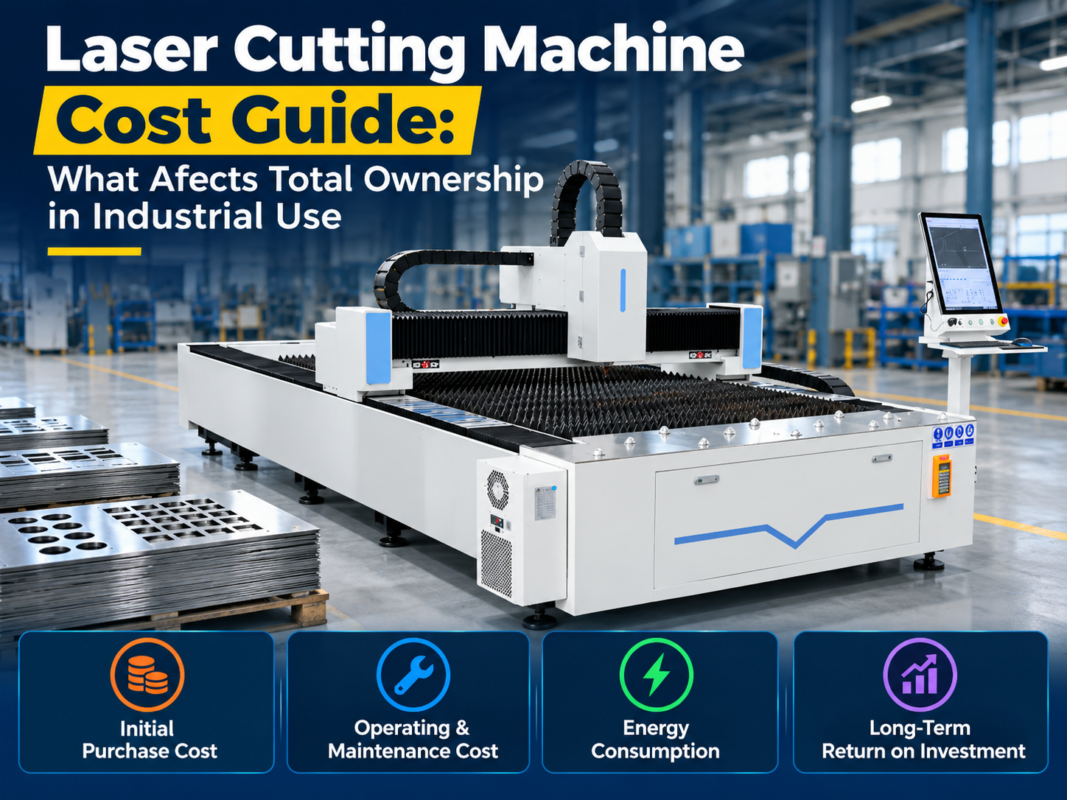
When you compare laser cutting machine prices, performance, and ROI, the operational costs (OPEX) often outweigh the initial capital expenditure (CAPEX) over the machine’s lifespan. The primary costs include electricity, assist gases, replacement parts (nozzles, lenses, ceramics), and routine maintenance. High-power machines consume significantly more electricity and gas, but their higher output can lead to a lower cost per part if the machine is kept busy.
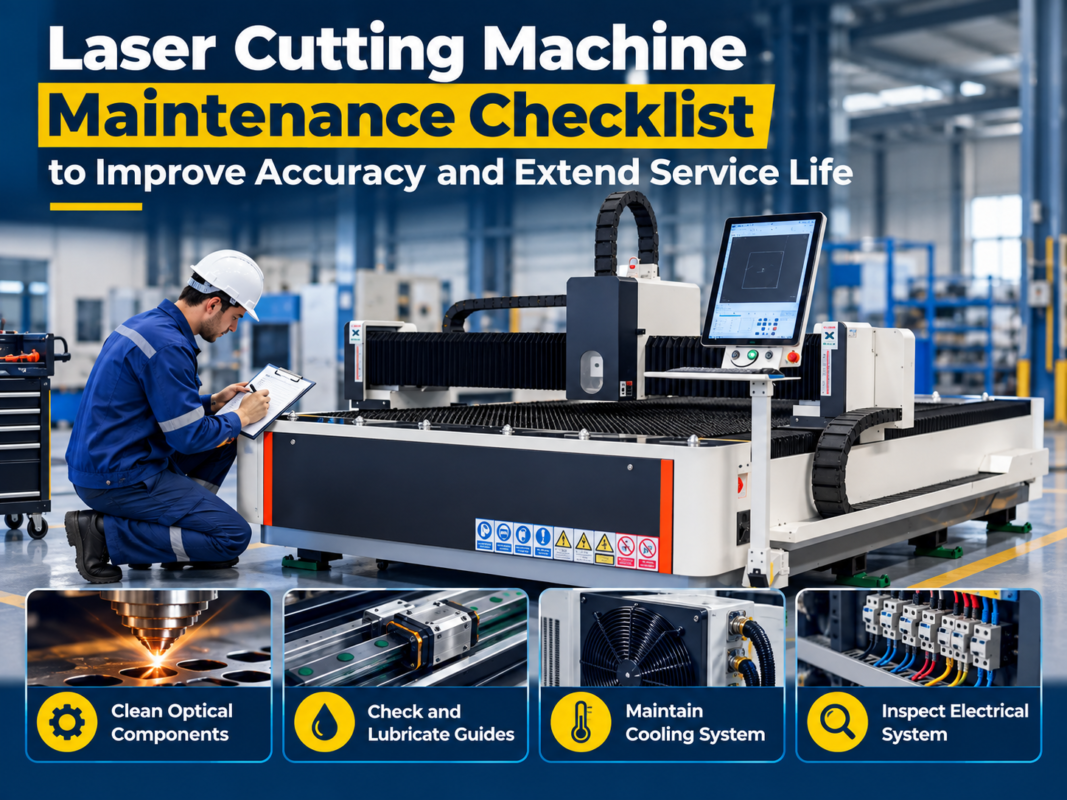
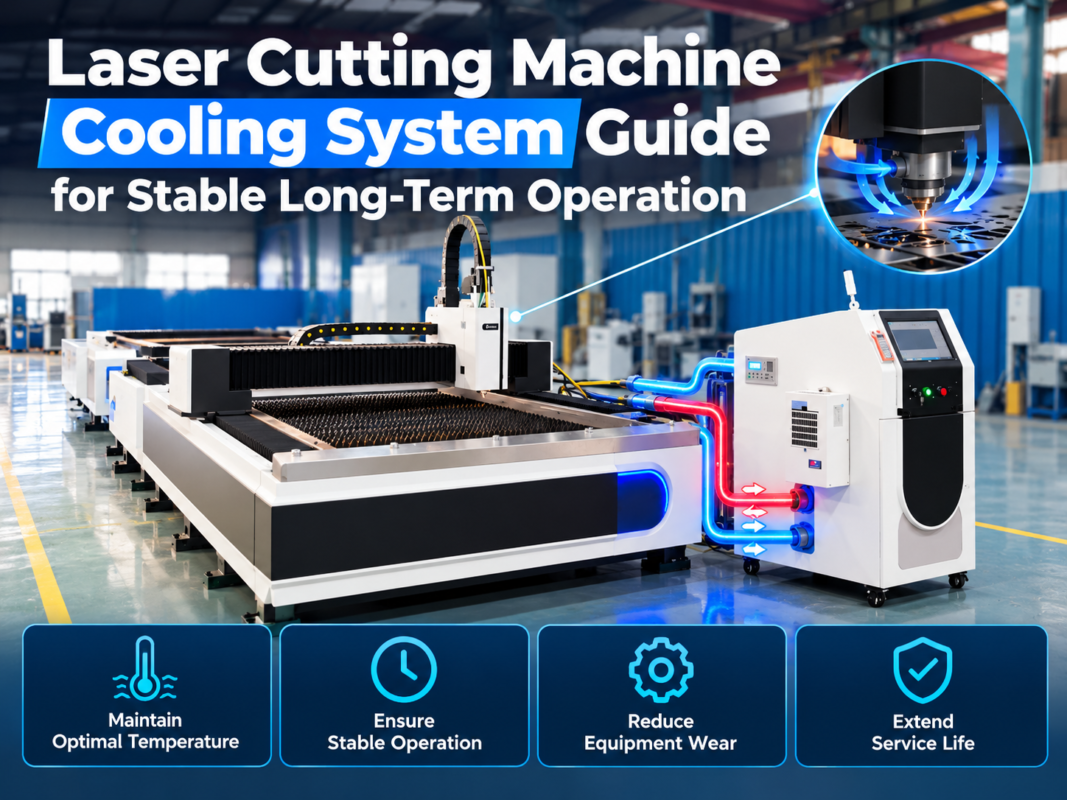
Maintenance for fiber lasers is generally lower than for CO2 lasers because they lack the complex internal mirrors and bellows systems. However, they still require a clean environment and regular checks. The chiller system is a critical maintenance point; if the water quality is poor or the filters are clogged, the laser source can overheat, leading to expensive repairs. High-power machines often have more sophisticated (and expensive) cutting heads with multiple sensors that require expert calibration and care.
Assist gas is another major expense. Cutting with Nitrogen provides a clean, oxide-free edge but is expensive. Cutting with Oxygen is slower and leaves an oxide layer but uses less gas. Many modern shops are moving toward high-pressure air cutting, which requires a high-initial investment in a specialized compressor and filtration system but drastically reduces the ongoing cost of gas. When calculating ROI, the ability of a machine to utilize air cutting effectively is a major factor that can save tens of thousands of dollars annually.
ROI Analysis: Calculating the True Value of Your Investment
ROI is the ultimate metric for any machinery purchase. To calculate it accurately, you must consider the total revenue generated by the machine minus the total cost of operation (labor, gas, power, maintenance, and the machine’s depreciation). A common mistake is only looking at the machine’s speed. True ROI includes “uptime”—how often the machine is actually cutting versus sitting idle for loading, unloading, or maintenance.
Consider this scenario: Machine A costs $300,000 and produces 100 parts per hour. Machine B costs $100,000 and produces 40 parts per hour. While Machine A is three times the price, it is 2.5 times as productive. If your order volume is high enough to keep Machine A running two shifts a day, the lower labor cost per part and the ability to fulfill more orders will result in a much higher ROI and a faster payback period. However, if your shop only has enough work for 4 hours of cutting a day, Machine B is the much smarter financial choice.
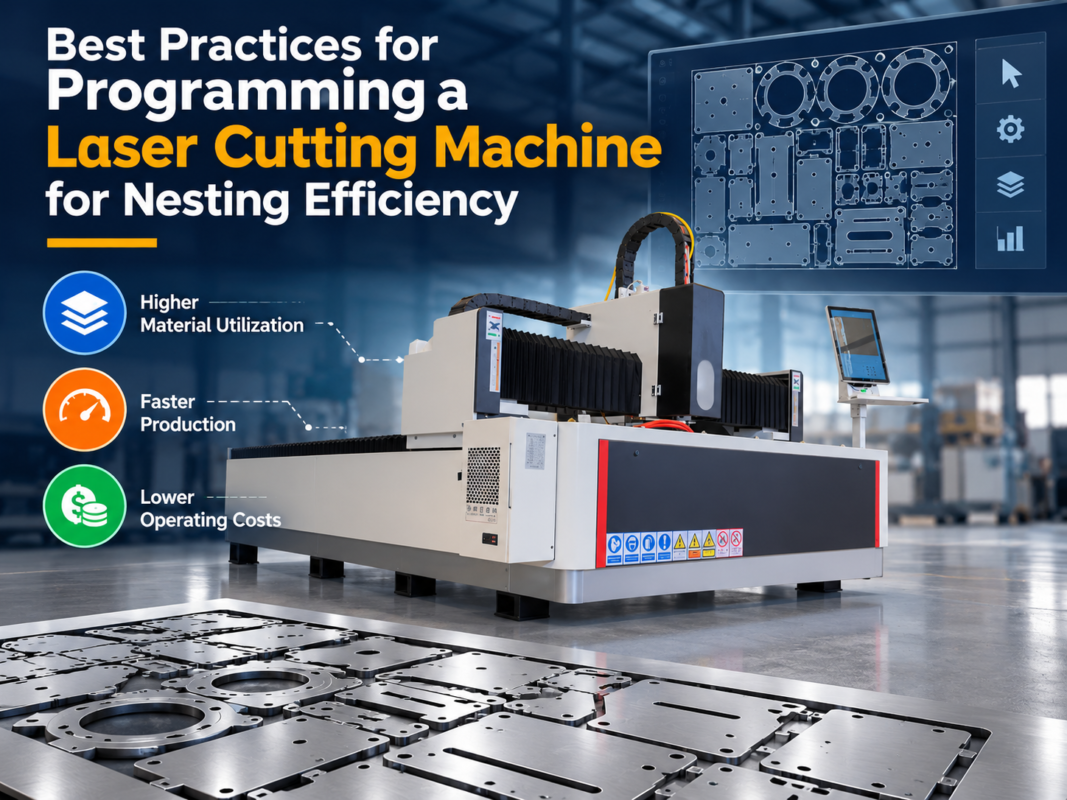
Another factor in ROI is material utilization. Advanced nesting software, often bundled with higher-end machines, can save 5-10% in material waste. In a high-volume shop, saving 5% on steel costs can pay for the machine’s monthly financing on its own. Additionally, consider the reduction in secondary operations. If a more expensive laser produces a part that doesn’t need grinding, you save on labor and consumables in the finishing department, further boosting the ROI of the more expensive machine.
Recommendation: How to Choose the Right Machine for Your Business
To choose the right laser cutting machine, start by auditing your current and projected workload. If your business is focused on heavy plate fabrication or you are a high-volume tier-one supplier, the investment in a high-power system (12kW+) like Machine A is justified. The speed and thickness capabilities will allow you to dominate your market segment and reduce your cost-per-part through sheer efficiency and air-cutting capabilities.
For the majority of general fabrication shops, a mid-range fiber laser (3kW to 6kW) like Machine B offers the best balance of risk and reward. It provides the precision and speed needed for modern metalwork without the extreme utility requirements and capital risk of ultra-high-power units. Ensure that whatever machine you choose, you partner with a manufacturer like HARSLE that provides robust after-sales support, training, and readily available spare parts.
Finally, always perform a “live demo” or a time-study on your own parts before purchasing. Do not rely solely on manufacturer spec sheets. See how the machine handles your specific materials, check the edge quality, and verify the actual cycle times. By comparing laser cutting machine prices, performance, and ROI through the lens of your specific production data, you will ensure a profitable investment that grows with your business.
Frequently Asked Questions (FAQ)
1. What is the most important factor when comparing laser cutting machine prices?
While the initial price is important, the most critical factor is the “cost per part.” This includes the machine’s speed, gas consumption, and electricity usage. A cheaper machine that is slow and uses more gas will eventually cost more than a more expensive, efficient machine.
2. How does laser power affect the ROI?
Higher laser power increases cutting speed and the maximum thickness of the material. If you have a high volume of work, higher power leads to a faster ROI because you can produce more parts in less time with the same labor cost. However, if your volume is low, the higher initial cost will extend the payback period.
3. Is a 12kW laser always better than a 6kW laser?
Not necessarily. For thin materials (under 3mm), the speed difference between 6kW and 12kW is negligible because the machine’s mechanical motion system (acceleration) becomes the limiting factor. 12kW is only “better” if you are cutting thicker materials or need extreme speeds on medium-thickness sheets.
4. What are the hidden costs of owning a laser cutting machine?
Hidden costs include site preparation (reinforced flooring), specialized power supply installation, high-pressure air compressors for air cutting, operator training, and the cost of software licenses. Maintenance of the chiller and dust collector are also ongoing expenses.
5. How long does it typically take to see a Return on Investment?
For a well-utilized machine in a productive shop, the ROI period is typically between 18 and 36 months. This depends on the machine’s uptime, the complexity of the parts, and the local market rates for laser cutting services.
6. Can I upgrade the power of my fiber laser later?
In most cases, no. The laser source, chiller, and cutting head are all matched to a specific power rating. Upgrading usually requires replacing these major components, which is often nearly as expensive as buying a new machine. It is better to buy a machine that meets your needs for the next 5 years.