Automatic Laser Cutting Machine vs Manual Cutting: Which Improves Workshop Efficiency?


Introduction to Modern Metal Fabrication Efficiency
In the rapidly evolving landscape of metal fabrication, the debate between traditional manual methods and advanced automation is more relevant than ever. For workshop owners and industrial managers, the primary goal is always to maximize throughput while minimizing waste and labor costs. The question of Automatic Laser Cutting Machine Vs Manual Cutting: Which Improves Workshop Efficiency? is not just about speed; it is about the holistic optimization of the production cycle. As global competition intensifies, the transition from manual tools to CNC-controlled laser systems has become a defining factor for business growth.
HARSLE, a leader in the industrial machinery sector, has observed a significant shift in how workshops approach material processing. While manual cutting served the industry for decades, the introduction of fiber laser technology has redefined the benchmarks for precision and volume. This article provides an exhaustive comparison between these two methodologies, examining their technical specifications, operational costs, and long-term impact on workshop productivity. By the end of this guide, you will have a clear understanding of which path aligns best with your operational goals.
Comparison Summary: Automation vs. Manual Labor
When we talk about efficiency, we are measuring the ratio of output to input. In a manual cutting environment, the input is heavily weighted toward skilled labor, time, and physical effort. Manual methods, such as plasma torches, oxy-fuel cutting, or mechanical saws, rely on the operator’s steady hand and visual judgment. While flexible for one-off repairs or simple tasks, these methods struggle with consistency and high-volume demands. The margin for error is high, and secondary processes like grinding and deburring are almost always required.
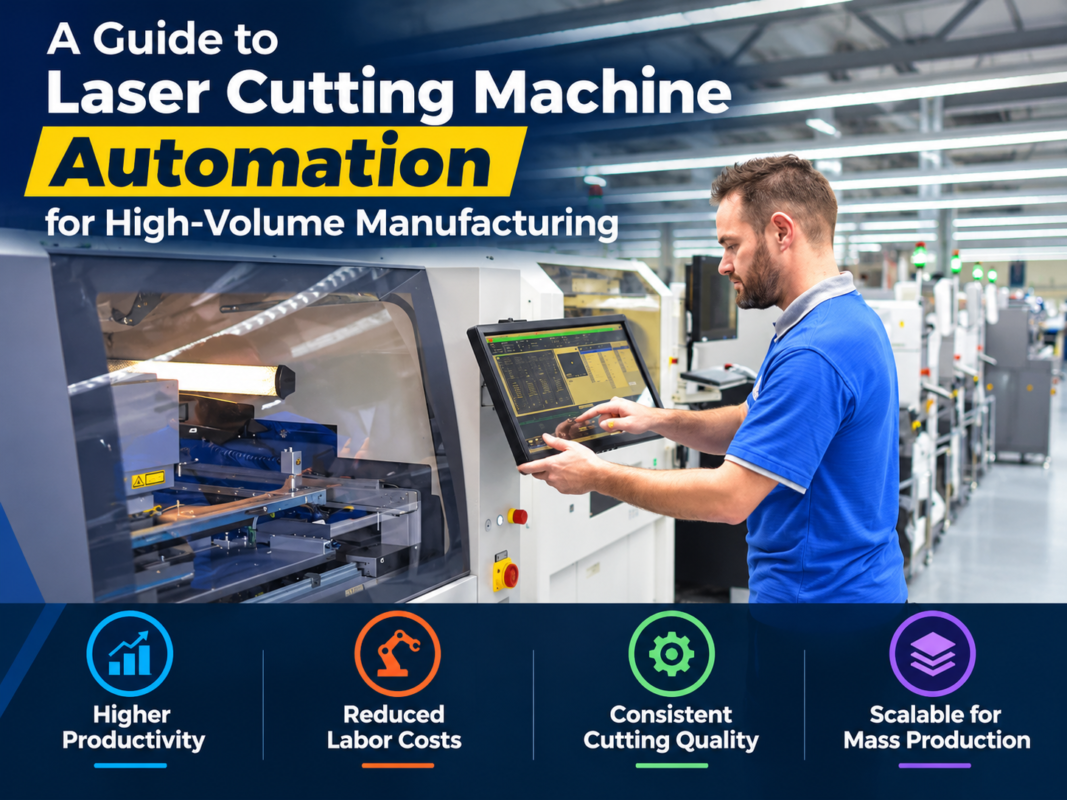
Conversely, an automatic laser cutting machine utilizes a high-powered fiber laser beam directed by Computer Numerical Control (CNC) software. This system automates the entire cutting process, from material loading (in some configurations) to the final part separation. The efficiency gains are found in the machine’s ability to run at high speeds with micron-level precision, 24/7 if necessary. The comparison is stark: where a manual operator might take minutes to cut a complex geometry, a laser machine completes it in seconds with a finish that requires no further treatment. This fundamental difference in throughput is why automation is winning the efficiency race in modern manufacturing.
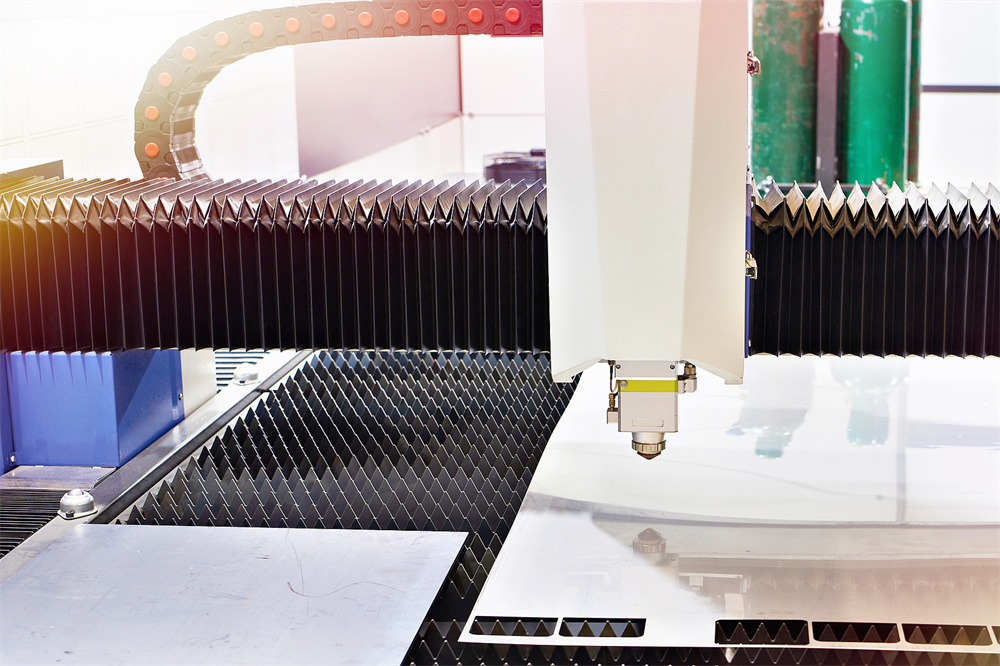
Automatic Laser Cutting Machine Overview
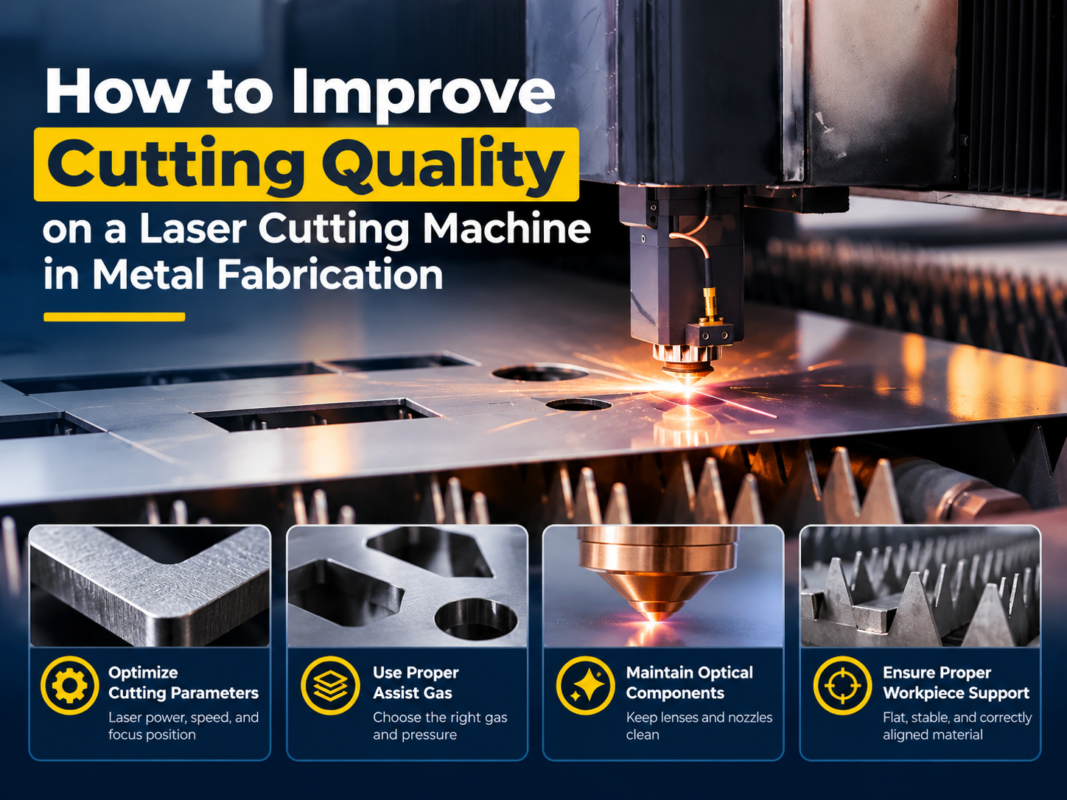
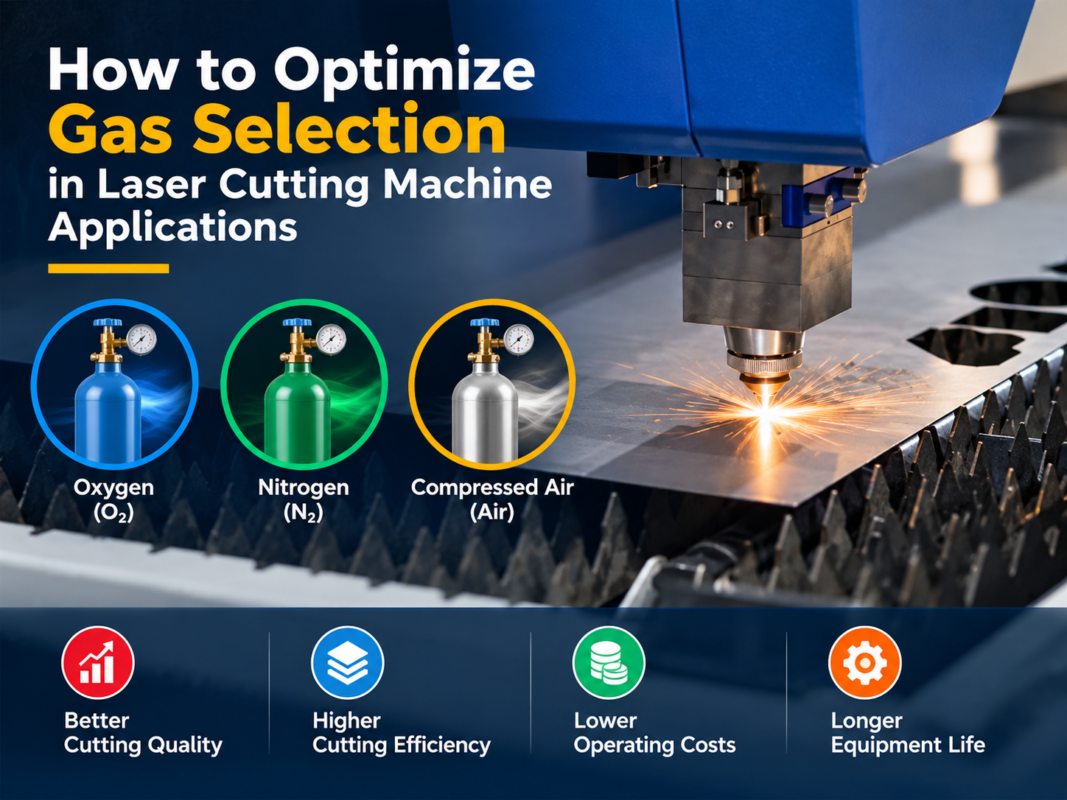
An automatic laser cutting machine, particularly those utilizing fiber laser technology, represents the pinnacle of thermal cutting. These machines work by focusing a high-density laser beam onto the material surface, melting or vaporizing it instantly. A coaxial gas stream (usually Oxygen, Nitrogen, or Compressed Air) then blows the molten material away, leaving a clean, narrow kerf. The entire movement is dictated by a gantry system driven by high-precision servo motors, ensuring that the path followed is identical to the digital CAD/CAM design.
Key Components and Technology
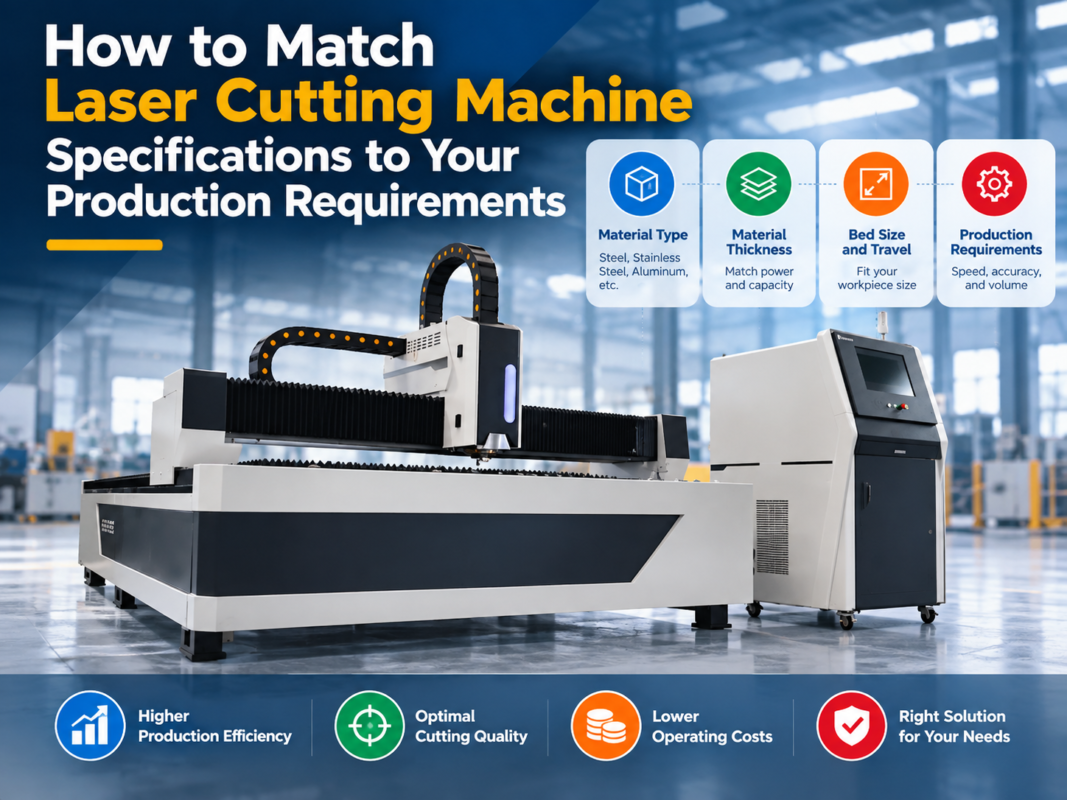
Modern automatic systems from HARSLE feature several critical components that drive efficiency. The laser source (such as Raycus, Max, or IPG) determines the cutting power and thickness capacity. The cutting head, often equipped with auto-focus capabilities, adjusts the focal point in real-time to maintain optimal cutting conditions even if the material is slightly uneven. Furthermore, the CNC controller acts as the brain, interpreting complex G-code and managing parameters like gas pressure, laser power, and feed rate simultaneously.
The Role of Nesting Software
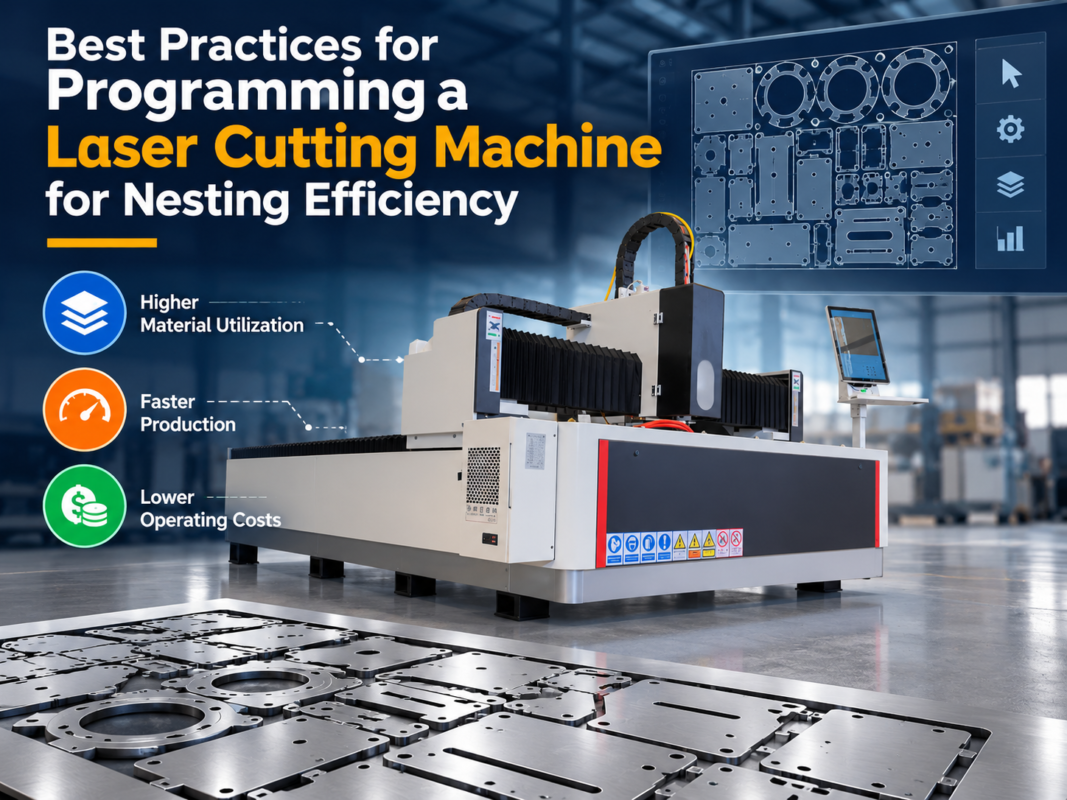
One of the most overlooked aspects of automatic laser cutting efficiency is nesting software. Programs like CypCut or SigmaNest allow operators to arrange multiple parts on a single sheet of metal with minimal spacing. This maximizes material utilization, significantly reducing scrap compared to manual layout methods. The software can also calculate the most efficient cutting path, minimizing “non-cutting” travel time of the laser head, which further boosts the parts-per-hour metric.
Manual Cutting Overview
Manual cutting encompasses a variety of tools, including handheld plasma cutters, oxy-acetylene torches, and various mechanical saws (bandsaws, circular saws). These tools are the traditional backbone of small-scale fabrication shops and maintenance departments. The primary advantage of manual cutting is its low initial investment and portability. An operator can take a plasma torch to a large structure that cannot be moved to a machine bed, providing a level of on-site flexibility that stationary lasers cannot match.
The Human Factor and Limitations
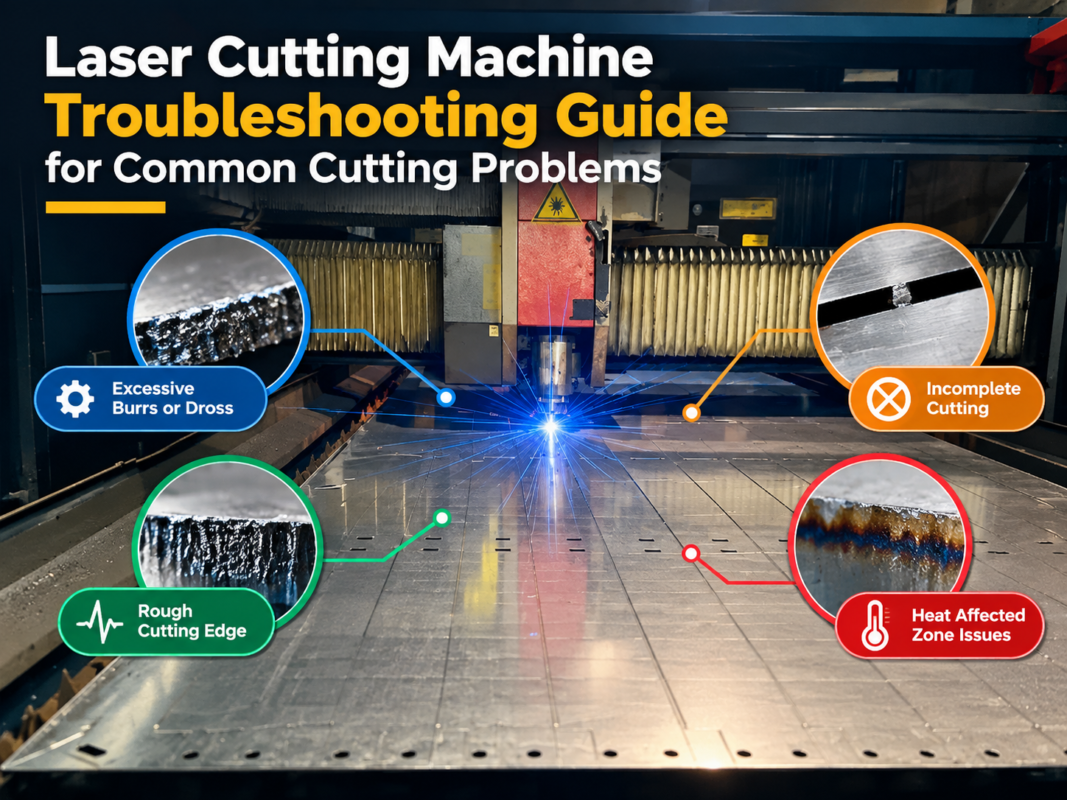
However, manual cutting is inherently limited by human physiology. Fatigue, variations in hand speed, and the difficulty of maintaining a consistent torch angle lead to inconsistencies in cut quality. In manual plasma cutting, for example, the “dross” or slag buildup on the bottom of the cut is often significant, requiring hours of manual grinding to clean. Additionally, manual cutting is significantly slower for complex shapes. Cutting a perfect circle or an intricate logo by hand is nearly impossible to achieve with the same repeatability as a CNC-driven laser.
Safety and Environmental Concerns
Manual cutting also poses higher safety risks. Operators are directly exposed to intense heat, sparks, UV radiation, and toxic fumes. While personal protective equipment (PPE) mitigates these risks, the long-term health implications and the potential for workplace accidents are higher than with an enclosed, automated laser system. From an efficiency standpoint, the time spent on safety setups and the physical strain on workers contribute to lower overall workshop output over a standard 8-hour shift.

Specification Comparison Table
To better understand the technical divide, the following table compares the typical performance metrics of an automatic fiber laser cutting machine versus manual plasma/oxy-fuel cutting.
| Feature | Automatic Laser Cutting Machine | Manual Cutting (Plasma/Oxy-Fuel) |
|---|---|---|
| Cutting Speed | Very High (up to 100m/min depending on power) | Low to Moderate (limited by operator) |
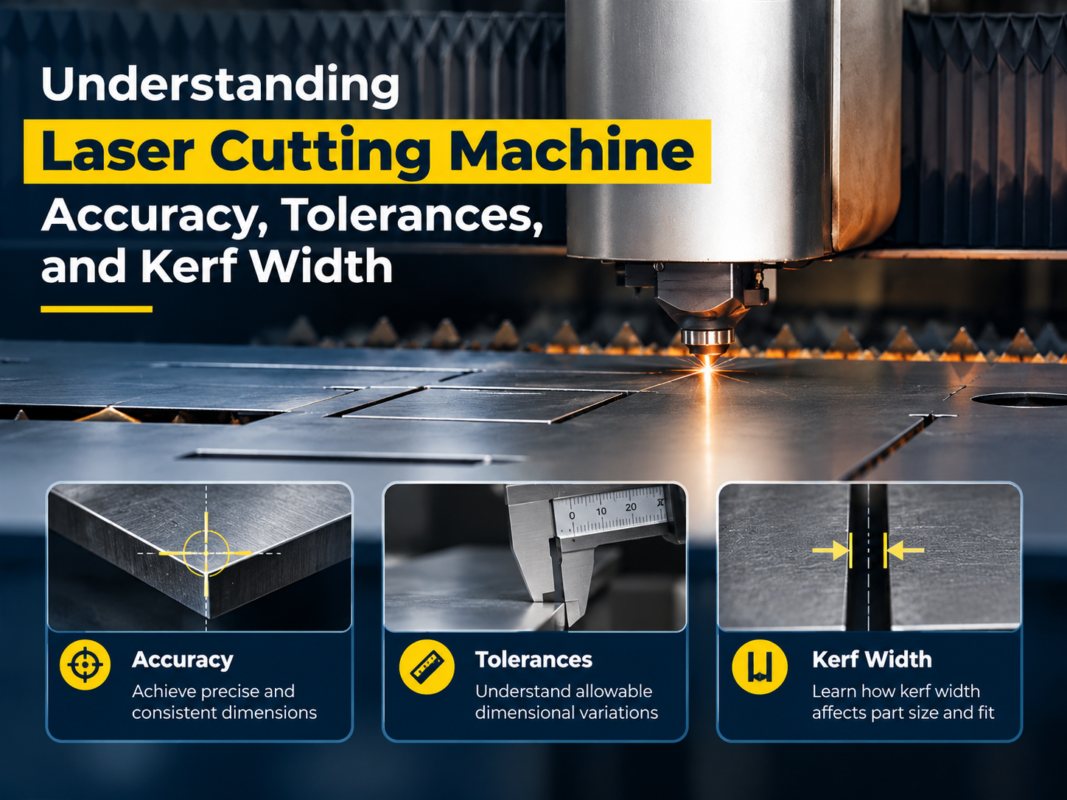
| Precision/Accuracy | ±0.03mm to ±0.05mm | ±1.0mm to ±3.0mm |
| Kerf Width | 0.1mm – 0.3mm (Minimal waste) | 1.5mm – 5.0mm (Significant waste) |
| Heat Affected Zone (HAZ) | Extremely Small (prevents warping) | Large (often causes material distortion) |
| Edge Quality | Smooth, burr-free (Ready for assembly) | Rough, heavy dross (Requires grinding) |
| Complexity of Shapes | Unlimited (Intricate designs easy) | Limited to simple lines and curves |
| Labor Intensity | Low (One operator for multiple machines) | High (One operator per tool) |
| Repeatability | 100% Consistent | Variable (Depends on operator skill) |
Best-fit Applications: Choosing the Right Method
Efficiency is also a matter of “fitness for purpose.” Not every job requires a multi-kilowatt fiber laser, and not every job can be done by hand. Understanding the best-fit applications for each is crucial for workshop planning.
When to Choose Automatic Laser Cutting
- High-Volume Production: When you need to produce hundreds or thousands of identical parts, the speed and repeatability of a laser machine are unbeatable.
- Intricate Designs: For signage, decorative panels, or precision engineering components with tight tolerances, the laser is the only viable option.
- Thin to Medium Gauge Metals: Fiber lasers excel at cutting stainless steel, carbon steel, aluminum, and brass from 0.5mm to 25mm with extreme efficiency.
- Aerospace and Medical Industries: Where material integrity and precision are non-negotiable, the small HAZ of a laser is required.
When Manual Cutting Still Makes Sense
- On-Site Repairs: For field work where you cannot bring the workpiece to the shop, a portable manual plasma cutter is essential.
- Dismantling and Scrap: If the goal is simply to cut large pieces of metal into smaller chunks for recycling, the precision of a laser is unnecessary.
- Extremely Thick Materials: While high-power lasers (30kW+) can cut thick plate, heavy-duty manual oxy-fuel torches are still a cost-effective way to cut through 100mm+ thick steel in low-volume scenarios.
- Ultra-Low Budget Startups: For a hobbyist or a very small repair shop with no capital for machinery, manual tools provide a low-entry barrier.
Cost and Maintenance Comparison
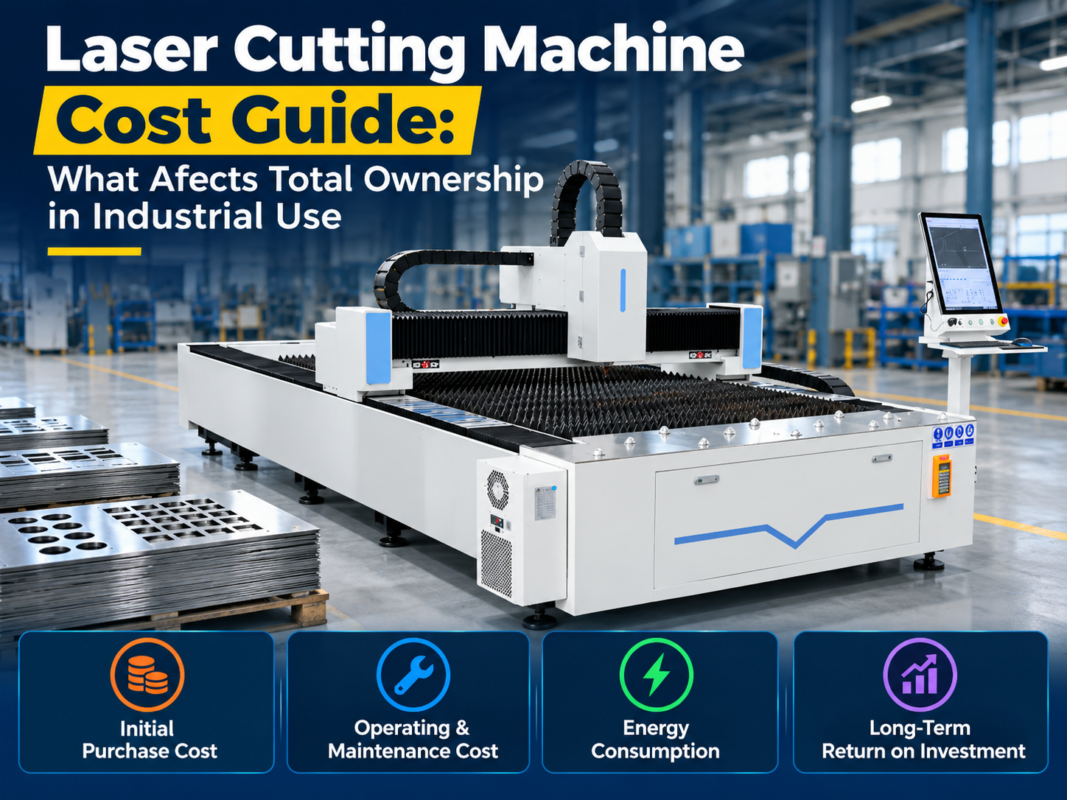
The financial aspect of the Automatic Laser Cutting Machine Vs Manual Cutting debate is often where the most confusion lies. Many owners look only at the “sticker price” of the machine, but true efficiency is measured by the Total Cost of Ownership (TCO).
Initial Investment vs. Operational Savings
An automatic laser cutting machine requires a significant upfront investment, often ranging from $30,000 to over $200,000 depending on the power and bed size. In contrast, a manual plasma setup might cost less than $2,000. However, the laser machine pays for itself through labor savings and material efficiency. A single laser machine can often replace the output of five manual operators. When you factor in the reduction in secondary processing (grinding) and the decrease in material waste due to better nesting, the ROI (Return on Investment) for a laser machine is typically achieved within 12 to 24 months in a busy shop.
Maintenance and Consumables
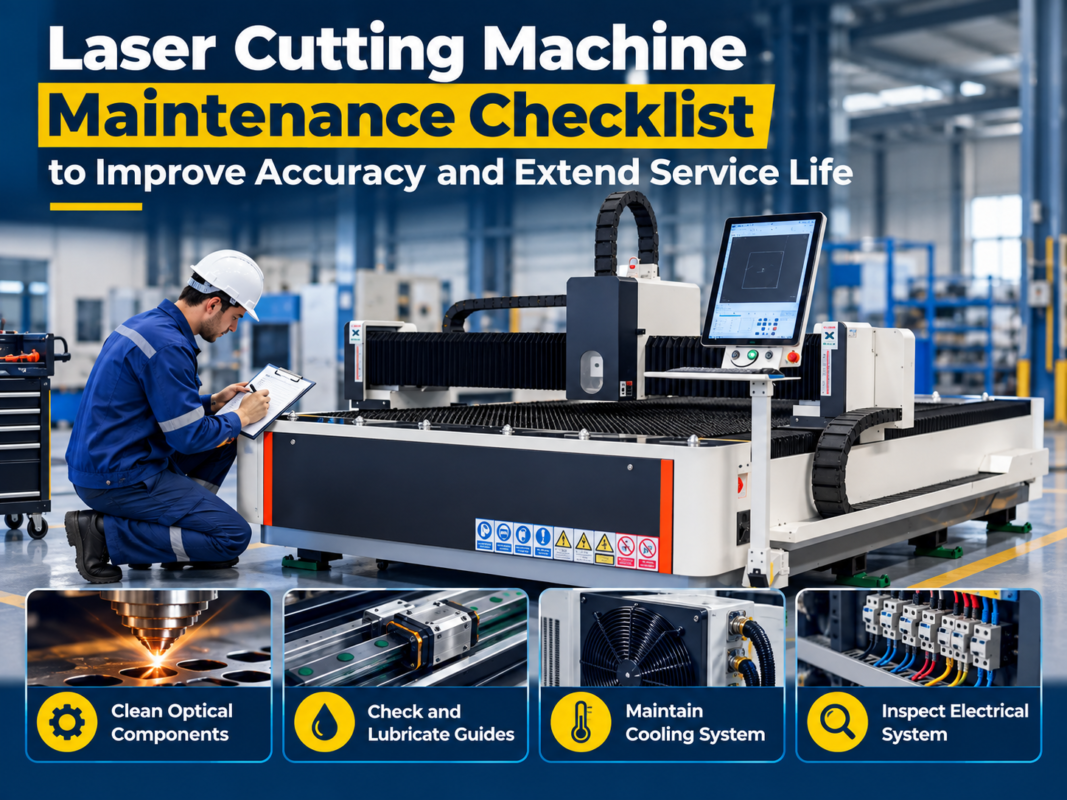
Manual cutting tools have low maintenance but high consumable costs relative to their output (tips, electrodes, gas). Fiber laser machines have very few moving parts in the laser source itself, leading to a long lifespan (up to 100,000 hours). The primary consumables for a laser are the protective windows, nozzles, and cutting gases. While these require a structured maintenance schedule, the cost per part produced is significantly lower than manual methods. HARSLE machines are designed with modular components, making routine maintenance straightforward and minimizing downtime.
Deep Dive: How Automation Solves the Labor Shortage
One of the biggest challenges in modern manufacturing is the shortage of skilled manual welders and cutters. Manual cutting is a craft that takes years to master. An automatic laser cutting machine levels the playing field. With a user-friendly interface and pre-set cutting parameters (cutting libraries), a relatively inexperienced operator can be trained to run a HARSLE laser machine in a matter of days. This shift from “skilled manual labor” to “skilled machine operation” allows workshops to scale their production without being bottlenecked by the availability of master craftsmen. This human-resource efficiency is a critical component of modern workshop success.
Recommendation: Which One Should You Choose?
If your workshop is focused on growth, precision, and high-quality output, the automatic laser cutting machine is the clear winner. The initial hurdle of the investment is quickly overshadowed by the massive gains in throughput, the reduction in labor costs, and the ability to take on more complex projects that manual cutting simply cannot handle. For most professional fabrication businesses, the question is no longer *if* they should automate, but *when*.
However, for shops that focus exclusively on heavy structural demolition or mobile repair services, maintaining a fleet of high-quality manual cutting tools is still necessary. The most efficient modern workshops often employ a hybrid approach: using HARSLE fiber lasers for 95% of their production and keeping manual tools on hand for the remaining 5% of irregular, non-standard tasks.
Frequently Asked Questions (FAQ)
1. Is an automatic laser cutting machine hard to learn?
No. Most modern CNC systems, like those used by HARSLE, feature intuitive graphical interfaces. If an operator can use a computer, they can learn to run a laser machine. The software handles the complex physics of the cut; the operator primarily manages the loading and unloading of material.
2. Can a laser machine cut all types of metal?
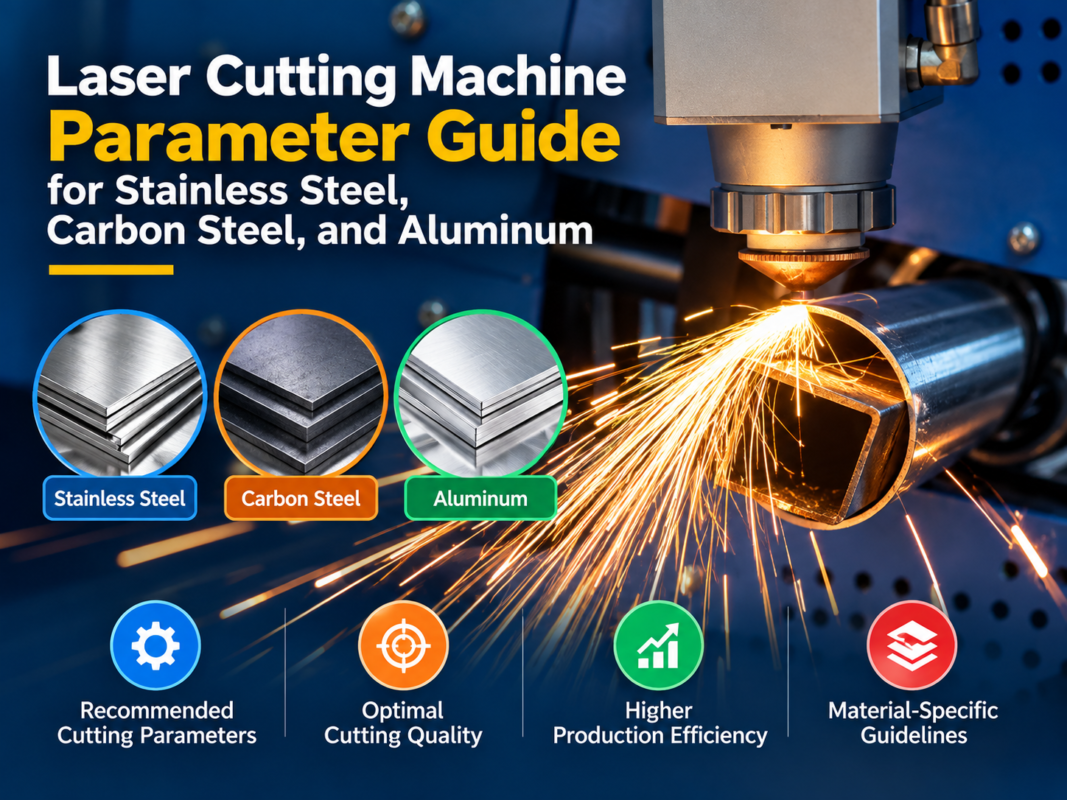
Fiber laser machines are exceptionally good at cutting conductive metals, including carbon steel, stainless steel, aluminum, brass, and copper. Some manual methods like oxy-fuel are limited only to ferrous metals (steel), making the laser more versatile for diverse workshops.
3. How much space does an automatic laser machine require?
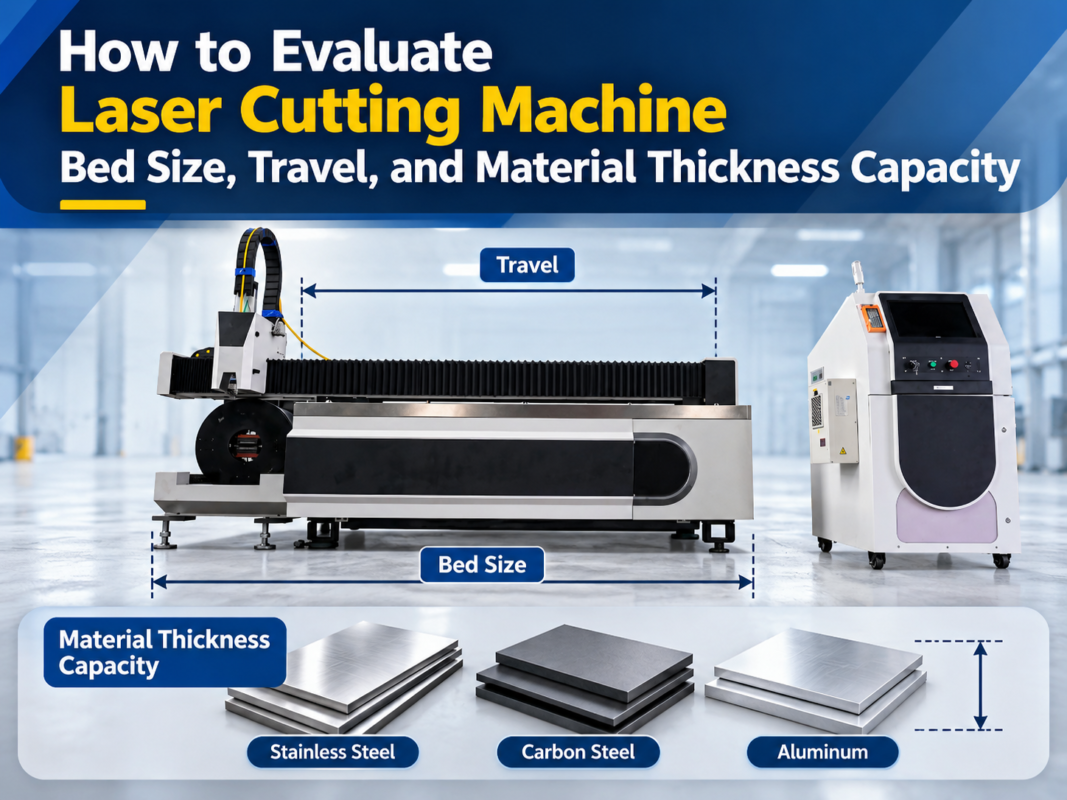
While larger than a handheld torch, compact models (like a 3015 format) require about 4m x 2m of floor space. Compared to the space needed for multiple manual cutting stations and the associated grinding areas, a laser machine is often a more space-efficient solution for the volume it produces.
4. What is the typical lifespan of a fiber laser source?
A high-quality fiber laser source, such as those from Raycus or IPG, is rated for approximately 100,000 hours of operation. This equates to over 10 years of 24/7 operation, making it a highly durable industrial asset.
5. Does automatic cutting really reduce material waste?
Yes, significantly. Because the laser beam is so thin (the kerf) and the CNC software can “nest” parts within millimeters of each other, you can often get 10-20% more parts out of the same sheet of metal compared to manual layout and cutting.
6. What gas is best for automatic laser cutting?
It depends on the material. Nitrogen is used for a clean, oxide-free edge on stainless steel and aluminum. Oxygen is typically used for carbon steel to speed up the process through an exothermic reaction. Compressed air is an increasingly popular, low-cost alternative for thin materials.