3kW vs 6kW Laser Cutting Machine: Performance Comparison for Metal Processing

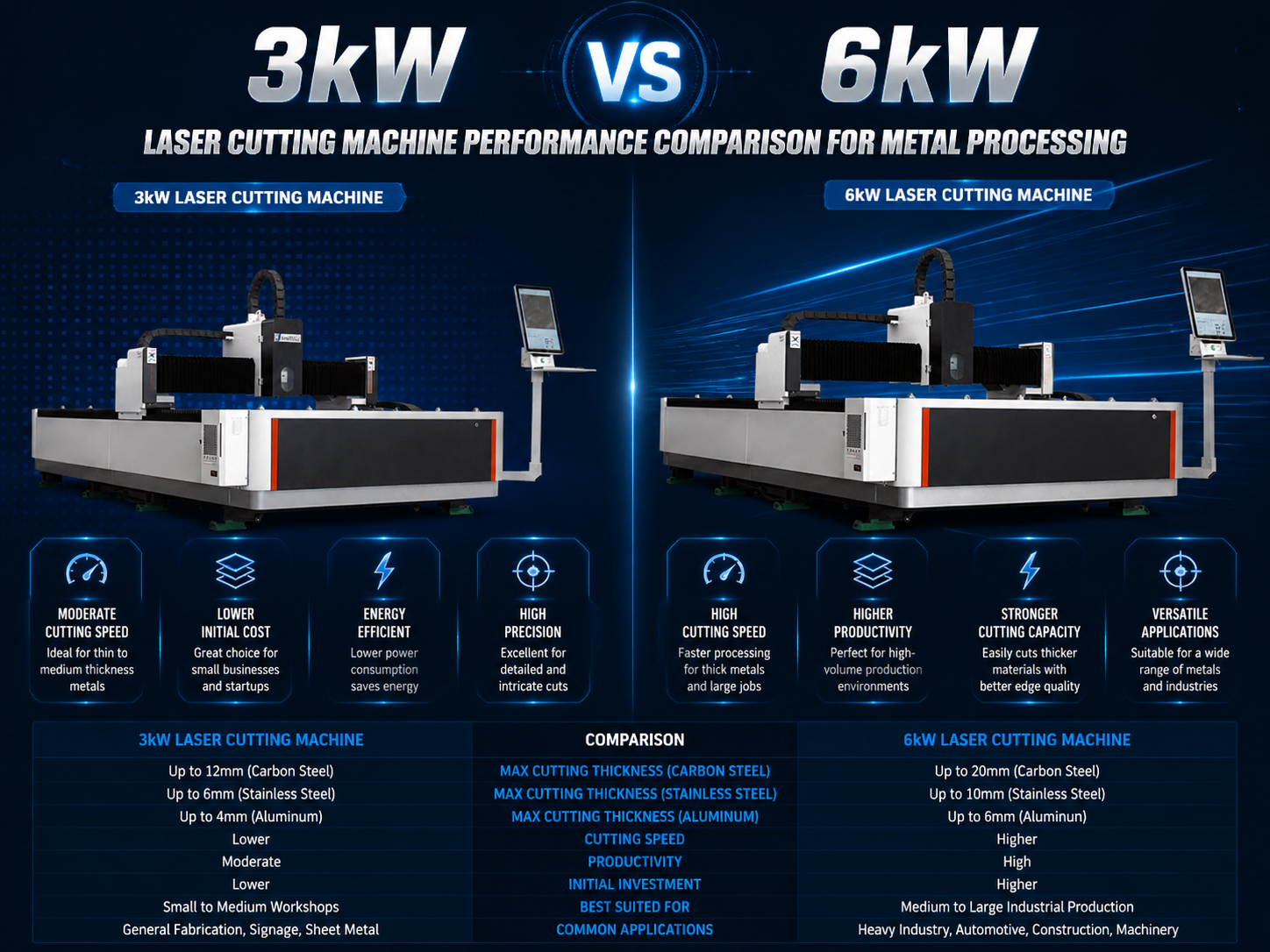
Comparison Summary: Navigating the Power Spectrum in Metal Fabrication
In the rapidly evolving landscape of industrial metal fabrication, the choice between a 3kW and a 6kW fiber laser cutting machine represents a critical strategic decision for business owners. As fiber laser technology has matured, the “sweet spot” for most job shops and manufacturing facilities has shifted from lower-wattage CO2 lasers to high-efficiency fiber systems. The 3kW vs 6kW laser cutting machine performance comparison for metal processing is not merely a question of doubling the power; it is an evaluation of throughput, material versatility, and long-term operational efficiency.
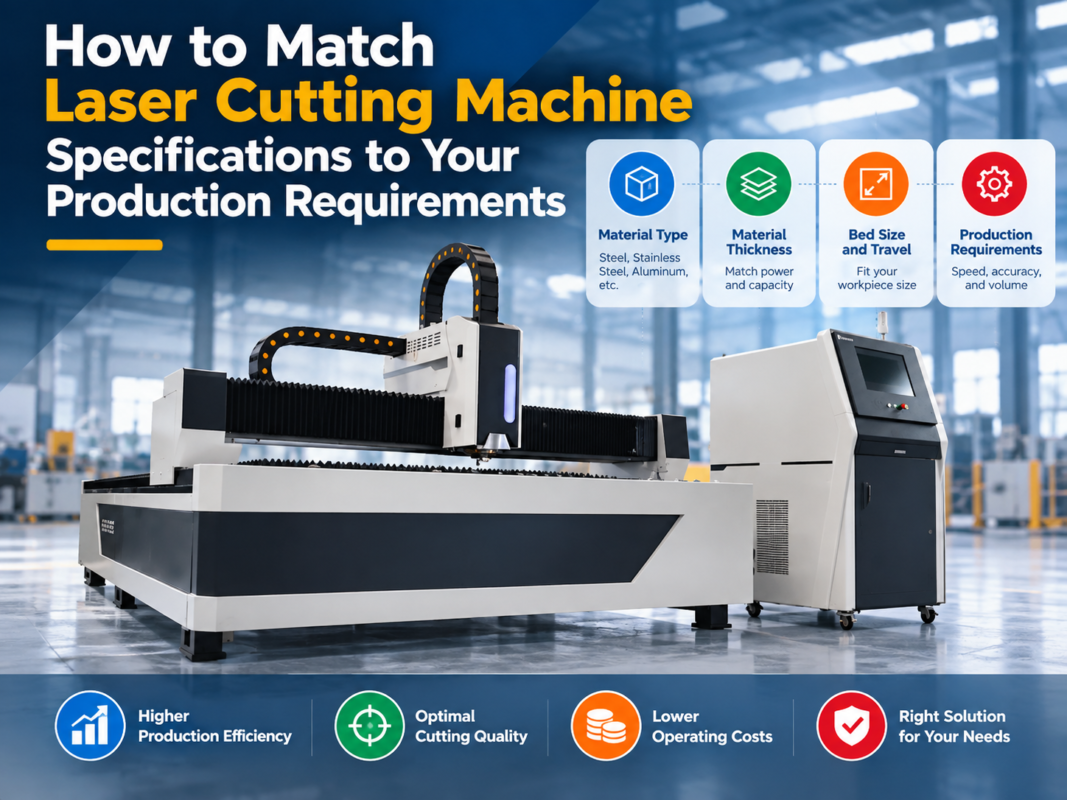
A 3kW fiber laser is often considered the entry point for professional-grade industrial cutting. It offers a balanced profile of affordability and capability, excelling in thin-to-medium gauge sheet metal. Conversely, the 6kW laser represents the high-performance tier, designed for high-volume production environments where speed and the ability to process thicker plates are paramount. While the 3kW machine is a versatile workhorse, the 6kW machine is a productivity powerhouse that can significantly reduce the cost-per-part in specific thickness ranges.
When evaluating these two power levels, fabricators must look beyond the initial purchase price. Factors such as gas consumption, electricity usage, maintenance requirements, and the specific mix of materials (carbon steel, stainless steel, aluminum, or brass) play a vital role in determining which machine will yield the best Return on Investment (ROI). HARSLE, a leader in metal fabrication machinery, provides both configurations to meet diverse market demands, ensuring that every workshop can find a solution tailored to its unique production requirements.
This comprehensive guide will dissect the technical nuances, performance metrics, and economic considerations of the 3kW and 6kW laser cutting machines. By the end of this analysis, you will have a clear understanding of which power level aligns with your current production volume and future growth aspirations in the competitive metal processing industry.
Machine A Overview: The 3kW Fiber Laser Cutting Machine
The 3kW fiber laser cutting machine is the backbone of many small-to-medium-sized fabrication shops. It is engineered to provide high-precision cutting for a wide variety of metals while maintaining a relatively low operational footprint. At 3,000 watts, the laser beam possesses enough energy density to vaporize thin materials almost instantaneously, leading to exceptionally clean edges and high processing speeds for sheets under 5mm.
One of the primary advantages of the 3kW system is its efficiency in processing “bread and butter” materials. For shops that primarily handle 1mm to 10mm carbon steel and 1mm to 6mm stainless steel, the 3kW laser offers a perfect balance. It utilizes a high-quality fiber source (such as Raycus or IPG) and a precision cutting head with autofocus capabilities. The beam quality (BPP) of a 3kW source is typically very high, allowing for a small focal spot that minimizes the Heat Affected Zone (HAZ) and ensures intricate geometries are cut with extreme accuracy.
From a technical perspective, the 3kW machine is often paired with a robust, high-rigidity frame to handle the dynamic forces of high-speed cutting. Even at this power level, the acceleration and deceleration of the gantry are crucial, as the machine can reach cutting speeds that exceed the physical limits of older mechanical designs. HARSLE’s 3kW models are designed with this synergy in mind, ensuring that the motion system can keep up with the laser’s rapid processing capabilities.
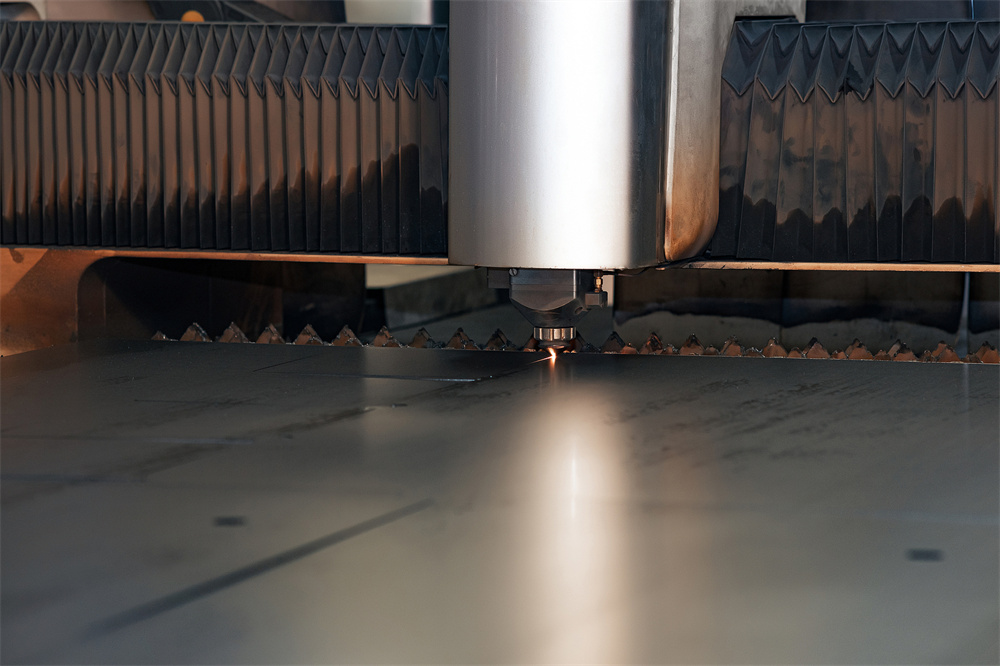
Furthermore, the 3kW laser is highly effective when using compressed air as a shielding gas for thin materials. This significantly reduces the cost of operation compared to using high-purity nitrogen or oxygen. For startups or facilities looking to upgrade from traditional plasma or mechanical cutting methods, the 3kW fiber laser represents a manageable investment that provides a massive leap in quality and throughput without the extreme infrastructure requirements of ultra-high-power systems.
Machine B Overview: The 6kW Fiber Laser Cutting Machine
The 6kW fiber laser cutting machine is a high-performance industrial tool designed for heavy-duty applications and high-volume manufacturing. By doubling the power of the 3kW unit, the 6kW laser doesn’t just cut twice as thick; it cuts medium-thickness materials significantly faster. This power level is where the advantages of fiber laser technology truly shine, particularly when processing stainless steel and aluminum with nitrogen.
At 6,000 watts, the laser beam has the intensity required to maintain a stable melt pool even at high traverse speeds. This is particularly evident in the 6mm to 12mm thickness range, where a 6kW machine can often cut two to three times faster than a 3kW machine. This speed advantage is a game-changer for job shops that face tight deadlines and high-volume orders. The increased power also allows for the use of larger nozzles and higher gas pressures, which helps in ejecting molten metal more efficiently, resulting in a dross-free finish on thicker plates.
The 6kW system also expands the maximum cutting capacity of the machine. While a 3kW might struggle or produce a rough edge on 20mm carbon steel, a 6kW machine can handle it with ease, providing a smooth, square edge that often requires no secondary finishing. This capability allows fabricators to take on a wider range of projects, from delicate decorative panels to heavy structural components for the construction and agricultural industries.
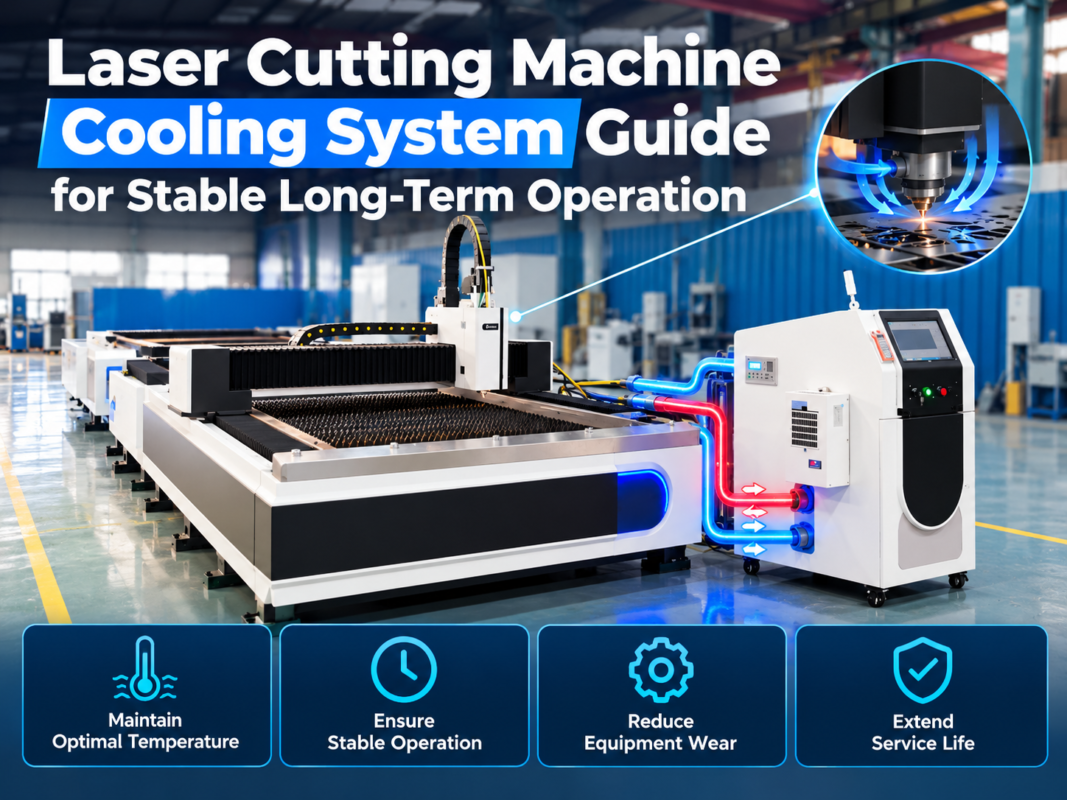
To support the 6,000-watt output, these machines are equipped with advanced cooling systems and heavy-duty components. The cutting head must be capable of handling higher thermal loads, often featuring specialized coatings on the lenses and enhanced protective windows. HARSLE’s 6kW machines are built on a reinforced platform, often utilizing a cast iron or heavy-duty plate-welded bed that has been stress-relieved to ensure long-term stability under the intense heat and high-speed movements associated with 6kW processing.
Specification Comparison Table
The following table provides a direct comparison of the typical performance metrics for 3kW and 6kW fiber laser cutting machines across various materials and thicknesses. Note: Actual speeds may vary based on material grade, gas purity, and machine configuration.
| Feature / Material | 3kW Fiber Laser | 6kW Fiber Laser |
|---|---|---|
| Max Carbon Steel (O2) | 20 mm | 25 – 30 mm |
| Max Stainless Steel (N2) | 10 – 12 mm | 16 – 20 mm |
| Max Aluminum (N2) | 8 – 10 mm | 16 mm |
| Cutting Speed (2mm CS) | ~25-30 m/min | ~45-55 m/min |
| Cutting Speed (6mm CS) | ~2.5-3.5 m/min | ~6.0-8.0 m/min |
| Power Consumption | Approx. 15-20 kW | Approx. 30-40 kW |
| Primary Gas Usage | O2, N2, Compressed Air | High-Pressure N2, O2 |
| Ideal Thickness Range | 1mm – 8mm | 3mm – 16mm |
Best-fit Applications: Choosing Based on Industry Needs
The decision between 3kW and 6kW is often dictated by the specific industry and the typical “nest” of parts being produced. For industries like HVAC (Heating, Ventilation, and Air Conditioning), where the majority of work involves thin galvanized steel or aluminum ductwork, a 3kW laser is often more than sufficient. The high speed on thin gauges means the machine is rarely the bottleneck in production, and the lower capital investment allows for a faster ROI in a competitive market.
In the automotive and aerospace sectors, where precision is paramount but materials are often high-strength alloys of moderate thickness, the 6kW machine becomes more attractive. The ability to cut through 4mm to 8mm stainless steel at high speeds with nitrogen ensures that the edges remain oxide-free, which is a requirement for subsequent welding or painting processes. The 6kW laser’s ability to maintain tight tolerances at higher speeds directly translates to higher throughput for complex automotive components.
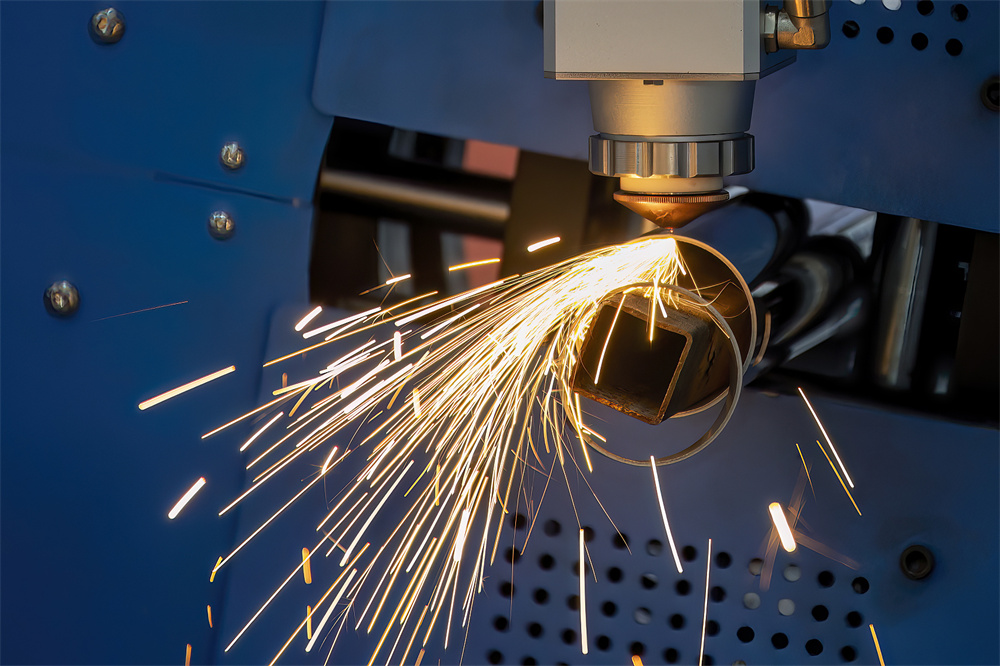
For heavy machinery and agricultural equipment manufacturers, the 6kW laser is almost a necessity. These industries frequently work with 12mm to 20mm carbon steel plates for chassis, brackets, and structural supports. While a 3kW machine *can* cut these thicknesses, it does so slowly and with a higher risk of heat buildup, which can lead to part deformation. The 6kW machine processes these heavy plates with much greater stability and speed, allowing these manufacturers to bring more work in-house rather than outsourcing to heavy-plate specialists.
Job shops, which serve a variety of clients, often face the toughest choice. If the shop’s workload is 80% thin sheet metal, the 3kW is the logical choice. However, if the shop aims to expand its service offering to include thicker plate processing or wants to compete on lead times for large-volume orders, the 6kW provides the necessary “headroom” to grow. Many modern job shops are opting for 6kW as their primary machine to ensure they never have to turn down a job due to thickness or speed constraints.
Cost and Maintenance Comparison: Beyond the Price Tag
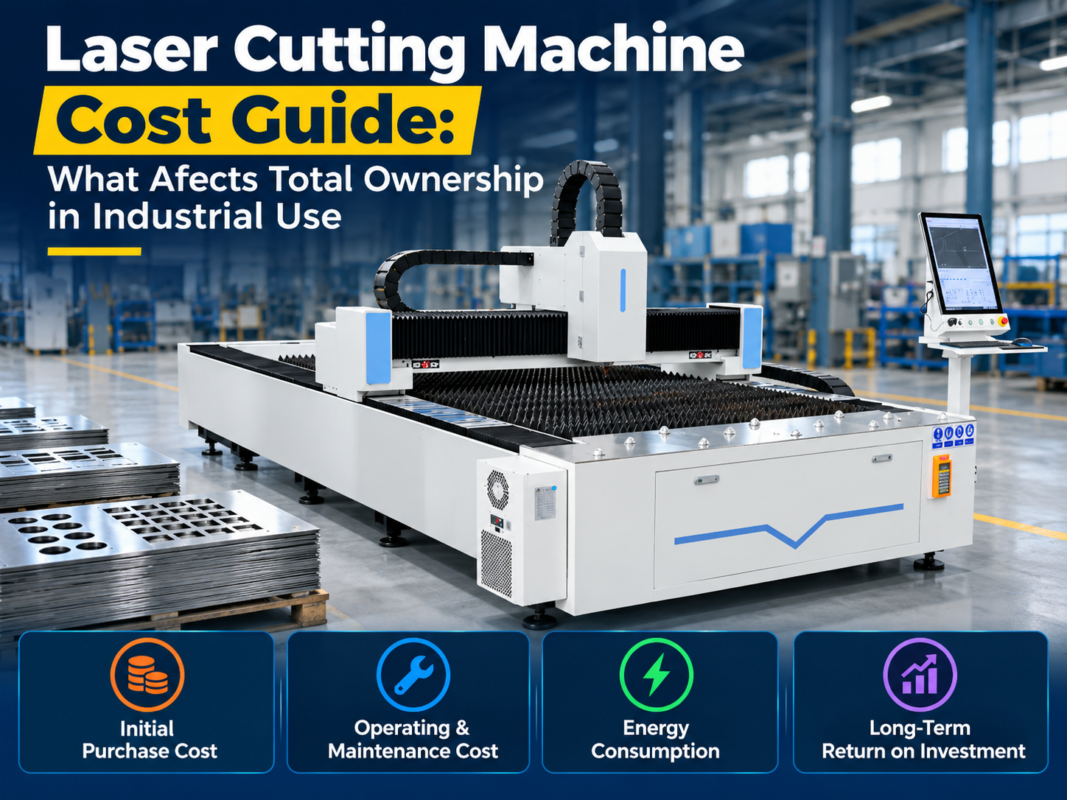
When performing a 3kw Vs 6kw Laser Cutting Machine: Performance Comparison Metal Processing, the total cost of ownership (TCO) is a vital metric. The initial investment for a 6kW machine is significantly higher than a 3kW machine, often by 40% to 60%, depending on the brand and features. This includes not just the laser source, but also the upgraded chiller, more robust frame, and advanced cutting head. However, the cost-per-part can actually be lower on a 6kW machine if the production volume is high enough to utilize its speed advantages.
Electricity consumption is another factor. A 6kW laser source naturally draws more power than a 3kW source. Additionally, the chiller required to cool a 6kW source must be larger and more powerful. However, because the 6kW machine cuts faster, the “power-on time” per part is reduced. In many cases, the electricity cost per meter of cut is comparable, or even lower, for the 6kW machine when processing medium-thickness materials. The real difference in operational cost often comes down to gas consumption.
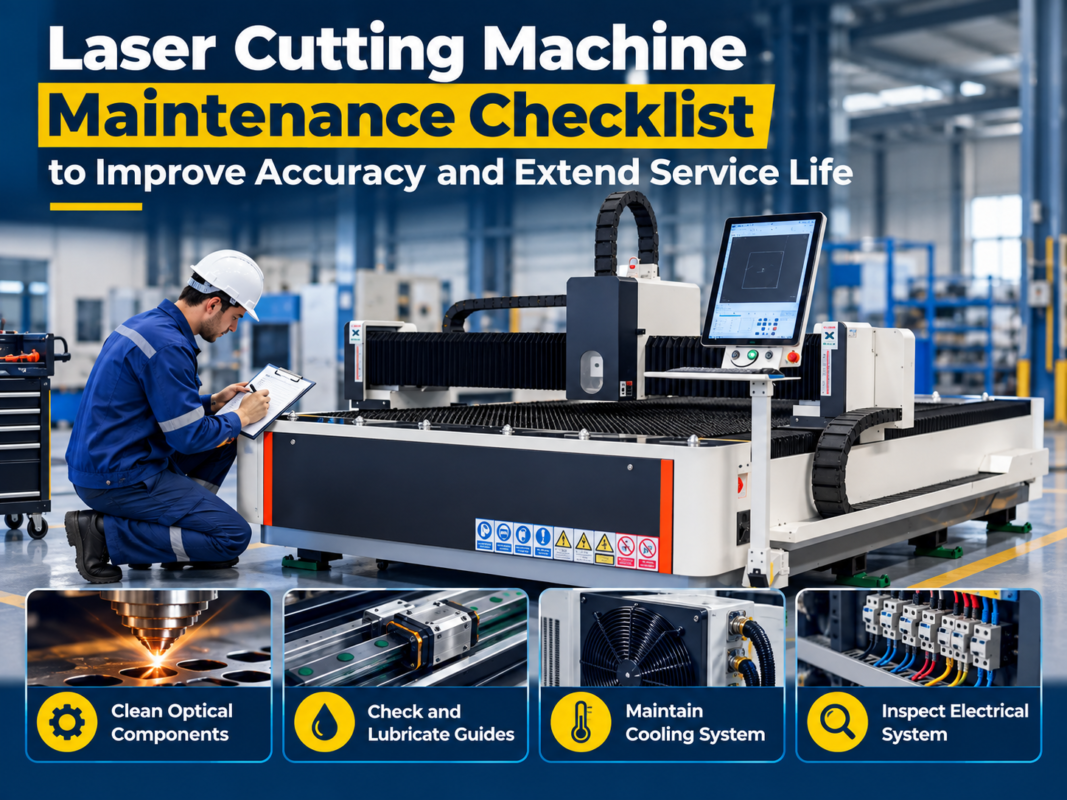
Gas consumption is a major operational expense in laser cutting. 6kW machines often use higher gas pressures and larger nozzles to achieve their high-speed results, especially when cutting with nitrogen. While this increases the hourly cost of gas, the speed of the machine means that the gas used *per part* may remain stable. However, for a shop that is not running at full capacity, the higher hourly operating cost of a 6kW machine can be a burden. Maintenance for both machines involves regular cleaning of optics, checking the water chiller’s conductivity, and replacing consumables like nozzles and protective windows. The 6kW machine may require more frequent window changes due to the higher energy levels and potential for more back-splatter when piercing thick materials.
Recommendation: Which Power Level Should You Choose?
Choosing between a 3kW and a 6kW laser cutting machine requires a deep dive into your current production data and future business goals. If your production consists mostly of sheet metal under 6mm and your volume is steady but not overwhelming, the 3kW fiber laser is the most cost-effective solution. It provides excellent edge quality, sufficient speed, and lower overhead, making it ideal for smaller shops or specialized manufacturers.
However, if you find yourself frequently cutting materials over 8mm, or if your current machine is a bottleneck in your production line, the 6kW laser is a superior investment. The massive increase in speed for medium-thickness materials and the ability to cut thicker plates with high quality will allow you to take on more complex projects and reduce your lead times. For high-volume production environments, the 6kW machine’s ability to lower the cost-per-part through sheer speed often justifies the higher initial capital expenditure within the first 18 to 24 months of operation.
At HARSLE, we recommend that customers perform a “material mix analysis.” Look at your last six months of production: what was the average thickness? What was the total linear meters cut? If more than 30% of your work is in the 6mm-12mm range, the 6kW machine will provide a transformative boost to your efficiency. If you are still unsure, HARSLE offers consultation and test-cutting services to help you see the performance difference on your specific parts and materials.
Frequently Asked Questions (FAQ)
1. Can a 3kW laser cut 20mm carbon steel?
Yes, a 3kW fiber laser can cut 20mm carbon steel using oxygen as a shielding gas. However, the cutting speed will be relatively slow (around 0.6 – 0.8 m/min), and the edge quality may not be as consistent as that produced by a higher-power machine. It is generally considered the upper limit for a 3kW source.
2. Is the maintenance more expensive for a 6kW machine?
Generally, yes. The 6kW machine requires a larger chiller, which consumes more power and has more coolant to maintain. Additionally, the cutting head optics are under more thermal stress, and consumables like protective windows may need to be replaced more frequently if the piercing parameters are not perfectly optimized.
3. Does a 6kW laser use more gas than a 3kW laser?
On an hourly basis, yes, a 6kW laser typically uses more gas because it often employs larger nozzles and higher pressures to facilitate high-speed cutting. However, because it cuts much faster, the gas consumption *per part* is often similar to or even lower than a 3kW machine for certain thicknesses.
4. Can I upgrade a 3kW machine to 6kW later?
Upgrading the laser source is technically possible but often not economically feasible. A 6kW machine requires a different chiller, a different power supply, and often a more robust cutting head and machine frame. It is usually more cost-effective to trade in the 3kW machine for a new 6kW system designed for that power level.
5. Which power is better for cutting reflective materials like brass and copper?
Higher power is generally better for reflective materials. While both 3kW and 6kW fiber lasers can cut brass and copper (unlike CO2 lasers), the 6kW machine can pierce and cut these materials faster, which reduces the time the laser beam is reflected back toward the head, thereby protecting the optics and improving process stability.