
How to Choose the Right Laser Cutting Machine for Stainless Steel, Carbon Steel, and Aluminum


Comparison Summary: Understanding Laser Technology for Metal Fabrication
In the modern metal fabrication industry, selecting the right laser cutting machine is not a one-size-fits-all decision. The choice between different laser sources and power configurations depends heavily on the specific physical properties of the materials you intend to process. Stainless steel, carbon steel, and aluminum each react differently to laser energy due to their unique thermal conductivity, reflectivity, and chemical compositions. For instance, while carbon steel is relatively straightforward to cut using oxygen as an assist gas, aluminum presents a significant challenge due to its high reflectivity and heat dissipation rates.
Historically, CO2 lasers were the workhorse of the industry, but the advent of fiber laser technology has revolutionized the processing of these three core metals. Fiber lasers operate at a wavelength of approximately 1.06 microns, which is absorbed much more efficiently by metals compared to the 10.6-micron wavelength of CO2 lasers. This efficiency translates directly into faster cutting speeds and lower operating costs, particularly for thin to medium-thickness materials. However, the decision-making process involves more than just picking the newest technology; it requires a deep dive into beam quality, gas requirements, and the specific thickness ranges of your production line.
When we compare these materials, we must look at the ‘process window.’ Carbon steel has a wide process window, meaning it is forgiving of slight variations in laser settings. Stainless steel requires more precise control to maintain its corrosion-resistant properties at the cut edge. Aluminum, being a non-ferrous metal with high thermal conductivity, requires high power density to initiate the cut and prevent the material from welding itself back together. This summary serves as the foundation for understanding why a 3kW fiber laser might be perfect for one shop but entirely inadequate for another focusing on heavy-plate aluminum.
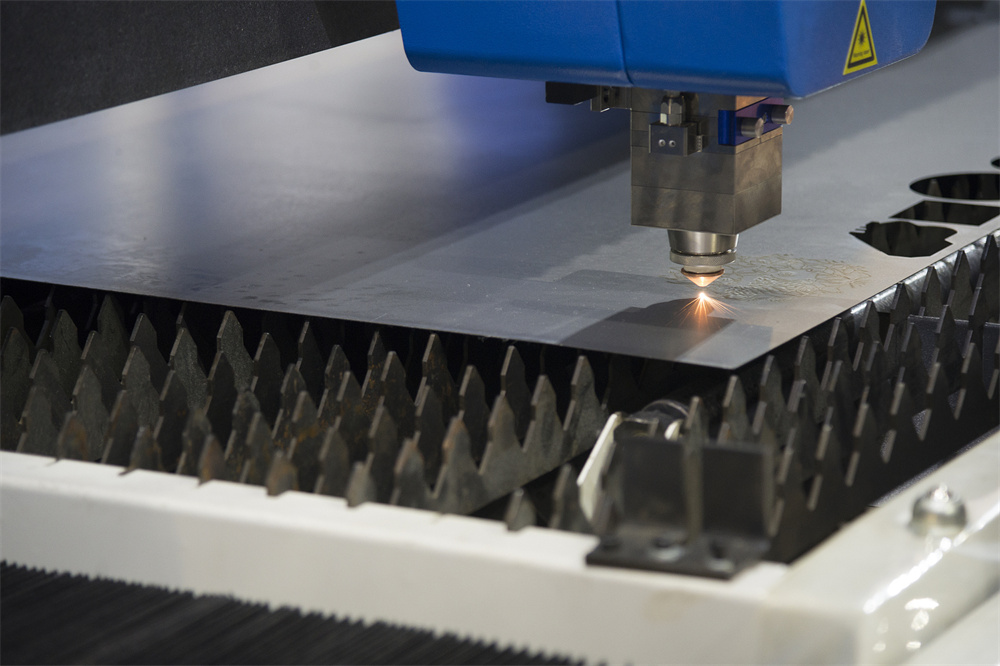
Machine A Overview: The Fiber Laser Cutting Machine
The Fiber Laser Cutting Machine is currently the gold standard for processing stainless steel, carbon steel, and aluminum. Unlike gas lasers, fiber lasers generate their beam through a series of laser diodes and transmit it via a flexible fiber optic cable to the cutting head. This solid-state design eliminates the need for complex mirrors and bellows, which are common failure points in older systems. For a manufacturer like HARSLE, the focus is on maximizing the ‘wall-plug efficiency,’ which for fiber lasers can reach up to 30-40%, significantly higher than the 10% efficiency of CO2 systems.
For stainless steel and aluminum, the fiber laser’s narrow beam diameter and high power density are critical. These materials are often cut using nitrogen as an assist gas to prevent oxidation. The fiber laser’s wavelength allows it to ‘couple’ with the metal surface more effectively, meaning less energy is reflected away and more is used to melt the material. This is particularly vital for aluminum, which can act like a mirror to certain laser wavelengths, potentially damaging the machine’s internal components if back-reflection is not managed by modern optical isolators.
When processing carbon steel, fiber lasers utilize oxygen as an assist gas. The oxygen reacts with the iron in the steel, creating an exothermic reaction that adds thermal energy to the cutting process. This allows fiber lasers to cut through thick carbon steel plates with surprising speed. Modern fiber machines also feature advanced ‘zoom’ heads that can adjust the beam spot size dynamically, allowing the same machine to switch from high-speed thin sheet cutting to high-quality thick plate piercing without manual intervention.
Machine B Overview: The CO2 Laser Cutting Machine
While fiber lasers dominate the market today, CO2 Laser Cutting Machines still hold a niche in specific industrial applications. A CO2 laser produces light by passing electricity through a gas mixture (primarily carbon dioxide, nitrogen, and helium). The resulting beam has a longer wavelength, which offers a different set of advantages. For decades, CO2 was the only viable option for thick plate cutting, and it still produces a superior edge finish on very thick carbon steel (typically over 25mm) because the wider kerf allows for better slag removal.
However, when it comes to aluminum and stainless steel, CO2 lasers face significant hurdles. Aluminum’s high reflectivity at the 10.6-micron wavelength means that a large portion of the laser energy is bounced back. To overcome this, CO2 machines require much higher power levels to achieve the same results as a lower-power fiber laser. Furthermore, the maintenance of a CO2 system is intensive; the internal mirrors must be perfectly aligned, and the gas purity must be strictly maintained to ensure beam stability.
In the context of a modern fabrication shop, the CO2 machine is often viewed as a legacy technology for metal, though it remains superior for non-metallic materials like wood, acrylic, and certain plastics. If your primary goal is to choose a laser cutting machine for stainless steel, carbon steel, and aluminum, the CO2 option is generally only recommended if you are dealing with a very specific thickness of carbon steel where edge aesthetics are the absolute priority over speed and cost-efficiency.
Specification Comparison Table
| Feature | Fiber Laser (Recommended) | CO2 Laser (Legacy/Specialty) |
|---|---|---|
| Wavelength | 1.06 Microns | 10.6 Microns |
| Wall-Plug Efficiency | 30% – 40% | 8% – 12% |
| Cutting Speed (Thin Metal) | Very High (3x faster than CO2) | Moderate |
| Aluminum Processing | Excellent (with back-reflection protection) | Difficult (High reflectivity issues) |
| Stainless Steel Edge | Clean, high-speed with Nitrogen | Smooth, but slower |
| Carbon Steel (Thick) | Fast, but edge can be rougher | Superior edge finish on 25mm+ |
| Maintenance Requirements | Low (Solid state, no mirrors) | High (Mirror alignment, gas refills) |
| Operating Cost | Low (Less power, fewer consumables) | High (High power consumption) |
Best-fit Applications for Each Material
Stainless Steel Applications
Stainless steel is prized for its corrosion resistance and aesthetic appeal, making it a staple in the food processing, medical, and architectural industries. When choosing a laser for stainless steel, the primary concern is preventing the formation of an oxide layer on the cut edge. This is achieved by using high-pressure nitrogen to blow away the molten metal before it can react with oxygen in the air. Fiber lasers are ideal here because their high speed minimizes the Heat Affected Zone (HAZ), ensuring the material’s metallurgical properties remain intact. For thin decorative panels, a 1kW to 2kW source is sufficient, but for industrial pressure vessels, 6kW to 12kW sources are becoming the standard.
Carbon Steel Applications
Carbon steel is the most commonly fabricated metal globally, used in everything from automotive frames to heavy construction machinery. The cutting process for carbon steel usually involves oxygen, which facilitates a faster cut through an exothermic reaction. However, this leaves a thin layer of scale (oxide) on the edge, which must be removed if the part is to be painted or powder-coated. For shops processing a high volume of carbon steel, the focus should be on the machine’s piercing capabilities. Advanced software control in HARSLE machines allows for ‘flash piercing,’ which reduces the time spent on each hole and prevents heat buildup that can lead to ‘self-burning’ in thick plates.
Aluminum Applications
Aluminum is widely used in aerospace and automotive sectors due to its high strength-to-weight ratio. As mentioned, its reflectivity and thermal conductivity make it the most difficult of the three to cut. To successfully process aluminum, you need a laser with high peak power and a robust beam delivery system. Fiber lasers are the clear winner here. It is also important to consider the grade of aluminum; for example, 6061 is easier to cut than the 2000 series. When cutting aluminum, the assist gas (usually nitrogen or air) must be delivered at high pressure to ensure a burr-free finish on the bottom edge of the part.
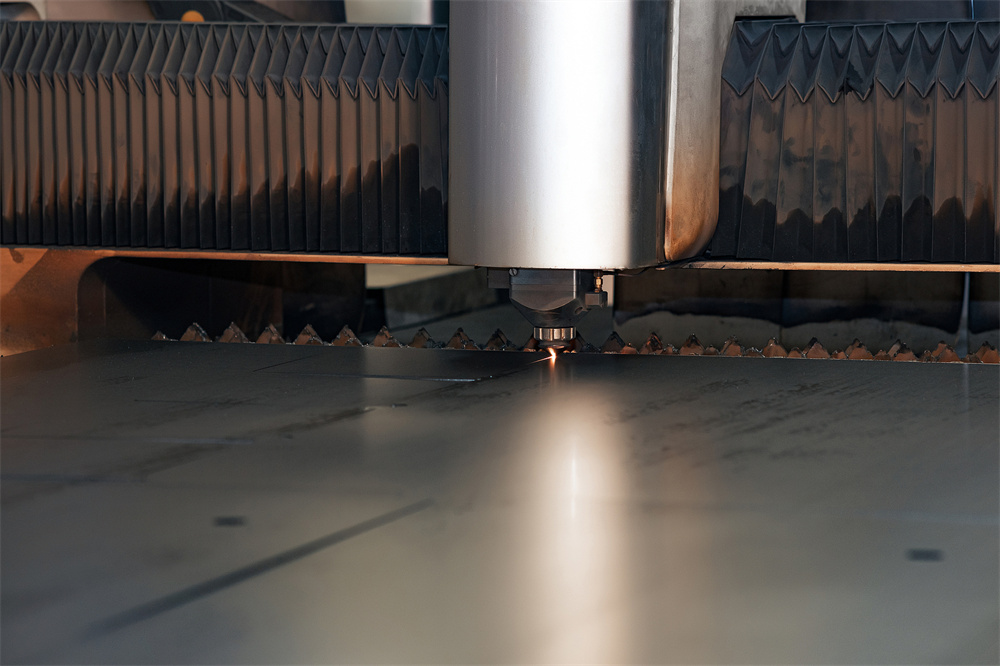
Cost and Maintenance Comparison
The total cost of ownership (TCO) is a critical factor when you choose a laser cutting machine for stainless steel, carbon steel, and aluminum. The initial purchase price of a fiber laser is often higher than a CO2 laser of equivalent power, but the operational savings are massive. Fiber lasers consume significantly less electricity—often a third of what a CO2 machine requires. Additionally, fiber lasers do not require ‘laser gas’ to generate the beam, and they lack the expensive optical mirrors that require frequent cleaning and replacement in CO2 systems.
Maintenance for fiber lasers focuses primarily on the cutting head consumables. These include the copper nozzle, the protective window (lens cover), and the ceramic ring. These parts are relatively inexpensive and can be replaced in minutes by the operator. In contrast, a CO2 laser requires periodic turbine overhauls and mirror realignments that often necessitate a specialized technician. For a high-production environment, the uptime provided by a fiber laser is a decisive competitive advantage.
Gas consumption is another major cost driver. While oxygen for carbon steel is relatively cheap, the high-pressure nitrogen required for stainless steel and aluminum can be expensive. Many modern shops are now investing in nitrogen generators to produce their own gas on-site, or using high-pressure compressed air for thinner materials to further reduce costs. When evaluating a machine, always ask for a breakdown of the hourly operating cost based on your specific material mix.
Recommendation: How to Make the Final Choice
To make the final decision, you must audit your current and future production needs. If your workload consists of more than 70% metal (stainless, carbon, or aluminum) under 20mm thick, a Fiber Laser Cutting Machine is the only logical choice. It offers the best return on investment, the highest speeds, and the lowest maintenance burden. Specifically, for aluminum and stainless steel, ensure the machine is equipped with a laser source that has built-in back-reflection protection to prevent hardware damage.
If you are a specialized shop that only cuts very thick carbon steel (30mm and above) and requires a mirror-like edge finish for heavy engineering components, you might still consider a high-power CO2 system, though even this niche is being rapidly eroded by ultra-high-power fiber lasers (20kW-40kW). For most HARSLE customers, we recommend a fiber laser power rating that is 20% higher than your ‘average’ thickness requirement. This ‘headroom’ allows the machine to run at more sustainable speeds, extending the life of the components and providing better cut quality.
Finally, consider the software and automation. A powerful laser is useless without an intuitive control system (like CypCut) and nesting software that minimizes material waste. Automation features, such as automatic nozzle changers and shuttle tables, can increase productivity by 30-50% by allowing the machine to load and unload while cutting. Always choose a manufacturer that provides robust local support and training to ensure your team can maximize the machine’s potential.
Frequently Asked Questions (FAQ)
1. Can I cut aluminum with a low-power fiber laser?
While you can cut thin aluminum with a 1kW laser, it is not recommended for production. Aluminum’s high thermal conductivity means heat dissipates quickly; you need enough power to melt the metal faster than the heat can spread. For consistent production, a minimum of 2kW or 3kW is recommended for aluminum.
2. Why is nitrogen used for stainless steel instead of oxygen?
Oxygen causes an exothermic reaction that leaves a black, oxidized edge on stainless steel. This layer must be removed before welding or painting. Nitrogen acts as a shielding gas, blowing away the molten metal without a chemical reaction, resulting in a bright, clean edge that retains the steel’s corrosion resistance.
3. How long does a fiber laser source last?
Most high-quality fiber laser sources (like Raycus, Max, or IPG) are rated for approximately 100,000 hours of operation. This equates to over 10 years of 24/7 operation. Unlike CO2 tubes, they do not ‘wear out’ in the traditional sense, though the diodes may slowly degrade over a very long period.
4. Is it possible to cut all three metals on the same machine?
Yes, modern fiber laser machines are designed to be multi-material. You simply need to change the cutting parameters in the software and potentially switch the nozzle and assist gas. The ability to switch between stainless, carbon steel, and aluminum in seconds is one of the greatest strengths of fiber technology.
5. What is the ‘Heat Affected Zone’ (HAZ)?
The HAZ is the area of metal that did not melt but had its microstructure and properties altered by the heat of the laser. A smaller HAZ is always better. Fiber lasers have a much smaller HAZ than CO2 lasers or plasma cutters because they cut much faster and with a more concentrated beam.












