Open-Type vs Enclosed Laser Cutting Machine: Which Design Fits Your Production Line?


Comparison Summary: Navigating the Laser Cutting Landscape
In the modern metal fabrication industry, the choice between an open-type and an enclosed laser cutting machine is one of the most critical decisions a production manager can make. This decision impacts not only the initial capital expenditure but also the long-term safety, efficiency, and environmental footprint of the facility. At its core, the debate centers on accessibility versus protection. Open-type machines offer unparalleled ease of access and lower entry costs, while enclosed machines provide a controlled environment that prioritizes operator safety and fume management.
As fiber laser technology has advanced, with power levels now regularly exceeding 12kW and even 30kW, the risks associated with stray reflections and high-intensity light have increased. This has pushed many high-output facilities toward enclosed designs. However, for many small-to-medium enterprises (SMEs) or those handling oversized materials, the open-type machine remains a versatile workhorse. Understanding the nuances of each design—from the physics of laser radiation to the ergonomics of material handling—is essential for optimizing your production line.
This guide provides a comprehensive deep dive into both configurations. We will examine the structural differences, safety certifications, operational workflows, and cost implications of each. By the end of this analysis, you will have a clear framework for determining which laser cutting design aligns with your specific manufacturing goals, safety protocols, and budget constraints.
Machine A Overview: The Open-Type Laser Cutting Machine
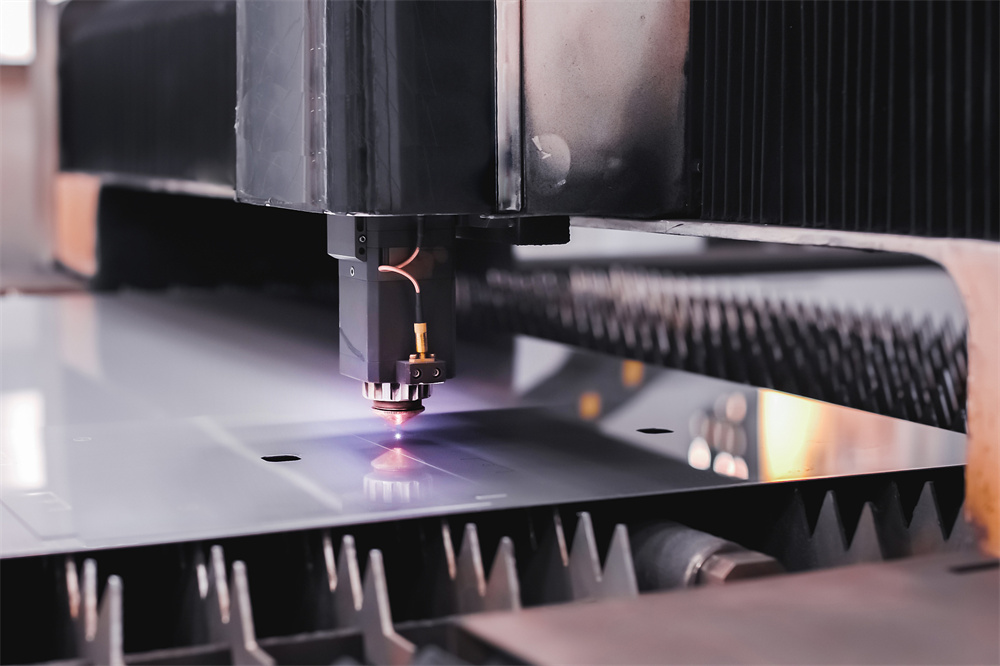
The open-type laser cutting machine, often referred to as a single-platform or flatbed laser, is characterized by its exposed cutting area. This design is the traditional standard in the industry, favored for its simplicity and directness. Without a surrounding cabinet, the operator has a 360-degree view of the cutting process, which can be advantageous for real-time monitoring of the nozzle, material alignment, and cut quality. HARSLE’s open-type models are engineered for high-speed precision while maintaining a compact footprint that fits easily into diverse shop layouts.
One of the primary advantages of the open-type design is accessibility. Loading large, heavy metal sheets onto the machine bed is significantly easier when there are no physical barriers. Forklifts or overhead cranes can approach the machine from multiple angles, reducing the time required for material changeovers. This makes the open-type machine particularly effective for job shops that handle a wide variety of sheet sizes and thicknesses throughout the day. Furthermore, the lack of an enclosure means the machine is generally lighter and easier to install or relocate within a factory.
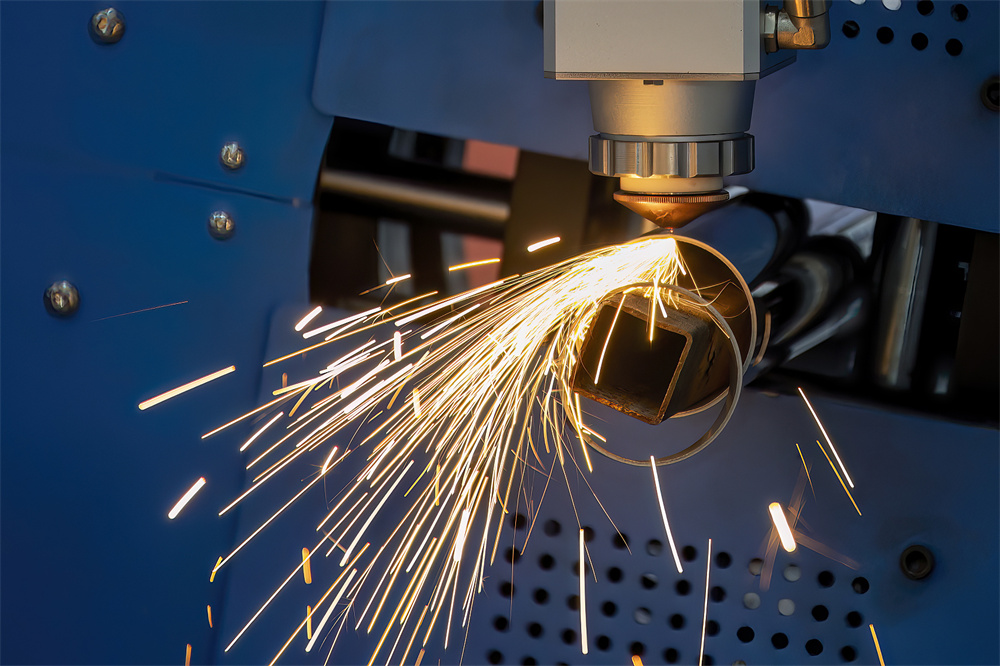
However, the open design comes with inherent safety challenges. Fiber lasers operate at a wavelength (typically around 1.06 microns) that is easily absorbed by the human eye, potentially causing permanent retinal damage even from indirect reflections. Consequently, operators must wear specialized laser safety goggles at all times, and the machine must be placed in a restricted area to prevent passersby from accidental exposure. Additionally, while open machines are equipped with under-bed dust extraction, the lack of a top cover means that some smoke and fine particulates may escape into the workshop environment, requiring robust general ventilation systems.
Despite these considerations, the open-type machine remains the go-to choice for businesses prioritizing cost-efficiency. With fewer structural components and no complex door mechanisms or internal camera systems, the initial purchase price is significantly lower than that of an enclosed counterpart. For companies entering the laser cutting market or those with limited floor space and strict budget ceilings, the open-type machine offers a high return on investment by delivering the same cutting power and precision as enclosed models without the added cost of the protective housing.
Machine B Overview: The Enclosed Laser Cutting Machine
The enclosed laser cutting machine represents the pinnacle of safety and environmental control in metal fabrication. These machines are fully encased in a protective housing, often featuring laser-safe observation windows made of specialized OD6+ glass. This design transforms the machine into a “Class 1” laser product, meaning it is safe for use in any industrial environment without the need for operators to wear external safety goggles. The enclosure acts as a physical barrier against laser radiation, sparks, and mechanical hazards.
Beyond safety, the enclosed design is optimized for high-power applications. When cutting with 10kW, 20kW, or higher power sources, the intensity of the light and the volume of fumes generated are substantial. The enclosure creates a sealed vacuum environment that allows the dust extraction system to work with maximum efficiency. Fumes are pulled directly from the cutting zone and filtered through a dedicated dust collector, ensuring that the air quality in the workshop remains clean. This is particularly important for facilities that must comply with strict environmental and occupational health regulations.
Enclosed machines are almost always paired with an automatic exchange table (shuttle table) system. While the machine is cutting a sheet inside the enclosure, the operator can safely unload finished parts and load a new sheet on the external table. Once the cutting cycle is complete, the tables swap positions in a matter of seconds. This configuration maximizes the “beam-on” time, significantly increasing throughput compared to a single-platform open machine. For high-volume production lines where every second counts, the efficiency gains of the exchange table often justify the higher investment of the enclosed design.
Internally, enclosed machines are often equipped with advanced monitoring systems. High-definition cameras allow the operator to view the cutting process on a screen from the control console, providing a safer and more detailed perspective than looking through a window. These machines also tend to feature more integrated automation options, such as automatic nozzle changers and sheet loading systems, making them the ideal choice for “lights-out” manufacturing or highly automated production environments. While they require a larger footprint and a higher initial investment, the benefits in safety, speed, and cleanliness are unparalleled.
Specification Comparison Table
To better understand the technical differences, the following table compares the typical specifications and features of open-type versus enclosed laser cutting machines.
| Feature | Open-Type Laser Machine | Enclosed Laser Machine |
|---|---|---|
| Laser Safety Class | Class 4 (Requires PPE) | Class 1 (Fully Protected) |
| Typical Power Range | 1kW – 6kW (Commonly) | 3kW – 60kW+ |
| Material Handling | Manual/Forklift (Single Bed) | Automatic Exchange Table |
| Fume Extraction | Under-bed suction only | Full enclosure vacuum + Under-bed |
| Footprint | Compact | Large (due to enclosure & shuttle) |
| Operator Visibility | Direct 360-degree view | Camera system & Safety windows |
| Initial Cost | Lower (Economical) | Higher (Premium) |
| Production Speed | Moderate (Manual loading) | High (Continuous cycle) |
Best-fit Applications: Choosing Based on Industry Needs
The choice between these two designs often depends on the specific industry and the nature of the work being performed. Open-type machines are exceptionally well-suited for the signage industry, architectural metalwork, and small-scale custom fabrication. In these sectors, projects often involve unique shapes, varying material thicknesses, and frequent manual adjustments. The ability to quickly place a scrap piece of metal on the bed and start a cut without navigating an enclosure is a major workflow advantage. Additionally, for shops that occasionally cut oversized sheets that exceed the standard bed size, an open machine allows for more flexibility in positioning the material.
In contrast, the enclosed laser cutting machine is the standard for the automotive, aerospace, and heavy machinery industries. These sectors demand high-volume production, strict adherence to safety standards, and the processing of thick materials that generate significant heat and fumes. In an automotive parts factory, for example, the machine might run 24/7. The exchange table system ensures that the laser is almost always cutting, while the enclosure protects the hundreds of workers who may be moving around the factory floor. The superior fume extraction also prevents metallic dust from settling on other sensitive electronic equipment in the facility.
Another factor is the material being cut. When processing highly reflective materials like brass, copper, or polished stainless steel, the risk of back-reflection is higher. An enclosed machine provides an extra layer of security against these unpredictable reflections. For industries that focus on high-precision medical devices or electronics, the clean environment provided by an enclosed machine is essential to prevent contamination of the parts. Ultimately, if your production line is focused on speed, safety, and high-power output, the enclosed design is the superior choice; if flexibility and budget are the primary drivers, the open-type machine is often more appropriate.
Cost and Maintenance Comparison
When evaluating the total cost of ownership, it is important to look beyond the sticker price. An open-type laser cutting machine has a lower initial cost because it requires less steel for the frame, no safety glass, and fewer electronic sensors for door interlocks. Maintenance is also relatively straightforward, as all components—the rack and pinion, the guide rails, and the laser head—are easily accessible for cleaning and lubrication. However, because the machine is exposed, these components are more susceptible to accumulating shop dust, which can lead to increased wear if not cleaned regularly.
Enclosed machines carry a higher price tag due to the complexity of the housing and the inclusion of the exchange table mechanism. However, they often lead to lower operational costs in high-volume settings. The exchange table reduces idle time, meaning the cost per part is lower. Furthermore, the enclosure protects the precision components of the machine from the external factory environment, potentially extending the life of the guide rails and motors. Maintenance on an enclosed machine does require more steps, as technicians must often enter the enclosure or remove panels to access certain parts, but the internal environment is generally cleaner.
Safety-related costs should also be factored in. With an open-type machine, you must invest in high-quality laser safety glasses for every person in the vicinity and potentially install safety curtains or barriers around the machine. There is also the intangible but significant cost of potential liability and insurance premiums associated with operating a Class 4 laser. An enclosed machine, being Class 1, simplifies compliance with OSHA or CE safety standards, which can save time and money during facility audits and reduce the risk of workplace injuries.
Recommendation: Which Design Fits Your Production Line?
Choosing the right machine requires a balance of three factors: your production volume, your safety requirements, and your available space. If you are a startup or a small workshop with a limited budget and you primarily cut thin to medium-thickness materials (under 10mm), an Open-Type Laser Cutting Machine is likely the most logical choice. It provides the necessary precision and power to grow your business without the heavy financial burden of a full enclosure. Just ensure you have a dedicated, well-ventilated space and strict safety protocols in place.
If your production line is expanding, or if you are already operating at a high capacity, the Enclosed Laser Cutting Machine is a necessary investment. The safety benefits alone—allowing your team to work around the machine without specialized gear—can improve morale and workflow. More importantly, the exchange table system will allow you to double your output compared to a single-platform machine. For power levels above 6kW, we almost always recommend an enclosed design to manage the intense light and significant fume production effectively.
Finally, consider your future goals. If you plan to integrate your laser into a fully automated smart factory with robotic loading and unloading, the enclosed design provides the necessary structural framework and safety interlocks for such an upgrade. HARSLE offers both configurations with customizable options, ensuring that regardless of the design you choose, you receive a machine built for durability and high-performance metal fabrication.
Frequently Asked Questions (FAQ)
1. Can I upgrade an open-type machine to an enclosed one later?
While it is technically possible to build a custom enclosure around an open machine, it is rarely cost-effective or as safe as a factory-built enclosed model. Factory enclosures are integrated with the machine’s control system, including safety interlocks that stop the laser if a door is opened. It is better to decide on the design at the time of purchase.
2. Is the cutting accuracy different between the two designs?
No, the cutting accuracy is determined by the laser source, the cutting head, the CNC system, and the mechanical drive components (motors and rails). Both open and enclosed machines from HARSLE use the same high-quality components, so the precision remains identical across both designs.
3. Do I really need an exchange table?
An exchange table is not strictly necessary for cutting, but it is necessary for efficiency. If your laser takes 10 minutes to cut a sheet and it takes you 10 minutes to unload and reload, your laser is only working 50% of the time. An exchange table reduces that reload time to about 30 seconds, keeping the laser working nearly 100% of the time.
4. What kind of maintenance does the enclosure require?
The enclosure itself requires very little maintenance, other than cleaning the safety glass windows with appropriate cleaners. However, you must ensure the door seals remain intact and the exhaust fans within the enclosure are functioning correctly to maintain the vacuum effect for fume extraction.
5. Is an open-type machine legal in all countries?
Most countries allow the use of Class 4 (open) lasers, but they require strict adherence to safety standards, such as restricted access zones and mandatory PPE. Some specific regions or large corporate safety policies may mandate Class 1 (enclosed) machines for all new equipment purchases. Always check your local industrial safety regulations.