Laser Cutting Machine vs Punching Machine: Which Is More Cost-Effective for Sheet Metal?


Comparison Summary: The Great Fabrication Debate
In the modern metal fabrication landscape, choosing between a laser cutting machine and a CNC punching machine is one of the most critical decisions a business owner can make. Both technologies have evolved significantly over the last decade, with fiber laser technology disrupting traditional workflows and advanced CNC punching systems offering unprecedented speed for specific geometries. The question of which is more cost-effective is not a simple binary choice; it depends heavily on production volume, material type, part complexity, and the specific needs of the end-user. At HARSLE, we understand that maximizing ROI requires a deep dive into the operational nuances of both machines.
Historically, punching machines were the undisputed kings of high-volume production, especially for parts with numerous holes or simple geometric shapes. However, the advent of high-power fiber lasers has shifted the equilibrium. Lasers now offer speeds that rival punching for complex contours while eliminating the need for expensive custom tooling. Conversely, punching machines retain a unique advantage in their ability to perform secondary operations like forming, louvering, and tapping within a single cycle. This comparison aims to dissect these factors to help you determine which investment will yield the highest profitability for your specific sheet metal applications.

Laser Cutting Machine Overview: Precision and Flexibility
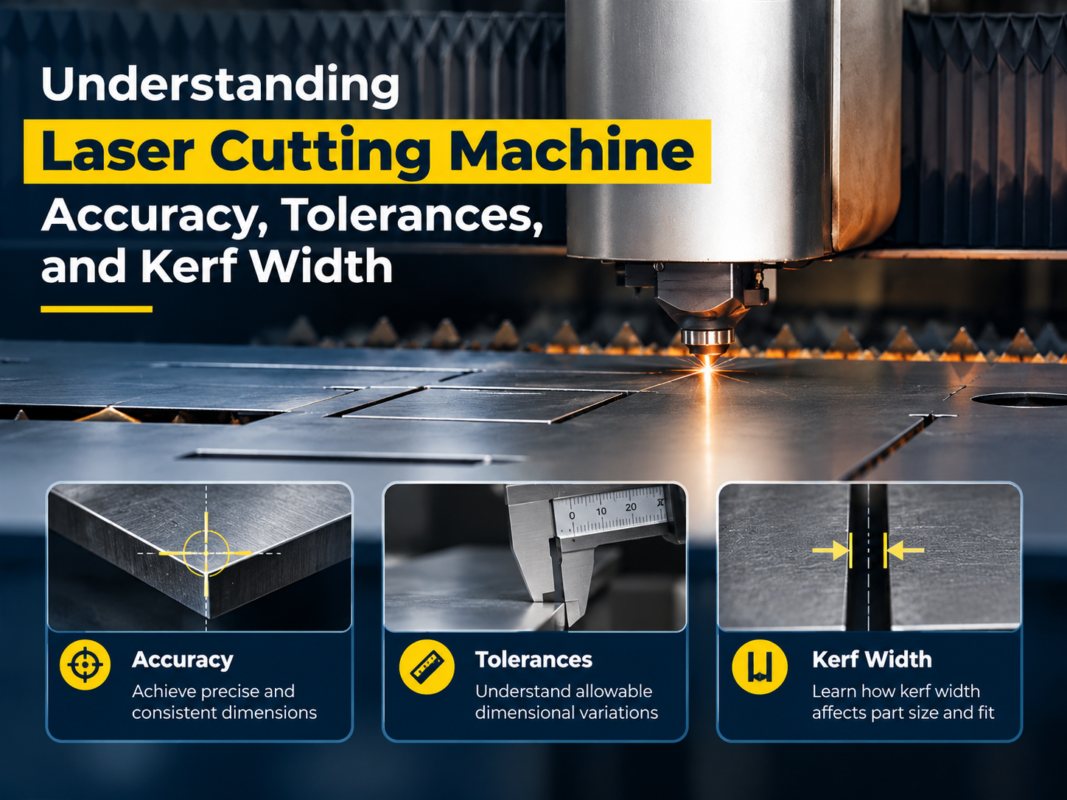
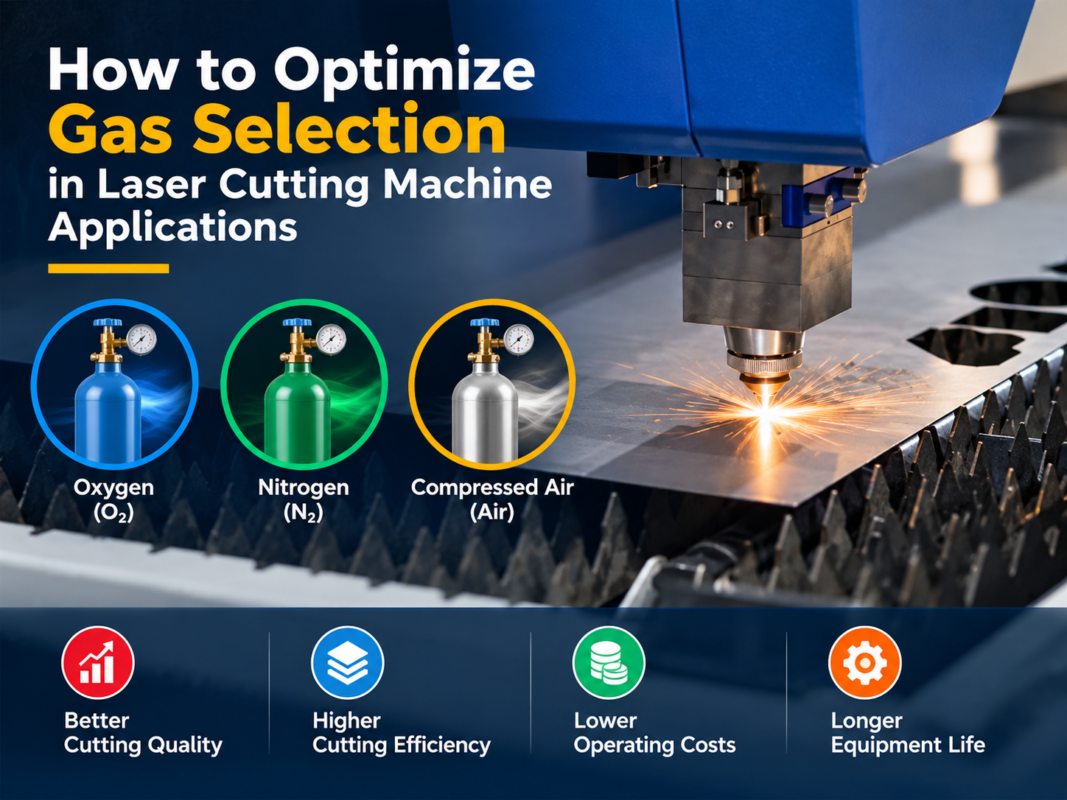
Laser cutting machines, particularly those utilizing fiber laser sources, have become the gold standard for versatility in sheet metal shops. A laser cutting machine works by focusing a high-power laser beam onto the material surface, melting or vaporizing it, while a coaxial gas stream (usually oxygen, nitrogen, or air) blows away the molten slag. This non-contact process allows for incredible precision, often achieving tolerances within ±0.05mm. Because there is no physical tool touching the metal, there is no tool wear, and the machine can switch between different shapes and materials instantly via software commands.
The primary advantage of a laser cutting machine is its ability to handle complex geometries without the need for specialized dies. Whether you are cutting intricate artistic patterns, small diameter holes in thick plate, or long sweeping curves, the laser performs with consistent accuracy. Furthermore, modern fiber lasers are exceptionally energy-efficient compared to older CO2 models, significantly lowering the cost per part for thin to medium-gauge materials. HARSLE’s range of fiber lasers exemplifies this efficiency, providing high-speed cutting capabilities that reduce lead times and allow for just-in-time manufacturing strategies.
However, laser cutting is not without its limitations. While it excels at cutting, it cannot perform forming operations. If a part requires a louver, a bridge, or a countersink, a laser-cut part must move to a secondary station, increasing labor costs and handling time. Additionally, the initial capital investment for a high-power fiber laser can be higher than that of a mid-range punching machine, though this is often offset by the lack of tooling costs and faster setup times for low-to-medium volume runs.
Punching Machine Overview: Speed and Forming Power
CNC punching machines, or turret punches, operate by using a set of hardened steel tools (punches and dies) to mechanically shear holes or shapes out of sheet metal. The turret holds dozens of different tools, which can be swapped rapidly by the machine’s control system. For repetitive tasks, such as creating a grid of holes or long straight edges, a punching machine is incredibly fast. It can achieve hundreds of hits per minute, making it the superior choice for high-volume production of relatively simple parts.
The standout feature of the punching machine is its ability to perform “forming” operations. Unlike a laser, which only removes material, a punch can deform the material to create functional features. This includes louvers for ventilation, ribs for structural rigidity, knockouts for electrical boxes, and even thread tapping. By integrating these features into the primary cutting cycle, a punching machine can eliminate the need for downstream processes, which is a massive boost to cost-effectiveness for specific product lines like HVAC components, electrical enclosures, and server racks.
The downside of punching technology is the reliance on physical tooling. Every unique hole size or shape requires a specific punch and die set. These tools wear out over time and require sharpening or replacement, adding to the long-term operational cost. Furthermore, the setup time for a punching machine is generally longer than a laser, as tools must be loaded into the turret and calibrated. There is also the issue of “nibbling” marks; when a punch creates a large curve by taking many small circular bites, the edge quality is often inferior to the smooth, clean finish of a laser-cut edge, sometimes requiring secondary grinding.
Specification Comparison Table
| Feature | Laser Cutting Machine (Fiber) | CNC Punching Machine |
|---|---|---|
| Cutting Speed (Thin Material) | Extremely High (Continuous) | Very High (Stroke-based) |
| Edge Quality | Superior (Smooth, no burrs) | Good (Possible nibbling marks) |
| Complexity of Shapes | Unlimited (Software driven) | Limited by Tooling |
| Forming Capabilities | None | Excellent (Louvers, Ribs, Tapping) |
| Tooling Costs | Zero | High (Consumable dies/punches) |
| Setup Time | Minimal (Instant) | Moderate (Tool loading/alignment) |
| Material Versatility | High (Reflective metals require care) | Moderate (Limited by shear strength) |
| Maintenance | Low (Solid state source) | Moderate (Mechanical wear/lubrication) |
Best-fit Applications: Choosing the Right Tool for the Job
Determining which machine is more cost-effective often comes down to the specific parts you intend to manufacture. For job shops that handle a wide variety of low-volume orders, the Laser Cutting Machine is almost always the better choice. Its ability to go from a CAD drawing to a finished part in minutes without purchasing new tools makes it ideal for prototyping and short-run production. Industries such as aerospace, medical device manufacturing, and high-end architectural metalwork rely on lasers for their precision and the ability to cut exotic alloys that might damage mechanical punches.
On the other hand, the CNC Punching Machine shines in industries characterized by high-volume, standardized production. Think of a manufacturer producing thousands of identical computer chassis or industrial shelving units. In these cases, the speed of the punch and its ability to create structural forms in one pass far outweigh the flexibility of a laser. If your parts are primarily rectangular with standard hole patterns and require features like countersinks or extruded holes, the punching machine will deliver a lower cost-per-part over the long term.
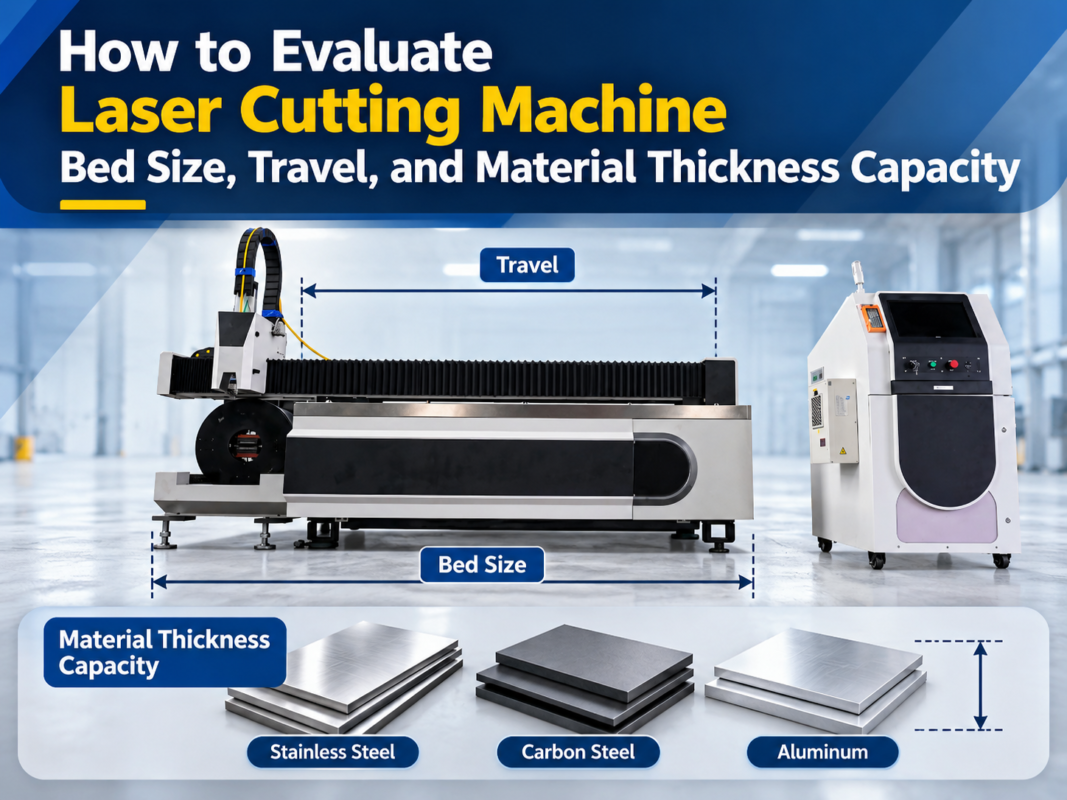
Another factor is material thickness. While modern lasers can cut very thick plate (up to 30mm or more depending on power), punching machines are generally limited to materials under 6mm or 8mm. Attempting to punch very thick or very hard materials leads to rapid tool wear and potential machine damage. Therefore, for heavy-duty structural steel fabrication, the laser cutting machine—or even a plasma cutter—is the necessary choice. Conversely, for very thin, delicate electronics components, the mechanical shock of a punch might cause deformation, making the non-contact laser a safer bet.
Cost and Maintenance Comparison: The Long-Term View
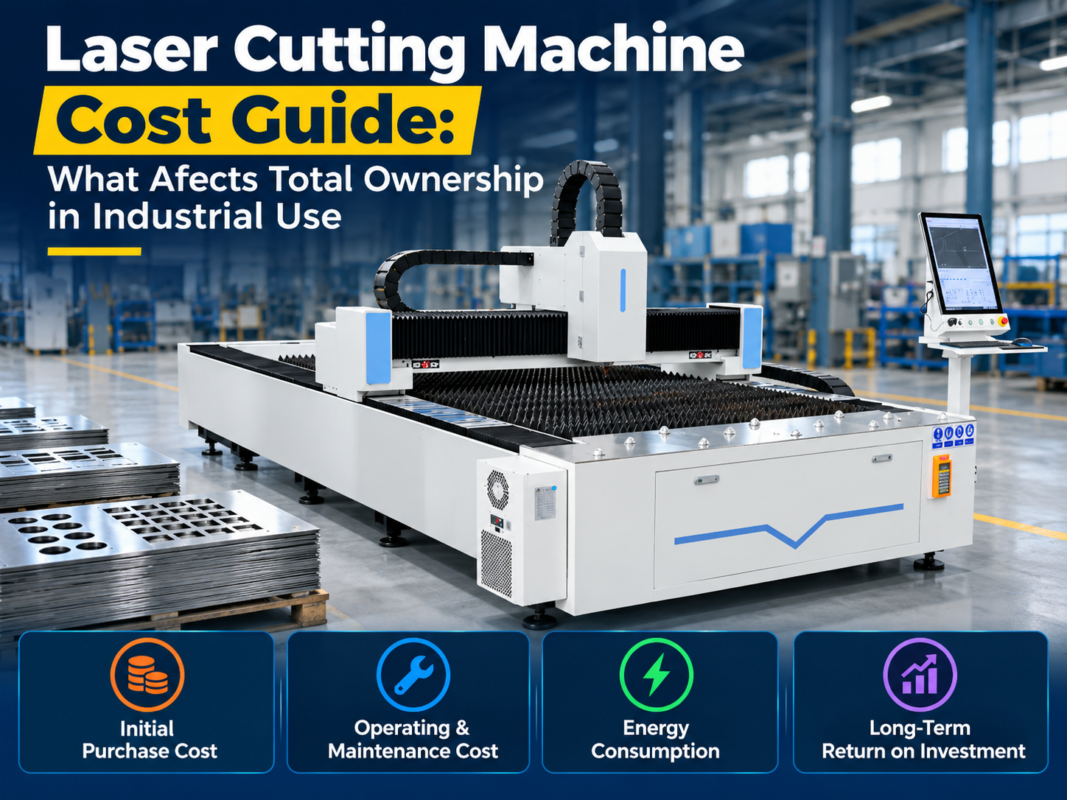
When evaluating cost-effectiveness, one must look beyond the initial purchase price. The Total Cost of Ownership (TCO) includes electricity, consumable gases, replacement parts, labor, and tooling. For a laser cutting machine, the primary ongoing costs are electricity and assist gases (Nitrogen or Oxygen). Fiber lasers are highly efficient, converting about 30-40% of electrical input into laser power. Consumables include protective windows, nozzles, and ceramic rings, which are relatively inexpensive. However, if the laser source itself fails out of warranty, the repair can be significant, though modern sources are rated for 100,000 hours of operation.
For a punching machine, the cost structure is different. While it uses less electricity and no expensive assist gases, the tooling budget is a major recurring expense. A single specialized forming tool can cost hundreds or even thousands of dollars. Furthermore, the mechanical nature of the punch means there are more moving parts subject to wear—hydraulic seals, bushings, and the turret mechanism itself require regular lubrication and inspection. Labor costs can also be higher for punching because of the time required for tool sharpening and turret setup between different jobs.
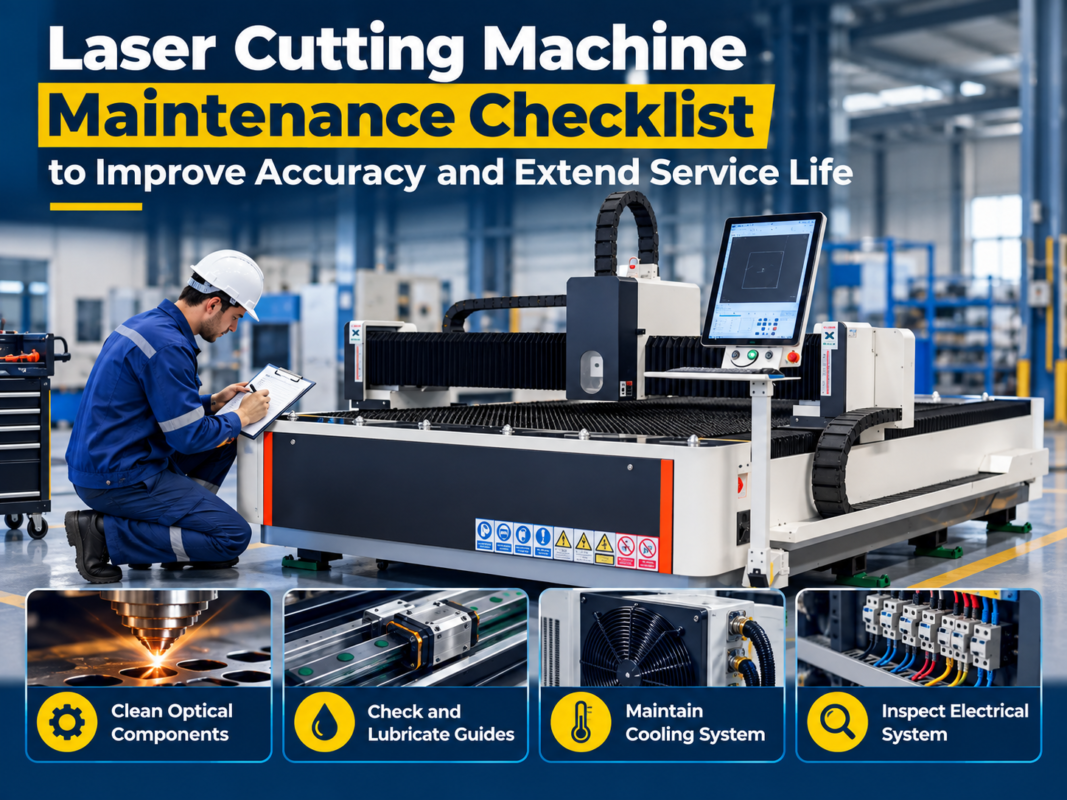
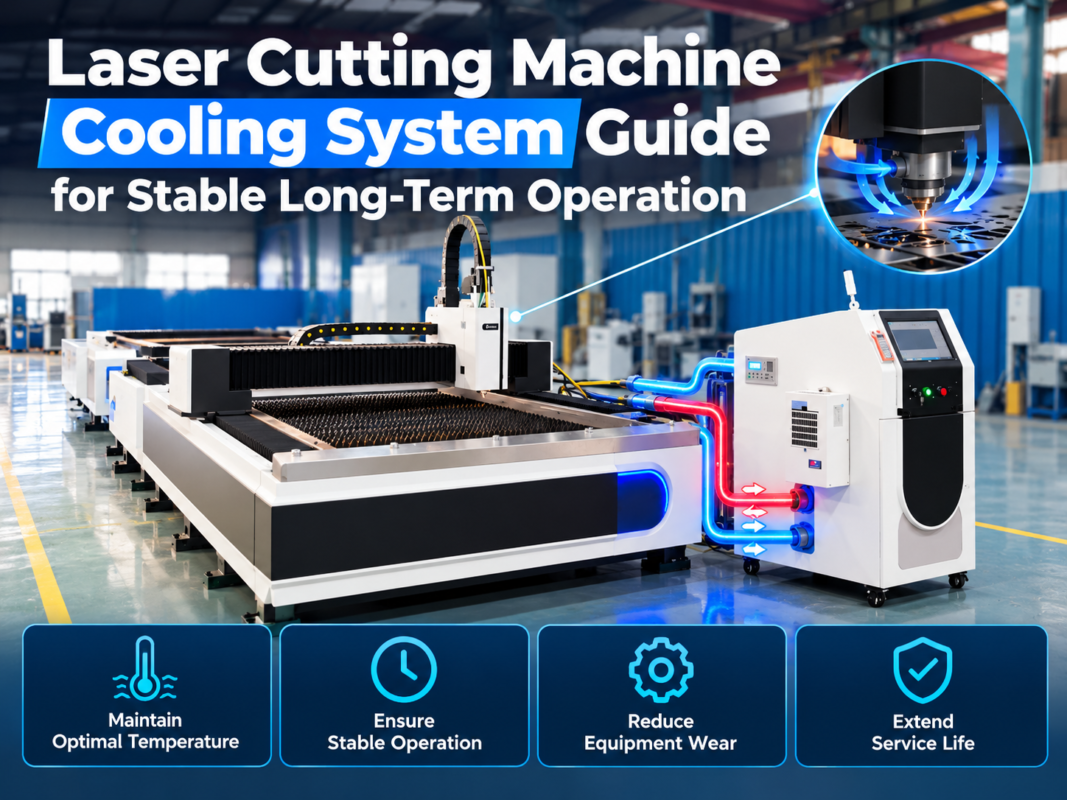
Maintenance for a laser is generally “cleaner” but requires specialized technical knowledge. Keeping the optics clean and the chilling system functional is paramount. Maintenance for a punch is more “traditional” mechanical work but must be performed more frequently to ensure accuracy and prevent tool breakage. In a high-production environment, the downtime for tool changes on a punch can add up, whereas a laser can run different nests of parts back-to-back with zero transition time, maximizing machine utilization rates.
Recommendation: Which Should You Buy?
The decision between a laser cutting machine and a punching machine should be driven by your current and projected workload. If your business model revolves around flexibility, high precision, and rapid prototyping, or if you work with materials thicker than 6mm, the Laser Cutting Machine is the superior investment. It allows you to take on a wider variety of jobs and guarantees a high-quality finish that satisfies the most demanding clients. HARSLE’s fiber laser solutions offer the perfect balance of power and price for shops looking to modernize their workflow.
However, if your production is focused on high-volume runs of thin-gauge parts with integrated forms (like louvers or tabs), the CNC Punching Machine remains the most cost-effective tool. The ability to combine cutting and forming into a single process is a massive competitive advantage in specific sectors. For some large-scale operations, the ideal solution is actually a “combination machine” that features both a laser head and a punching turret, though these carry a much higher price tag.
Ultimately, we recommend performing a detailed analysis of your top 10 most produced parts. Calculate the time and cost to produce them on both platforms, including secondary operations. If more than 30% of your parts require forming, a punch is a strong contender. If your parts are mostly flat with complex outlines, the laser is your winner. At HARSLE, we provide expert consultation to help you weigh these factors against your budget and growth goals, ensuring you choose the machine that truly drives your profitability.
Frequently Asked Questions (FAQ)
1. Can a laser cutting machine replace a punching machine entirely?
Not entirely. While a laser can cut any shape a punch can, it cannot perform forming operations like creating louvers, offsets, or threads. If your parts require these features, you will still need a punch or secondary manual operations.
2. Which machine is faster for simple holes?
For a high density of simple holes (like a perforated screen), a punching machine is significantly faster because it creates the entire hole in a single mechanical stroke, whereas a laser must travel the circumference of every hole.
3. Is fiber laser cheaper to run than CO2 laser?
Yes, fiber lasers are much more cost-effective. They use about 70% less electricity, require no expensive laser gases (like Helium), and have fewer moving parts and mirrors to maintain, leading to much lower operational costs.
4. What is the typical lifespan of these machines?
Both machines are built for industrial use and can last 15-20 years with proper maintenance. The fiber laser source is usually rated for 100,000 hours, while the mechanical components of a punch can be rebuilt or replaced as they wear.
5. Does laser cutting affect the material properties?
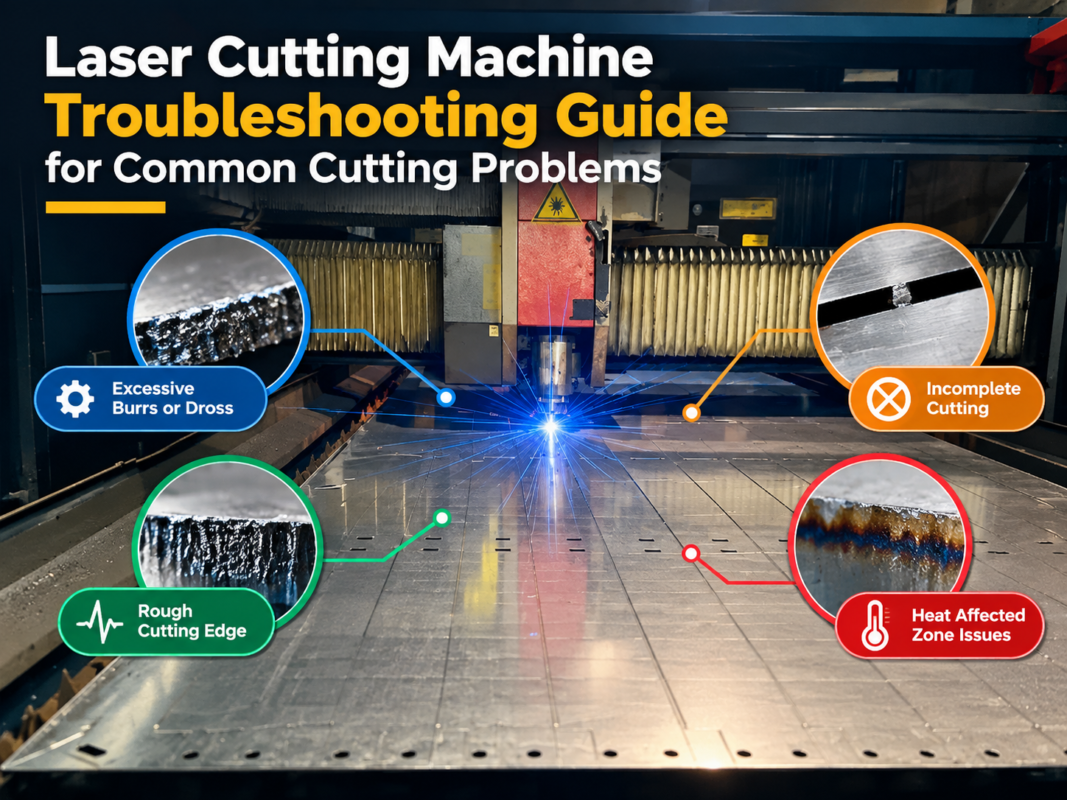
Laser cutting creates a small Heat Affected Zone (HAZ) along the edge, which can slightly harden the metal. For most applications, this is negligible, but for certain high-stress aerospace parts, it may require post-process annealing or edge removal.
6. Which machine is easier for an operator to learn?
Generally, laser cutting machines are easier to learn because the software handles most of the complexity. Punching machines require more knowledge regarding tool selection, clearance, and turret management, which involves a steeper learning curve for the operator.