High-Speed Laser Cutting Machine vs Standard Model: What’s the Real Difference?


Comparison Summary: Navigating the Laser Cutting Landscape
In the rapidly evolving world of metal fabrication, the choice between a high-speed laser cutting machine and a standard model often dictates the long-term profitability of a workshop. While both machines utilize fiber laser technology to melt and vaporize metal, the underlying engineering philosophies differ significantly. A standard model is designed for versatility and reliability across a wide range of thicknesses, whereas a high-speed model is optimized for maximum throughput, particularly in thin-to-medium gauge materials. The core of the High-Speed Laser Cutting Machine Vs Standard Model: ’s Real Difference? lies not just in the wattage of the laser source, but in the machine’s ability to handle rapid acceleration and deceleration without compromising precision.
When we talk about “speed” in laser cutting, we are referring to two distinct metrics: cutting speed (how fast the beam moves through the metal) and positioning speed (how fast the head moves between cuts). High-speed models excel in both, often utilizing linear motors or high-end rack-and-pinion systems paired with lightweight carbon fiber or aviation-grade aluminum gantries. Standard models, conversely, prioritize structural rigidity and cost-effectiveness, making them the workhorses of general job shops that handle diverse projects from 1mm decorative panels to 25mm structural plates.
Understanding these differences requires a deep dive into the mechanical components, the control software, and the economic impact of cycle times. For a business owner, the decision isn’t merely about which machine is faster on paper, but which machine offers the lowest cost-per-part for their specific production mix. This article provides a comprehensive breakdown of these two categories to help you make an informed investment decision.
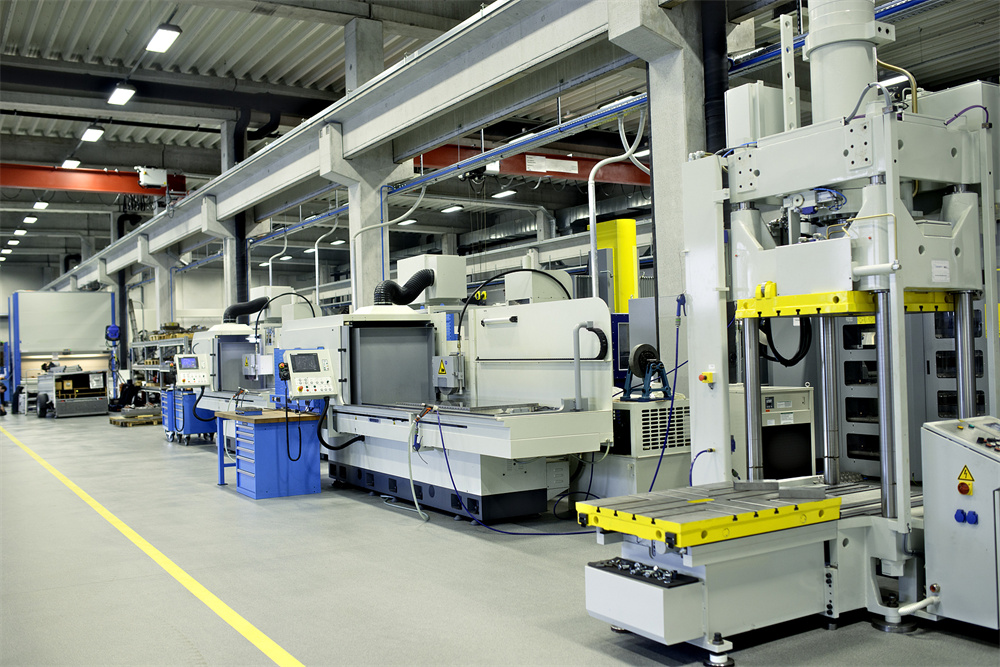
High-Speed Laser Cutting Machine: The Precision Sprinter
A high-speed laser cutting machine is engineered for one primary goal: minimizing non-productive time. In the industry, this is often achieved through extreme acceleration rates, sometimes exceeding 2.0G or even 3.0G. To achieve such forces, the machine must be incredibly stable. Manufacturers like HARSLE utilize reinforced machine beds, often made of high-strength welded steel that has undergone stress-relief annealing to ensure that the frame does not vibrate or deform under the stress of rapid directional changes.
The drive system is the heart of the high-speed model. Many top-tier high-speed machines employ linear motor technology. Unlike traditional rotary motors that turn a gear, linear motors use magnetic levitation principles to move the gantry. This eliminates mechanical friction and backlash, allowing for near-instantaneous starts and stops. For thin sheet metal (under 3mm), where the laser can cut almost as fast as the machine can move, these high acceleration rates can reduce total processing time by 30% to 50% compared to standard models.
Furthermore, high-speed machines are almost always paired with high-power laser sources (12kW to 30kW+). While a 3kW laser can cut 1mm stainless steel quickly, a 20kW laser on a high-speed frame can perform “fly cutting”—a process where the laser head never stops moving, pulsing the beam as it passes over holes or contours. This synergy between high power and high-speed motion control is what defines the modern “ultra-fast” category of fiber lasers.
Finally, the software and CNC controller in a high-speed machine must be capable of processing thousands of lines of code per second. Advanced algorithms for cornering, where the machine automatically adjusts power and frequency as it slows down for a sharp turn, are critical. Without this intelligent control, a high-speed machine would simply burn through corners or lose its path due to inertia. High-speed models are the elite athletes of the fabrication world, requiring specialized maintenance and a steady stream of high-volume work to justify their higher price point.
Standard Laser Cutting Machine: The Versatile Workhorse
The standard laser cutting machine remains the most popular choice for small to medium-sized enterprises (SMEs). These machines typically feature acceleration rates between 0.8G and 1.2G and utilize high-precision rack-and-pinion drive systems. While they may not reach the blistering speeds of their high-speed counterparts, they offer exceptional stability and a much lower barrier to entry in terms of initial investment. For many shops, the High-Speed Laser Cutting Machine Vs Standard Model: ’s Real Difference? is a matter of whether they actually need that extra 20% speed for their daily tasks.
Standard models are designed with a focus on “all-around” performance. They are often equipped with laser sources ranging from 1.5kW to 6kW, which is the sweet spot for cutting mild steel and stainless steel up to 16mm or 20mm. Because the cutting process for thicker materials is limited by the physics of the melting metal and the assist gas (oxygen or nitrogen) rather than the machine’s movement speed, a high-speed gantry offers little to no advantage when cutting 12mm plate. In these scenarios, the standard machine performs identically to the high-speed one but at a fraction of the cost.
The mechanical design of a standard machine is often more robust and easier to maintain. Rack-and-pinion systems are well-understood by technicians worldwide and are highly resistant to the dust and debris common in industrial environments. While they require regular lubrication and occasional adjustment, the components are generally more affordable than linear motor parts. This makes the standard model a safer bet for companies that do not have a dedicated high-tech maintenance team on-site.
Moreover, standard machines are highly adaptable. They can be fitted with various options like tube cutting attachments or manual exchange tables to suit a changing business model. For a job shop that doesn’t know what kind of project will walk through the door tomorrow, the standard model provides the flexibility to handle a wide range of materials and thicknesses with consistent, high-quality results. It is the foundation upon which many successful fabrication businesses are built.
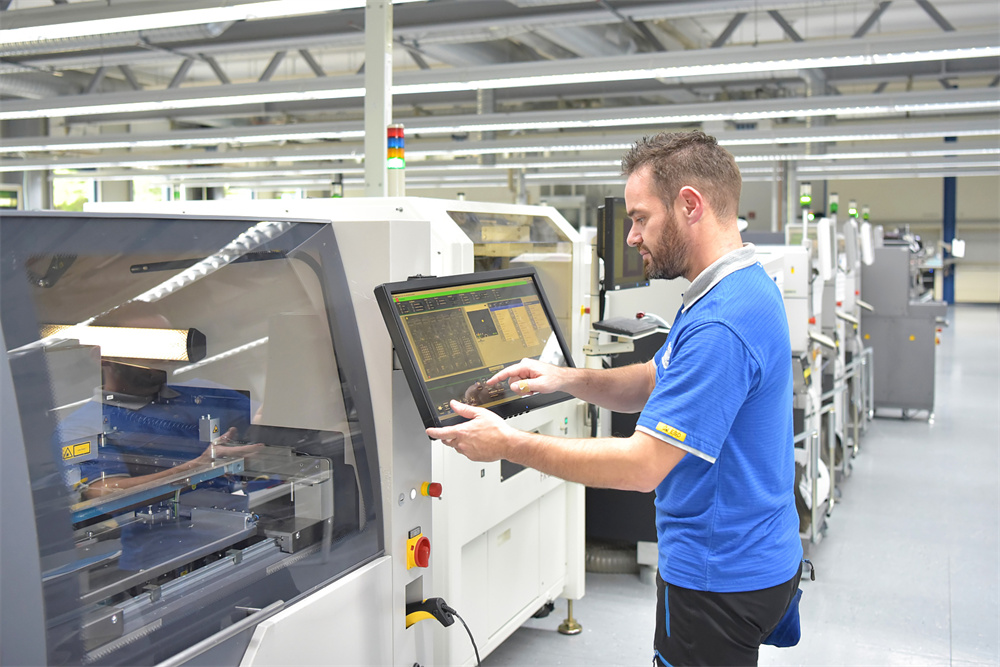
Specification Comparison Table
To better visualize the technical gap, the following table compares the typical specifications found in HARSLE’s high-speed and standard fiber laser series.
| Feature | High-Speed Model | Standard Model |
|---|---|---|
| Max Acceleration | 2.0G – 4.0G | 0.8G – 1.2G |
| Max Linkage Speed | 140 – 200 m/min | 60 – 100 m/min |
| Drive System | Linear Motors or High-End Rack | Precision Rack & Pinion |
| Laser Power Range | 12kW – 40kW | 1kW – 6kW |
| Positioning Accuracy | ±0.02 mm | ±0.05 mm |
| Gantry Material | Aviation Aluminum / Carbon Fiber | Extruded Aluminum / Steel |
| Best Material Range | 0.5mm – 10mm (Mass Production) | 1mm – 25mm (General Purpose) |
Best-fit Applications: Choosing Based on Your Workflow
The High-Speed Laser Cutting Machine Vs Standard Model: ’s Real Difference? becomes most apparent when looking at specific industry applications. High-speed machines are the kings of the automotive, kitchenware, and elevator industries. In these sectors, parts are often made from thin stainless steel or galvanized sheets and are produced by the thousands. Every second saved on a part translates into significant profit over a yearly production run. For example, an elevator panel with hundreds of small decorative perforations will be finished twice as fast on a high-speed machine due to its superior acceleration during the frequent “jumps” between holes.
On the other hand, the standard model is the ideal choice for agricultural machinery, heavy equipment manufacturing, and structural steel fabrication. These industries typically deal with thicker plates where the laser must move slowly to ensure a clean cut. Using a high-speed machine for 20mm mild steel is like using a Ferrari to plow a field; you are paying for speed capabilities that the material physics won’t let you use. The standard machine’s lower capital expenditure allows these businesses to remain competitive while still delivering the precision required for heavy-duty components.
Another factor is the complexity of the parts. If your workflow involves simple geometric shapes with long straight cuts, the difference between the two machines is minimized. However, if your parts involve intricate lace-like patterns, sharp angles, and complex curves, the high-speed machine’s advanced motion control and high G-force capabilities will significantly improve edge quality and reduce the “rounding” of sharp corners that can occur on slower machines.
Finally, consider your shop’s automation level. High-speed machines are almost always paired with automatic loading and unloading systems. Because the machine cuts so fast, a human operator cannot keep up with the material handling. If you do not plan to invest in automation, a high-speed machine may sit idle for 50% of the day while you change sheets, effectively neutralizing its speed advantage. Standard machines are more compatible with manual or semi-automatic workflows.
Cost and Maintenance Comparison
When evaluating the High-Speed Laser Cutting Machine Vs Standard Model: ’s Real Difference?, the financial aspect extends far beyond the sticker price. A high-speed machine typically costs 1.5 to 2.5 times more than a standard model of the same bed size. This premium covers the expensive linear motors, the reinforced frame, and the high-end CNC controller. However, the return on investment (ROI) can be much faster if the machine is utilized in a high-volume, multi-shift environment. The cost-per-part on a high-speed machine can be significantly lower because the fixed costs (labor, rent, electricity) are spread over a much larger number of finished pieces.
Maintenance requirements also differ. High-speed machines are sensitive instruments. The linear motors require a clean environment, as metal dust can interfere with the magnetic tracks. The cooling systems for high-power lasers (12kW+) are more complex and require more frequent checks to prevent overheating. Furthermore, the high-speed motion puts more stress on the cable carriers and internal wiring, necessitating a more rigorous preventative maintenance schedule. If a high-speed machine goes down, the parts are often more expensive and require specialized technicians to install.
Standard machines are generally more “forgiving.” Their mechanical drive systems can handle slightly dustier environments and are easier for a general maintenance person to service. The consumables, such as nozzles and protective windows, are standard and widely available. For a company in a remote location or one without a dedicated maintenance department, the simplicity of a standard model is a major advantage. It provides peace of mind that the machine will be up and running with minimal fuss.
Operating costs also include gas consumption. High-speed machines often use high-pressure nitrogen to achieve their top speeds in stainless steel. While the cost per part might be lower, the hourly gas bill will be much higher. Standard machines, often cutting thicker material with oxygen, have a different cost profile. It is essential to perform a full “Total Cost of Ownership” (TCO) analysis before choosing, factoring in gas, electricity, labor, and maintenance over a 5-year period.
Recommendation: Which One Should You Buy?
The decision between a high-speed laser cutting machine and a standard model should be based on a cold, hard look at your production data. If more than 70% of your work involves sheet metal thinner than 5mm and you are running at least two shifts a day, the high-speed model is almost certainly the better investment. The productivity gains will quickly offset the higher monthly lease payments, and the ability to offer faster turnaround times will give you a significant edge in the market.
However, if you are a job shop that handles a “bit of everything,” or if your primary work is in plates thicker than 8mm, the standard model is the logical choice. It offers the best balance of precision, reliability, and cost. You can use the money saved on the initial purchase to invest in better press brakes, high-quality nesting software, or a larger inventory of raw materials. A standard machine from a reputable brand like HARSLE will still provide years of high-precision service and can be upgraded with better optics or software as your needs grow.
Before purchasing, we recommend sending your most common part files to the manufacturer for a time study. Compare the cycle times on both machines. If the high-speed machine only saves you 5 seconds on a 2-minute part, it’s not worth the extra cost. But if it cuts a 60-second part down to 25 seconds, the choice is clear. Always consider the “bottleneck” in your factory; there is no point in having the world’s fastest laser if your bending or welding department can’t keep up with the output.
Frequently Asked Questions (FAQ)
1. Does a high-speed machine always cut better quality edges?
Not necessarily. Edge quality depends more on the laser beam quality, the gas pressure, and the focal point settings. However, at very high speeds, the motion control of a high-speed machine prevents “shaking” marks that might appear on a standard machine trying to move beyond its design limits. For thin materials, high-speed machines often produce a smoother finish because they maintain a more consistent velocity.
2. Can I upgrade a standard machine to a high-speed one later?
Generally, no. The difference is structural. A high-speed machine has a different frame, different motors, and a different gantry. While you can sometimes upgrade the laser source (e.g., from 3kW to 6kW), you cannot easily change the acceleration capabilities of the machine’s physical structure. It is better to choose the right platform from the start.
3. Is a high-speed machine more dangerous to operate?
All fiber lasers are Class 4 laser products and require strict safety protocols. High-speed machines are always fully enclosed for safety. The main “danger” is the speed of the gantry; if a person were somehow inside the machine during operation, the rapid movement could cause serious injury. This is why high-speed machines are equipped with sophisticated interlocks and light curtains.
4. How much more electricity does a high-speed machine use?
The electricity usage is primarily determined by the power of the laser source and the chillers. A 12kW high-speed machine will use significantly more power than a 3kW standard machine. However, because it finishes parts faster, the energy used *per part* might actually be lower. You must calculate the energy efficiency based on production volume, not just hourly consumption.
5. What is the lifespan of a high-speed machine vs a standard one?
Both machines are designed for a 10-15 year lifespan if properly maintained. Linear motors in high-speed machines have no wearing parts (no gears touching), which can theoretically lead to a longer life for the drive system. However, the high-power laser sources in high-speed machines may require more frequent diode replacements or maintenance over a decade of heavy use.