Hydraulic Shearing Machine vs Pneumatic Shearing Machine: Performance Comparison for Factories


Comparison Summary: Navigating the Shearing Landscape
In the modern metal fabrication factory, the choice between a hydraulic shearing machine and a pneumatic shearing machine is a pivotal decision that impacts production throughput, operational costs, and the range of materials a facility can handle. While both machines serve the fundamental purpose of cutting sheet metal by applying a shearing force, their internal mechanisms, power delivery systems, and performance envelopes differ significantly. This article provides a comprehensive Hydraulic Shearing Machine Vs Pneumatic Shearing Machine Performance Comparison Factories can use to optimize their shop floor efficiency.
Hydraulic shearing machines are the heavyweights of the industry, utilizing pressurized fluid to generate immense force capable of slicing through thick steel plates with precision. In contrast, pneumatic shearing machines rely on compressed air, offering a faster, cleaner, and often more cost-effective solution for lighter-gauge materials. Understanding the nuances of these two technologies is essential for factory managers who need to balance initial capital expenditure with long-term versatility and maintenance requirements. As HARSLE continues to innovate in the metalworking sector, we see a growing need for clear technical distinctions to help buyers select the right tool for their specific application.
The primary differentiator lies in the medium of power transmission. Hydraulics offer high power density and controllable speed, making them ideal for heavy-duty industrial tasks. Pneumatics offer high-speed cycling and simplicity, which suits high-volume, light-duty manufacturing environments. Throughout this guide, we will dissect the mechanical advantages, energy consumption patterns, and maintenance profiles of both systems to provide a definitive performance comparison for modern factories.
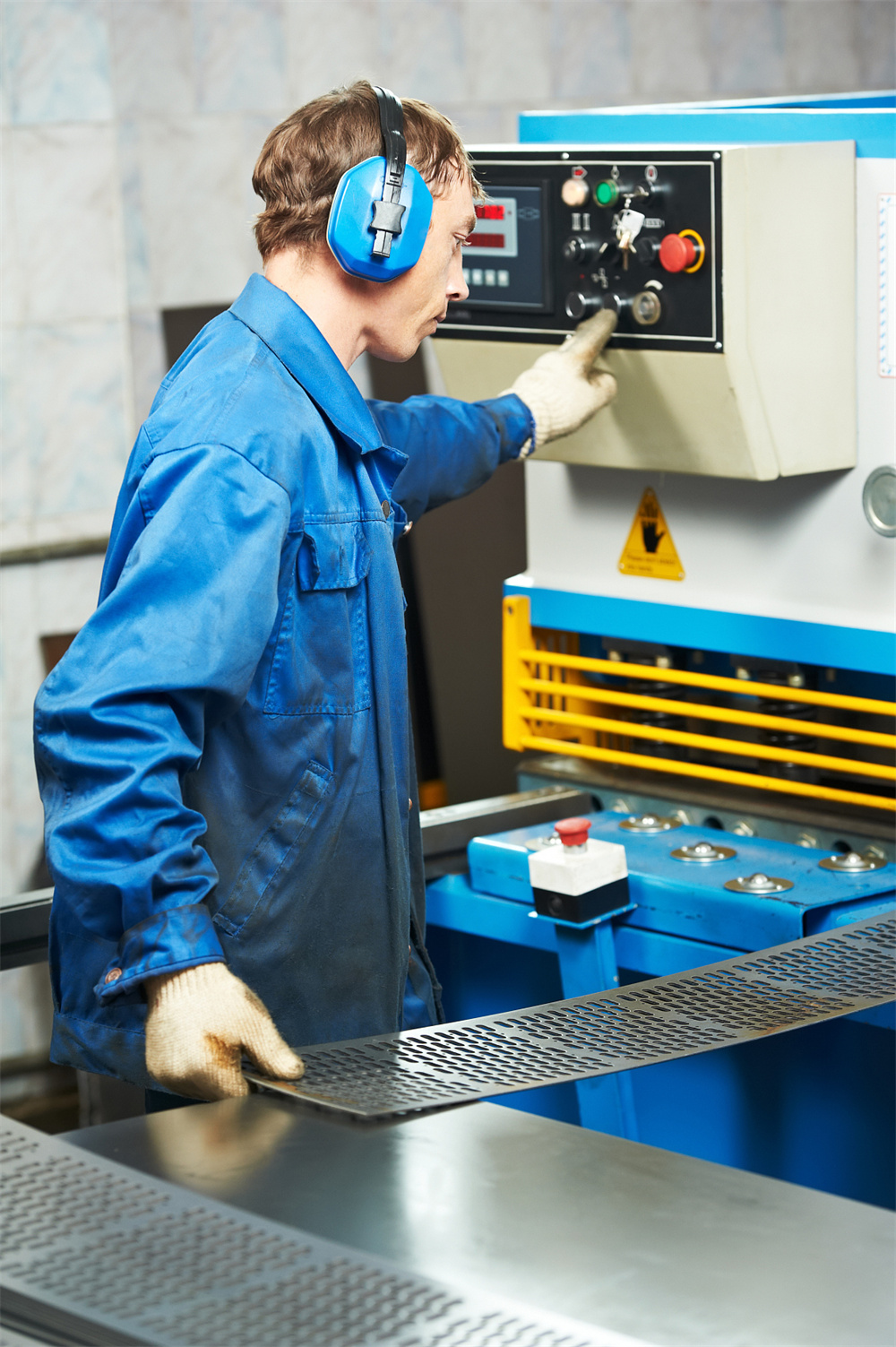
Hydraulic Shearing Machine Overview: The Powerhouse of Fabrication
Hydraulic shearing machines, such as the HARSLE QC11Y and QC12Y series, are the industry standard for medium to heavy-duty metal cutting. These machines operate on Pascal’s principle, where a hydraulic pump forces oil into cylinders to move the upper blade beam. This system allows for the generation of massive amounts of force—often hundreds of tons—enabling the machine to cut through carbon steel, stainless steel, and aluminum plates ranging from 4mm to over 30mm in thickness. The hydraulic system provides a smooth, consistent stroke that can be paused or reversed at any point, offering a level of control that is difficult to achieve with mechanical or pneumatic alternatives.
One of the standout features of the hydraulic shearing machine is its adaptability. Most modern hydraulic shears come equipped with adjustable rake angles and blade gap settings. By adjusting the rake angle (the angle of the upper blade relative to the lower blade), operators can minimize the twisting and bowing of the cut piece, which is particularly important when working with thicker materials. Furthermore, the hydraulic drive allows for integrated safety features, such as pressure relief valves that prevent the machine from overloading if the material is too thick or the blades are dull, protecting the structural integrity of the frame.
From a performance standpoint, hydraulic machines are built for endurance. The heavy steel frames are typically welded and stress-relieved to ensure long-term accuracy. In a factory setting, a hydraulic shear is the “workhorse” that handles the bulk of heavy plate processing. While they may not match the cycle speed of pneumatic machines on very thin sheets, their ability to maintain precision over long production runs and handle a wide variety of material grades makes them indispensable for general fabrication shops, shipbuilding, and heavy machinery manufacturing.
Pneumatic Shearing Machine Overview: Speed and Simplicity
Pneumatic shearing machines represent a specialized segment of the market focused on speed, efficiency, and low-maintenance operation. These machines use compressed air to drive the shearing mechanism. Because air is compressible and moves quickly, pneumatic shears are capable of very high cycle rates, making them perfect for high-speed production lines where thin-gauge sheet metal (typically under 2mm or 14 gauge) needs to be cut rapidly. They are commonly found in HVAC ductwork manufacturing, electronics housing production, and light appliance assembly.
The mechanical simplicity of a pneumatic shearing machine is one of its greatest assets. Without the need for hydraulic pumps, oil reservoirs, or complex valve manifolds, these machines have fewer points of failure. There is no risk of oil leaks, which makes them a “cleaner” option for environments where contamination must be avoided, such as in food-grade equipment fabrication or clean-room component manufacturing. The footprint of a pneumatic shear is also generally smaller, and they are significantly lighter than their hydraulic counterparts, allowing for easier relocation within a factory layout.
However, the reliance on compressed air limits the total force a pneumatic shear can exert. While they excel at cutting thin aluminum and mild steel, they struggle with thicker plates or high-tensile alloys. The “snap” action of a pneumatic cylinder is also less controllable than the fluid motion of a hydraulic cylinder; once the cycle starts, it usually completes the full stroke at a set speed. For factories focused on light-gauge materials where speed is the primary KPI (Key Performance Indicator), the pneumatic shearing machine offers an excellent return on investment due to its lower initial cost and minimal utility requirements beyond a standard factory air line.
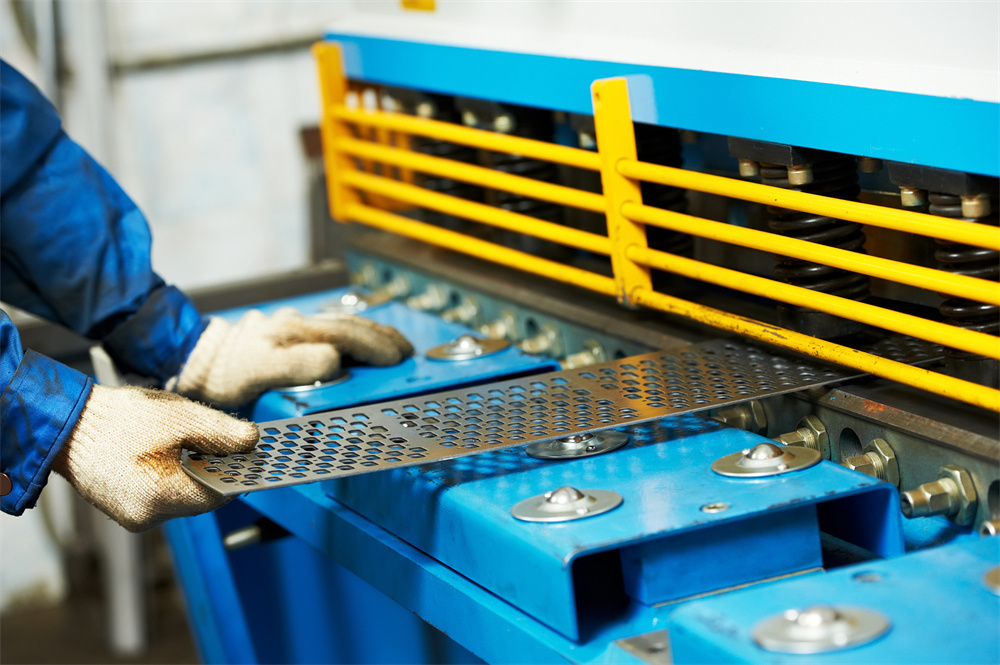
Specification Comparison Table
To better understand the Hydraulic Shearing Machine Vs Pneumatic Shearing Machine Performance Comparison Factories must consider, the following table highlights the key technical differences between these two technologies.
| Feature | Hydraulic Shearing Machine | Pneumatic Shearing Machine |
|---|---|---|
| Primary Power Source | Hydraulic Oil / Electric Pump | Compressed Air |
| Cutting Capacity (Thickness) | High (4mm to 40mm+) | Low (0.5mm to 2mm) |
| Cutting Speed | Moderate (10-20 strokes/min) | High (30-60+ strokes/min) |
| Force Consistency | Constant throughout the stroke | Peak force at end of stroke |
| Maintenance Requirements | Moderate (Oil changes, seals) | Low (Air filters, lubrication) |
| Noise Level | Moderate (Pump hum) | High (Air exhaust noise) |
| Initial Cost | Higher | Lower |
| Precision Control | Excellent (Adjustable Rake/Gap) | Basic |
| Environmental Impact | Risk of oil leaks | Clean, but high air consumption |
Best-fit Applications: Choosing the Right Tool for the Job
Selecting between hydraulic and pneumatic systems depends heavily on the specific output requirements of your factory. For heavy industrial applications, the hydraulic shearing machine is the clear winner. Industries such as construction equipment manufacturing, bridge building, and large-scale container production require the sheer force that only hydraulics can provide. The ability to cut 12mm or 16mm steel plates with a clean edge and minimal deformation is a requirement that pneumatic machines simply cannot meet. Furthermore, the hydraulic swing beam or guillotine design allows for longer blade lengths, often reaching 4 meters or 6 meters, which is necessary for large-format sheet processing.
Conversely, the pneumatic shearing machine finds its home in light manufacturing. If your factory produces small brackets, HVAC components, or metal roofing tiles, the speed of a pneumatic shear will significantly outperform a hydraulic one. In these applications, the material is thin enough that the limited force of compressed air is not a drawback. The rapid cycle time allows for integration into automated feed lines, where the shear acts as a cutoff tool for continuous coils of metal. Because these machines are often foot-pedal operated and require very little setup time, they are also ideal for job shops that handle a high volume of small, simple tasks.
Another consideration is the material type. While both can cut mild steel, hydraulic shears are better suited for “tougher” materials like stainless steel or high-carbon alloys. These materials require a slower, more deliberate shearing action to prevent blade damage and ensure a square edge. Pneumatic shears, with their fast, percussive action, are best reserved for softer metals like aluminum, copper, and thin mild steel where the impact of the blade won’t cause excessive vibration or work-hardening of the edge.
Cost and Maintenance Comparison
When evaluating the Hydraulic Shearing Machine Vs Pneumatic Shearing Machine Performance Comparison Factories often look at the Total Cost of Ownership (TCO). The initial purchase price of a hydraulic shearing machine is higher due to the complexity of the hydraulic power unit, the heavy-duty frame, and the advanced CNC controllers often paired with these units. However, this investment is offset by the machine’s versatility. A single hydraulic shear can replace multiple smaller machines because it can handle both thin and thick materials effectively.
Maintenance for hydraulic machines involves regular oil changes, filter replacements, and monitoring for seal wear. While this requires a scheduled maintenance program, a well-maintained hydraulic shear can last for decades. The main operational cost, aside from electricity for the motor, is the hydraulic fluid itself. In terms of energy, hydraulic systems are relatively efficient because the pump only works hard during the actual cutting stroke, though there is some energy loss through heat in the fluid.
Pneumatic shearing machines have a lower entry price, making them attractive for startups or specialized production cells. Maintenance is remarkably simple, usually involving only the cleaning of air filters and occasional lubrication of the cylinders. However, the hidden cost of pneumatic machinery is the cost of compressed air. Generating compressed air is one of the most expensive utilities in a factory. If the pneumatic shear is running constantly, the electricity consumed by the air compressor can eventually surpass the energy costs of a hydraulic unit. Additionally, pneumatic cylinders may need replacement more frequently than hydraulic cylinders if they are cycled at extremely high rates without proper air drying and filtration.
Recommendation: Which One Should Your Factory Choose?
The final decision in the Hydraulic Shearing Machine Vs Pneumatic Shearing Machine Performance Comparison Factories debate should be driven by your primary material thickness and production volume. If your facility processes a variety of materials and frequently works with plates thicker than 3mm, a hydraulic shearing machine is a mandatory investment. The flexibility to adjust the rake angle and blade gap ensures that you can deliver high-quality parts to your customers regardless of the material grade. HARSLE recommends hydraulic shears for any environment where precision and power are the top priorities.
If, however, your production is strictly limited to thin-gauge materials (under 2mm) and your primary goal is to maximize the number of cuts per hour, a pneumatic shearing machine is the more logical choice. Its high speed and low maintenance will keep your production line moving with minimal downtime. It is also the better choice for facilities that prioritize a clean working environment free from hydraulic oils.
For many growing factories, the ideal solution is a combination of both. Using a large hydraulic guillotine shear for primary plate breakdown and several smaller pneumatic shears for high-speed finishing or small-part production creates a balanced and efficient workflow. Before purchasing, always verify the maximum tensile strength of the materials you intend to cut, as this will dictate the actual force required, regardless of the thickness.
Frequently Asked Questions (FAQ)
1. Can a pneumatic shearing machine cut stainless steel?
Yes, but only in very thin gauges (usually 1mm or less). Stainless steel is much harder than mild steel, so it requires significantly more force to shear. Attempting to cut thick stainless on a pneumatic machine can lead to incomplete cuts and rapid blade wear.
2. How often should I change the oil in a hydraulic shearing machine?
Generally, hydraulic oil should be changed every 2,000 to 4,000 hours of operation, or at least once a year. Regular oil analysis can help determine the exact timing based on the contamination levels and viscosity breakdown.
3. Are pneumatic shears louder than hydraulic shears?
Yes, typically. While hydraulic machines have a constant hum from the pump, pneumatic machines produce a loud “hiss” and “pop” every time the air exhausts from the cylinders. Silencers can be used to mitigate this, but the percussive nature of the cut is generally noisier.
4. Which machine is safer for operators?
Both machines are safe when equipped with proper guarding and light curtains. However, hydraulic machines often have more sophisticated safety electronics and the ability to stop the stroke instantly if a safety sensor is tripped, whereas pneumatic strokes are harder to interrupt once the air is released.
5. Does HARSLE provide training for these machines?
Yes, HARSLE provides comprehensive technical support and operational training for all shearing machines. This ensures that factory personnel understand how to adjust blade gaps and rake angles to maximize machine life and part quality.