New Shearing Machine Vs Used Shearing Machine: Should Buyers Compare?


Comparison Summary: Navigating the Shearing Machine Market
In the competitive landscape of metal fabrication, selecting the right equipment is a pivotal decision that impacts long-term profitability, production efficiency, and product quality. The debate between purchasing a New Shearing Machine Vs Used Shearing Machine: Should Buyers Compare? is one that every workshop manager and business owner faces. While the initial price tag of a used machine is often enticing, the hidden costs of maintenance, downtime, and outdated technology can quickly erode those savings. Conversely, a new machine represents a significant capital investment but offers the latest in CNC precision, safety, and energy efficiency.
This guide aims to provide a comprehensive analysis of both options. We will explore the technical specifications, operational costs, and application suitability of new versus used shearing machines. By the end of this article, you will have a clear framework for evaluating which path aligns best with your production goals and financial constraints. Whether you are a small job shop or a high-volume industrial manufacturer, understanding these nuances is essential for making an informed procurement decision.
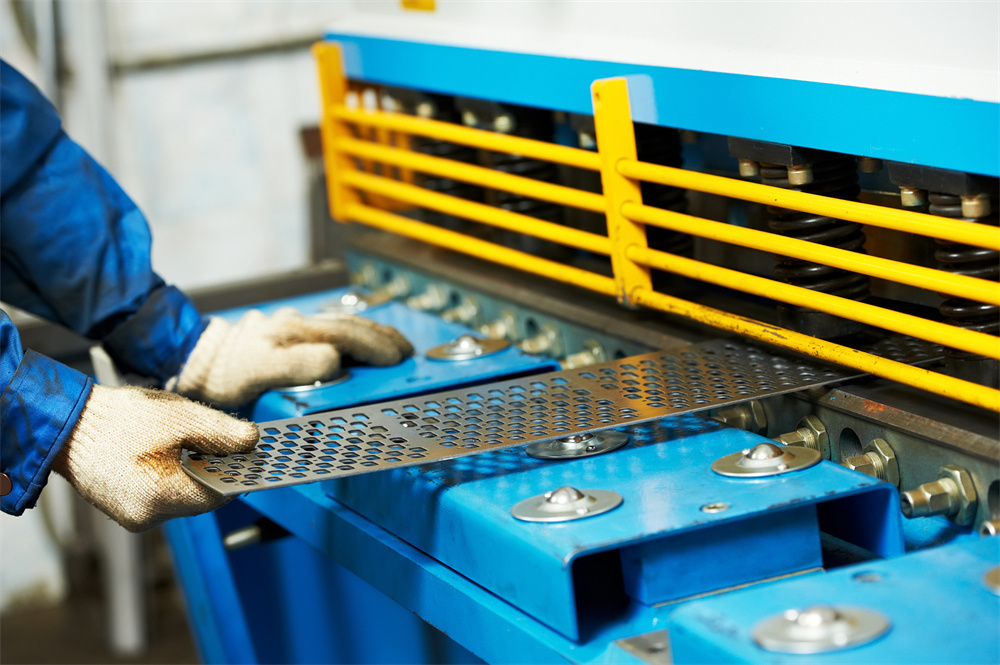
New Shearing Machine Overview: The Modern Standard
Investing in a new shearing machine, such as those manufactured by HARSLE, brings the advantage of cutting-edge engineering. Modern machines are designed with high-strength steel frames, often stress-relieved through vibration or heat treatment, to ensure maximum rigidity and accuracy over decades of use. A new machine is not just a piece of hardware; it is a complete system integrated with advanced hydraulics and digital control interfaces.
One of the primary benefits of a new machine is the inclusion of the latest CNC (Computer Numerical Control) systems. Controllers like the E21S or the more advanced DAC-360T allow for automated backgauge positioning, blade gap adjustment, and stroke length control. This automation reduces the reliance on highly skilled manual labor and minimizes human error, leading to consistent part quality. Furthermore, new machines come with comprehensive warranties, providing peace of mind and protecting the buyer from manufacturing defects during the critical first years of operation.
Safety standards have also evolved significantly. New shearing machines are equipped with light curtains, emergency stop buttons, and protective cages that comply with modern CE and OSHA regulations. In today’s regulatory environment, ensuring operator safety is not just an ethical obligation but a legal necessity that can prevent costly lawsuits and workplace disruptions. Additionally, modern hydraulic systems are more energy-efficient, utilizing variable speed drives and optimized valve blocks to reduce electricity consumption and heat generation.
Used Shearing Machine Overview: The Secondary Market Reality
The secondary market for industrial machinery is vast, offering everything from 30-year-old mechanical shears to relatively modern hydraulic units. The primary driver for choosing a used shearing machine is, undoubtedly, the lower upfront cost. For startups or shops with limited production runs, a used machine can provide the necessary cutting capacity without the heavy debt burden of a new purchase. In some cases, a well-maintained used machine from a reputable brand can still deliver acceptable accuracy for non-critical applications.
However, buying used is often a gamble. The history of the machine—how it was maintained, whether it was overloaded, and the quality of the replacement parts used—is frequently unknown. Mechanical wear on the guideways, internal leaks in the hydraulic cylinders, and fatigue in the electrical components are common issues that may not be apparent during a brief inspection. Furthermore, used machines often lack modern safety features, requiring additional investment to bring them up to current safety standards.
Another significant drawback is the lack of technical support and spare parts availability. As technology moves forward, manufacturers may stop producing parts for older models. This can lead to extended downtime if a critical component fails, as parts might need to be custom-machined or sourced from salvage yards. Buyers must also consider the cost of decommissioning, transporting, and reinstalling a used machine, which can sometimes approach the cost of the machine itself.
Specification Comparison Table
To better understand the technical differences, let’s compare the typical attributes of a new HARSLE hydraulic shearing machine versus a typical 10-15 year old used machine found on the market.
| Feature | New Shearing Machine (HARSLE) | Used Shearing Machine (10-15 Years Old) |
|---|---|---|
| Control System | Advanced CNC (E21S, DAC360T) with touch screen | Manual or basic digital readout (often faulty) |
| Blade Material | High-quality Cr12MoV or 6CrW2Si (Long life) | Unknown wear; likely requires regrinding |
| Accuracy | ±0.05mm backgauge precision | ±0.5mm to 1.0mm due to mechanical wear |
| Safety Features | Full CE compliance, light curtains, laser guards | Basic physical guards; often bypassed or missing |
| Energy Efficiency | High; optimized hydraulics and motors | Low; constant-speed motors, high heat loss |
| Warranty | 12-24 months comprehensive | None (Sold “As-Is”) |
| Spare Parts | Readily available from manufacturer | Difficult to source; may require custom fabrication |

Best-fit Applications: When to Choose Which?
The decision between new and used often depends on the specific application and production volume. For high-precision industries such as aerospace, medical device manufacturing, or high-end electronics, a new shearing machine is almost always the better choice. These sectors require tight tolerances and documented consistency that older, worn machines simply cannot provide. If your business model relies on high-volume production where every second of cycle time counts, the reliability and speed of a new machine will offer a much faster return on investment.
On the other hand, a used shearing machine might be suitable for a maintenance department within a larger factory, a vocational school, or a small artistic metalworking shop. In these environments, the machine may only be used for a few hours a week. The precision requirements might be lower, and the slower operation of an older machine is not a bottleneck. If the budget is extremely tight and the machine is intended for rough-cutting material that will be further processed (such as welding or grinding), a used unit can serve as a functional stop-gap.
However, buyers should be wary of using old machines for heavy-duty, thick-plate shearing. Over time, the frames of shearing machines can experience microscopic stress fractures. A used machine that has been pushed to its limits for years may fail catastrophically when tasked with cutting its maximum rated thickness. New machines are built with modern finite element analysis (FEA) to ensure the frame can handle the stresses of heavy cutting over a long lifespan.
Cost and Maintenance Comparison: The Total Cost of Ownership
When comparing New Shearing Machine Vs Used Shearing Machine: Should Buyers Compare?, one must look beyond the purchase price and calculate the Total Cost of Ownership (TCO). The TCO includes the purchase price, shipping, installation, training, maintenance, electricity, and the cost of potential downtime. While a used machine might cost 50% less than a new one initially, its TCO over five years can often exceed that of a new machine.
Maintenance on a new machine is predictable. It involves routine oil changes, filter replacements, and blade rotations. HARSLE machines are designed for easy access to maintenance points, reducing the time required for these tasks. In contrast, a used machine often requires “reactive maintenance.” This means fixing things as they break. A single hydraulic pump failure or a blown PLC on an old machine can cost thousands of dollars in parts and lost production time. If the machine uses obsolete electronics, you might be forced to retrofit the entire control system, a project that can cost nearly as much as a new machine.
Blade life is another critical cost factor. New machines come with fresh, high-grade alloy blades. Used machines often come with dull or chipped blades. Regrinding shearing blades is expensive and can only be done a limited number of times before the blades become too thin to maintain the proper gap, necessitating a full set of replacement blades. When you add up the costs of repairs, higher energy bills, and the lack of a warranty, the “savings” of a used machine often vanish within the first 24 months of operation.
Detailed Buyer’s Checklist: Inspecting Your Options
If you are still considering a used machine, or if you are evaluating different new manufacturers, use this checklist to ensure you are getting a quality piece of equipment:
- Frame Integrity: Check for any visible cracks or welds that suggest previous structural failure. On new machines, ask about the steel grade and stress-relief process.
- Hydraulic System: Look for leaks around cylinders and valves. Listen for unusual noises from the pump. On new machines, check if they use reputable brands like Rexroth or Hoerbiger.
- Blade Condition: Inspect the cutting edges for nicks or rounding. Ask for the material specification of the blades.
- Backgauge Accuracy: Run the backgauge to various positions and measure the distance manually to check for repeatability and lead-screw wear.
- Electrical Cabinet: Open the cabinet and look for messy wiring or burnt components. For new machines, ensure the components are standard (e.g., Schneider or Siemens) so they are easy to replace locally.
- Shadow Line/Lighting: Ensure the cutting line is clearly visible. Modern machines use LED lighting or laser lines for better visibility.
- Service History: For used machines, ask for maintenance logs. For new machines, ask about the manufacturer’s after-sales support network.
Recommendation: Why HARSLE Represents the Best Value
At HARSLE, we believe that for most professional fabrication businesses, a new shearing machine offers the best long-term value. The rapid advancement in CNC technology and hydraulic efficiency means that a new machine will significantly outperform a decade-old unit in terms of pieces per hour and cost per cut. Our machines are engineered to provide the perfect balance of performance and affordability, making the transition to new equipment easier for growing businesses.
By choosing a new HARSLE shearing machine, you are investing in the future of your company. You get a machine that is safer, more accurate, and backed by a professional support team. While the used market will always exist for hobbyists and low-utilization shops, the demands of modern industry require the reliability that only new machinery can provide. Don’t let the low price of a used machine distract you from the goal of building a productive, efficient, and safe workshop.
Frequently Asked Questions (FAQ)
1. Is it hard to learn how to operate a new CNC shearing machine?
No, modern CNC controllers like the E21S are designed with user-friendly interfaces. Most operators can become proficient with just a few hours of training. HARSLE also provides detailed manuals and video tutorials to assist with the learning process.
2. Can I upgrade an old used shearing machine with new CNC controls?
It is possible, but often not cost-effective. Retrofitting requires new motors, drives, and a controller, plus the labor to integrate them. Often, the mechanical wear on the machine’s frame and guides means that even with new controls, it won’t achieve the accuracy of a new machine.
3. How long do the blades last on a new HARSLE shearing machine?
Blade life depends on the material being cut and the frequency of use. However, with high-quality Cr12MoV blades and proper gap adjustment, you can expect thousands of cuts before needing to rotate or regrind the blades. Most HARSLE blades have four cutting edges, allowing you to flip them three times before a regrind is necessary.
4. What is the most common failure in used shearing machines?
Hydraulic seal failure and electrical component degradation are the most common issues. Over time, seals harden and leak, leading to a loss of pressure and accuracy. Electrical relays and older PLCs also have a finite lifespan and can be difficult to troubleshoot without original wiring diagrams.
5. Does HARSLE offer financing for new machines?
While HARSLE works with various international distributors who may offer financing, we recommend speaking with your local industrial equipment lender. The high resale value and productivity of a new HARSLE machine often make it an attractive asset for financing.