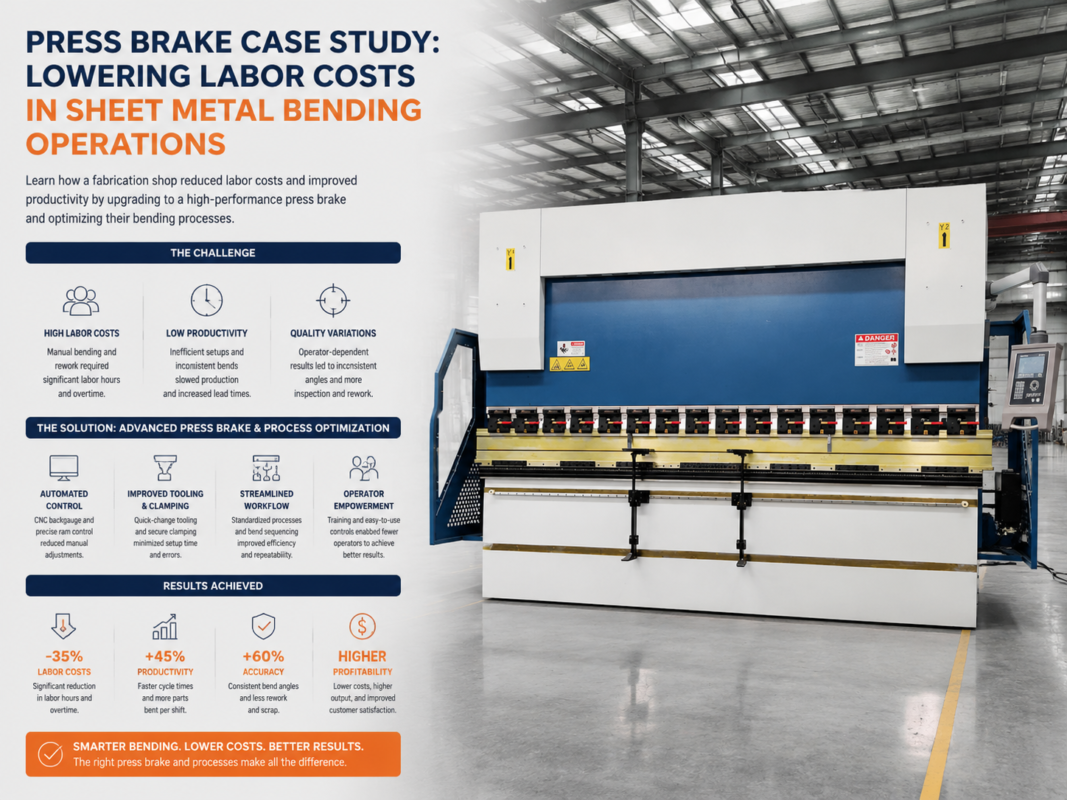
Hydraulic Press Forging Vs Hydraulic Press Forming: ’s Difference?


Comparison Summary: Understanding the Core Distinctions
In the world of heavy industrial manufacturing, the terms “forging” and “forming” are often used interchangeably by those outside the industry. However, for engineers and factory managers, the distinction is critical. When discussing Hydraulic Press Forging Vs Hydraulic Press Forming: ’s Difference?, we are essentially looking at how material is manipulated, the temperature at which the process occurs, and the resulting structural integrity of the finished part.
Hydraulic press forging is a manufacturing process involving the shaping of metal using localized compressive forces. It is typically associated with high-tonnage machines that work on solid blocks or billets of metal, often at elevated temperatures. The goal is not just to change the shape, but to improve the mechanical properties of the metal by refining its grain structure. This makes forging the go-to choice for high-stress components like aerospace parts and engine crankshafts.
On the other hand, hydraulic press forming—often referred to as sheet metal forming—focuses on reshaping material without necessarily changing its thickness or internal metallurgical properties significantly. This includes processes like deep drawing, bending, and stamping. Forming is generally performed on sheet metal or thin plates and is the backbone of the automotive body panel and household appliance industries. While forging deals with “bulk” deformation, forming deals with “surface” or “geometry” deformation.
The primary difference lies in the intent: forging seeks strength and structural density, while forming seeks complex geometries and aesthetic precision. Understanding these nuances is the first step in selecting the right HARSLE machinery for your production line. Whether you are looking for the brute force of a forging press or the high-speed precision of a forming press, the technical requirements vary significantly across the board.
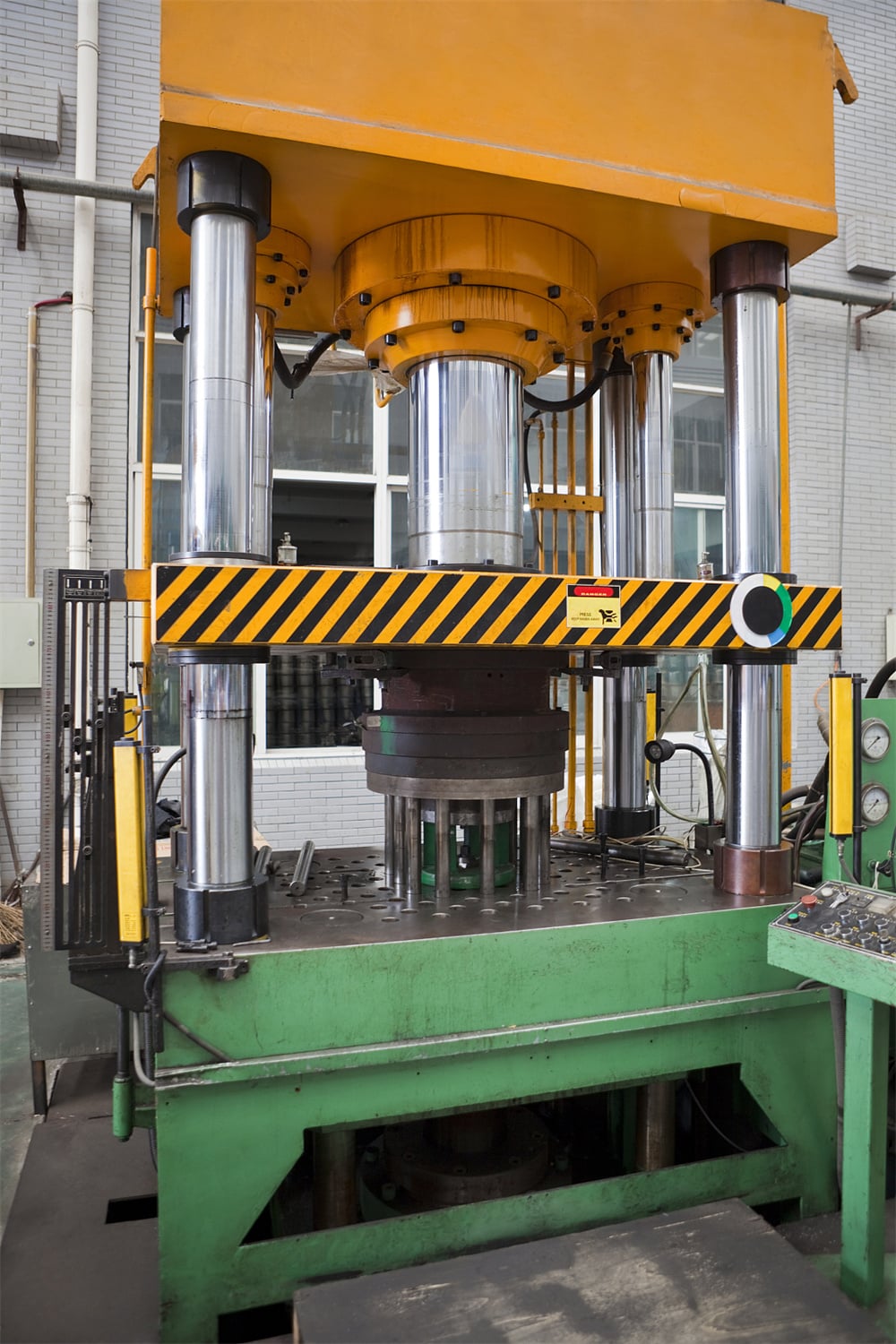
Hydraulic Press for Forging: An In-Depth Overview
Hydraulic forging presses are the heavyweights of the metalworking world. These machines utilize hydraulic cylinders to apply a slow, continuous pressure to a workpiece, allowing the force to penetrate deep into the center of the metal. Unlike mechanical hammers that rely on impact, the hydraulic forging press ensures that the entire cross-section of the billet is deformed uniformly. This is essential for creating large, high-integrity parts that must withstand extreme operational stresses.
There are two main types of forging performed on these presses: open-die forging and closed-die (or impression-die) forging. In open-die forging, the metal is compressed between two flat or simple-shaped dies that do not completely enclose the material. This allows the operator to manipulate the workpiece into the desired shape, much like a traditional blacksmith but on a massive scale. Closed-die forging, conversely, uses precision-machined dies that contain the metal, forcing it to fill the cavity to create complex, near-net-shape components.
One of the most significant advantages of hydraulic forging is the improvement of the metal’s grain flow. As the metal is compressed, the internal grains align with the shape of the part. This results in superior strength, toughness, and resistance to fatigue. Forging is typically categorized into “hot forging,” where the metal is heated above its recrystallization temperature to make it more malleable, and “cold forging,” which is done at room temperature for smaller, high-precision parts. Hot forging is more common for large industrial components because it reduces the amount of force required to move the metal.
HARSLE forging presses are engineered to handle the extreme heat and pressure associated with these processes. They feature robust frames, advanced cooling systems for the hydraulic fluid, and sophisticated control systems that allow for precise dwell times and pressure stages. This level of control is vital for ensuring that the metal fills the die completely without creating internal defects or cracks. In the context of Hydraulic Press Forging Vs Hydraulic Press Forming: ’s Difference?, the forging press is defined by its ability to handle massive tonnage and manage the metallurgical transformation of the workpiece.
Hydraulic Press for Forming: An In-Depth Overview
Hydraulic forming presses are designed for versatility, speed, and precision. While forging presses deal with solid billets, forming presses primarily work with sheet metal. The goal of forming is to take a flat sheet and transform it into a three-dimensional shape through processes such as deep drawing, stretching, or bending. Common examples include car doors, kitchen sinks, and electronic enclosures. The material is pushed into a die by a punch, and the hydraulic system provides the controlled force necessary to deform the metal without tearing it.
A key feature of many hydraulic forming presses is the “blank holder” or “die cushion.” When performing deep drawing, it is essential to hold the edges of the sheet metal with a specific amount of force to prevent wrinkling as the punch draws the material into the die. Hydraulic presses are ideal for this because they allow for independent control of the punch pressure and the blank holder pressure. This level of adjustability is difficult to achieve with mechanical presses, making hydraulic systems the preferred choice for complex forming operations.
Forming processes are usually conducted “cold,” meaning at room temperature. Because sheet metal is relatively thin, it does not require the extreme heat used in bulk forging. However, this introduces the challenge of “springback.” When the press releases the part, the metal tends to slightly return to its original shape. Modern HARSLE forming presses use CNC controls to compensate for springback, ensuring that the final dimensions are within tight tolerances. This precision is a hallmark of the forming process.
Furthermore, forming presses are often integrated into automated production lines. They are designed for higher cycle speeds than forging presses. While a forging press might take several seconds or even minutes to complete a single heavy compression, a forming press can produce dozens of parts per minute in a high-volume stamping environment. The focus here is on repeatability and surface finish. Since the parts are often visible components of a consumer product, the press must operate smoothly to avoid surface marring or uneven thickness.
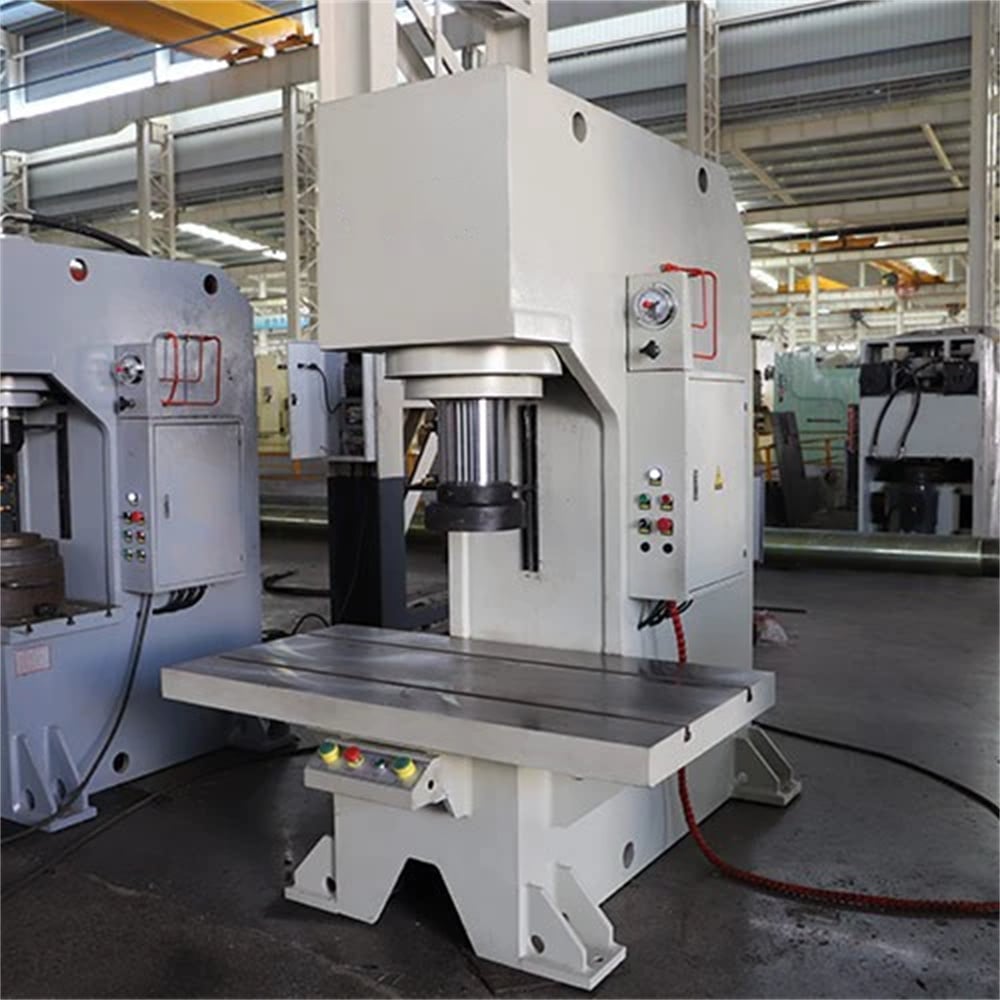
Specification Comparison Table
To better understand the technical nuances of Hydraulic Press Forging Vs Hydraulic Press Forming: ’s Difference?, the following table outlines the typical specifications and operational characteristics of each machine type.
| Feature | Hydraulic Forging Press | Hydraulic Forming Press |
|---|---|---|
| Primary Material | Solid billets, ingots, heavy plates | Sheet metal, thin coils, light plates |
| Operating Temperature | Mostly Hot (above recrystallization) | Mostly Cold (room temperature) |
| Tonnage Range | Very High (500 to 50,000+ tons) | Low to Medium (50 to 5,000 tons) |
| Cycle Speed | Slow, controlled compression | Fast, high-frequency strokes |
| Main Objective | Structural integrity & grain refinement | Geometric complexity & surface finish |
| Tooling | Heavy-duty, heat-resistant dies | Precision punches, dies, and cushions |
| Common Processes | Upsetting, drawing out, die forging | Deep drawing, bending, stamping |
| Control Focus | Pressure dwell and penetration depth | Stroke position and blank holder force |
Best-fit Applications for Each Technology
Choosing between forging and forming depends entirely on the end-use of the product. Forging is the undisputed king of heavy-duty applications. In the aerospace industry, components like turbine disks and landing gear must be forged to ensure they can handle the immense centrifugal forces and impact loads. Similarly, in the oil and gas sector, high-pressure valves and drill bits are forged to prevent catastrophic failure under extreme environmental conditions. If the part’s failure could lead to a safety disaster, it is likely a forged part.
In the automotive sector, forging is used for “under-the-hood” components. Connecting rods, crankshafts, and transmission gears are forged to handle the constant friction and heat of an internal combustion engine. These parts require the dense, uniform grain structure that only a hydraulic forging press can provide. The process ensures that there are no internal gas pockets or voids that could act as starting points for cracks.
Conversely, hydraulic forming is the engine of the consumer goods and automotive body industries. Every time you look at the sleek curves of a modern car, you are looking at the result of precision forming. The ability to take a flat sheet of aluminum or steel and turn it into a complex fender or hood is a testament to forming technology. This process is also vital for the medical industry, where stainless steel is formed into surgical trays, implants, and equipment housings that require smooth, easy-to-clean surfaces.
Other common forming applications include the production of cookware (pots and pans), HVAC ductwork, and electrical boxes. These items don’t require the internal structural refinement of a forged part, but they do require high dimensional accuracy and low production costs. Forming allows manufacturers to produce thousands of identical parts with minimal material waste, as the process is often optimized to use the maximum area of the sheet metal coil.
Cost and Maintenance Comparison
When evaluating the total cost of ownership, forging presses generally represent a higher initial investment. Due to the massive tonnages involved, the frames must be significantly more robust, often utilizing pre-stressed tie-rod constructions to handle the tension. Furthermore, because forging often involves hot metal, the maintenance requirements are more stringent. Heat radiation can damage hydraulic seals and sensors, necessitating specialized thermal shielding and high-quality fire-resistant hydraulic fluids. The dies used in forging are also subject to extreme thermal fatigue and must be refurbished or replaced frequently.
Forming presses, while still a significant investment, often have lower operating costs per part due to their higher speed and automation capabilities. However, the maintenance focus shifts toward precision. In a forming press, the alignment of the ram and the bed is critical. Even a slight deviation can cause uneven wall thickness in a deep-drawn part or lead to premature tool wear. Maintenance teams must regularly check the parallelism of the press and ensure that the hydraulic cushion is calibrated correctly to maintain consistent blank-holding pressure.
Energy consumption is another factor. Forging presses require massive amounts of energy to maintain high pressure over a long stroke. Many modern HARSLE forging presses now incorporate servo-hydraulic systems to reduce energy waste during idle times. Forming presses, being faster, benefit from energy recovery systems that capture the energy from the returning ram. For a high-volume facility, these energy savings can significantly impact the bottom line over the machine’s lifespan.
Finally, consider the cost of tooling. Forging dies are typically made from expensive, high-alloy tool steels capable of withstanding high temperatures and pressures. Forming dies, while still precision-engineered, may use a wider variety of materials depending on the production volume, including hardened steel, carbides, or even specialized polymers for low-volume prototype runs. This flexibility in tooling can make forming a more cost-effective entry point for certain types of metal fabrication.
Recommendation: How to Choose the Right Press
Deciding between a forging and forming press requires a clear understanding of your production goals. If your primary objective is to produce high-strength, load-bearing components from solid metal, a hydraulic forging press is the only viable option. You should look for a machine with high tonnage capacity, excellent pressure control, and a frame designed for heavy duty cycles. HARSLE’s range of forging presses offers the durability needed for these demanding environments.
If your business focuses on sheet metal products, consumer goods, or automotive body parts, a hydraulic forming press is the correct choice. Prioritize machines with advanced CNC controls, integrated die cushions, and high-speed hydraulic manifolds. These features will allow you to achieve the complex geometries and high production rates required in today’s competitive market. Consider the maximum draw depth and the bed size to ensure the press can accommodate your largest planned parts.
For many modern shops, the answer might actually be a “multi-purpose” hydraulic press. Some HARSLE models are designed with enough rigidity for light forging while maintaining the precision and speed control necessary for forming. However, for specialized high-volume or high-tonnage work, a dedicated machine will always outperform a general-purpose one. Always consult with a technical expert to review your material specifications, part drawings, and expected volume before making a final purchase decision.
FAQ: Common Questions About Forging and Forming
1. Can I use a forging press for sheet metal forming?
Technically, yes, but it is highly inefficient. Forging presses are designed for slow, high-pressure movement and lack the speed and specialized features (like die cushions) required for efficient sheet metal forming. You would likely experience high scrap rates and slow production.
2. Why is forging stronger than forming?
Forging is stronger because it physically compresses the metal and aligns its internal grain structure with the shape of the part. Forming simply bends or stretches the existing grain structure of the sheet metal without significantly densifying it.
3. Is cold forging the same as forming?
No. While both happen at room temperature, cold forging involves the bulk deformation of a solid piece of metal (like making a bolt head), whereas forming involves reshaping a thin sheet (like making a bowl). The force requirements for cold forging are much higher.
4. What is the most common maintenance issue for hydraulic presses?
For both types, hydraulic oil contamination and seal wear are the most common issues. In forging presses, heat-related seal failure is more prevalent, while in forming presses, precision alignment issues are more common due to high-speed vibration.
5. How do I determine the tonnage I need?
Tonnage is calculated based on the material type, thickness (or cross-section), the length of the bend or area of the draw, and the specific process (e.g., stainless steel requires more force than aluminum). HARSLE provides tonnage calculators and engineering support to help you find the exact requirement.