
Press Brake Case Study: Lowering Labor Costs in Sheet Metal Bending Operations


Introduction
In the modern landscape of metal fabrication, the pressure to maintain high profit margins while meeting increasingly complex customer demands has never been greater. For many job shops and large-scale manufacturing facilities, labor costs represent one of the most significant line items in the production budget. This Press Brake Case Study: Lowering Labor Costs In Sheet Metal Bending Operations explores how integrating advanced HARSLE press brake technology can transform a bottleneck-prone shop floor into a streamlined, high-output environment.
Labor costs are not merely about hourly wages; they encompass the time spent on setup, the frequency of rework due to manual errors, and the training time required for operators to master complex machinery. By transitioning to automated or semi-automated bending solutions, manufacturers can shift the burden of precision from the operator to the machine. This shift not only reduces the reliance on highly skilled, expensive labor for repetitive tasks but also significantly increases the throughput of the entire facility.
Throughout this article, we will examine the technical advancements that allow HARSLE machines to minimize human intervention. We will look at how modern CNC controllers, automatic tool changers, and advanced backgauge systems work in tandem to reduce the ‘non-value-added’ time that plagues traditional bending operations. By understanding these mechanics, shop owners can make informed decisions about their capital investments.
Ultimately, the goal of this guide is to provide a roadmap for operational excellence. Whether you are running a small custom fabrication shop or managing a high-volume production line, the principles of reducing labor costs through technology remain the same. We will delve into the specific features that make HARSLE equipment a leader in efficiency and reliability, ensuring your investment pays dividends for years to come.
Key Considerations for Reducing Labor Costs
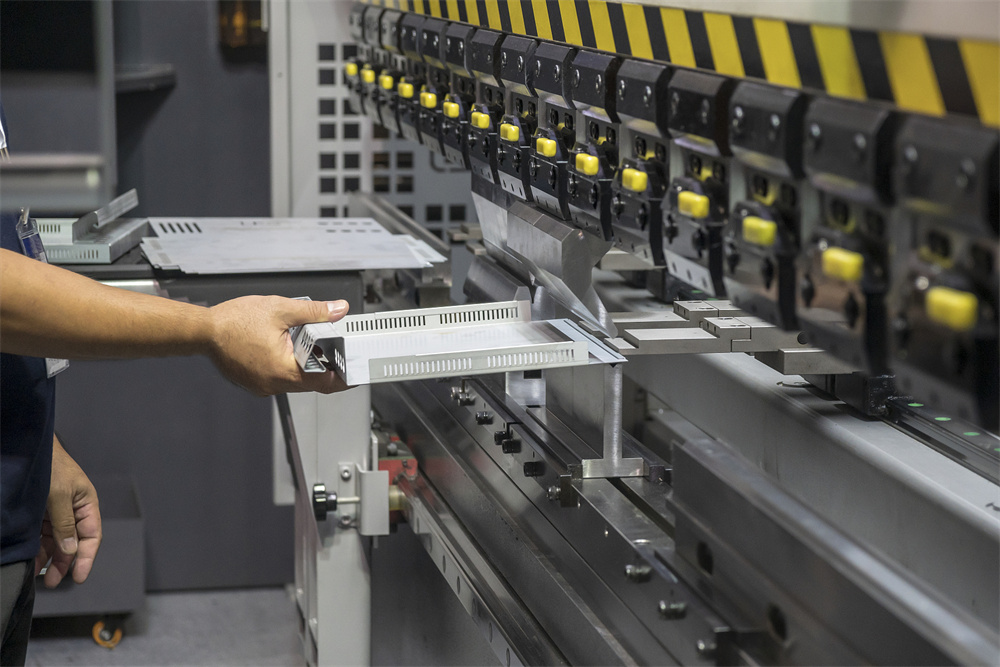
The first step in lowering labor costs is identifying where the time is actually being spent. In many traditional bending setups, operators spend more time measuring, adjusting, and correcting parts than they do actually bending them. This is often referred to as ‘setup time’ or ‘non-productive time.’ To reduce labor costs, we must focus on minimizing these segments of the production cycle.
One of the primary considerations is the ease of programming. HARSLE press brakes feature intuitive CNC interfaces that allow for offline programming. By moving the programming task from the machine console to a desktop computer, the operator can prepare the next job while the machine is still running the current one. This parallel processing capability is a game-changer for labor efficiency, as it eliminates machine downtime during job changeovers.
Another critical factor is the reduction of material handling. Every time an operator has to pick up, flip, or reposition a heavy sheet of metal, the risk of fatigue increases, and the speed of production drops. Investing in systems with advanced backgauge configurations allows for complex multi-bend sequences to be performed with minimal manual handling. This not only speeds up the process but also improves safety and reduces the physical strain on the workforce.
Finally, we must consider the cost of quality. Rework is the silent killer of profitability. When an operator makes a mistake, the cost includes the wasted material, the wasted time, and the labor required to fix or replace the part. HARSLE’s precision-engineered hydraulic systems ensure that the first part is a good part, drastically reducing the need for manual inspection and rework cycles.
Technical Details: How HARSLE Technology Drives Efficiency
HARSLE press brakes are engineered with a focus on high-speed performance and extreme accuracy. The core of this efficiency lies in the synchronization of the hydraulic cylinders. By utilizing advanced proportional valve technology, HARSLE machines ensure that the ram remains perfectly parallel to the bed throughout the entire stroke, regardless of the load distribution. This eliminates the need for manual shimming or constant adjustments by the operator.
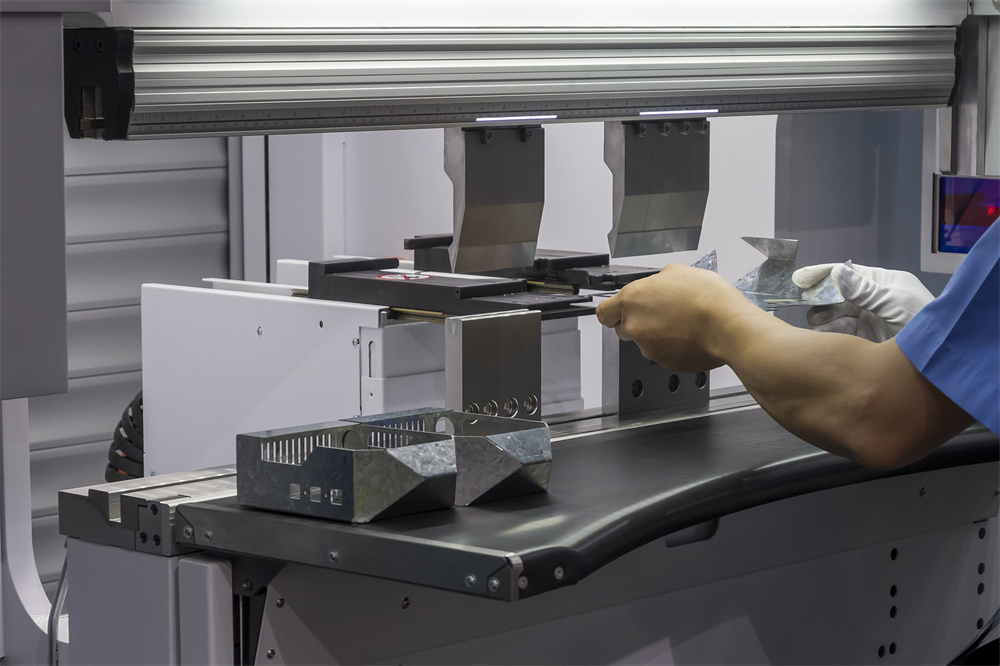
The backgauge system is another technical marvel that contributes to labor savings. Modern HARSLE press brakes utilize multi-axis backgauges (X, R, Z1, Z2) that can automatically position the workpiece for complex bending patterns. This allows the machine to handle parts that would otherwise require multiple operators or complex jigs. By automating the positioning, the machine ensures that every bend is identical, regardless of the operator’s skill level.
Furthermore, the integration of laser angle measurement systems provides real-time feedback to the CNC controller. If the material thickness varies slightly—which is common in sheet metal—the machine automatically compensates for the spring-back effect. This ‘closed-loop’ control system means that the operator does not need to perform test bends or manual adjustments, saving significant time and material costs over the course of a shift.
Energy efficiency also plays a role in the total cost of ownership. HARSLE’s servo-driven hydraulic systems only consume power when the ram is in motion. Unlike traditional hydraulic machines that run a pump continuously, these systems reduce electricity consumption and heat generation, leading to lower maintenance costs and a longer lifespan for the hydraulic components. This reliability ensures that the machine is available when needed, preventing costly production delays.
Selection Advice: Choosing the Right Press Brake
When selecting a press brake to lower labor costs, it is essential to look beyond the initial purchase price. A machine that is cheap to buy but expensive to operate is a poor investment. Start by evaluating your typical part mix. If you produce a high volume of simple parts, a machine with high-speed cycling and automated loading/unloading might be the best fit. If you do custom, low-volume work, prioritize a machine with fast tool-change capabilities and user-friendly programming.
Consider the level of automation that fits your current workforce. While fully robotic cells are the pinnacle of labor reduction, they require significant upfront investment and specialized maintenance. For many shops, a semi-automated HARSLE press brake with an advanced controller and ergonomic features provides the best return on investment. It empowers your existing team to do more work in less time without the complexity of a fully robotic system.
Don’t overlook the importance of support and training. A machine is only as efficient as the people who operate it. HARSLE provides comprehensive training programs that ensure your operators can leverage the full potential of the machine’s features. From offline programming software to advanced maintenance routines, proper training is the key to unlocking the labor-saving benefits of your new equipment.
Finally, look for modularity. Your business needs will evolve, and your machinery should be able to grow with you. HARSLE offers a range of accessories, from specialized tooling to advanced safety light curtains, that can be added to your machine as your requirements change. This flexibility ensures that your investment remains relevant and productive for years to come, protecting your bottom line against changing market conditions.
FAQ: Frequently Asked Questions
How does a CNC press brake reduce labor costs?
A CNC press brake reduces labor costs by automating complex bending sequences, minimizing setup times through offline programming, and ensuring high precision that eliminates the need for rework and manual inspections.
What is the benefit of a multi-axis backgauge?
A multi-axis backgauge allows for the automatic positioning of the workpiece in multiple directions. This enables the machine to perform complex, multi-bend parts in a single handling, significantly reducing the time and labor required for manual manipulation.
Can HARSLE press brakes handle varying material thicknesses?
Yes, HARSLE press brakes equipped with laser angle measurement systems can detect variations in material thickness and spring-back in real-time, automatically adjusting the ram position to ensure consistent bend angles without operator intervention.
Is specialized training required to operate a HARSLE press brake?
While the machines are designed for ease of use, HARSLE provides comprehensive training to ensure operators can maximize the efficiency of the CNC controller and advanced features, which is essential for achieving the best return on investment.
How does energy efficiency impact labor costs?
Energy-efficient servo-driven systems reduce the overall operating costs of the machine. Lower heat generation and reduced wear on components lead to less downtime for maintenance, allowing the operator to focus on production rather than machine repair.
Conclusion
Lowering labor costs in sheet metal bending is not about working your employees harder; it is about providing them with the tools to work smarter. By investing in HARSLE press brake technology, manufacturers can eliminate the inefficiencies that drive up costs and slow down production. From the precision of our hydraulic systems to the intelligence of our CNC controllers, every aspect of a HARSLE machine is designed to maximize output and minimize human effort.
As we have explored in this Press Brake Case Study: Lowering Labor Costs In Sheet Metal Bending Operations, the transition to modern, automated equipment is a strategic move that pays for itself through increased throughput, reduced rework, and improved consistency. The ability to produce high-quality parts with less manual intervention is the hallmark of a competitive fabrication shop in today’s global market.
We encourage you to assess your current bending operations and identify the bottlenecks that are holding your business back. Whether it is long setup times, inconsistent part quality, or the physical strain on your operators, HARSLE has a solution that can help. Contact our team today to discuss your specific requirements and learn how we can help you optimize your production line for maximum profitability.
Investing in the right technology is the most effective way to secure the future of your metal fabrication business. With HARSLE as your partner, you gain more than just a machine; you gain a commitment to excellence, innovation, and long-term success. Let us help you take the next step toward a more efficient, profitable, and sustainable future in sheet metal bending.


