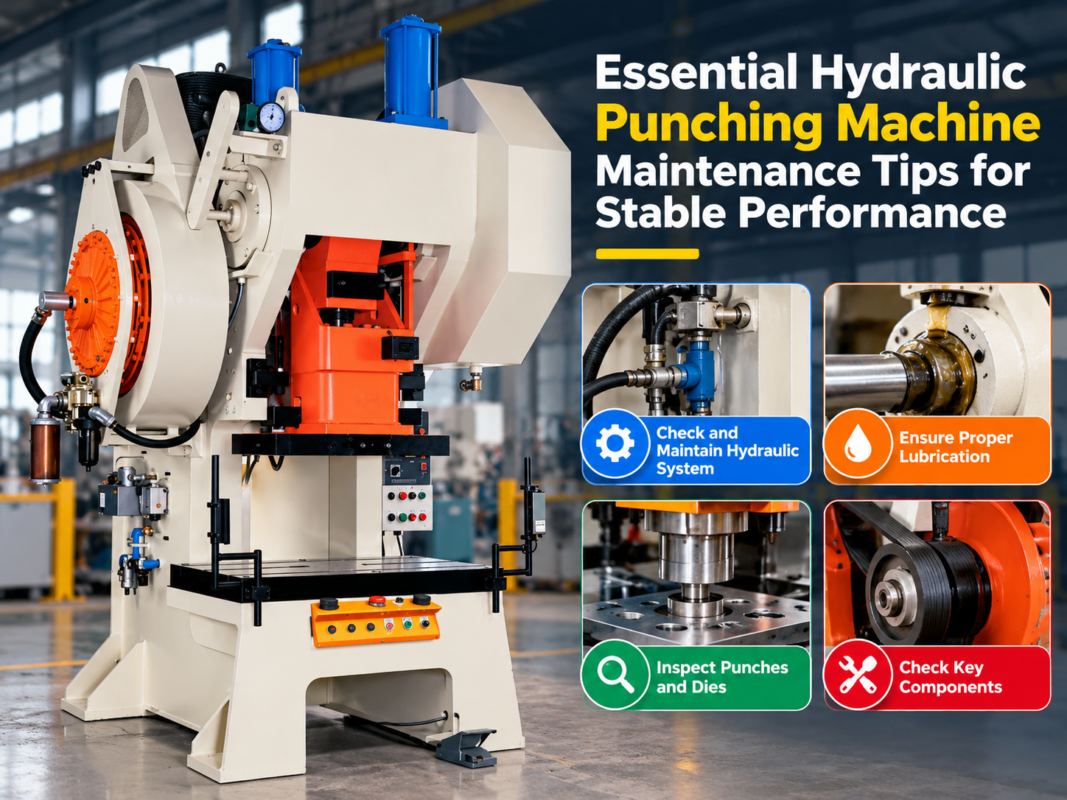
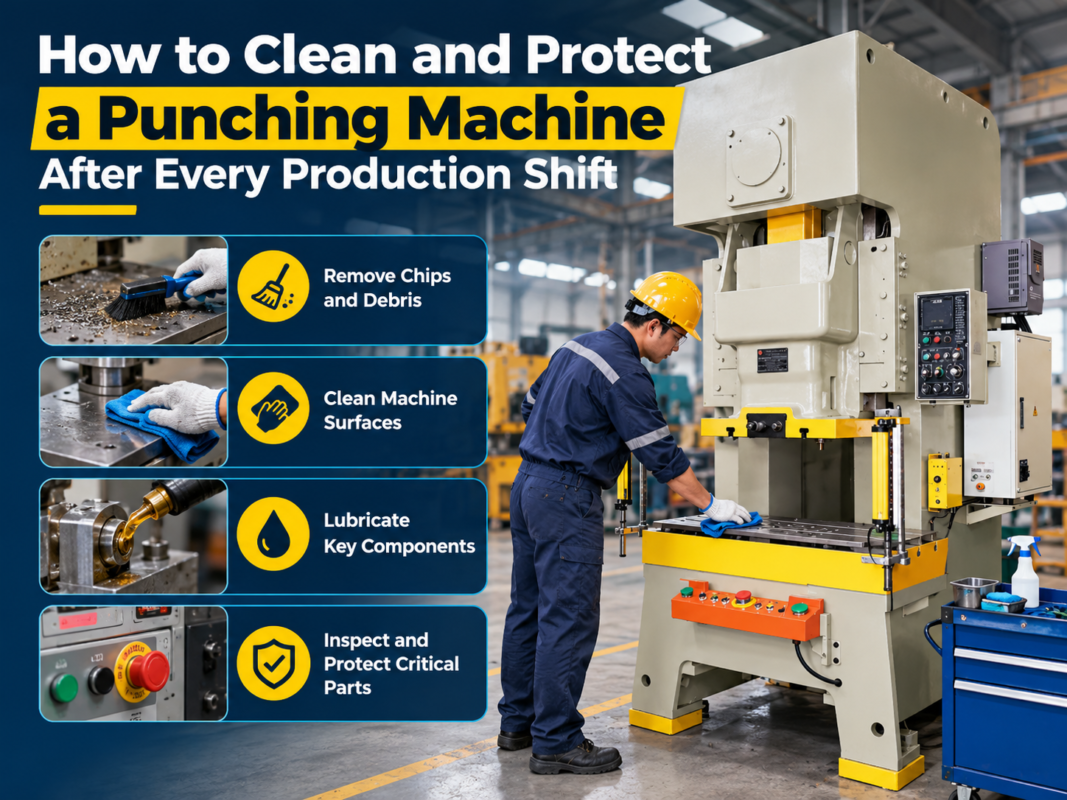
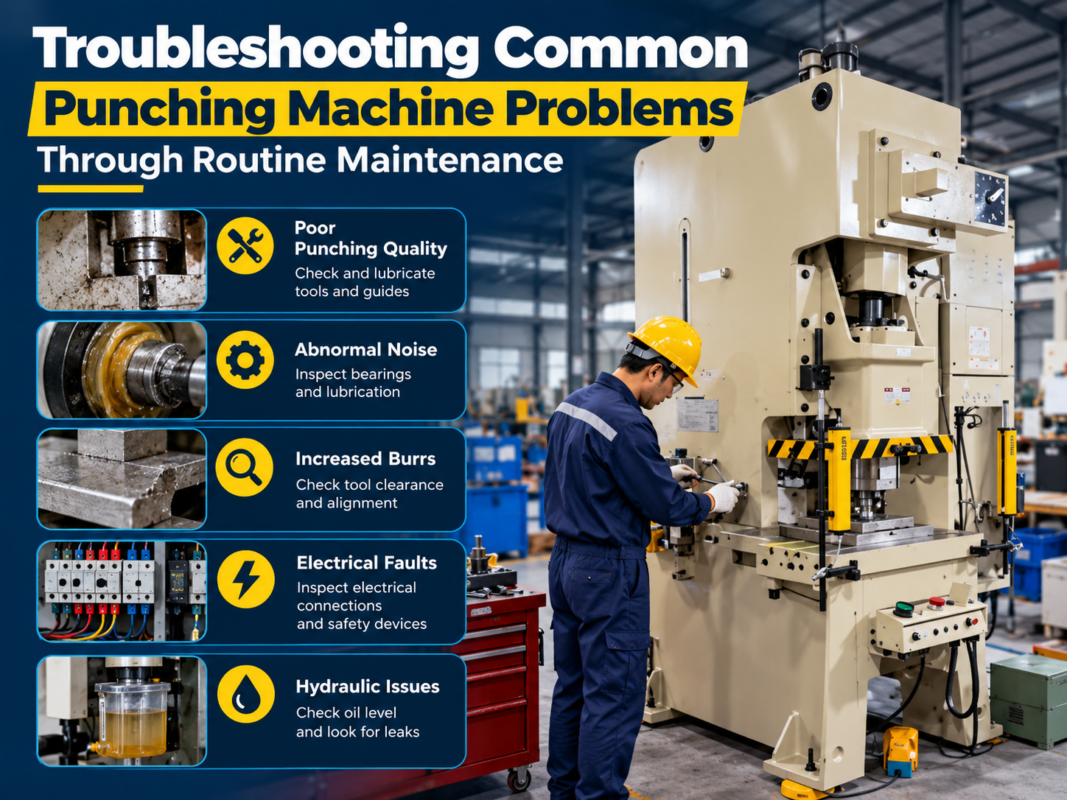
Hydraulic Press vs Hydraulic Shearing Machine: Which One Delivers Better Value?


Comparison Summary: Understanding the Core Differences
In the world of metal fabrication, the debate between investing in a hydraulic press versus a hydraulic shearing machine often comes down to the specific needs of the production line. While both machines utilize hydraulic power to manipulate metal, their fundamental purposes are diametrically opposed. A hydraulic press is designed to shape, mold, and form metal through compressive force, whereas a hydraulic shearing machine is engineered specifically to cut and trim sheet metal into precise dimensions. Determining which one delivers ‘better value’ is not a matter of which machine is superior in a vacuum, but rather which machine aligns with your shop’s workflow, material requirements, and long-term growth strategy.
For a high-volume production facility that focuses on creating complex parts like automotive panels or kitchen sinks, the hydraulic press is the undisputed champion of value. Its versatility allows it to perform deep drawing, punching, and stamping. Conversely, for a workshop that serves as a service center or a pre-processing hub, the hydraulic shearing machine provides the essential value of speed and accuracy in preparing raw materials for subsequent stages of fabrication. Without a clean, straight cut from a shear, the downstream processes—including those performed by a press—can suffer from inaccuracies and material waste.
Value is also measured by the machine’s footprint, energy consumption, and the skill level required for operation. Hydraulic presses often require more complex tooling (dies and molds) which adds to the initial investment, but they produce finished or semi-finished goods. Shearing machines require less specialized tooling but are limited to linear cutting. In this guide, we will break down the technical specifications, operational costs, and application scenarios for both HARSLE-engineered machines to help you make an informed capital investment decision.
Hydraulic Press Overview: The Power of Versatility
A hydraulic press is a machine tool that uses a hydraulic cylinder to generate a compressive force. It operates based on Pascal’s principle, which states that pressure exerted anywhere in a confined incompressible fluid is transmitted equally in all directions throughout the fluid. This allows the press to exert massive amounts of force—ranging from a few tons to several thousand tons—with incredible precision. HARSLE hydraulic presses are renowned for their robust construction and advanced control systems, making them a staple in industries ranging from aerospace to appliance manufacturing.
The versatility of a hydraulic press is its primary value proposition. Depending on the tooling installed, a single press can perform a variety of tasks. For example, deep drawing involves stretching a metal blank over a die to create hollow shapes like cylinders or boxes. Stamping and punching involve cutting holes or shapes into the metal, while molding uses heat and pressure to shape composite materials or plastics. This multi-functionality means that a hydraulic press can often replace several specialized machines, saving floor space and reducing the need for multiple operators.
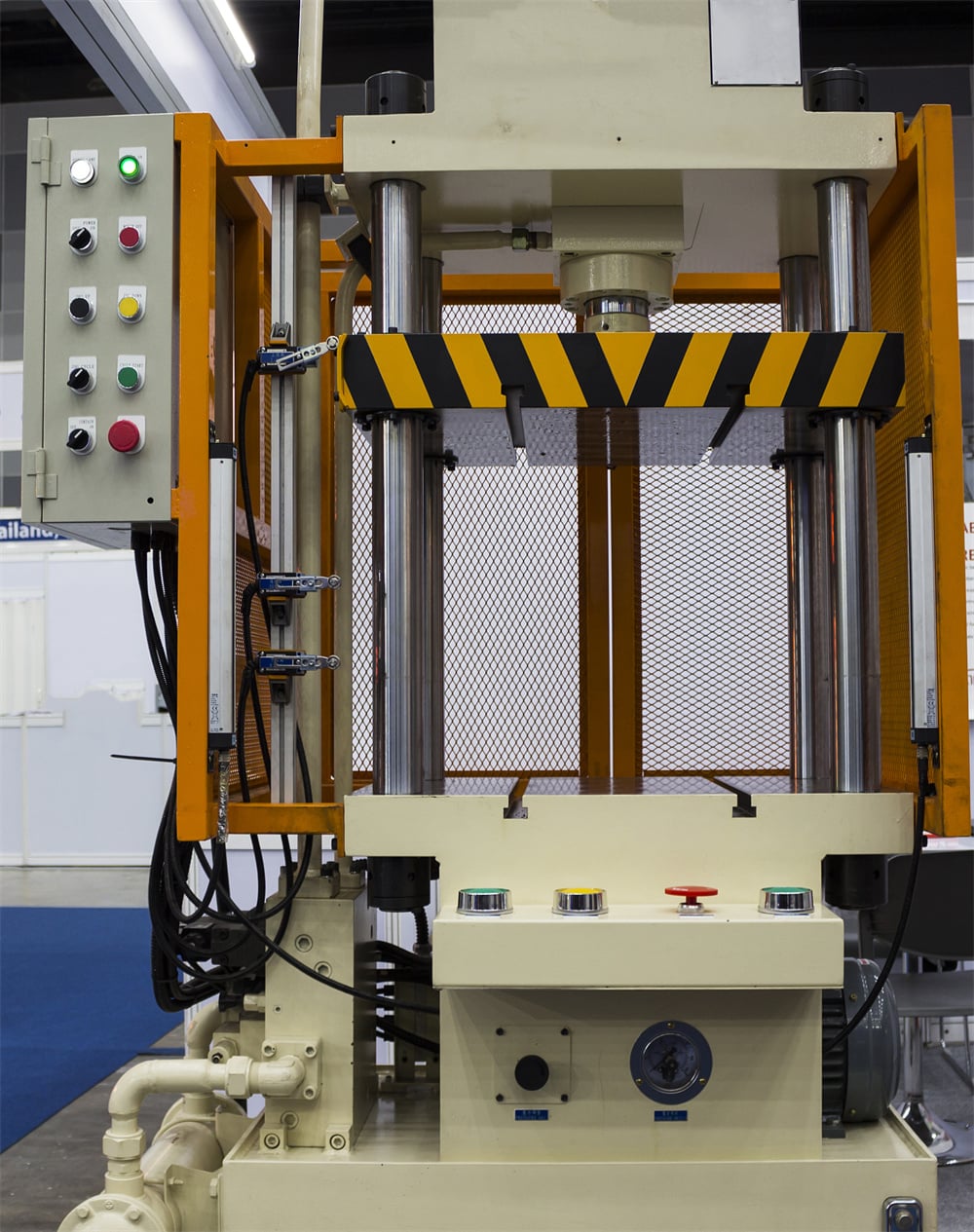
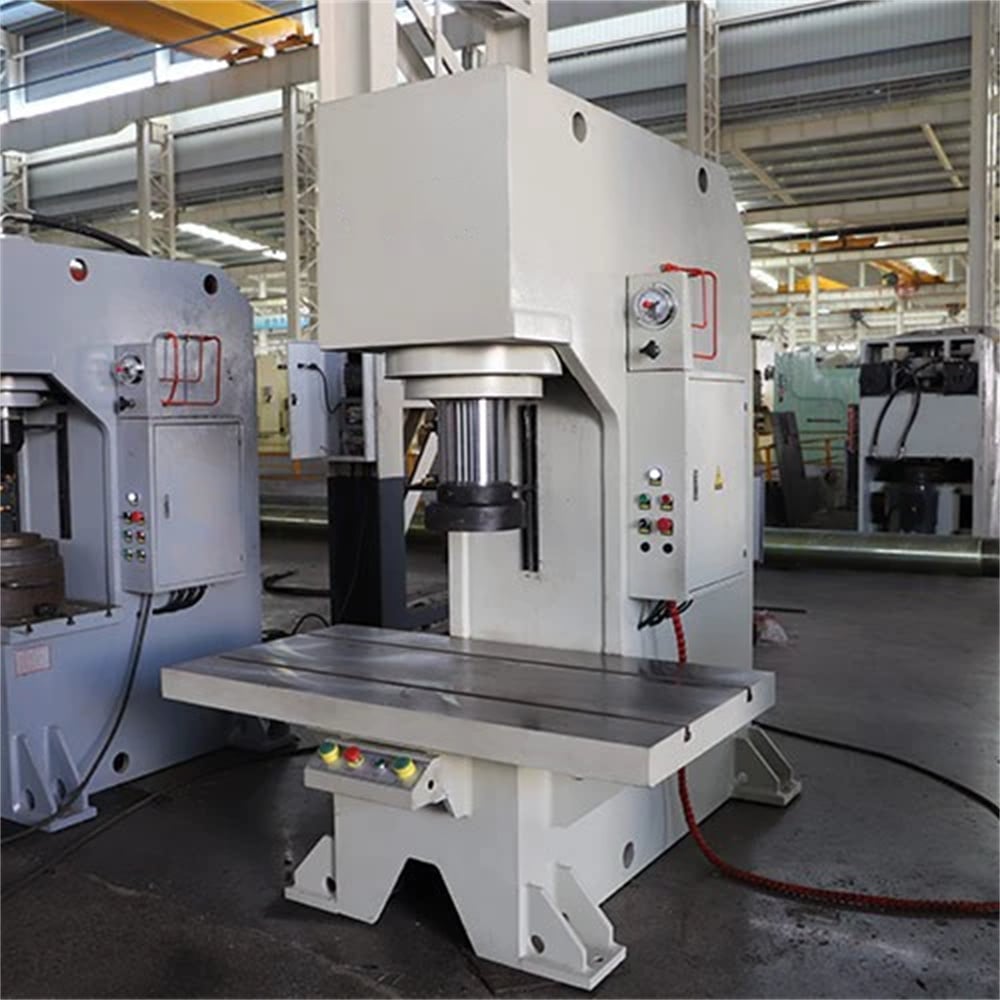
There are several types of hydraulic presses, each offering different value points. The 4-column hydraulic press is favored for its even pressure distribution and accessibility from all four sides, making it ideal for large workpieces. The C-frame (or gap-frame) press is more compact and provides excellent access for smaller parts and manual loading. H-frame presses are known for their rigidity and are often used for heavy-duty applications like straightening or assembly. Modern HARSLE presses also incorporate CNC (Computer Numerical Control) systems, allowing for precise control over the ram’s speed, pressure, and position, which significantly reduces the margin for error and material scrap.
Furthermore, the hydraulic press is essential for ‘forging’ operations. Forging involves the shaping of metal using localized compressive forces. Unlike cold rolling, forging can be done at high temperatures to improve the metal’s structural integrity. This makes the hydraulic press a critical asset for manufacturing high-strength components like engine parts, gears, and structural beams. The ability to handle both thin sheets and thick plates further cements the hydraulic press as a versatile powerhouse in any industrial setting.
Hydraulic Shearing Machine Overview: Precision at Speed
While the press focuses on forming, the hydraulic shearing machine is the master of the straight cut. Shearing is a process that cuts stock without the formation of chips or the use of burning or melting. It is essentially a high-powered version of a pair of scissors, where a moving blade comes down upon a fixed blade to ‘shear’ the metal along a straight line. HARSLE hydraulic shearing machines are designed for high-speed, high-accuracy cutting of sheet metal and plate, providing the foundational ‘blanks’ that most other fabrication processes require.
The value of a shearing machine lies in its efficiency and the quality of the edge it produces. A high-quality hydraulic shear minimizes ‘burr’ (the rough edge left after cutting) and ‘bow’ or ‘twist’ (the deformation of the metal strip). HARSLE utilizes two primary designs: the swing beam shear and the guillotine shear. The swing beam shear uses a pivoting motion for the upper blade, which is excellent for thinner materials and offers a simpler, more cost-effective design. The guillotine shear moves the upper blade in a strictly vertical path, allowing for higher cutting forces and the ability to adjust the ‘rake angle’ (the angle of the blade) to prevent material distortion on thicker plates.
Modern hydraulic shearing machines are equipped with CNC backgauges, which allow the operator to program the exact length of the cut. This automation ensures that every piece is identical, which is crucial for high-volume production runs. Additionally, features like automatic blade gap adjustment allow the machine to quickly transition between different material thicknesses. If the gap is too wide, the metal will bend rather than cut; if it is too tight, the blades will wear prematurely. HARSLE’s integration of these automated features ensures that even less-experienced operators can achieve professional results, thereby increasing the machine’s overall value to the business.
In terms of throughput, a shearing machine is significantly faster than other cutting methods like laser or plasma cutting for straight lines. While a laser can cut complex shapes, it cannot match the linear inches-per-minute speed of a hydraulic shear when simply squaring up a sheet or cutting strips. For shops that process large volumes of rectangular or square blanks, the shearing machine provides the lowest cost-per-cut, making it an indispensable tool for maintaining a healthy bottom line in competitive markets.
Specification Comparison Table
To better understand the technical differences and where each machine excels, the following table compares the typical specifications of a HARSLE Hydraulic Press versus a HARSLE Hydraulic Shearing Machine.
| Feature | Hydraulic Press | Hydraulic Shearing Machine |
|---|---|---|
| Primary Function | Forming, Stamping, Deep Drawing, Molding | Straight-line Cutting, Squaring, Trimming |
| Force Direction | Vertical (Compressive) | Vertical or Pivoting (Shearing) |
| Tooling Requirement | High (Custom Dies and Molds) | Low (Standard Upper and Lower Blades) |
| Material Thickness | Very Thin to Very Thick (up to 500mm+) | Typically 0.5mm to 40mm |
| Operational Speed | Variable (Slow for forming, fast for punching) | High (Continuous cycling for cutting) |
| Precision | High (Micron-level control with CNC) | High (Linear accuracy within +/- 0.1mm) |
| Complexity of Shapes | Unlimited (Based on Die Design) | Limited to Straight Lines |
| Footprint | Medium to Large (Vertical orientation) | Large (Horizontal/Wide orientation) |
Best-fit Applications: Choosing Based on Your Product Line
The decision between these two machines often hinges on the final product. If your business is focused on manufacturing specific components, the hydraulic press is likely your best fit. In the automotive industry, presses are used to create everything from body panels and fenders to brake pads and clutch plates. The ability to apply consistent pressure over a large area makes it possible to form complex curves that are essential for aerodynamics and structural integrity. Similarly, in the appliance industry, the stainless steel shells of refrigerators, washing machines, and microwaves are all products of the hydraulic press.
Beyond metal, hydraulic presses are also used in the production of composite materials. For example, the aerospace industry uses specialized presses to bond layers of carbon fiber and resin under high pressure and temperature. This versatility extends to the recycling industry as well, where heavy-duty presses are used to bale scrap metal, paper, and plastic. If your production goals involve changing the physical shape or density of a material, the hydraulic press is the machine that will deliver the most value.
On the other hand, the hydraulic shearing machine is the workhorse of the sheet metal shop. Its best-fit applications include the production of HVAC ductwork, metal roofing panels, and industrial shelving. In these industries, the primary requirement is the rapid production of flat, accurately sized pieces of metal. A shearing machine can take a standard 4×8 foot sheet of steel and turn it into dozens of perfectly sized strips in a matter of minutes. This makes it the ideal ‘front-end’ machine for any shop that performs subsequent bending, welding, or assembly.
Service centers that sell pre-cut metal to smaller contractors also rely heavily on shearing machines. The value here is in the ‘cost-per-cut.’ Because the shearing process is mechanical and fast, it uses less energy per inch of cut than a thermal process like plasma. Furthermore, the lack of heat-affected zones (HAZ) means the edges of the metal remain soft and easy to weld or bend in later stages. If your business model is built on volume, speed, and material preparation, the shearing machine is your most valuable asset.
Cost and Maintenance Comparison
When evaluating value, one must look beyond the initial purchase price. The total cost of ownership (TCO) includes tooling, energy consumption, maintenance, and downtime. A hydraulic press generally has a higher initial cost, especially when you factor in the custom dies required for specific parts. These dies can cost thousands of dollars and require their own maintenance and storage. However, the press’s ability to produce a finished part in a single stroke can lead to a much higher ROI (Return on Investment) over time.
Maintenance for a hydraulic press focuses heavily on the hydraulic system itself. This includes regular oil changes, monitoring for leaks in the high-pressure hoses, and ensuring the valves and pumps are functioning at peak efficiency. Because presses often operate under extreme pressure, the seals in the cylinders are wear items that must be replaced periodically. HARSLE machines are designed with accessible components to make this maintenance as quick as possible, minimizing downtime. Additionally, the structural frame must be checked for alignment to ensure that the pressure is being applied evenly across the die.
Hydraulic shearing machines have a different cost profile. The ‘tooling’ consists of the upper and lower blades. While these blades are expensive, they can be flipped (most have four cutting edges) and reground multiple times before needing replacement. This makes the ongoing tooling cost for a shear much lower than that of a press. Maintenance for a shear involves checking the blade gap and ensuring the backgauge remains calibrated. The hydraulic system requires similar care to the press, but since the pressures are often lower and the strokes are shorter, the wear on the pumps and seals can be less intensive.
Energy efficiency is another factor. Modern HARSLE machines often feature variable speed drives or ‘servo-hydraulic’ systems. These systems only consume significant power when the machine is actually performing a stroke, rather than keeping the pump running at full speed constantly. This can lead to a 30-50% reduction in energy costs. When comparing value, a shop owner should calculate the expected monthly energy bill and the cost of routine maintenance kits to get a true picture of the machine’s long-term impact on the budget.
Recommendation: Which One Should You Buy?
The final recommendation depends on your current capabilities and your future goals. If you are a startup or a small shop looking to enter the fabrication market, a hydraulic shearing machine is often the better first investment. It allows you to buy raw material in bulk (large sheets) and cut it to size for your customers, which is a high-demand service. It provides the foundation for almost all other metalwork. Without the ability to cut metal accurately, you will be forced to buy pre-cut blanks at a premium, which eats into your profit margins.
However, if you already have cutting capabilities (perhaps through a fiber laser or a plasma table) and you want to expand into manufacturing your own products, the hydraulic press is the way to go. It opens up a world of possibilities in forming, deep drawing, and stamping that cutting machines simply cannot touch. The hydraulic press allows you to move up the value chain from being a ‘parts cutter’ to being a ‘component manufacturer.’ This transition usually brings higher margins and more stable long-term contracts with industrial clients.
For many medium-to-large scale operations, the answer is actually ‘both.’ A HARSLE shearing machine prepares the blanks, and a HARSLE hydraulic press forms them into the final product. This vertical integration provides the maximum possible value by keeping all stages of production in-house. When choosing, always consider the maximum thickness and width of the material you plan to work with, and always opt for a machine with a slightly higher capacity than you currently need to allow for future growth. Investing in quality brands like HARSLE ensures that you have the technical support and parts availability to keep your machines running for decades.
Frequently Asked Questions (FAQ)
1. Can a hydraulic press be used for shearing?
Technically, yes. By installing a shearing die, a hydraulic press can cut metal. However, it is not as efficient as a dedicated shearing machine. Presses have slower cycle times for simple cutting and lack the specialized backgauges and material handling features that make shearing machines so productive. It is a good ’emergency’ solution but not a viable long-term production strategy.
2. How long do the blades last on a hydraulic shearing machine?
Blade life depends on the material being cut (stainless steel wears blades faster than mild steel) and the frequency of use. Generally, a set of high-quality HARSLE blades can last for several years if they are regularly rotated and the blade gap is correctly maintained. Most blades have multiple cutting edges, allowing you to flip them before they need to be sent out for professional regrinding.
3. What is the most common cause of failure in hydraulic machines?
Contaminated hydraulic oil is the leading cause of failure. Dust, metal shavings, and moisture can damage the precision valves and score the cylinder walls. Regular filter changes and oil analysis are the best ways to prevent these issues. Overloading the machine beyond its rated tonnage is another common cause of structural and hydraulic failure.
4. Is a CNC control system worth the extra cost?
In almost every modern industrial setting, the answer is yes. CNC systems allow for faster setup times, higher repeatability, and less reliance on highly skilled manual operators. For a shearing machine, CNC controls the backgauge for perfect dimensions. For a press, it controls the stroke depth and pressure, which is essential for complex forming tasks where consistency is key.
5. Which machine is safer to operate?
Both machines are powerful industrial tools that require strict adherence to safety protocols. Modern HARSLE machines come equipped with light curtains, emergency stop buttons, and physical guards. Generally, shearing machines are considered slightly higher risk due to the exposed cutting edge, but with proper training and the use of safety sensors, both can be operated with a very high level of safety.