Hydraulic Press Workshop Use Vs Factory Use: A Comparison Guide


Introduction to Hydraulic Press Selection
In the world of metal fabrication and industrial manufacturing, the hydraulic press stands as a cornerstone of productivity. Whether you are running a small-scale repair shop or managing a high-volume automotive assembly line, the choice of machinery dictates your operational efficiency, safety, and long-term profitability. The core of this decision often boils down to a fundamental comparison: Hydraulic Press Workshop Use Vs Factory Use: A Comparison. While both machines utilize Pascal’s Principle to generate force, their design, duty cycles, and technological integrations are worlds apart.
A workshop hydraulic press is typically designed for versatility, ease of use, and intermittent tasks. It is the “jack-of-all-trades” in a maintenance or custom fabrication environment. Conversely, a factory-grade hydraulic press is a precision-engineered beast designed for 24/7 operation, high-speed throughput, and extreme repeatability. Understanding these differences is crucial for business owners and engineers to avoid the pitfalls of under-investing in a machine that fails under load or over-investing in a complex system that remains underutilized.
At HARSLE, we recognize that every metalworking environment has unique demands. This guide provides a deep dive into the technical and operational nuances that separate workshop presses from factory-scale industrial presses. By the end of this article, you will have a clear roadmap for selecting the equipment that aligns with your production volume, precision requirements, and budget.
Comparison Summary: Workshop vs. Factory Presses
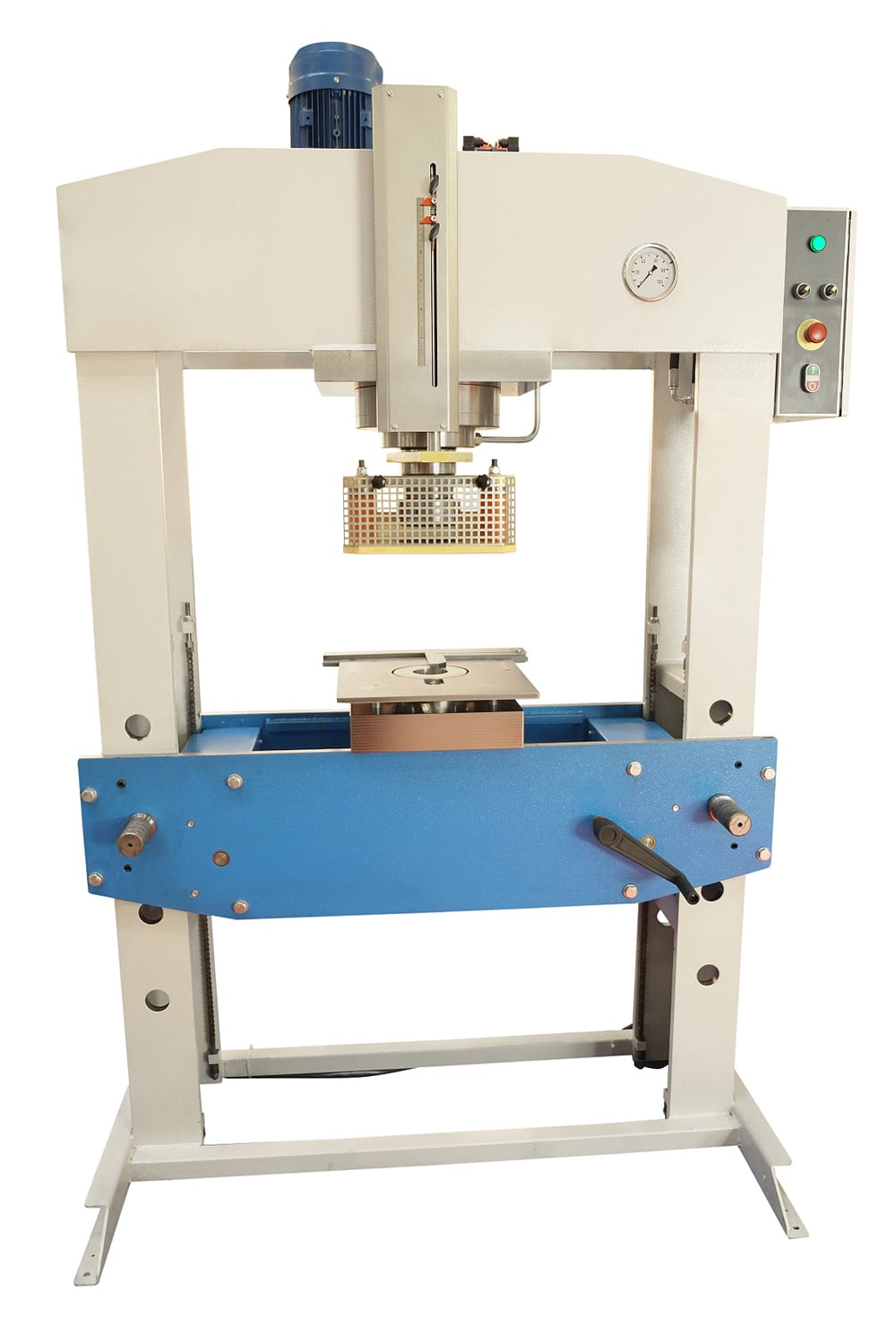
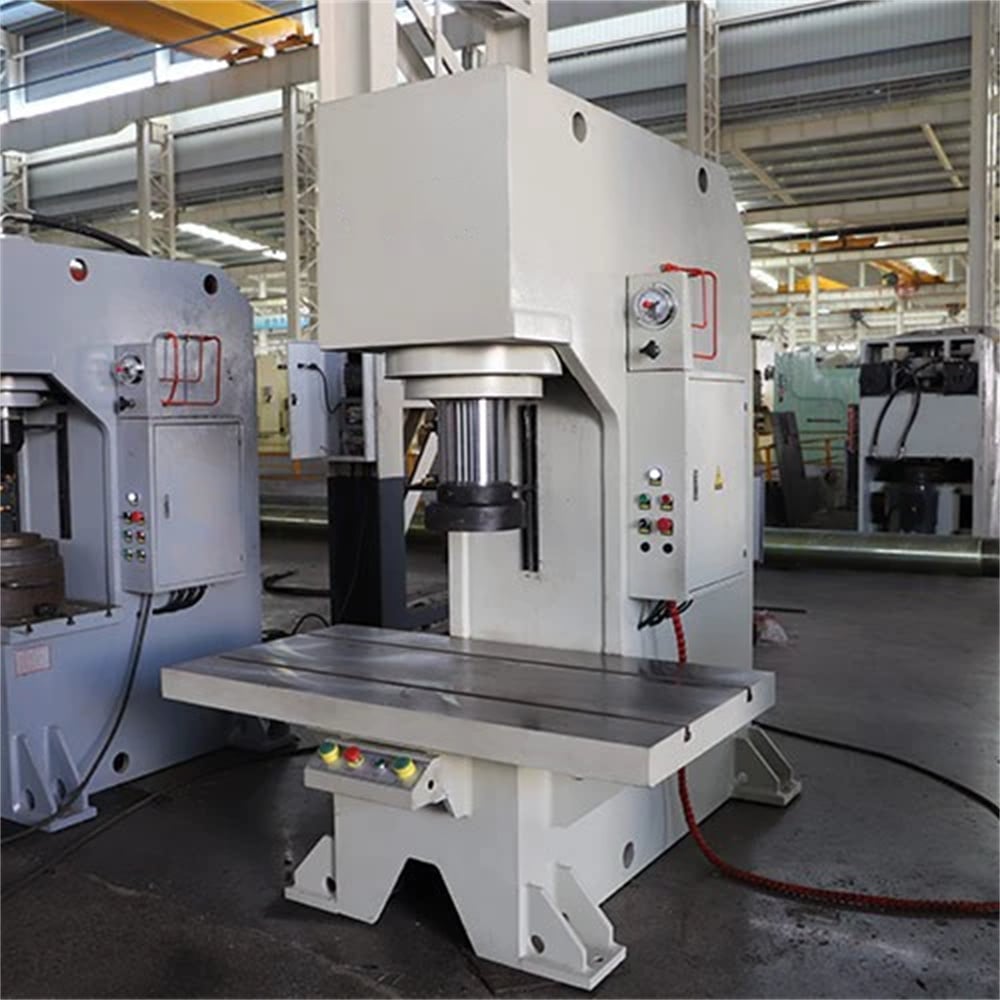
To begin our Hydraulic Press Workshop Use Vs Factory Use: A Comparison, we must look at the primary differentiators. A workshop press is often an H-frame or C-frame construction with manual or semi-automatic controls. Its primary goal is to provide high force for tasks like pressing bearings, straightening shafts, or small-batch bending. These machines are usually rated between 10 to 100 tons and are valued for their compact footprint and affordability.
In contrast, a factory-use hydraulic press is often a four-column or heavy-duty monoblock structure. These machines are integrated into larger production lines and feature advanced PLC (Programmable Logic Controller) systems, light curtains for safety, and high-speed hydraulic circuits. Their tonnage can range from 200 tons to well over 5,000 tons. The focus here is on “cycle time”—how many parts can be produced per hour with sub-millimeter accuracy.
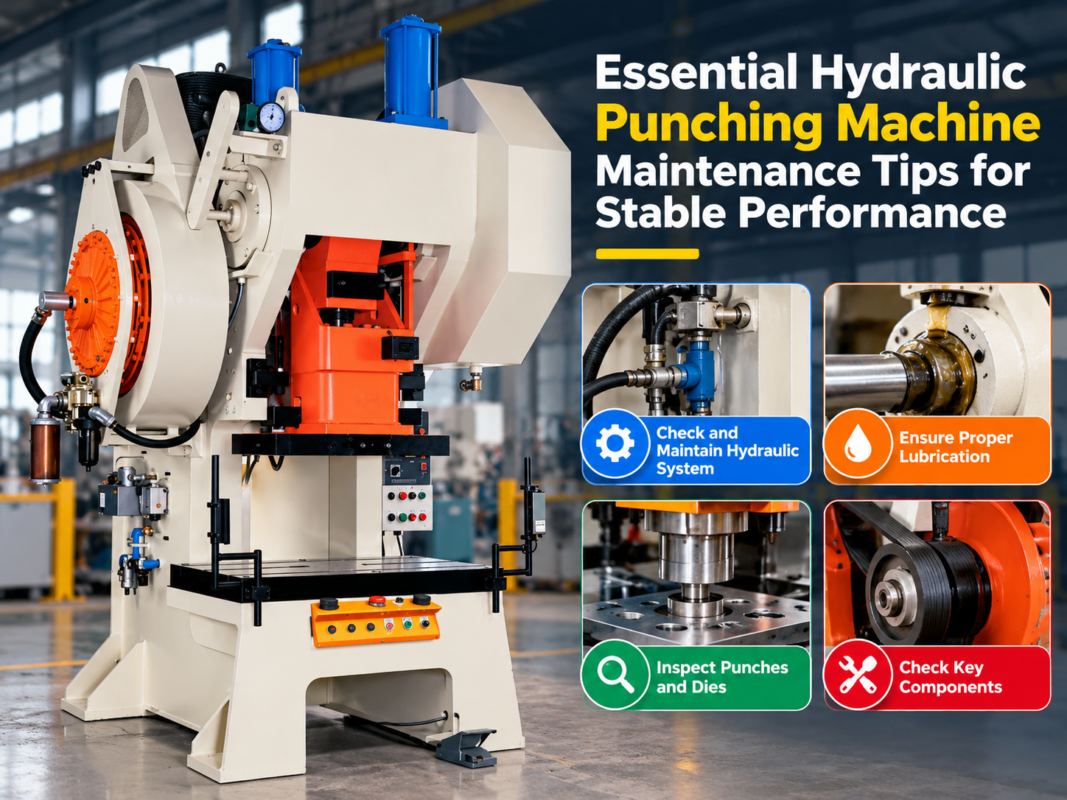
The duty cycle is perhaps the most significant difference. A workshop press might run for 30 minutes a day, whereas a factory press is expected to run three shifts with minimal downtime. This necessitates different cooling systems, seal qualities, and structural reinforcements. While a workshop press might rely on ambient air cooling, a factory press often requires dedicated oil-to-water or oil-to-air heat exchangers to maintain hydraulic fluid viscosity during continuous operation.
Machine A Overview: The Workshop Hydraulic Press
The workshop hydraulic press is the backbone of the maintenance, repair, and overhaul (MRO) sector. These machines are designed for flexibility. In a typical workshop, a technician might use the press to remove a rusted bushing in the morning and then use it to bend a custom bracket in the afternoon. Because the tasks are varied, the machine must be easy to set up and adjust. Most workshop presses feature a movable worktable (bed) that can be raised or lowered using a winch or pin system to accommodate different workpiece heights.
Technically, workshop presses often utilize a simple hydraulic circuit. Many entry-level models use a manual hand pump or a foot-operated air-over-hydraulic pump. Higher-end workshop models, like those offered by HARSLE, feature electric motor-driven pumps with basic lever controls. The frame is usually made of welded steel channels. While robust, these frames are not designed for the extreme rigidity required in high-precision deep drawing; they are designed to be “stiff enough” for general-purpose pressing and assembly.
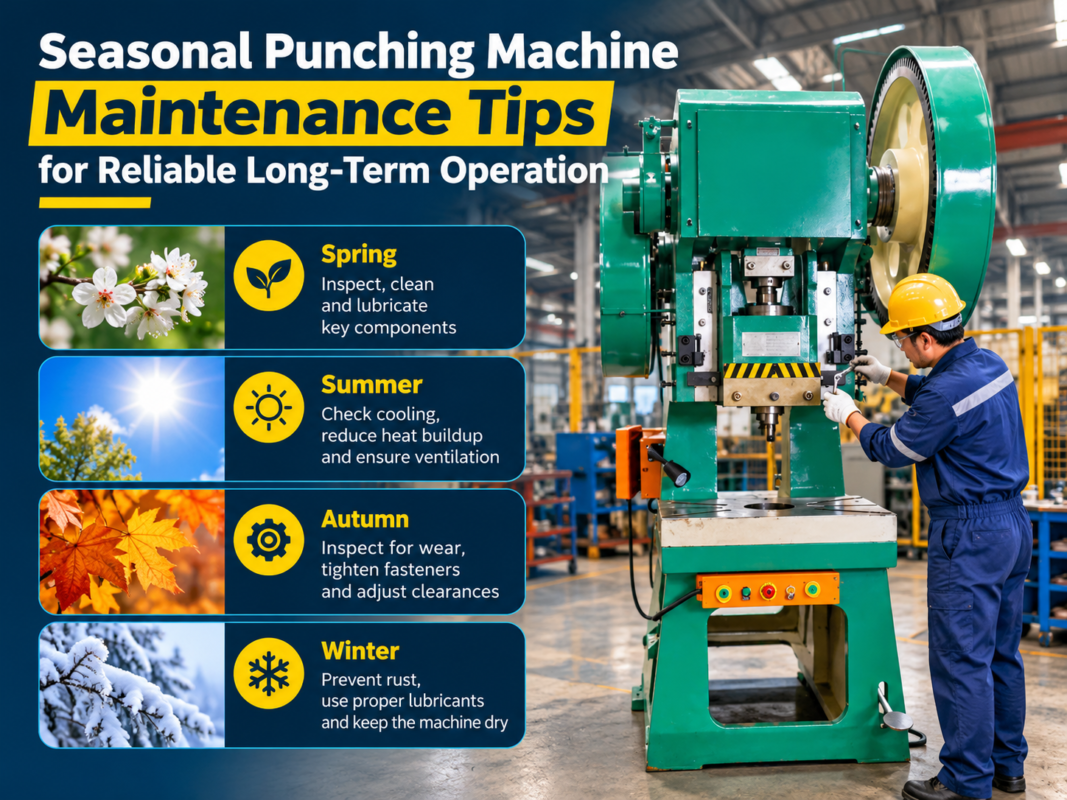
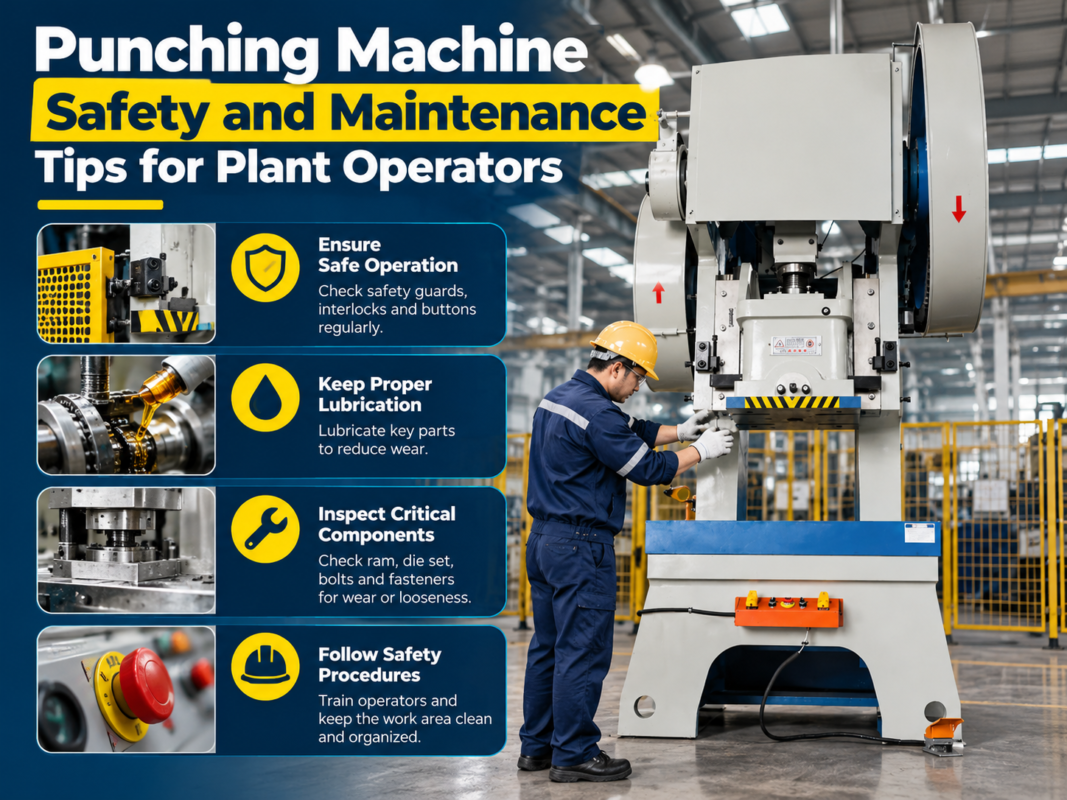
Safety in a workshop environment is often managed through physical barriers or simple operator caution. Since the speed of the ram is relatively slow, the risk of high-speed ejection is lower than in a factory setting, though still present. The simplicity of these machines makes them incredibly durable; with basic oil changes and seal inspections, a quality workshop press can last decades in a low-volume environment.
Machine B Overview: The Factory Hydraulic Press
When we shift our focus to the factory floor, the hydraulic press transforms into a high-tech production center. A factory-use hydraulic press is engineered for specific industrial processes such as deep drawing, cold forging, powder compacting, or large-scale sheet metal stamping. These machines are characterized by their massive frames—often four-column designs—which ensure that the bolster and slide remain perfectly parallel even under eccentric loading. This parallelism is critical for maintaining tool life and part quality over millions of cycles.
The control systems on a factory press are significantly more advanced. They utilize CNC or PLC interfaces that allow operators to program specific stroke lengths, pressure dwell times, and ram speeds. Modern factory presses from HARSLE often incorporate servo-hydraulic technology. This allows for precise control over the ram’s movement, reducing energy consumption by up to 50% compared to traditional constant-delivery pumps. The machine can “slow down” just before contact with the workpiece to prevent shock, then apply full force, and quickly retract to start the next cycle.
Integration is another key feature. A factory press is rarely a standalone unit; it is often connected to automatic feeders, robotic arms for part removal, and scrap conveyors. Safety is paramount, featuring redundant hydraulic valves, dual-hand start buttons, and advanced light curtain grids that stop the machine instantly if a finger enters the work zone. These machines are built with high-grade components, including chrome-plated columns and high-pressure seals designed for millions of strokes before requiring replacement.
Specification Comparison Table
To better visualize the Hydraulic Press Workshop Use Vs Factory Use: A Comparison, the following table outlines the typical technical specifications for each category.
| Feature | Workshop Hydraulic Press | Factory Hydraulic Press |
|---|---|---|
| Tonnage Range | 10 – 100 Tons | 200 – 5,000+ Tons |
| Frame Type | H-Frame / C-Frame (Welded) | 4-Column / Monoblock / Tie-Rod |
| Control System | Manual Lever / Foot Pedal | PLC / CNC / Touchscreen HMI |
| Operation Speed | Slow (Manual/Electric) | High-Speed (Servo/Rapid Approach) |
| Duty Cycle | Intermittent (Low) | Continuous 24/7 (High) |
| Cooling System | Passive (Air) | Active (Oil Cooler/Heat Exchanger) |
| Accuracy | General Purpose (+/- 0.5mm) | High Precision (+/- 0.01mm) |
| Safety Features | Basic Guards | Light Curtains, Redundant Hydraulics |
Best-fit Applications: Where Each Machine Shines
Choosing between a workshop and a factory press depends heavily on the intended application. For a workshop press, the applications are usually non-repetitive. Automotive repair shops use them for pressing wheel bearings or U-joints. Small fabrication shops use them for straightening metal plates that have warped during welding. They are also excellent for educational settings, such as trade schools, where students learn the basics of hydraulic force without the complexity of high-speed automation.
In the factory setting, the applications are highly specialized. For example, in the automotive industry, a factory-grade hydraulic press is used to stamp body panels or forge engine components. The aerospace industry uses high-tonnage presses to form titanium components under precise heat and pressure conditions. Another common factory application is deep drawing, where a flat sheet of metal is transformed into a complex 3D shape, like a kitchen sink or a fire extinguisher canister. These processes require the steady, controlled pressure that only a heavy-duty industrial press can provide.
Furthermore, factory presses are essential in the electronics industry for molding plastic casings or compacting metal powders into precision gears. The ability to program a “dwell time”—where the press holds a specific pressure for a set number of seconds—is vital for materials that need time to flow into a mold or for adhesives to cure. This level of process control is simply not available on a standard workshop press.
Cost and Maintenance Comparison
The financial investment required for these two types of machinery differs by orders of magnitude. A high-quality workshop hydraulic press might cost between $2,000 and $15,000, depending on its tonnage and power source. The maintenance costs are similarly low, usually involving an annual oil change and occasional lubrication of the moving parts. Because the components are standard, replacement parts like hoses and gauges are inexpensive and widely available.
A factory hydraulic press, however, is a significant capital expenditure. Prices can range from $50,000 to several million dollars for custom-engineered lines. However, the Return on Investment (ROI) is calculated based on throughput. A factory press that produces 500 parts per hour with 99% yield will pay for itself much faster than a manual press in a high-volume scenario. Maintenance for factory presses is proactive rather than reactive. It involves sophisticated oil analysis, ultrasonic testing of the frame for fatigue cracks, and regular calibration of the electronic sensors.
Energy costs also play a role. While a workshop press uses very little electricity due to its low duty cycle, a factory press can be a major energy consumer. This is why many modern factories are opting for HARSLE’s servo-driven models. While the initial cost is higher, the reduction in electricity bills and the decreased need for large oil cooling systems provide a lower Total Cost of Ownership (TCO) over the machine’s lifespan.
Recommendation: Which One Do You Need?
To conclude our Hydraulic Press Workshop Use Vs Factory Use: A Comparison, the recommendation depends on your business’s growth stage and production goals. If you are a startup, a custom fabrication shop, or a maintenance department, a workshop press is the logical choice. It provides the necessary force for a wide variety of tasks without the overhead of complex programming or high energy costs. Look for a model with a robust H-frame and an electric pump to balance cost and capability.
If you are moving into mass production, or if your parts require extreme precision and repeatability, you must invest in a factory-grade press. Attempting to use a workshop press for high-volume production will lead to premature machine failure, inconsistent part quality, and potential safety hazards. For factory use, prioritize machines with PLC controls, high-speed hydraulic circuits, and comprehensive safety certifications. HARSLE offers a range of industrial presses that can be customized with specific bolsters, stroke lengths, and automation interfaces to fit perfectly into your production line.
Ultimately, the best machine is the one that meets your current needs while allowing for a reasonable amount of future growth. If you are unsure, consulting with a specialist at HARSLE can help you analyze your production requirements and select the press that offers the best balance of performance and value.
Frequently Asked Questions (FAQ)
1. Can I use a workshop press for small production runs?
Yes, a workshop press can handle small production runs (e.g., 10-50 parts). However, because they are usually slower and manually operated, the labor cost per part will be higher, and operator fatigue may lead to inconsistencies in the finished product.
2. What is the main safety risk with factory presses?
The main risks are high-speed ram movement and the massive forces involved. Because factory presses operate quickly, there is less time for an operator to react. This is why light curtains and redundant safety valves are mandatory for factory-grade equipment.
3. How often should I change the hydraulic oil?
For a workshop press, once every 12-24 months is usually sufficient. For a factory press running multiple shifts, oil should be checked monthly and typically changed every 2,000 to 4,000 hours of operation, or based on the results of an oil analysis.
4. Are 4-column presses always better than H-frame presses?
Not necessarily. 4-column presses offer better access to the work area from all four sides and excellent parallelism, making them ideal for complex dies. H-frame presses are more compact and often more rigid for simple vertical pressing tasks. The choice depends on your specific tooling.
5. Can a workshop press be upgraded with PLC controls?
While possible, it is rarely cost-effective. The hydraulic valves and pumps on a workshop press are not designed for the rapid response times required by PLC systems. It is usually better to purchase a machine designed for automation from the start.
6. Why is tonnage so much higher in factory presses?
Factory processes like deep drawing or cold forging require overcoming the material’s yield strength over a large surface area simultaneously. This requires significantly more force than the localized pressing tasks typically performed in a workshop.