
How to Compare Hydraulic Press Specifications Before Making a Purchase


Comparison Summary: Navigating the Technical Landscape
When you decide to invest in heavy industrial machinery, the process of evaluation is critical to ensuring long-term operational success. To Compare Hydraulic Press Specifications Before Making A Purchase is not merely a box-ticking exercise; it is a strategic analysis of how a machine’s physical and mechanical capabilities align with your production goals. A hydraulic press is a significant capital investment, and choosing the wrong specifications can lead to inefficient production cycles, premature tool wear, or even the inability to process specific materials. In this guide, we will break down the essential parameters that define a hydraulic press, focusing on two of HARSLE’s most popular configurations: the Y32 Four-Column series and the Y27 Single-Action Deep Drawing series.
The primary goal of comparing specifications is to find the balance between force, precision, and speed. For instance, a machine with excessive tonnage for a simple task wastes energy and increases wear on the hydraulic seals, while a machine with insufficient stroke length limits the depth of parts you can manufacture. By understanding the nuances of bed size, daylight, and approach speeds, manufacturers can optimize their floor space and labor costs. This article provides a deep dive into the technical aspects of these machines, offering a roadmap for procurement managers and engineers to make an informed decision.
Before diving into specific models, it is important to recognize that the “best” machine is always application-dependent. Whether you are involved in automotive stamping, aerospace component manufacturing, or simple metal bending, the specifications act as the DNA of the machine. We will explore how to read these data sheets, what the numbers mean in a real-world workshop environment, and how HARSLE’s engineering standards provide a competitive edge in the global market.
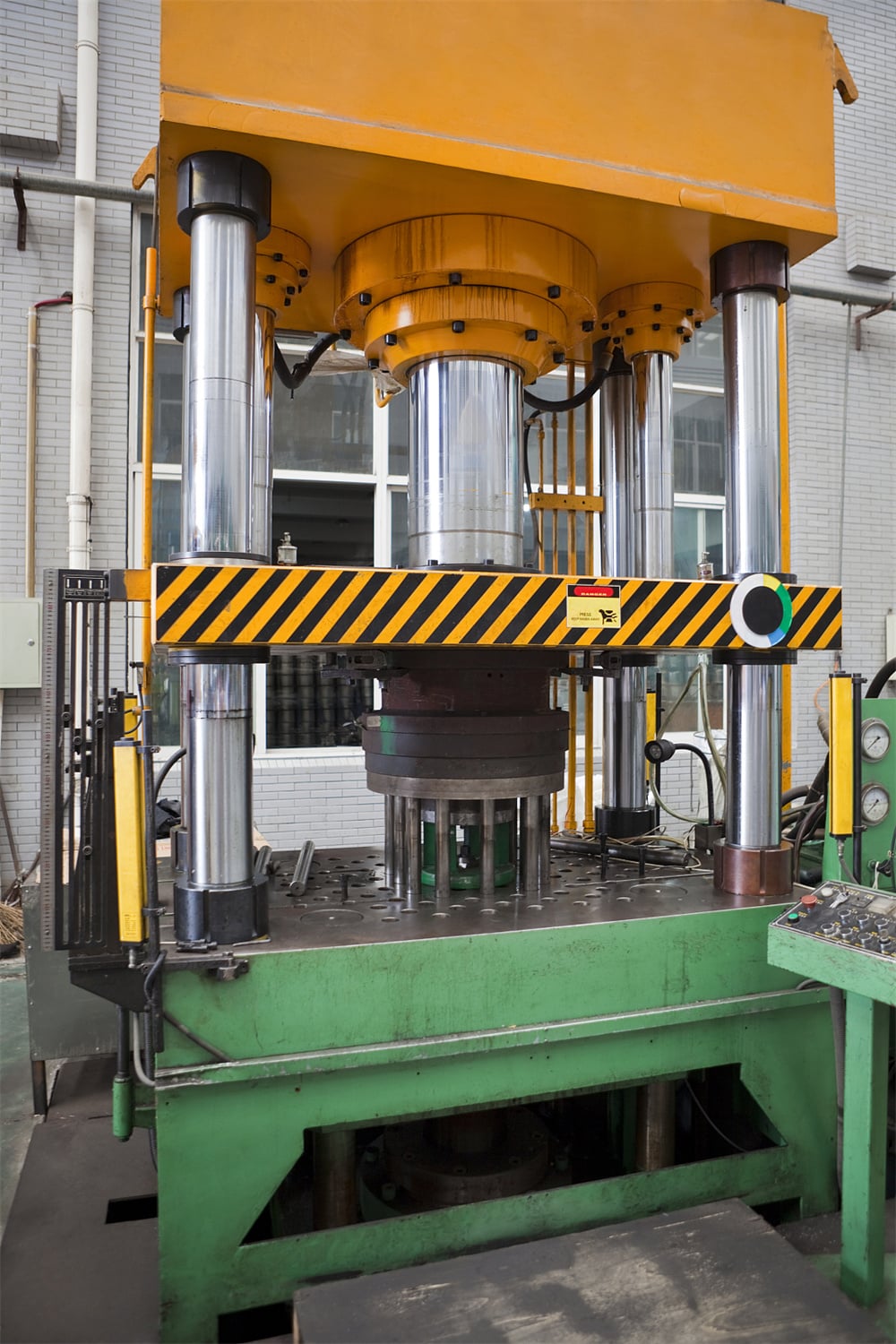
Machine A Overview: HARSLE Y32 Four-Column Hydraulic Press
The HARSLE Y32 series is the workhorse of the metal fabrication industry. Known for its versatility and structural stability, the four-column design offers a balanced distribution of force that is ideal for a wide range of applications, including pressing, bending, flanging, and cold extrusion. The four-column architecture allows for easy access from all four sides, which is particularly beneficial for manual loading or integrating automated robotic arms into the production line.
One of the standout features of the Y32 series is its hydraulic control system, which utilizes a plug-in valve integrated system. This design minimizes leakage points, reduces vibration, and ensures a more reliable operation over long shifts. The machine is typically equipped with a centralized button control system that supports both manual and semi-automatic operation modes. For businesses looking to Compare Hydraulic Press Specifications Before Making A Purchase, the Y32 serves as the benchmark for general-purpose industrial pressing due to its adjustable pressure and stroke settings.
Furthermore, the Y32 series is designed with durability in mind. The columns are usually made of high-quality forged steel with a chrome-plated surface to resist wear and corrosion. This ensures that the sliding plate moves smoothly and maintains parallelism even under high-pressure loads. The electrical system often features PLC control, allowing for precise timing and pressure holding, which is essential for materials that require a specific dwell time to set their shape correctly.
Machine B Overview: HARSLE Y27 Single-Action Sheet Metal Press
In contrast to the general-purpose Y32, the HARSLE Y27 series is specifically engineered for sheet metal forming and deep drawing. This machine is characterized by its high precision and specialized hydraulic circuits designed to handle the complexities of drawing thin metal sheets into deep, hollow shapes without tearing or wrinkling the material. The Y27 often features a more robust frame to handle the concentrated stresses of deep drawing operations.
The Y27 series typically includes a hydraulic cushion (blank holder) located beneath the worktable. This is a critical specification to look for when you Compare Hydraulic Press Specifications Before Making A Purchase for deep drawing tasks. The blank holder provides a controlled amount of pressure to the edges of the metal sheet, allowing it to flow into the die cavity smoothly. Without this feature, achieving high-quality deep-drawn parts like kitchen sinks, automotive oil pans, or gas cylinders would be nearly impossible.
Technologically, the Y27 is often equipped with advanced sensors to monitor the position of the ram and the pressure of the hydraulic cushion in real-time. This level of control allows for faster approach speeds and controlled pressing speeds, which significantly improves cycle times. The Y27 is the preferred choice for high-volume production environments where consistency and surface finish are paramount. Its rigid frame minimizes deflection, ensuring that even after thousands of cycles, the parts produced remain within tight tolerances.
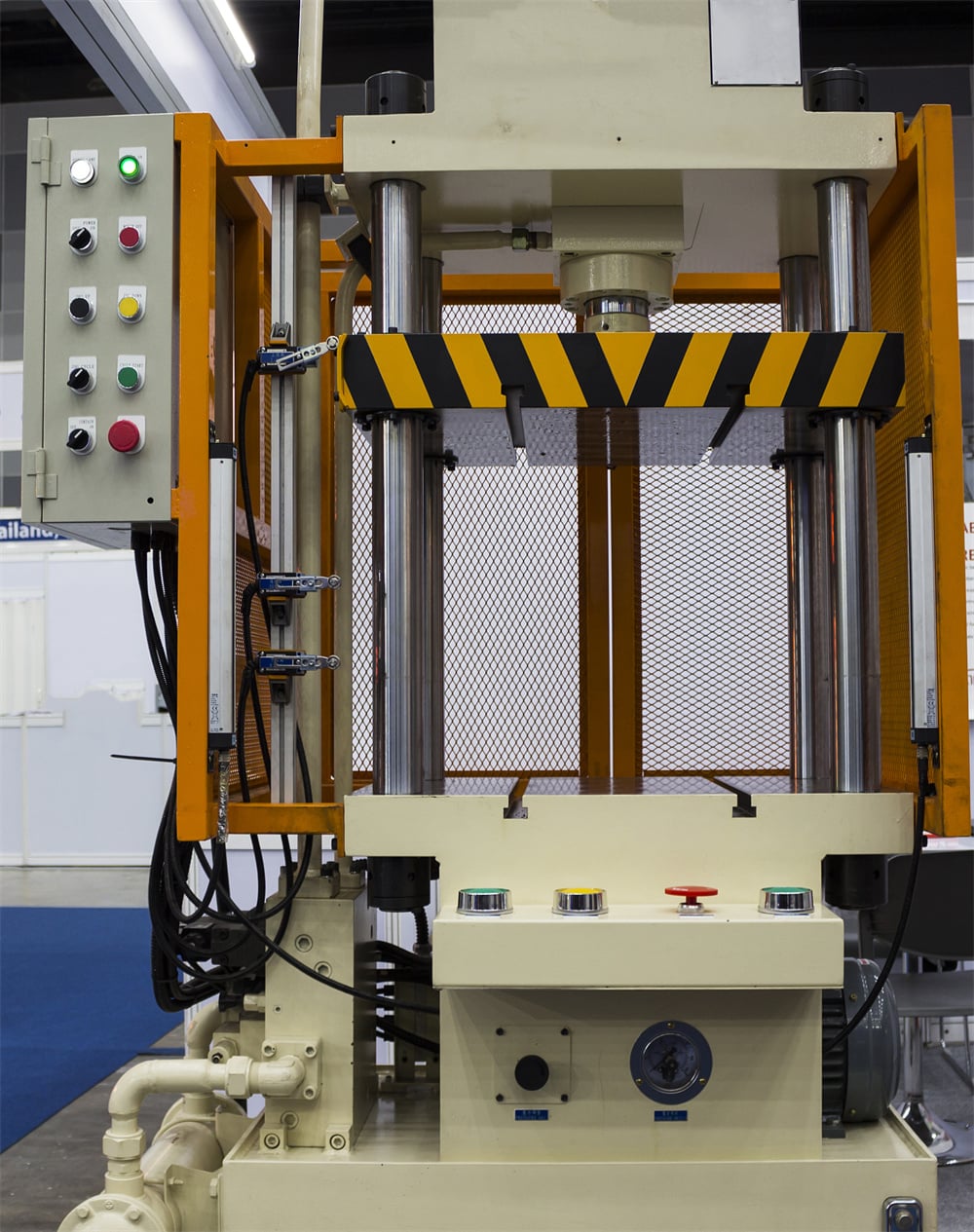
Specification Comparison Table
To effectively Compare Hydraulic Press Specifications Before Making A Purchase, a side-by-side analysis of technical data is required. Below is a comparison of typical specifications for a 200-ton model in both the Y32 and Y27 series.
| Specification | Y32-200T (Four-Column) | Y27-200T (Deep Drawing) |
|---|---|---|
| Nominal Force (kN) | 2000 | 2000 |
| Liquid Max Pressure (MPa) | 25 | 25 |
| Max Stroke of Slide (mm) | 600 | 800 |
| Max Daylight (mm) | 1000 | 1250 |
| Worktable Size (mm) | 1000 x 900 | 1100 x 1000 |
| Approach Speed (mm/s) | 100 – 120 | 150 – 200 |
| Pressing Speed (mm/s) | 8 – 12 | 10 – 15 |
| Return Speed (mm/s) | 70 – 90 | 100 – 130 |
| Motor Power (kW) | 11 | 15 |
| Hydraulic Cushion Force (kN) | Optional / N/A | 630 |
Best-fit Applications: Choosing the Right Tool for the Job
Understanding the application is the most critical step when you Compare Hydraulic Press Specifications Before Making A Purchase. The Y32 Four-Column press is the ideal solution for workshops that handle a variety of different tasks. Its open design makes it perfect for powder metallurgy, where bulky molds need to be positioned easily. It is also widely used in the production of plastic products and abrasive materials. If your facility performs a mix of straightening, assembly, and light forming, the Y32 offers the flexibility needed to switch between different dies and setups quickly.
On the other hand, the Y27 series is the specialist of the sheet metal world. If your primary business involves manufacturing stainless steel cookware, automotive body panels, or appliance housings, the Y27 is the superior choice. The inclusion of a hydraulic cushion and the higher stroke length allow for complex geometries that a standard four-column press might struggle with. The Y27’s ability to maintain constant pressure during the drawing process prevents material thinning, which is vital for structural integrity in aerospace and automotive components.
Beyond these two, there are also specialized presses for forging and composite molding. Forging presses require extremely high approach speeds and massive structural rigidity to handle the shock of impacting hot metal. Composite molding presses, meanwhile, require highly accurate temperature control on the platens and long pressure-holding times. Always match the machine’s “duty cycle” and “speed profile” to your specific material behavior to ensure the highest quality output.
Cost and Maintenance Comparison
When you Compare Hydraulic Press Specifications Before Making A Purchase, the initial price tag is only one part of the equation. The Total Cost of Ownership (TCO) includes energy consumption, maintenance requirements, and the cost of spare parts. The Y32 series generally has a lower initial investment cost and simpler maintenance routines. Because it uses standard hydraulic components and a straightforward four-column design, finding replacement seals or valves is easy, and the mechanical adjustments are intuitive for most experienced technicians.
The Y27 series, while more expensive upfront due to its specialized frame and advanced control systems, often provides a better Return on Investment (ROI) for high-volume sheet metal work. Its faster cycle times mean more parts per hour, and its precision reduces the scrap rate. However, maintenance for the Y27 is more demanding. The hydraulic cushion and the complex PLC-driven valves require regular calibration and high-quality hydraulic oil to prevent contamination of the sensitive proportional valves. Investing in a good oil cooling system is also essential for the Y27 to prevent overheating during continuous high-speed operation.
Energy efficiency is another factor to consider. Modern HARSLE presses can be equipped with servo-motor driven hydraulic systems. While this adds to the initial cost, it can reduce energy consumption by up to 50% compared to traditional constant-delivery pump systems. When comparing specs, look for the motor type and the presence of energy-saving valves, as these will significantly impact your monthly utility bills and the machine’s carbon footprint.
Recommendation: How to Make the Final Decision
To make the final decision, start by defining your maximum part size and the maximum force required. Always choose a machine with a tonnage rating approximately 20-30% higher than your calculated requirement; this prevents the machine from constantly running at its limit, which extends the life of the hydraulic pump and frame. If you are doing deep drawing, the Y27 is a non-negotiable requirement due to the blank holder. If you are doing general assembly or diverse metal forming, the Y32 offers the best value for money.
Secondly, consider the “Daylight” and “Stroke.” Ensure the daylight is sufficient to accommodate your tallest die plus the height of the finished part for easy removal. If you plan to automate in the future, ensure the PLC system is compatible with external sensors and robotic interfaces. HARSLE provides customizable options for both series, allowing you to tailor the bed size and speed to your specific production line needs.
Finally, do not overlook the importance of safety specifications. Ensure the machine includes light curtains, emergency stop buttons, and two-hand operation consoles. A machine that meets international safety standards not only protects your workers but also prevents costly legal issues and production downtime. By following this structured approach to Compare Hydraulic Press Specifications Before Making A Purchase, you ensure that your investment becomes a cornerstone of your manufacturing success.
Frequently Asked Questions (FAQ)
1. What is the difference between Nominal Force and Working Pressure?
Nominal Force is the maximum total pressure the ram can exert (usually measured in tons or kilonewtons), while Working Pressure refers to the pressure of the hydraulic fluid within the system (measured in MPa or PSI). When you compare specs, ensure the nominal force is sufficient for your thickest material.
2. Why is ‘Daylight’ important in a hydraulic press?
Daylight is the maximum distance between the bed and the ram when it is fully retracted. It determines the maximum height of the tooling and the workpiece you can fit into the machine. If the daylight is too small, you won’t be able to load or unload large parts.
3. Can a Y32 Four-Column press be used for deep drawing?
While a Y32 can perform light drawing, it lacks the dedicated hydraulic cushion found in the Y27. For serious deep drawing, the Y32 may cause the material to wrinkle or tear because it cannot provide the necessary blank-holding force.
4. How often should hydraulic oil be changed?
For most industrial hydraulic presses, the oil should be checked every 6 months and typically replaced every 2000 to 4000 hours of operation, depending on the environment and the intensity of use. Keeping the oil clean is the best way to protect the hydraulic valves.
5. What are the benefits of PLC control in a hydraulic press?
PLC (Programmable Logic Controller) allows for precise control over the ram’s position, pressure, and timing. It enables features like “pressure holding” and “delayed return,” which are essential for high-quality molding and forming operations.












