
Comprehensive Press Brake Maintenance Checklist for Reliable Daily Production


Technical Overview of Press Brake Maintenance
In the high-stakes world of metal fabrication, the press brake stands as a cornerstone of production. Achieving a Press Brake Maintenance Checklist for Reliable Daily Production is not merely about keeping the machine running; it is about ensuring precision, safety, and longevity. A press brake is a complex integration of hydraulic power, mechanical precision, and electronic control. When any of these systems falter, the ripple effect can lead to costly downtime, ruined workpieces, and potential safety hazards. HARSLE emphasizes that a proactive maintenance strategy is the only way to guarantee that your equipment delivers the same accuracy on day 1,000 as it did on day one.
The technical architecture of a modern CNC press brake involves a high-pressure hydraulic circuit, a precision-machined ram and bed, and a sophisticated backgauge system driven by servo motors. Maintenance must address each of these subsystems. For instance, the hydraulic system relies on the laminar flow of clean oil to actuate cylinders with micron-level repeatability. Contamination in this system is the leading cause of valve failure. Similarly, the mechanical components, such as the guide rails and ball screws, require consistent lubrication to minimize friction and thermal expansion, which can distort bending angles.
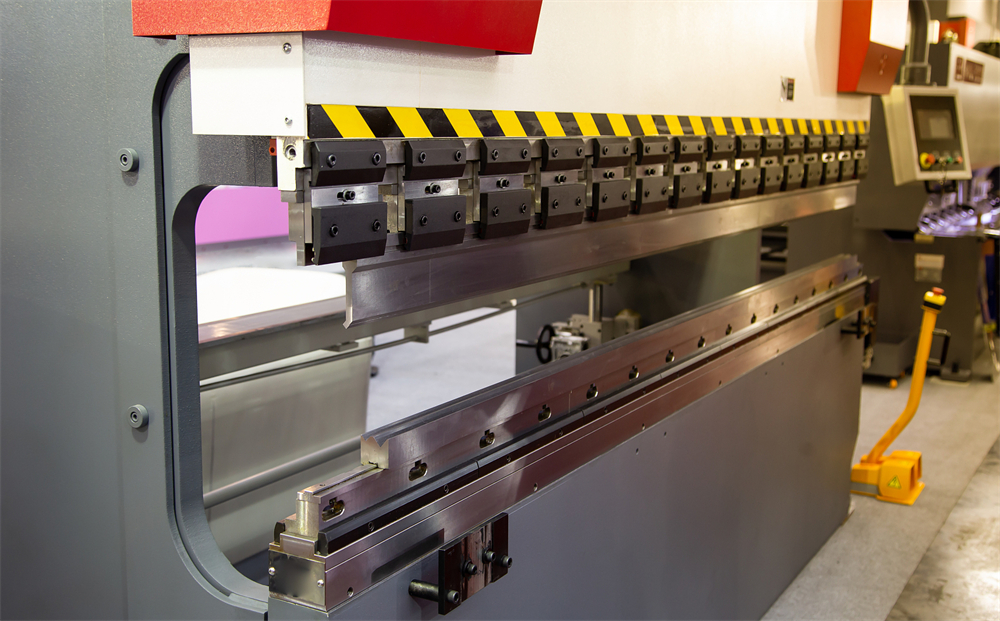
Reliable daily production is built on the foundation of daily inspections. These are not time-consuming tasks but rather critical observations that identify wear before it becomes a failure. By following a structured Press Brake Maintenance Checklist for Reliable Daily Production, operators can detect subtle changes in machine behavior—such as a slight increase in pump noise or a minor drift in the backgauge—allowing for scheduled repairs rather than emergency shutdowns. This technical guide delves into the specifics of maintaining these industrial giants to ensure they remain the most productive assets in your shop.
The Synergy of Mechanical and Hydraulic Systems
Understanding the synergy between the mechanical frame and the hydraulic drive is essential for effective maintenance. The frame of a press brake is designed to deflect under load, a phenomenon known as ‘bed deflection.’ Modern machines use crowning systems to compensate for this. Maintenance of the crowning system, whether hydraulic or mechanical, is vital for maintaining a constant bend angle across the entire length of the workpiece. If the crowning mechanism is neglected, the center of the bend will inevitably be under-bent compared to the ends.
Furthermore, the synchronization of the two hydraulic cylinders (Y1 and Y2) is managed by the CNC controller through proportional valves and linear encoders. If the linear scales are dirty or the proportional valves are sluggish due to old oil, the ram will tilt, leading to uneven bends and potential damage to the guide systems. Therefore, maintenance is not just about oil and grease; it is about the integrity of the data feedback loop that governs the machine’s movement.
Core Parameters Influencing Maintenance Schedules
To implement an effective Press Brake Maintenance Checklist for Reliable Daily Production, one must understand the core parameters that dictate the stress levels on the machine. These parameters determine how often specific maintenance tasks must be performed. A machine running at 80% of its rated tonnage for 16 hours a day requires a significantly more aggressive maintenance schedule than a machine used for light-gauge prototype work.
- Tonnage Capacity: The maximum force the machine can exert. Operating near the limit increases the wear on hydraulic seals and the structural frame.
- Stroke Frequency: The number of cycles per hour. High-speed production environments accelerate the wear on backgauge ball screws and ram guides.
- Oil Temperature: Hydraulic systems are designed to operate within a specific temperature range (usually 30°C to 50°C). Excessive heat breaks down the chemical properties of the oil, leading to varnish buildup in valves.
- Environment Cleanliness: Dust and metal particles from grinding or laser cutting can infiltrate the hydraulic tank and settle on lubricated surfaces, acting as an abrasive.
- Tooling Condition: Worn or damaged dies require higher pressure to achieve the same bend, putting unnecessary strain on the entire machine.
By monitoring these parameters, maintenance managers can transition from a fixed-interval schedule to a condition-based maintenance strategy. For example, if the oil temperature consistently exceeds 55°C, it may indicate a failing cooling fan or a pump that is bypassing internally, signaling a need for immediate intervention before the seals are compromised.
Calculation Method for Maintenance Requirements
Quantifying maintenance needs involves several key calculations. The most fundamental is the bending force calculation, which helps operators avoid overloading the machine. The formula for bending force (P) in kilonewtons is typically expressed as:
P = (650 * S^2 * L) / V
Where:
S = Material thickness (mm)
L = Length of the sheet (m)
V = V-opening of the bottom die (mm)
Understanding this calculation is crucial for the Press Brake Maintenance Checklist for Reliable Daily Production because it allows the operator to verify if the machine is being pushed beyond its design limits. Overloading leads to ‘ram upset’ or permanent deformation of the bed, which no amount of maintenance can fix. Additionally, calculating the ‘Oil Life Index’ is beneficial. Most manufacturers recommend changing hydraulic oil every 2,000 to 4,000 hours of operation. However, if the machine operates in a hot environment, this interval should be reduced by 50% for every 10°C increase above the recommended operating temperature.
Lubrication Volume and Frequency
Another critical calculation involves the lubrication of the backgauge and guide rails. Most automated lubrication systems are set based on the distance traveled (in meters) rather than time. For manual systems, a common rule of thumb is to apply 2-3ml of high-quality lithium-based grease for every 100 meters of travel on the ball screws. Failure to calculate and apply the correct volume leads to either ‘dry running’ (causing friction) or ‘over-greasing’ (which attracts contaminants).
Comprehensive Maintenance Parameter Table
The following table provides a structured Press Brake Maintenance Checklist for Reliable Daily Production, categorized by frequency and component type. Adhering to this schedule is the most effective way to prevent unplanned downtime.
| Frequency | Component | Action Required | Technical Goal |
|---|---|---|---|
| Daily | Hydraulic Oil Level | Check sight glass; top up if necessary. | Prevent pump cavitation and air entrainment. |
| Daily | Tooling & Work Area | Clean dies and bed; remove scale and debris. | Ensure bend accuracy and prevent surface marking. |
| Daily | Safety Light Curtains | Test functionality and alignment. | Ensure operator safety and OSHA compliance. |
| Weekly | Ram Guides | Wipe clean and apply fresh lubricant. | Maintain smooth vertical travel and parallelism. |
| Weekly | Backgauge Fingers | Check for looseness or misalignment. | Ensure consistent flange dimensions. |
| Monthly | Hydraulic Hoses | Inspect for leaks, cracks, or bulging. | Prevent high-pressure fluid injection injuries. |
| Monthly | Electrical Cabinet | Vacuum dust; check cooling fans. | Prevent overheating of PLC and drive components. |
| Quarterly | Backgauge Ball Screws | Deep clean and re-grease. | Maintain high-speed positioning accuracy. |
| Annually | Hydraulic Oil | Perform laboratory analysis or replace. | Maintain viscosity and chemical stability. |
| Annually | Leveling & Calibration | Verify machine level and recalibrate CNC. | Compensate for foundation settling. |
Common Engineering Mistakes in Press Brake Upkeep
Even experienced maintenance teams can fall into traps that compromise the Press Brake Maintenance Checklist for Reliable Daily Production. One of the most common mistakes is the use of incorrect hydraulic oil. Many operators assume all hydraulic oils are the same, but using a fluid with the wrong viscosity or lack of anti-wear additives can lead to rapid pump wear and sluggish valve response. Always refer to the HARSLE manual for the specific ISO grade required.
Another frequent error is neglecting the air filters on the electrical cabinet. In a metalworking shop, the air is filled with conductive dust. If the cabinet filters are clogged, the internal temperature rises, leading to intermittent faults in the CNC controller or the servo drives. These ‘ghost’ errors are notoriously difficult to diagnose and are often solved simply by improving cabinet ventilation. Furthermore, many shops fail to check the tightness of the foundation bolts. A press brake that is not securely anchored to a level floor will vibrate excessively, leading to premature wear of the mechanical joints and inconsistent bending results.
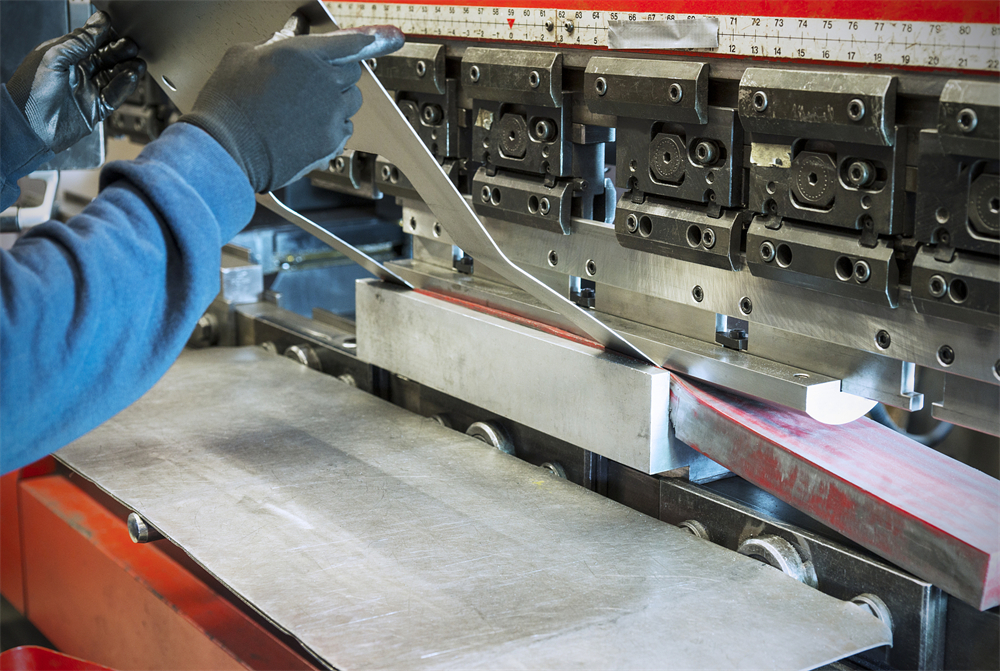
Finally, the ‘over-lubrication’ mistake cannot be overstated. While it seems counterintuitive, applying too much grease to the backgauge or guides can be as damaging as too little. Excess grease acts as a magnet for metal shavings and grit, creating an abrasive paste that grinds down precision surfaces. The goal of the Press Brake Maintenance Checklist for Reliable Daily Production is to maintain a thin, clean film of lubricant, not a thick coating of contaminated sludge.
Selection Checklist for Low-Maintenance Press Brakes
When purchasing a new machine, considering the ease of maintenance is just as important as the bending capacity. A machine designed with maintenance in mind will significantly reduce the long-term Total Cost of Ownership (TCO). Use this checklist when evaluating your next HARSLE press brake:
- Accessibility: Are the hydraulic valves, pumps, and filters easily accessible, or do they require dismantling half the machine to reach?
- Component Sourcing: Does the machine use world-class components (e.g., Rexroth valves, Schneider electrics, HIWIN rails)? Standardized parts are easier to source and replace.
- Self-Diagnostic Software: Does the CNC controller provide real-time feedback on oil temperature, filter status, and error logs?
- Automatic Lubrication: Is the machine equipped with a centralized automatic lubrication system for the ram guides and backgauge?
- Frame Rigidity: Is the frame heavy-duty and stress-relieved? A rigid frame requires less frequent recalibration.
- Tooling Compatibility: Does the machine use standard clamping systems that are easy to clean and maintain?
- Manufacturer Support: Does the supplier provide detailed maintenance manuals and a clear Press Brake Maintenance Checklist for Reliable Daily Production?
By selecting a machine that checks these boxes, you ensure that your maintenance team can perform their duties efficiently, keeping the machine in peak condition with minimal effort. HARSLE machines are engineered with these principles at the forefront, balancing high performance with user-friendly maintenance protocols.
Frequently Asked Questions (FAQ)
1. How often should I change the hydraulic oil in my press brake?
For most industrial applications, hydraulic oil should be changed every 2,000 to 4,000 operating hours. However, it is highly recommended to perform an oil analysis every six months. This analysis can detect microscopic metal particles, water content, and chemical breakdown, allowing you to change the oil only when necessary, which is both cost-effective and environmentally friendly.
2. Why is my press brake losing its bending accuracy over the course of a shift?
This is often related to thermal expansion. As the hydraulic oil heats up, its viscosity changes, which can affect the response time of the proportional valves. Additionally, if the machine frame is not properly warmed up or if the cooling system is inadequate, the mechanical components may expand slightly. Ensure your Press Brake Maintenance Checklist for Reliable Daily Production includes checking the oil cooler and allowing a 10-15 minute warm-up period at the start of the day.
3. What is the best way to clean the backgauge ball screws?
Avoid using compressed air, as this can blow dust and metal chips into the ball nut assembly. Instead, use a clean, lint-free cloth dampened with a mild degreaser to wipe the screws. Once clean, apply a thin layer of the manufacturer-recommended grease. If the environment is particularly dusty, consider installing bellows or covers to protect the screws.
4. Can I use any type of grease for the ram guides?
No. Ram guides require a specific type of lubricant, usually a lithium-based grease with extreme pressure (EP) additives. Using the wrong grease can lead to ‘stick-slip’ motion, where the ram moves in small jerks rather than a smooth stroke, which negatively impacts bend precision and can damage the guide liners.
5. How do I know if my hydraulic pump is failing?
Common signs of pump failure include an increase in operating noise (whining or growling), a drop in system pressure, slower cycle times, and an unusual increase in oil temperature. If you notice any of these symptoms, check the suction filter first. If the filter is clean and the noise persists, the pump may be experiencing internal wear and should be inspected by a technician.
6. Is it necessary to level the machine every year?
Yes. Industrial floors can settle over time due to the immense weight of the machinery and the vibrations of the shop environment. An unlevel machine puts uneven stress on the frame and can cause the ram to bind. Checking the level annually as part of your Press Brake Maintenance Checklist for Reliable Daily Production ensures the machine remains within its geometric tolerances.
7. What should I do if the CNC controller displays a ‘Sync Error’?
A synchronization error usually means the Y1 and Y2 cylinders are out of alignment beyond the allowed tolerance. This can be caused by a dirty linear encoder, a faulty proportional valve, or air in the hydraulic lines. Start by cleaning the linear scales with the recommended cleaning agent and checking the cable connections. If the error persists, a hydraulic bleed or valve calibration may be required.












