How to Fix Press Brake Ram Misalignment and Improve Bending Precision


Introduction to Press Brake Ram Alignment and Precision
In the world of precision metal fabrication, the press brake stands as the cornerstone of production. However, even the most robust machines, including those from industry leaders like HARSLE, can encounter issues with ram alignment over time. When we talk about the need to Fix Press Brake Ram Misalignment Improve Bending Precision, we are addressing the fundamental requirement for consistency in sheet metal processing. A ram that is not perfectly parallel to the bed—or one that does not travel synchronously—will inevitably produce parts with varying angles, leading to increased scrap rates and diminished profit margins.
Ram misalignment is rarely a sudden catastrophic failure; rather, it is often a gradual drift caused by mechanical wear, hydraulic imbalances, or electronic sensor inaccuracies. For operators and maintenance managers, understanding the mechanics of the ram’s movement is the first step toward maintaining high-quality output. The ram, driven by hydraulic cylinders on either end (commonly referred to as the Y1 and Y2 axes), must move in perfect harmony. Even a deviation of a few microns can result in a noticeable angular error across a long workpiece.
This comprehensive guide is designed to walk you through the diagnostic and corrective measures required to restore your machine’s accuracy. By focusing on the core objective to fix press brake ram misalignment and improve bending precision, we will explore the mechanical, hydraulic, and electronic components that govern ram behavior. Whether you are operating a traditional torsion bar machine or a high-end electro-hydraulic CNC press brake, the principles of alignment remain critical to your success in the competitive metalworking industry.
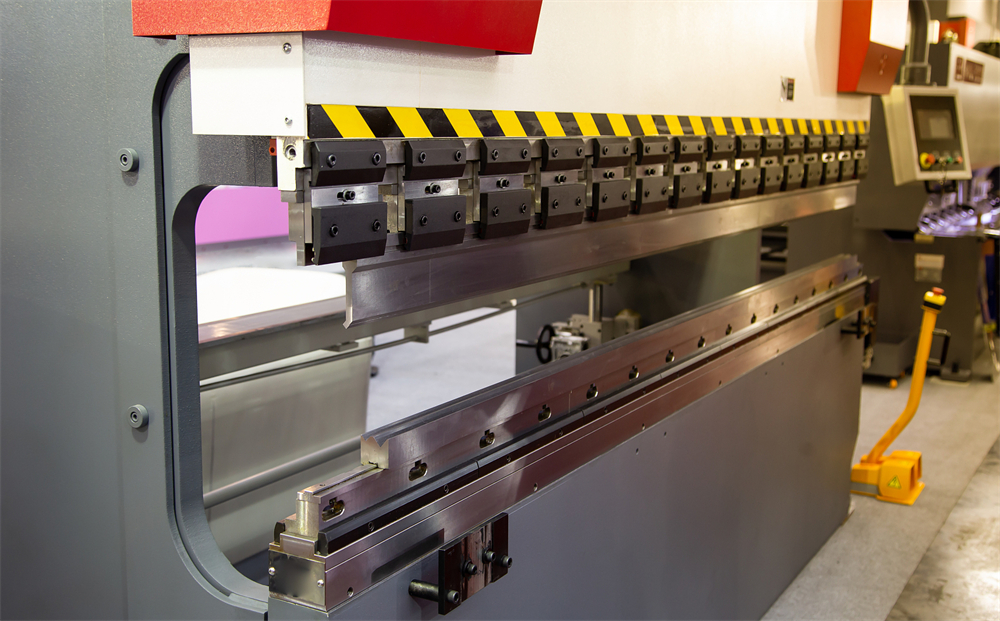
Key Considerations Before Adjusting Your Press Brake
Before diving into the technical adjustments, it is vital to consider the environment and the specific symptoms your machine is exhibiting. Not all bending inaccuracies are caused by ram misalignment. Sometimes, the issue lies in the tooling, the material consistency, or the machine’s foundation. A thorough preliminary inspection can save hours of unnecessary calibration work. First, verify that the machine is properly leveled. A press brake that is not level on the shop floor will experience frame twisting, which mimics ram misalignment but cannot be fixed through cylinder adjustment alone.
Safety is the paramount consideration when performing any maintenance on industrial machinery. Before attempting to fix press brake ram misalignment, ensure the machine is in a safe state. This includes engaging the emergency stops, locking out the power supply, and using safety blocks to support the ram. Never place your hands or tools between the dies unless the ram is mechanically secured. Furthermore, ensure you have the correct precision measurement tools, such as dial indicators, feeler gauges, and precision squares, as guesswork has no place in machine calibration.
Another key consideration is the type of synchronization system your machine utilizes. Torsion bar machines use a mechanical link to keep the ends of the ram together, whereas electro-hydraulic machines use independent cylinders controlled by CNC feedback from linear encoders. The approach to fixing misalignment differs significantly between these two technologies. Understanding your machine’s specific architecture is essential for applying the correct remedy. Additionally, consider the age of the hydraulic oil and the condition of the filters, as contaminated oil can cause sluggish or erratic valve response, leading to perceived alignment issues.
Finally, evaluate the tooling currently in use. Worn or mismatched punches and dies are a frequent source of angular variation. If the ram is perfectly aligned but the tools are unevenly worn, you will still face precision problems. Always clean the bed and the ram’s clamping surfaces before performing alignment checks to ensure that debris is not tilting the tools. By ruling out these external factors, you can focus your efforts on the actual mechanics of the ram movement.
Technical Details: How to Fix Press Brake Ram Misalignment
1. Diagnosing the Misalignment
The first step to fix press brake ram misalignment and improve bending precision is to quantify the error. This is typically done by performing a “dry run” or a test bend. Place two identical pieces of scrap metal at the extreme left and right ends of the machine. Perform a 90-degree bend and measure the resulting angles with a precision protractor. If the left side measures 90 degrees and the right side measures 91 degrees, you have a clear indication of Y-axis desynchronization. Alternatively, you can use a dial indicator attached to the bed to measure the distance between the bed and the ram at various points along the stroke.
For CNC machines, check the controller’s diagnostic screen. Most modern HARSLE CNC systems provide real-time feedback on the Y1 and Y2 positions. If the controller shows a significant deviation between the two axes during movement, the problem may be electronic or hydraulic. If the controller thinks the ram is level but physical measurements show otherwise, the issue is likely with the calibration of the linear encoders or the mechanical mounting of the scales.
2. Adjusting the Gibs and Slideways
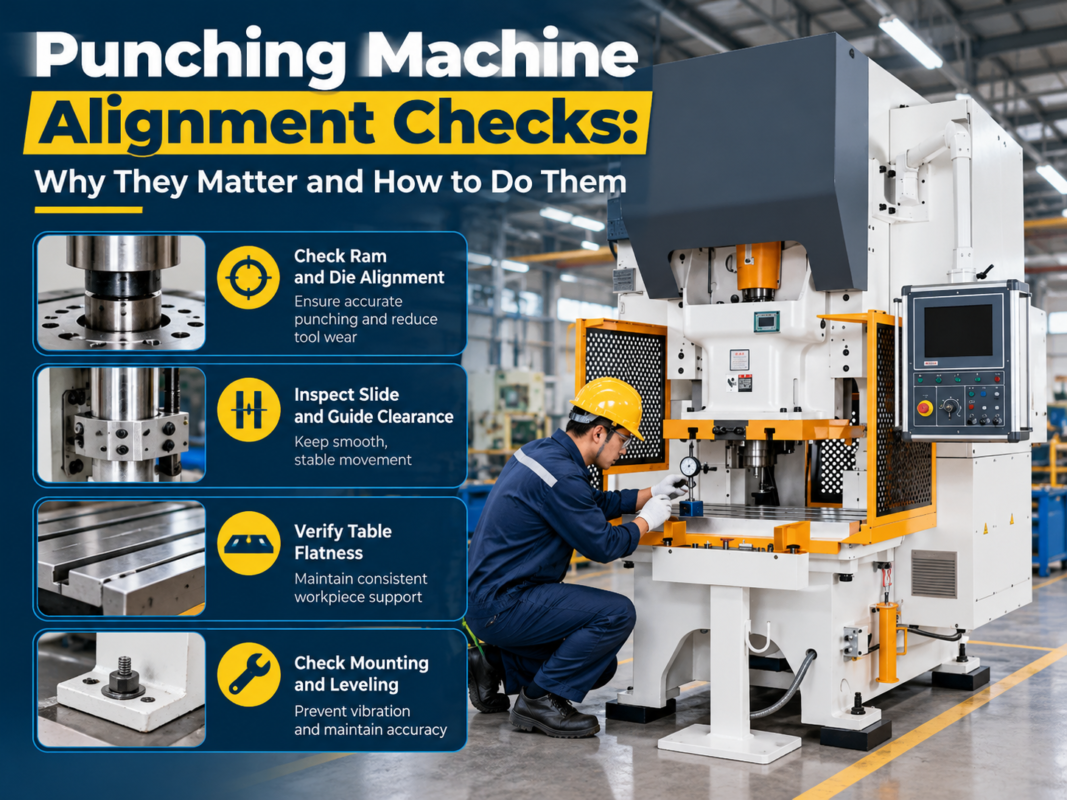
The ram of a press brake travels along guides known as gibs. Over time, these gibs can wear down or become loose, allowing the ram to “float” or tilt during the bending cycle. To fix this, you must adjust the gib clearance. Most machines have adjustable bronze or composite wear plates. Using a feeler gauge, check the clearance between the ram and the guides according to the manufacturer’s specifications—usually between 0.05mm and 0.10mm.
If the clearance is too large, the ram will shift under load, destroying your precision. If it is too tight, it will cause excessive friction, heat, and potential seizing. Adjust the setting screws incrementally, ensuring that the ram moves smoothly throughout its full stroke. Proper lubrication of these slideways is also critical; ensure the automatic lubrication system is functioning or manually grease the points daily to prevent future misalignment caused by uneven wear.
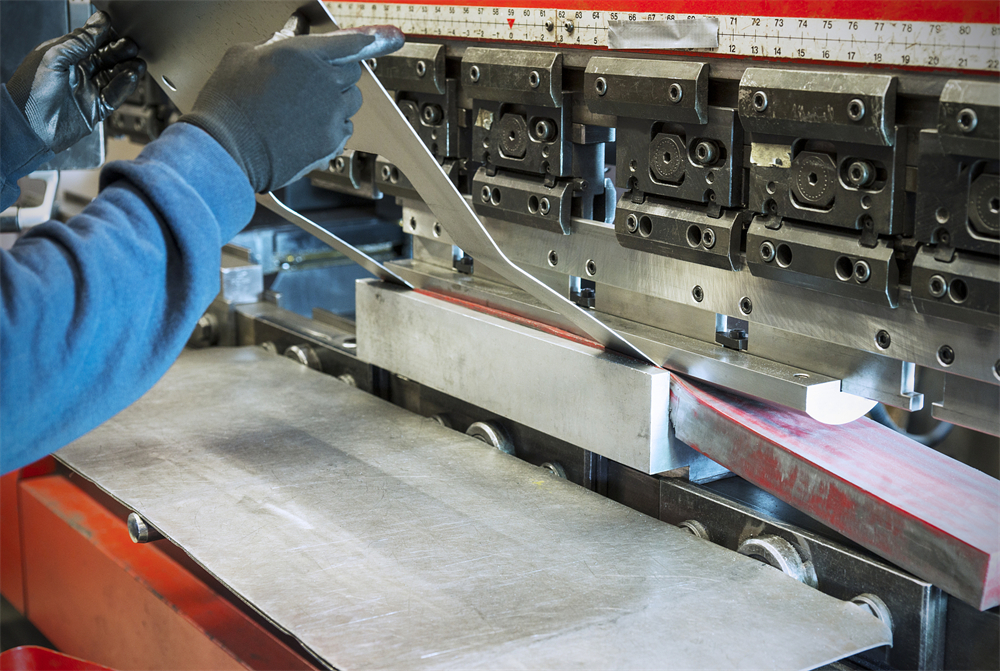
3. Calibrating the Y1 and Y2 Axes (Electro-Hydraulic Machines)
In electro-hydraulic press brakes, the synchronization is managed by proportional valves that regulate oil flow to each cylinder based on feedback from linear scales. To fix press brake ram misalignment in these systems, you often need to perform a zero-point calibration. This involves bringing the ram down to a known reference point (usually the bottom of the stroke or a physical stop) and resetting the encoder values in the CNC controller.
If the misalignment persists, inspect the linear scales. These are sensitive optical or magnetic instruments mounted on the side frames. If a scale is loose, dirty, or misaligned, it will send incorrect data to the PLC, causing the ram to tilt. Clean the scales with approved solvents and ensure the reading head is properly gapped. If the electronics are sound, the issue may lie in the proportional valves. A piece of debris in the valve spool can cause one cylinder to lag behind the other. Cleaning or replacing the hydraulic valves may be necessary to restore perfect synchronization.
4. Torsion Bar Adjustment (Mechanical Machines)
For older or simpler machines that use a torsion bar for synchronization, the fix is purely mechanical. The torsion bar connects the two sides of the ram to ensure they move together. If the ram is out of alignment, it is usually because the adjustment linkage at one end of the torsion bar has shifted. There are typically adjustment nuts or an eccentric mechanism that allows you to raise or lower one side of the ram relative to the other. Loosen the locking bolts, make small adjustments, and perform test bends until the ram is parallel to the bed again.
5. Addressing Frame Deflection and Crowning
Sometimes, what appears to be ram misalignment is actually frame deflection. When a press brake bends metal, the center of the bed and ram tend to bow outward due to the immense pressure. This results in a “boating” effect where the angle in the middle of the part is wider than at the ends. To improve bending precision, most HARSLE machines are equipped with a crowning system (either mechanical or hydraulic). Ensure the crowning system is properly calibrated and that the compensation values in the CNC are correct for the material thickness and length you are working with.
Selection Advice: Choosing a Machine for Long-Term Precision
When looking to invest in new equipment, selecting a machine that is designed to minimize misalignment is the best way to ensure long-term productivity. HARSLE offers a range of CNC press brakes that incorporate advanced features to maintain precision. When evaluating a machine, look for a heavy-duty, heat-treated frame. Frames that have been stress-relieved through vibration or furnace aging are much less likely to warp over years of heavy use, which is a primary cause of permanent misalignment.
Consider the synchronization technology. For high-precision work, electro-hydraulic machines with independent Y1/Y2 control and high-resolution linear scales (such as those from Heidenhain or Givi Misure) are superior to torsion bar designs. These systems can automatically compensate for minor imbalances in real-time. Furthermore, look for machines with a high-quality CNC controller like Delem or ESA. These controllers have sophisticated algorithms for beam compensation and can store calibration data for hundreds of different tools and materials.
Another factor in selection is the crowning system. A motorized mechanical crowning system is often preferred for its consistency and lack of reliance on hydraulic pressure, which can fluctuate with temperature. Additionally, check the quality of the backgauge system. While the ram controls the angle, the backgauge controls the flange length. A high-precision, multi-axis backgauge (R, Z1, Z2, X) ensures that the entire part is accurate, not just the bend angle. Finally, choose a manufacturer that provides excellent technical support and readily available spare parts, as even the best machines will eventually require maintenance to fix press brake ram misalignment and improve bending precision.
| Feature | Torsion Bar Sync | Electro-Hydraulic Sync |
|---|---|---|
| Precision Level | Moderate | High (Micron level) |
| Adjustment Method | Manual Mechanical Linkage | CNC Electronic Feedback |
| Off-Center Loading | Poor (Can damage bar) | Excellent (Auto-compensated) |
| Maintenance Needs | Lubrication & Bushings | Sensor Cleaning & Valve Care |
| Best Application | General Bending, Low Cost | Complex Parts, High Accuracy |
Frequently Asked Questions (FAQ)
How often should I check my press brake’s ram alignment?
For high-production environments, a quick check of the ram alignment should be part of the weekly maintenance routine. A full calibration using precision instruments is recommended every six months or whenever you notice a deviation in bending quality that cannot be explained by tooling or material changes.
Can temperature affect ram alignment?
Yes, temperature plays a significant role in hydraulic performance. As hydraulic oil heats up, its viscosity changes, which can affect the response time of the Y1 and Y2 valves. Most modern CNC press brakes have temperature compensation or require a warm-up cycle to ensure the oil reaches a stable operating temperature before precision work begins.
What is the most common cause of ram tilting?
In electro-hydraulic machines, the most common cause is a dirty or misaligned linear scale. Because the CNC relies entirely on the scale’s feedback to know where the ram is, any error in the reading results in a physical tilt. In mechanical machines, the most common cause is wear in the torsion bar bushings or the adjustment linkage vibrating loose.
Do I need a technician to fix press brake ram misalignment?
Minor adjustments to the CNC parameters or cleaning the linear scales can often be done by a trained operator. However, adjusting the gibs, repairing hydraulic valves, or re-leveling the machine frame usually requires a qualified service technician to ensure the work is done safely and accurately.
How does crowning improve bending precision?
Crowning compensates for the natural deflection of the machine’s bed and ram under load. By slightly bowing the bed upward in the center, the machine ensures that the pressure is even across the entire length of the bend, resulting in a consistent angle from one end of the part to the other.
Can worn tooling cause the ram to appear misaligned?
Absolutely. If the punch or die is worn more on one side than the other, the resulting bend will be uneven even if the ram is perfectly parallel. Always inspect your tools with a micrometer if you encounter angular errors before assuming the machine itself is out of alignment.
Conclusion: Maintaining Excellence in Bending Operations
The ability to Fix Press Brake Ram Misalignment Improve Bending Precision is a vital skill for any fabrication shop aiming for excellence. As we have explored, precision is not a static state but a result of continuous monitoring and proactive maintenance. By understanding the interplay between mechanical guides, hydraulic synchronization, and electronic feedback, you can ensure that your HARSLE press brake continues to deliver the high-quality results your customers expect. Regular inspections, proper lubrication, and timely calibration are the best defenses against the gradual drift that leads to inaccuracy.
Investing time in understanding your machine’s specific alignment needs pays dividends in reduced waste, faster setup times, and longer machine life. Whether you are performing a simple zero-point calibration on a CNC controller or a complex adjustment of the mechanical gibs, the goal remains the same: a perfectly synchronized ram that produces perfect bends every time. As technology continues to evolve, staying informed about the latest maintenance techniques and machine features will keep your fabrication business at the forefront of the industry. Remember, a well-maintained press brake is not just a tool; it is the heartbeat of your production line.