How to Troubleshoot Press Brake Noise, Vibration, and Abnormal Machine Operation


Introduction to Press Brake Troubleshooting
In the high-precision world of metal fabrication, the press brake is the workhorse of the shop floor. However, even the most robust machines, such as those engineered by HARSLE, can occasionally exhibit signs of distress. When a press brake begins to produce unusual noises, excessive vibrations, or operates in an abnormal manner, it is not merely an inconvenience—it is a critical warning sign. Ignoring these symptoms can lead to catastrophic component failure, expensive downtime, and significant safety risks for operators.
Understanding how to troubleshoot press brake noise, vibration, and abnormal machine operation is an essential skill for maintenance teams and operators alike. These issues often stem from a variety of sources, ranging from simple hydraulic fluid contamination to complex mechanical misalignments or electrical control glitches. By adopting a systematic approach to diagnostics, you can identify the root cause of the problem and implement corrective actions before minor issues escalate into major repairs.
This comprehensive guide is designed to walk you through the technical nuances of press brake diagnostics. We will explore the common culprits behind machine instability and provide actionable insights into maintaining peak performance. Whether you are dealing with a brand-new CNC synchronized press brake or a legacy torsion bar model, the principles of troubleshooting remain consistent: observe, isolate, and rectify.
Key Considerations Before Troubleshooting
Before diving into the mechanical and hydraulic depths of the machine, it is vital to establish a baseline for safety and operational standards. Troubleshooting a press brake involves working with high-pressure hydraulics and heavy mechanical components. Safety protocols must be strictly followed, including Lock-Out Tag-Out (LOTO) procedures, to ensure the machine cannot be accidentally cycled during inspection.
The first consideration is the environment. Is the machine installed on a reinforced concrete foundation? Press brakes exert immense force, and if the floor is uneven or lacks the necessary thickness, the machine frame can flex, leading to vibration and noise. Furthermore, environmental temperature plays a significant role in hydraulic performance. If the shop floor is too cold, the oil viscosity increases, causing the pump to work harder and produce a distinct growling sound.
Another key consideration is the history of the machine. Has the noise started suddenly after a tool change, or has it developed gradually over several months? Sudden changes often point toward mechanical interference or a specific component failure, while gradual increases in noise and vibration typically suggest wear and tear, such as degrading bearings or contaminated hydraulic filters. Keeping a detailed maintenance log is invaluable during this phase of troubleshooting.
Technical Details: Identifying the Source of Noise and Vibration
1. Hydraulic System Anomalies
The hydraulic system is the heart of the press brake, and it is also the most common source of noise. One of the most frequent issues is pump cavitation. This occurs when the pump cannot draw enough oil, creating vacuum bubbles that implode with significant force. This produces a high-pitched metallic shrieking or a sound similar to gravel being shaken in a can. Cavitation is usually caused by a clogged suction filter, a restricted intake line, or hydraulic oil that is too thick for the ambient temperature.
Aeration is another common hydraulic culprit. Unlike cavitation, aeration occurs when air enters the system from the outside, often through a loose fitting on the suction side or a damaged shaft seal on the pump. This results in a “spongy” operation of the ram and a milky appearance in the hydraulic oil. Air in the cylinders will cause the ram to move in a jerky, vibrating motion rather than a smooth descent.
2. Mechanical Wear and Misalignment
Mechanical noise often manifests as rhythmic knocking or grinding. The gibs and slideways are critical areas to inspect. If the gibs are adjusted too tightly, they create excessive friction, leading to heat buildup and vibration during the stroke. Conversely, if they are too loose, the ram will have too much play, causing it to chatter against the guides during the bending process. Proper lubrication of these surfaces is paramount; a dry slide will groan and vibrate under load.
The backgauge system is another mechanical source of noise. High-speed CNC backgauges rely on precision ball screws and linear guides. If these components are contaminated with metal dust or lack lubrication, they will produce a high-pitched whine or a grinding noise during positioning. Vibration in the backgauge can also lead to inaccuracies in the final bend dimensions, making it a dual-threat issue for both machine health and product quality.
3. Electrical and Control System Interference
While less common, abnormal operation can sometimes be traced back to the electrical cabinet. A failing solenoid valve might chatter as it struggles to shift, creating a rapid clicking noise. Similarly, if the proportional valves are receiving an unstable signal from the CNC controller due to electromagnetic interference (EMI) or a faulty cable, the ram may exhibit erratic, vibrating movements during the transition from fast approach to slow pressing speed.
Troubleshooting Abnormal Machine Operation
Abnormal operation refers to any behavior where the machine does not follow its programmed path or fails to maintain consistency. This includes the ram failing to reach the bottom dead center, uneven bending angles across the length of the bed, or the ram drifting downward when the machine is stopped.
Ram Drift and Pressure Loss
If the ram drifts downward while the pump is off or in a holding pattern, it usually indicates an internal leak. This could be a bypass in the hydraulic cylinders (worn piston seals) or a leaking check valve in the manifold block. Troubleshooting this involves isolating the cylinders to see which side is losing pressure. Abnormal operation of this type is a significant safety hazard and must be addressed immediately.
Inconsistent Bending Angles
When the machine produces different angles on the left and right sides, the synchronization system is likely at fault. In torsion bar machines, this could mean the mechanical link is worn or out of adjustment. In electro-hydraulic synchronized machines (like HARSLE’s high-end models), it may indicate that the linear encoders are dirty or that the proportional valves need recalibration. Vibration during the bend can also cause the encoders to misread the position, leading to inconsistent results.
Troubleshooting Summary Table
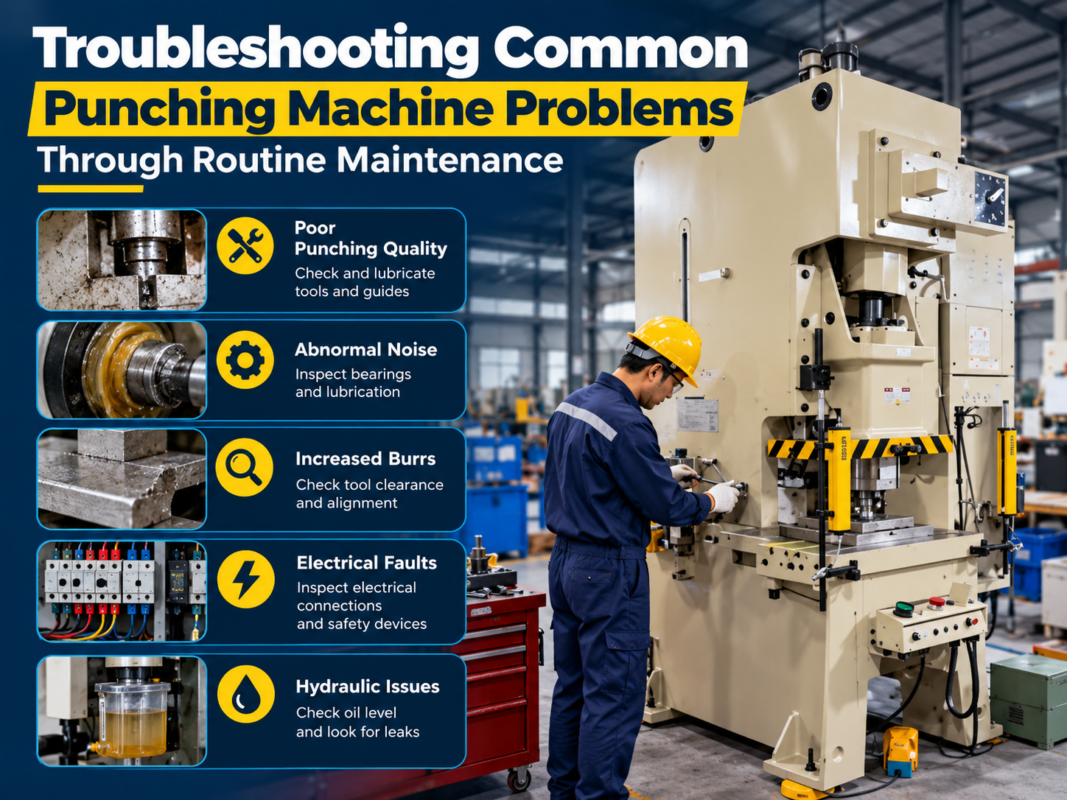
| Symptom | Potential Cause | Recommended Action |
|---|---|---|
| High-pitched squealing | Pump Cavitation | Clean/replace suction filters; check oil level. |
| Jerky ram movement | Air in the system | Bleed air from cylinders; check suction line fittings. |
| Grinding during backgauge movement | Lack of lubrication | Clean and grease ball screws and linear guides. |
| Ram drifting downward | Internal seal leakage | Inspect cylinder seals and check valves. |
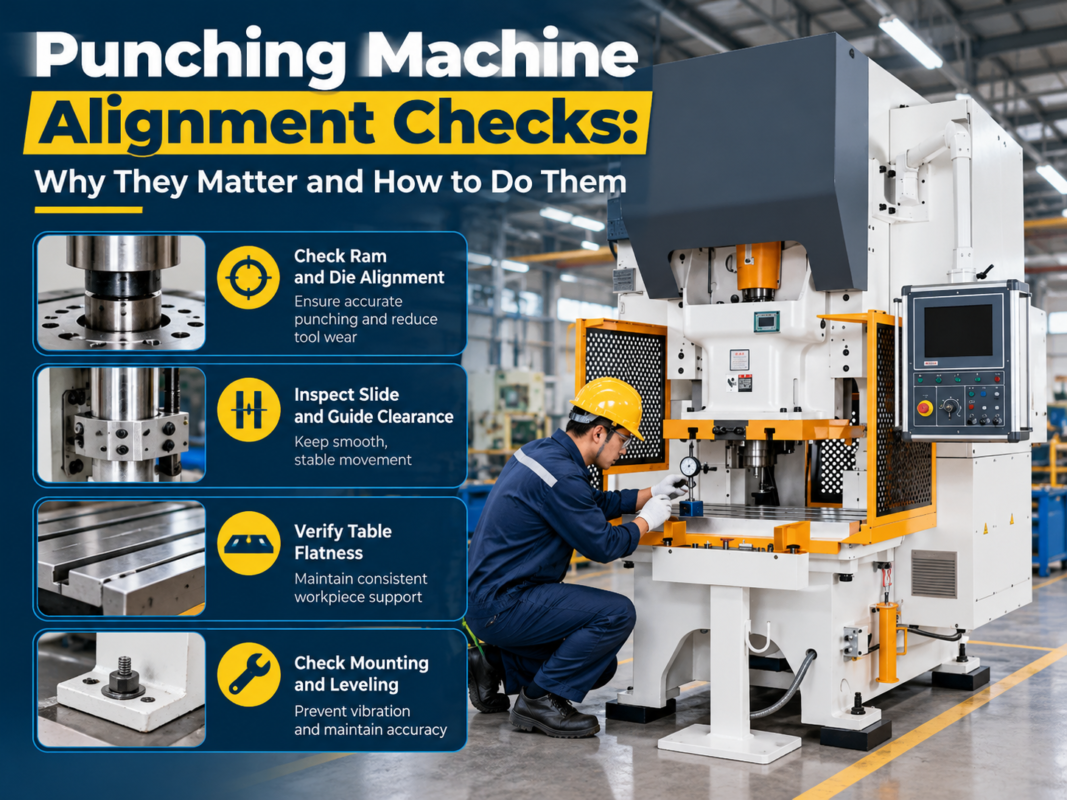
| Excessive frame vibration | Loose foundation bolts | Tighten anchor bolts and re-level the machine. |
| Chattering during bending | Gibs out of adjustment | Adjust gib clearance and apply proper lubricant. |
Selection Advice: Choosing a Machine to Minimize Issues
One of the best ways to troubleshoot press brake noise and vibration is to invest in a machine designed to prevent these issues from the start. When selecting a press brake, consider the following technical specifications that contribute to a quieter, smoother operation:
- Frame Rigidity: Look for machines with a heavy-duty, stress-relieved steel frame. A rigid frame absorbs vibrations that lighter frames would amplify.
- High-Quality Hydraulics: Brands like HARSLE utilize world-class components such as Bosch Rexroth or Hoerbiger valves. These components are engineered for smooth transitions and minimal noise.
- Pump Technology: Internal gear pumps are generally much quieter than external gear pumps. High-end piston pumps offer even better performance and longevity under high pressure.
- Inverter-Driven Motors: Modern press brakes often use servo-main motors or frequency inverters. These systems only run the pump at the speed required for the current task, significantly reducing noise during idle times and improving energy efficiency.
- Linear Guide Quality: Ensure the backgauge and ram guides use high-precision components (like HIWIN or PMI). Smooth movement at the mechanical level prevents the onset of vibration-induced wear.
By prioritizing these features during the procurement phase, you significantly reduce the long-term maintenance burden and ensure a more pleasant working environment for your operators.
Frequently Asked Questions (FAQ)
Q1: How often should I change the hydraulic oil to prevent noise?
Generally, hydraulic oil should be changed every 2,000 to 4,000 hours of operation, or at least once a year. However, you should perform oil analysis every six months. Contaminated oil is the leading cause of pump noise and valve failure. Always replace filters at the same time as the oil.
Q2: Why does my press brake vibrate more when bending thick plate?
Bending thick material requires higher pressure, which puts more stress on the frame and hydraulic system. If the machine is not properly leveled or if the tooling is not centered, the eccentric load can cause the frame to flex and vibrate. Ensure your machine is rated for the material thickness you are processing.
Q3: Can a noisy press brake still produce accurate parts?
While it might produce accurate parts in the short term, noise is a symptom of an underlying problem. Vibration, in particular, will eventually lead to the loosening of sensors, wear on precision guides, and fatigue in the hydraulic lines, all of which will eventually degrade accuracy and lead to machine failure.
Q4: What is the quickest way to bleed air from a press brake?
Most modern press brakes have a specific air-bleeding procedure involving cycling the ram to its maximum height and holding it under low pressure, or using bleed screws located at the top of the cylinders. Refer to your HARSLE manual for the specific sequence for your model.
Q5: Is it normal for the hydraulic pump to be hot?
The hydraulic system will generate heat during operation, but the oil temperature should typically stay below 60°C (140°F). If the pump or oil is excessively hot, it can lead to thinning of the oil, increased noise, and damage to seals. Check your cooling system or heat exchanger if temperatures spike.
Conclusion
Successfully learning how to troubleshoot press brake noise, vibration, and abnormal machine operation is a combination of technical knowledge and attentive observation. By understanding the language of your machine—the hum of the pump, the glide of the ram, and the stability of the frame—you can catch potential failures before they result in costly repairs. Regular maintenance, including lubrication, filter changes, and bolt tightening, remains the most effective defense against operational anomalies.
At HARSLE, we pride ourselves on manufacturing machinery that stands the test of time. However, the longevity of any industrial tool depends on the care it receives. By following the diagnostic steps outlined in this guide, you ensure that your press brake remains a reliable, precise, and safe asset in your fabrication shop for years to come. Remember, a quiet machine is a healthy machine, and a healthy machine is the key to a profitable business.