Press Brake Crowning Problems: How to Diagnose and Correct Uneven Bends


Introduction to Press Brake Crowning and Precision Bending
In the world of precision metal fabrication, accuracy is the cornerstone of quality. When working with a press brake, one of the most frustrating challenges operators face is the “canoe effect”—a phenomenon where the bend angle at the ends of a workpiece is correct, but the center is under-bent or bowed. This issue is fundamentally linked to Press Brake Crowning Problems: Diagnose Correct Uneven Bends. Understanding why this happens and how to mitigate it is essential for any shop aiming for high-tolerance production.
Press brakes, regardless of their build quality, are subject to the laws of physics. When the upper beam (ram) descends to press the punch into the die, the immense pressure causes both the ram and the lower bed to deflect or bow slightly. Because the hydraulic cylinders are typically located at the ends of the machine, the center of the beam experiences the most significant deflection. Without a compensation system, this results in an uneven distribution of force across the length of the workpiece, leading to inconsistent angles. This is where crowning systems come into play, designed to counteract this natural deflection and ensure a uniform bend from one end to the other.
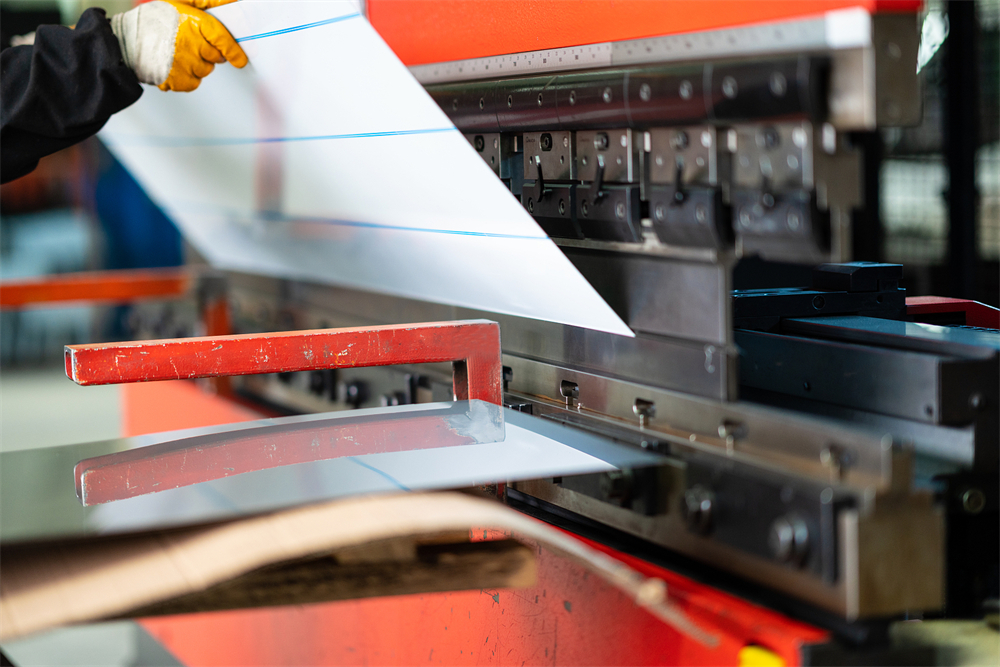
For manufacturers using HARSLE equipment or other high-end industrial machinery, maintaining the integrity of the crowning system is vital. A failure to diagnose and correct these uneven bends doesn’t just result in wasted material; it leads to increased secondary operations, delayed lead times, and potential damage to the machine’s structural components. In this comprehensive guide, we will explore the technical nuances of crowning, how to identify problems, and the best practices for ensuring every bend is perfect.
Key Considerations: Why Uneven Bends Occur
The Physics of Machine Deflection
Every press brake has a rated capacity, but even when operating well within those limits, the frame will flex. The side frames of the machine act as the primary support, but the horizontal beams (the ram and the bed) are essentially long beams supported at two points. When the load is applied in the middle, these beams naturally want to curve away from the force. This deflection is measured in microns, but in the world of sheet metal, a few microns can translate into several degrees of angular error.
The severity of this deflection depends on several factors, including the length of the machine, the thickness of the material, and the tensile strength of the metal being processed. For instance, bending stainless steel requires significantly more force than aluminum, which in turn increases the deflection of the machine frame. If the crowning system is not adjusted to match these variables, the resulting part will inevitably show signs of the canoe effect.
Material Variability and Tooling Wear
It is not always the machine’s fault. Sometimes, Press Brake Crowning Problems: Diagnose Correct Uneven Bends are exacerbated by the material itself. Variations in sheet thickness (even within the same batch) or changes in grain direction can affect how the metal responds to the bending force. If the material is thicker in the center than at the edges, it will resist the punch more, requiring more compensation.
Furthermore, worn tooling can mimic crowning issues. If the V-die is worn unevenly—often the case if a shop performs most of its small-part bending in the center of the machine—the center of the die will be deeper or wider than the ends. This creates an inconsistent bending environment that even the best crowning system cannot fully rectify without proper tool maintenance or replacement.
Machine Age and Structural Fatigue
Over years of heavy use, the structural integrity of a press brake can shift. While modern HARSLE machines are built for longevity, older equipment may suffer from permanent “set” in the frame or wear in the hydraulic seals of the crowning cylinders. Regular calibration is necessary to ensure that the feedback the CNC system receives matches the physical reality of the machine’s state. Ignoring these long-term changes is a primary cause of chronic uneven bending.
Technical Details: Diagnosing Crowning Issues
Step-by-Step Diagnosis Procedure
To effectively address Press Brake Crowning Problems: Diagnose Correct Uneven Bends, one must follow a systematic diagnostic approach. The goal is to isolate the machine’s deflection from other variables like material thickness or tooling errors.
- The Test Strip Method: Take a long strip of material (at least 60% of the bed length) and perform a single bend. Measure the angle at both ends and at the center using a precision protractor or a digital angle finder. If the ends are 90 degrees but the center is 92 degrees, you have a clear case of under-compensation (deflection).
- Dial Indicator Test: Place a dial indicator on the bed and move the ram down to a specific point (without material). Observe the deviation across the length of the bed. This helps identify if the bed itself is level or if there is a mechanical misalignment.
- Check Crowning System Response: Manually adjust the crowning settings on the CNC controller. Observe if the mechanical wedges move freely or if the hydraulic pressure increases as expected. Often, the problem is a seized wedge or a faulty proportional valve in the hydraulic circuit.
Hydraulic vs. Mechanical Crowning Systems
Understanding the type of system you are working with is crucial for correction. Hydraulic crowning uses cylinders built into the lower table. When the machine senses a load, these cylinders apply upward pressure to the center of the bed. Problems here often stem from air in the lines, leaking seals, or sensor calibration issues.
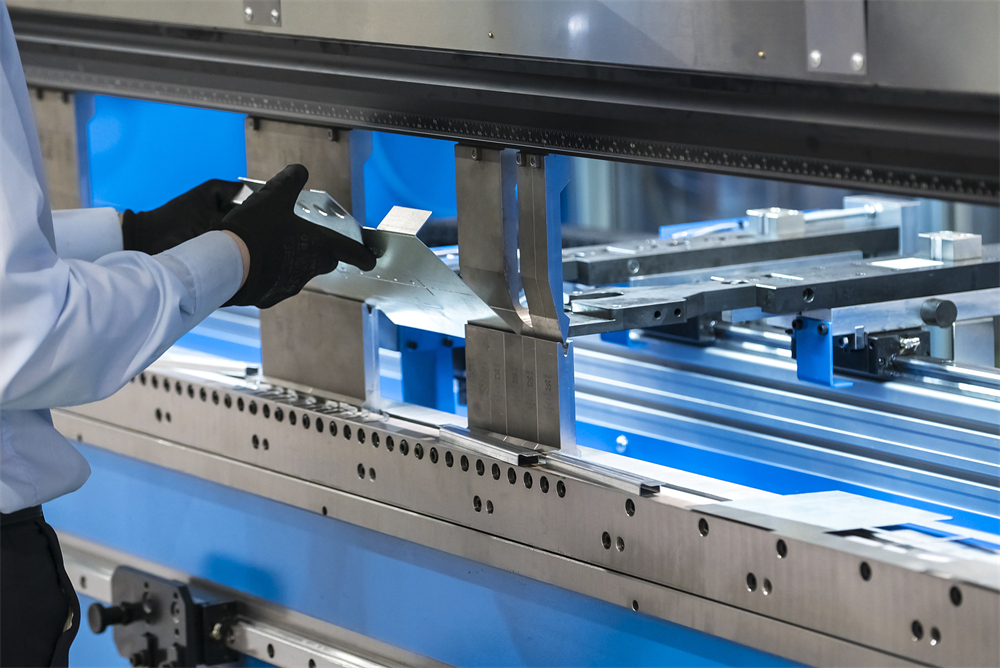
Mechanical crowning, on the other hand, utilizes a series of opposing wedges in the lower bed. A motor drives these wedges to create a curve in the bed. This system is often preferred for its consistency and lack of “drift” compared to hydraulics. However, if dust or metal shavings enter the wedge mechanism, it can jam, leading to uneven compensation. Regular cleaning and lubrication are the primary fixes for mechanical crowning problems.
The Role of the CNC Controller
Modern CNC controllers use complex algorithms to calculate the required crowning based on the material type, thickness, length, and the specific V-die being used. If the operator inputs incorrect data—such as the wrong material tensile strength—the controller will calculate the wrong amount of crowning. Always verify that the software parameters match the physical setup. In many cases, “correcting” an uneven bend is as simple as updating the material database in the machine’s computer.
Selection Advice: Choosing and Maintaining the Right System
When to Choose Mechanical Crowning
If your shop focuses on high-precision, long-run production, mechanical crowning is often the superior choice. It provides a very stable and repeatable curve. When selecting a machine, look for systems that offer “point-to-point” adjustment, allowing you to fine-tune specific areas of the bed. This is particularly useful if your machine has developed slight localized wear over time. HARSLE offers several models with advanced mechanical compensation that integrate seamlessly with Delem or Cybelec controllers.
When to Choose Hydraulic Crowning
Hydraulic crowning is excellent for job shops that handle a wide variety of materials and thicknesses. Because the system responds dynamically to the pressure sensed during the bend, it can be more “forgiving” of material variations. However, it requires more diligent maintenance of the hydraulic fluid and seals. If you choose a hydraulic system, ensure it has a high-quality proportional valve, as this is the heart of the compensation accuracy.
Maintenance Checklist for Crowning Accuracy
To prevent Press Brake Crowning Problems: Diagnose Correct Uneven Bends from occurring in the first place, implement a strict maintenance schedule:
- Weekly: Clean the lower bed and the area around the crowning wedges or cylinders. Remove all scale and debris.
- Monthly: Check the lubrication levels of the crowning drive motor and wedges. For hydraulic systems, inspect for any signs of weeping or leaks around the compensation cylinders.
- Quarterly: Perform a full-length test bend and compare the results to the machine’s factory calibration records. If the deviation exceeds 0.5 degrees, recalibrate the CNC crowning parameters.
- Annually: Have a professional technician inspect the structural integrity of the ram and bed to ensure no permanent deformation has occurred.
Frequently Asked Questions (FAQ)
What is the “Canoe Effect” in press brake bending?
The canoe effect refers to a bend where the middle of the part is less bent than the ends, creating a bowed shape similar to a canoe. This is caused by the machine’s beam and bed deflecting under pressure, which reduces the effective stroke of the punch in the center of the machine.
Can I fix crowning problems by just increasing the tonnage?
No. In fact, increasing the tonnage without proper crowning compensation will likely worsen the problem. Higher tonnage increases the deflection of the frame, making the center of the bend even wider. The solution is to adjust the crowning system to push the center of the bed up, not to simply press harder.
How do I know if my crowning motor is failing?
If you adjust the crowning setting on your CNC and you hear a grinding noise, or if the digital readout changes but the physical bend angle remains the same, the motor or the linkage to the wedges may be failing. You can also visually inspect the wedges to see if they are moving when the command is given.
Does the width of the V-die affect crowning?
Yes, significantly. A narrower V-die requires more force to bend the same material, which increases machine deflection. When changing to a narrower die, you must ensure the CNC controller is updated so it can calculate the increased crowning compensation required for that specific setup.
Is manual crowning still relevant?
While CNC-controlled crowning is standard on modern machines, manual crowning (where the operator adjusts the bed via a hand crank) is still found on entry-level or older machines. It is effective but requires a highly skilled operator who can accurately interpret test bends and make manual adjustments.
Conclusion: Mastering Precision with HARSLE
Successfully managing Press Brake Crowning Problems: Diagnose Correct Uneven Bends is the difference between a profitable fabrication shop and one plagued by rework and scrap. By understanding the mechanical and hydraulic principles behind crowning, operators can move beyond guesswork and apply scientific solutions to bending challenges. Whether it is through regular maintenance, precise CNC data entry, or choosing the right machine for the job, crowning compensation is a vital skill in the modern industrial landscape.
At HARSLE, we prioritize the integration of high-precision crowning systems in all our press brakes. We understand that our customers’ success depends on the accuracy of every single part they produce. By following the diagnostic steps and maintenance routines outlined in this guide, you can ensure that your equipment remains a reliable asset for years to come. Remember, a perfectly straight bend isn’t just a sign of a good machine; it’s a sign of a well-maintained and expertly operated production environment. Stay diligent, keep your equipment calibrated, and always aim for the highest standards in metal fabrication.