Press Brake Repeatability Problems: How to Identify and Resolve Accuracy Drift


Introduction to Press Brake Repeatability and Accuracy Drift
In the world of high-precision metal fabrication, the difference between a perfect component and a piece of scrap often comes down to fractions of a millimeter. For operators and shop managers, Press Brake Repeatability Problems: Identify Resolve Accuracy Drift is more than just a technical hurdle; it is a critical factor that influences the bottom line, material waste, and client satisfaction. Repeatability refers to the machine’s ability to return to the exact same position, stroke after stroke, under the same conditions. When a machine suffers from accuracy drift, the first bend of the day may look perfect, but by mid-afternoon, the angles begin to deviate, leading to inconsistent batches and costly rework.
Understanding the nuances of repeatability versus absolute accuracy is the first step in troubleshooting. While accuracy is the machine’s ability to hit a specific target value, repeatability is the consistency of those hits. A machine can be inaccurate but highly repeatable (which can often be corrected via software offsets), but a machine with poor repeatability is unpredictable and far more difficult to manage. This guide explores the root causes of these fluctuations, how to diagnose them in a production environment, and the technical steps required to restore your press brake to peak performance.
Key Considerations: Identifying the Symptoms of Accuracy Drift
Identifying Press Brake Repeatability Problems: Identify Resolve Accuracy Drift requires a keen eye for detail and a systematic approach to data collection. The most common symptom is angle inconsistency across a single production run. If the operator finds themselves constantly adjusting the Y-axis depth or the crowning settings despite using the same material batch, the machine is likely experiencing drift. This drift can be linear, where the error increases over time, or erratic, where the results fluctuate without a clear pattern.
Another key indicator is flange length variation. While often attributed to the backgauge, flange length issues can also stem from the ram’s failure to seat correctly or inconsistencies in the clamping pressure. Fabricators should implement a “First Piece vs. Last Piece” inspection protocol. By measuring the dimensions of the first part of a shift and comparing them to the hundredth part, shops can quantify the rate of drift. If the deviation exceeds the machine’s original specifications (typically +/- 0.01mm for high-end CNC models), an investigation into the mechanical and hydraulic systems is necessary.
Environmental factors also play a significant role. Temperature fluctuations in the shop can cause the hydraulic oil to change viscosity, which directly impacts the responsiveness of the proportional valves. Furthermore, thermal expansion of the machine frame itself, though minute, can shift the zero-point of the linear scales. Identifying whether the drift correlates with the time of day or the ambient temperature is a vital clue in resolving the issue. If the machine performs better in the morning than in the heat of the afternoon, the cooling system or oil quality is the likely culprit.
Technical Details: Root Causes of Repeatability Issues
1. Hydraulic System Instability
The heart of a hydraulic press brake is its fluid power system. Repeatability is heavily dependent on the precision of the proportional valves and the consistency of the hydraulic oil. Over time, hydraulic oil degrades, losing its viscosity and becoming contaminated with microscopic particles. These contaminants can cause the valves to stick or respond sluggishly, leading to variations in the ram’s descent and reversal points. Furthermore, air trapped in the hydraulic lines can compress, creating a “spongy” effect that makes precise positioning impossible.
2. Mechanical Wear and Gib Adjustment
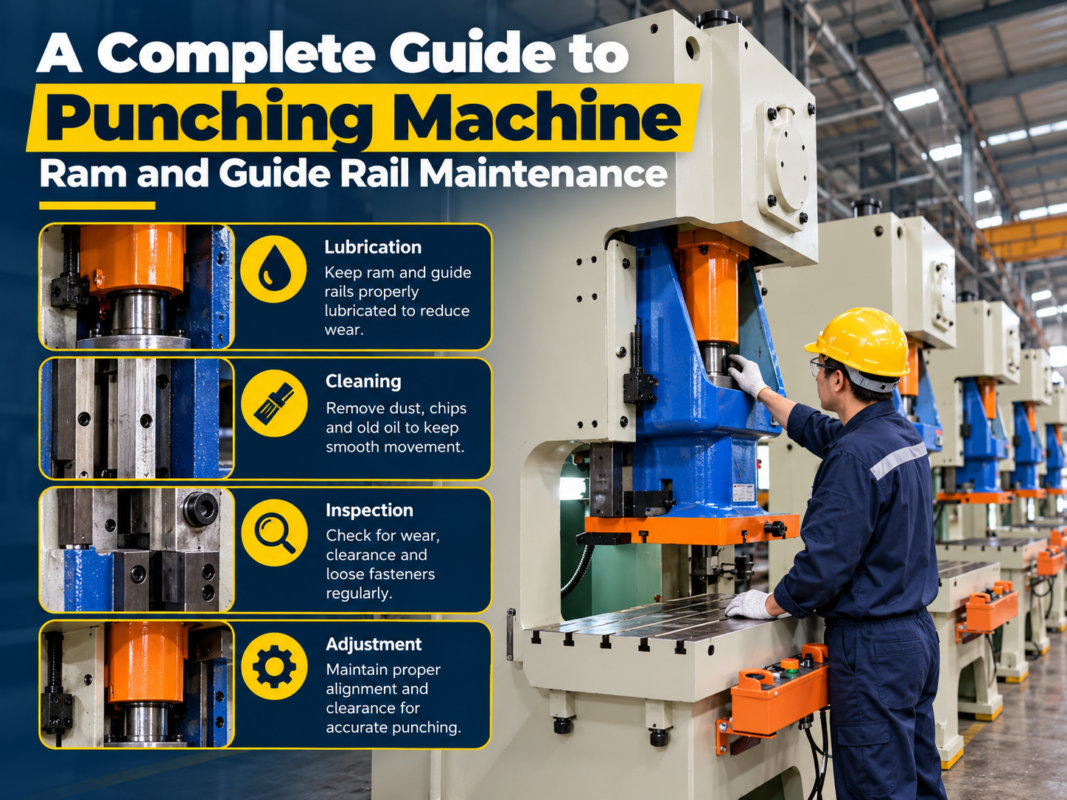
The ram of a press brake travels along guides known as gibs. These gibs are designed to keep the ram perfectly aligned with the bed. However, through thousands of cycles, the friction surfaces can wear down. If the gibs become loose, the ram may “float” or tilt slightly during the bending process. This mechanical play is a primary cause of Press Brake Repeatability Problems: Identify Resolve Accuracy Drift. Regular inspection and tightening of the gibs to the manufacturer’s specifications are essential to ensure the ram moves only in its intended vertical plane.
3. Linear Scale and Encoder Errors
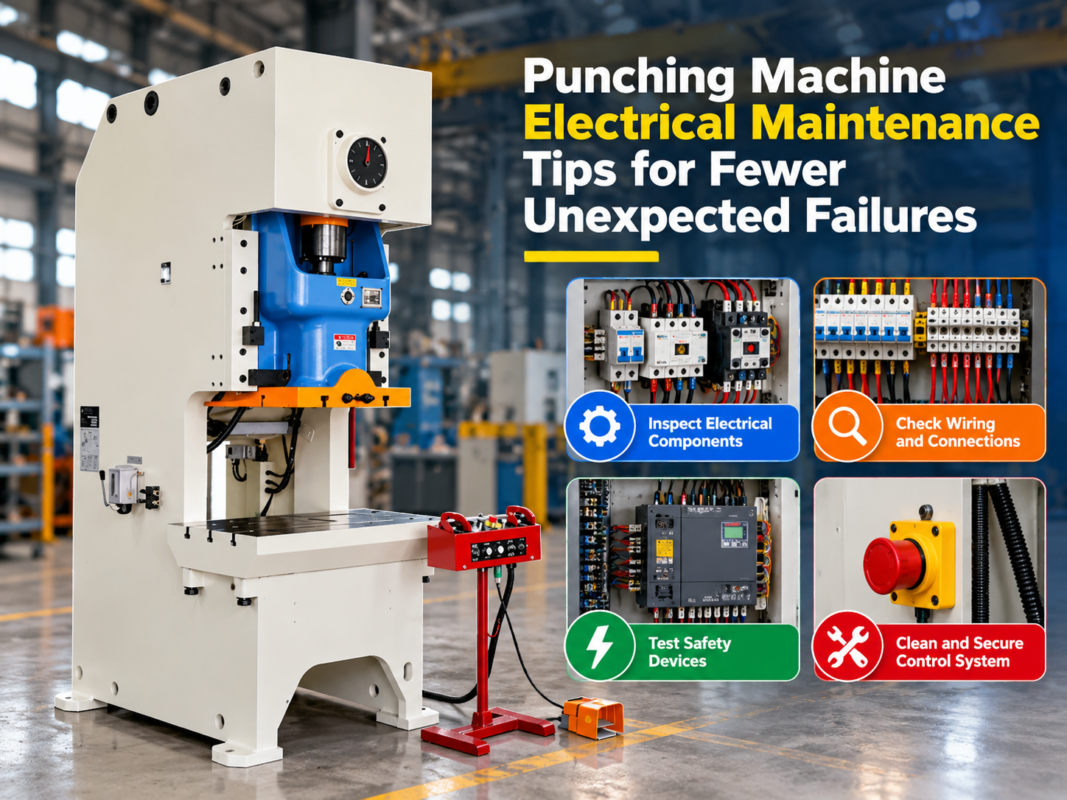
Modern CNC press brakes rely on linear scales (usually mounted on the C-frames) to provide real-time feedback on the ram’s position. If these scales become dirty, oily, or loose, the feedback loop is compromised. A scale that has shifted even slightly due to vibration will send incorrect data to the controller, causing the ram to stop at the wrong depth. Additionally, electrical interference from nearby high-voltage equipment can sometimes corrupt the signal from the encoders, leading to erratic behavior that mimics mechanical failure.
4. Tooling and Bed Deflection
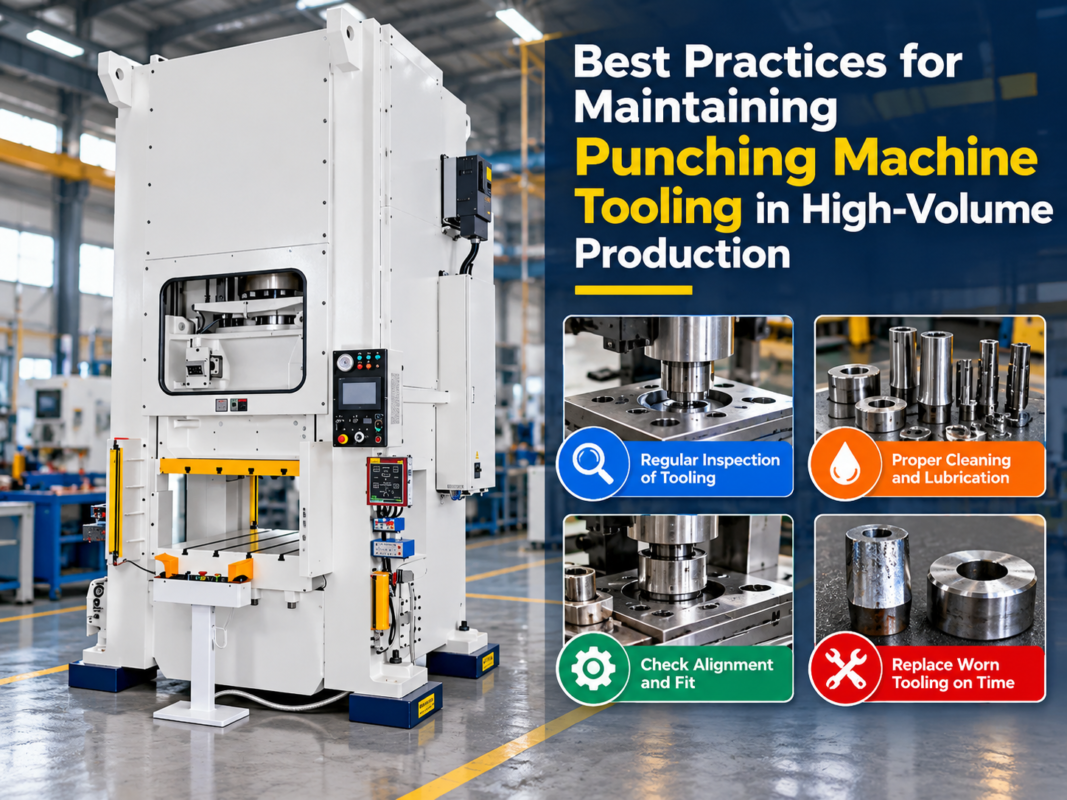
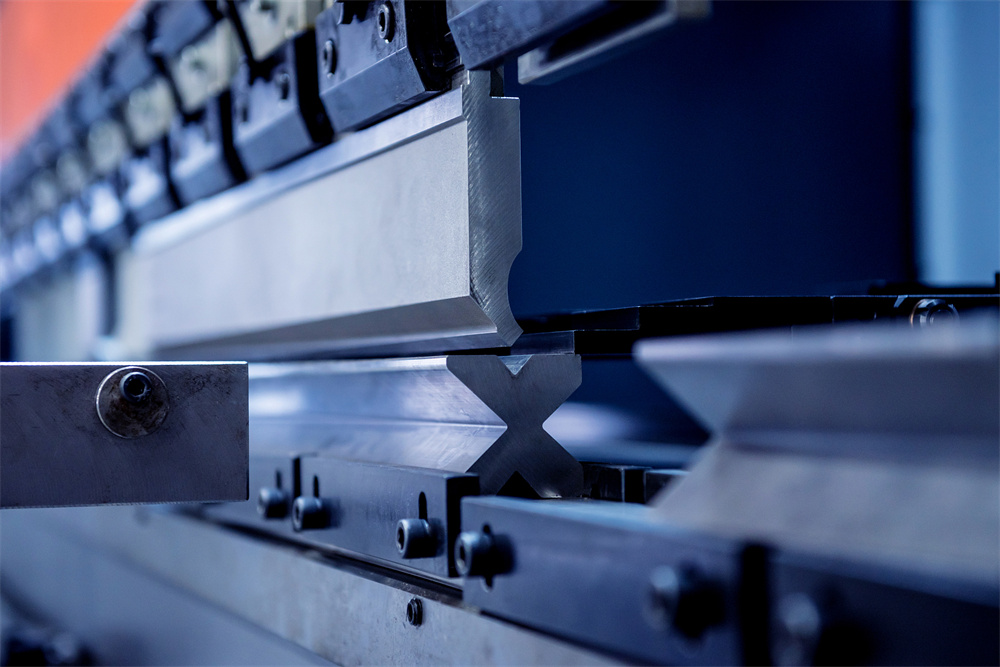
Sometimes the problem isn’t the machine, but the interface between the machine and the metal. Worn tooling—where the radius of the punch or the shoulders of the die have flattened—will produce inconsistent results. Furthermore, if the machine’s crowning system (which compensates for bed deflection) is not functioning correctly, the center of the bend will differ from the ends. This is often mistaken for a repeatability issue when it is actually a structural compensation failure. Ensuring that the crowning system is calibrated and that the tooling is within its service life is a prerequisite for accurate bending.
Selection Advice: Choosing Equipment to Minimize Drift
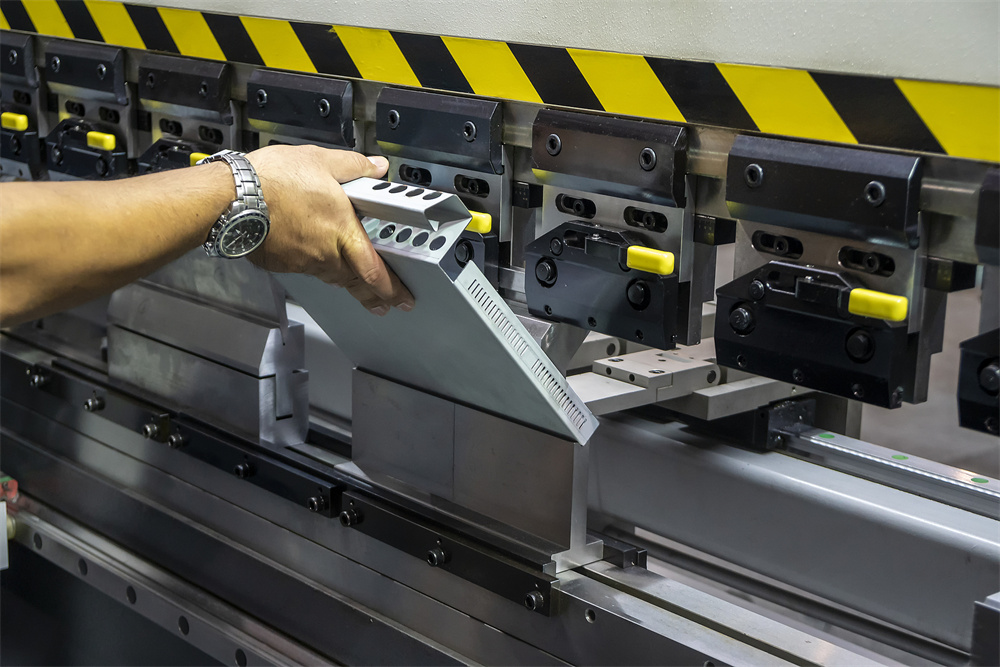
When purchasing new machinery, selecting a model designed to combat Press Brake Repeatability Problems: Identify Resolve Accuracy Drift is the best long-term strategy. Not all press brakes are created equal; the architecture of the machine determines its inherent stability. For instance, Synchronized CNC (Y1/Y2) machines offer significantly better repeatability than older torsion bar designs because they use independent hydraulic circuits and electronic feedback for each side of the ram.
Look for machines with high-quality components from reputable brands. For example, HARSLE utilizes premium proportional valves (such as Rexroth or Hoerbiger) and high-resolution linear scales (such as Heidenhain or Givi Misura). These components are engineered to withstand the rigors of industrial use and maintain their calibration over millions of cycles. Additionally, consider the frame construction. A heavy, stress-relieved O-frame or a robust C-frame with throat reinforcement will flex less under load, providing a more stable platform for precision work.
Another critical feature is the cooling system. As discussed, oil temperature affects repeatability. Machines equipped with active oil coolers or heat exchangers maintain a consistent oil viscosity, which is essential for shops operating in non-climate-controlled environments. Finally, evaluate the CNC controller’s software capabilities. Advanced controllers can compensate for material thickness variations and springback in real-time, effectively masking minor mechanical drifts and ensuring a consistent final product.
Maintenance Checklist for Resolving Accuracy Drift
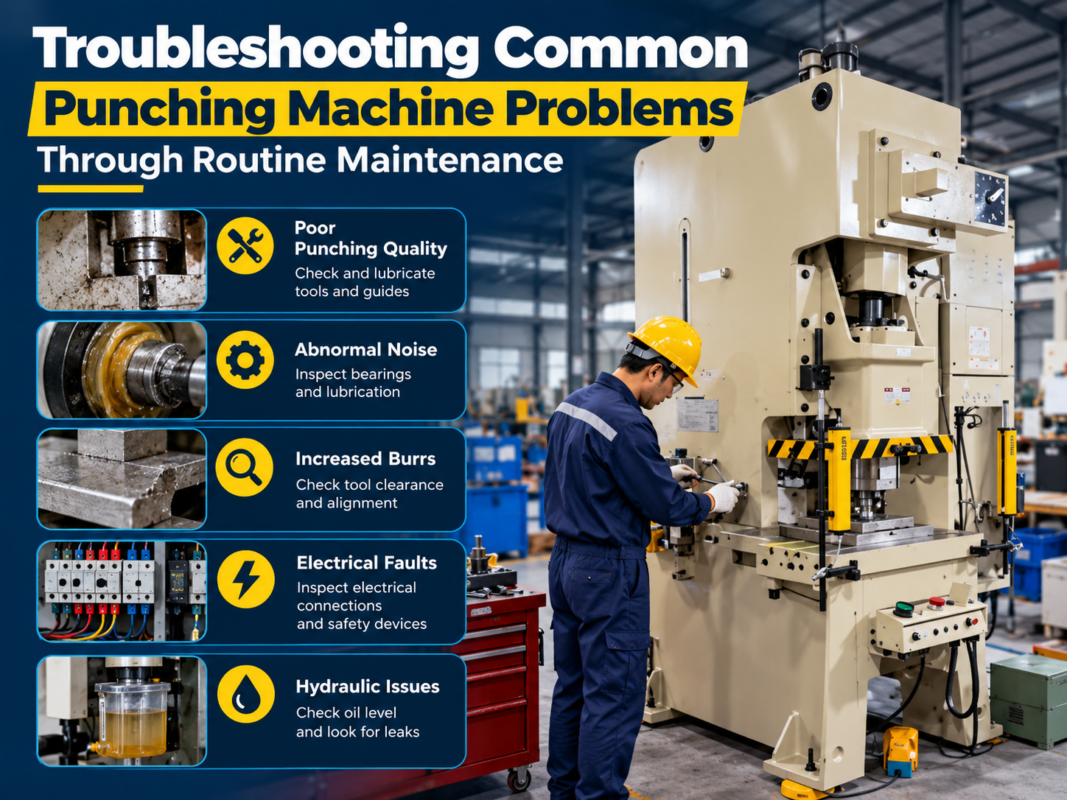
To resolve existing repeatability issues, follow this technical checklist:
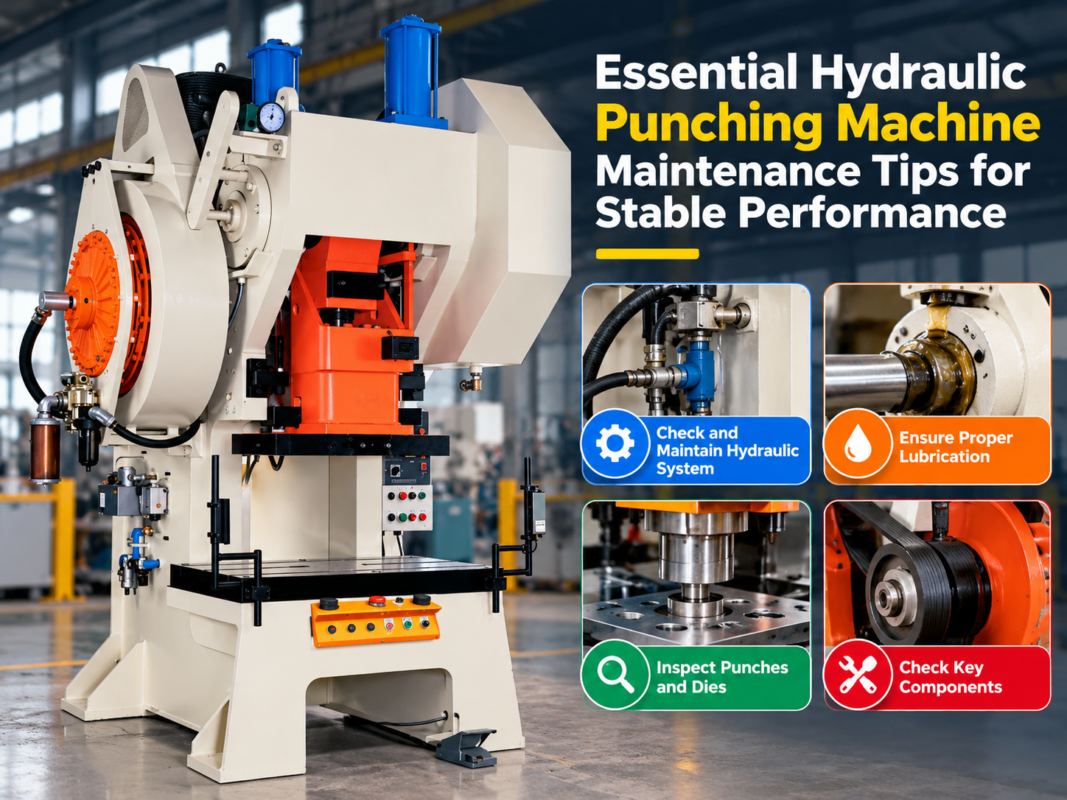
- Hydraulic Fluid Audit: Check oil levels, clarity, and temperature. Replace filters every 2,000 hours and perform an oil analysis to check for metal shavings or chemical breakdown.
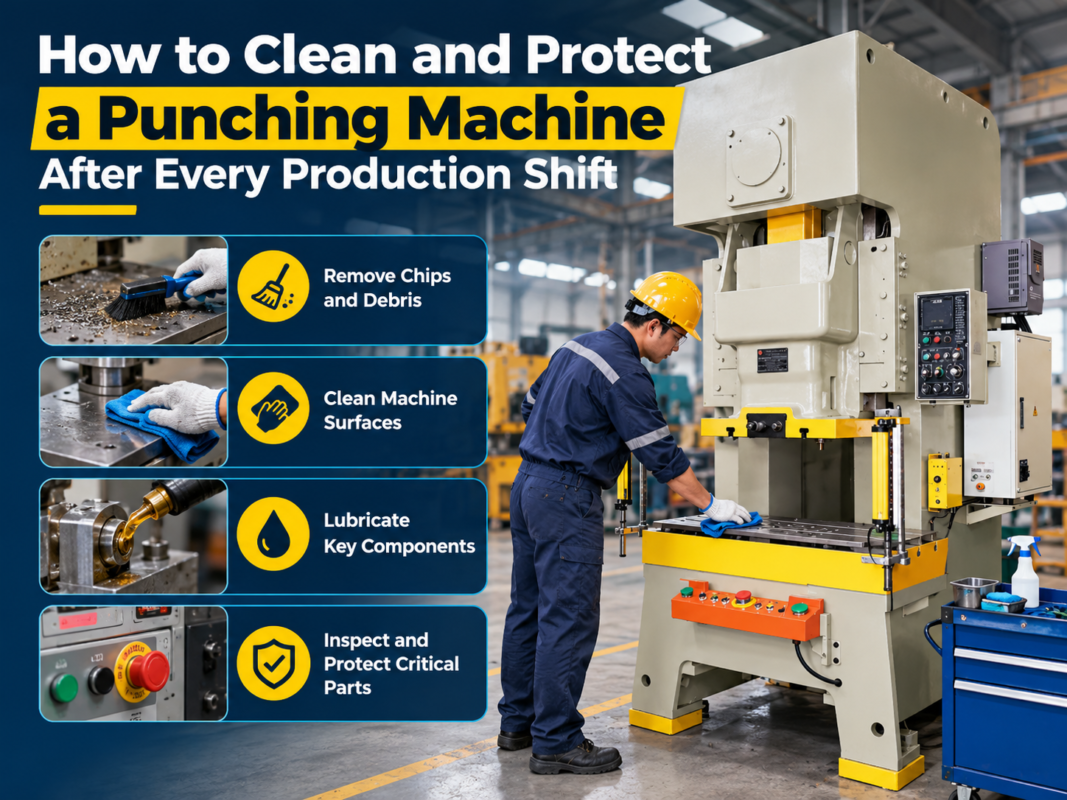
- Linear Scale Cleaning: Carefully clean the glass scales with alcohol and ensure the reader heads are securely mounted and free of debris.
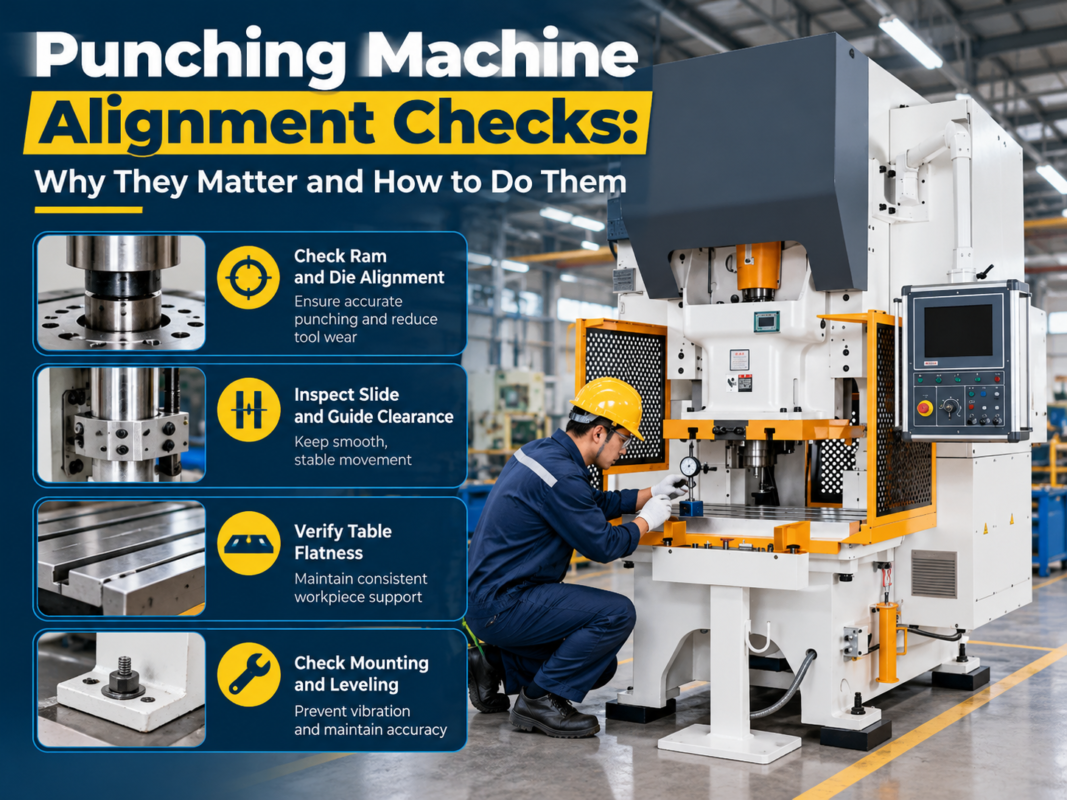
- Gib and Guide Lubrication: Ensure the ram guides are properly lubricated. Check for excessive play and adjust the gib clearance according to the machine manual.
- Backgauge Calibration: Use a dial indicator to verify that the backgauge moves to the exact position commanded by the CNC. Check for backlash in the ball screws.
- Tooling Inspection: Use a micrometer to check for wear on the punch tips and die V-openings. Even 0.1mm of wear can change the bend angle by a full degree.
- Leveling the Machine: A press brake that is not perfectly level will experience uneven stress on the frame, leading to long-term accuracy problems. Use a precision level to verify the bed’s orientation.
FAQ: Common Questions on Press Brake Repeatability
Why does my press brake lose accuracy as the day progresses?
This is usually due to thermal expansion. As the machine runs, the hydraulic oil heats up, changing its viscosity and affecting the valve response times. Additionally, the machine frame itself expands slightly as it warms, which can shift the reference points for the linear scales. Ensuring proper oil cooling and a warm-up period in the morning can help mitigate this.
Can software offsets fix repeatability problems?
Software offsets are a “band-aid” for accuracy issues, not a fix for repeatability problems. If the error is consistent (e.g., always 1 degree over), an offset works. If the error is inconsistent (e.g., sometimes 1 degree over, sometimes 0.5 degrees under), an offset will not help because the machine is not returning to a predictable state.
How often should I calibrate my CNC press brake?
For high-precision shops, a quick daily check of the zero-points is recommended. A full mechanical and electronic calibration should be performed annually or whenever the machine is moved. If you notice a sudden spike in scrap rates, an immediate calibration check is necessary.
Does material quality affect machine repeatability?
Yes. Variations in material thickness, tensile strength, and grain direction will cause different amounts of springback. While this isn’t a fault of the machine’s repeatability, it appears as accuracy drift. Using high-quality, consistent material or a machine with real-time angle measurement systems can solve this.
Conclusion: Maintaining the Edge in Precision Fabrication
Mastering Press Brake Repeatability Problems: Identify Resolve Accuracy Drift is an ongoing process of maintenance, monitoring, and technical expertise. By understanding that repeatability is the result of a harmonious relationship between hydraulics, mechanics, and electronics, fabricators can move from reactive troubleshooting to proactive optimization. A well-maintained press brake not only produces better parts but also extends the lifespan of the tooling and reduces the physical strain on the machine’s components.
At HARSLE, we understand that precision is the cornerstone of your business. Our range of CNC press brakes is engineered with the highest standards of rigidity and technological integration to ensure that accuracy drift is a thing of the past. By investing in quality equipment and following a rigorous maintenance schedule, you can ensure that every bend is as perfect as the first, securing your reputation for quality in a competitive marketplace. Whether you are working with thin gauge stainless steel or heavy plate, the principles of repeatability remain the same: monitor your data, maintain your hardware, and never settle for “close enough.”