Industrial Press Brake Applications for Custom Metal Workshops: A Comprehensive Guide


Introduction to Modern Metal Bending in Custom Environments
In the rapidly evolving landscape of metal fabrication, the demand for precision, versatility, and efficiency has never been higher. For custom metal workshops, the ability to transition from a simple bracket design to a complex, multi-bend architectural component is the hallmark of a successful operation. Central to this versatility is the industrial press brake. Understanding the breadth of Industrial Press Brake Applications Custom Metal Workshops encounter daily is essential for any business looking to scale its production capabilities and improve its bottom line.
HARSLE has long been at the forefront of providing high-performance machinery that bridges the gap between heavy industrial capacity and the nuanced needs of custom fabricators. A press brake is no longer just a machine that bends metal; it is a sophisticated CNC-controlled system capable of executing intricate geometries with micron-level accuracy. Whether you are working with thin-gauge aluminum for decorative panels or high-tensile steel for structural components, the right press brake setup determines your workshop’s competitive edge.
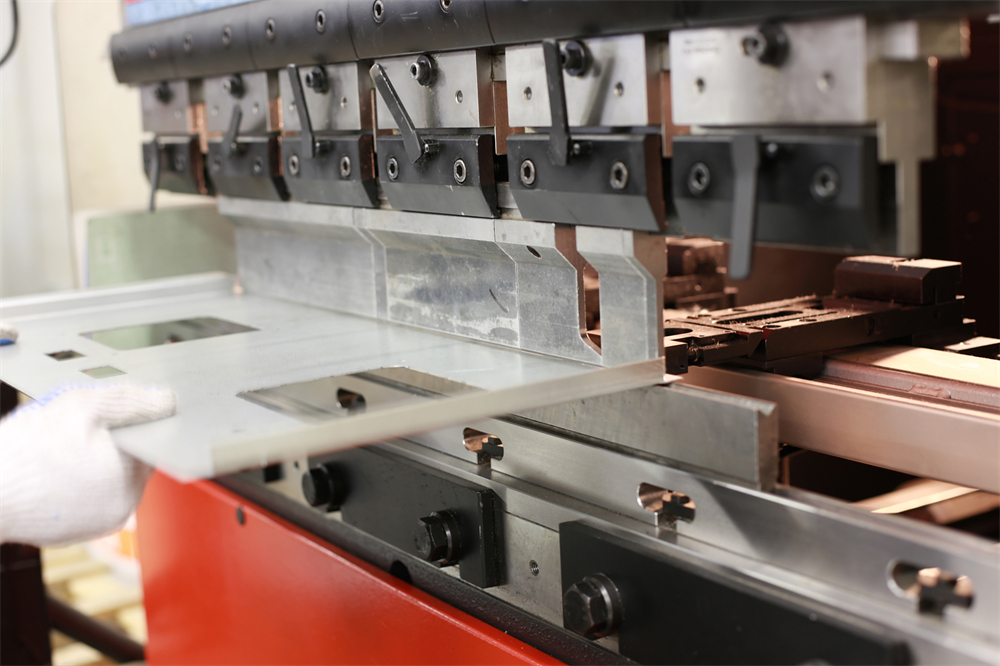
Custom workshops face unique challenges compared to mass-production facilities. They often deal with small batch sizes, frequent tool changes, and a wide variety of materials. This requires a machine that is not only powerful but also intuitive and quick to set up. In this guide, we will explore the various applications of industrial press brakes in custom settings, the technical specifications that drive their performance, and how to select the ideal machine for your specific fabrication needs.
Key Considerations for Industrial Press Brake Applications Custom Metal Workshops
When integrating a press brake into a custom workshop, several factors must be weighed to ensure the investment yields the highest return. The first consideration is the diversity of materials. Custom shops rarely stick to one type of metal. You might find yourself bending 304 stainless steel in the morning and 6061 aluminum in the afternoon. Each material has a different K-factor, tensile strength, and springback characteristic. An industrial press brake must be equipped with a controller that can store these material profiles to minimize trial-and-error waste.
Tonnage and bending length are the two most critical physical specifications. For custom workshops, it is often better to have a slight surplus of tonnage than to be limited by a machine that cannot handle thicker plates. However, excessive tonnage on very thin materials can lead to precision issues if the machine lacks a sophisticated crowning system. The length of the bed determines the maximum size of the workpiece, but it also dictates the ability to set up multiple tool stations along the bed for complex, sequential bends.
Another vital consideration is the complexity of the parts. Simple 90-degree bends are the bread and butter of fabrication, but custom work often involves offset bends, radius bending, and hemming. The number of axes on the backgauge (X, R, Z1, Z2, etc.) directly impacts the speed and accuracy with which these complex parts can be produced. A 4-axis or 6-axis backgauge allows for the positioning of asymmetrical parts, reducing the need for manual marking and increasing safety for the operator.
Finally, the software ecosystem cannot be overlooked. Modern Industrial Press Brake Applications Custom Metal Workshops rely on offline programming. This allows engineers to simulate the bending process on a computer, identifying potential collisions or tool interference before the first piece of metal is even loaded onto the machine. HARSLE machines integrated with Delem or Cybelec controllers offer seamless compatibility with major CAD/CAM software, ensuring that the transition from design to finished product is as smooth as possible.
Technical Details: The Mechanics of Precision Bending
To truly appreciate the capabilities of a HARSLE press brake, one must delve into the technical mechanics that govern its operation. The heart of the machine is the hydraulic system, which, in modern electro-hydraulic synchronous models, uses proportional valves to ensure that the ram remains perfectly level throughout the stroke. This synchronization is monitored by linear encoders on both sides of the machine, providing real-time feedback to the CNC controller.
One of the most significant technical advancements in recent years is the introduction of advanced crowning systems. When a press brake applies pressure to a workpiece, the bed and the ram naturally deflect or ‘bow’ slightly. Without compensation, this results in a ‘canoe effect’ where the bend angle in the middle of the part is different from the angles at the ends. Industrial press brakes for custom workshops utilize either hydraulic crowning (built into the lower table) or mechanical crowning (using a series of wedges) to counteract this deflection, ensuring a uniform angle across the entire length of the bend.

Tooling is another technical pillar. The choice between standard European-style tooling and New Standard (Wila-style) tooling affects setup times and accuracy. For custom workshops, quick-change clamping systems are a game-changer. These systems allow operators to swap out punches and dies in seconds rather than minutes, which is crucial when a single shift might involve ten different small-batch jobs. Furthermore, the use of specialized tools like gooseneck punches for deep channels or multi-V dies for varying thicknesses adds to the machine’s versatility.
The Role of CNC Controllers
The CNC controller is the brain of the operation. In the context of Industrial Press Brake Applications Custom Metal Workshops, the controller does more than just move the ram. It calculates the required pressure based on material thickness and length, determines the correct backgauge position, and even suggests the optimal bending sequence to avoid collisions. High-end controllers like the Delem DA-66T offer 2D and 3D graphical interfaces, making it easier for operators to visualize the part and the bending process, which significantly reduces the learning curve for new staff.
Selection Advice: Choosing the Right Machine for Your Workshop
Selecting the right press brake requires a deep dive into your current production data and your future growth projections. Start by auditing your most common jobs. What is the maximum thickness and length you currently handle? If you primarily work with 3-meter sheets of 6mm mild steel, a 125-ton to 160-ton machine with a 3200mm bed is a standard starting point. However, if you plan to move into heavy equipment repair or structural steel, you might need to look at 250 tons or more.
Consider the ‘Custom’ aspect of your workshop. If your work is highly varied, prioritize a machine with a high-speed backgauge and a user-friendly CNC interface. The time saved in setup and programming will often outweigh the initial cost difference of a more advanced model. Additionally, look for machines that offer ‘Energy Saving’ modes. HARSLE’s servo-hybrid systems only run the main motor when the machine is actually bending, which can reduce electricity costs by up to 50%—a significant factor for smaller workshops with fluctuating workloads.
A Checklist for Buyers
- Tonnage Calculation: Ensure the machine can handle your thickest material at the smallest V-opening you intend to use.
- Backgauge Axes: At a minimum, look for X and R axes. For complex custom work, Z1 and Z2 (independent finger movement) are highly recommended.
- Crowning System: Never compromise on crowning if you are bending parts longer than 2 meters.
- Safety Features: Ensure the machine is equipped with CE-compliant laser protection (like DSP or LazerSafe) to protect operators without slowing down production.
- After-Sales Support: Choose a manufacturer like HARSLE that provides robust technical support and readily available spare parts.
Industrial Applications in Detail
The versatility of the press brake allows it to serve a multitude of industries. In the Automotive Industry, custom workshops use press brakes to create everything from roll cages and chassis reinforcements to intricate dashboard components. The ability to repeat bends with high precision ensures that parts fit perfectly during assembly, reducing the need for manual grinding or adjustment.
In HVAC and Ductwork, the press brake is used to create large enclosures, specialized transitions, and heat exchanger components. Here, the speed of the machine and the ability to handle large, thin sheets are paramount. Precision bending ensures that joints are tight, which is critical for the efficiency of air handling systems.
Architectural Metalwork is perhaps where custom workshops shine the most. From decorative facades and staircases to custom furniture and lighting fixtures, the press brake allows designers to push the boundaries of what is possible with metal. The use of non-marking dies and precision crowning ensures that the aesthetic finish of the material—whether it be brushed stainless or anodized aluminum—is preserved throughout the bending process.
| Industry | Common Applications | Key Machine Requirement |
|---|---|---|
| Automotive | Brackets, Chassis, Body Panels | High Precision & Repeatability |
| HVAC | Ducts, Enclosures, Vents | Large Bed Length & Speed |
| Aerospace | Structural Ribs, Interior Panels | Advanced CNC & Material Tracking |
| Construction | Structural Beams, Facades | High Tonnage & Crowning |
| Furniture | Frames, Shelving, Decorative | Non-marking Tooling |
Maintenance and Longevity of Industrial Press Brakes
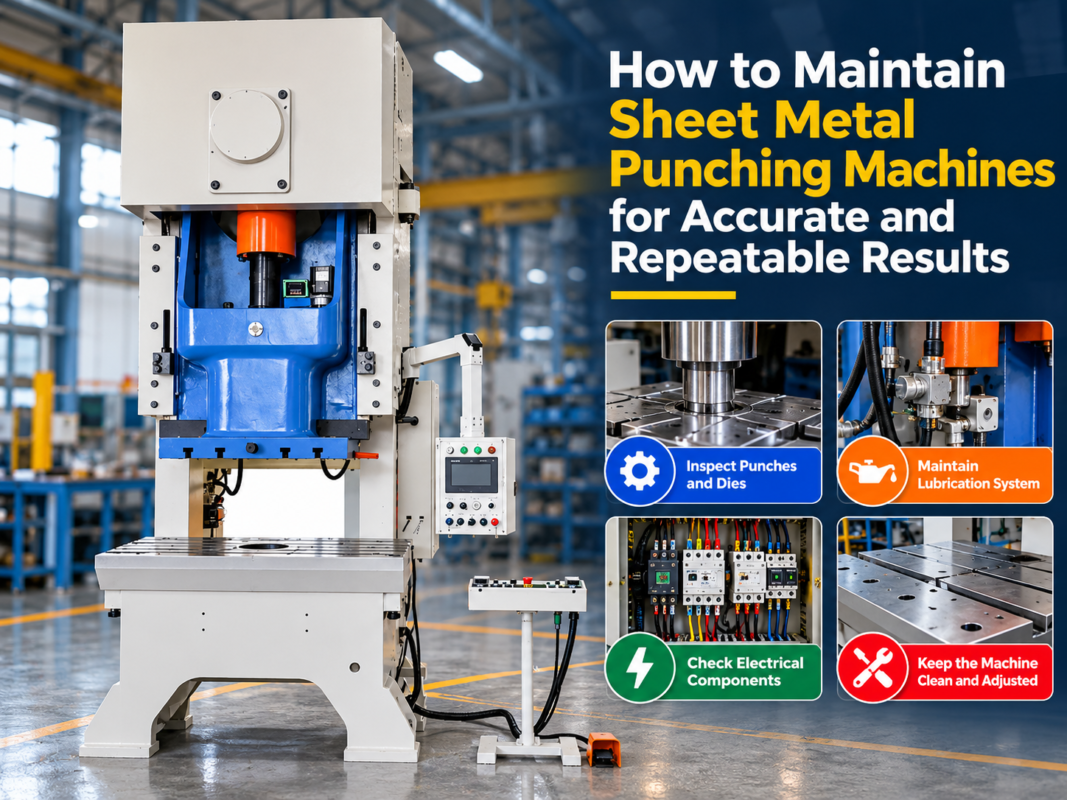
An industrial press brake is a significant investment, and proper maintenance is the only way to ensure it remains a productive asset for decades. The most critical aspect of maintenance is the hydraulic system. Regularly checking oil levels, changing filters, and monitoring for leaks will prevent catastrophic pump or valve failures. It is also essential to use the correct grade of hydraulic oil as specified by HARSLE to ensure optimal performance in varying ambient temperatures.
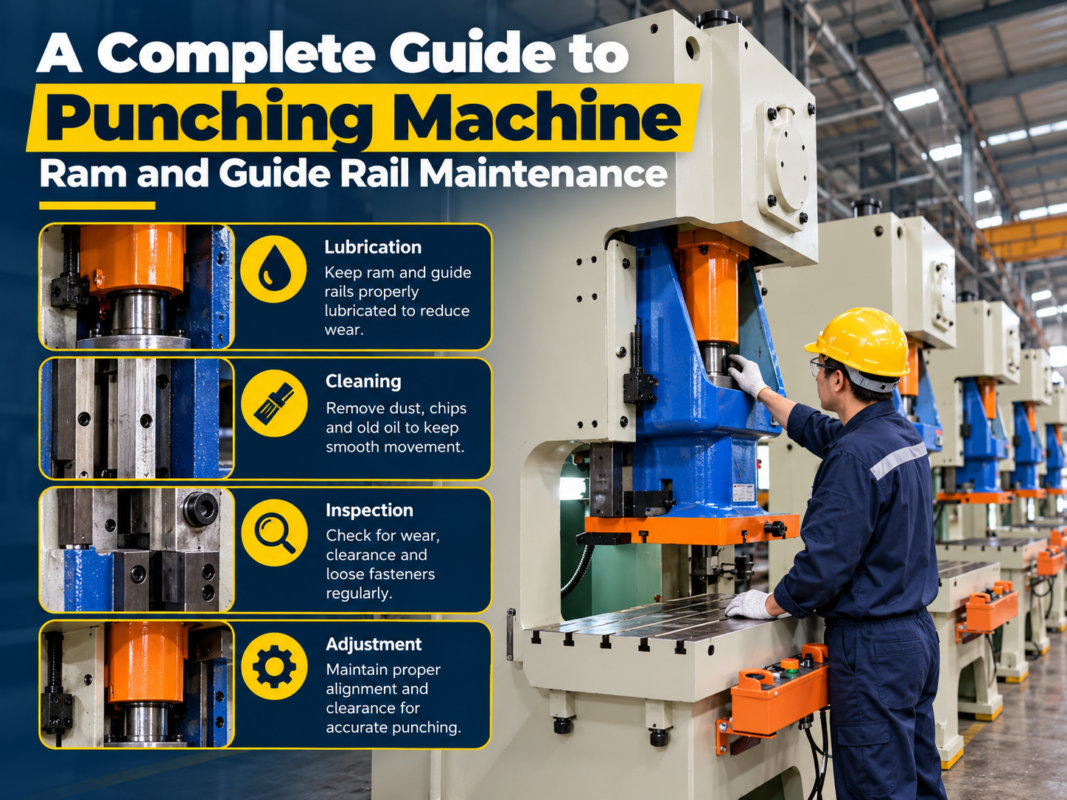
Mechanical maintenance involves the regular lubrication of the backgauge lead screws and the ram guideways. Dust and metal shavings can act as abrasives, so keeping these areas clean and well-greased is vital. Furthermore, the calibration of the machine should be checked periodically. Over time, the linear encoders or the backgauge fingers may shift slightly due to vibration or accidental impact. A quick recalibration ensures that the ‘zero point’ remains accurate, maintaining the precision your custom clients expect.
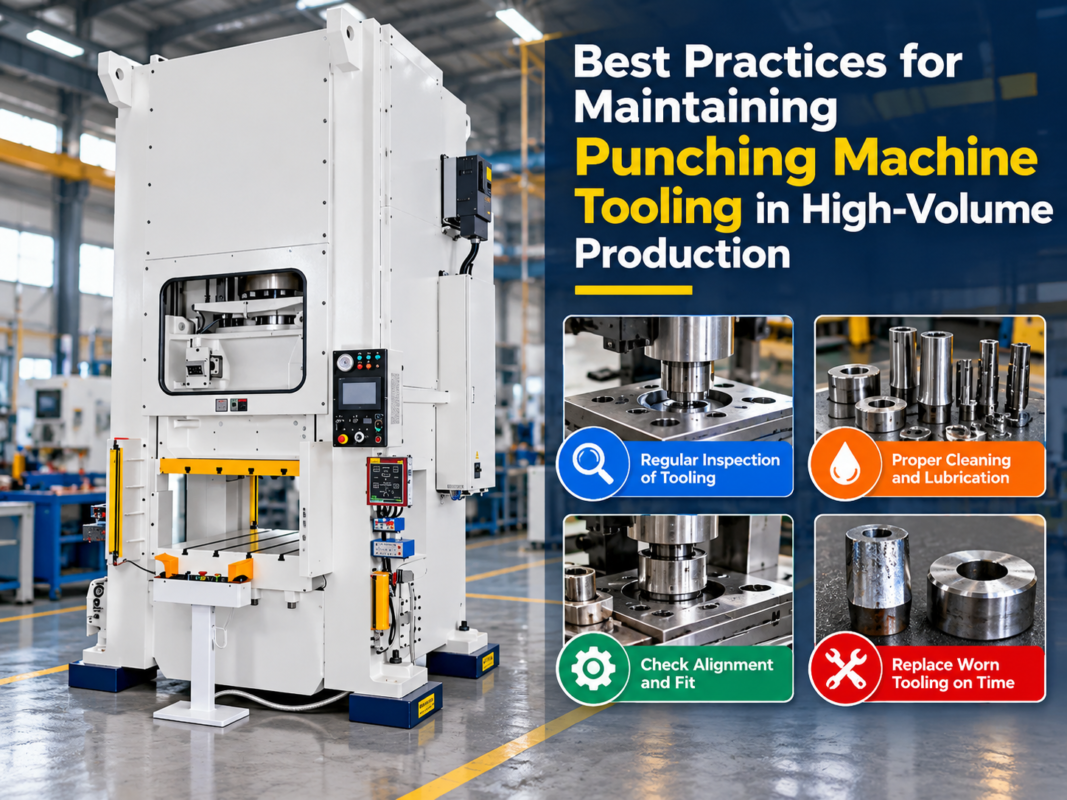
Tooling maintenance is often overlooked but equally important. Inspect your punches and dies for wear, chips, or deformation. Using damaged tooling not only results in poor-quality bends but can also put uneven stress on the machine’s hydraulic system. Storing tools properly on racks rather than stacking them on the floor will extend their life and improve workshop safety.
Frequently Asked Questions
What is the difference between air bending and bottoming?
Air bending is the most common method in modern CNC fabrication. The workpiece only touches the two edges of the die and the tip of the punch. The angle is determined by how deep the punch descends into the die. Bottoming involves pressing the metal all the way to the bottom of the die, which requires more tonnage but can offer higher accuracy for specific angles. Most Industrial Press Brake Applications Custom Metal Workshops prefer air bending for its versatility with different material thicknesses using the same toolset.
How do I calculate the tonnage needed for a specific bend?
Tonnage is calculated based on the material’s tensile strength, thickness, the length of the bend, and the V-opening of the die. A general rule of thumb for mild steel is (Thickness^2 * 8 * Length) / V-opening. However, most modern HARSLE CNC controllers have built-in calculators that handle this automatically once you input the material type and dimensions.
Can a press brake bend tubes or pipes?
While primarily designed for flat sheet metal, a press brake can bend tubes or pipes using specialized ‘radiused’ tooling. However, for high-volume tube bending, a dedicated pipe bending machine is usually more efficient. For custom shops, the press brake offers a flexible alternative for occasional tube bending tasks.
Why is CNC crowning important?
Crowning compensates for the natural deflection of the machine under load. Without it, the center of a long bend will be ‘under-bent’ (wider angle) compared to the ends. CNC crowning automatically adjusts the compensation based on the tonnage being applied, ensuring a perfectly straight bend across the entire length of the workpiece.
Conclusion
The role of the industrial press brake in custom metal workshops cannot be overstated. It is the engine of creativity and the backbone of production. By understanding the various Industrial Press Brake Applications Custom Metal Workshops encounter, and by investing in high-quality machinery like that offered by HARSLE, fabricators can unlock new levels of precision and efficiency. Whether you are just starting your workshop or looking to upgrade your current capabilities, focusing on CNC technology, proper material handling, and robust machine construction will ensure your success in the competitive world of metal fabrication.
Choosing the right partner for your machinery needs is just as important as the machine itself. HARSLE provides not only the hardware but the expertise and support necessary to help your custom workshop thrive. As the industry continues to move toward automation and higher precision, having a reliable, versatile press brake will remain your most valuable asset on the shop floor.