CO2 vs Fiber Laser Cutting Machine: Which Is Better for Your Production Needs?


Introduction to the Laser Cutting Evolution
In the modern landscape of metal fabrication, the debate between CO2 and Fiber laser technologies remains a pivotal point for business owners looking to optimize their production lines. For decades, the CO2 laser was the undisputed king of the workshop, capable of handling a wide variety of materials with reliable precision. However, the emergence and rapid advancement of Fiber laser technology have disrupted the status quo, offering unprecedented speeds and lower operational costs. Choosing between a Co2 Vs Fiber Laser Cutting Machine: Which Is Better Production Needs? requires a deep dive into the technical nuances, financial implications, and specific material requirements of your facility.
HARSLE understands that investing in a laser cutting machine is one of the most significant capital expenditures a fabrication shop will make. The right choice can propel a business to new heights of efficiency, while the wrong choice can lead to bottlenecks and high overhead. This guide aims to dissect every aspect of these two technologies, providing you with the data-driven insights needed to make an informed decision for your unique production environment.
Price Range Overview: Initial Investment Costs
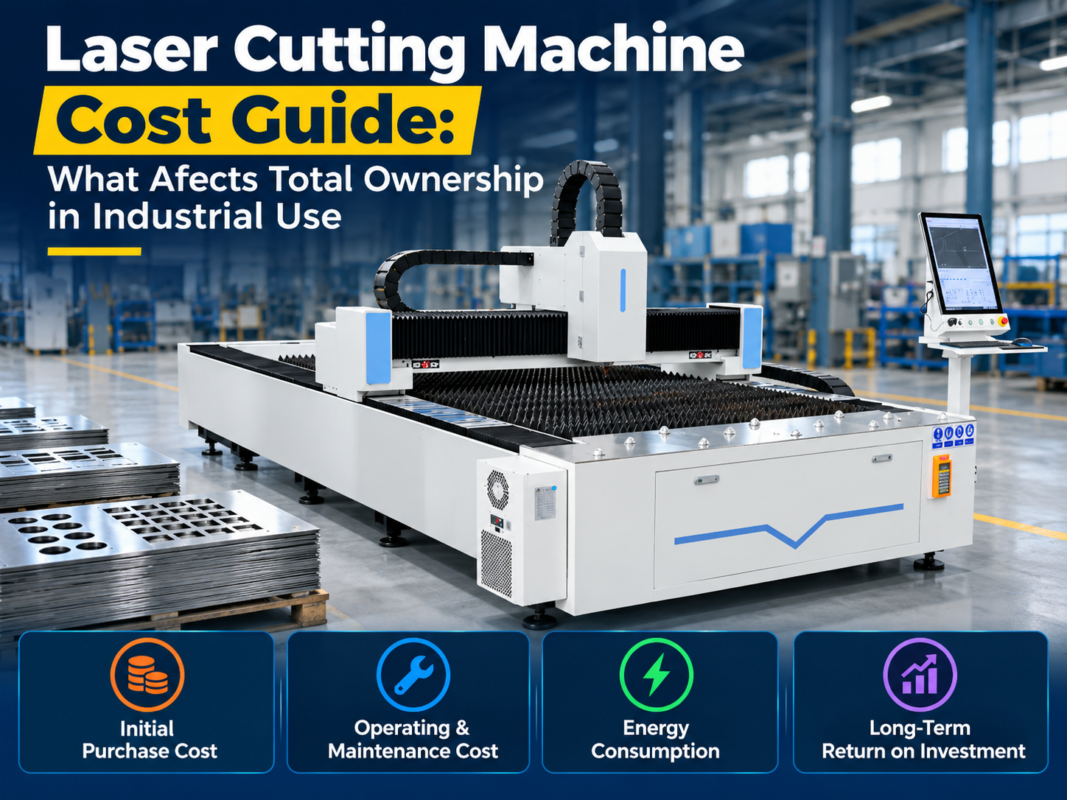
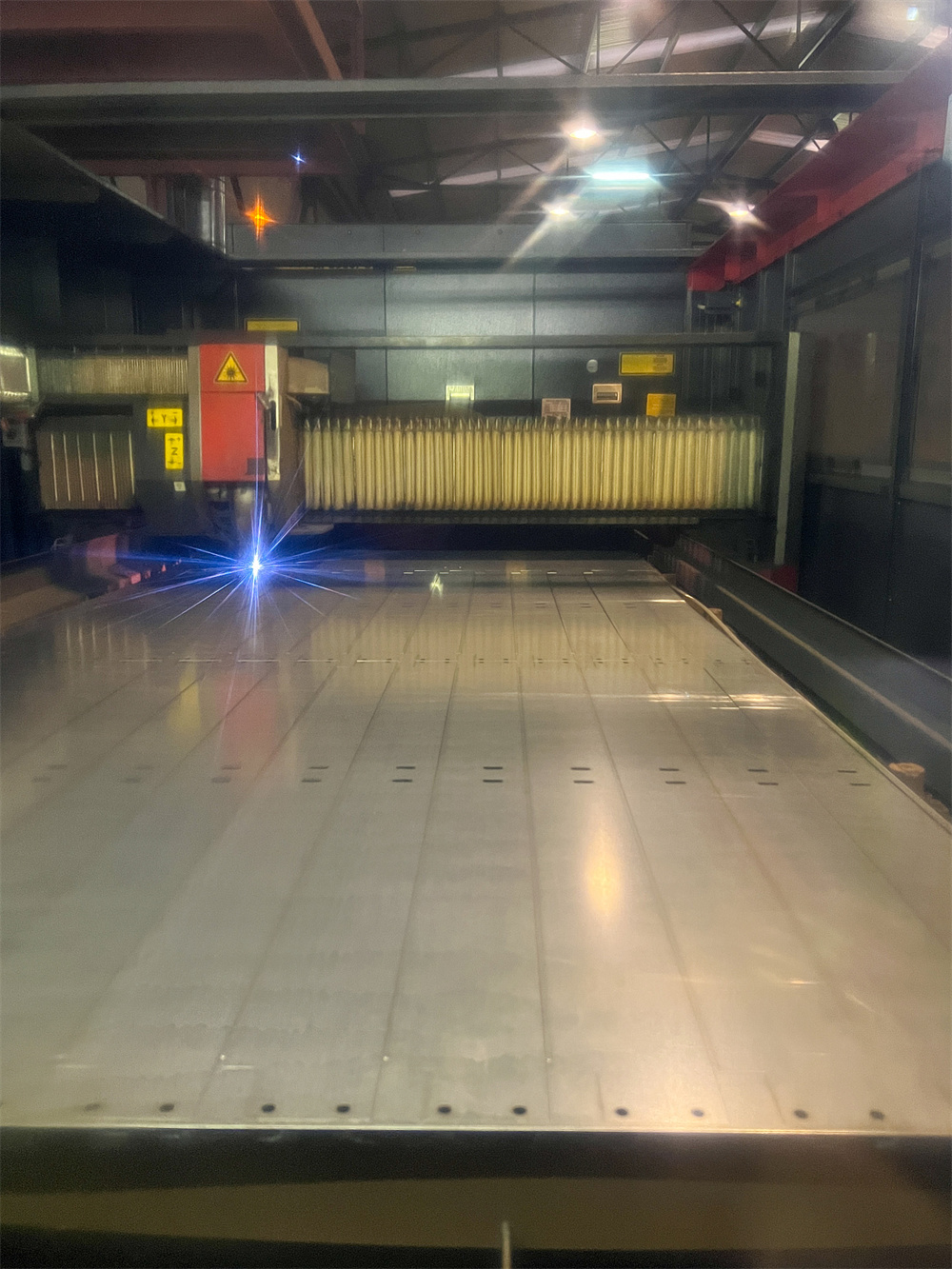
When evaluating the price range of laser cutting machines, it is essential to distinguish between the sticker price and the total cost of ownership. Historically, CO2 lasers were the more affordable entry point for high-power cutting. Today, the market has shifted. While entry-level CO2 machines for non-metal applications remain inexpensive, industrial-grade CO2 lasers for metal fabrication often carry a price tag comparable to mid-range Fiber lasers.
Fiber laser cutting machines generally start at a higher price point for the base configuration, particularly when looking at high-wattage units (6kW to 30kW). A standard 3kW Fiber laser might range from $50,000 to $150,000 depending on the brand and features, while ultra-high-power machines can exceed $500,000. Conversely, CO2 lasers in the 4kW to 6kW range often sit in the $80,000 to $200,000 bracket. However, the availability of refurbished CO2 machines can sometimes lower the barrier to entry for smaller shops.
It is important to note that the “price” of the machine also includes the peripheral equipment. Fiber lasers require specialized chilling units and high-purity gas delivery systems, which are often bundled into the initial quote. CO2 lasers require complex beam delivery systems involving internal mirrors and bellows, which can add to the initial setup and calibration costs. When asking Co2 Vs Fiber Laser Cutting Machine: Which Is Better Production Needs?, the initial price is merely the starting point of the financial analysis.
Main Cost Drivers in Laser Operations
The primary cost drivers for any laser cutting operation are electricity, consumables, and maintenance labor. Fiber lasers are renowned for their electrical efficiency. A Fiber laser source converts approximately 35-45% of the input energy into the laser beam. In contrast, a CO2 laser source typically manages only 8-12% efficiency. This means that for the same output power, a CO2 laser will consume significantly more electricity, leading to higher monthly utility bills.
Consumables represent another major cost divergence. CO2 lasers rely on a mixture of gases (Helium, Nitrogen, and CO2) to generate the beam, and they require internal mirrors that must be cleaned and replaced periodically. These mirrors are expensive and sensitive to contamination. Fiber lasers, on the other hand, generate the beam through solid-state diodes and deliver it via a flexible fiber optic cable. This eliminates the need for internal mirrors and the associated gas mixtures, drastically reducing the consumable footprint.
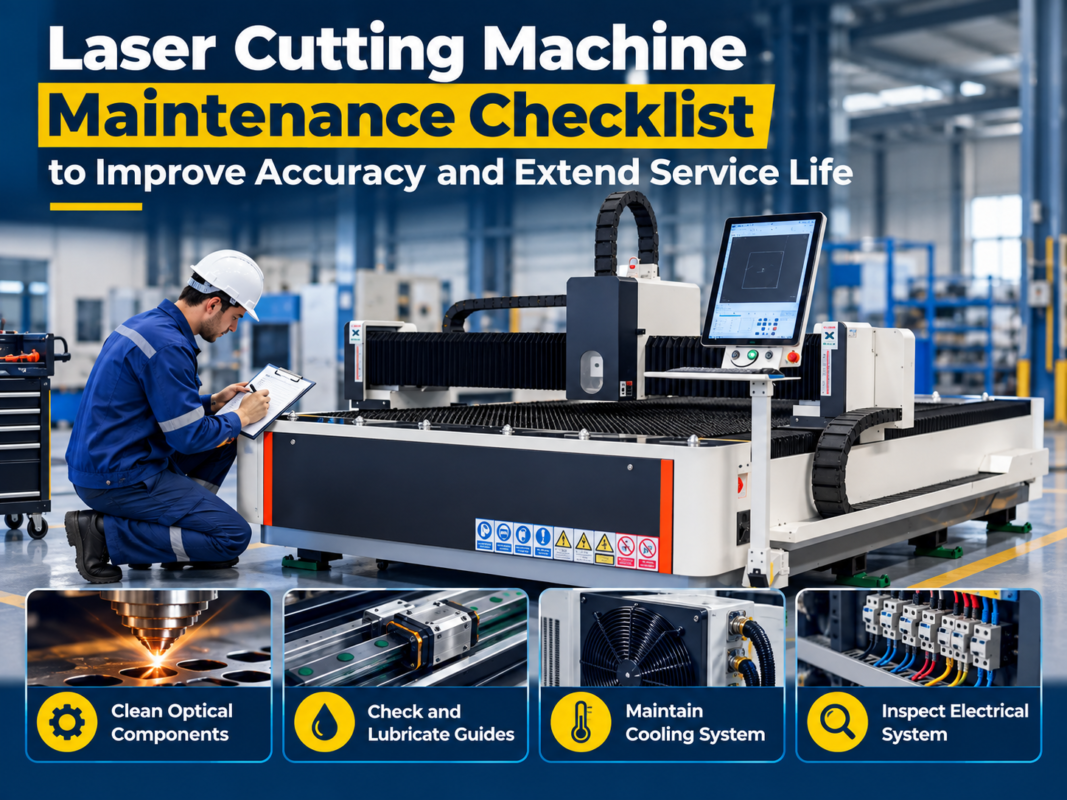
Maintenance labor is the third major driver. CO2 lasers require regular beam alignment and resonator maintenance, tasks that often require specialized technicians. Fiber lasers are largely “maintenance-free” in terms of the beam source, though the cutting head and nozzles still require daily attention. Over a five-year period, the maintenance savings of a Fiber laser can often offset a higher initial purchase price.
Configuration Impact on Production Efficiency
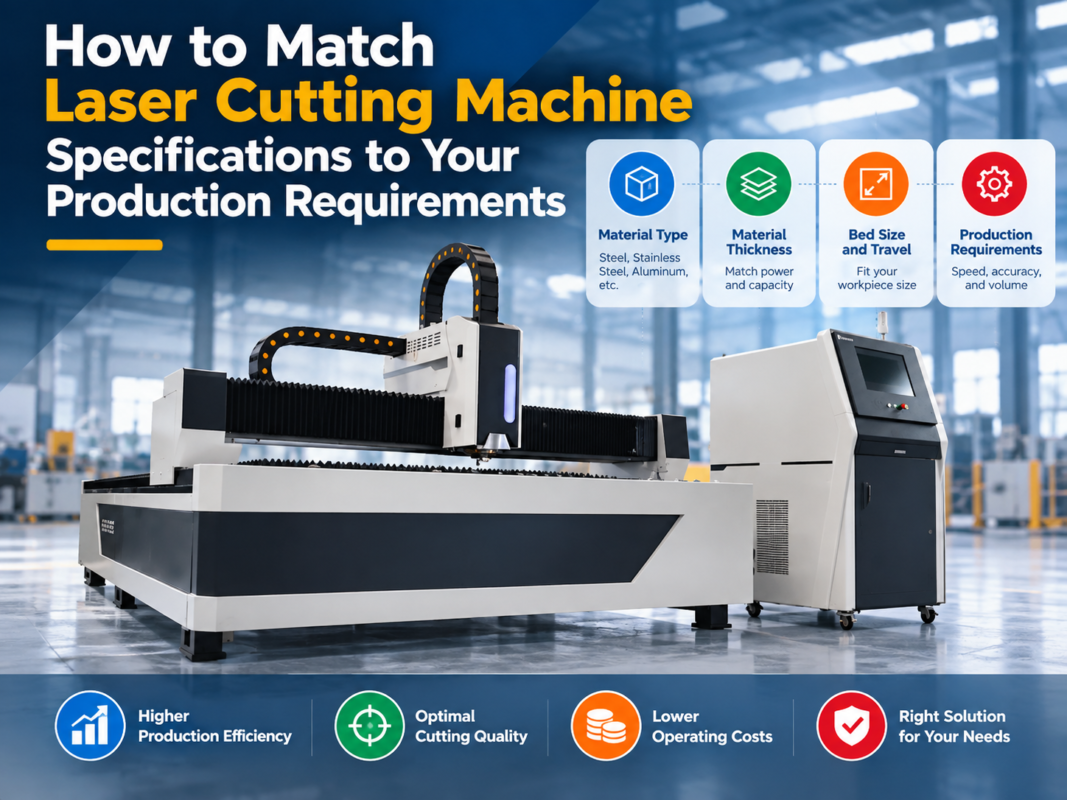
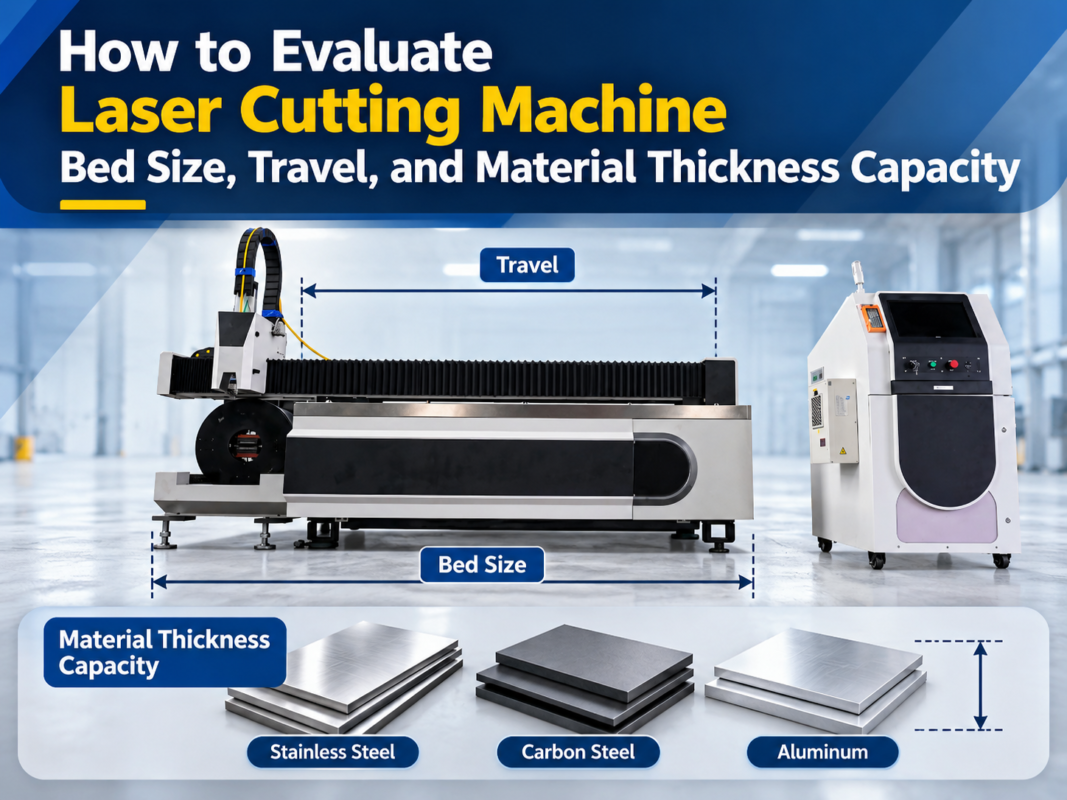
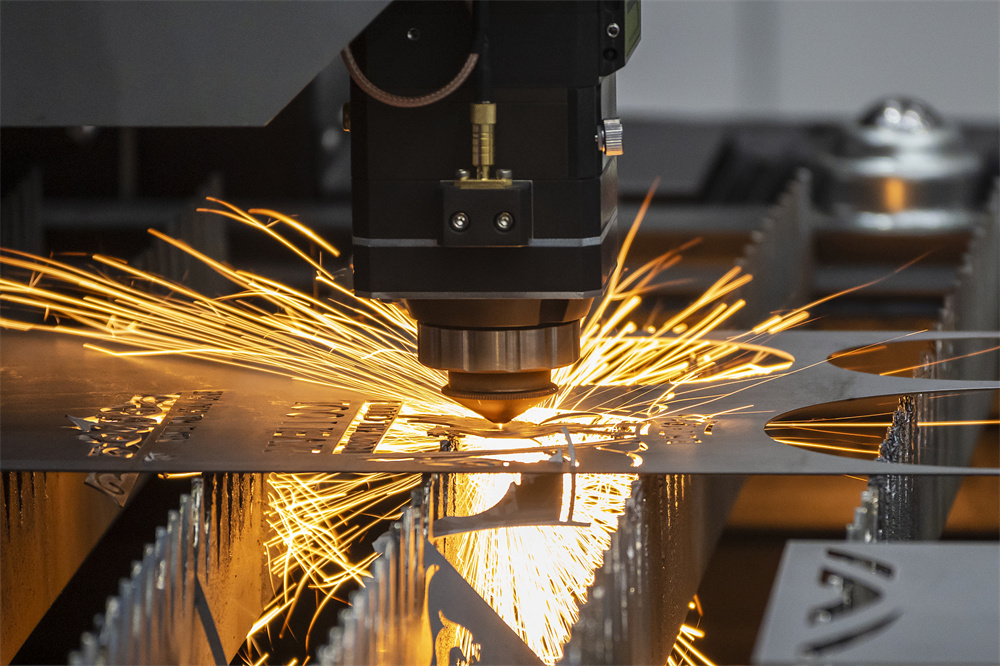
The configuration of your machine—such as bed size, power output, and automation features—will dictate your production throughput. Fiber lasers excel in thin to medium-gauge materials (up to 12mm). Due to their shorter wavelength (1.06 microns), the beam is absorbed more readily by metals, allowing for cutting speeds that can be three to five times faster than CO2 lasers of equivalent power. If your production involves high volumes of 1mm to 6mm stainless steel or aluminum, Fiber is the clear winner.
However, CO2 lasers (with a wavelength of 10.6 microns) have historically held an advantage in thicker materials (20mm and above) and non-metallic materials like wood, acrylic, and plastics. The CO2 beam produces a smoother edge finish on thick carbon steel, which is often a requirement for heavy machinery components. If your shop handles a diverse mix of organic materials and very thick plate steel, a CO2 configuration might still be relevant, though high-power Fiber lasers (15kW+) are rapidly closing this gap.
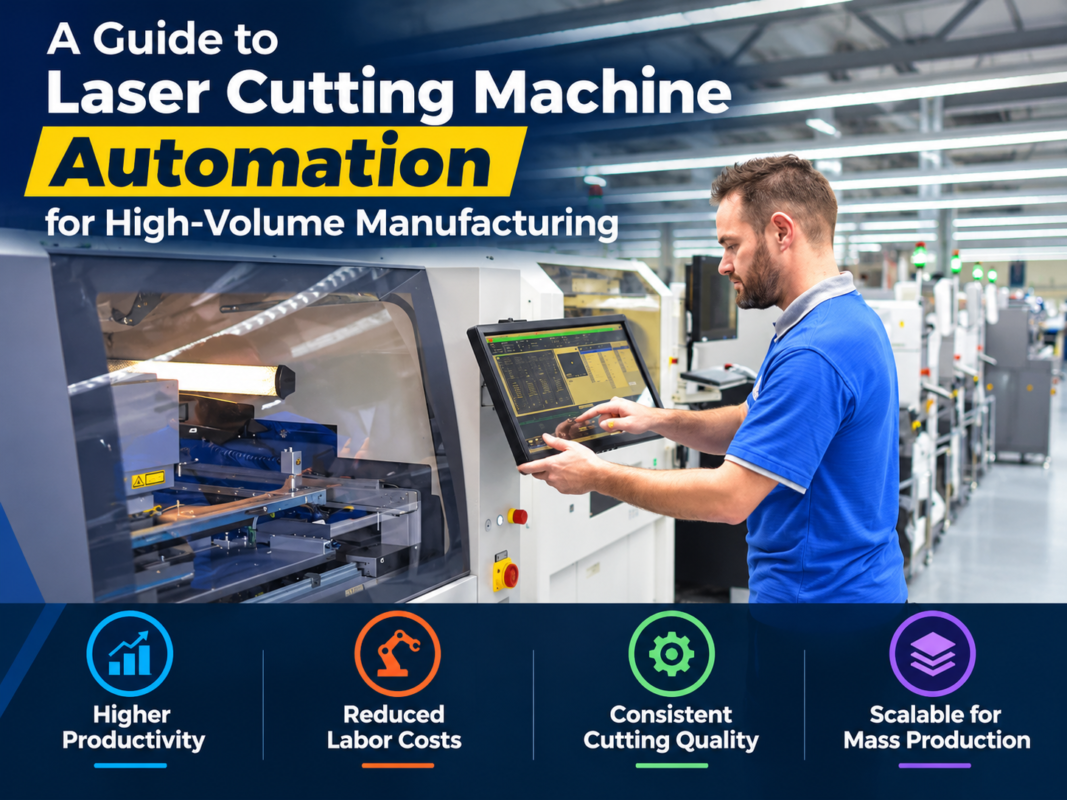
Automation is another configuration factor. Because Fiber lasers cut so quickly, manual loading and unloading often become the bottleneck. To truly leverage the speed of a Fiber laser, many manufacturers opt for automatic pallet changers or full material handling towers. These configurations increase the footprint and cost but are essential for high-capacity production needs.
Hidden Costs: What You Don’t See in the Brochure
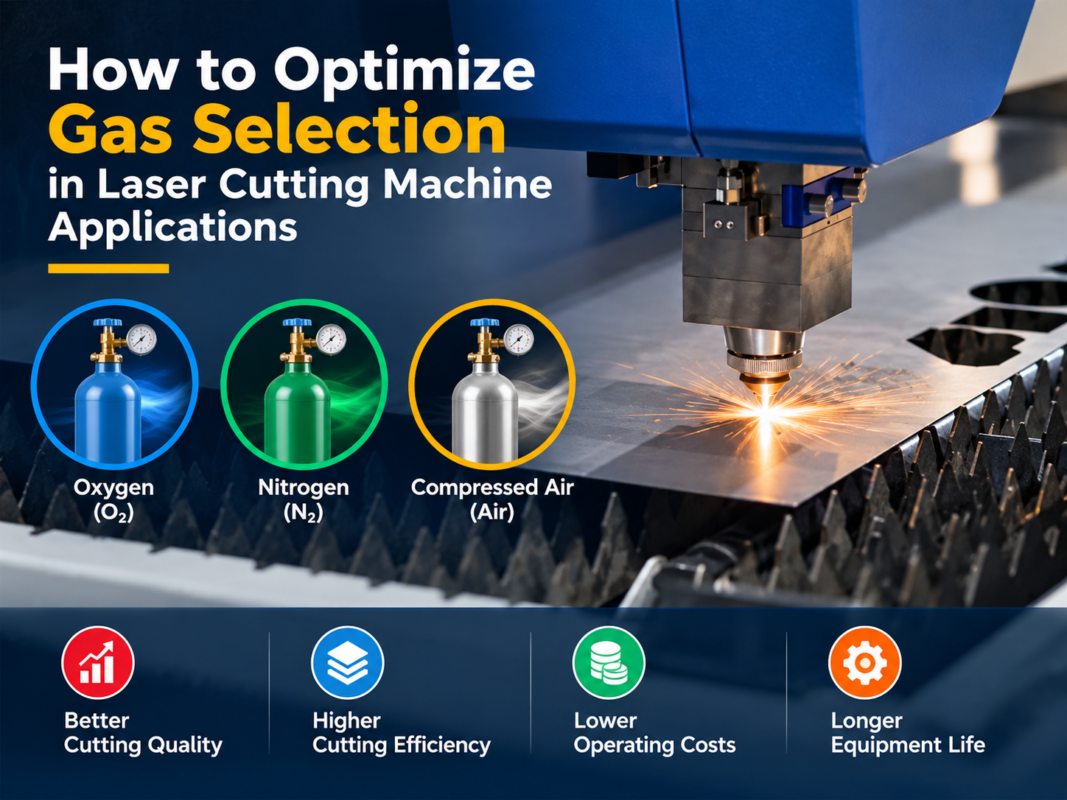
Beyond the machine and the electricity, several hidden costs can impact your bottom line. One of the most significant is the cost of assist gases. While Fiber lasers save on resonator gas, they often consume large volumes of Nitrogen or Oxygen at the cutting head to maintain high speeds and clean edges. High-pressure Nitrogen cutting, especially in thicker materials, can be a major recurring expense unless the shop invests in a Nitrogen generator.
Facility requirements also differ. CO2 lasers are sensitive to vibrations and temperature fluctuations, often requiring a more controlled environment and a specialized foundation to maintain beam alignment. Fiber lasers are more robust due to their solid-state design, but they require a “clean room” environment for any repairs involving the cutting head or fiber cable, as even a speck of dust can cause a catastrophic failure under high power.
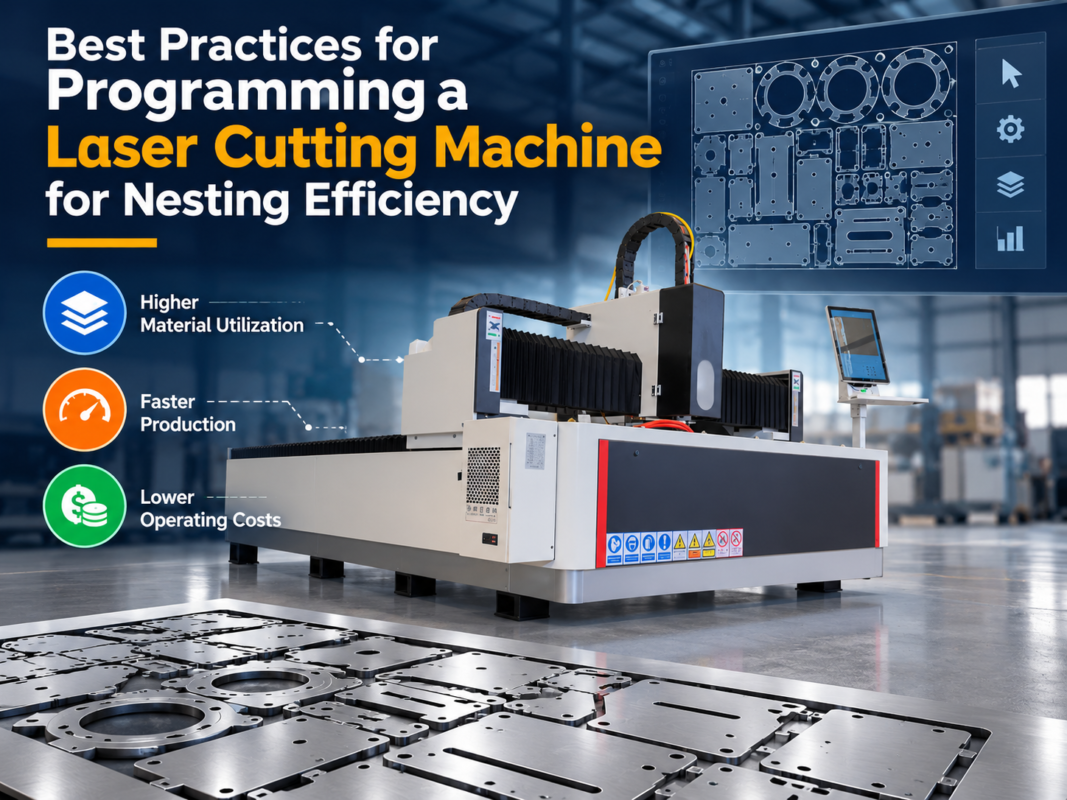
Training and software integration are often overlooked. Transitioning from CO2 to Fiber requires operators to learn new cutting parameters and nesting strategies. Fiber lasers produce more parts per hour, which means your CAD/CAM software must be efficient enough to keep up with the machine’s appetite for data. Upgrading your software licenses and training your staff are essential hidden costs to factor into the Co2 Vs Fiber Laser Cutting Machine: Which Is Better Production Needs? equation.
ROI Calculation: Measuring the Payback
Calculating the Return on Investment (ROI) involves comparing the total cost per part. To do this, you must calculate the machine’s hourly operating cost (electricity + gas + consumables + labor + depreciation) and divide it by the number of parts produced per hour. Because Fiber lasers produce significantly more parts per hour in thin materials, the cost per part is usually much lower, even if the hourly operating cost is slightly higher due to gas consumption.
For example, if a Fiber laser can cut a bracket in 10 seconds and a CO2 laser takes 30 seconds, the Fiber laser is effectively doing the work of three CO2 machines. This allows a shop to take on more work without increasing its footprint or headcount. The ROI for a Fiber laser in a high-volume shop is often achieved within 18 to 24 months. For a CO2 laser, the ROI might take longer, but it may be the only viable option if the shop’s niche is thick, high-quality edge finishes on specialized alloys or non-metals.
Another factor in ROI is the resale value. As the industry moves toward Fiber, the resale market for used CO2 lasers has softened. A Fiber laser is likely to retain a higher percentage of its value over the next decade, making it a safer long-term asset for your business balance sheet.
Buying Advice: Making the Final Decision
When choosing between Co2 Vs Fiber Laser Cutting Machine: Which Is Better Production Needs?, follow this decision matrix:
- Material Type: If you cut reflective metals like brass and copper, Fiber is mandatory. CO2 beams can reflect back into the resonator and cause damage. If you cut wood, plastics, or textiles, CO2 is the only choice.
- Material Thickness: For metals under 10mm, Fiber is superior. For metals over 25mm, evaluate high-power Fiber (12kW+) vs. the edge quality of a traditional CO2.
- Production Volume: High-volume, repetitive jobs favor the speed of Fiber. Low-volume, highly varied job-shop work might find the versatility of CO2 more appealing if non-metals are included.
- Maintenance Capability: If you lack in-house technical expertise for complex optical alignments, the “plug-and-play” nature of the Fiber source is a significant advantage.
HARSLE recommends conducting a thorough material audit of your last 12 months of production. Identify the “sweet spot” of your material thickness and type. If 80% of your work is 6mm stainless steel, the efficiency gains of a Fiber laser will transform your profitability. If your work is 50% acrylic and 50% thick mild steel, a dual-technology approach or a specialized CO2 machine might be the better path.
Detailed Comparison Table
| Feature | Fiber Laser Cutting Machine | CO2 Laser Cutting Machine |
|---|---|---|
| Wavelength | 1.06 microns (High absorption in metal) | 10.6 microns (Good for non-metals) |
| Wall-Plug Efficiency | 35% – 45% | 8% – 12% |
| Cutting Speed (Thin Metal) | Extremely Fast | Moderate |
| Maintenance | Low (Solid State) | High (Mirrors/Gases) |
| Reflective Materials | Excellent (Copper, Brass) | Not Recommended |
| Edge Quality (Thick Steel) | Good (Improving with high power) | Excellent / Very Smooth |
Frequently Asked Questions (FAQ)
1. Can a Fiber laser cut wood or acrylic?
No. The 1.06-micron wavelength of a Fiber laser passes through or is not absorbed correctly by organic materials like wood and acrylic, which can lead to fire hazards or poor results. CO2 lasers are required for these materials.
2. Is Fiber laser cutting safer than CO2?
Both require strict safety protocols. However, Fiber laser light is more dangerous to the human eye because it can pass through the cornea and focus on the retina. Fiber lasers must be fully enclosed (Class 1) for safe operation in an open shop environment.
3. How long does a Fiber laser source last?
Most Fiber laser diodes are rated for 100,000 hours of operation, which equates to over 10 years of multi-shift use. CO2 resonators typically require a major overhaul or gas refill every 20,000 hours.
4. Why is CO2 still used in some modern factories?
CO2 is still valued for its unique ability to cut non-metals and for the specific surface finish it leaves on thick plate steel, which some industries (like aerospace or high-pressure vessel manufacturing) still specify in their quality standards.
5. Which machine has a better ROI for a small job shop?
For a shop focusing on metal, a Fiber laser usually offers a faster ROI due to lower operating costs and higher throughput. However, a small shop with a limited budget might find a used CO2 machine a more accessible way to enter the laser cutting market.
Conclusion
The choice between Co2 Vs Fiber Laser Cutting Machine: Which Is Better Production Needs? ultimately depends on your specific product mix and long-term business goals. While Fiber laser technology is the clear frontrunner for modern metal fabrication due to its speed, efficiency, and low maintenance, CO2 lasers still hold a niche in non-metal processing and specific heavy-plate applications. By carefully analyzing your material thickness, volume, and operational costs, you can select a HARSLE machine that will provide a competitive edge for years to come.