How to Buy the Right Laser Cutting Machine for Stainless Steel Production


Introduction to Stainless Steel Laser Cutting
In the modern manufacturing landscape, stainless steel has become a cornerstone material due to its exceptional corrosion resistance, aesthetic appeal, and structural integrity. From medical devices and kitchenware to aerospace components and architectural facades, the demand for high-precision stainless steel parts is at an all-time high. To meet this demand, fabricators must invest in the right technology. When you decide to buy laser cutting machine stainless steel production equipment, you are not just purchasing a tool; you are investing in the future efficiency and profitability of your workshop.
Laser cutting technology, particularly fiber laser technology, has revolutionized how we process stainless steel. Unlike traditional mechanical cutting or plasma cutting, fiber lasers offer a narrow kerf width, minimal heat-affected zones (HAZ), and the ability to cut complex geometries with extreme accuracy. However, the market is flooded with various brands, power levels, and configurations, making the purchasing decision daunting for many business owners. This guide aims to demystify the process, providing a detailed roadmap to selecting the perfect machine for your specific production needs.
Price Range Overview for Stainless Steel Laser Cutters
The price of a laser cutting machine for stainless steel can vary significantly based on its capabilities. Generally, the market is divided into three main tiers: entry-level, mid-range, and high-end industrial systems. Understanding where your needs fall within these tiers is the first step in budgeting for your investment.
Entry-level machines typically range from $20,000 to $50,000. These are often compact fiber laser cutters with power outputs between 1kW and 2kW. They are ideal for small workshops or businesses focusing on thin-gauge stainless steel (up to 4mm or 5mm). While they lack the speed of higher-powered units, they offer a low barrier to entry for those transitioning from manual methods to CNC automation.
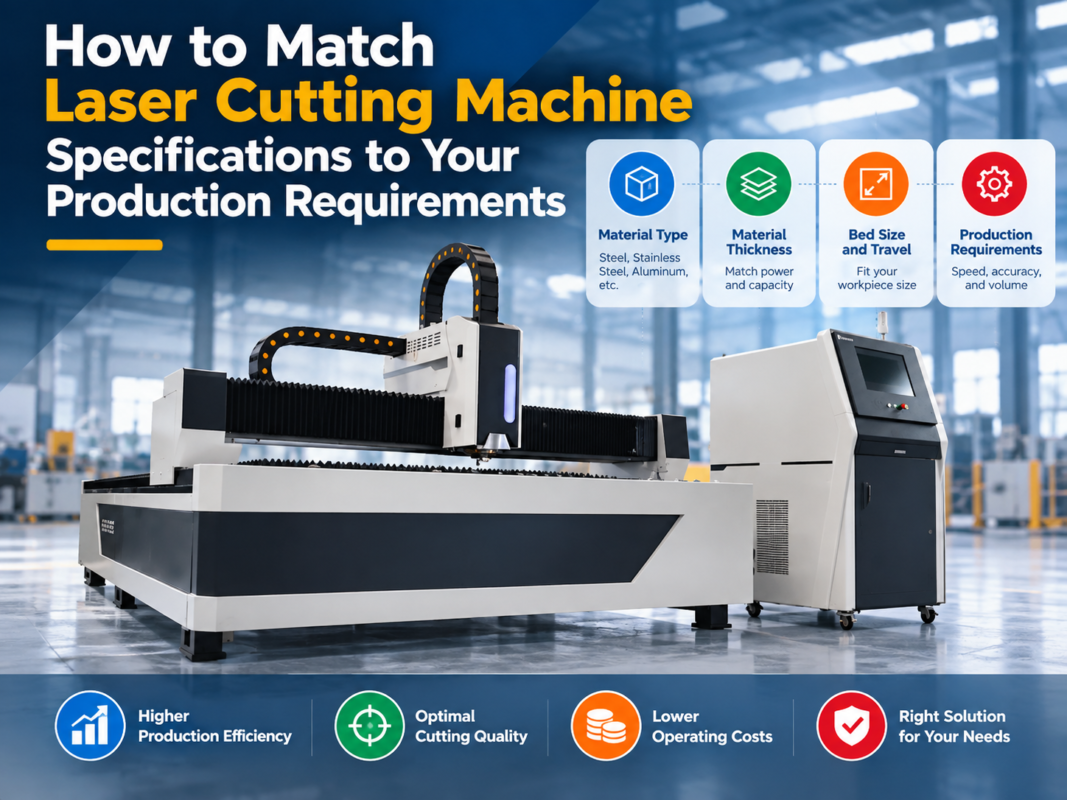
Mid-range machines, priced between $60,000 and $150,000, are the workhorses of the industry. These machines usually feature 3kW to 6kW fiber laser sources and larger cutting beds (e.g., 3000mm x 1500mm). They can comfortably handle stainless steel thicknesses up to 12mm or 16mm with high precision and respectable speeds. This range is where most medium-sized fabrication shops find their best value, balancing cost with versatile production capabilities.
High-end industrial systems can exceed $250,000, sometimes reaching over $500,000 for ultra-high-power units (12kW to 30kW+). These machines are designed for 24/7 heavy-duty production, capable of cutting thick stainless steel plates (up to 50mm or more) at incredible speeds. They often come with automated loading and unloading systems, sophisticated nesting software, and enhanced safety enclosures. For large-scale manufacturers, the high initial cost is offset by the massive throughput and lower cost-per-part.
Main Cost Drivers in Laser Cutting Technology
When you look at a quote for a laser cutting machine, several key components drive the final price. Understanding these will help you decide where to invest and where you might be able to save. The most significant cost driver is the laser source. Brands like IPG Photonics are considered the gold standard for reliability and beam quality, but they come at a premium. Alternatives like Raycus or Maxphotonics offer excellent performance at a more competitive price point, making them popular choices for many fabricators.
The power wattage is the next major factor. In stainless steel production, power equals speed and thickness capacity. A 6kW laser will cut 3mm stainless steel significantly faster than a 3kW laser, and it will produce a cleaner edge on 10mm plate. If your production involves a high volume of thick materials, paying for higher wattage is almost always a justifiable expense. However, if you primarily work with 1mm to 3mm sheets, an ultra-high-power source might be an unnecessary expenditure.
The machine frame and motion system also play a critical role. A high-quality laser cutter requires a heavy, stress-relieved bed (often cast iron or high-strength welded steel) to maintain accuracy during high-speed movements. The motion system, including the motors (servo vs. linear) and the rack-and-pinion or ball screw assemblies, determines the machine’s acceleration and positioning accuracy. High-end machines use linear motors for lightning-fast acceleration, which is vital for intricate designs but adds substantial cost.
Finally, the cutting head and its features contribute to the price. Modern cutting heads from manufacturers like Precitec or Raytools include autofocus capabilities, which automatically adjust the focal point based on the material thickness and type. This feature is essential for stainless steel production, as it ensures consistent cut quality and reduces the setup time between different jobs.
Configuration Impact: Tailoring the Machine for Stainless Steel
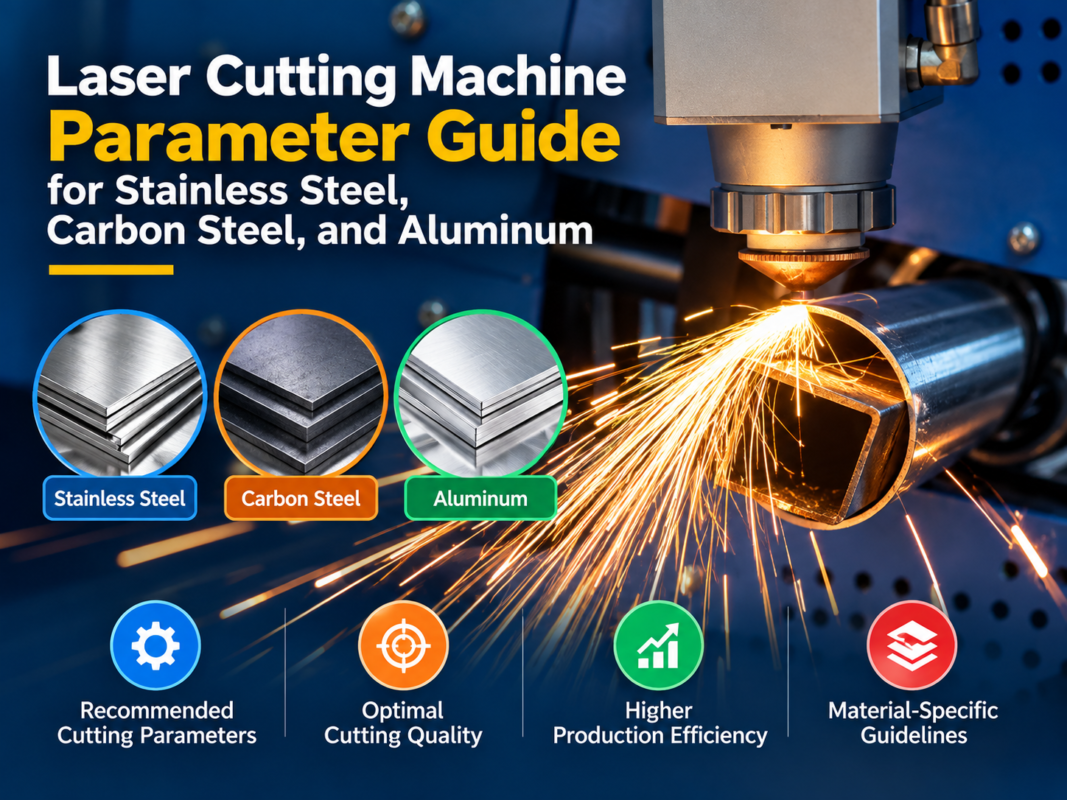
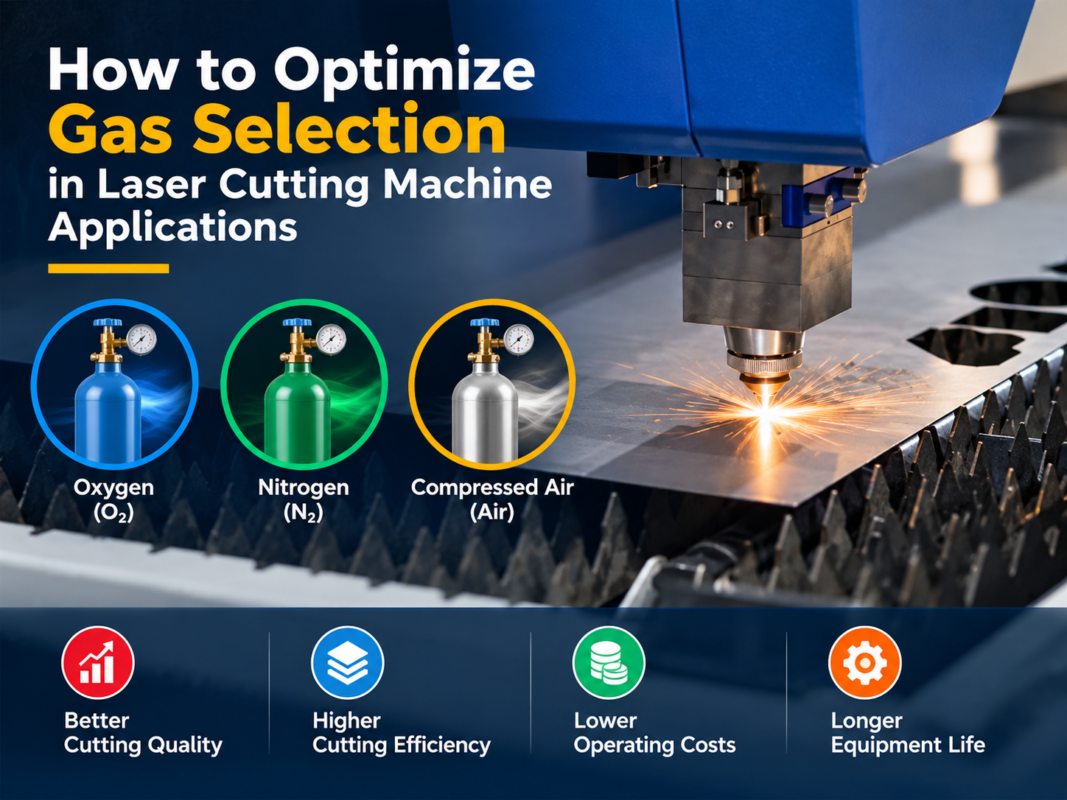
Stainless steel has unique physical properties, such as high reflectivity and a high melting point, which necessitate specific machine configurations. One of the most critical configuration choices is the auxiliary gas system. When cutting stainless steel, Nitrogen is typically used as the assist gas. Nitrogen prevents oxidation, leaving a clean, shiny, and weld-ready edge. This requires the machine to have high-pressure gas plumbing and specialized nozzles. Some modern machines also offer “Air Cutting” configurations, which use high-pressure compressed air to cut thin stainless steel, significantly reducing operating costs compared to bottled Nitrogen.
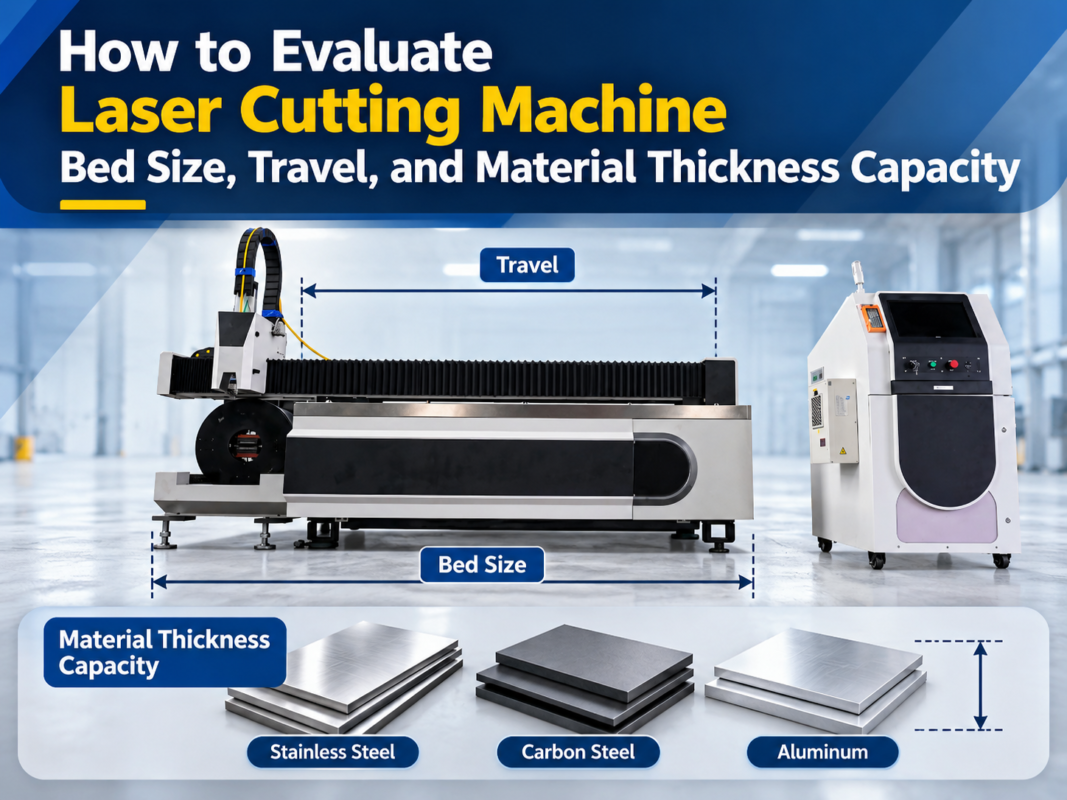
The bed size and type should match your material sourcing. Standard sheet sizes for stainless steel are often 4’x8′ or 5’x10′. Choosing a machine bed that accommodates these sizes without requiring pre-cutting is vital for efficiency. Furthermore, for stainless steel, a shuttle table (dual pallet changer) is highly recommended. This allows the operator to unload finished parts and load a new sheet while the machine is still cutting, maximizing the “beam-on” time and increasing overall productivity.

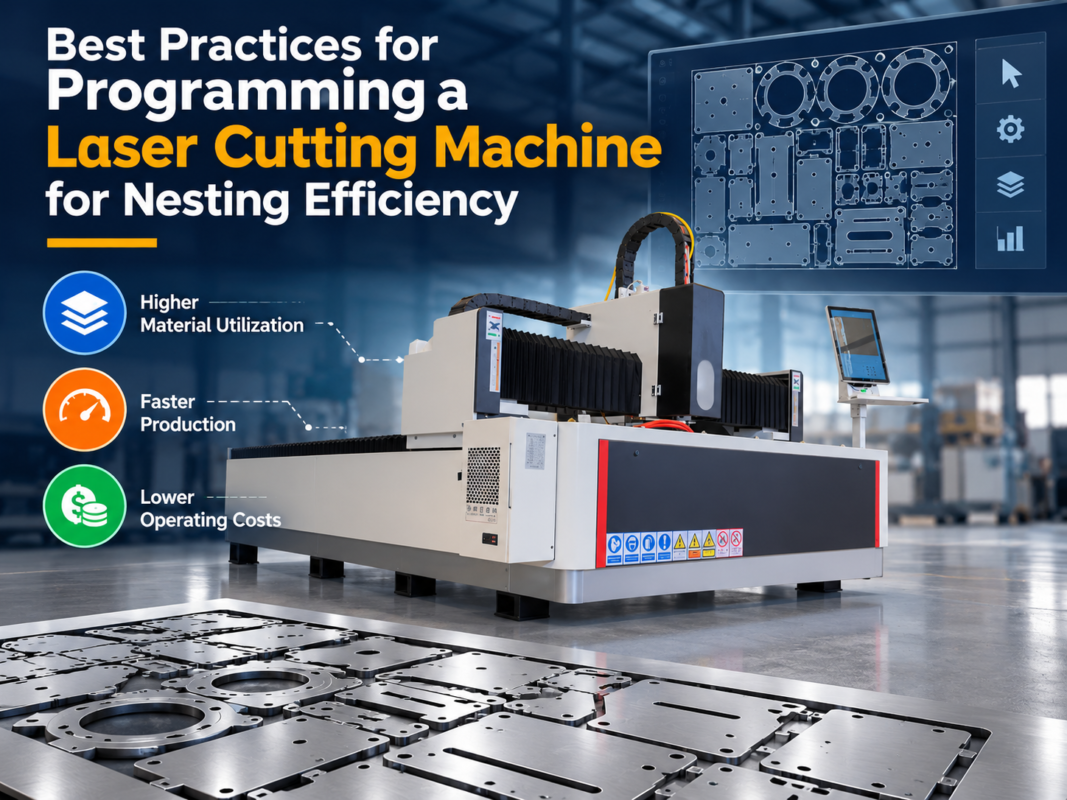
Software is another configuration element that shouldn’t be overlooked. Advanced nesting software can save thousands of dollars in material waste by optimizing how parts are laid out on a stainless steel sheet. Since stainless steel is more expensive than carbon steel, even a 5% improvement in material utilization can pay for the software upgrade within months. Look for systems that integrate seamlessly with your CAD/CAM workflow and offer features like common-line cutting and remnant tracking.
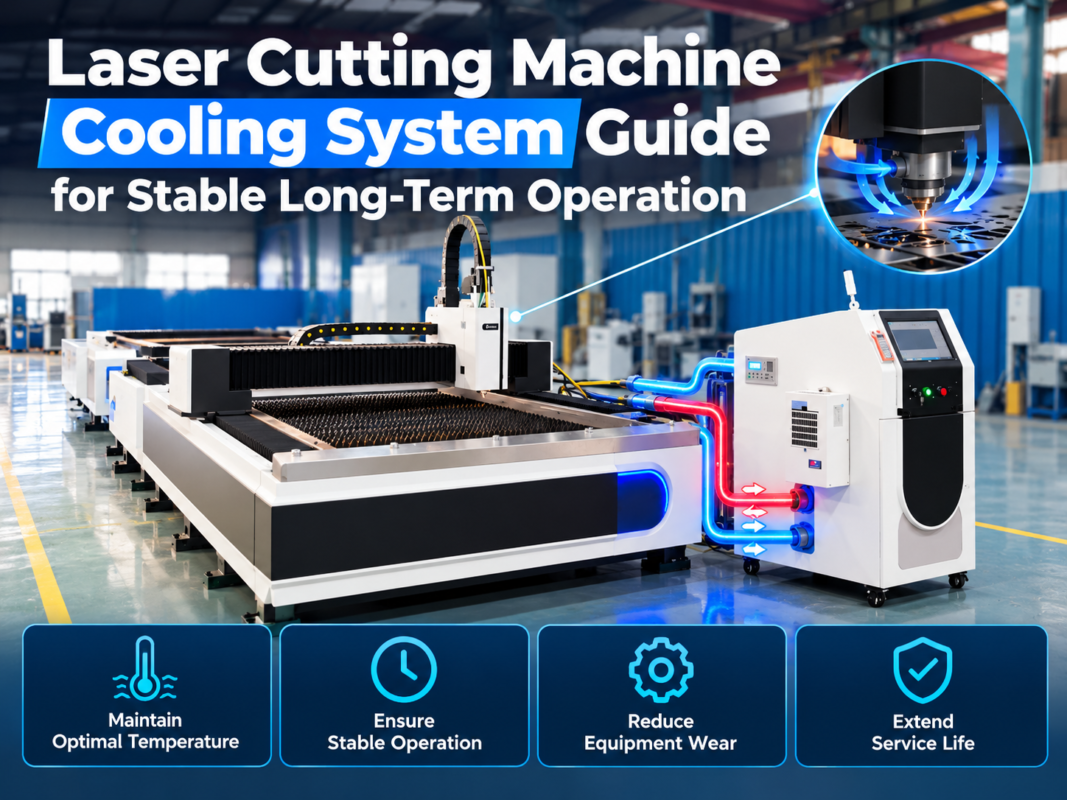
Lastly, consider the cooling system. Fiber lasers generate significant heat, and a high-quality industrial chiller is necessary to maintain the stability of the laser source and the cutting head. For stainless steel production, where long run times are common, a dual-circuit chiller that independently cools the laser source and the optics is the industry standard for ensuring longevity and consistent beam quality.
Hidden Costs of Owning a Laser Cutting Machine
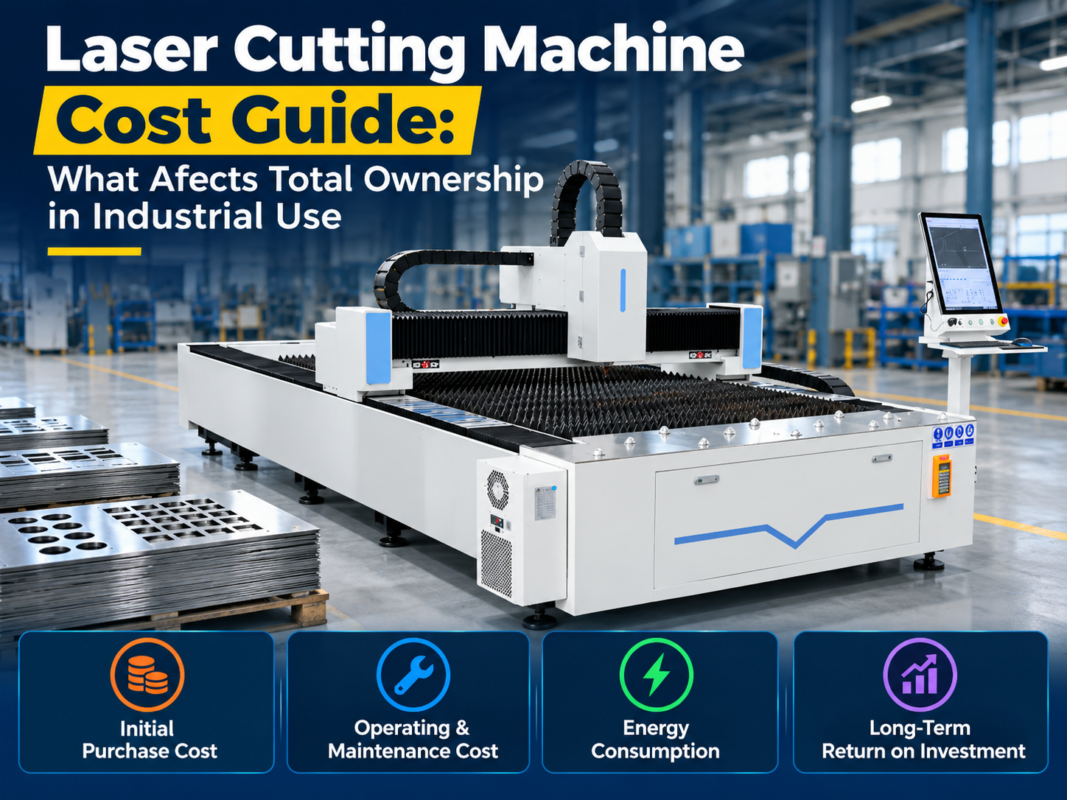
The purchase price is only the beginning. To truly understand the cost of a laser cutting machine, you must account for the Total Cost of Ownership (TCO). One of the most significant ongoing expenses is gas consumption. Cutting stainless steel with Nitrogen requires high pressures (often 15-25 bar). Depending on your volume, the cost of liquid Nitrogen or high-pressure cylinders can be substantial. Many high-volume shops eventually invest in Nitrogen generators to mitigate this recurring cost.
Consumables are another hidden cost. Nozzles, protective windows (cover slides), and ceramic rings are wear items that must be replaced regularly. While individual parts are relatively inexpensive, they add up over time. Using low-quality consumables can lead to poor cut quality and even damage the expensive optics inside the cutting head, so it is always better to budget for high-quality OEM or certified aftermarket parts.
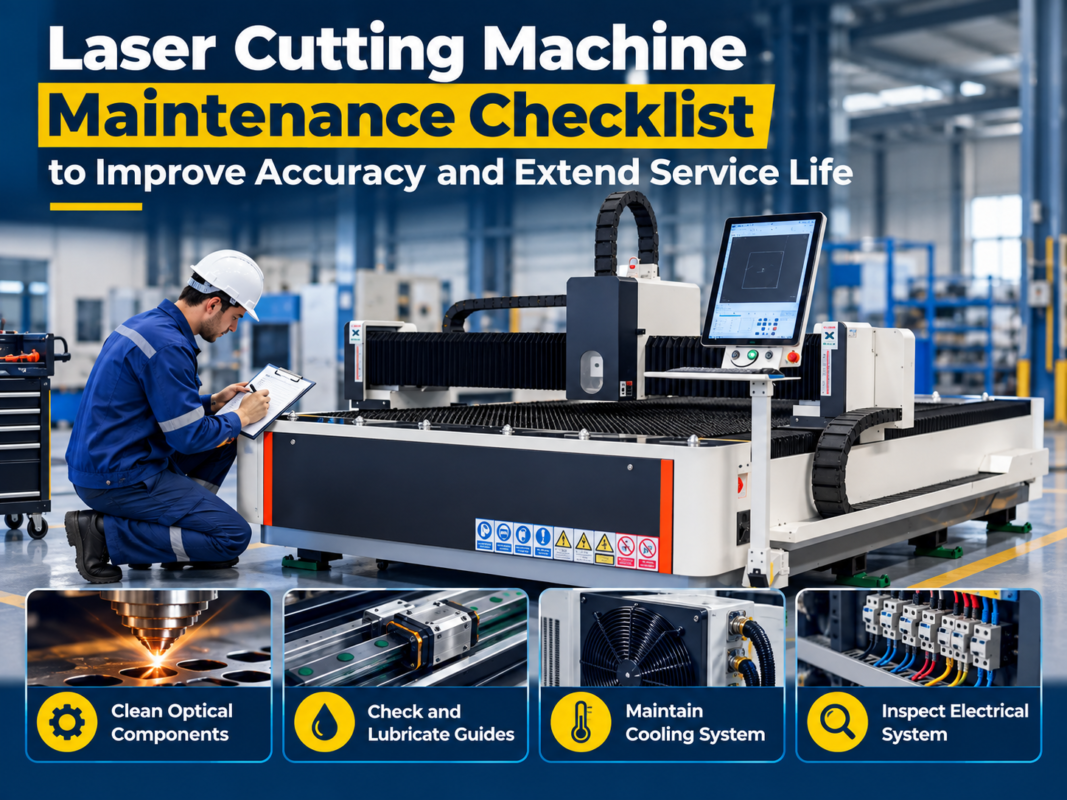
Electricity and Maintenance also factor into the equation. While fiber lasers are much more energy-efficient than older CO2 lasers, a 6kW or 12kW system still draws significant power. Additionally, regular maintenance is required to keep the machine in peak condition. This includes cleaning the rails, lubricating the motion system, checking the chiller fluid, and ensuring the laser path remains uncontaminated. Factor in the cost of annual service contracts or the training of an in-house technician to handle these tasks.
Finally, don’t forget installation and training. Moving a multi-ton machine into your facility often requires specialized rigging services. Once installed, your operators will need several days of training to master the CNC controller and the nesting software. HARSLE provides comprehensive support in this area, but it’s important to account for the downtime during the transition period when your team is getting up to speed.
ROI Calculation: When Does the Investment Pay Off?
Calculating the Return on Investment (ROI) is essential for justifying the purchase of a laser cutting machine. To do this, you need to compare your current costs (either from outsourcing or using slower, less efficient methods) against the projected costs of the new machine. Start by determining your hourly operating cost, which includes labor, electricity, gas, consumables, and the machine’s depreciation.
Next, look at throughput. If a fiber laser can cut a stainless steel part in 30 seconds that previously took 5 minutes on a waterjet or plasma cutter, your capacity increases tenfold. This allows you to take on more work without increasing your footprint or headcount. Furthermore, the precision of laser cutting often eliminates the need for secondary processes like grinding or deburring. If you can move a part directly from the laser cutter to the welding station or the shipping crate, the labor savings are immense.
Consider material savings as well. As mentioned earlier, advanced nesting can significantly reduce scrap. In the world of stainless steel, where material costs are high, reducing scrap by even a small percentage can result in thousands of dollars in annual savings. When you combine increased speed, reduced labor, and lower material waste, most busy fabrication shops find that a well-chosen laser cutting machine pays for itself within 12 to 24 months.
Expert Buying Advice for Stainless Steel Fabricators
If you are ready to buy laser cutting machine stainless steel production equipment, here is a checklist to ensure you make the right choice. First, analyze your material mix. Don’t just buy for what you cut today; buy for what you want to cut in three years. If you currently cut 3mm stainless but want to move into heavy industrial components, opt for a higher-power source now to avoid needing an upgrade later.
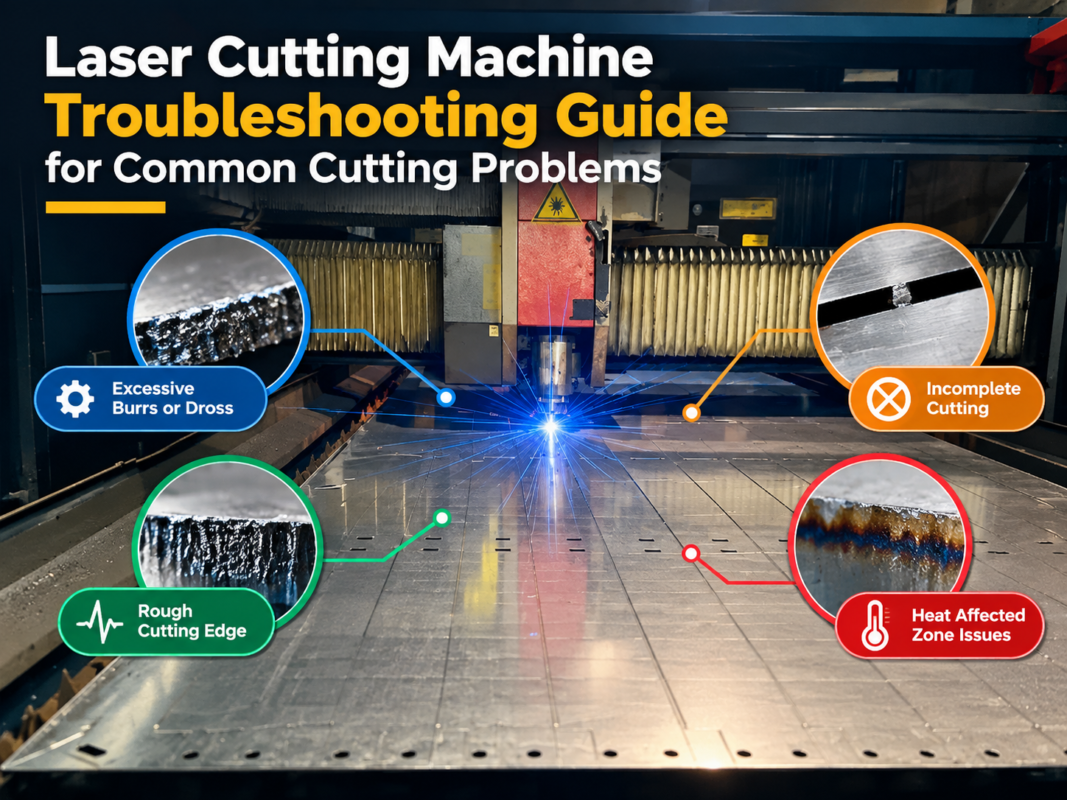
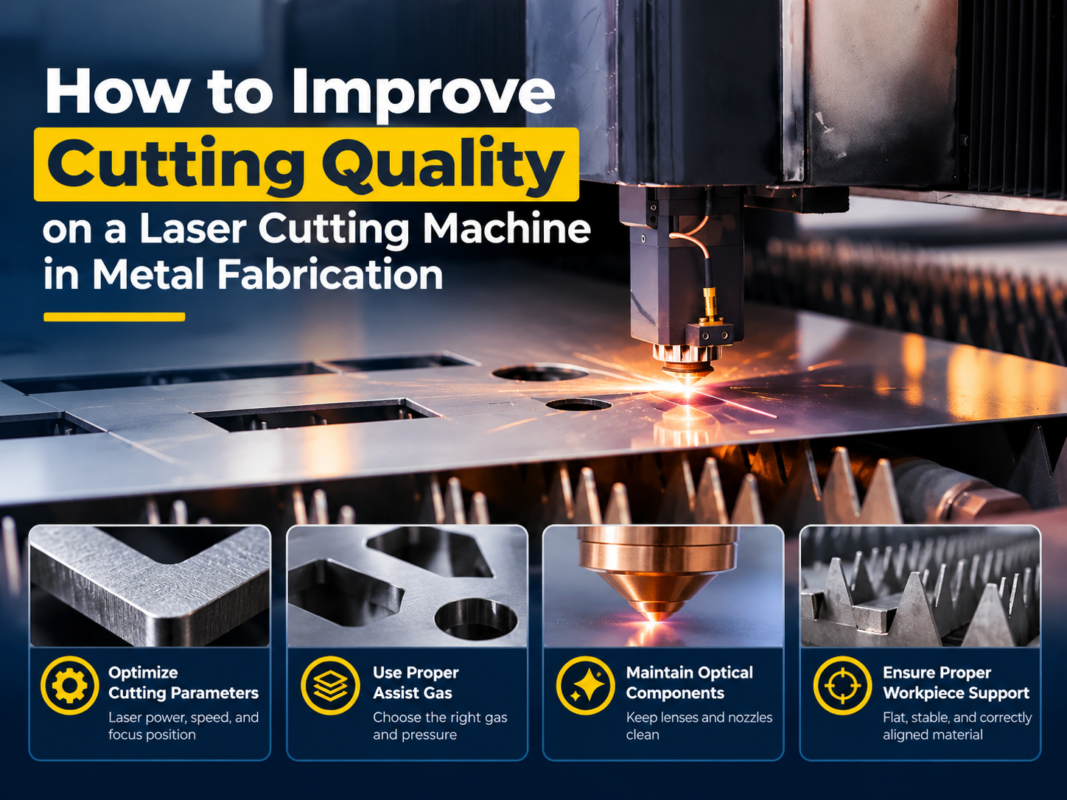
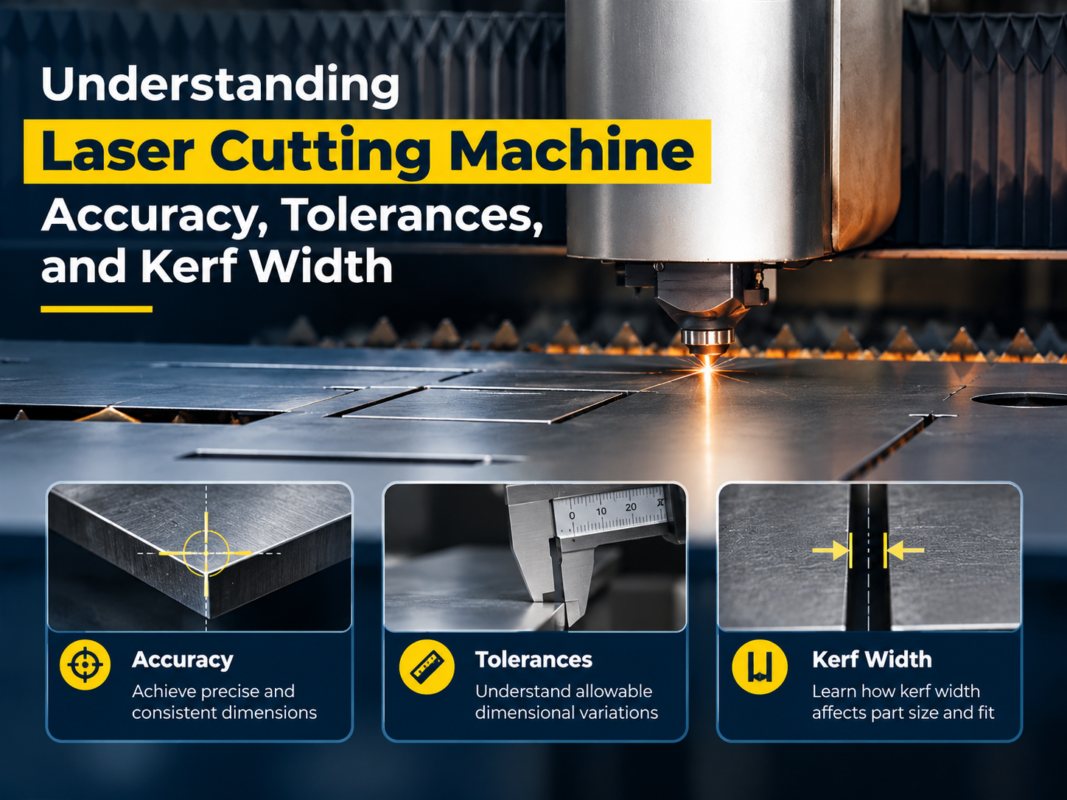
Second, request a cut sample. Any reputable manufacturer, including HARSLE, will be happy to cut your specific parts using your material. Inspect the edge quality, the dross levels, and the dimensional accuracy. This is the best way to verify that the machine can meet your quality standards. Pay close attention to the “taper” on thicker stainless steel cuts; a high-quality machine will maintain a nearly vertical edge.
Third, evaluate the after-sales support. A laser cutter is a complex piece of machinery, and downtime is expensive. Ensure the manufacturer has a robust support network, available spare parts, and technicians who can provide remote or on-site assistance. At HARSLE, we pride ourselves on our global support system, ensuring that our customers’ machines stay running at peak performance.
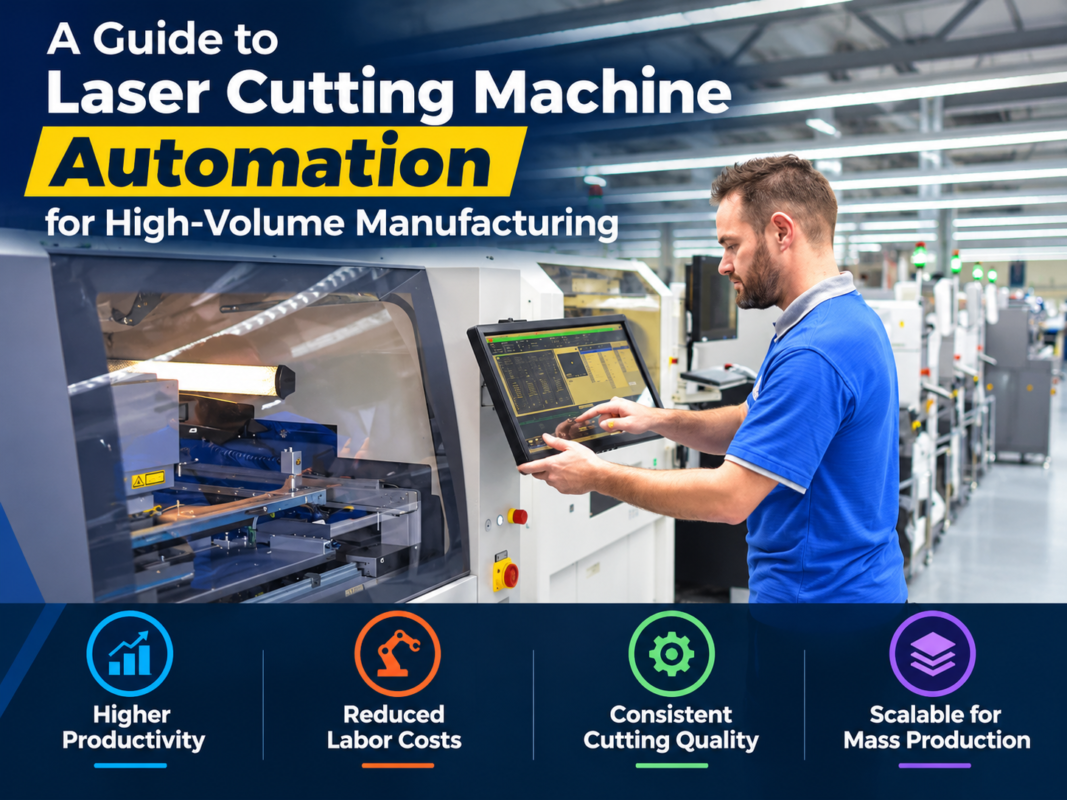
Finally, check the controller’s ease of use. The CNC interface should be intuitive. Modern controllers like CypCut are widely praised for their user-friendly design, allowing operators to quickly load files, set parameters, and monitor the cutting process. A machine that is easy to operate reduces the likelihood of human error and shortens the learning curve for new employees.
Frequently Asked Questions
What is the best laser power for cutting 6mm stainless steel?
For 6mm stainless steel, a 3kW fiber laser is generally considered the sweet spot. It provides a good balance between cutting speed and edge quality. While a 2kW machine can cut 6mm, it will be significantly slower and may produce more dross on the bottom edge. If you have high-volume requirements, a 4kW or 6kW source would allow for even faster production speeds.
Can I cut stainless steel with Oxygen?
While you can cut stainless steel with Oxygen, it is generally not recommended for most applications. Oxygen causes an exothermic reaction that results in a black, oxidized edge. This oxide layer must be removed before welding or painting, which adds labor costs. Nitrogen is the preferred gas for stainless steel because it results in a clean, oxide-free finish.
How long does a fiber laser source last?
Modern fiber laser sources from reputable brands are incredibly durable, with a rated lifespan of up to 100,000 hours. This equates to over 10 years of 24/7 operation. Unlike CO2 lasers, fiber lasers have no internal moving parts or mirrors to align, which contributes to their long life and low maintenance requirements.
Is it worth buying a used laser cutting machine?
Buying used can save money upfront, but it comes with risks. Laser technology evolves rapidly; a 5-year-old machine may be significantly less efficient than a new one. Furthermore, the cost of replacing a degraded laser source or worn-out motion components can quickly erase any initial savings. For most businesses, the warranty and reliability of a new HARSLE machine provide better long-term value.
What safety precautions are needed for stainless steel laser cutting?
Safety is paramount. Fiber lasers operate at a wavelength that is extremely dangerous to the human eye. Always ensure the machine is fully enclosed or that operators wear appropriate laser safety goggles. Additionally, cutting stainless steel produces fine dust and fumes (including hexavalent chromium), so a robust dust extraction and filtration system is mandatory to protect the health of your workers.