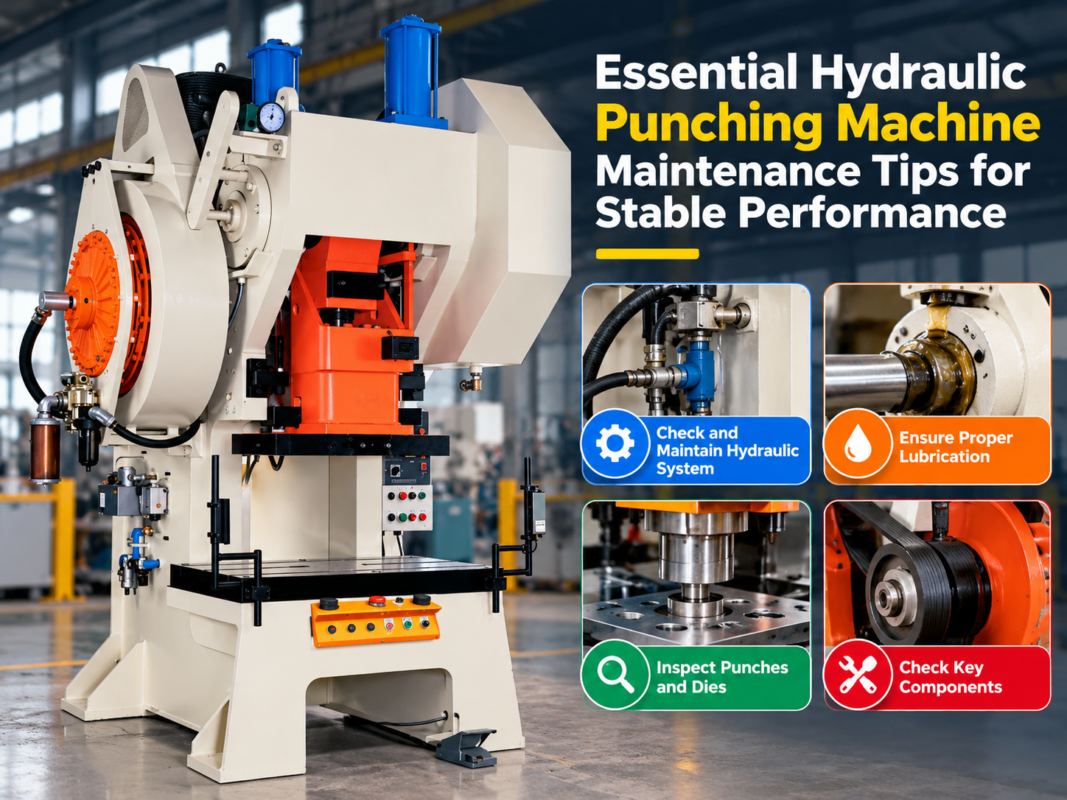
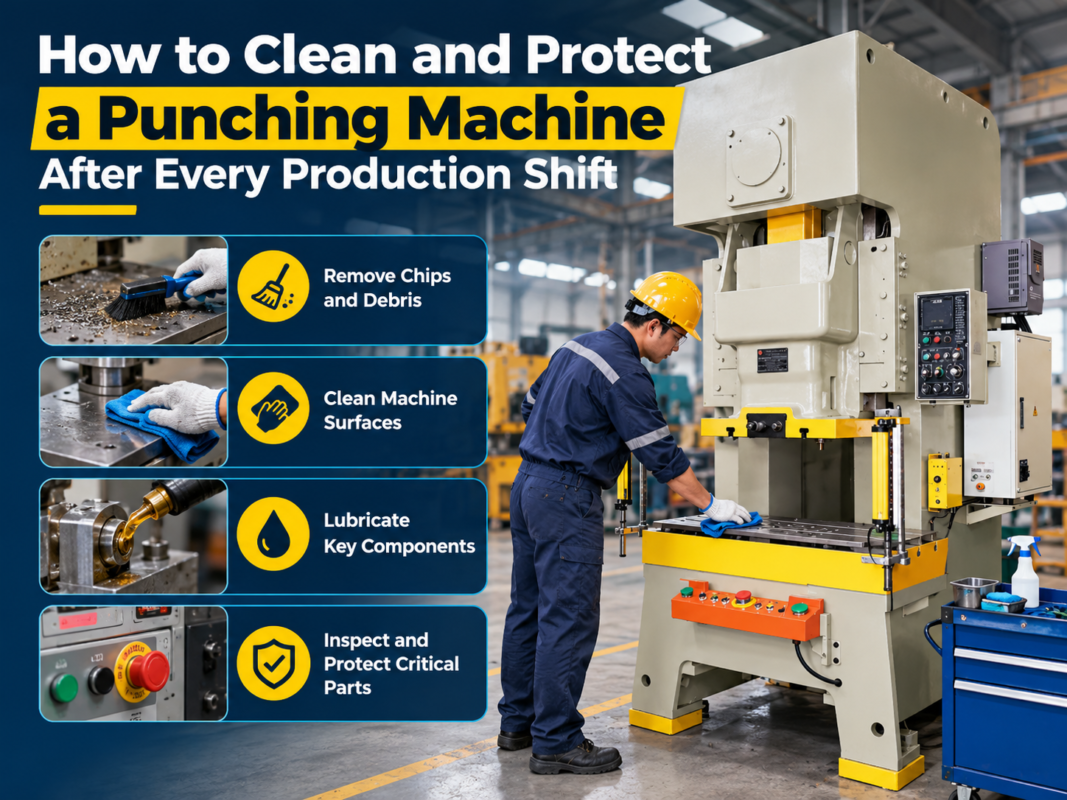
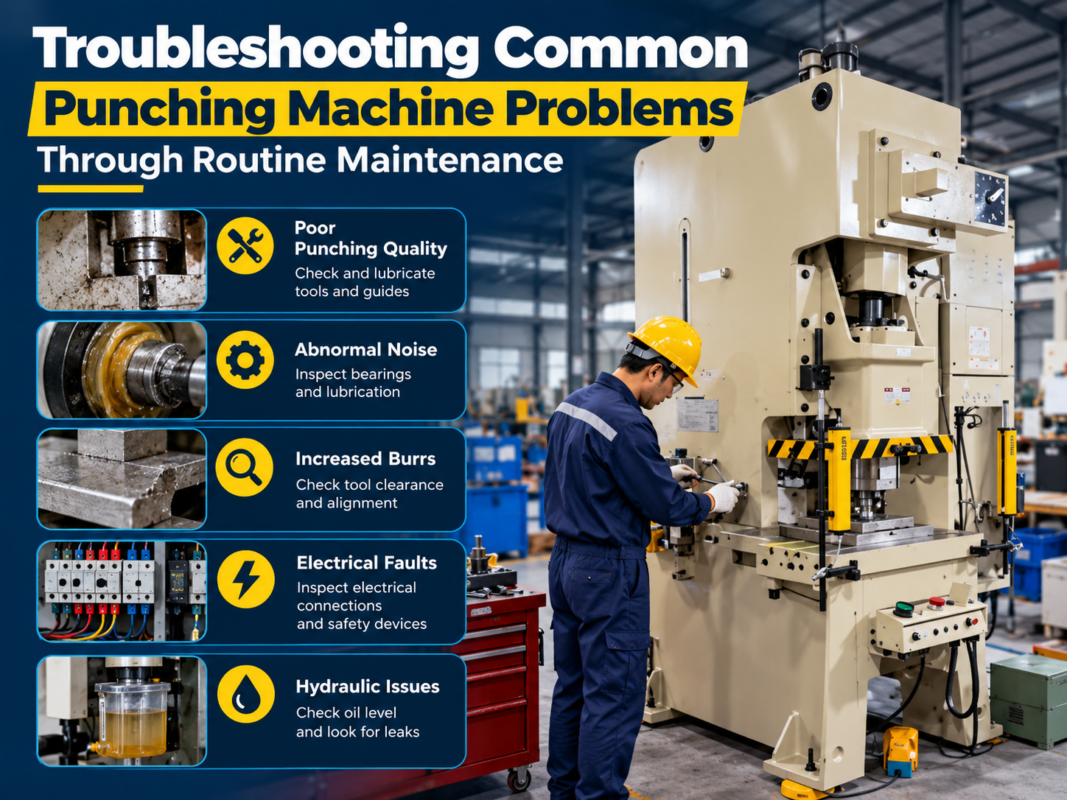
Essential Daily Press Brake Maintenance Tasks for Fabrication Shops: A Comprehensive Guide


The Critical Role of Maintenance in Modern Fabrication
In the high-stakes environment of a modern metal fabrication shop, the press brake stands as a cornerstone of production. Whether you are operating a high-end HARSLE CNC model or a traditional hydraulic machine, the precision of your bends and the longevity of your equipment depend entirely on a rigorous maintenance regimen. Neglecting essential daily press brake maintenance tasks for fabrication shops can lead to catastrophic component failure, expensive downtime, and compromised operator safety. This guide provides an exhaustive look at the daily, weekly, and periodic tasks required to keep your machinery running at peak efficiency.
Maintenance is not merely a chore; it is a strategic investment. When a press brake is well-maintained, it delivers consistent tonnage, maintains tight tolerances, and consumes less energy. For fabrication shops, where margins are often thin and deadlines are tight, the reliability of the press brake is the difference between a profitable project and a costly delay. By implementing a standardized daily checklist, shop managers can identify minor issues before they escalate into major mechanical breakdowns.
Furthermore, the evolution of press brake technology—incorporating advanced hydraulics, sensitive electronics, and high-speed backgauges—means that the complexity of maintenance has increased. Modern machines require a more nuanced approach than the “grease and go” methods of the past. Understanding the synergy between the mechanical, hydraulic, and electrical systems is vital for any technician or operator tasked with machine care.
HARSLE emphasizes that a proactive maintenance culture starts with the operator. Since the operator is the one interacting with the machine for eight or more hours a day, they are the first line of defense against wear and tear. Training staff to recognize the subtle signs of trouble—such as a new vibration, a slight hiss in the hydraulic lines, or a deviation in bend angle—is as important as the maintenance tasks themselves.
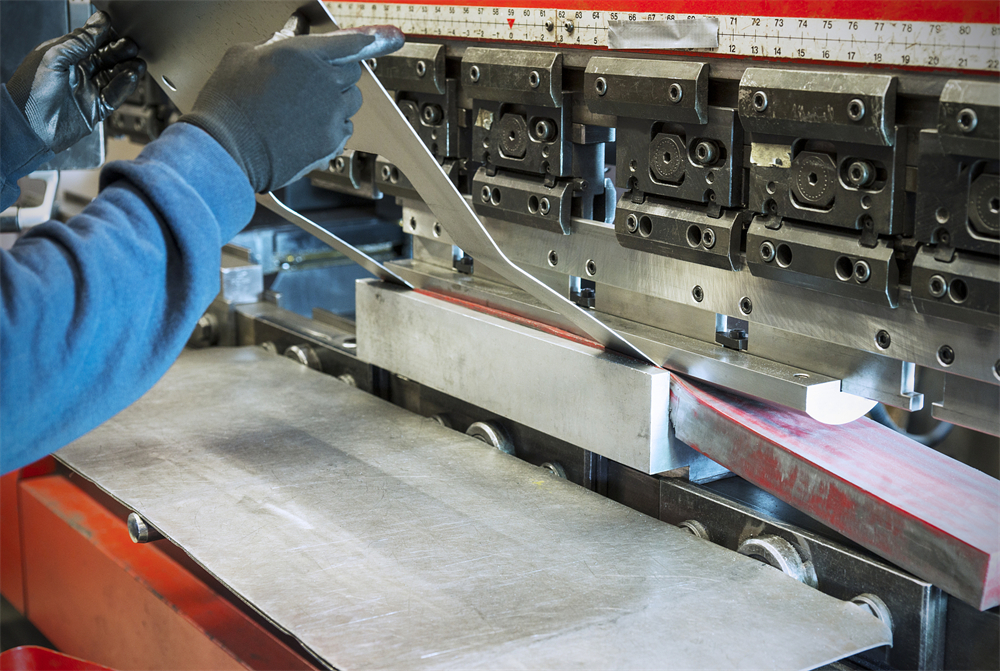
The Daily Inspection: Your First Line of Defense
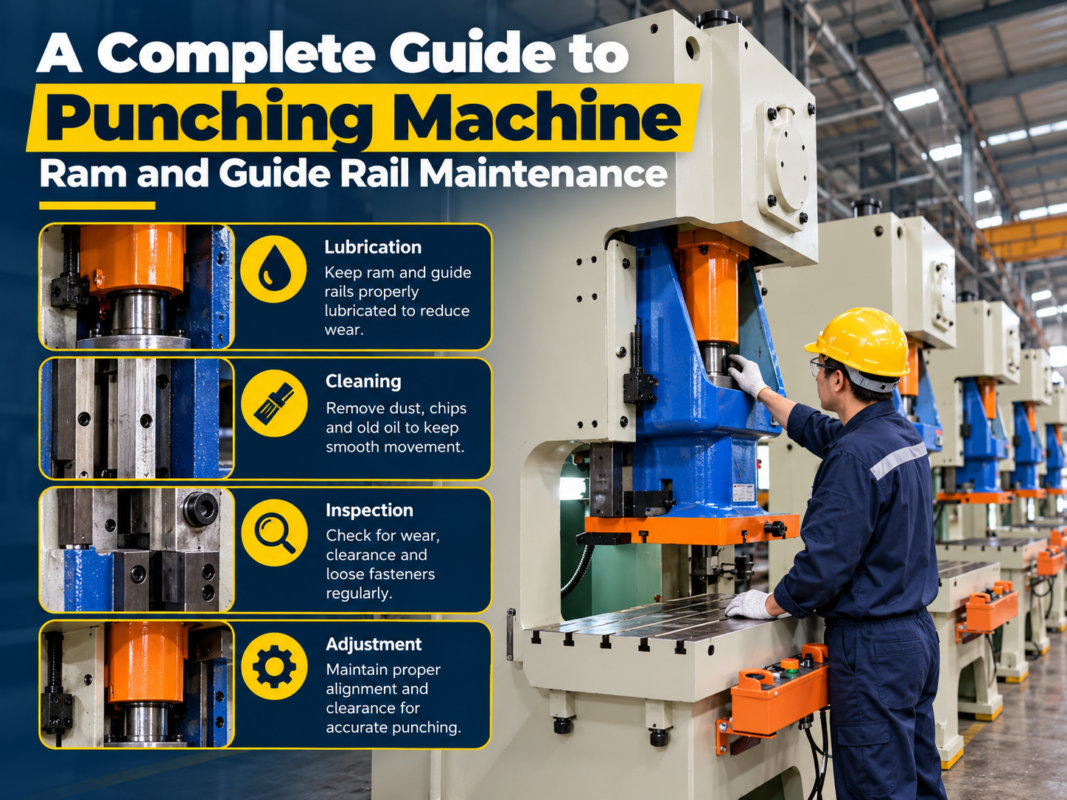
The workday should always begin with a comprehensive visual and functional inspection. This “walk-around” allows the operator to verify that the machine is in a safe and operational state before any metal is loaded. The first step in essential daily press brake maintenance tasks for fabrication shops is cleaning. Dust, metal shavings, and scale from laser-cut parts can accumulate on the bed and tooling, leading to inaccuracies and even permanent scarring of the machine surfaces.
Operators should wipe down the ram, the bed, and the guide rails using a clean, lint-free cloth. It is crucial to avoid using compressed air to blow off debris, as this can force small metal particles into sensitive areas like the hydraulic seals or the linear encoders of the backgauge. Instead, use a vacuum or a brush to remove larger particles, followed by a light wipe-down with a recommended cleaning agent.
Safety devices must be tested every single morning. This includes the emergency stop buttons, the light curtains, and any physical guarding. If a light curtain is misaligned or dirty, it may trigger false stops, or worse, fail to stop the machine in an emergency. Check the alignment of the laser safety systems (such as the LazerSafe system often found on HARSLE machines) to ensure the protective zone is correctly positioned relative to the punch tip.
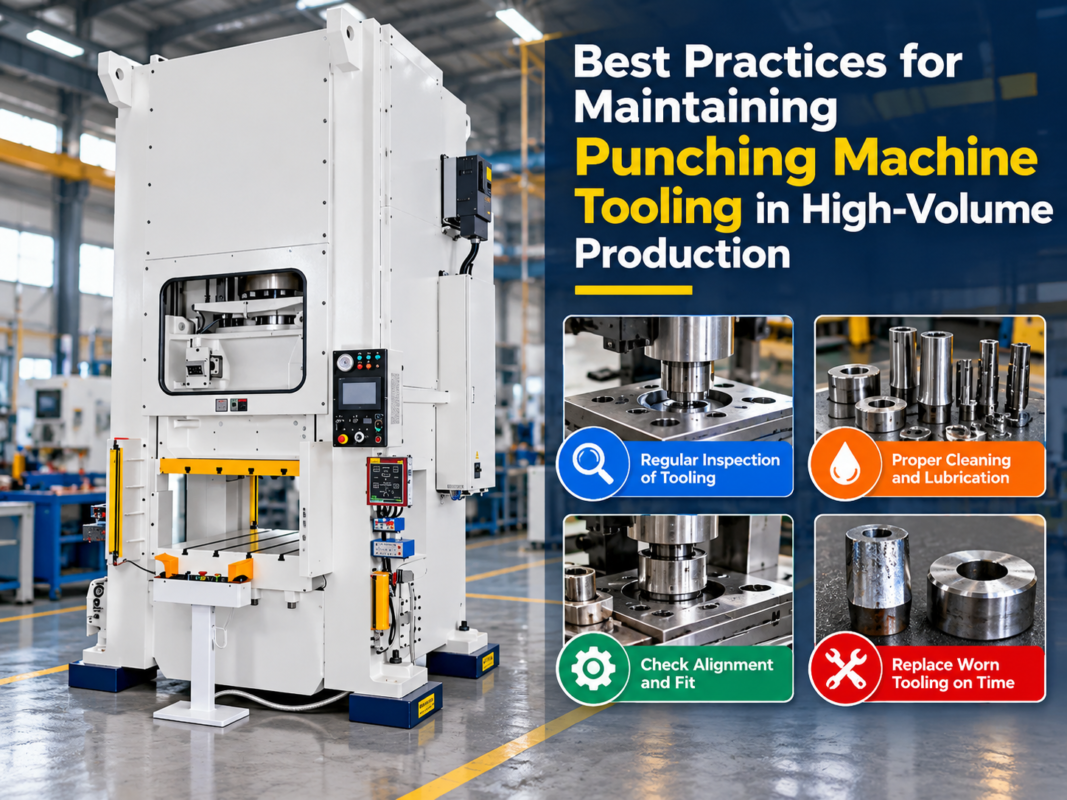
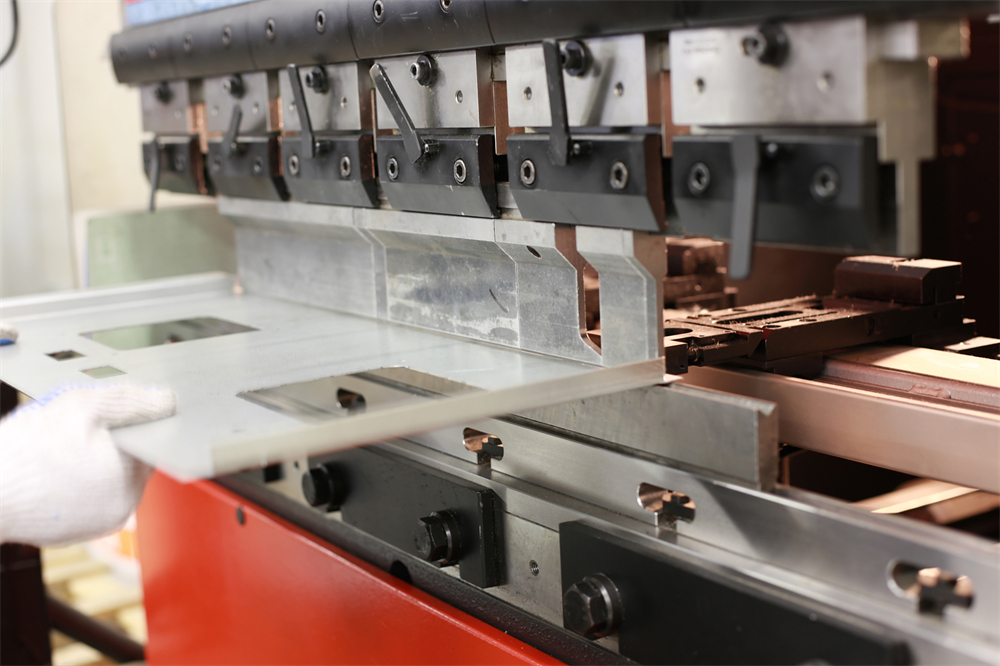
Finally, inspect the tooling. Look for cracks, chips, or excessive wear on the punches and dies. Even a small nick in a die can result in a visible mark on every part produced, leading to high scrap rates. Ensure that the tooling is properly seated and clamped in the holders. Loose tooling is a major safety hazard and a primary cause of machine damage during the bending cycle.
Hydraulic System Integrity and Fluid Management
The hydraulic system is the heart of the press brake, providing the force necessary to deform heavy-gauge metal. Maintaining the health of this system is paramount. Daily checks must include an inspection of the oil level in the reservoir. Most machines feature a sight glass; the oil should be at the prescribed level when the ram is in the up position. Low oil levels can lead to aeration, where air is sucked into the pump, causing cavitation and rapid wear of internal components.
Beyond the level, the quality of the oil is critical. Hydraulic oil should be clear and amber-colored. If the oil appears milky, it indicates water contamination; if it looks dark or smells burnt, it has likely oxidized due to overheating. Overheated oil loses its viscosity, which leads to inconsistent bending pressure and increased wear on valves and seals. Fabrication shops should monitor the oil temperature during operation; most systems should stay between 100°F and 120°F (38°C to 49°C).
Check all hydraulic hoses and connections for signs of weeping or leaks. A small damp spot on a hose is often a precursor to a high-pressure burst. Pay close attention to the areas where hoses flex during the ram’s movement. Ensure that all fittings are tight, but avoid over-tightening, which can crush seals. If a leak is detected, the machine should be locked out until the repair is made, as hydraulic fluid under high pressure can penetrate human skin, causing severe injury.
Lastly, the hydraulic filters must be monitored. Many modern CNC press brakes have sensors that alert the operator when a filter is becoming clogged. However, a manual check of the pressure gauges on the filter housing is a good daily habit. Replacing filters on schedule prevents contaminants from reaching the sensitive proportional valves that control the ram’s precision movement.
Electrical and Control System Stability
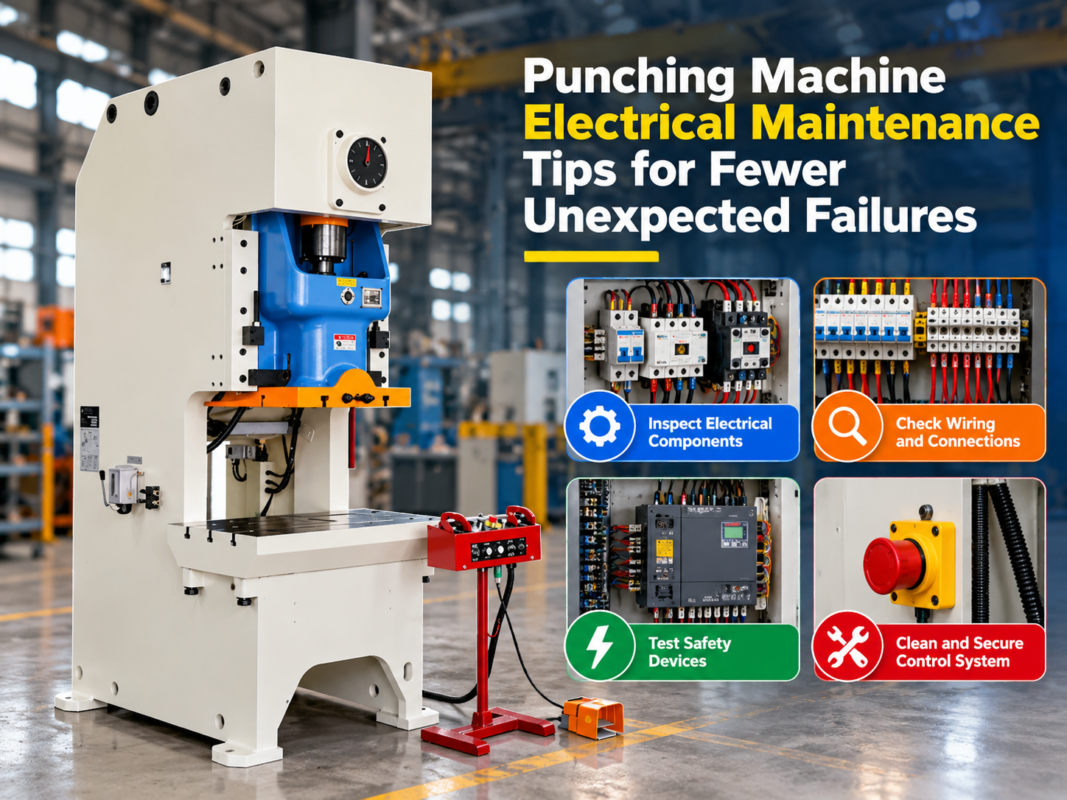
While the mechanical and hydraulic systems do the heavy lifting, the electrical system provides the intelligence. Daily maintenance for the electrical system involves ensuring that the control cabinet is clean and that the cooling fans are operational. Dust accumulation inside the electrical cabinet can cause components to overheat, leading to erratic behavior or total controller failure. Ensure the cabinet doors are always kept closed and that the seals are intact.
The CNC controller itself should be treated with care. Use a soft, dry cloth to clean the touchscreen or monitor. Check the cables connecting the controller to the machine for any signs of fraying or tension. If your shop uses a foot pedal, inspect the cable and the pedal housing for damage. The foot pedal is often subjected to rough use and can become a point of failure if the internal switches become clogged with shop debris.
Grounding is another critical aspect of electrical maintenance. Ensure the machine is properly grounded to prevent electrical noise from interfering with the sensitive encoders and sensors. Inconsistent backgauge positioning or “ghost” errors on the screen are often traced back to poor grounding or electromagnetic interference (EMI) from nearby welding equipment.
Software and data management are also part of modern maintenance. Operators should regularly back up their bending programs and tooling libraries. While not a physical task, ensuring that the machine’s digital environment is organized and backed up prevents the loss of valuable production data in the event of a hardware failure.
Mechanical Components and the Lubrication Plan
The mechanical precision of a press brake relies on the smooth movement of the ram and the backgauge. The ram moves within guides (gibs) that must be properly lubricated and adjusted. If the gibs are too tight, they cause excessive friction and heat; if they are too loose, the ram will tilt, resulting in inaccurate bends. Daily, check for any signs of scoring on the guide surfaces and ensure that the lubrication system is delivering oil or grease to these points.
The backgauge is a high-precision component that moves in multiple axes (X, R, Z1, Z2). These axes typically use ball screws and linear rails. Daily maintenance involves checking these rails for debris and ensuring they have a thin film of lubricant. If the ball screws become dry, they will wear prematurely, leading to backlash and positioning errors. Many HARSLE machines feature automatic lubrication systems, but it is still the operator’s responsibility to ensure the lubricant reservoir is full and that the lines are not blocked.
Lubrication is perhaps the most misunderstood aspect of maintenance. Using the wrong type of grease can be as damaging as using no grease at all. For example, some high-speed linear bearings require a specific lithium-based grease, while heavy-duty pivot points might require a molybdenum-disulfide additive. Always refer to the manufacturer’s manual for the correct lubricant specifications. A “Lubrication Plan” should be posted on the machine, detailing every grease point, the type of lubricant required, and the frequency of application.
In addition to lubrication, check the tightness of mechanical fasteners. The vibration inherent in metal forming can loosen bolts over time. Specifically, check the bolts securing the backgauge fingers, the tooling clamps, and the motor mounts. A quick check with a wrench can prevent a component from shifting during a high-tonnage bend, which could cause significant damage to the machine frame.
Identifying Troubleshooting Signals
A skilled operator develops an intuition for the machine’s “normal” state. Any deviation from this state is a troubleshooting signal. Noise is often the first indicator of trouble. A high-pitched squeal from the pump might indicate cavitation or a failing bearing. A clunking sound during the ram’s transition from fast approach to slow bend could suggest a mechanical looseness or a hydraulic valve timing issue.
Vibration is another key signal. While some vibration is expected during the bend, excessive shaking of the hydraulic lines or the backgauge assembly indicates an imbalance or a failing component. Heat is also a major red flag. If a motor or a hydraulic manifold feels excessively hot to the touch, it is working too hard, likely due to a blockage or mechanical binding.
Drift is a common issue in older or poorly maintained machines. If the ram does not stay in the up position when the machine is idle, or if the backgauge slowly moves out of position, there is a leak in the hydraulic cylinders or a failure in the braking system of the servo motors. These issues must be addressed immediately to ensure part accuracy and operator safety.
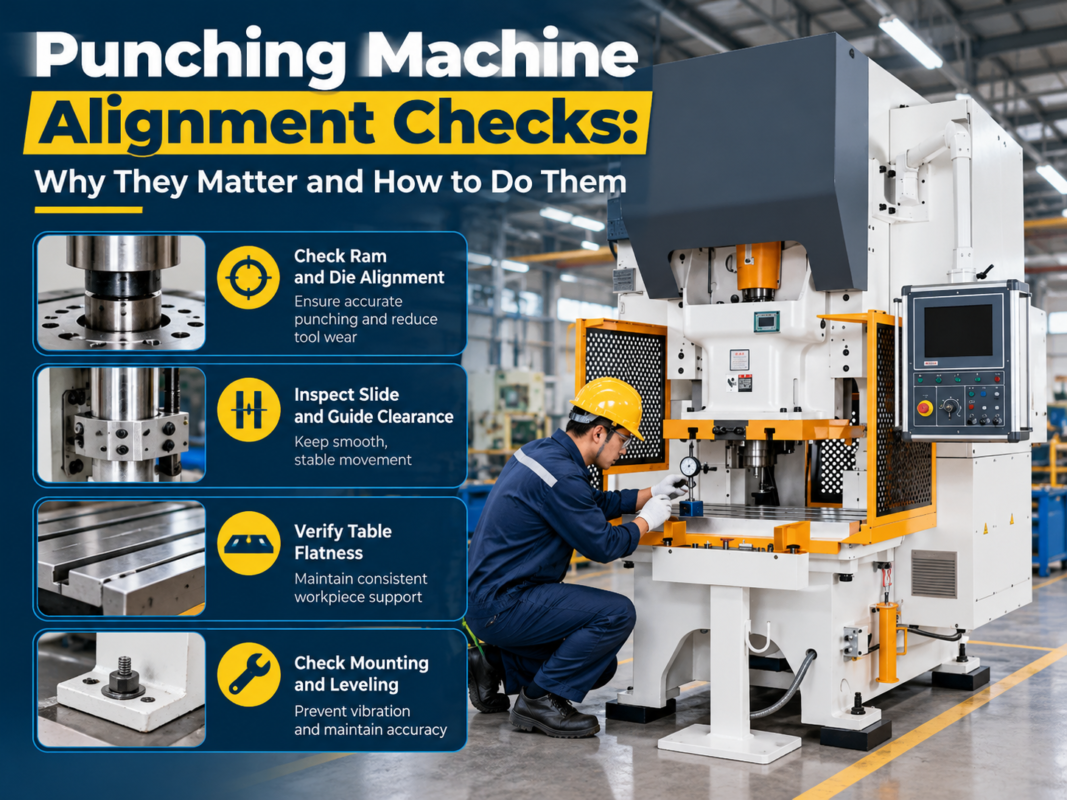
Finally, monitor the quality of the output. If the bend angle starts to vary across the length of the part, or if the flange lengths are inconsistent, the machine is signaling a maintenance need. This could be due to uneven wear in the tooling, a shift in the bed’s crowning system, or a misalignment of the ram guides. Regular calibration checks should be part of the broader maintenance strategy to catch these trends early.
Comprehensive Maintenance Schedule Table
To help your shop stay organized, use the following table as a template for your essential daily press brake maintenance tasks for fabrication shops. This schedule covers the basics for most hydraulic CNC press brakes.
| Frequency | Component | Action Required |
|---|---|---|
| Daily | Safety Systems | Test E-stops, light curtains, and laser guards. |
| Daily | Tooling & Bed | Clean debris, inspect for cracks/chips, check clamping. |
| Daily | Hydraulic System | Check oil level, temperature, and look for leaks. |
| Daily | Backgauge Rails | Wipe clean and check for smooth movement. |
| Weekly | Ram Guides (Gibs) | Inspect for scoring and verify lubrication. |
| Weekly | Electrical Cabinet | Check cooling fans and clean filters if applicable. |
| Monthly | Hydraulic Oil | Perform a visual check for contamination/oxidation. |
| Monthly | Mechanical Fasteners | Check and tighten all critical bolts and nuts. |
| 6 Months | Hydraulic Filters | Replace all return and pressure line filters. |
| Yearly | Full Calibration | Verify ram parallelism and backgauge accuracy. |
| Yearly | Oil Change | Drain, flush, and refill hydraulic reservoir (or per lab test). |
Frequently Asked Questions (FAQ)
1. Why is my press brake losing its bend accuracy over the course of the day?
This is often due to thermal expansion. As the hydraulic oil heats up, its viscosity changes, which can affect the response time of the valves. Additionally, the machine frame itself can expand slightly. Ensure your cooling system is working and consider a warm-up cycle in the morning to stabilize the machine’s temperature before running high-precision parts.
2. How often should I actually change the hydraulic oil?
While many manuals suggest every 2,000 to 4,000 hours, the best practice is to perform oil analysis. An oil lab can tell you the exact state of the additives and the level of contamination. This prevents you from throwing away good oil or, conversely, running on oil that has lost its protective properties.
3. Can I use any grease for the backgauge ball screws?
No. Ball screws require specific lubricants that won’t gum up or attract excessive dust. Using a heavy chassis grease can actually cause the balls to slide rather than roll, leading to flat spots and permanent damage. Always use the lubricant specified by the manufacturer, such as a high-quality lithium-based grease.
4. What is the most common cause of hydraulic pump failure?
Cavitation caused by low oil levels or clogged suction strainers is the leading cause. When the pump cannot get enough oil, it creates vacuum bubbles that implode with great force, pitting the internal surfaces of the pump. Keeping the oil clean and at the correct level is the best way to protect the pump.
5. Is it necessary to clean the tooling after every shift?
Yes. Scale and metal dust are abrasive. If left on the tooling, they act like grinding paste during the next bend, wearing down the precise radii of your punches and dies. A quick wipe with an oily rag prevents rust and removes these abrasive particles, significantly extending the life of your expensive tooling sets.
Conclusion: Building a Culture of Maintenance
Implementing essential daily press brake maintenance tasks for fabrication shops is not just about following a list; it is about fostering a culture of respect for the equipment. When operators take pride in the cleanliness and functionality of their machines, the entire shop benefits from higher quality, safer working conditions, and improved profitability. HARSLE remains committed to providing robust machinery designed for ease of maintenance, but the ultimate responsibility for the machine’s longevity lies in the hands of the shop’s maintenance team and operators. By following the steps outlined in this guide, you can ensure that your press brake remains a reliable asset for decades to come.