Press Brake Maintenance Tips to Prevent Hydraulic Failures and Oil Leaks


The Critical Importance of Press Brake Maintenance
In the world of metal fabrication, the press brake is the workhorse of the shop floor. Whether you are operating a high-end HARSLE CNC model or a traditional hydraulic machine, the precision of your bends and the longevity of your equipment depend entirely on a rigorous maintenance regimen. Neglecting maintenance doesn’t just lead to minor inconveniences; it results in catastrophic hydraulic failures, expensive oil leaks, and significant production downtime that can erode your profit margins.
Effective maintenance is more than just a safety precaution; it is a strategic investment. A well-maintained press brake operates with higher accuracy, consumes less energy, and retains a higher resale value. When hydraulic systems are neglected, the internal components—such as proportional valves, cylinders, and pumps—begin to wear prematurely. This wear introduces contaminants into the oil, creating a vicious cycle of degradation that eventually leads to system-wide failure. By following these press brake maintenance tips to prevent hydraulic failures and oil leaks, you ensure that your facility remains productive and safe.
Furthermore, the environmental and safety risks associated with oil leaks cannot be overstated. A single hydraulic leak can create slip hazards for operators and contaminate the workspace. In many jurisdictions, industrial oil spills require specific disposal protocols and can lead to heavy fines. Therefore, preventing leaks at the source through proactive seal replacement and connection tightening is essential for any modern fabrication business. This guide provides a deep dive into the technical aspects of keeping your press brake in peak condition.
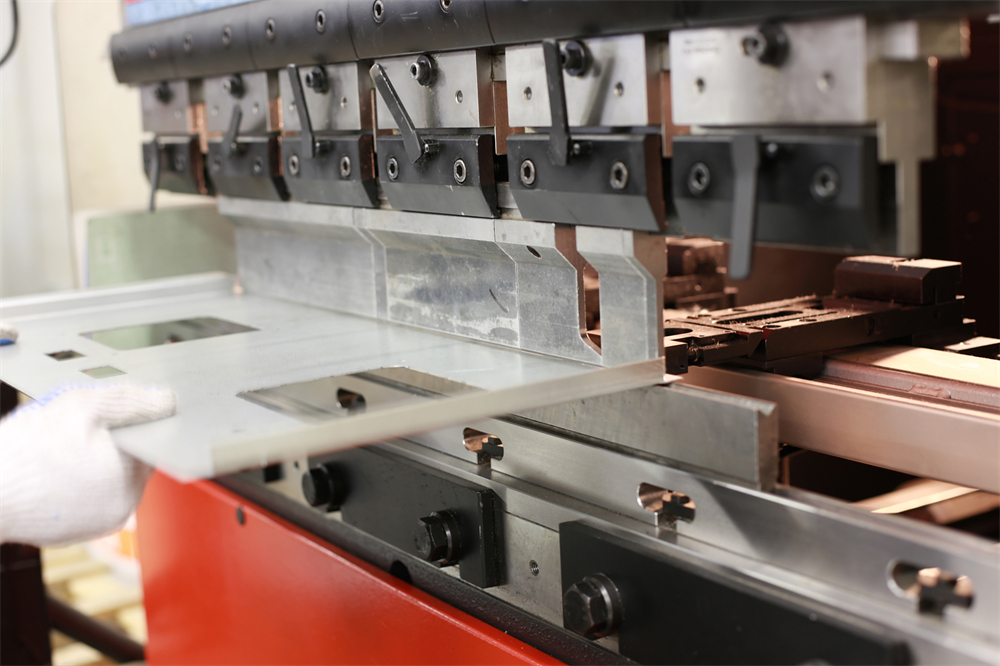
Daily Inspection: The First Line of Defense
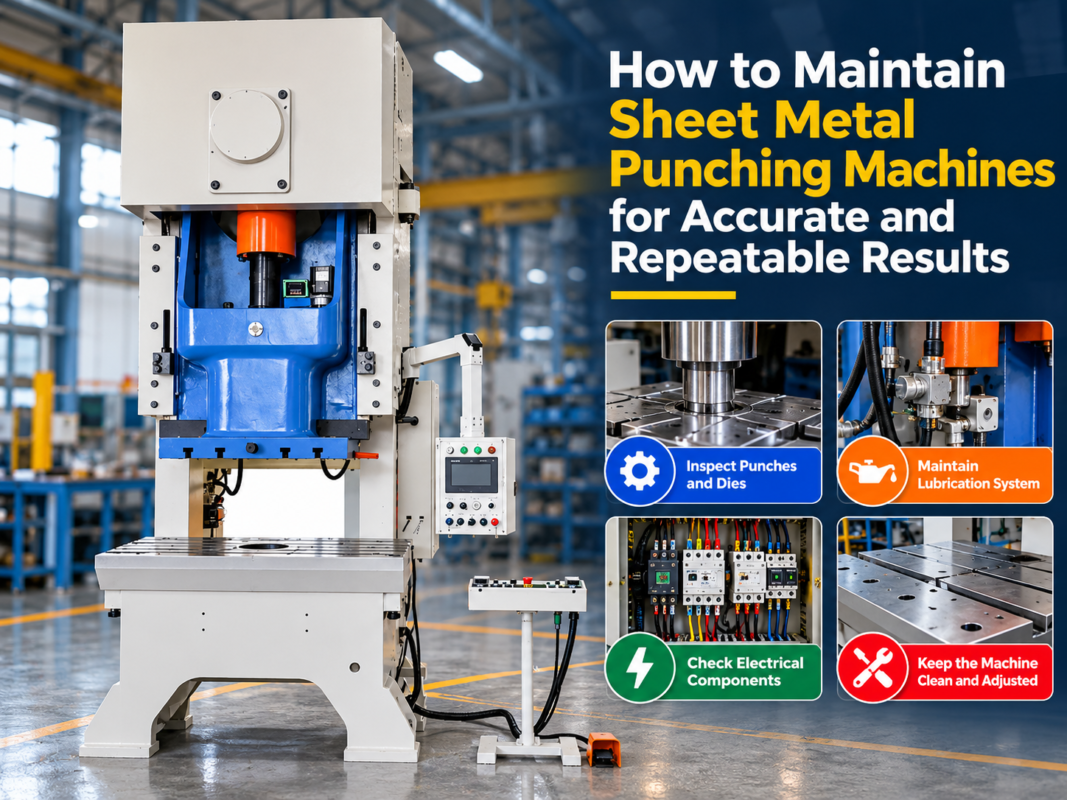
The most effective way to prevent major mechanical issues is through a consistent daily inspection routine. Before the start of every shift, operators should perform a visual and functional sweep of the machine. This process takes less than fifteen minutes but can save thousands of dollars in repairs. Start by checking the area around the machine for any signs of fresh oil on the floor. Even a small droplet can indicate a loose fitting or a failing seal that will eventually lead to a major leak.
During the daily check, pay close attention to the oil level in the main reservoir. Most HARSLE press brakes feature a sight glass or a digital level indicator. If the oil level is consistently dropping, there is an internal or external leak that must be addressed immediately. Additionally, check the oil temperature. Hydraulic oil that runs too hot (typically above 60°C or 140°F) loses its viscosity, leading to poor lubrication and accelerated wear of the pump and valves. High temperatures are often a sign of a clogged cooling system or a pump that is working too hard due to internal bypass.
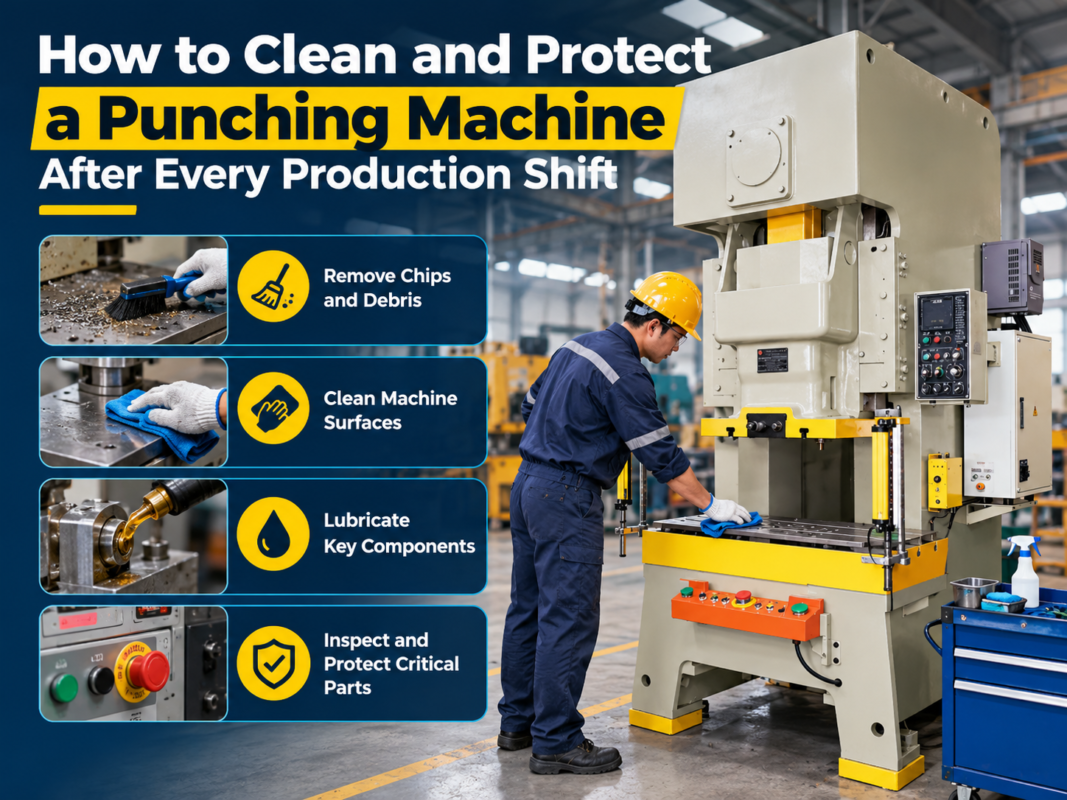
Safety systems must also be verified daily. This includes testing the emergency stop buttons, the foot pedal’s responsiveness, and the alignment of the light curtains or laser guards. A press brake with compromised safety features is a liability. Finally, clean the work area and the machine’s bed. Metal shavings and dust can migrate into the hydraulic seals or the backgauge’s ball screws, causing abrasive wear that leads to premature failure. A clean machine is a healthy machine.
Hydraulic System Maintenance: Preventing Failures and Leaks
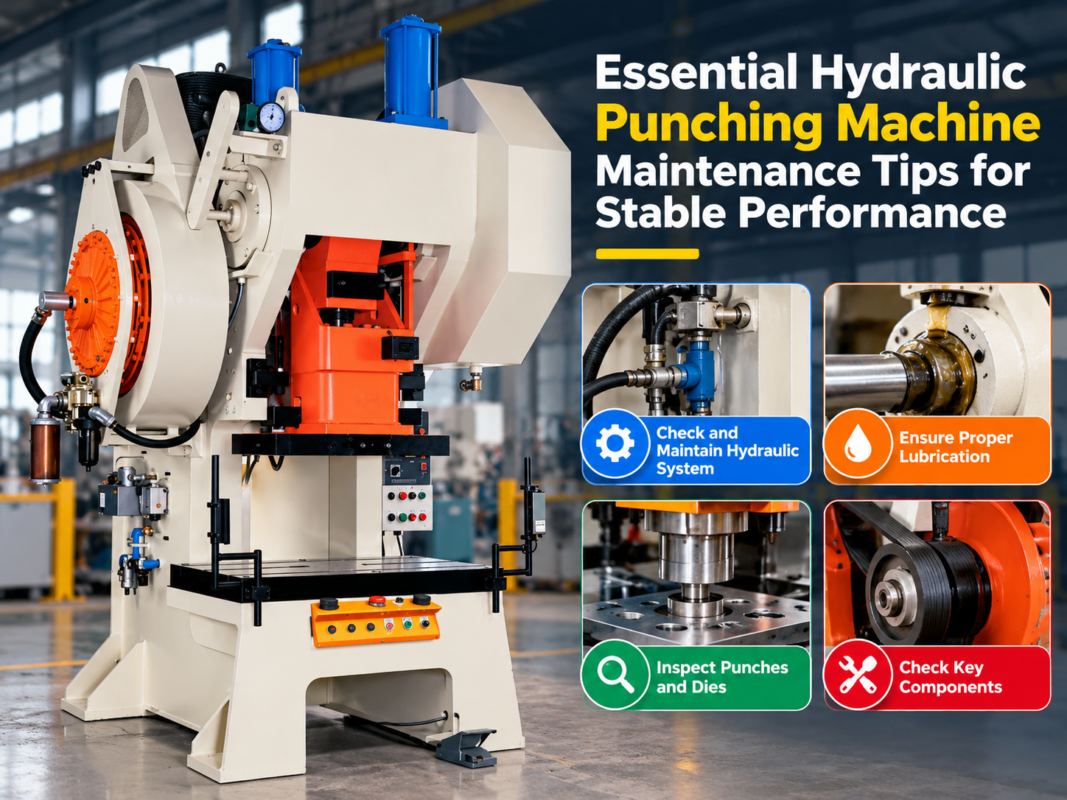
The hydraulic system is the heart of the press brake. To prevent hydraulic failures and oil leaks, you must focus on oil cleanliness and seal integrity. Hydraulic oil is not just a medium for power; it is a lubricant and a coolant. Over time, oil breaks down due to heat and pressure, and it becomes contaminated with microscopic metal particles and moisture. We recommend performing an oil analysis every six months to check for contamination levels and additive depletion.
Filters are your primary defense against contamination. Most modern press brakes have a suction filter and a return line filter. These should be replaced according to the manufacturer’s schedule, or sooner if the filter clogging indicator is triggered. When changing filters, always inspect the old filter for large metal fragments, which could indicate a failing pump or cylinder. If you find significant debris, a full system flush may be necessary to prevent damage to the sensitive proportional valves.
Oil leaks often occur at the cylinder seals or the manifold connections. Heat cycles cause seals to harden and crack over time. If you notice “weeping” around the ram cylinders, it is time to plan a seal replacement. Do not wait for a total seal blowout. Additionally, check the hydraulic hoses for signs of bulging, cracking, or abrasion. Hoses have a finite lifespan and should be replaced every 3 to 5 years as a preventative measure, regardless of their outward appearance. Ensuring that all fittings are torqued to the correct specification will prevent vibration-induced leaks.
Electrical and Control System Checks
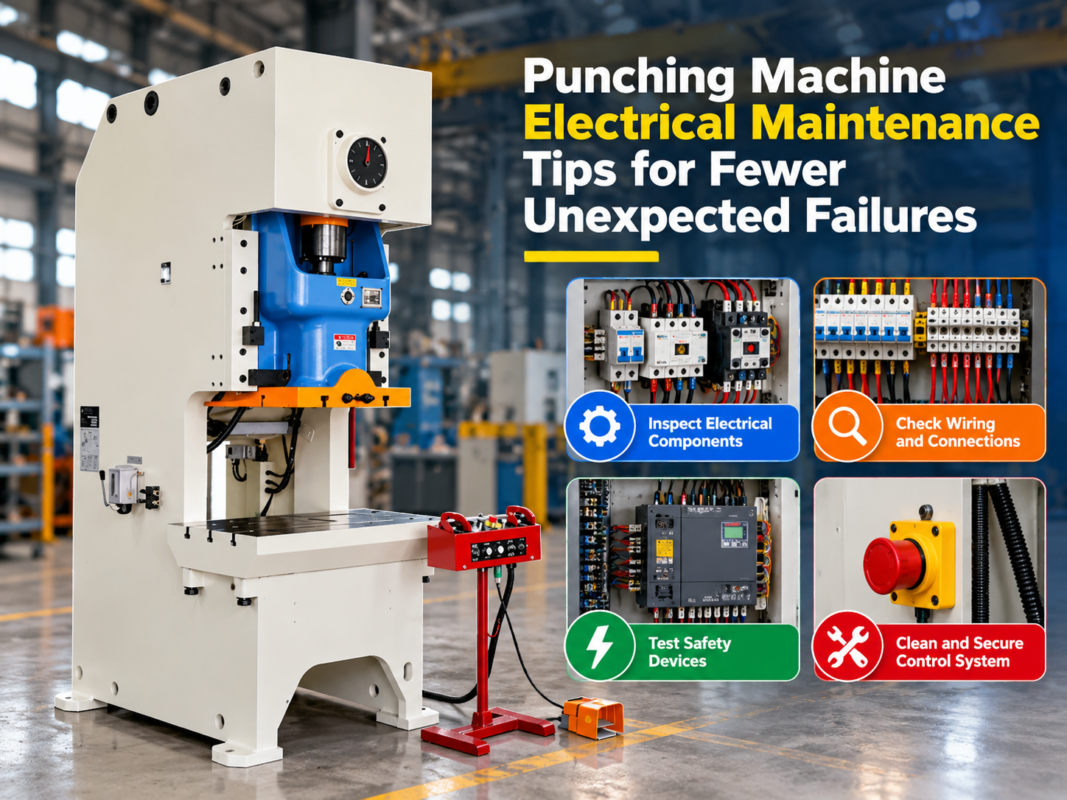
While the hydraulic system provides the power, the electrical system provides the brains. Dust and heat are the primary enemies of electrical components. Once a month, the electrical cabinet should be opened (with the power off) and inspected. Use low-pressure compressed air or a vacuum to remove dust from the cooling fans and heat sinks. Accumulated dust can cause components like the PLC or motor drives to overheat, leading to erratic machine behavior or total control failure.
Check all wiring connections for tightness. Vibrations from the bending process can loosen terminal screws over time, leading to arcing or intermittent signals. Pay special attention to the cables leading to the backgauge motors and the linear scales. These cables are constantly in motion and can develop internal breaks or outer sheath wear. If your press brake uses a CNC controller, ensure that the software is backed up and that the cooling fans for the monitor and processor are functioning correctly.
Sensors and limit switches also require regular attention. The Y-axis linear scales, which measure the position of the ram, must be kept clean and free of oil mist. If these scales become dirty, the machine may lose its calibration, resulting in inaccurate bend angles. Similarly, check the homing sensors for the backgauge (X, R, Z axes) to ensure they are clear of debris and securely mounted. Accurate feedback from these sensors is critical for the precision that HARSLE machines are known for.

Mechanical Components and Lubrication Plan
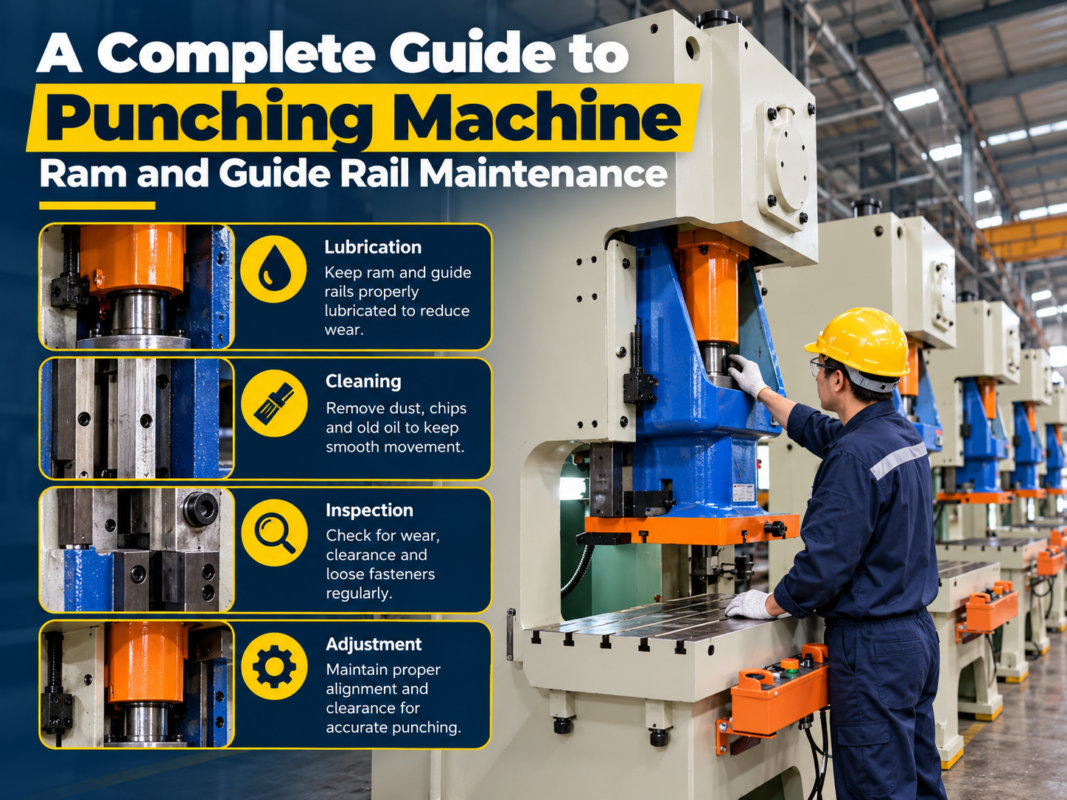
The mechanical structure of the press brake, including the frame, the ram, and the backgauge, requires consistent lubrication to function smoothly. The sliding guides (gibbing) where the ram moves up and down are high-friction areas. If these are not properly lubricated, the friction increases the load on the hydraulic system, leading to higher oil temperatures and potential pump failure. Use a high-quality lithium-based grease or the specific lubricant recommended in your HARSLE manual.
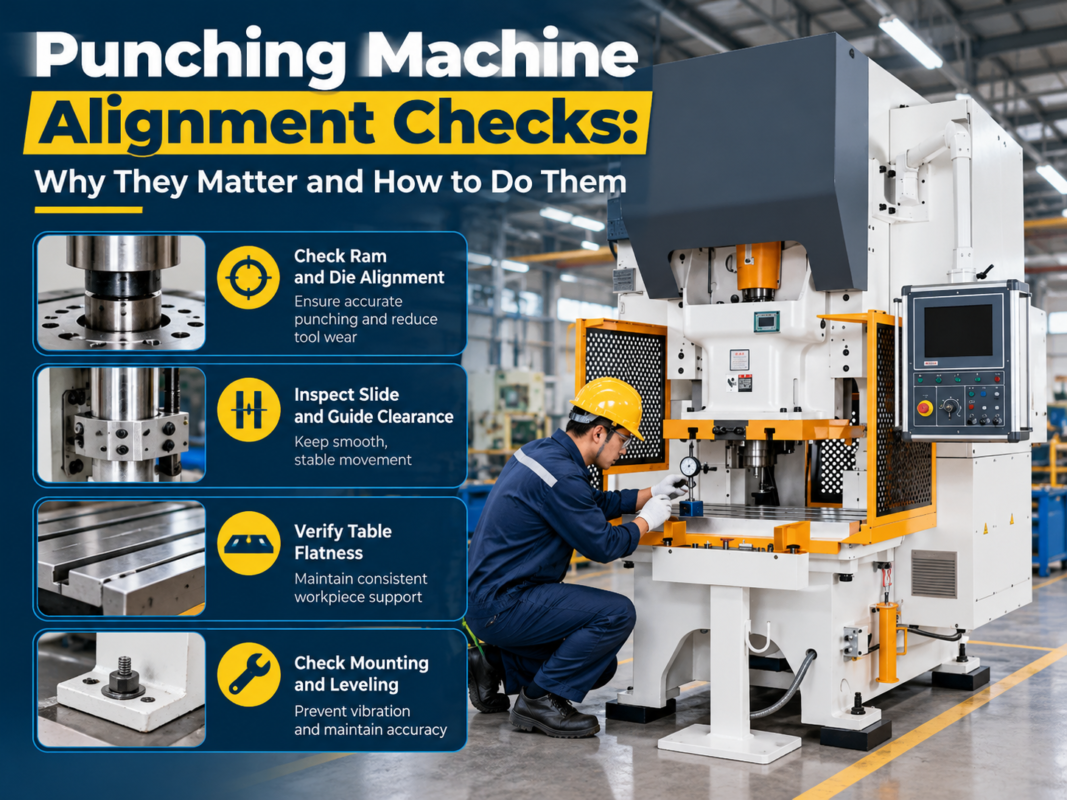
The backgauge system, consisting of ball screws and linear rails, is essential for part accuracy. These components should be cleaned and greased weekly. If the backgauge becomes sluggish or noisy, it is likely due to a lack of lubrication or the accumulation of shop dust. Check the parallelism of the backgauge fingers to the die rail periodically. If the backgauge is out of alignment, the operator may attempt to compensate by over-pressuring the machine, which puts unnecessary strain on the hydraulic components.
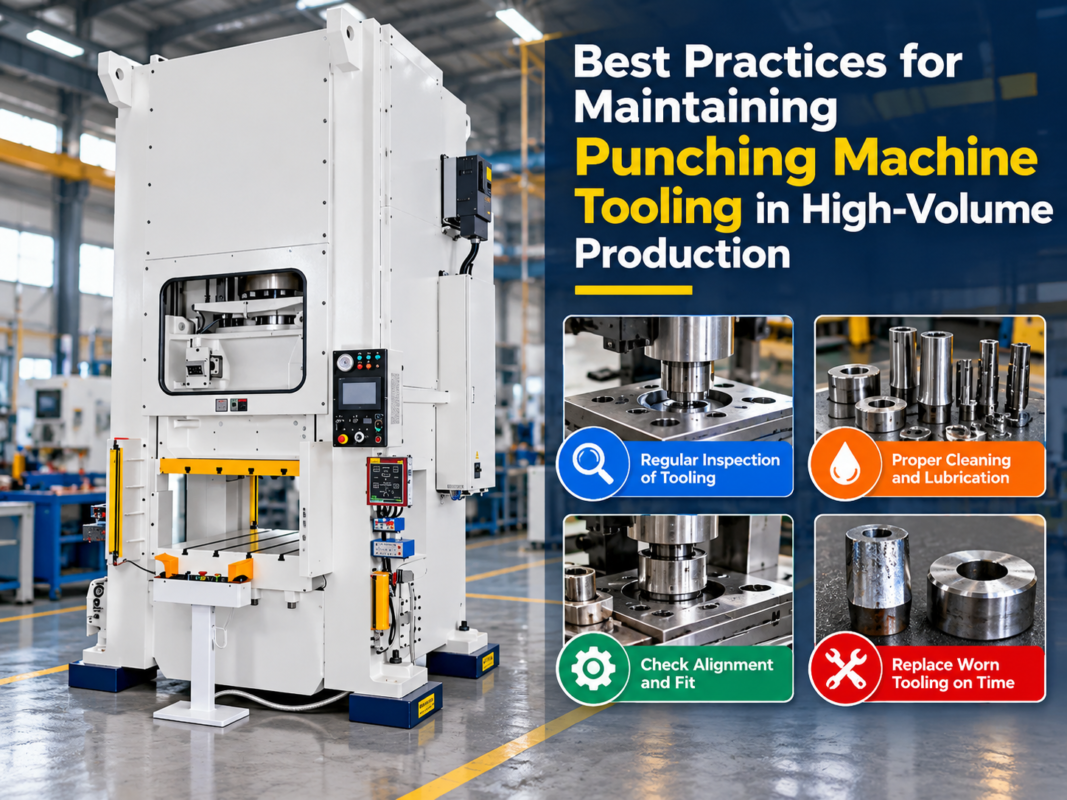
Tooling maintenance is often overlooked but is vital for machine health. Worn or damaged dies can cause uneven loading on the ram. This “off-center loading” is a major cause of hydraulic cylinder seal failure. Always ensure that the tooling is clean and that the load is distributed as centrally as possible. If you must perform off-center bending, ensure your machine is equipped with a compensation system and that you are staying within the manufacturer’s tonnage limits for that specific setup.
Troubleshooting Signals: Identifying Issues Early
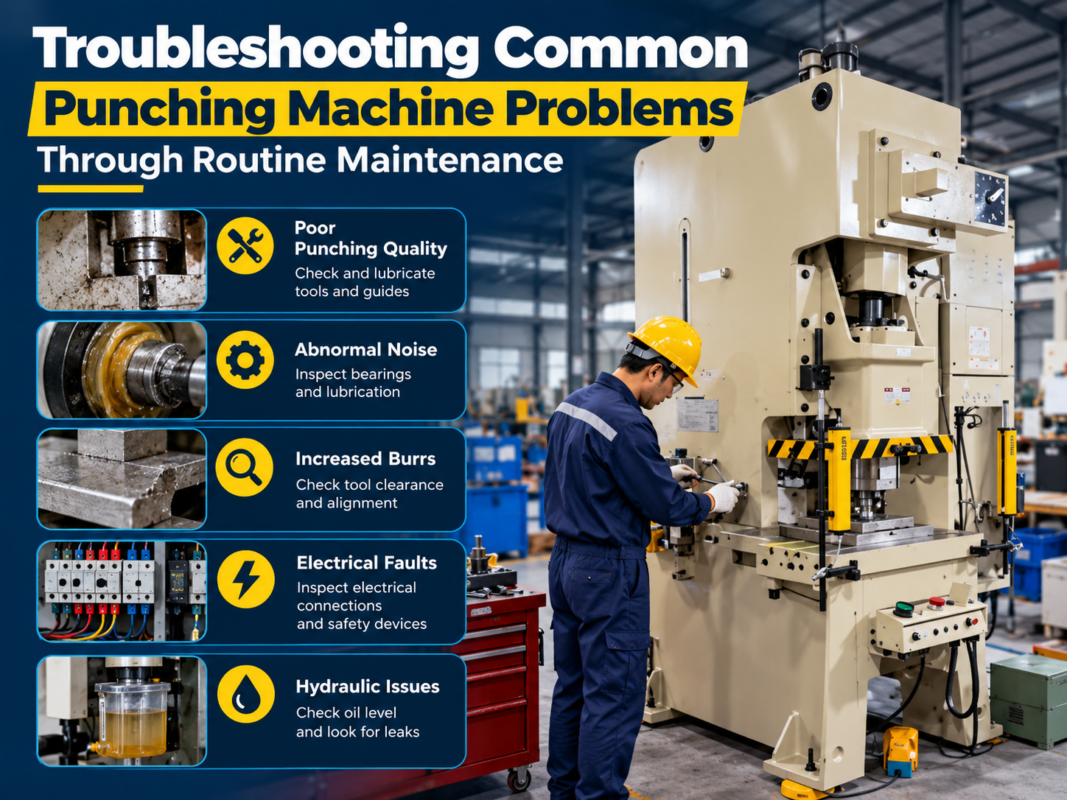
Learning to “listen” to your press brake can help you catch issues before they become failures. A high-pitched whining sound often indicates pump cavitation, which occurs when air enters the hydraulic line or the suction filter is clogged. Cavitation can destroy a hydraulic pump in a matter of hours. If you hear this sound, stop the machine immediately and check the oil level and the intake seals.
Another common signal is jerky movement of the ram. This usually points to air trapped in the hydraulic cylinders or a problem with the proportional valves. Bleeding the air from the system or recalibrating the valves can often resolve this. If the machine fails to reach the programmed pressure, it could be a sign of an internal leak in the cylinders or a malfunctioning relief valve. Monitoring the “tonnage” display on your CNC controller can help you identify if the machine is struggling to maintain pressure.
Finally, watch for inconsistent bend angles. While this can be caused by material variations, it is often a sign of mechanical wear in the gibs or a hydraulic issue where one cylinder is not tracking perfectly with the other. By identifying these signals early, you can apply the press brake maintenance tips discussed here to rectify the problem before it results in a complete system shutdown or a massive oil leak.
Comprehensive Maintenance Schedule Table
| Frequency | Component | Action Required |
|---|---|---|
| Daily | Hydraulic Oil | Check level and temperature; inspect for leaks. |
| Daily | Safety Systems | Test E-stops, light curtains, and foot pedal. |
| Daily | Work Area | Clean bed, tooling, and surrounding floor. |
| Weekly | Backgauge | Clean and lubricate ball screws and linear rails. |
| Weekly | Ram Gibs | Inspect for proper lubrication and debris. |
| Monthly | Electrical Cabinet | Vacuum dust and check wire connections. |
| Monthly | Hydraulic Hoses | Inspect for cracks, bulges, or rubbing. |
| Every 6 Months | Hydraulic Oil | Perform oil analysis and check for contamination. |
| Every 6 Months | Filters | Replace suction and return line filters. |
| Yearly | Full Calibration | Check ram parallelism and backgauge accuracy. |
| Yearly | Hydraulic System | Check pump pressure and valve response times. |
Frequently Asked Questions (FAQ)
1. What type of hydraulic oil should I use in my HARSLE press brake?
Most hydraulic press brakes require a high-quality anti-wear hydraulic oil, typically ISO VG 46 or ISO VG 32, depending on your ambient shop temperature. Always refer to your specific machine manual, as using the wrong viscosity can lead to sluggish performance or overheating.
2. How often should I change the hydraulic oil completely?
Under normal operating conditions, a full oil change is recommended every 2,000 to 4,000 operating hours, or at least once every two years. However, if an oil analysis shows high levels of oxidation or metal contamination, it should be changed immediately regardless of the hours.
3. Why is my press brake leaking oil from the top of the cylinders?
This is usually a sign that the V-packing or U-cup seals inside the cylinder have worn out. This can happen due to natural aging, high heat, or contamination in the oil. Replacing the seal kit is the standard solution. Ensure the piston rod is not scratched, as a burr on the rod will quickly destroy a new seal.
4. Can I use any grease for the backgauge and guides?
It is best to use a lithium-based grease with EP (Extreme Pressure) additives. Avoid using thin oils that can run off or heavy greases that attract excessive dust. Consistency is key; a thin, even layer of grease is more effective than a large glob that collects metal shavings.
5. What causes the hydraulic system to overheat?
Overheating is often caused by a dirty oil cooler, a clogged filter, or a pump that is bypassing internally. It can also be caused by running the machine at high pressure for extended periods without adequate cooling time. Ensure the cooling fans are working and the oil level is sufficient to dissipate heat.
6. How do I prevent air from getting into the hydraulic system?
Ensure that all suction line fittings are tight and that the oil level in the reservoir is never low enough to allow the pump to draw in air. If you have recently changed a hose or a valve, you may need to cycle the ram several times through its full stroke to bleed any trapped air back to the reservoir.
7. Is it necessary to hire a professional for maintenance?
While daily and weekly tasks can be performed by trained operators, annual inspections and complex hydraulic or electrical repairs should be handled by qualified technicians. Professional servicing ensures that the machine is calibrated to factory specifications and that potential issues are caught early.