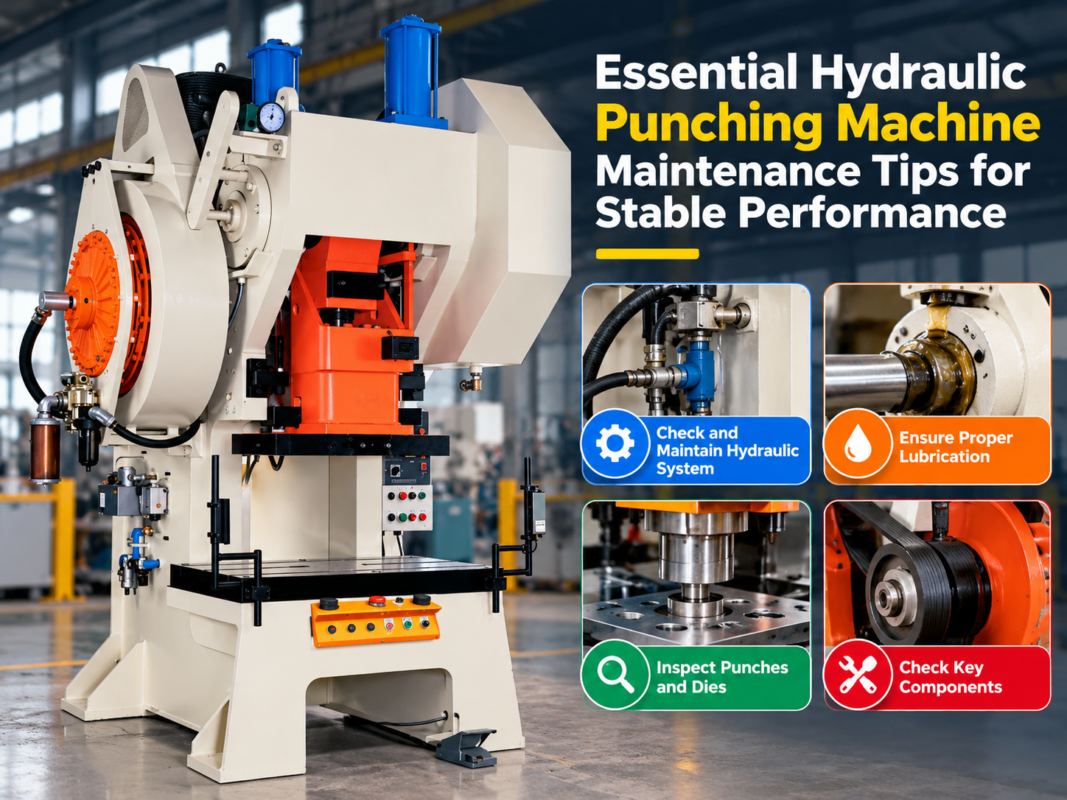
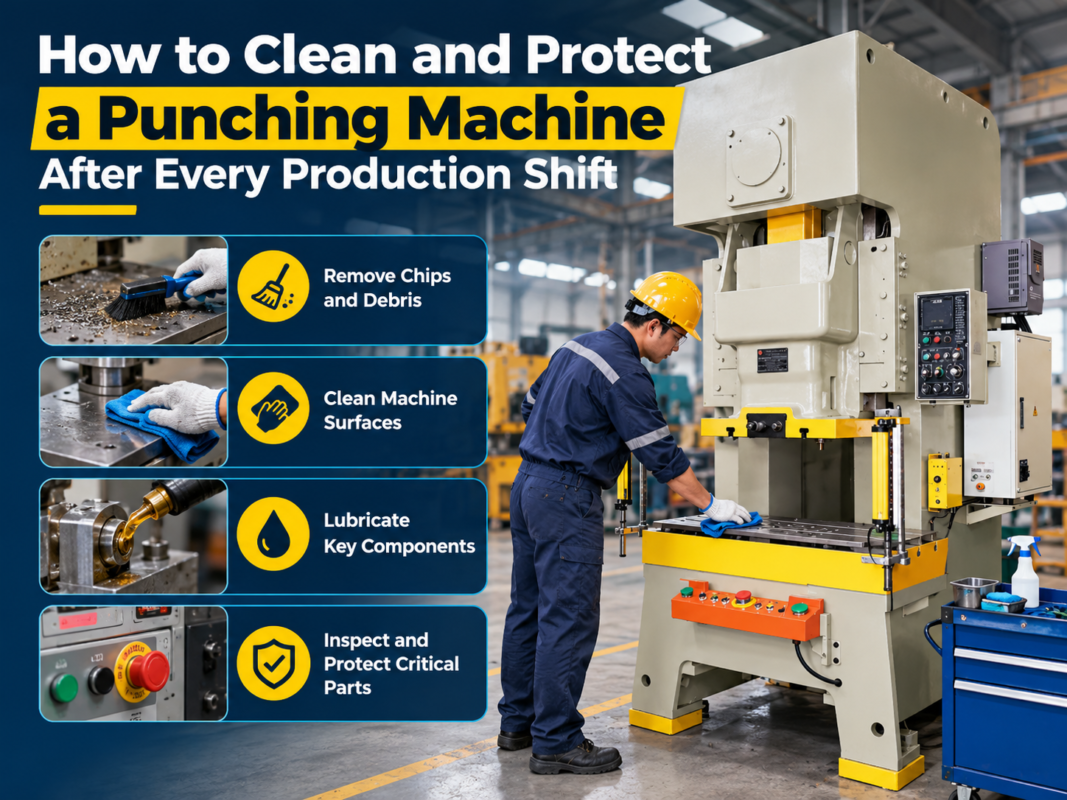
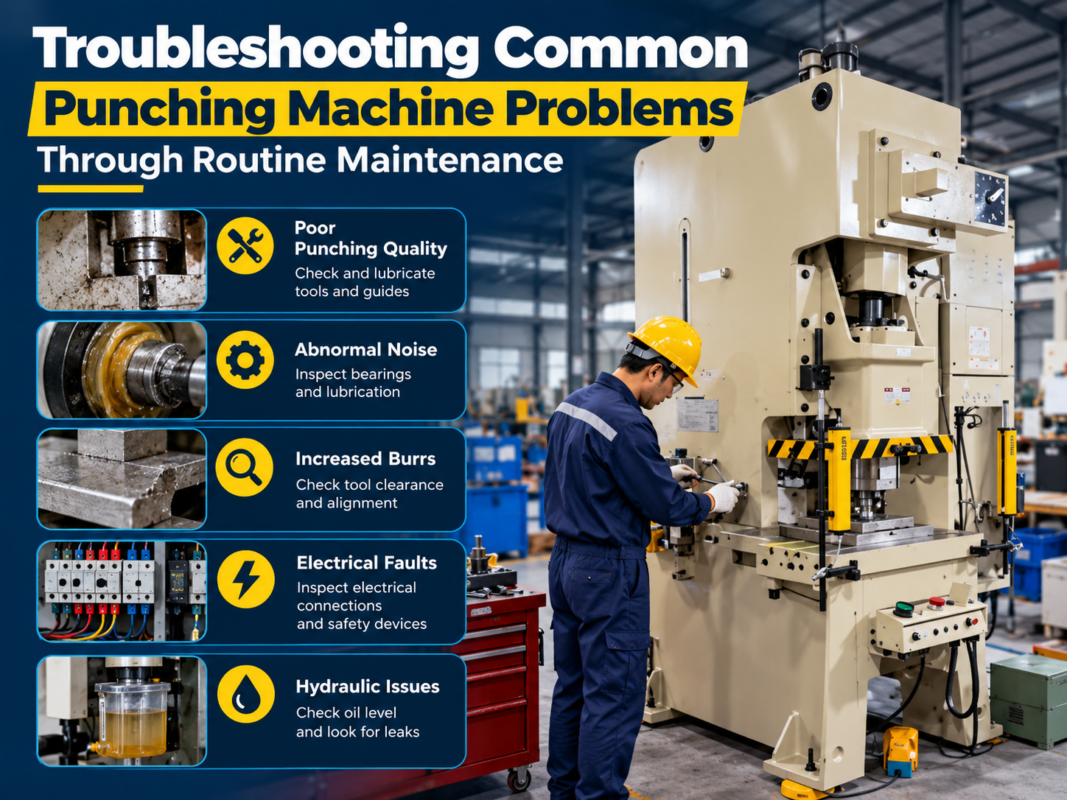
A Complete Press Brake Maintenance Guide for Better Bending Precision

The Critical Role of Maintenance in Metal Fabrication
In the world of precision metal fabrication, the press brake stands as the cornerstone of production. However, even the most advanced CNC machinery from HARSLE requires a rigorous upkeep routine to maintain its peak performance. Implementing A Complete Press Brake Maintenance Better Bending Precision strategy is not merely about preventing breakdowns; it is about ensuring that every bend meets the exact tolerances required by modern engineering standards. When a machine is neglected, the subtle drift in accuracy can lead to significant material waste, rework, and ultimately, a loss in profitability.
Maintenance is the proactive shield against the inevitable wear and tear that occurs during high-pressure bending operations. A well-maintained press brake operates with smoother transitions, faster cycle times, and higher repeatability. For operators, this means less time spent adjusting the backgauge or shimming tools and more time producing high-quality parts. From a management perspective, a comprehensive maintenance plan extends the lifespan of the capital investment, ensuring that the machine remains a reliable asset for decades rather than years.
Furthermore, the relationship between maintenance and safety cannot be overstated. A press brake that is not regularly inspected poses a risk to the operator. Hydraulic leaks can lead to slips or fires, while faulty electrical components can cause unexpected machine movements. By following a structured maintenance guide, facilities create a safer working environment, which is a fundamental pillar of industrial excellence. This guide explores every facet of machine care, from the simplest daily wipe-down to complex hydraulic system flushes.

Daily Inspection: The First Line of Defense
The foundation of A Complete Press Brake Maintenance Better Bending Precision begins before the first part is even bent. A daily inspection routine ensures that the machine is in a safe and functional state. Operators should start by visually inspecting the entire machine for any obvious signs of trouble, such as oil puddles on the floor, loose bolts, or debris in the working area. Cleaning the machine daily is not just for aesthetics; dust and metal shavings can migrate into sensitive areas, causing premature wear on the guides and seals.
One of the most critical daily tasks is checking the tooling. The punch and die should be wiped clean and inspected for chips, cracks, or excessive wear. Even a small piece of scale trapped between the workpiece and the die can result in an inaccurate bend angle or a marred surface finish. If the tooling is damaged, it must be replaced or refurbished immediately to prevent it from affecting the ram’s alignment or the quality of the finished product.
Safety devices must also be tested every single day. This includes checking the emergency stop buttons, the light curtains, and any interlocking guards. If the light curtain is misaligned or dirty, it may trigger false stops, interrupting production, or worse, fail to stop the machine in a dangerous situation. Verifying the functionality of these systems ensures that the operator can work with confidence, knowing that the machine’s safety protocols are fully operational.
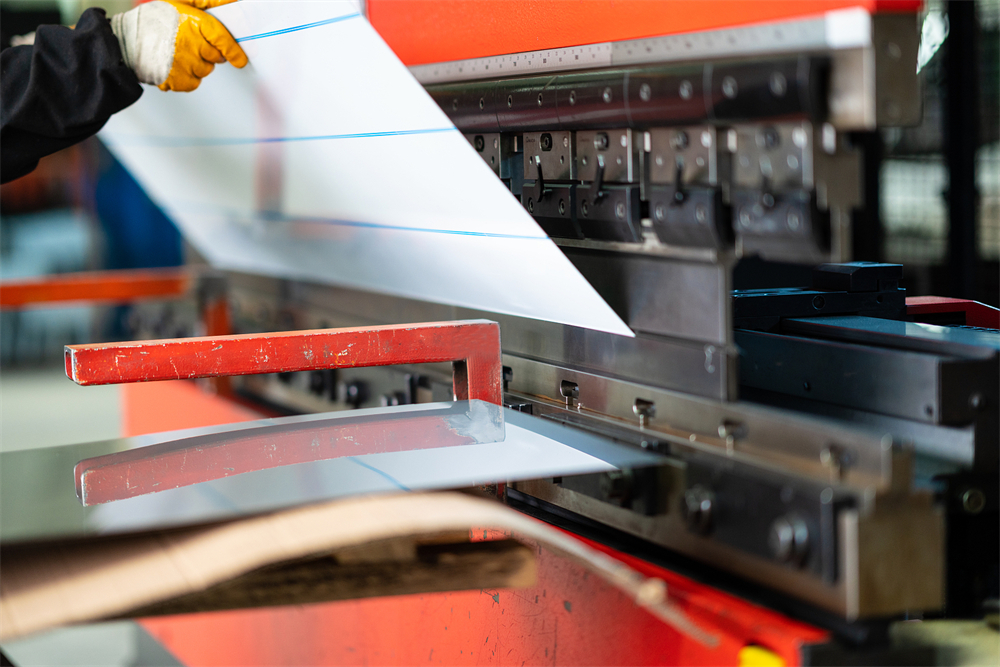
Hydraulic System Maintenance: The Heart of the Machine
The hydraulic system is the lifeblood of a press brake, providing the immense force required to deform thick metal plates. To achieve A Complete Press Brake Maintenance Better Bending Precision, the hydraulic oil must be kept clean and at the correct temperature. Over time, hydraulic oil can become contaminated with moisture and microscopic particles, which act as abrasives within the pumps and valves. Regularly checking the oil level and its clarity is a fundamental requirement.
Oil temperature management is equally vital. Most press brakes are designed to operate with oil temperatures between 35°C and 55°C. If the oil becomes too hot, its viscosity drops, leading to internal leakage and a loss of pressure, which directly impacts bending accuracy. Conversely, if the oil is too cold, the machine may respond sluggishly. Ensuring that the cooling system—whether it is an air-cooled or water-cooled heat exchanger—is clean and functioning correctly is a key part of hydraulic maintenance.
Filters are the primary defense against contamination. Hydraulic filters should be replaced according to the manufacturer’s schedule, or sooner if the indicator shows they are clogged. When changing filters or adding oil, it is imperative to use the specific grade of oil recommended by HARSLE. Mixing different types of oil can lead to chemical reactions that damage seals. Additionally, the hydraulic hoses should be inspected for bulges, cracks, or abrasions, as a high-pressure hose failure can be catastrophic.
Electrical and Control System Checks
Modern press brakes are sophisticated computers that control high-powered mechanical systems. The electrical cabinet is the brain of the operation, and it must be kept clean and cool. Dust accumulation on electrical components can lead to overheating and short circuits. Periodically, the cabinet should be opened (with the power off) and cleaned using low-pressure compressed air or a vacuum. Ensuring that the cooling fans are spinning freely and that the filters are clean will prevent many common CNC errors.
Connections can loosen over time due to the vibrations inherent in metalworking. A monthly check of the terminal blocks and connectors can prevent intermittent faults that are often difficult to diagnose. It is also important to inspect the cables leading to the backgauge motors and the foot pedal. These cables are often in motion or on the floor, making them susceptible to physical damage. Any frayed or pinched wires should be repaired or replaced immediately to maintain signal integrity.
Software and parameter backups are often overlooked in maintenance guides, but they are crucial for A Complete Press Brake Maintenance Better Bending Precision. Periodically backing up the machine’s parameters and tool library to an external drive can save days of downtime in the event of a controller failure. Furthermore, keeping the CNC software updated to the latest version provided by the manufacturer can often resolve known bugs and improve the machine’s processing speed and accuracy.
Mechanical Components and Alignment
The mechanical structure of the press brake, including the ram, the bed, and the backgauge, must remain in perfect alignment to ensure precision. The gibs, which guide the ram’s vertical movement, must be checked for proper clearance. If the gibs are too tight, they will cause excessive friction and heat; if they are too loose, the ram may tilt or twist during the bend, leading to inconsistent angles across the length of the workpiece.
The backgauge system is another area where mechanical precision is paramount. The ball screws and linear guides of the X, R, and Z axes should be inspected for play. Any backlash in the backgauge will result in parts that are out of square or have incorrect flange lengths. Regularly tightening the mounting bolts and checking the parallelism of the backgauge fingers to the center of the die is essential for maintaining high-tolerance production.
Crowning systems, whether manual or automatic, also require attention. These systems compensate for the natural deflection of the machine bed under load. If the crowning mechanism is sticking or miscalibrated, the center of the bend will be different from the ends. Testing the crowning system with a full-length test bend and adjusting as necessary ensures that the machine delivers a uniform angle regardless of the part’s width.
Comprehensive Lubrication Plan
Lubrication is the most effective way to reduce friction and prevent the mechanical components of a press brake from wearing out. A A Complete Press Brake Maintenance Better Bending Precision plan must include a detailed lubrication schedule. Most modern HARSLE machines feature centralized lubrication systems that deliver grease to the main pivot points and guides. However, operators must still verify that the reservoir is full and that the grease is actually reaching the intended locations.
Different components require different types of lubricants. For example, the high-load areas like the ram guides typically require a heavy-duty lithium-based grease, while the high-speed ball screws of the backgauge might require a lighter oil or a specialized synthetic grease. Using the wrong lubricant can be as damaging as using none at all, as it may not provide the necessary film strength or may attract excessive amounts of dust.
The frequency of lubrication depends on the machine’s usage. In a high-production environment where the machine runs multiple shifts, lubrication may need to be performed daily or weekly. It is also important to clean off old, contaminated grease before applying new lubricant. This prevents the buildup of a “grinding paste” made of old grease and metal dust, which can quickly score polished surfaces and lead to expensive repairs.
Troubleshooting Signals: What to Watch For
Even with the best maintenance, components will eventually wear out. The key to minimizing downtime is recognizing the early warning signs of failure. Unusual noises are often the first indicator. A high-pitched whine from the pump might indicate cavitation or air in the hydraulic lines, while a clunking sound during the ram’s stroke could suggest a loose mechanical connection or a problem with the gibs.
Heat is another major red flag. If a specific motor or a section of the hydraulic manifold feels excessively hot to the touch, it indicates inefficiency and impending failure. Similarly, if the machine starts to lose its ability to hold a consistent bend angle, it is a sign that either the hydraulic pressure is fluctuating or the mechanical alignment has shifted. Monitoring these signals allows maintenance teams to intervene before a minor issue becomes a major breakdown.
Drift in the backgauge position or erratic movement of the ram are often related to electrical or feedback issues. If the encoder on a servo motor is dirty or failing, the controller will receive inaccurate data, leading to positioning errors. Regularly reviewing the machine’s error log on the CNC screen can provide valuable insights into these intermittent problems, allowing for targeted troubleshooting rather than guesswork.
Maintenance Schedule Table
| Frequency | Task Description | Target Component |
|---|---|---|
| Daily | Clean tooling and work area; check oil levels. | Tooling, Hydraulics |
| Daily | Test safety light curtains and E-stops. | Safety Systems |
| Weekly | Inspect hydraulic hoses for leaks or wear. | Hydraulic System |
| Weekly | Lubricate backgauge ball screws and guides. | Backgauge (X, R, Z) |
| Monthly | Check ram gib clearance and adjust if needed. | Mechanical Frame |
| Monthly | Clean electrical cabinet filters and fans. | Electrical System |
| Quarterly | Check parallelism of backgauge to die. | Backgauge Accuracy |
| Bi-Annually | Analyze hydraulic oil quality; replace filters. | Hydraulic System |
| Annually | Full system calibration and bolt tightening. | Entire Machine |
Frequently Asked Questions (FAQ)
How often should I change the hydraulic oil in my press brake?
Generally, hydraulic oil should be changed every 2,000 to 4,000 hours of operation, or at least once every two years. However, this can vary based on the environment. If the machine operates in a hot or dusty shop, more frequent changes or oil analysis may be necessary to ensure A Complete Press Brake Maintenance Better Bending Precision.
Why is my press brake losing its bending accuracy over a long shift?
This is often due to thermal expansion. As the hydraulic oil heats up, its viscosity changes, which can affect the valve response. Additionally, the machine frame itself can expand slightly. Ensuring your cooling system is working and allowing the machine to reach a stable operating temperature before starting precision work can help.
Can I use any grease for the backgauge ball screws?
No, you should always use the lubricant recommended by the manufacturer. Using a grease that is too thick can increase the load on the servo motors, while a grease that is too thin may not provide enough protection against wear. For HARSLE machines, refer to the technical manual for specific lubricant grades.
What should I do if I see a small leak in a hydraulic fitting?
Never ignore a hydraulic leak. Even a small drip can indicate a loose fitting or a failing seal. Depressurize the system completely before attempting to tighten any fittings. If the leak persists, the O-ring or the hose itself may need replacement. Leaks are a primary enemy of A Complete Press Brake Maintenance Better Bending Precision.
How do I know if my ram gibs need adjustment?
If you notice the ram “shuddering” during its descent or if there is visible daylight or excessive play between the ram and the guides, an adjustment is likely needed. Use a feeler gauge to check the clearance against the manufacturer’s specifications. Proper gib adjustment is crucial for maintaining parallelism.
Is it necessary to back up the CNC parameters?
Absolutely. Electrical surges, battery failures in the controller, or hardware malfunctions can wipe out your machine’s settings. Having a recent backup of your parameters, tool library, and programs is a vital part of a professional maintenance strategy, ensuring you can recover quickly from technical issues.