How to Keep a Press Brake Calibrated with Proper Maintenance Procedures: The Ultimate HARSLE Guide


Introduction to Press Brake Precision and Calibration
In the world of high-precision metal fabrication, the press brake stands as the cornerstone of the workshop. Whether you are working with stainless steel, aluminum, or heavy-duty carbon steel, the accuracy of your bends determines the quality of the final product. However, even the most advanced CNC press brakes from HARSLE can lose their edge if they are not cared for correctly. Learning how to keep a press brake calibrated with proper maintenance procedures is not just a technical requirement; it is a financial imperative for any fabrication business looking to minimize scrap and maximize uptime.
Calibration refers to the synchronization of the machine’s mechanical components with its electronic control systems. When a press brake is out of calibration, you may notice inconsistent bend angles across the length of the workpiece, or the backgauge may fail to position the sheet accurately. These issues often stem from neglected maintenance. By implementing a rigorous maintenance strategy, operators can ensure that the Y1 and Y2 axes remain perfectly aligned, the hydraulic pressure remains stable, and the mechanical tolerances stay within the manufacturer’s specifications.
The Critical Importance of Regular Maintenance
Why is it so vital to focus on maintenance to keep a press brake calibrated? First and foremost is the concept of cumulative wear. Every stroke of the ram involves immense pressure and friction. Over time, hydraulic seals can degrade, bolts can loosen, and lubrication can dry up. If these minor issues are not addressed, they lead to ‘drift’—a gradual loss of accuracy that might go unnoticed until a large batch of parts is ruined. Proper maintenance procedures act as a preventative shield against this drift.
Furthermore, a well-maintained machine is a safe machine. Press brakes exert hundreds of tons of force; a mechanical failure due to poor maintenance can lead to catastrophic accidents. Beyond safety, there is the factor of machine longevity. A HARSLE press brake is a significant investment. By following the correct procedures, you extend the service life of the hydraulic pump, the motor, and the precision-ground tooling. In essence, maintenance is the most cost-effective way to ensure your shop remains competitive and your output remains flawless.
Daily Inspection: The First Line of Defense
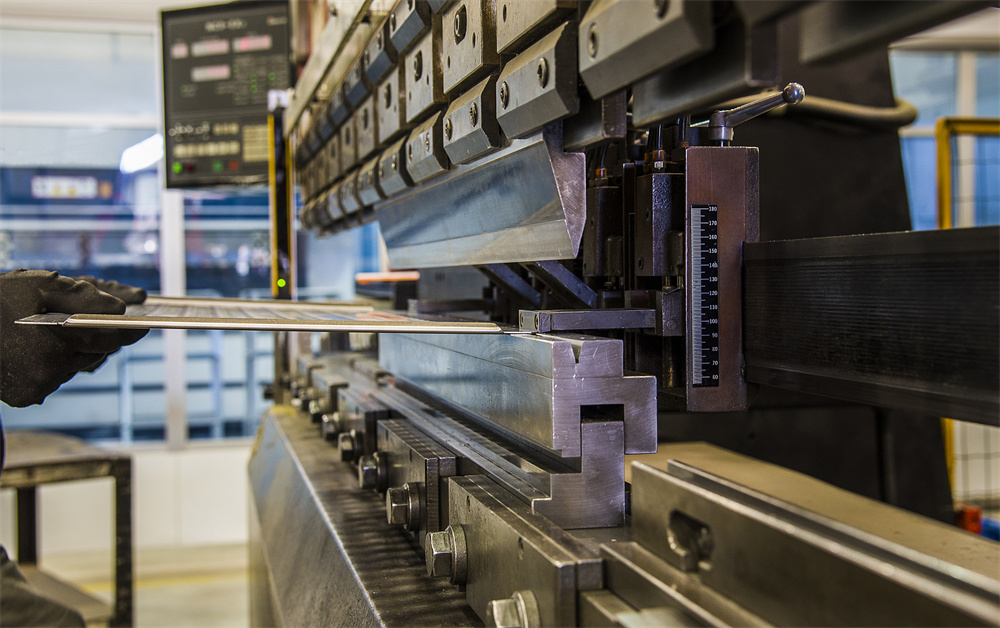
The journey to keep a press brake calibrated starts with the daily inspection. This should be a non-negotiable routine performed at the start of every shift. The operator should begin with a visual sweep of the machine, looking for any signs of hydraulic fluid leaks around the cylinders or hoses. Even a small leak can lead to a drop in pressure, which directly affects the depth of the ram’s stroke and, consequently, the bend angle.
Next, check the tooling. Inspect the punch and die for chips, cracks, or excessive wear. Debris trapped in the V-die can cause variations in the bend. Operators should also verify that the safety systems, such as light curtains and emergency stop buttons, are fully functional. A daily check of the backgauge fingers is also essential; ensure they move smoothly along the rails and are not bent or misaligned. By catching these small issues early, you prevent them from escalating into calibration nightmares.
Hydraulic System Maintenance and Calibration
The hydraulic system is the heart of the press brake. To keep a press brake calibrated with proper maintenance procedures, you must pay close attention to the oil quality and pressure settings. Hydraulic oil serves two purposes: transmitting power and lubricating internal components. Over time, oil can become contaminated with microscopic metal particles or moisture, which can damage the proportional valves. These valves are responsible for the precise movement of the ram; if they are clogged, the Y1 and Y2 axes will not move in perfect synchronization.
Check the oil level daily and ensure it stays within the recommended range. More importantly, monitor the oil temperature. If the oil gets too hot (typically above 50°C or 122°F), its viscosity drops, leading to inconsistent pressure and ‘spongy’ ram movement. Regularly replacing the oil filters—usually every 2,000 hours of operation—is critical. If your machine features a crowning system, ensure the hydraulic crowning cylinders are responding correctly to the CNC commands, as this is vital for maintaining a consistent angle across long workpieces.
Electrical and CNC Controller Checks
Modern press brakes rely heavily on sophisticated electronics. The CNC controller is the brain that manages the calibration. To maintain this system, ensure that the electrical cabinet is kept clean and cool. Dust buildup on circuit boards can cause overheating and erratic behavior in the software. Periodically check all electrical connections to ensure they are tight; vibrations from the machine can loosen terminals over time, leading to intermittent signal loss from the encoders.
The linear encoders (scales) are the components that tell the controller exactly where the ram is located. If these scales become dirty or if their mounting brackets loosen, the machine will lose its ‘zero’ point. Cleaning the scales with the manufacturer-approved solution and checking their alignment is a key step in how to keep a press brake calibrated. Additionally, ensure that the cooling fans in the electrical cabinet are functioning to prevent thermal drift in the electronic components.
Mechanical Alignment and Gib Adjustments
The mechanical structure of the press brake must be rigid and aligned. One of the most overlooked maintenance procedures is the adjustment of the ‘gibs’—the guide systems that ensure the ram moves vertically without side-to-side play. If the gibs are too loose, the ram can tilt under load, ruining the calibration. If they are too tight, they cause excessive wear and heat. Adjusting these to the manufacturer’s specifications is a delicate but necessary task.
The backgauge system also requires mechanical scrutiny. The X, R, and Z axes rely on ball screws and linear guides. If these components accumulate shop dust and grime, the backgauge will lose its positioning accuracy. Regularly clean the ball screws and check for any ‘backlash’ or play in the movement. A backgauge that is off by even 0.05mm can result in a part that does not fit its subsequent assembly, highlighting why mechanical maintenance is inseparable from calibration.
Developing a Comprehensive Lubrication Plan
Lubrication is the simplest yet most effective maintenance procedure to keep a press brake calibrated. Without proper lubrication, friction increases, leading to heat and physical wear that changes the dimensions of moving parts. Your maintenance plan should specify the type of lubricant for each component—typically a high-quality lithium-based grease for linear guides and a specific oil for the hydraulic system.
Focus on the following areas: the backgauge ball screws, the ram guides (gibs), and the pivot points of any manual clamping systems. Many HARSLE machines come equipped with automatic lubrication systems. If yours does, your primary task is to ensure the reservoir is full and the delivery lines are not blocked. If you are lubricating manually, follow a strict schedule. Over-lubrication can be just as harmful as under-lubrication, as excess grease can attract abrasive dust and metal shavings, creating a grinding paste that accelerates wear.
Recognizing Troubleshooting Signals
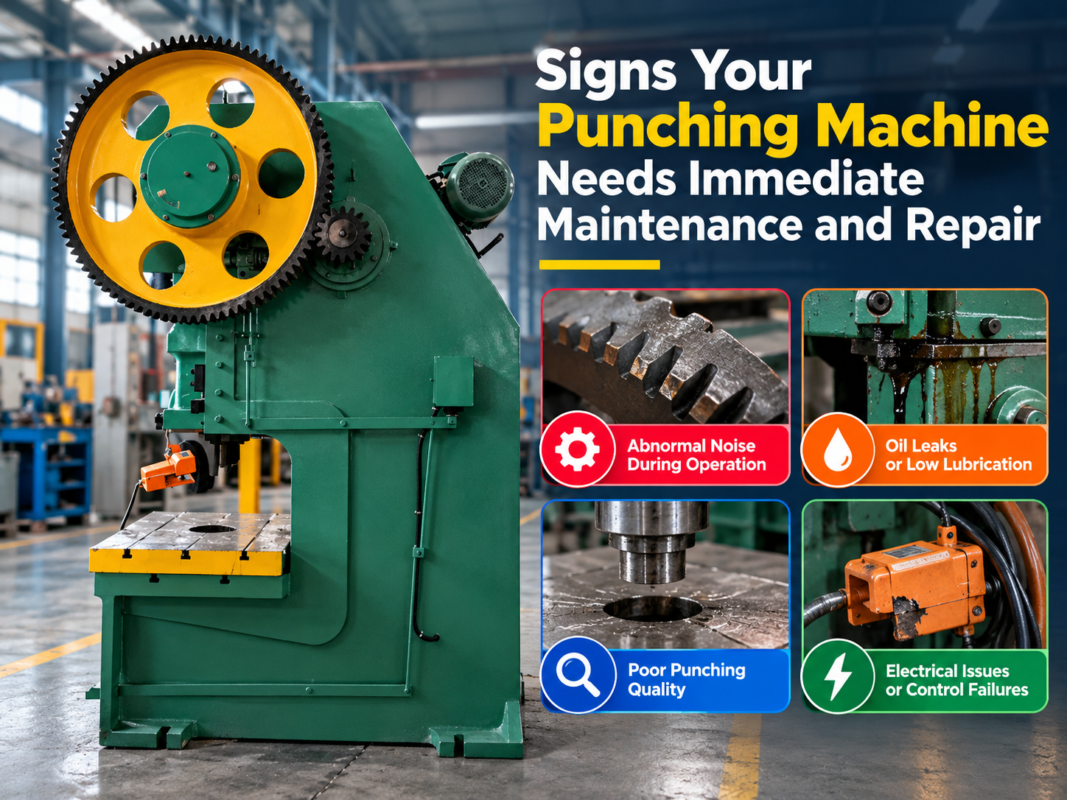
Even with the best maintenance, machines will eventually signal when they are drifting out of calibration. Operators should be trained to recognize these troubleshooting signals immediately. An unusual humming or whining noise from the hydraulic pump often indicates cavitation or air in the system. A ‘jerky’ movement of the ram suggests that the gibs need lubrication or that a proportional valve is sticking.
Another common signal is the ‘banana effect,’ where a long bend is accurate at the ends but bowed in the middle. This indicates that the crowning system needs recalibration or maintenance. If the backgauge makes a grinding noise, it is likely that the ball screws are contaminated. By responding to these signals immediately rather than waiting for the next scheduled maintenance interval, you can prevent minor misalignments from becoming permanent mechanical damage.
Comprehensive Maintenance Schedule Table
To help you keep a press brake calibrated with proper maintenance procedures, use the following table as a baseline for your shop’s schedule.
| Frequency | Component | Action Required |
|---|---|---|
| Daily | Hydraulic System | Check oil levels and look for leaks. |
| Daily | Tooling | Clean punch and die; check for wear. |
| Daily | Safety Systems | Test light curtains and E-stops. |
| Weekly | Backgauge | Clean and lightly lubricate X and R axes. |
| Weekly | Ram Guides | Inspect gibs for debris and check lubrication. |
| Monthly | Electrical Cabinet | Vacuum dust and check cooling fans. |
| Monthly | Mechanical Bolts | Check tightness of foundation and frame bolts. |
| 6 Months | Hydraulic Oil | Perform oil analysis or replace filters. |
| Yearly | Full Calibration | Verify Y1/Y2 and backgauge accuracy with precision tools. |
Advanced Calibration Techniques
Once the basic maintenance is performed, you may need to perform a formal calibration. This involves using precision ground blocks and dial indicators to verify that the ram is perfectly parallel to the bed. For CNC machines, this also involves ‘homing’ the axes and verifying that the digital readout matches the physical measurement of the bend. HARSLE machines often feature software-driven calibration routines that guide the operator through this process.
It is also important to calibrate the ‘tonnage’ settings. If the machine thinks it is exerting 100 tons but is actually exerting 110, you risk damaging the tooling and the frame. Using a load cell to verify the pressure readings ensures that the machine operates within its design limits. This level of detail is what separates a standard fabrication shop from a high-precision facility.
Conclusion: The HARSLE Commitment to Quality
Learning how to keep a press brake calibrated with proper maintenance procedures is a journey of continuous improvement. By combining daily vigilance with scheduled technical checks, you ensure that your HARSLE press brake remains a reliable asset for decades. Precision is not a one-time setup; it is the result of disciplined care and a deep understanding of the machine’s hydraulic, electrical, and mechanical systems.
Investing time in maintenance today prevents the costly downtime of tomorrow. Whether you are a small shop or a large industrial plant, the principles remain the same: keep it clean, keep it lubricated, and keep it checked. With these procedures in place, your press brake will continue to deliver the perfect bends that your customers demand.
Frequently Asked Questions (FAQ)
How often should I calibrate my press brake?
While daily checks are essential, a full formal calibration should be performed at least once a year, or whenever you notice a consistent deviation in bend angles that cannot be corrected through the CNC controller’s offset settings.
What is the most common cause of a press brake losing calibration?
The most common causes are hydraulic oil contamination affecting the proportional valves and loose linear encoders. Both issues lead to the CNC controller receiving or sending inaccurate positioning data to the ram.
Can I use any hydraulic oil in my HARSLE press brake?
No. You must use the specific grade and viscosity recommended in your manual (usually ISO VG 46 or 32). Using the wrong oil can lead to overheating and poor valve response, which ruins calibration.
Why is my bend angle inconsistent across the length of the plate?
This is usually due to a failure in the crowning system or the ram not being parallel to the bed. Check your hydraulic crowning pressure and inspect the gibs for uneven wear.
Does the temperature of the workshop affect calibration?
Yes. Extreme temperature fluctuations can cause the metal frame of the machine to expand or contract slightly, and it significantly affects hydraulic oil viscosity. It is best to let the machine ‘warm up’ with a few cycles before starting precision work.