Preventive Maintenance for Press Brakes: Best Practices for Metal Fabricators


The Critical Importance of Preventive Maintenance for Press Brakes
In the high-stakes world of metal fabrication, the press brake stands as the cornerstone of production. Whether you are operating a high-speed CNC hydraulic press brake or a heavy-duty mechanical model, the precision of your bends dictates the quality of your final product. Preventive maintenance for press brakes: best practices for metal fabricators is not merely a suggestion; it is a fundamental strategy to ensure operational longevity, safety, and profitability. Neglecting these machines leads to more than just mechanical failure; it results in expensive downtime, wasted raw materials, and potential safety hazards for operators.
A well-executed maintenance program transforms a reactive workshop into a proactive powerhouse. By identifying minor wear and tear before it escalates into a catastrophic failure, fabricators can extend the lifespan of their HARSLE machinery by decades. Furthermore, consistent maintenance ensures that the machine’s accuracy remains within the tight tolerances required for modern aerospace, automotive, and construction components. When a press brake is calibrated and lubricated correctly, the tonnage is distributed evenly, preventing premature fatigue of the frame and the hydraulic cylinders.
Beyond the mechanical benefits, there is a significant financial incentive. The cost of a preventive maintenance kit and a few hours of labor is negligible compared to the thousands of dollars lost when a machine sits idle during a peak production cycle. For metal fabricators, the goal is maximum uptime. This guide provides a deep dive into the essential protocols that every shop manager and operator should implement to keep their bending operations running at peak performance.
Daily Inspection Protocols: The First Line of Defense
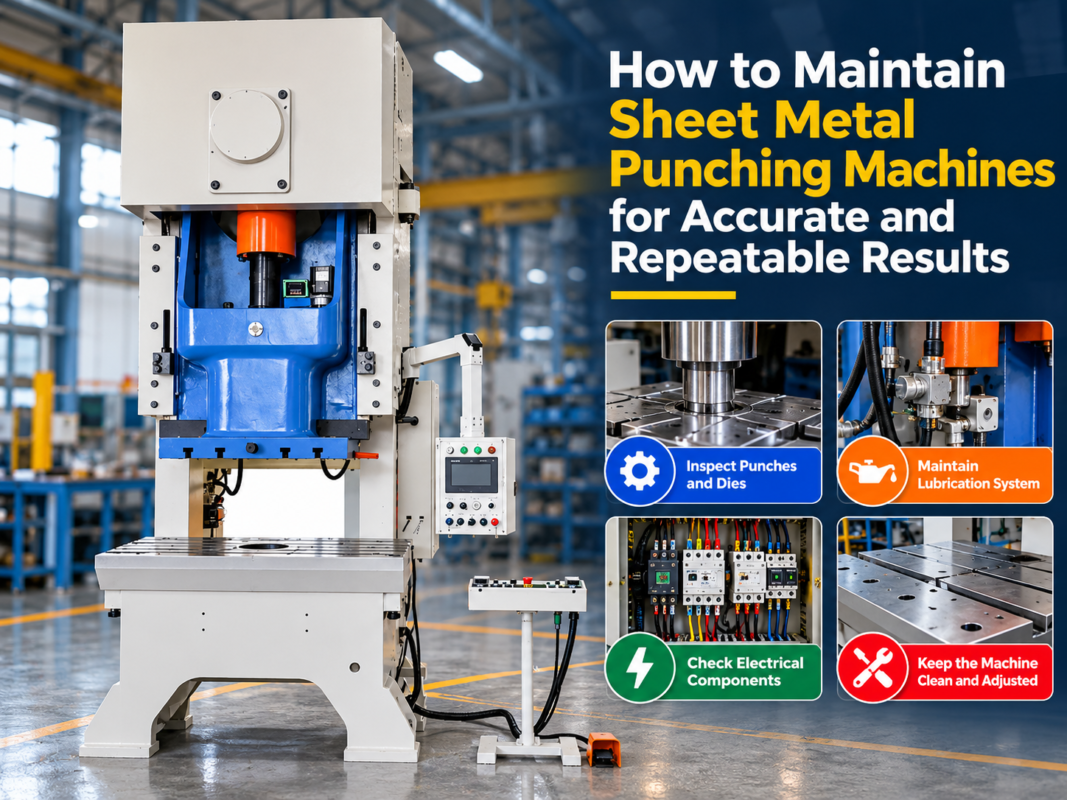
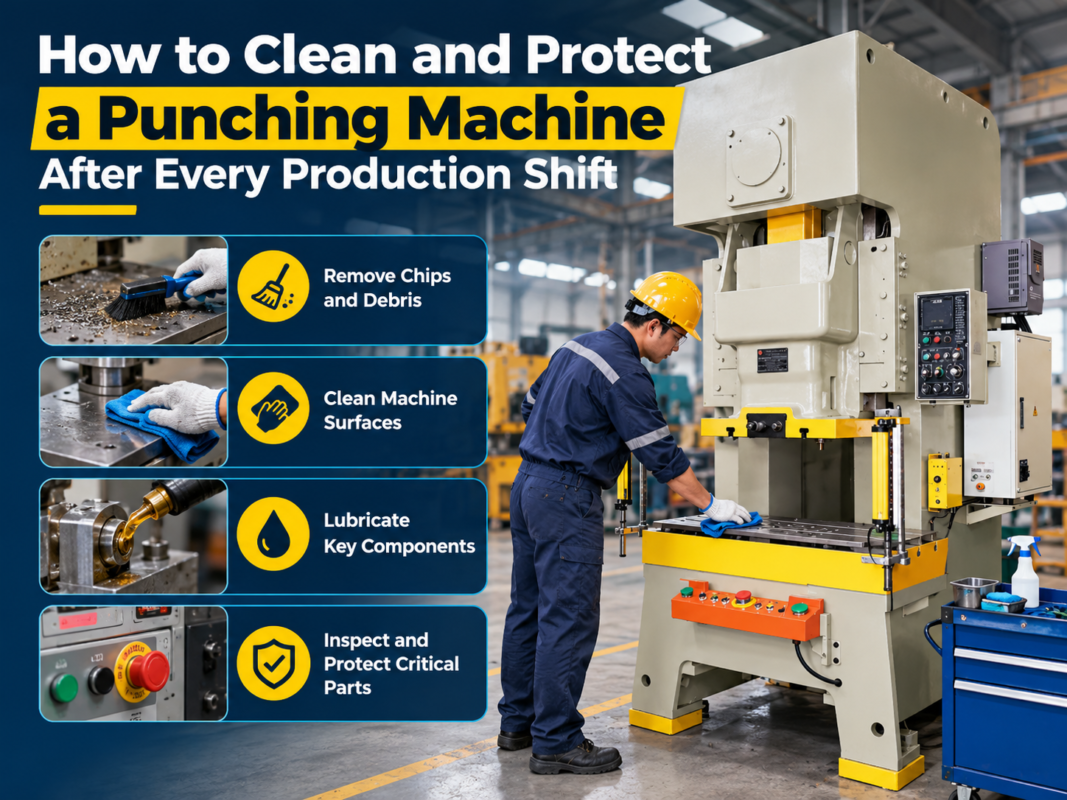
The daily inspection is the most effective way to catch issues before they disrupt the production floor. Operators should begin every shift with a visual and functional walkthrough. This starts with the work area; ensuring the floor is free of oil spills and scrap metal prevents accidents and keeps the machine’s internal components clean. A clean machine is easier to inspect, as leaks and cracks become immediately visible against a well-maintained surface.
Safety devices are the priority during daily checks. Operators must verify that the light curtains, laser guards, and emergency stop buttons are fully functional. If a safety sensor is misaligned or obstructed, the machine should not be operated until the issue is resolved. Additionally, the foot pedal and two-hand control stations should be checked for responsiveness and physical damage. These components are high-use items and are often the first to show signs of electrical or mechanical wear.
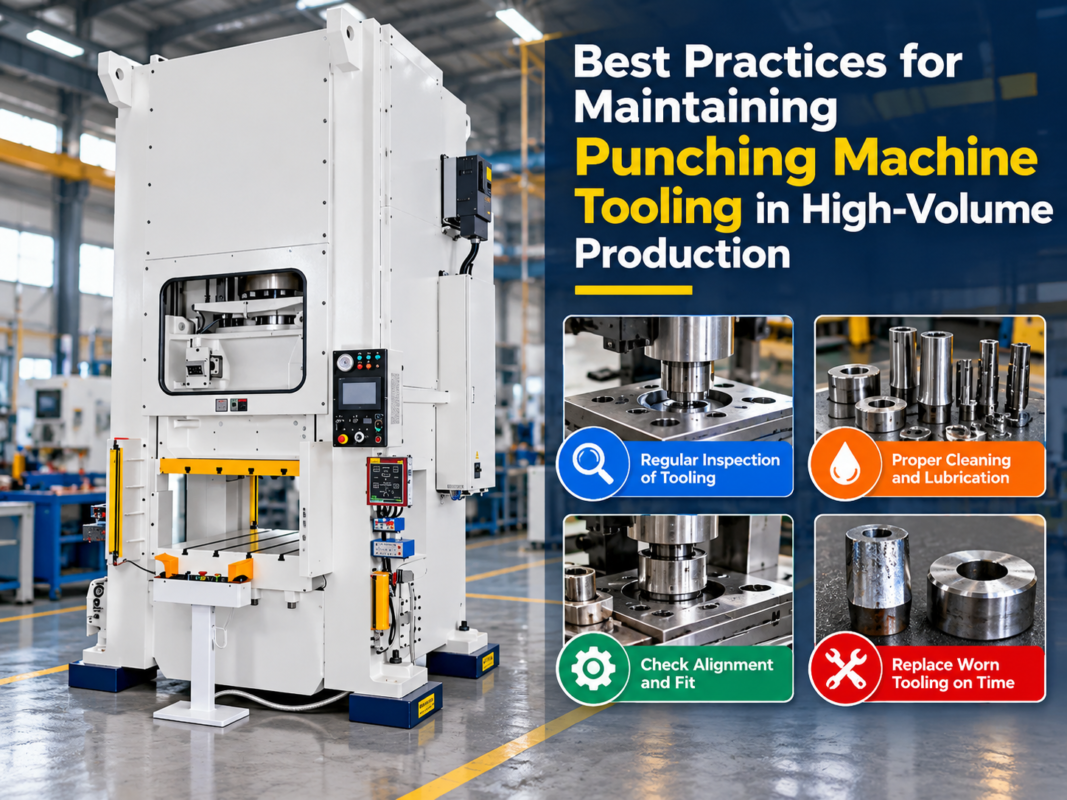
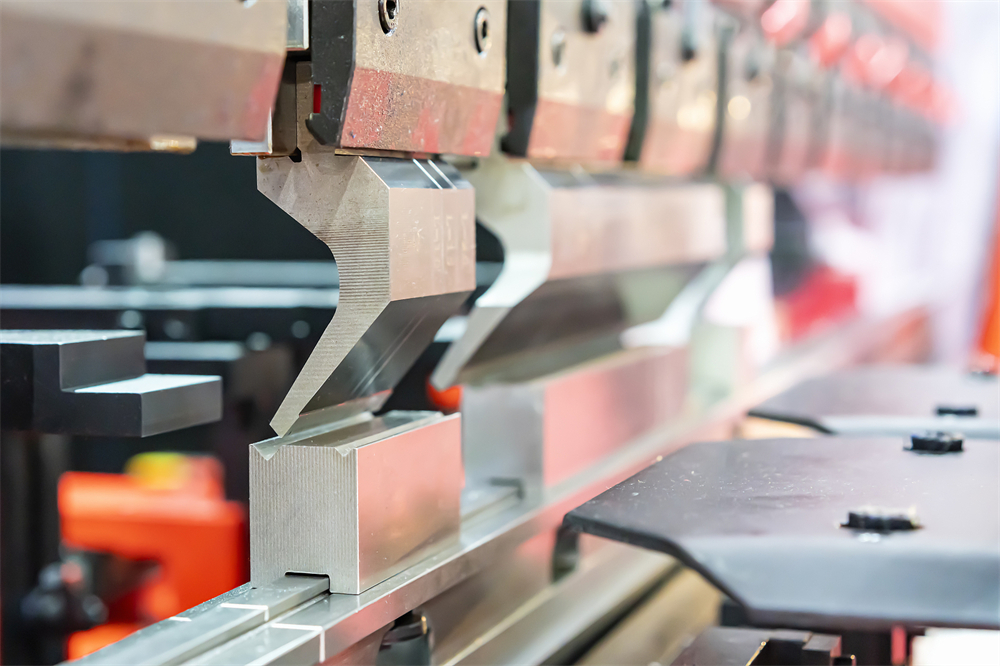
Tooling inspection is another critical daily task. The punch and die should be examined for chips, cracks, or excessive wear. Using damaged tooling not only produces poor-quality bends but can also damage the press brake’s ram or bed due to uneven pressure distribution. Operators should also verify that the tooling is seated correctly and that all clamps are tightened to the manufacturer’s specifications. A quick wipe-down of the tool surfaces helps remove scale and debris that could mar the workpiece.
Finally, the operator should listen to the machine during its initial warm-up cycles. Unusual noises, such as high-pitched squeals from the pump or grinding sounds from the backgauge, are early warning signs of lubrication failure or hydraulic cavitation. Checking the oil level via the sight glass and ensuring the cooling fans are running are the final steps in a robust daily routine.
Hydraulic System Maintenance: Ensuring Fluid Power Integrity
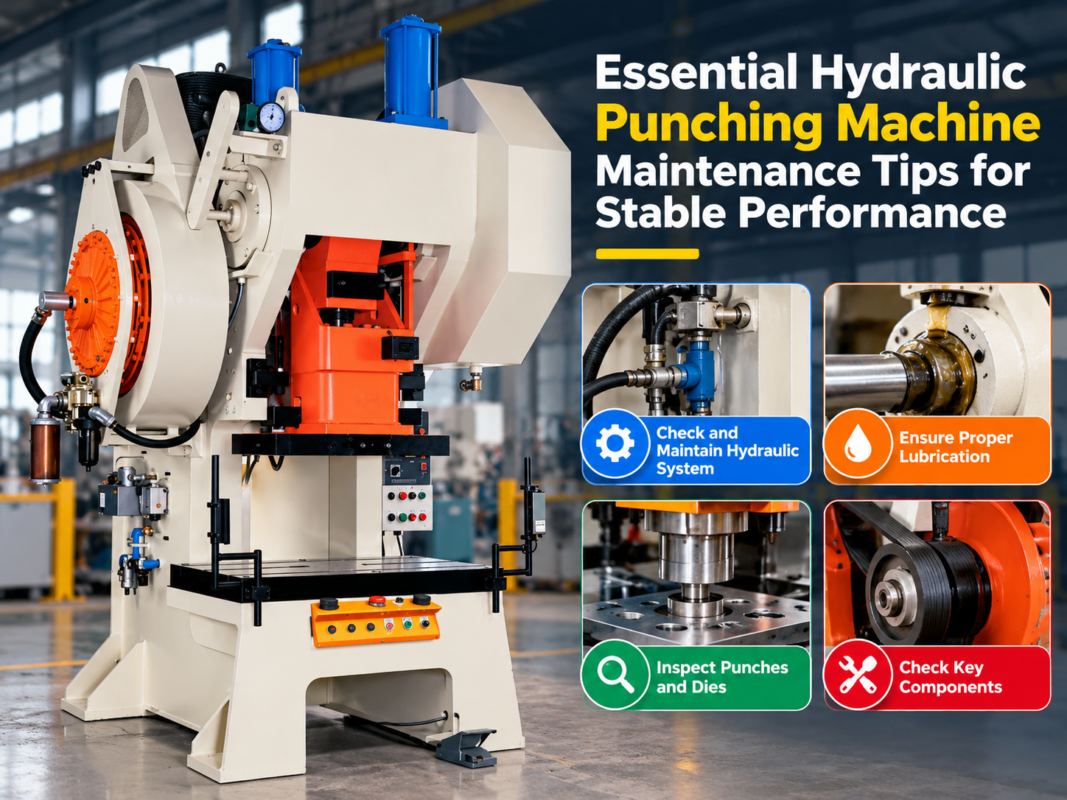
The hydraulic system is the heart of the press brake, providing the massive force required to deform thick metal plates. Maintaining the integrity of this system is paramount. The most critical factor is oil cleanliness. Contaminated hydraulic fluid is responsible for over 70% of hydraulic system failures. Microscopic particles can abrade valve seats, clog orifices, and cause premature wear on pump vanes. Fabricators should adhere to a strict oil analysis schedule, checking for water content, oxidation, and particulate matter.
Filters play a vital role in keeping the system clean. Most HARSLE press brakes are equipped with suction filters and return-line filters. These should be replaced according to the manufacturer’s hourly intervals or whenever the clogging indicator signals a restriction. It is a common mistake to wait until the oil looks “dirty” to change it; by that time, significant damage may have already occurred. Always use the specific grade of hydraulic oil recommended by the manufacturer, typically an ISO VG 46 or 68, depending on the ambient operating temperature.
Temperature management is another key aspect of hydraulic health. Hydraulic oil performs best within a specific temperature range (usually 35°C to 55°C). If the oil becomes too hot, its viscosity drops, leading to poor lubrication and seal degradation. Conversely, if the oil is too cold, it can cause cavitation in the pump. Ensure that the heat exchanger or cooling system is free of dust and that the thermostat is functioning correctly. Checking for leaks at hose connections and cylinder seals should be a weekly priority, as even a small weep can lead to significant fluid loss and environmental hazards over time.
Electrical and Control System Checks
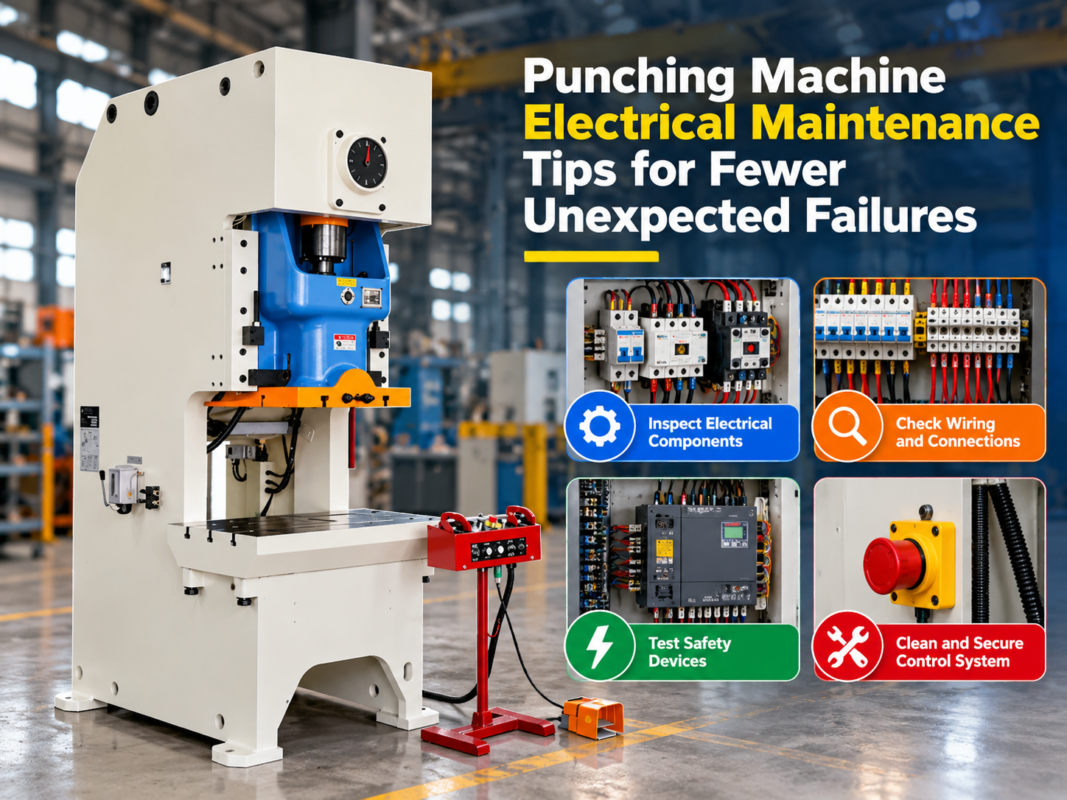
Modern CNC press brakes rely heavily on sophisticated electronics to manage multi-axis movements and precision bending. The electrical cabinet is often overlooked because it is enclosed, but it requires regular attention. Dust and metallic particles can accumulate inside the cabinet, leading to short circuits or overheating of sensitive components like servo drives and PLCs. Once a month, the power should be disconnected, and the cabinet should be cleaned using a vacuum or low-pressure dry air.
Wiring and connections must be inspected for signs of heat discoloration or loosening. Vibrations from the machine’s operation can cause terminal screws to back out over time, leading to intermittent faults that are notoriously difficult to diagnose. Ensure that all cable carriers (drag chains) are moving freely and that the cables inside are not frayed or pinched. A damaged encoder cable can result in positioning errors that ruin expensive workpieces.
Software and controller maintenance are equally important. Ensure that the CNC system is backed up regularly to an external drive. In the event of a hardware failure, having a current backup of your tool library and part programs can save days of reprogramming. Check for software updates from the manufacturer, as these often include patches for known bugs and improvements in motion control algorithms. Lastly, ensure the cooling fans for the monitor and the main processor are functioning to prevent thermal throttling of the control system.
Mechanical Components and Alignment
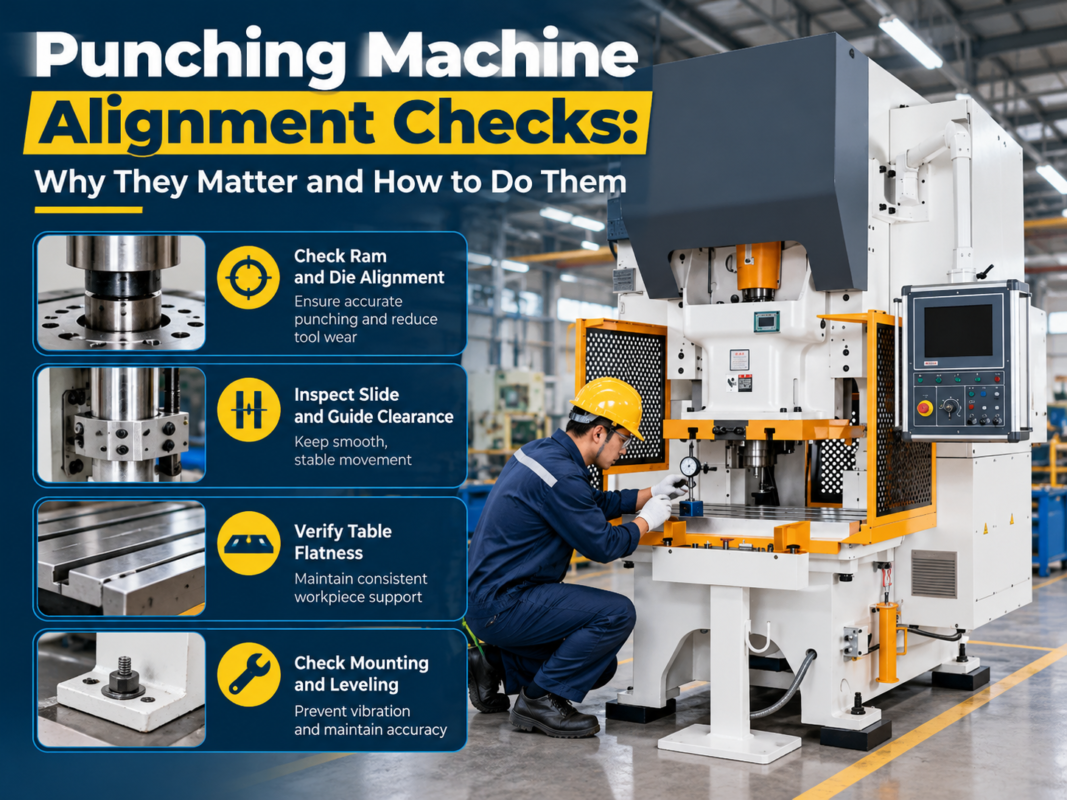
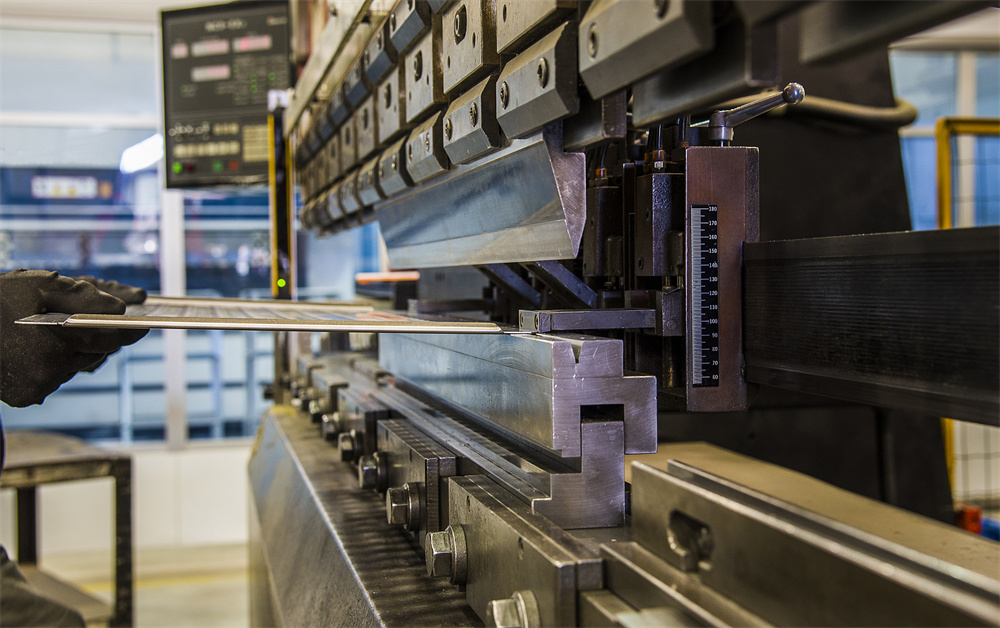
The mechanical structure of the press brake must remain rigid and perfectly aligned to produce accurate parts. One of the most important mechanical checks is the parallelism of the ram. Over time, the ram may become slightly tilted due to off-center loading. Most modern CNC machines have electronic leveling, but it is still necessary to verify this physically using precision dial indicators. If the ram is not parallel to the bed, the bend angle will vary across the length of the part.
The backgauge system is a complex mechanical assembly involving ball screws, linear guides, and servo motors. These components must be kept clean and lightly lubricated. Debris on the ball screws can cause the backgauge to “jump,” leading to inaccurate flange lengths. Check for any play or backlash in the fingers of the backgauge. If the fingers can be moved by hand when they should be locked, the bearings or the drive nut may need adjustment or replacement.
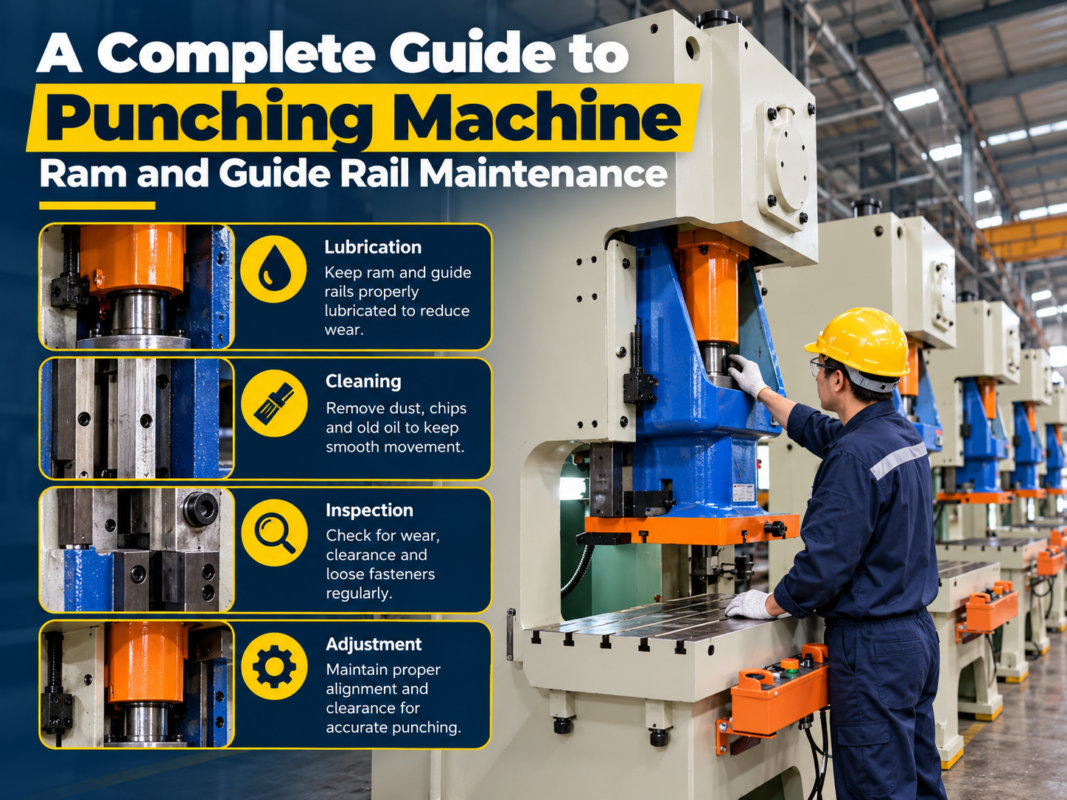
Gib adjustment is another critical maintenance task. Gibs are the replaceable wear strips that guide the ram’s vertical movement. If the gibs are too loose, the ram will play, causing inconsistent bends. If they are too tight, they will cause excessive friction and heat, potentially damaging the guide surfaces. Fabricators should check the clearance of the gibs every six months and adjust them to the manufacturer’s specifications to ensure smooth, vertical travel.
Comprehensive Lubrication Plan
Lubrication is the simplest yet most vital part of preventive maintenance. Without a proper film of grease or oil, metal-on-metal contact will rapidly destroy expensive components. A comprehensive lubrication plan identifies every grease nipple, oil reservoir, and sliding surface on the machine. For press brakes, the primary areas requiring lubrication are the ram guides (gibs), the backgauge ball screws, and the pivot points of the linkage systems.
Many HARSLE machines feature automatic lubrication systems. While these are convenient, they are not “set and forget.” Operators must regularly check the reservoir level and ensure that the pump is actually delivering grease to the distribution blocks. It is common for a single line to become clogged, leaving one critical bearing dry while the rest of the machine appears fine. Manually cycling the lubrication system and observing the grease exit points is a good practice during monthly maintenance.
The type of lubricant used is just as important as the frequency. Using a heavy chassis grease on high-precision ball screws can attract dust and create a grinding paste. Conversely, using a light oil on the heavy-load ram guides will result in the lubricant being squeezed out. Always refer to the machine’s manual for the specific NLGI grade and additives required. In dusty environments, more frequent lubrication is necessary to flush out contaminants from the bearing surfaces.
Troubleshooting Signals: What Your Machine is Telling You
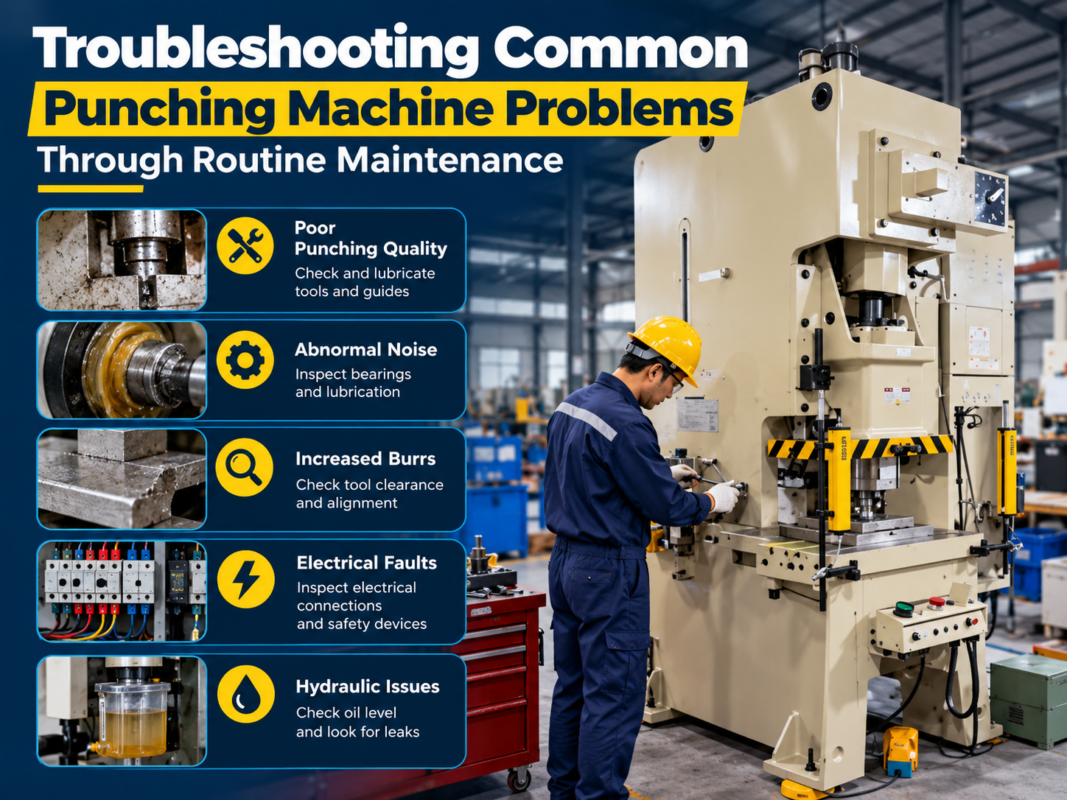
Experienced operators develop an intuition for their machinery, often sensing a problem before a sensor triggers an alarm. One of the most common signals is a change in the sound of the hydraulic pump. A rhythmic knocking or a high-pitched whine often indicates air entering the system (aeration) or the pump struggling to pull oil through a clogged filter (cavitation). Ignoring these sounds will lead to total pump failure within a short period.
Heat is another major indicator. If the hydraulic tank or the motor casing feels excessively hot to the touch, the system is working too hard. This could be due to a pressure relief valve being set too high or an internal leak in a cylinder bypassing oil. Similarly, if the electrical cabinet smells of ozone or burnt plastic, an electrical component is failing. Immediate investigation is required to prevent a fire or total control board failure.
Vibration is the enemy of precision. If the machine begins to vibrate during the bending cycle, check the foundation bolts. Press brakes exert immense forces, and if they are not properly anchored to a reinforced concrete floor, they can shift or vibrate, leading to frame fatigue and poor bend quality. Finally, watch for “drift.” If the ram slowly creeps down when the machine is powered off or in a hold position, it indicates that the hydraulic seals or the check valves are leaking internally.
Maintenance Schedule Table
| Frequency | Component | Action Required |
|---|---|---|
| Daily | Safety Systems | Test light curtains, E-stops, and foot pedals. |
| Daily | Tooling | Clean and inspect punch/die for cracks or chips. |
| Daily | Hydraulic Level | Check oil sight glass; top up if necessary. |
| Weekly | Backgauge | Clean ball screws and linear guides; check for debris. |
| Weekly | Hydraulic Hoses | Inspect for leaks, bulges, or abrasions. |
| Monthly | Electrical Cabinet | Vacuum dust; check for loose wire connections. |
| Monthly | Lubrication System | Verify pump operation and grease distribution. |
| 6 Months | Hydraulic Oil | Perform oil analysis; replace filters. |
| 6 Months | Ram Alignment | Check parallelism and adjust gib clearances. |
| Annually | Full Calibration | Professional recalibration of all CNC axes and tonnage. |
Frequently Asked Questions (FAQ)
How often should I change the hydraulic oil in my press brake?
Generally, hydraulic oil should be changed every 2,000 to 4,000 hours of operation, or at least once every two years. However, this depends heavily on the operating environment and the results of regular oil analysis. If the oil appears milky (water contamination) or smells burnt (oxidation), it must be changed immediately regardless of the hours logged.
Why is my press brake losing accuracy on long bends?
This is often due to “crowning” issues or ram parallelism. If the center of the bend is a different angle than the ends, the machine’s crowning system may need adjustment. If the angle is consistent but wrong across the whole length, check the ram parallelism and the condition of the tooling. Wear in the center of the die from frequent short bends can also cause inaccuracies during long bends.
Can I use any grease for the backgauge ball screws?
No. You should use a lubricant specifically designed for high-precision ball screws, usually a lithium-based grease with low viscosity. Heavy grease can attract metal dust and scale, creating an abrasive paste that will quickly wear down the ball nut and screw, leading to positioning errors.
What are the signs of a failing hydraulic pump?
The most common signs are increased noise levels, erratic ram movement, and a loss of tonnage. If the machine struggles to reach its programmed pressure or if the cycle time slows down significantly, the pump may be experiencing internal wear and failing to maintain the required flow rate.
Is operator training considered part of preventive maintenance?
Absolutely. An educated operator is the best maintenance tool you have. Training operators to recognize the early warning signs of mechanical distress and teaching them the correct way to load and clean the machine prevents the majority of “accidental” damage that occurs in a fabrication shop.