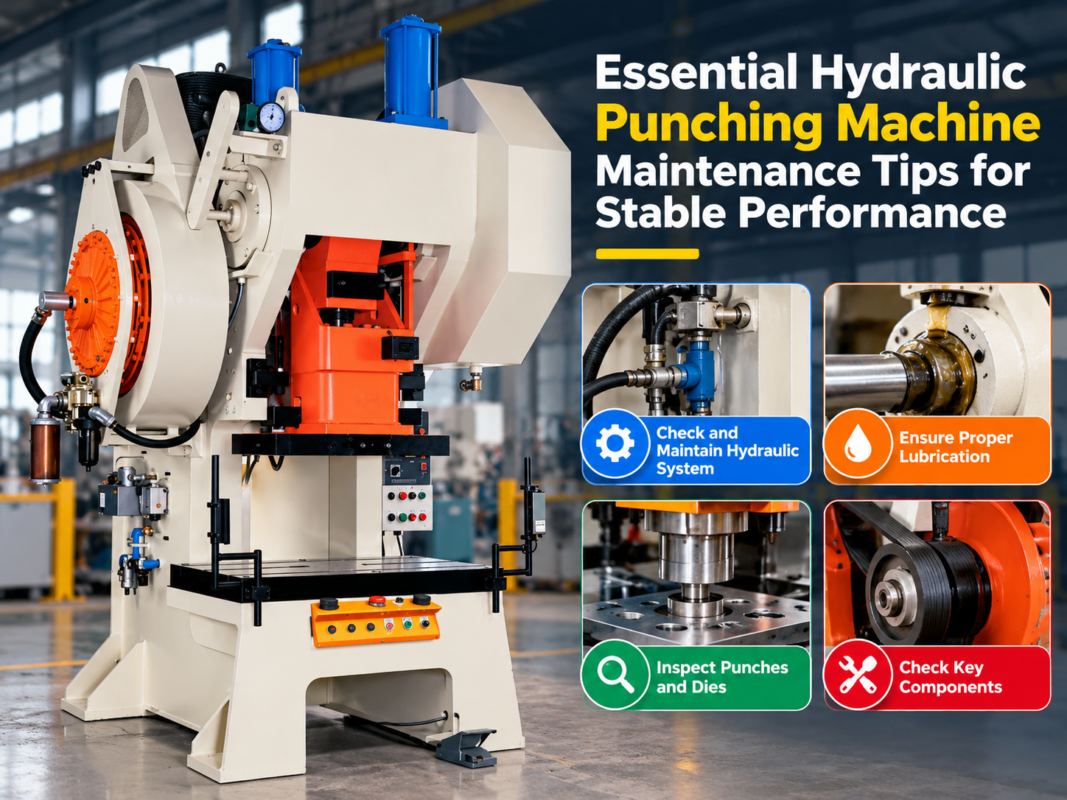
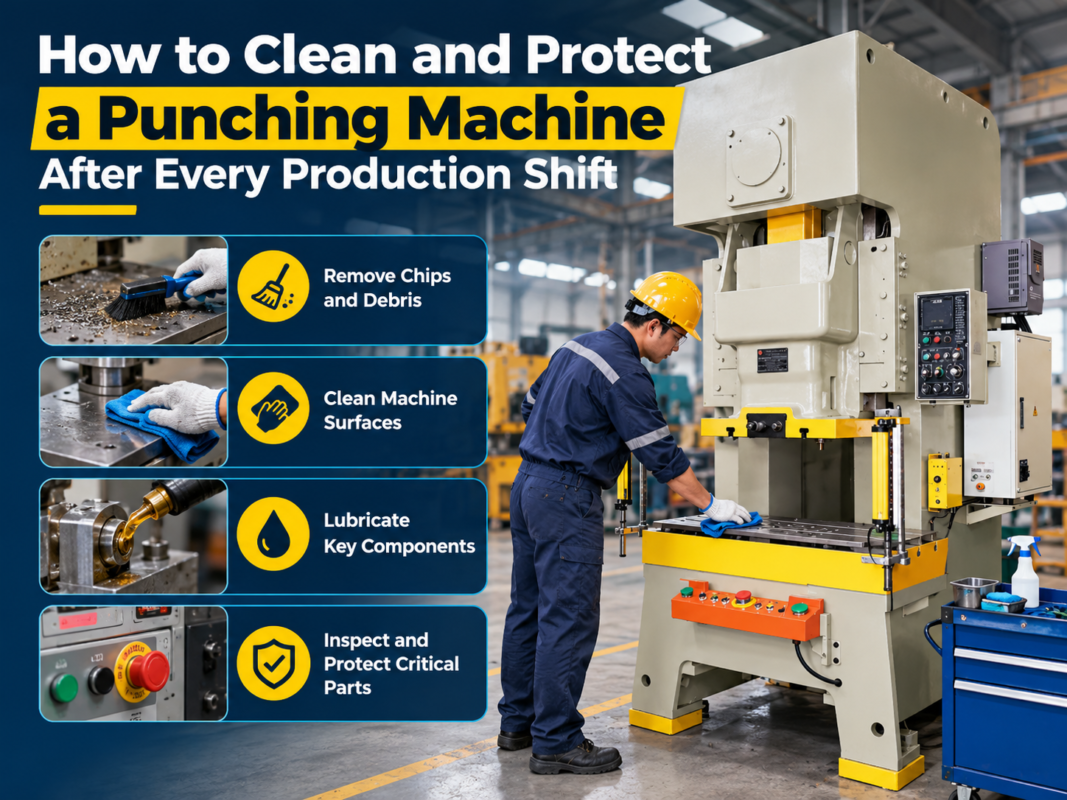
Press Brake Hydraulic System Maintenance Tips for Reliable Operation: A Comprehensive Guide


The Critical Importance of Press Brake Hydraulic System Maintenance
In the world of metal fabrication, the press brake stands as a cornerstone of production. Whether you are bending complex aerospace components or simple brackets for construction, the reliability of your machine directly impacts your bottom line. At the heart of every high-performance press brake, such as those engineered by HARSLE, lies a sophisticated hydraulic system. This system is responsible for generating the immense force required to deform metal with precision. However, the hydraulic system is also one of the most sensitive areas of the machine. Without proper care, performance degrades, leading to inaccurate bends, increased energy consumption, and eventually, costly downtime.
Implementing Press Brake Hydraulic System Maintenance Tips for Reliable Operation is not just about preventing breakdowns; it is about optimizing the lifecycle of your investment. A well-maintained hydraulic system ensures that the ram moves smoothly, the pressure remains consistent, and the proportional valves respond accurately to the CNC commands. In an industry where tolerances are measured in microns, even a slight fluctuation in hydraulic pressure can result in scrapped parts. By prioritizing maintenance, fabricators can achieve a higher Return on Investment (ROI) and maintain a competitive edge in the market.
Furthermore, safety is a paramount concern. Hydraulic systems operate under extreme pressure, often exceeding 300 bar. A neglected hose or a failing seal can lead to high-pressure leaks, which pose significant risks to operators and the surrounding environment. Regular maintenance identifies these risks before they manifest into accidents. This guide provides a deep dive into the technical aspects of maintaining your press brake, ensuring that your HARSLE equipment remains a reliable workhorse in your facility for decades to come.
Daily Inspection: The First Line of Defense
The most effective way to ensure reliable operation is to establish a rigorous daily inspection routine. This should be performed at the start of every shift before the machine is powered up for production. The goal of a daily check is to identify obvious signs of wear or potential failure. Operators should begin by performing a visual “walk-around” of the machine. Look for any signs of oil puddles on the floor or dripping from the cylinders. Even a small leak can indicate a failing seal that could lead to a sudden loss of pressure during a critical bend.
Checking the oil level is perhaps the most fundamental step. Most HARSLE press brakes are equipped with a clear sight glass on the hydraulic reservoir. The oil level should be within the designated range when the ram is at its highest point. If the oil is low, it can lead to pump cavitation—a condition where air bubbles form and collapse within the pump, causing significant internal damage. Additionally, observe the color and clarity of the oil. If the oil appears milky, it likely contains water; if it looks dark or smells burnt, it has oxidized and lost its lubricating properties.
Beyond the oil, daily inspections should include a check of the pressure gauges. During the initial warm-up cycle, ensure that the system reaches its operating pressure smoothly without excessive vibration or noise. Listen for unusual sounds coming from the pump or the valves. A high-pitched whining or a rhythmic knocking often signals that a component is struggling. By catching these signals early, you can schedule maintenance during planned downtime rather than reacting to an emergency failure mid-production.
Hydraulic System Checks: Deep Technical Maintenance
Moving beyond daily observations, the hydraulic system requires periodic technical deep-dives. The hydraulic oil itself is the lifeblood of the machine. Over time, oil breaks down due to heat and shear forces. It also accumulates microscopic contaminants that can erode the precision-ground surfaces of proportional valves. We recommend performing an oil analysis every six months. This laboratory test identifies the presence of metals, water, and chemical degradation, providing a clear picture of the system’s internal health.
The filtration system is your primary defense against contamination. Most modern press brakes utilize a multi-stage filtration process, including suction strainers and high-pressure return filters. These filters must be replaced according to the manufacturer’s schedule, or sooner if the filter clogging indicator is triggered. Never bypass a filter or use non-specified replacements, as the micron rating is critical for protecting sensitive components like the Rexroth or Hoerbiger valve blocks commonly used in HARSLE machines.
Cylinders and hoses also require specific attention. Inspect the piston rods for scratches or pitting. A damaged rod will quickly destroy the cylinder seals, leading to internal leakage (where oil bypasses the piston) or external leakage. Internal leakage is particularly insidious because it causes the ram to “drift” or lose parallelism, which is difficult to diagnose without specialized tools. Hoses should be checked for bulging, cracking, or abrasion. Because hydraulic hoses have a finite lifespan, many safety standards recommend replacing them every five to seven years, regardless of their visual appearance.
Electrical and Mechanical System Integration
While the focus is often on the hydraulics, a press brake is an integrated system where electrical and mechanical components must work in harmony. The electrical system controls the hydraulic valves via the CNC controller. Loose electrical connections or corroded terminals can cause intermittent signals, leading to erratic ram movement. Periodically check the cabinet for dust accumulation, as dust can cause overheating of the motor starters and PLC modules. Ensure that all cooling fans are operational and that the cabinet seals are intact.
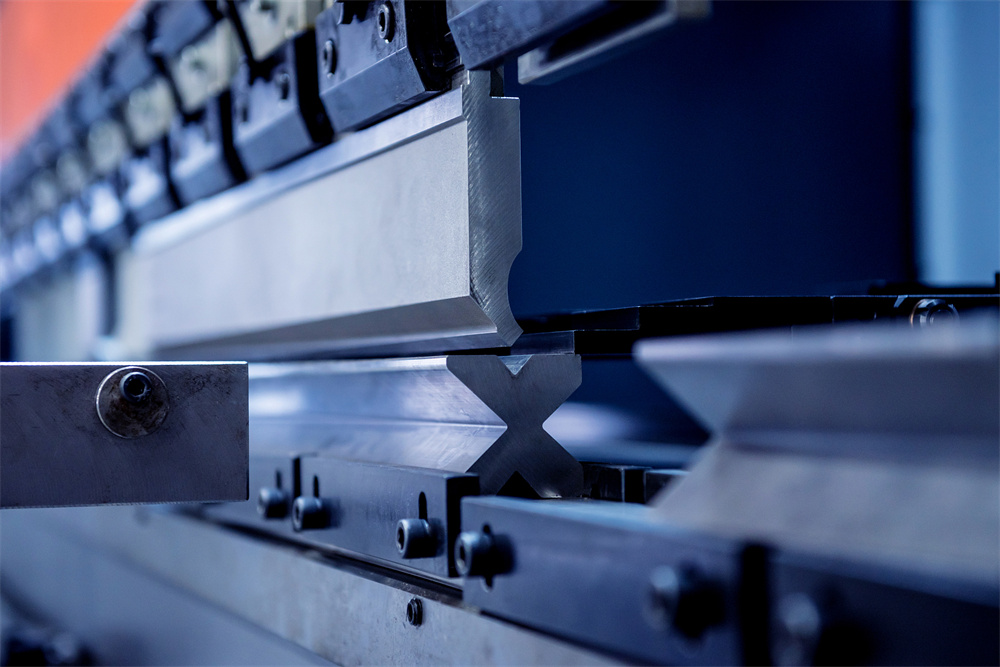
Mechanically, the alignment of the ram and the bed is crucial. The hydraulic system pushes the ram, but the mechanical “gibs” or guides ensure it moves straight. If the guides are too tight, the hydraulic system must work harder, causing heat buildup. If they are too loose, the accuracy of the bend will suffer. Check the gib clearance and adjust according to the HARSLE technical manual. Additionally, the backgauge system, while often driven by electric servo motors, must be kept clean and calibrated to ensure that the hydraulic force is applied to the workpiece at the correct position.
The synchronization of the two hydraulic cylinders (Y1 and Y2 axes) is managed by the CNC through linear encoders. These encoders provide feedback on the ram’s position. If the encoders are dirty or misaligned, the hydraulic system cannot accurately balance the pressure between the two cylinders. Regularly clean the encoder scales with the recommended cleaning agent and ensure the mounting brackets are secure. This synergy between electrical feedback and hydraulic response is what allows for the high precision expected in modern metal fabrication.
Developing a Robust Lubrication Plan
Lubrication is the simplest yet most frequently overlooked aspect of Press Brake Hydraulic System Maintenance Tips for Reliable Operation. While the hydraulic oil lubricates the internal pump and valves, external moving parts require specialized grease or oil. The main lubrication points include the ram guides (gibs), the backgauge ball screws, and the linear rails. Without proper lubrication, friction increases, leading to premature wear and increased energy consumption.
Many HARSLE press brakes feature an automatic lubrication system. This system is programmed to deliver a precise amount of grease to critical points at set intervals. However, the operator must still ensure that the grease reservoir is full and that the delivery lines are not blocked or broken. If your machine requires manual lubrication, establish a strict schedule. Using the wrong type of lubricant can be as damaging as using none at all. For example, using a heavy grease on high-speed ball screws can cause them to gum up, while using a thin oil on heavy-duty guides may not provide enough film strength to prevent metal-to-metal contact.
A good lubrication plan also involves cleaning. Before applying new grease, wipe away the old, contaminated grease that has accumulated on the rails. This prevents abrasive particles from being ground into the precision surfaces. In dusty environments, such as those involving grinding or sanding operations nearby, lubrication frequency should be increased. A clean, well-lubricated machine operates more quietly, uses less power, and maintains its accuracy over a much longer period.
Troubleshooting Signals: What Your Machine is Telling You
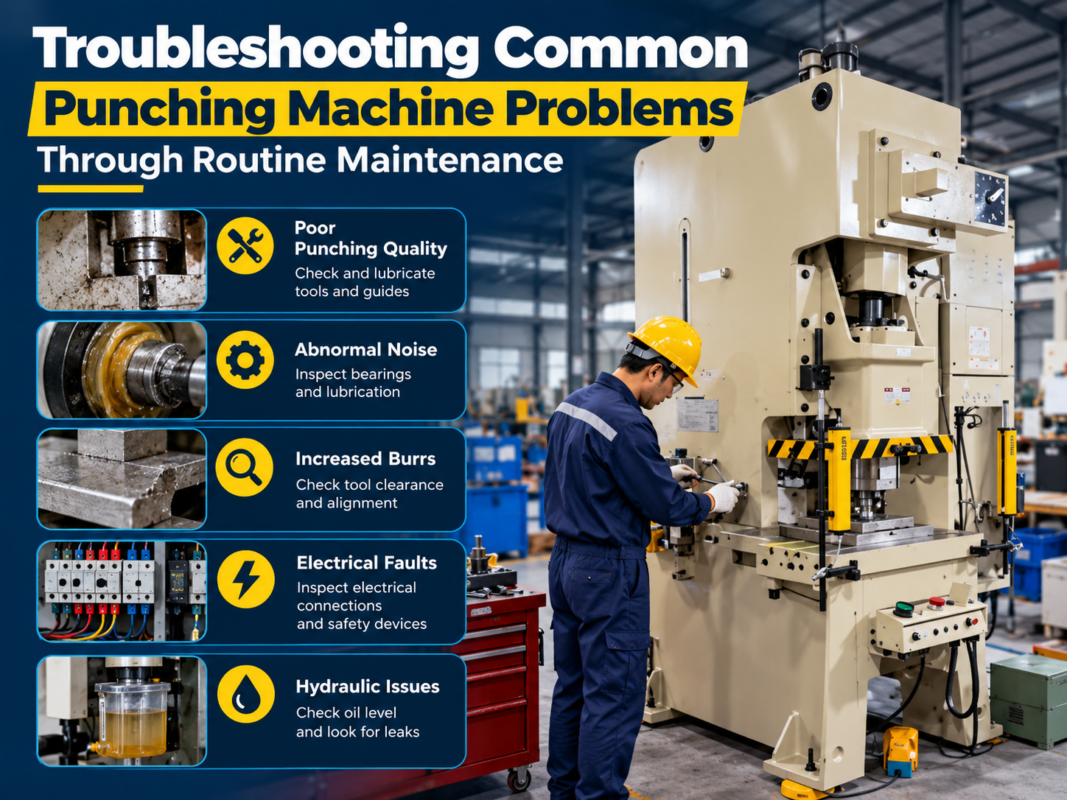
A reliable operator learns to “listen” to their machine. Changes in sound, temperature, or cycle time are often the first indicators of a developing problem. For instance, if the hydraulic pump begins to make a loud, metallic growling noise, it is likely experiencing cavitation or aeration. This could be caused by a clogged suction filter, a leak in the intake line, or oil that is too viscous for the ambient temperature. Ignoring this sound will lead to total pump failure within hours or days.
Excessive heat is another major red flag. The hydraulic system should generally operate between 40°C and 55°C (104°F to 131°F). If the oil temperature exceeds 60°C, its viscosity drops, leading to increased wear and seal failure. High temperatures are often caused by a malfunctioning oil cooler, a relief valve that is stuck open, or a pump that is worn and bypassing oil internally. Most HARSLE machines have temperature sensors that will trigger an alarm, but manual monitoring of the oil cooler’s efficiency is also recommended.
Finally, pay attention to the ram’s behavior. If the ram hesitates before moving, or if it moves unevenly, there may be air trapped in the hydraulic lines or a problem with the proportional valves. Air can enter the system after a filter change or if the oil level drops too low. Bleeding the system is necessary to restore smooth operation. If the machine fails to reach the programmed pressure, the culprit could be a worn pump, a leaking cylinder seal, or an incorrectly adjusted pressure relief valve. Systematic troubleshooting, starting from the simplest possibilities, is the key to minimizing downtime.
Comprehensive Maintenance Schedule Table
To ensure nothing is missed, use the following table as a template for your maintenance department. This schedule is designed to maximize the reliability of HARSLE press brakes and similar industrial machinery.
| Frequency | Component | Action Required | Purpose |
|---|---|---|---|
| Daily | Oil Level | Check sight glass; top up if necessary. | Prevent pump cavitation. |
| Daily | Hydraulic Hoses | Visual inspection for leaks or cracks. | Ensure operator safety and prevent oil loss. |
| Daily | Ram & Die | Clean surfaces and check for debris. | Maintain bending accuracy. |
| Weekly | Lubrication Points | Check auto-lube reservoir or manually grease gibs. | Reduce friction and wear. |
| Weekly | Air Filters | Clean or replace electrical cabinet filters. | Prevent electronics overheating. |
| Monthly | Oil Cooler | Clean cooling fins and check fan operation. | Maintain optimal oil temperature. |
| Monthly | Bolts & Fasteners | Check tightness of foundation and tool clamps. | Ensure structural integrity. |
| 6 Months | Hydraulic Oil | Perform oil analysis and check for contamination. | Monitor internal system health. |
| Yearly | Hydraulic Filters | Replace all high-pressure and return filters. | Protect sensitive valve components. |
| Yearly | System Calibration | Verify ram parallelism and backgauge accuracy. | Maintain ISO quality standards. |
| 5-7 Years | Hydraulic Hoses | Complete replacement of all flexible hoses. | Prevent catastrophic pressure failure. |
Frequently Asked Questions (FAQ)
1. What type of hydraulic oil should I use in my HARSLE press brake?
Most HARSLE press brakes are designed to run on high-quality anti-wear hydraulic oil, typically ISO VG 46. In colder environments, ISO VG 32 may be used to ensure better flow during startup. Always consult your specific machine manual, as using the wrong viscosity can lead to sluggish performance or pump damage.
2. How often should I change the hydraulic oil?
Under normal operating conditions, hydraulic oil should be changed every 2,000 to 4,000 operating hours, or at least once every two years. However, if an oil analysis shows high levels of oxidation or contamination, it should be changed immediately regardless of the hours logged.
3. Why is my press brake losing pressure during the bend?
Pressure loss can be caused by several factors: a worn hydraulic pump, a leaking piston seal inside the cylinder, or a malfunctioning pressure relief valve. It can also be caused by an internal leak in the proportional valve block. Start by checking for external leaks and then proceed to test the pump output.
4. How do I remove air from the hydraulic system?
Air usually enters the system during maintenance or if the oil level is too low. To bleed the system, most machines have bleed screws on top of the cylinders. With the machine running at low pressure, carefully crack these screws until oil flows out without bubbles. Ensure you follow all safety protocols, as the oil is under pressure.
5. Can I use generic filters for my hydraulic system?
It is strongly discouraged. Hydraulic filters are rated by their “beta ratio” and micron size. Generic filters may not meet the strict filtration requirements of the proportional valves used in HARSLE machines. Using non-OEM filters can lead to premature valve failure, which is far more expensive than the cost of a genuine filter.
6. What causes the hydraulic oil to overheat?
Overheating is usually caused by a dirty oil cooler, a cooling fan failure, or the system running at high pressure for extended periods without adequate cooling. It can also be a sign of an internal component failure, such as a pump that is working too hard due to internal wear.
7. How do I know if my backgauge needs lubrication?
If you notice a grinding sound, vibration, or if the backgauge is struggling to reach its programmed position, it likely needs lubrication. You should also visually inspect the ball screws; they should have a thin, clean film of grease. If they appear dry or are covered in dark, gritty paste, they need cleaning and re-greasing.
Conclusion: The Path to Reliable Operation
Maintaining a press brake is a continuous commitment to quality and efficiency. By following these Press Brake Hydraulic System Maintenance Tips for Reliable Operation, you are doing more than just fixing a machine; you are ensuring the heartbeat of your fabrication shop remains strong. HARSLE machinery is built to withstand the rigors of heavy industrial use, but like any high-precision instrument, it thrives on regular care and attention. From the daily walk-around to the biennial oil change, every step you take contributes to a safer, more productive, and more profitable workshop. Remember, the cost of maintenance is always lower than the cost of failure. Stay proactive, keep your systems clean, and your press brake will continue to deliver precision bends for years to come.