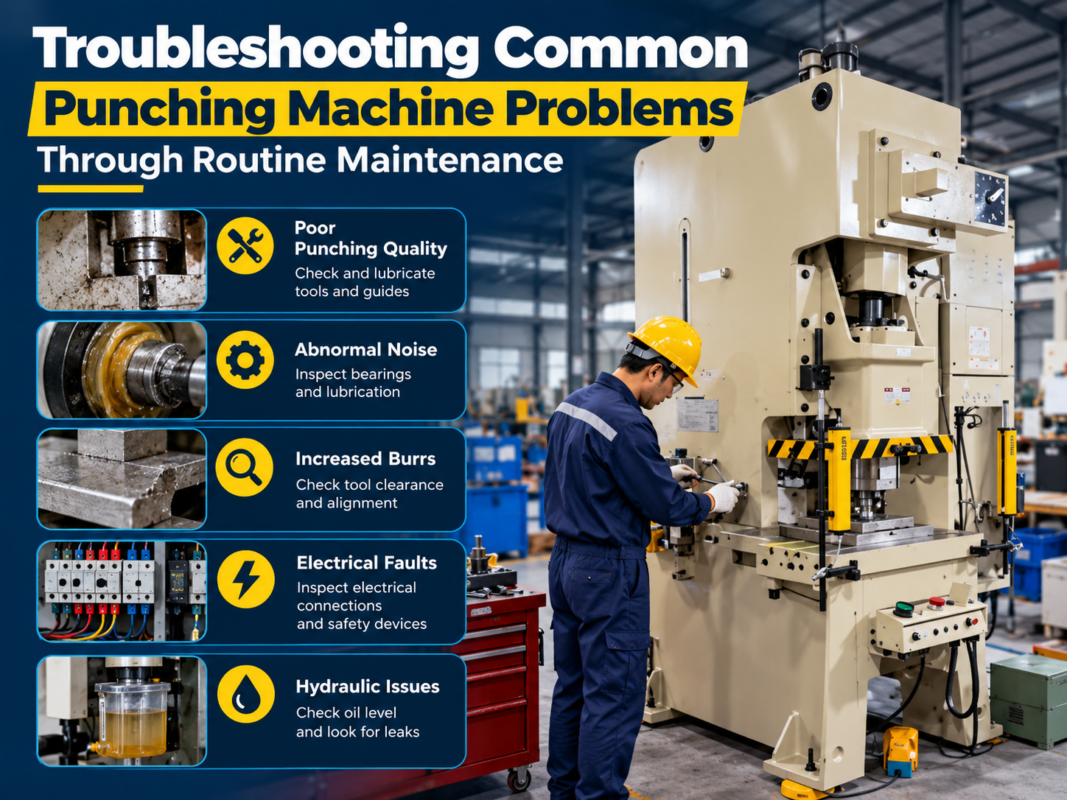
Comprehensive Electrical Maintenance Checklist for Press Brake Machines in Daily Production


The Critical Importance of Electrical Maintenance in Press Brake Operations
In the high-stakes world of metal fabrication, the press brake stands as a cornerstone of production. Whether you are operating a high-speed CNC model or a robust hydraulic unit, the electrical system acts as the brain and nervous system of the machine. An Electrical Maintenance Checklist Press Brake Machines In Daily Production is not merely a suggestion; it is a fundamental requirement for ensuring operational safety, precision, and longevity. When electrical components fail, the results can range from minor inaccuracies in bend angles to catastrophic machine failure and significant safety hazards for operators.
Modern press brakes, such as those manufactured by HARSLE, integrate sophisticated electronics including PLCs (Programmable Logic Controllers), servo drives, and high-resolution encoders. These components are sensitive to environmental factors like dust, heat, and vibration. Regular maintenance ensures that these systems communicate effectively, allowing the hydraulic valves to fire with millisecond precision. Without a dedicated electrical maintenance routine, the cumulative effect of minor electrical fluctuations can lead to intermittent errors that are notoriously difficult and expensive to diagnose.
Furthermore, consistent maintenance directly impacts the bottom line. In a daily production environment, downtime is the enemy of profitability. By identifying a frayed wire or a loose terminal during a routine check, maintenance teams can prevent a mid-shift breakdown that could halt an entire assembly line. This proactive approach transforms maintenance from a cost center into a value-adding process that guarantees the reliability of the fabrication workflow.
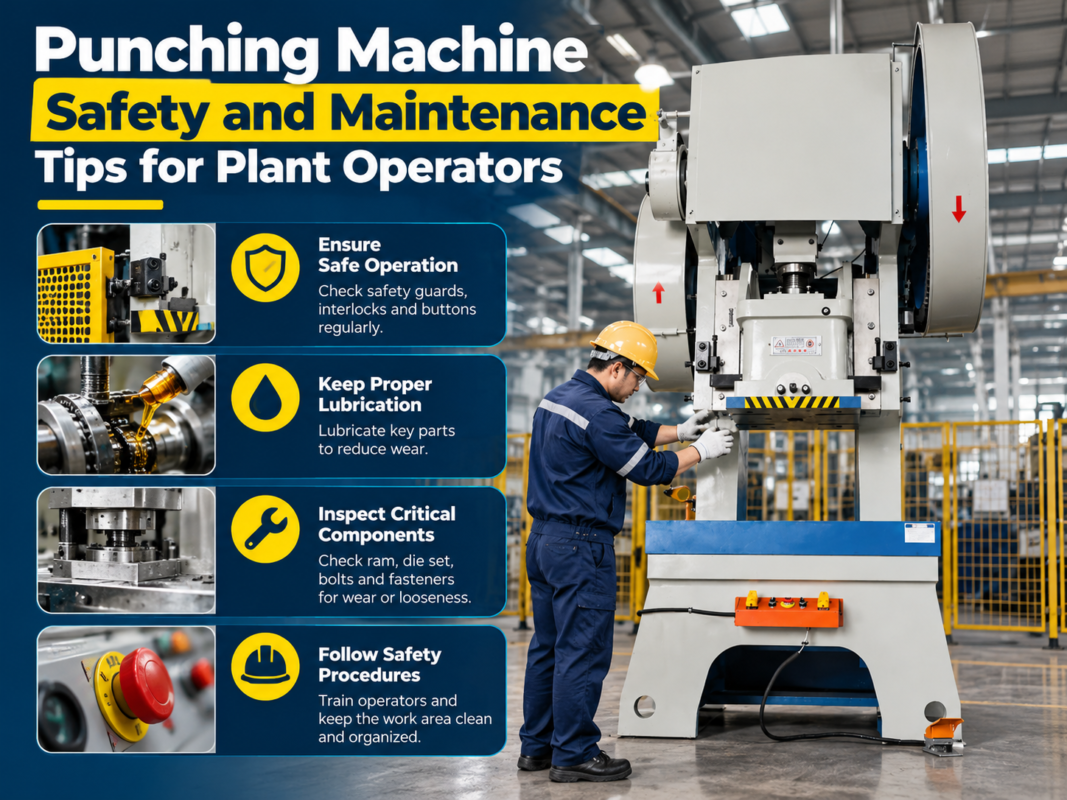
Finally, safety cannot be overstated. Press brakes exert tons of force. The electrical safety circuits, including light curtains, emergency stops, and interlock switches, must be in perfect working order to protect the human element of the production process. A comprehensive checklist ensures that these life-saving features are never compromised by wear or neglect.
Daily Pre-Start Inspection: Setting the Stage for Success
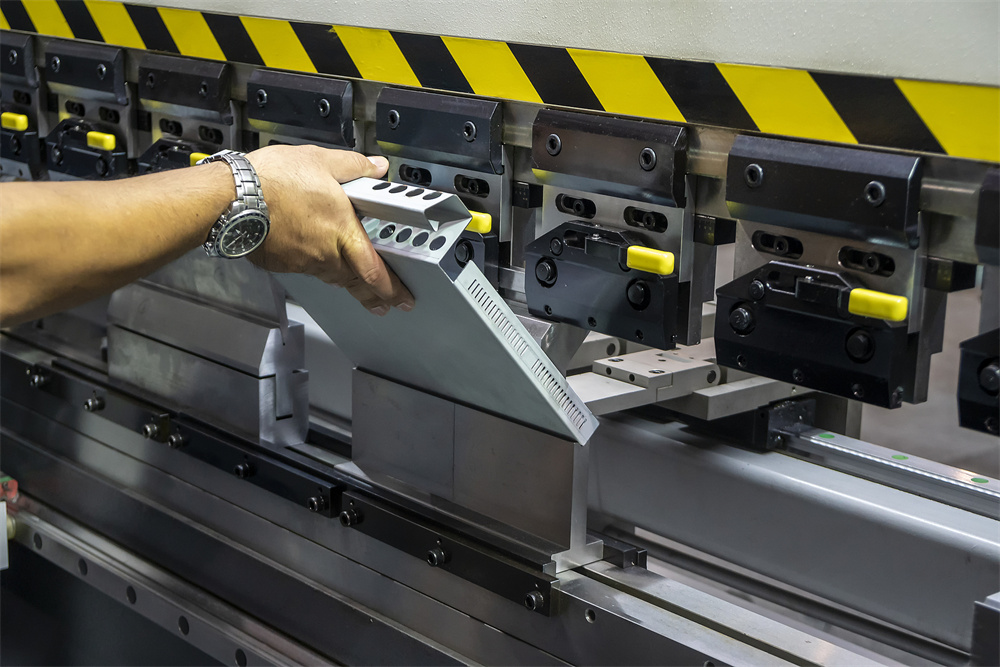
Before the first bend of the day, a visual and functional inspection of the electrical system is essential. This daily routine should begin with a walk-around of the machine to check for any obvious signs of damage. Operators should look for exposed wires, loose conduits, or signs of overheating near the motor and control cabinet. In the fast-paced environment of daily production, these simple visual cues are often the first indicators of an impending electrical issue.
The next step in the daily inspection involves the control panel. Power on the machine and observe the boot-up sequence of the CNC controller. Are there any unusual error codes or warning messages? The screen should be clear, and all touch or button inputs should be responsive. If the controller takes an unusually long time to load, it may indicate a failing internal battery or a storage drive issue that needs immediate attention before data loss occurs.
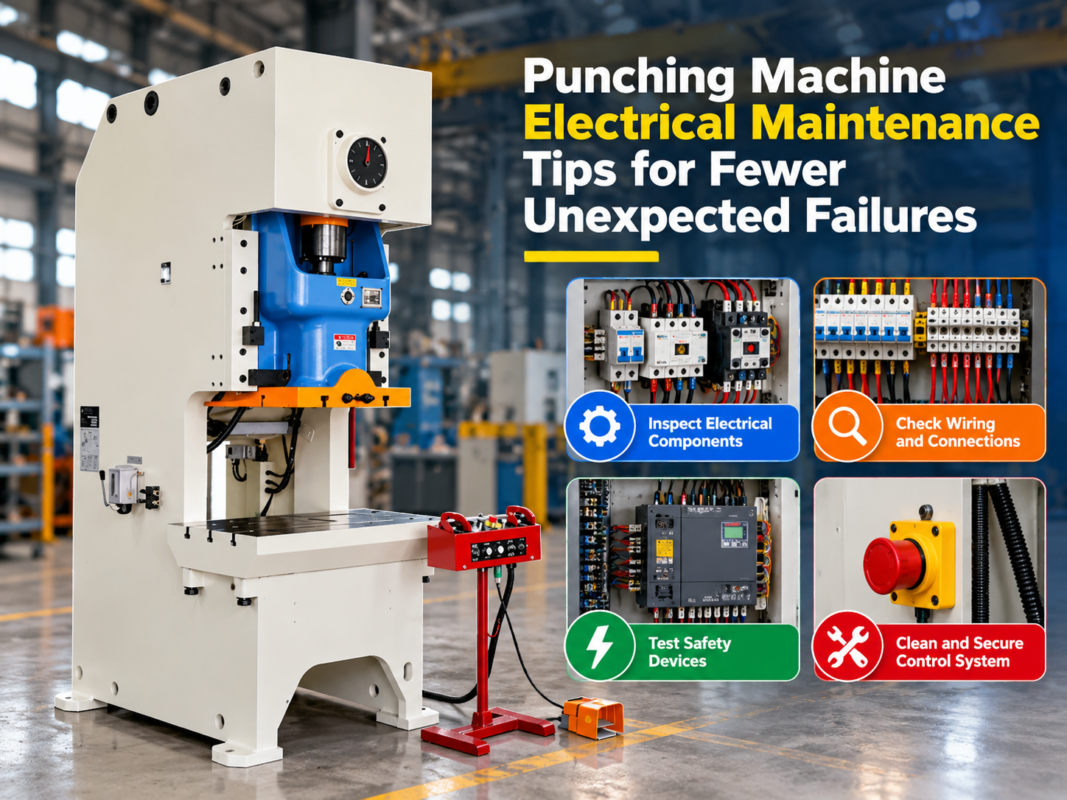
Testing the emergency stop buttons is a non-negotiable part of the daily checklist. Every E-stop on the machine, including those on the main console and the foot pedal, must be depressed to ensure they kill power to the drive system instantly. Similarly, the light curtains or laser guarding systems must be checked. By breaking the light beam, the operator confirms that the machine stops movement immediately, verifying that the electrical safety loop is intact and functioning as designed.
Lastly, check the cooling fans on the electrical cabinet. These fans are vital for dissipating the heat generated by servo drives and transformers. If a fan is clogged with dust or has stopped spinning, the internal temperature of the cabinet will rise, leading to premature component failure. A quick check to ensure airflow is unobstructed can save thousands of dollars in replacement parts.
Deep Dive: Electrical System Checks
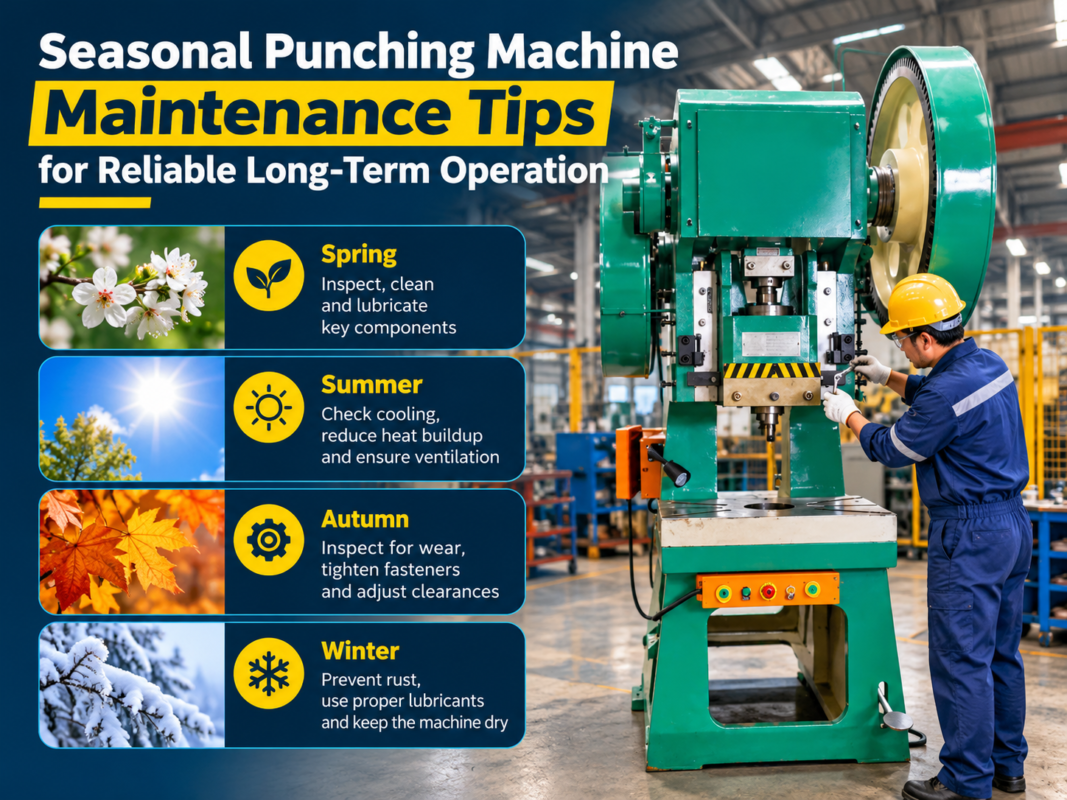
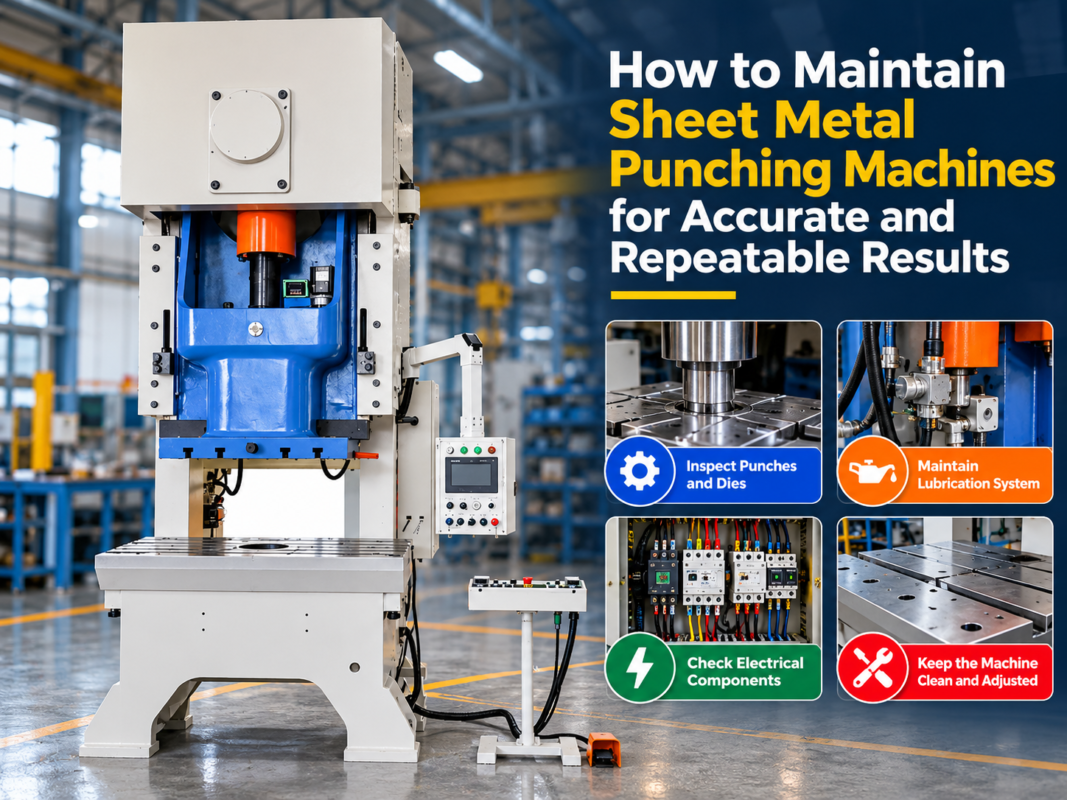
The core of the Electrical Maintenance Checklist Press Brake Machines In Daily Production lies in the periodic deep-dive inspections of the internal electrical components. One of the most common causes of electrical failure in industrial machinery is loose connections. Due to the inherent vibrations of the bending process, terminal screws can back out over time. Once a month, or more frequently in high-vibration environments, a qualified technician should power down the machine, follow lock-out/tag-out procedures, and verify the tightness of all connections in the main electrical cabinet.
Grounding is another critical area. A press brake must be properly grounded to prevent electrical noise from interfering with the sensitive CNC signals and to protect against electrical shocks. Technicians should inspect the grounding straps and ensure they are securely bonded to the machine frame and the factory’s main ground. Corrosion at these points can increase resistance, leading to erratic machine behavior or “ghost” errors in the controller.
The PLC and servo drives require specific attention. Check for any signs of “browning” or discoloration on the circuit boards, which indicates localized overheating. Ensure that the backup batteries for the PLC are within their service life; if these batteries die while the machine is powered off, the machine’s parameters and programs may be lost, leading to extensive downtime for reconfiguration. Additionally, inspect the encoder cables for any signs of cracking or oil saturation, as these cables carry the precise positioning data required for accurate bending.
Finally, consider the power supply quality. In many industrial zones, voltage fluctuations are common. If your press brake is not equipped with a dedicated voltage stabilizer, the internal power supply units (PSUs) are under constant stress. Checking the output voltage of these PSUs with a multimeter ensures they are providing the steady 24V DC (or other required voltages) necessary for the sensors and solenoid valves to operate reliably.
Hydraulic and Mechanical Synergy: The Electrical Connection
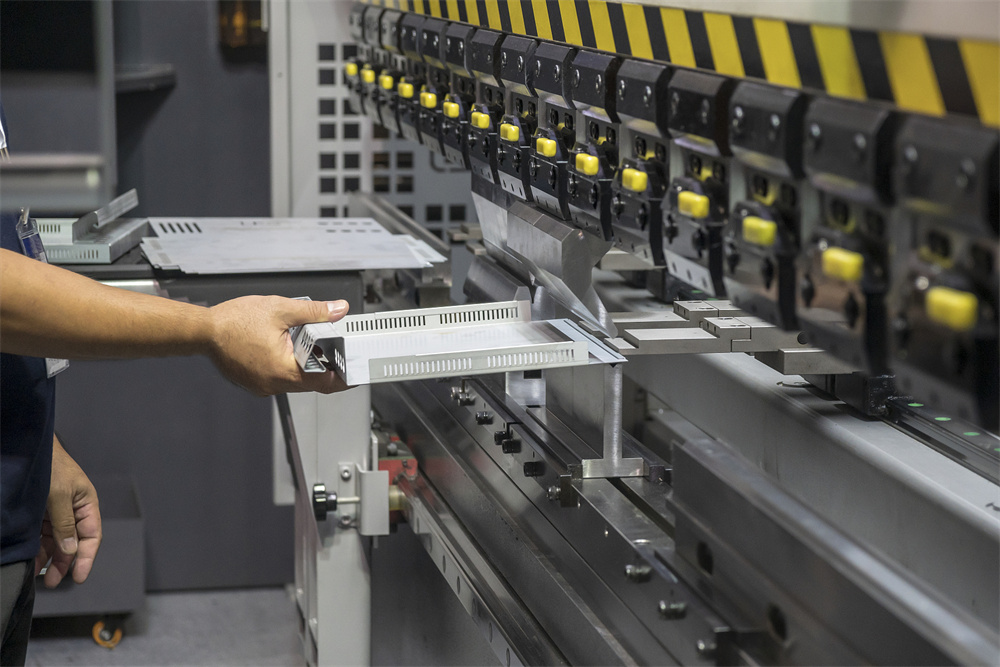
While this guide focuses on the electrical maintenance checklist, it is important to understand how the electrical system interacts with the hydraulic and mechanical components. The hydraulic valves are controlled by electrical solenoids. If the electrical signal is weak or the solenoid coil is degrading, the valve may not shift fully or may shift sluggishly. This results in uneven bending or the ram failing to reach its target depth. During maintenance, check the plugs on the solenoid valves for oil ingress, which can cause short circuits.
The backgauge system is a mechanical component driven by electrical servo motors. The precision of your parts depends on the electrical integrity of these motors and their feedback loops. Inspect the limit switches that define the travel limits of the backgauge. If a limit switch fails electrically (e.g., the internal contact sticks), the backgauge could crash into the tooling, causing extensive mechanical damage. Testing these switches ensures the electrical “fences” of the machine are operational.
Lubrication systems in modern press brakes are also often electrically driven. An automatic lubrication pump relies on an electrical timer or a signal from the CNC. If the electrical connection to this pump fails, the machine’s mechanical ways and ball screws will run dry, leading to rapid wear. Part of your electrical checklist should include verifying that the lubrication pump cycles correctly and that the “low lubricant” electrical sensor triggers a warning on the console.
Comprehensive Lubrication Plan for Press Brakes
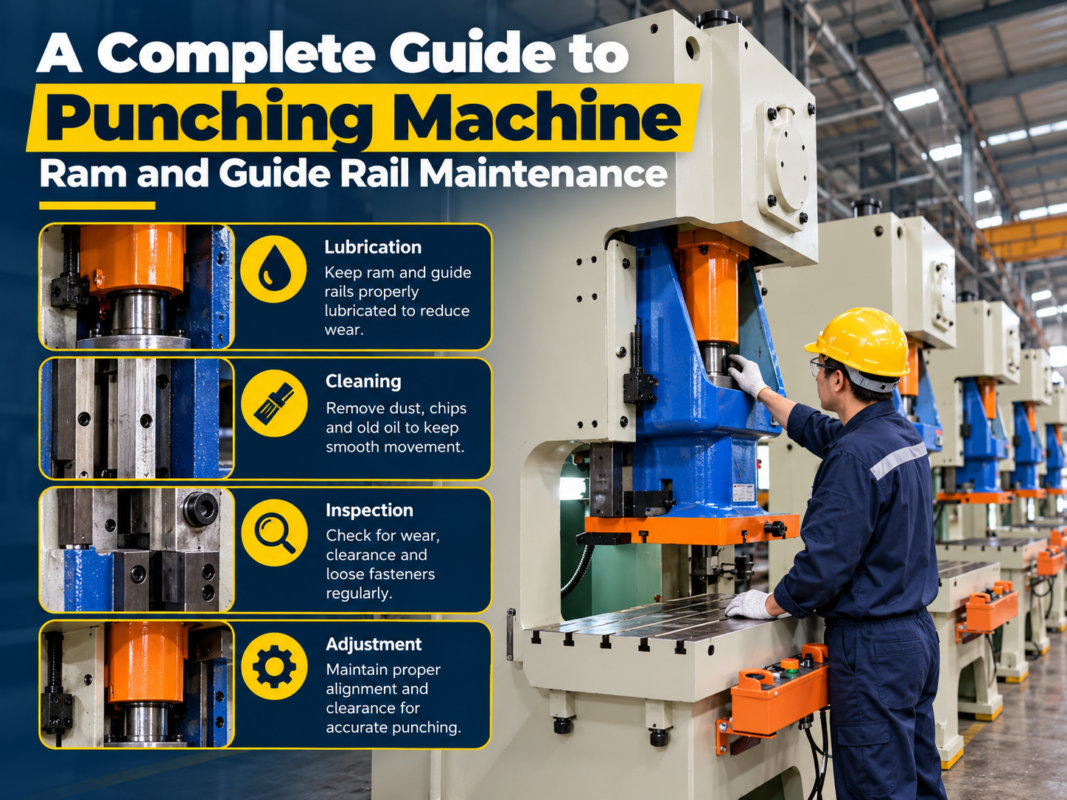
Effective lubrication is the partner to electrical health. While the electrical system provides the command, the lubrication ensures the mechanical execution is smooth, reducing the load on the electrical motors. A well-structured lubrication plan should be integrated into your daily and weekly routines. For the backgauge R-axis and X-axis, high-quality lithium-based grease is typically recommended to ensure the ball screws move with minimal friction.
The main ram guides (the ways) require constant lubrication to prevent galling and to maintain the micron-level precision required for complex bends. If your machine has a manual lubrication point, it should be serviced every shift. If it is automatic, the electrical sensors must be checked to ensure they are accurately reporting the oil level. Using the wrong type of oil can lead to gumming, which increases the torque required from the servo motors, eventually leading to electrical overcurrent alarms.
Don’t forget the pivot points on the foot pedal and any manual adjustment handles. While these seem minor, a sticking foot pedal can send erratic electrical signals to the controller, creating a safety risk. A drop of light machine oil on these pivots ensures the electrical switches inside the pedal assembly are actuated cleanly and consistently.
Troubleshooting Signals and Warning Signs
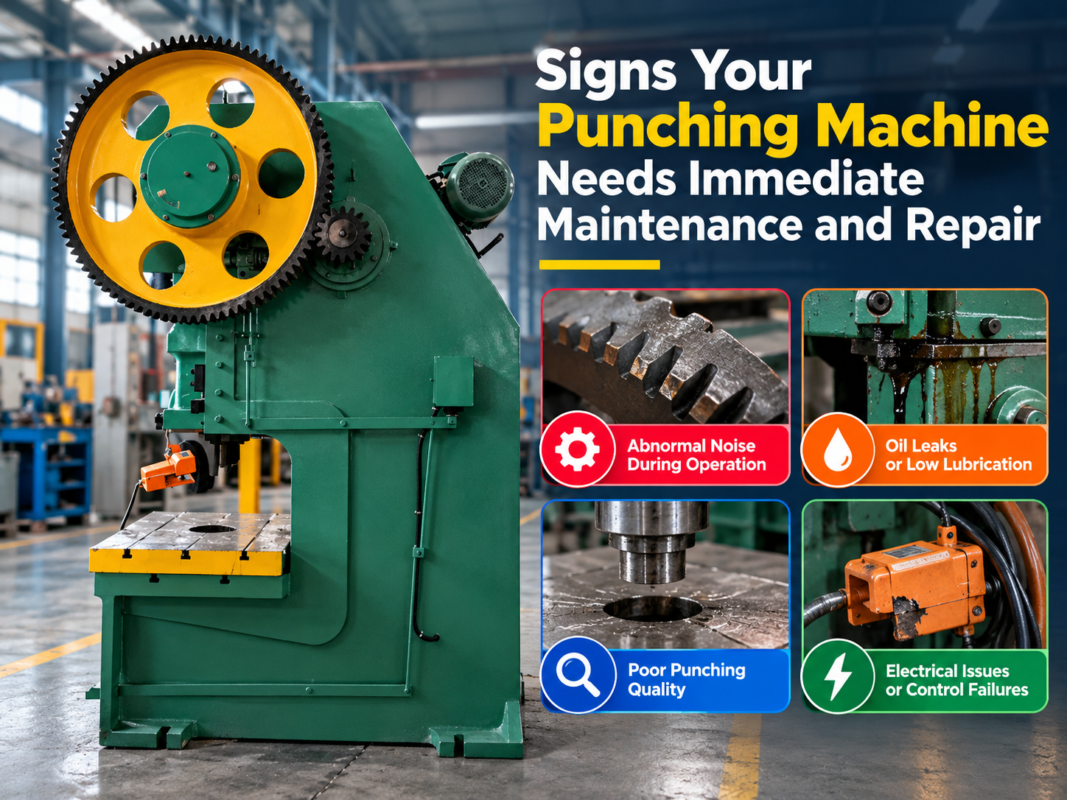
Recognizing the early warning signs of electrical failure can prevent a total system shutdown. One of the most common signals is an unusual humming or buzzing sound coming from the electrical cabinet or the motors. This often indicates a phase imbalance, a failing capacitor, or a motor bearing that is putting extra load on the electrical drive. If you hear these sounds, it is time to consult the Electrical Maintenance Checklist Press Brake Machines In Daily Production and perform a detailed inspection.
Another red flag is intermittent “reset” events. If the CNC controller suddenly reboots or the machine drops out of its “ready” state without an error code, this usually points to a loose connection in the safety string or a failing power supply. Similarly, if the touch screen becomes unresponsive or shows “ghost touches,” it may be due to electromagnetic interference (EMI) caused by poor shielding on the electrical cables or a lack of proper grounding.
Heat is a major indicator of electrical distress. Using an infrared thermometer to scan the electrical cabinet during operation can reveal “hot spots.” A circuit breaker or contactor that is significantly hotter than its neighbors is likely failing or has a loose wire. Catching these thermal anomalies early is a key part of advanced electrical maintenance, allowing for scheduled repairs rather than emergency fixes.
Maintenance Schedule Table
| Frequency | Task Category | Action Item |
|---|---|---|
| Daily | Safety | Test all Emergency Stops and Light Curtains. |
| Daily | Visual | Check for error codes on CNC and inspect for loose external wiring. |
| Daily | Cooling | Verify all electrical cabinet fans are operational and filters are clean. |
| Weekly | Cleaning | Wipe down the CNC console and clean sensors/encoders of dust and oil. |
| Monthly | Internal | Check tightness of terminal blocks and inspect for signs of heat damage. |
| Quarterly | Grounding | Test grounding resistance and inspect bonding straps. |
| Annually | Comprehensive | Replace PLC backup batteries and perform a full voltage stability test. |
Frequently Asked Questions (FAQ)
1. Why is dust so dangerous for the electrical system of a press brake?
Dust, especially metallic dust common in fabrication shops, is conductive. If it settles on circuit boards or between terminals in the electrical cabinet, it can cause short circuits, erratic signals, and even fires. Regular cleaning and ensuring the cabinet remains sealed are vital.
2. How often should I replace the PLC battery?
Most manufacturers recommend replacing the PLC battery every 1 to 2 years, regardless of whether a “low battery” light is showing. This is a cheap insurance policy against losing all your machine’s parameters and custom programs.
3. What should I do if the machine displays an “Overcurrent” alarm?
An overcurrent alarm usually means a motor is working too hard. Check for mechanical obstructions, ensure the machine is properly lubricated, and then inspect the electrical cables for shorts. If the problem persists, the servo drive itself may need professional testing.
4. Can I use compressed air to clean the electrical cabinet?
It is generally discouraged to use high-pressure compressed air as it can force dust deeper into sensitive components or cause static discharge. Instead, use a vacuum with a non-conductive nozzle or low-pressure, moisture-free canned air designed for electronics.
5. Why does my press brake lose its position after a power outage?
This is often due to a failure in the absolute encoder’s battery or a problem with the PLC’s memory retention. If the machine requires a full homing sequence and “forgets” its previous coordinates every time the power cycles, the electrical backup system needs to be checked.
Conclusion: The Path to Long-Term Reliability
Implementing a rigorous Electrical Maintenance Checklist Press Brake Machines In Daily Production is the most effective way to ensure your HARSLE equipment remains a productive asset for years to come. By combining daily vigilance with periodic deep-dives into the electrical cabinet, you protect your investment, your operators, and your production schedule. Remember that electrical maintenance is a specialized field; while operators can perform daily visual checks, internal cabinet work should always be handled by qualified personnel to ensure safety and compliance with industrial standards. With proper care, your press brake will continue to deliver the precision and power that your metal fabrication projects demand.