Seasonal Press Brake Maintenance Tips to Protect Machine Performance: A Comprehensive Guide


The Critical Importance of Seasonal Press Brake Maintenance
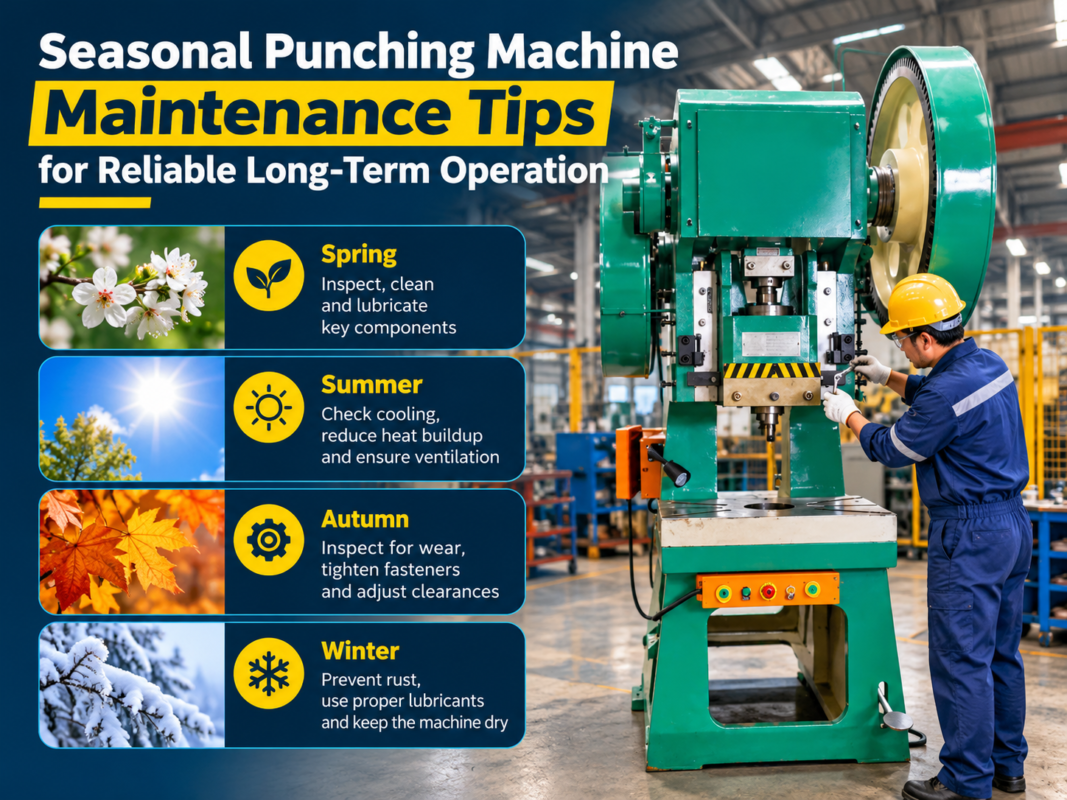
In the high-stakes world of metal fabrication, the press brake stands as the cornerstone of production. Whether you are operating a high-end HARSLE CNC synchronized hydraulic press brake or a manual model, the longevity and precision of your equipment depend heavily on consistent upkeep. Implementing seasonal press brake maintenance tips to protect machine performance is not merely a suggestion; it is a fundamental requirement for any facility aiming to minimize downtime and maximize Return on Investment (ROI).
Seasonal changes bring unique challenges to industrial machinery. Fluctuations in ambient temperature, humidity levels, and even dust accumulation during peak production seasons can significantly impact the hydraulic systems, electrical components, and mechanical tolerances of a press brake. For instance, extreme cold can increase the viscosity of hydraulic oil, leading to sluggish response times, while excessive heat can cause seals to degrade prematurely. By following a structured seasonal maintenance plan, operators can identify potential issues before they escalate into costly repairs.
Beyond the mechanical health of the machine, maintenance is a matter of safety. A poorly maintained press brake is a liability, posing risks to operators through unexpected ram movements or electrical failures. Furthermore, the precision required in modern metalworking—often measured in microns—cannot be sustained if the machine’s components are worn or misaligned. This guide provides a deep dive into the essential steps required to keep your press brake running at peak efficiency throughout the year.
Investing time in maintenance also preserves the resale value of the equipment. A well-documented service history and a machine that shows signs of meticulous care will always command a higher price in the secondary market. As we explore these seasonal press brake maintenance tips to protect machine performance, remember that the goal is proactive prevention rather than reactive repair.
Daily Inspection: The First Line of Defense
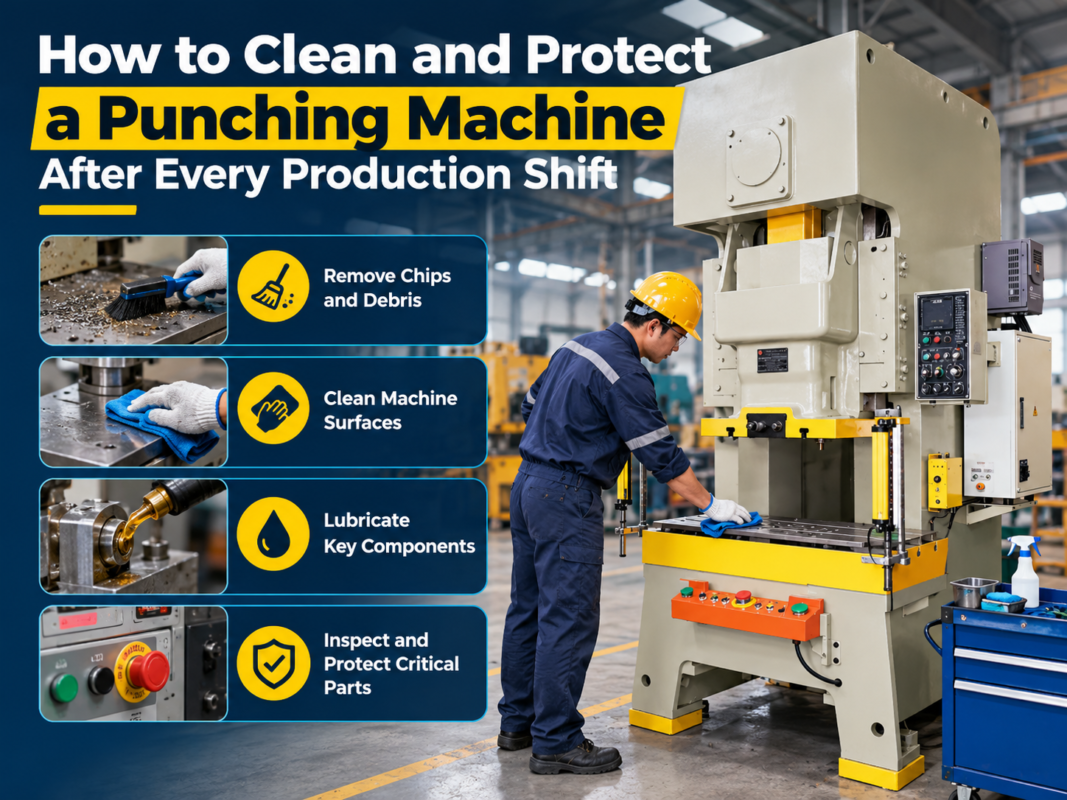
Before the start of every shift, a comprehensive daily inspection should be performed. This routine ensures that the machine is in a safe state to operate and helps catch minor issues before they disrupt the day’s production. The daily check should begin with a visual sweep of the entire machine, looking for any obvious signs of oil leaks, loose bolts, or debris in the working area.
One of the most critical daily tasks is checking the hydraulic oil level. The oil should be at the recommended level indicated on the sight glass. If the oil is low, it could indicate a leak that needs immediate attention. Additionally, operators should inspect the condition of the tooling. Worn or damaged dies and punches not only produce poor-quality parts but can also put uneven stress on the ram and bed, leading to long-term structural damage.
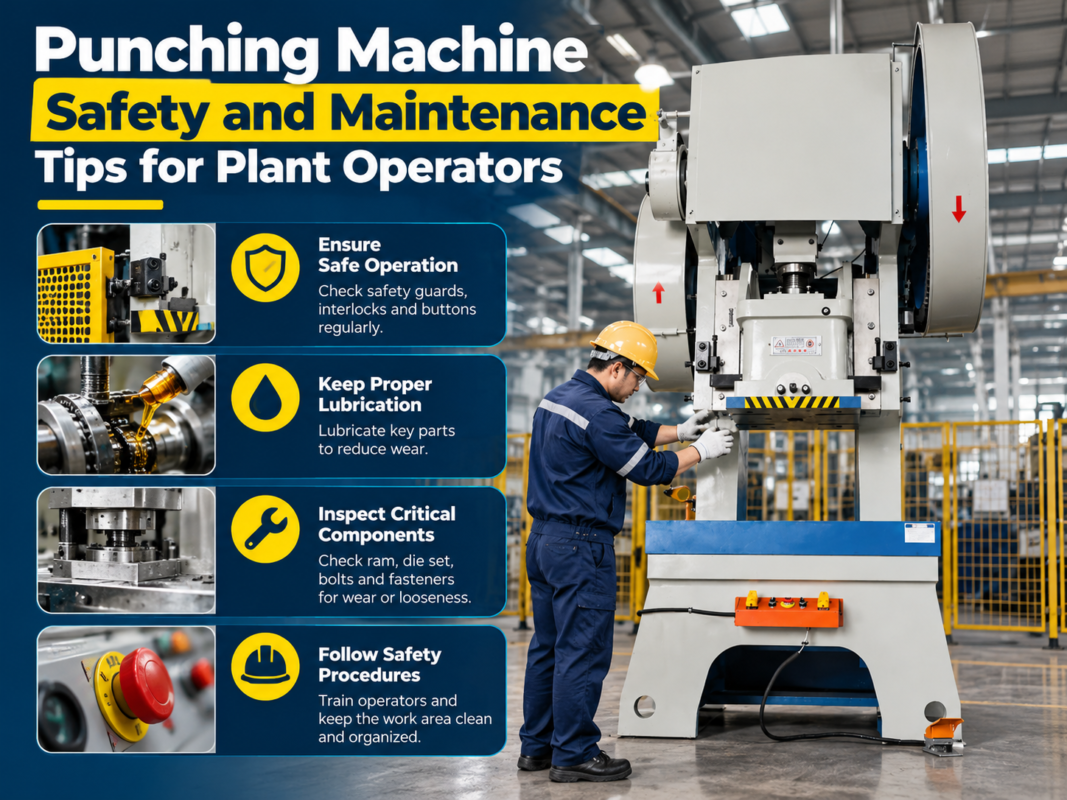
Safety systems must be tested daily without exception. This includes checking the functionality of light curtains, laser guards, and emergency stop buttons. If a safety device fails to respond correctly, the machine must be locked out until a qualified technician can perform repairs. Operating a press brake with bypassed or faulty safety systems is a violation of industrial safety standards and puts lives at risk.
Finally, the daily routine should include a brief warm-up period, especially in colder months. Allowing the hydraulic oil to circulate and reach a stable operating temperature ensures that the valves and cylinders respond consistently. During this time, the operator should listen for any unusual noises, such as whining from the pump or grinding from the backgauge, which could signal the need for deeper investigation.
Hydraulic System Maintenance: The Heart of the Machine
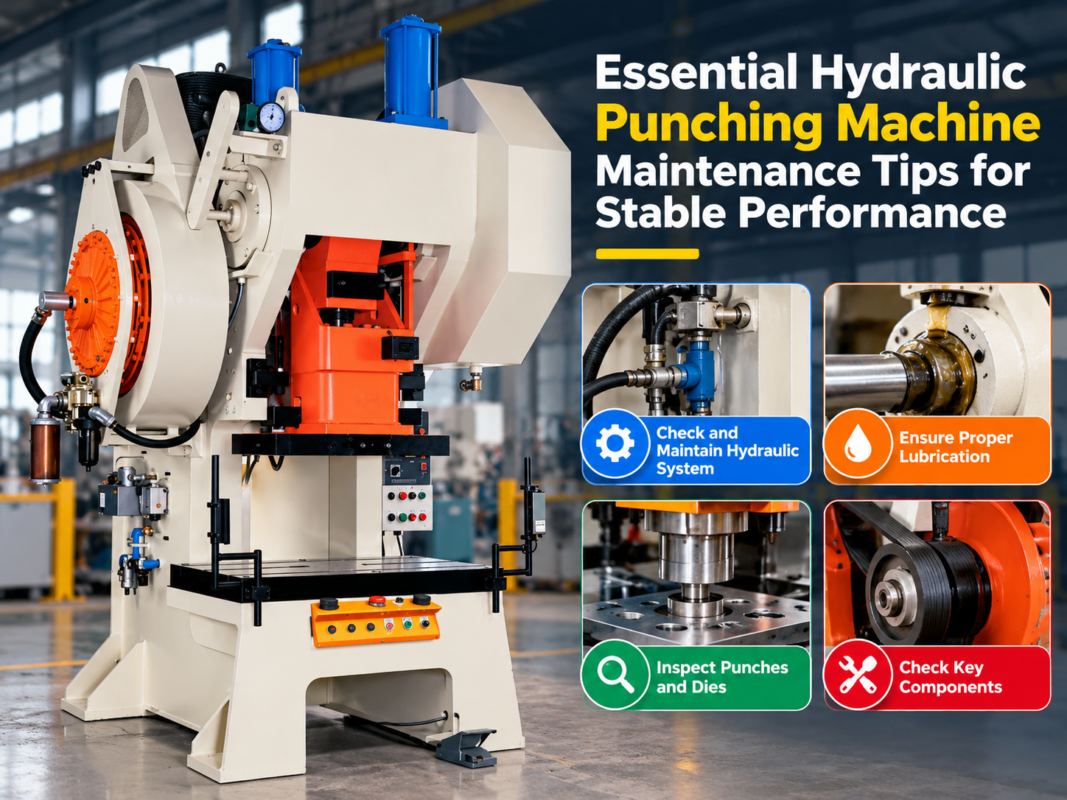
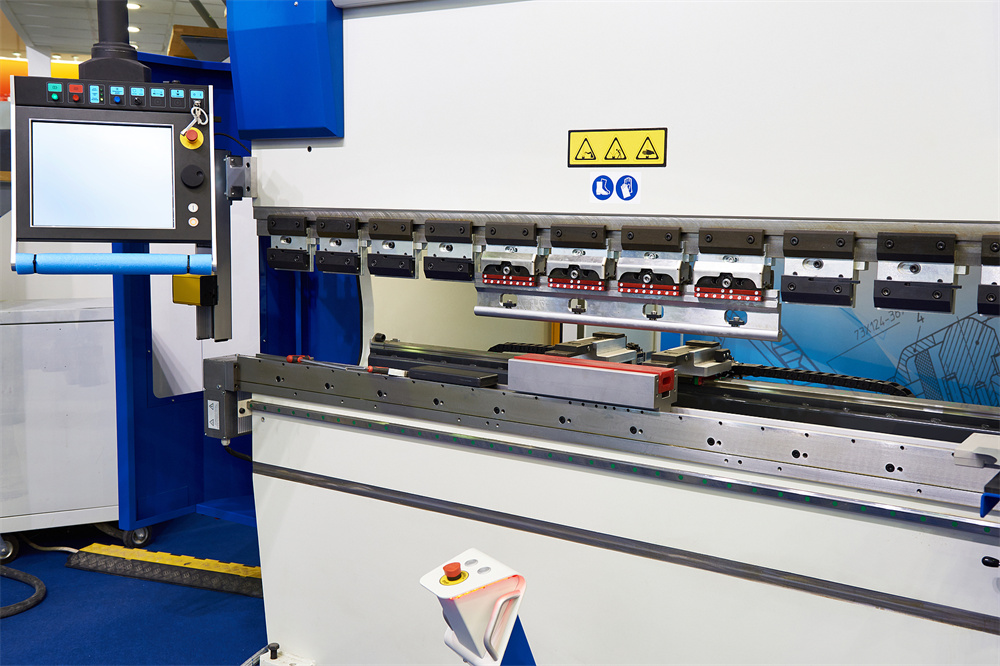
The hydraulic system is the lifeblood of a press brake, providing the force necessary to bend heavy-gauge metal with precision. Seasonal maintenance of this system is paramount. One of the primary concerns is oil contamination. Over time, hydraulic oil can accumulate moisture and microscopic metal particles, which act as abrasives within the valves and cylinders. Changing the hydraulic filters according to the manufacturer’s schedule—or more frequently in dusty environments—is essential.
Temperature control is another vital aspect of hydraulic health. Most press brakes are designed to operate with oil temperatures between 15°C and 50°C. If the oil becomes too hot, its viscosity drops, leading to internal leakage and reduced pressure. Conversely, if it is too cold, the oil becomes thick, causing the pump to work harder and potentially leading to cavitation. Seasonal adjustments to the cooling system or the use of oil heaters can help maintain the ideal temperature range.
Inspecting hoses and fittings for signs of wear or aging is a critical seasonal task. Rubber hoses can become brittle over time, especially when exposed to temperature extremes. Look for cracks, bulges, or damp spots that indicate a slow leak. Replacing a suspect hose during a scheduled maintenance window is far cheaper and safer than dealing with a high-pressure burst during a production run.
Lastly, the hydraulic oil itself should be sampled and analyzed annually. An oil analysis can reveal the presence of contaminants and the remaining life of the oil’s additive package. If the oil appears cloudy or has a burnt smell, it is time for a full flush and replacement. Always use the specific grade of hydraulic oil recommended by HARSLE to ensure compatibility with seals and valves.
Electrical and Control System Integrity
Modern press brakes rely heavily on sophisticated electronics and CNC controllers to achieve high precision. These components are sensitive to heat, dust, and vibration. A key seasonal maintenance tip is to clean the electrical cabinet. Dust accumulation on circuit boards and cooling fans can lead to overheating and premature component failure. Use compressed air at low pressure or a specialized vacuum to remove dust, ensuring the power is completely disconnected first.
Check all electrical connections for tightness. The constant vibration of the machine can cause wires to loosen over time, leading to intermittent faults or even electrical fires. Pay close attention to the connections at the motor starters, relays, and the CNC unit itself. If you notice any signs of discoloration or charring on wires, it indicates a poor connection that is generating excessive heat.
Software and parameters should also be part of your seasonal check. Ensure that the CNC controller is running the latest stable firmware provided by the manufacturer. Back up your machine parameters and tool libraries to an external drive. In the event of a hardware failure, having a recent backup can save days of reconfiguration time. Additionally, check the cooling fans on the CNC unit and the main drive motor to ensure they are spinning freely and are not clogged with grime.

Mechanical Components and Alignment Checks
The mechanical structure of a press brake must remain perfectly aligned to produce accurate bends. Over a season of heavy use, the mechanical tolerances can shift. One of the most important checks is the parallelism between the ram and the bed. Using precision dial indicators, technicians should verify that the ram moves evenly across its entire length. Any deviation can result in “canoeing” or inconsistent bend angles across the workpiece.
The backgauge system is another area that requires seasonal attention. The X, R, and Z axes move constantly and are subject to wear. Check the lead screws and linear guides for signs of pitting or excessive play. Clean the guides and apply a fresh layer of the recommended lubricant. Calibrate the backgauge positions against a physical measurement to ensure the CNC’s digital readout matches the actual physical position of the fingers.
Gib adjustment is often overlooked but is crucial for maintaining ram stability. The gibs are the wear plates that guide the ram’s vertical movement. If they are too loose, the ram can twist under load; if they are too tight, they cause excessive friction and heat. Seasonal inspection and adjustment of the gibs ensure smooth, vertical travel. Additionally, inspect the crowning system—whether hydraulic or mechanical—to ensure it is compensating correctly for bed deflection during heavy bends.
Finally, inspect the foundation and leveling bolts of the machine. A press brake that has shifted even slightly out of level can experience uneven frame stress, leading to long-term structural issues. Use a high-precision machinist’s level to verify the machine’s stance on the factory floor and adjust the leveling pads as necessary.
The Comprehensive Lubrication Plan
Lubrication is the simplest yet most effective way to protect your press brake from wear. A seasonal lubrication plan should identify every grease point, oil reservoir, and sliding surface on the machine. Many modern HARSLE press brakes feature automatic lubrication systems, but these still require monitoring. Ensure the reservoir is full and that the distribution lines are not blocked or pinched.
For machines requiring manual lubrication, consistency is key. Use the specific type of grease recommended—usually a lithium-based grease with extreme pressure (EP) additives for heavy-load areas like the backgauge screws and ram guides. During seasonal maintenance, it is beneficial to wipe away old, contaminated grease before applying new lubricant. This prevents the buildup of a “grinding paste” made of old grease and metal dust.
Don’t forget the smaller components. Foot pedals, door hinges, and adjustment knobs all benefit from a light application of oil or spray lubricant. A well-lubricated machine operates more quietly, requires less energy to move, and experiences significantly less component fatigue. Documenting each lubrication session in a maintenance log helps ensure that no points are missed and provides a clear history of care.
Troubleshooting Signals: What to Watch For
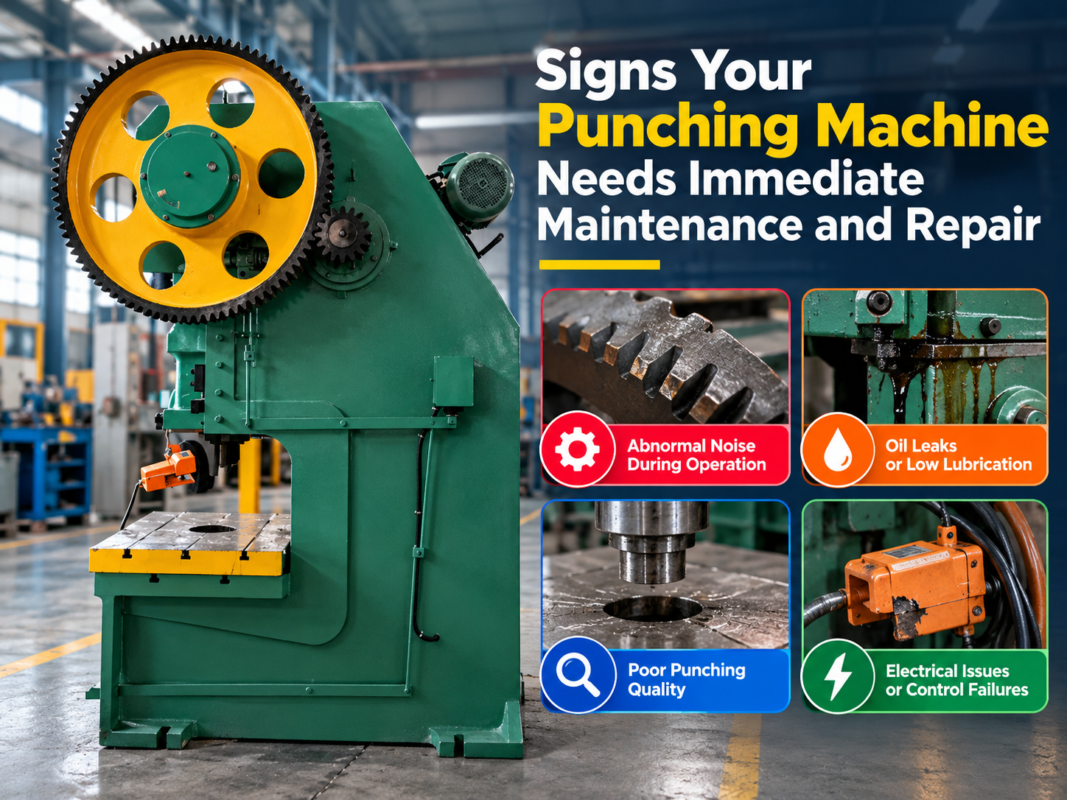
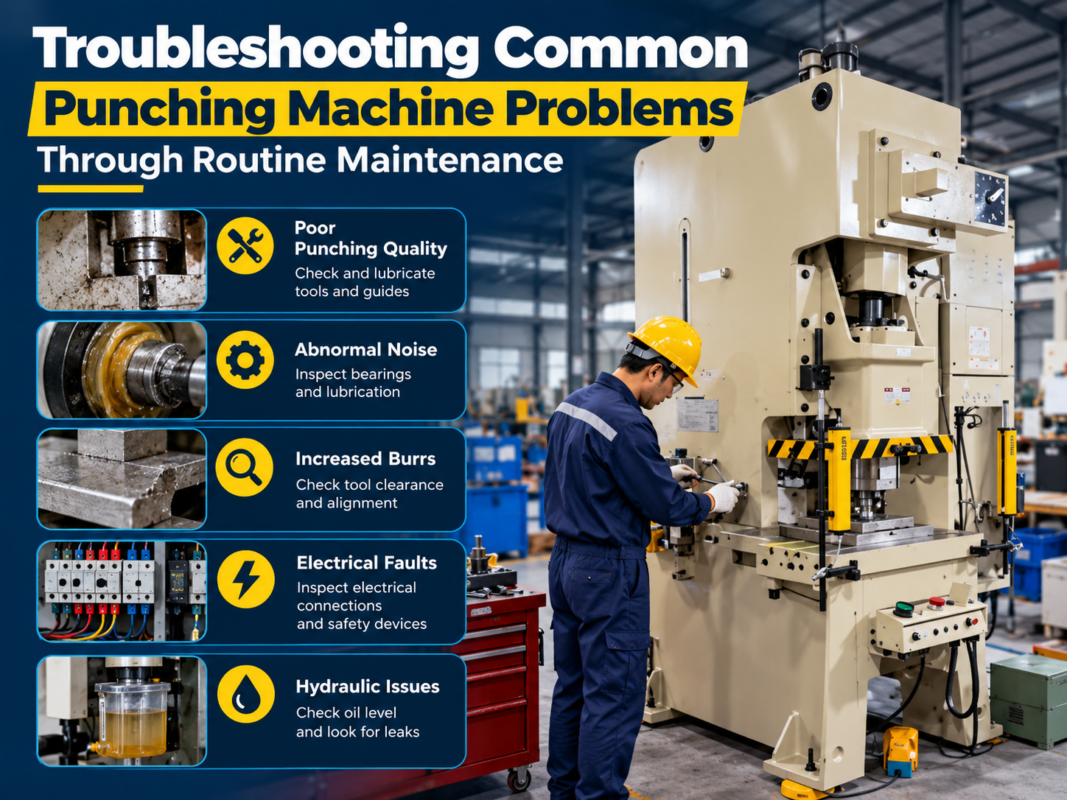
Even with the best maintenance, components will eventually wear out. The key to protecting machine performance is recognizing the early warning signs of failure. One of the most common signals is unusual noise. A high-pitched squeal from the hydraulic pump often indicates air entering the system or a failing bearing. A clunking sound during the ram’s transition from fast approach to slow press could suggest a problem with the cylinder seals or the hydraulic valves.
Heat is another major indicator. If a specific valve or motor feels excessively hot to the touch compared to others, it is likely working too hard or failing internally. Using an infrared thermometer during seasonal checks can help identify these “hot spots” before they lead to a total breakdown. Similarly, excessive vibration in the backgauge or the main frame during operation suggests loose mounting hardware or misaligned drive components.
Inaccuracy in the finished product is the ultimate sign that maintenance is overdue. If you find that bend angles are drifting or that the backgauge is no longer repeatable, it is time to stop production and perform a full mechanical and hydraulic audit. Ignoring these signals not only results in wasted material but can also lead to catastrophic machine failure that is far more expensive to fix than a simple adjustment or seal replacement.
Detailed Maintenance Schedule Table
To help organize your efforts, use the following table as a template for your seasonal press brake maintenance tips to protect machine performance. Adjust the frequencies based on your specific shift patterns and environmental conditions.
| Frequency | Component | Action Required | Target Outcome |
|---|---|---|---|
| Daily | Hydraulic Oil | Check level and temperature | Prevent pump cavitation |
| Daily | Safety Systems | Test light curtains and E-stops | Ensure operator safety |
| Daily | Tooling | Clean and inspect for cracks | Maintain bend quality |
| Weekly | Backgauge Guides | Clean and lightly lubricate | Ensure smooth positioning |
| Weekly | Electrical Cabinet | Check cooling fans | Prevent overheating |
| Monthly | Hydraulic Filters | Inspect and replace if dirty | Protect valves from debris |
| Monthly | Ram Gibs | Check for play and lubricate | Maintain ram parallelism |
| Seasonal | Hydraulic Oil | Full analysis or replacement | Extend component life |
| Seasonal | Leveling | Verify machine is level | Prevent frame distortion |
| Seasonal | Calibration | Recalibrate X, R, Z axes | Guarantee precision |
| Yearly | Electrical | Tighten all terminal connections | Prevent intermittent faults |
| Yearly | Hoses | Replace high-pressure hoses | Prevent catastrophic leaks |
Frequently Asked Questions (FAQ)
How often should I change the hydraulic oil in my press brake?
Generally, hydraulic oil should be changed every 2,000 to 4,000 hours of operation, or at least once every two years. However, if you operate in a very dusty or humid environment, you may need to change it more frequently. Always perform an oil analysis seasonally to determine the actual condition of the fluid.
What is the best way to clean the CNC controller screen?
Use a soft, microfiber cloth slightly dampened with a specialized electronics cleaner or a mixture of water and mild soap. Never spray liquid directly onto the screen, and avoid using harsh chemicals like ammonia or alcohol, which can damage the anti-glare coating and the sensitive touch interface.
Why is my press brake losing its bend accuracy over the course of a day?
This is often related to thermal expansion. As the hydraulic oil heats up, its viscosity changes, which can affect the valve response. Additionally, the machine frame itself can expand slightly. Ensure your cooling system is functioning correctly and consider a morning warm-up routine to bring the machine to a stable operating temperature before starting precision work.
Can I use any type of grease for the backgauge?
No. You should always use the lubricant specified in the HARSLE manual. Most backgauges require a high-quality lithium-based grease with EP (Extreme Pressure) additives. Using the wrong grease can lead to gumming, which increases friction and can eventually burn out the drive motors.
What should I do if I find a small hydraulic leak?
Small leaks should be addressed immediately. A “small” leak is often a precursor to a major failure. Clean the area to identify the exact source, then tighten the fitting or replace the seal/hose as needed. Even a minor leak can introduce air into the system, leading to erratic ram movement and reduced pressure.
How do I know if my ram gibs need adjustment?
If you notice the ram “shuddering” during its stroke, or if there is visible side-to-side movement when the ram is under load, the gibs likely need adjustment. You can also use a feeler gauge to check the clearance between the gibs and the ram slides according to the manufacturer’s specifications.
Is it necessary to back up the CNC parameters?
Yes, absolutely. Seasonal maintenance should always include a digital backup of all machine parameters, tool libraries, and programs. A power surge or hardware failure can wipe this data, and without a backup, it can take days of professional service to get the machine back to its original factory settings.