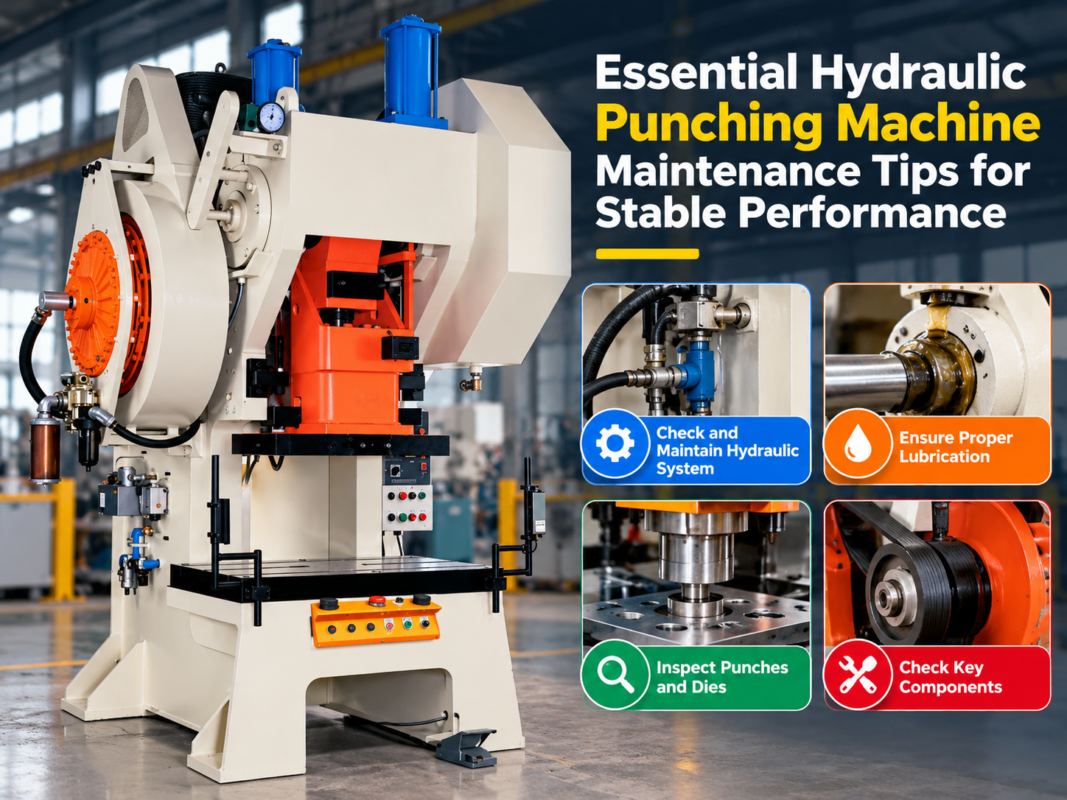
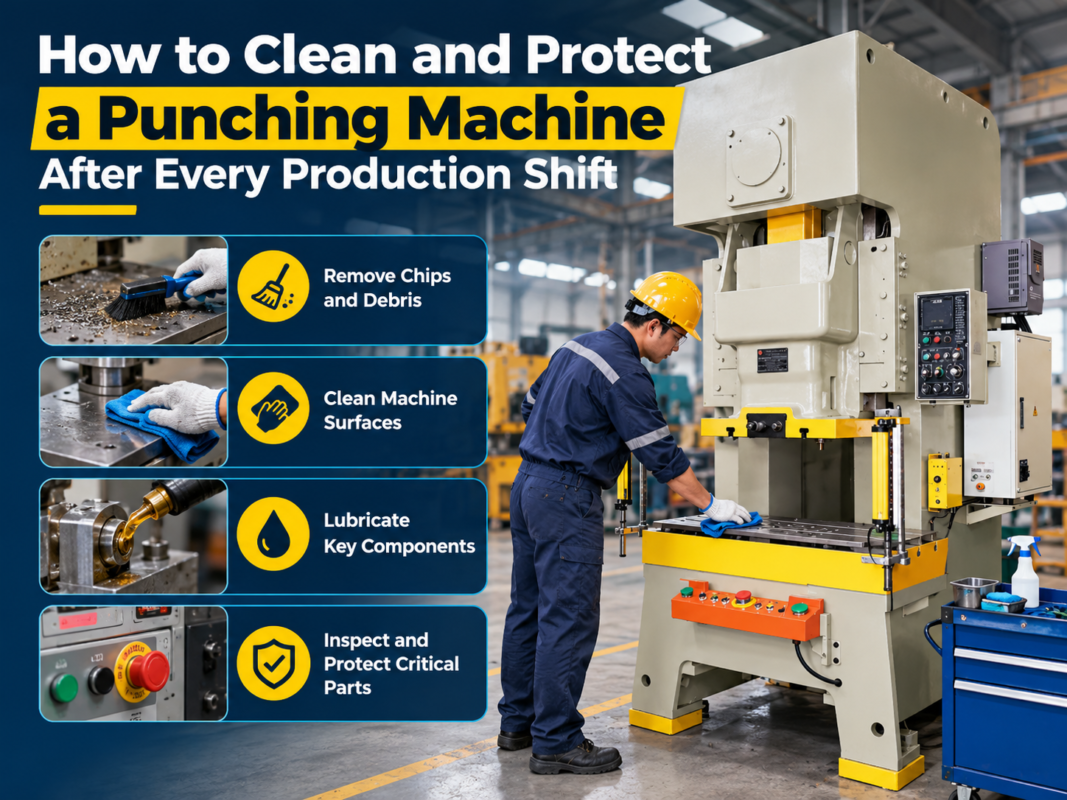
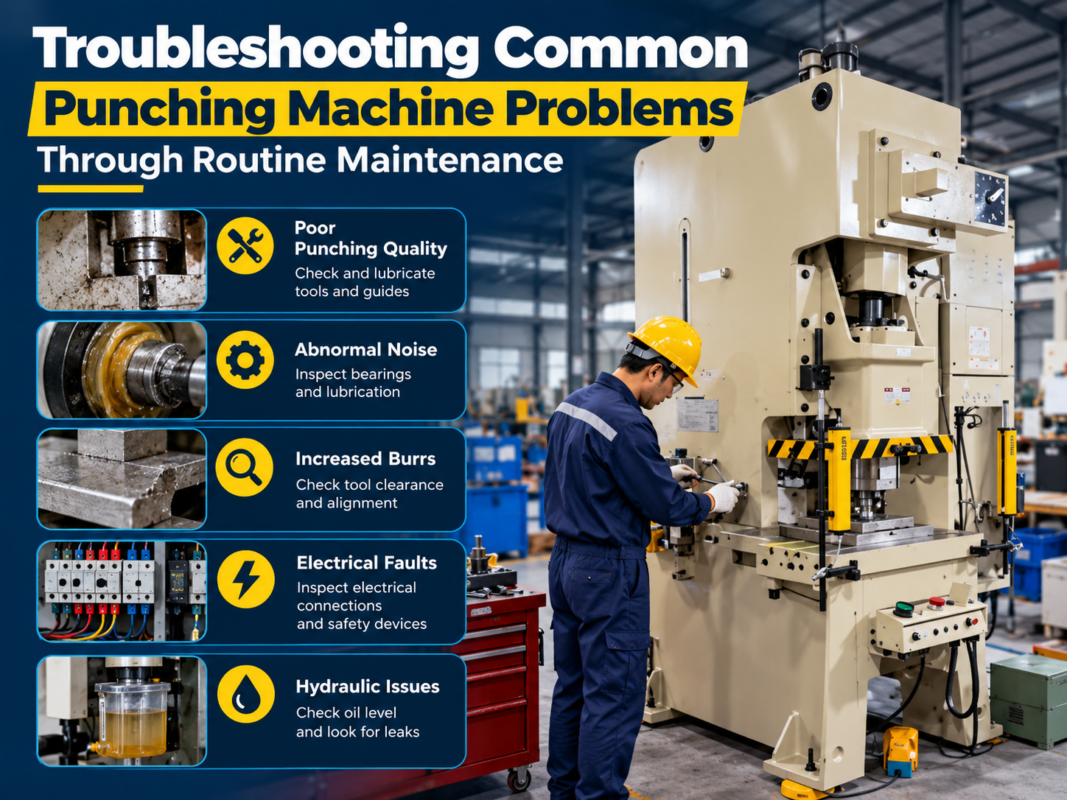
Why Is My Press Brake Making Noise? Mechanical Faults and Fixes


Introduction to Press Brake Noise Diagnosis
In the high-stakes environment of metal fabrication, the sound of a press brake is often the heartbeat of the workshop. However, when that rhythmic hum turns into a piercing squeal, a rhythmic thud, or a grinding groan, it is a clear signal that something is wrong. Operators and maintenance managers often find themselves asking, “Is my press brake making noise?” Understanding the mechanical faults and fixes associated with these sounds is critical for preventing catastrophic failure, ensuring operator safety, and maintaining the high precision that HARSLE machines are known for.
Noise in industrial machinery is rarely just an annoyance; it is a symptom of energy being dissipated inefficiently, usually through friction, vibration, or fluid turbulence. For a press brake, which relies on the harmonious interaction of high-pressure hydraulics and precision-machined mechanical components, even a small misalignment can lead to significant auditory feedback. Ignoring these sounds can lead to expensive downtime, ruined workpieces, and a shortened lifespan for the equipment.
This comprehensive guide explores the various types of noises a press brake might produce, the underlying mechanical or hydraulic faults they represent, and the professional fixes required to resolve them. Whether you are operating a traditional torsion bar press brake or a high-end CNC electro-hydraulic machine, the principles of noise diagnosis remain a fundamental skill for any fabrication professional.
Key Considerations: Identifying the Type of Noise
Before diving into the technical repairs, it is essential to categorize the noise. Different sounds point to different subsystems within the machine. A high-pitched whine usually originates from the hydraulic pump or fluid system, while a heavy metallic clunk often suggests a structural or mechanical clearance issue. By isolating the sound, you can significantly narrow down the troubleshooting process.
One of the first things to consider is when the noise occurs. Does it happen only during the downward stroke? Is it constant while the motor is running? Or does it occur specifically during the decompression phase? Mapping the noise to the machine’s cycle is the first step in effective fault detection. For instance, noise during the high-pressure bending phase often points to the hydraulic relief valves or the cylinder seals, whereas noise during the rapid approach might suggest issues with the guide rails or the backgauge movement.
Environmental factors also play a role. Cold starts in a poorly heated workshop can cause hydraulic oil to be too viscous, leading to cavitation—a common source of pump noise. Conversely, an overheated machine might suffer from thinning oil, leading to increased friction in mechanical joints. Understanding these variables helps in determining whether the fix is a simple adjustment or a major component replacement.

Technical Details: Common Mechanical Faults and Fixes
1. Hydraulic Pump Cavitation and Aeration
If you hear a loud, gravelly sound coming from the hydraulic tank area, you are likely dealing with cavitation or aeration. Cavitation occurs when the pump cannot get enough oil, creating vacuum bubbles that implode with violent force. Aeration happens when air leaks into the intake line, mixing with the oil. Both issues are destructive to the pump’s internal components.
The Fix: Check the oil level immediately. If it is low, air may be entering the system. Inspect the suction filters; if they are clogged with debris, the pump will struggle to draw oil. Additionally, check all fittings on the intake line for tightness. Using the correct grade of hydraulic oil, as specified in your HARSLE manual, is vital to ensure proper flow characteristics across different temperatures.
2. Relief Valve Chatter
A high-pitched vibrating sound or “chatter” during the bending cycle often indicates a problem with the pressure relief valve. This valve is responsible for limiting the maximum pressure in the system. If the internal spring is fatigued or if there is a piece of contamination stuck in the poppet, the valve will open and close rapidly, creating a resonant vibration.
The Fix: Clean the relief valve thoroughly. In many cases, a small speck of metal or dirt prevents the valve from seating correctly. If cleaning doesn’t work, the valve may need to be recalibrated or the internal spring replaced. Always ensure that the pressure settings are within the manufacturer’s recommended limits to avoid overstressing the valve.
3. Ram Guide and Gib Friction
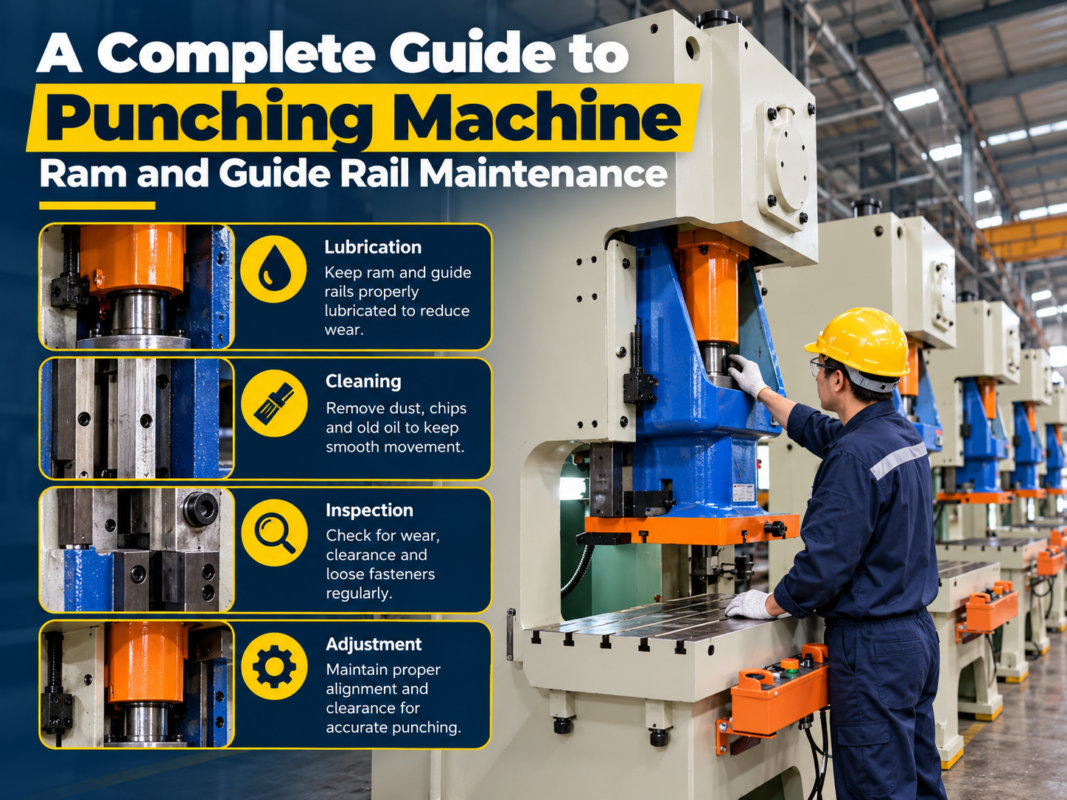
The ram of a press brake moves along guide rails (gibs). If these guides are not properly lubricated or if the clearance is too tight, you will hear a scraping or groaning sound as the ram moves. This not only creates noise but also generates heat and can lead to “scoring” of the metal surfaces, which destroys the machine’s accuracy.
The Fix: Inspect the lubrication system. Ensure that the automatic oiler is functioning and that the grease or oil is reaching the gibs. If the noise persists, the gib clearance may need adjustment. This is a precision task; the guides must be tight enough to prevent tilting but loose enough to allow smooth movement. Refer to your technical documentation for the specific clearance tolerances (usually measured in microns).
4. Backgauge Ball Screw and Linear Guide Wear
The backgauge is a high-speed component. If you hear a high-pitched screech or a rattling sound when the backgauge moves, the ball screws or linear bearings are likely failing. This is often caused by the accumulation of metal dust and scale, which acts as an abrasive, wearing down the precision balls and tracks.
The Fix: Clean the backgauge components thoroughly and apply fresh lubricant. If there is visible play in the backgauge fingers or if the noise is accompanied by positioning errors, the ball screw assembly or the linear blocks may need replacement. Implementing a bellows cover can help protect these sensitive parts from the harsh workshop environment.
5. Cylinder Seal Friction and “Stick-Slip”
A jerky movement accompanied by a squeaking sound from the main cylinders is often referred to as “stick-slip.” This happens when the internal seals are dry or have become hardened over time, causing them to grab and release the piston rod instead of sliding smoothly.
The Fix: Check the condition of the piston rods. If they are dry, a light coating of hydraulic oil can sometimes resolve the issue temporarily. However, persistent noise usually requires a seal kit replacement. Using high-quality, low-friction seals can significantly reduce noise and improve the smoothness of the ram stroke.
Selection Advice: Choosing a Machine to Minimize Noise
When purchasing a new press brake, noise levels are often an indicator of build quality. High-end machines like those from HARSLE are designed with noise reduction in mind. Look for machines that utilize high-quality hydraulic components from reputable brands like Rexroth or Hoerbiger. These components are engineered for smooth fluid flow and minimal vibration.
The frame construction also matters. A rigid, heavy-duty frame absorbs vibrations better than a lighter, bolted-together structure. Furthermore, modern CNC press brakes often feature “Green” or “Hybrid” drive systems. These systems use servo motors to drive the hydraulic pumps only when the machine is actually moving, drastically reducing the ambient noise in the shop during idle times.
Consider the ease of maintenance when selecting a machine. A press brake with easily accessible lubrication points and clear diagnostic screens will be much easier to keep quiet over its lifetime. If the machine makes it easy for the operator to perform daily checks, the likelihood of a small noise turning into a major mechanical fault is greatly reduced.
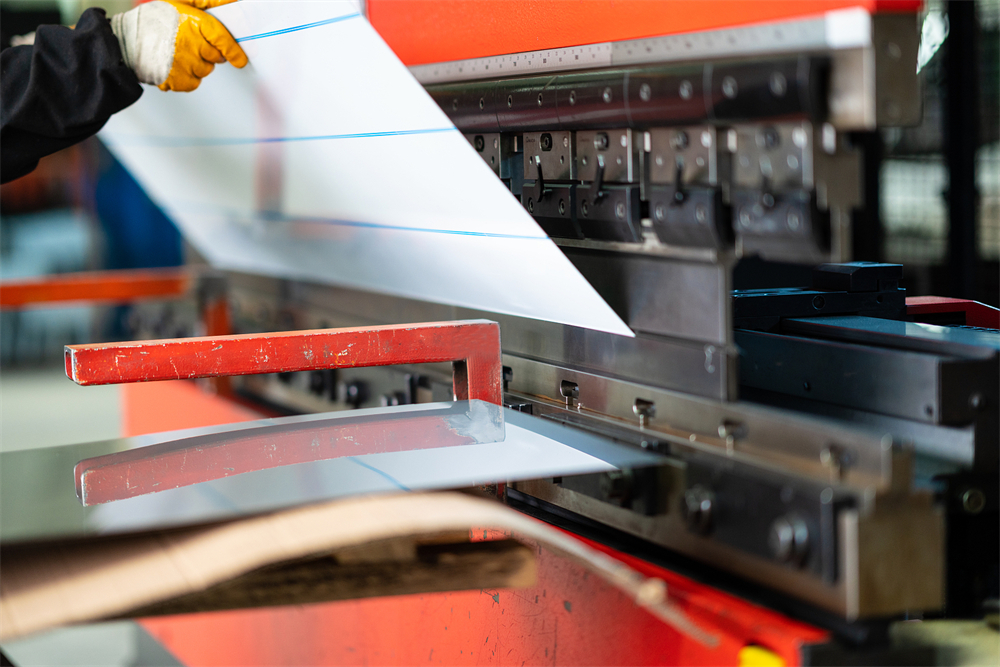
Maintenance Checklist for a Quiet Press Brake
To ensure your press brake remains in peak condition, follow this structured maintenance routine. Consistency is the key to preventing the mechanical faults that lead to noise.
| Frequency | Task | Objective |
|---|---|---|
| Daily | Check oil levels and temperature | Prevent pump cavitation and overheating |
| Daily | Wipe down guide rails and backgauge | Remove abrasive dust and debris |
| Weekly | Inspect for hydraulic leaks | Ensure system pressure and prevent air entry |
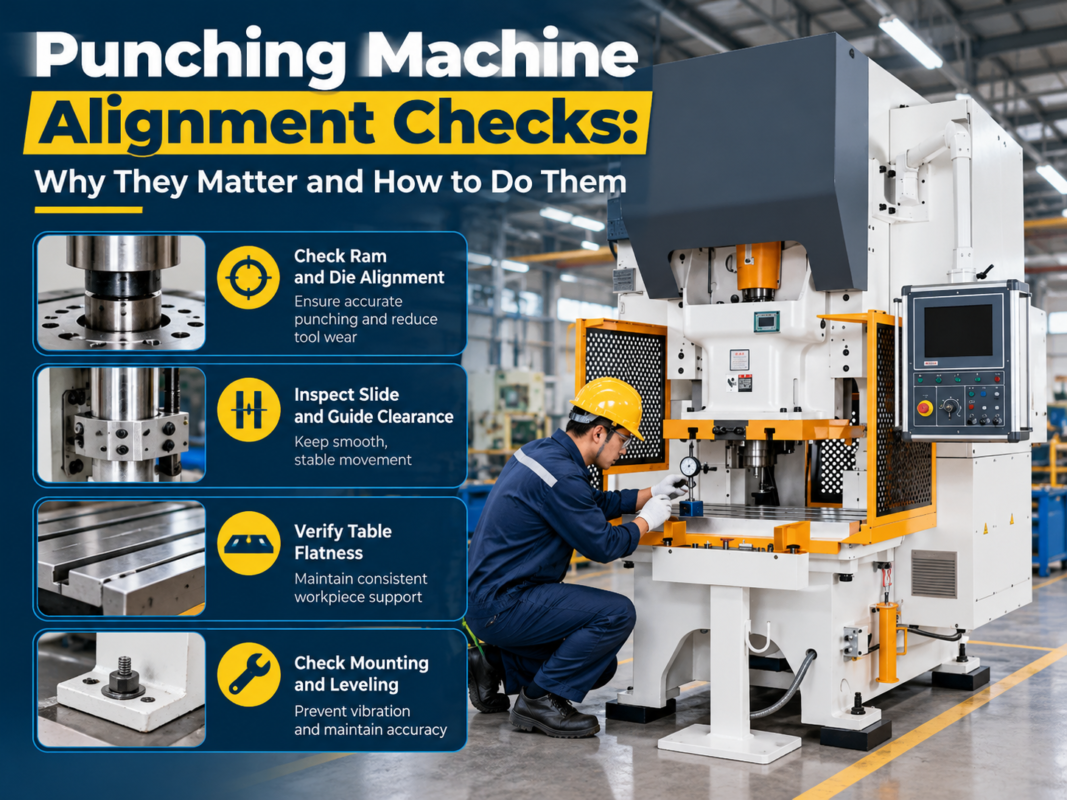
| Monthly | Check gib clearances | Maintain ram alignment and reduce friction |
| Quarterly | Test hydraulic oil for contamination | Protect valves and pumps from internal wear |
| Annually | Replace hydraulic filters and inspect seals | Comprehensive system health check |
FAQ: Is My Press Brake Making Noise? Mechanical Faults Fixes
Why does my press brake squeal when it starts up in the morning?
This is usually due to cold hydraulic oil. When the oil is cold, it is thicker and harder for the pump to move, which can cause temporary cavitation. Allow the machine to idle for 10-15 minutes to warm the oil to its operating temperature before starting heavy bending operations.
Can a noisy press brake affect the accuracy of my bends?
Yes, absolutely. Noise caused by friction in the guide rails or play in the backgauge ball screws directly translates to positioning errors. If the ram is not moving smoothly due to mechanical resistance, the depth of the bend (Y-axis) will vary, leading to inconsistent angles.
Is it normal for the hydraulic pump to make a humming sound?
A consistent, low-level hum is normal for most hydraulic systems. However, if the hum becomes a loud whine or changes pitch significantly under load, it indicates that the pump is working too hard, possibly due to a clogged filter or an internal leak.
How often should I lubricate the guide rails?
If your machine does not have an automatic lubrication system, you should lubricate the guide rails at least once per shift. If you are working in a particularly dusty environment, more frequent cleaning and lubrication may be necessary to prevent grinding noises.
What should I do if I hear a loud ‘bang’ during the decompression phase?
A loud bang during decompression usually means the pressure is being released too quickly. This can be caused by a faulty decompression valve or incorrect parameters in the CNC controller. This shock is hard on the hydraulic lines and should be addressed immediately by a technician.
Conclusion: The Importance of Proactive Maintenance
Addressing the question, “Is my press brake making noise?” requires a blend of sensory awareness and technical knowledge. By understanding the mechanical faults and fixes detailed in this guide, operators can transform from passive users into proactive caretakers of their machinery. A quiet press brake is a sign of a well-maintained, efficient, and safe machine.
HARSLE continues to lead the industry by providing robust machinery and the technical support necessary to keep that machinery running at peak performance. Remember that noise is the machine’s way of communicating; listening to it today can save you from a complete breakdown tomorrow. Regular lubrication, clean hydraulic fluid, and precise mechanical adjustments are the pillars of a long-lasting press brake. If you encounter a noise that you cannot diagnose, always consult with a professional technician to ensure the continued safety and precision of your metal fabrication operations.