Press Brake Hydraulic Problems: Signs, Causes, and Repair Tips


Introduction to Press Brake Hydraulic Systems
In the world of metal fabrication, the hydraulic press brake stands as a cornerstone of production. These machines rely on the precise transmission of force through hydraulic fluid to bend sheet metal with incredible accuracy. However, like any complex industrial system, the hydraulic circuit is susceptible to wear, contamination, and mechanical failure. Understanding Press Brake Hydraulic Problems: Signs, Causes, and Repair Tips is essential for any shop manager or operator looking to minimize downtime and maintain high-quality output. At HARSLE, we recognize that a well-maintained hydraulic system is the heartbeat of a productive workshop.
The hydraulic system of a press brake consists of several critical components, including the reservoir, pump, motor, valves, cylinders, and filtration systems. When these components work in harmony, the machine delivers smooth, consistent pressure. When they fail, the results can range from minor inaccuracies in bend angles to catastrophic machine failure. This guide aims to provide a deep dive into the technical aspects of hydraulic troubleshooting, offering actionable advice for identifying and rectifying common issues before they escalate into costly repairs.
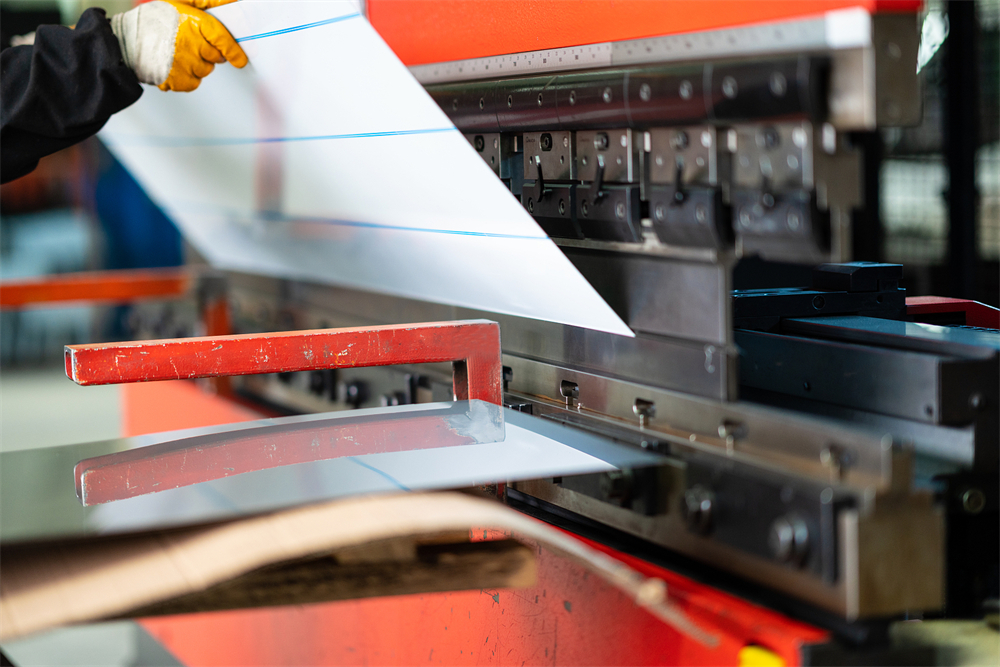
Modern press brakes, especially CNC-controlled models, utilize sophisticated proportional valves and feedback loops to ensure precision. While these advancements have increased productivity, they have also added layers of complexity to the troubleshooting process. Operators must now be aware of both mechanical wear and electronic control issues that can manifest as hydraulic problems. By mastering the signs of hydraulic distress, you can ensure your HARSLE equipment remains a reliable asset for years to come.
Key Considerations for Hydraulic Health
Before diving into specific repairs, it is vital to understand the foundational elements that keep a hydraulic system healthy. The first consideration is always safety. Hydraulic systems operate under immense pressure—often exceeding 3,000 PSI. A pinhole leak can release a stream of fluid capable of penetrating human skin, leading to severe injury. Always depressurize the system and follow lockout-tagout procedures before performing any maintenance or inspection.
The second consideration is the quality of the hydraulic oil. Oil is not just a medium for power transmission; it is also a lubricant and a coolant. Over time, hydraulic oil can oxidize, lose its viscosity, or become contaminated with microscopic metal particles, water, or air. Regular oil analysis is a proactive step that can reveal the internal health of the pump and valves without disassembling the machine. Maintaining the correct oil level and ensuring the oil temperature stays within the manufacturer’s recommended range (typically 30°C to 50°C) are the simplest yet most effective ways to prevent problems.
Thirdly, the environment in which the press brake operates plays a significant role. Dust and debris from the fabrication floor can easily find their way into the hydraulic reservoir if seals are worn or breathers are clogged. In high-volume shops, the heat generated by continuous cycling can degrade seals and O-rings prematurely. Therefore, a comprehensive maintenance schedule must account for the specific workload and environmental conditions of the machine. Consistent monitoring of pressure gauges and listening for unusual sounds should be part of every operator’s daily routine.
Technical Details: Identifying Signs and Causes
1. Unusual Noises and Vibrations
One of the most common signs of Press Brake Hydraulic Problems: Signs, Causes, and Repair Tips is an increase in noise levels. A healthy hydraulic system should hum steadily. If you hear a high-pitched whining or screaming sound, it often indicates pump cavitation. Cavitation occurs when the pump cannot draw enough oil, causing vacuum bubbles to form and collapse violently against the pump’s internal surfaces. This is usually caused by a clogged suction filter, a restricted intake line, or oil that is too viscous for the ambient temperature.
Banging or knocking sounds, often referred to as “hydraulic shock,” occur when fluid flow is suddenly stopped or reversed. This can be caused by faulty relief valves or air trapped in the cylinders. Air in the system not only causes noise but also leads to “spongy” ram movement, where the machine fails to hold pressure or moves erratically. Identifying the source of the noise—whether it is the pump, the valves, or the cylinders—is the first step in a successful repair.
2. Excessive Heat Generation
Heat is the enemy of hydraulic systems. While some heat is expected during operation, excessive temperatures (above 60°C) indicate inefficiency. When oil becomes too hot, its viscosity drops, leading to increased internal leakage in pumps and valves. This creates a vicious cycle: leakage generates more heat, which causes more leakage. Common causes of overheating include a failing cooling system, a pump that is bypassing internally, or a relief valve that is stuck open, forcing the pump to work against maximum pressure constantly.
3. Sluggish or Erratic Ram Movement
If the press brake ram moves slower than usual or hesitates during the stroke, the system is likely suffering from a loss of flow or pressure. This can be traced back to a worn hydraulic pump that can no longer maintain the required output. Alternatively, internal leaks in the hydraulic cylinders (worn piston seals) allow fluid to bypass the piston, reducing the effective force. In CNC machines, erratic movement can also be caused by dirty proportional valves that are sticking or failing to respond correctly to electronic signals.
| Symptom | Potential Cause | Recommended Action |
|---|---|---|
| High-pitched whining | Pump cavitation / Clogged filter | Clean or replace suction filter; check oil level. |
| Overheating oil | Internal leakage / Cooling failure | Check heat exchanger; inspect relief valves. |
| Slow ram speed | Worn pump / Internal cylinder leak | Test pump flow; inspect cylinder seals. |
| Inconsistent bending | Air in system / Valve contamination | Bleed air from cylinders; clean proportional valves. |
| Oil leaks at joints | Worn O-rings / Loose fittings | Tighten connections; replace damaged seals. |
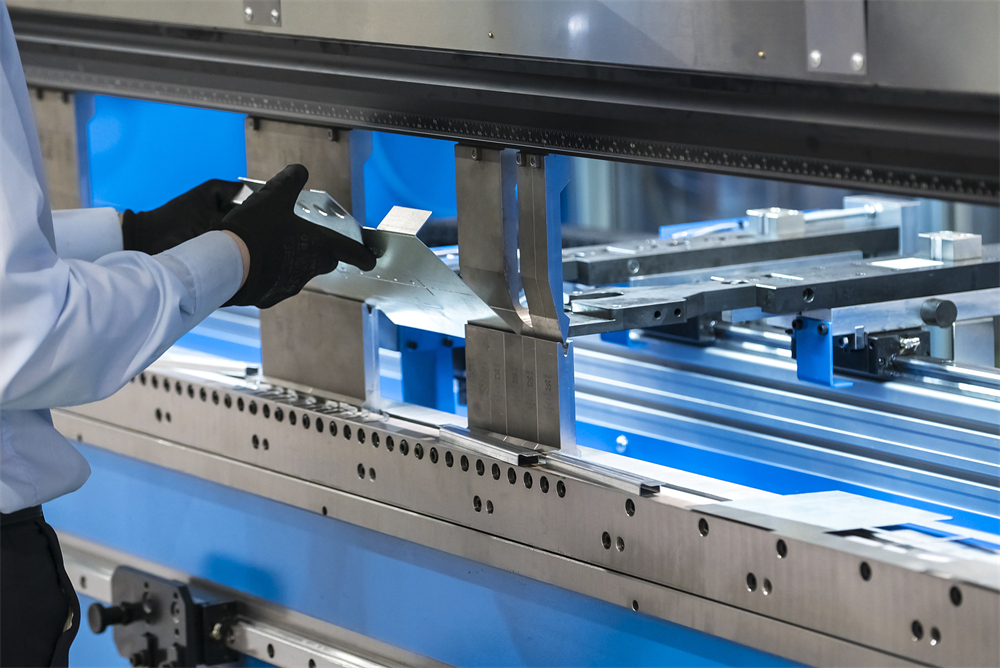
Repair Tips and Maintenance Strategies
Bleeding Air from the System
Air is compressible, whereas hydraulic fluid is not. When air enters the system, it causes the ram to drift or move unevenly. To repair this, you must bleed the air. Most press brakes have bleed screws located at the highest point of the hydraulic cylinders. With the machine running at low pressure, carefully crack these screws until fluid flows out without bubbles. Ensure the reservoir is full during this process to prevent more air from being sucked in. This simple tip can often resolve “ghost” problems where the machine seems to lose calibration for no apparent reason.
Cleaning and Replacing Valves
Hydraulic valves have extremely tight tolerances. Even a tiny speck of metal can jam a spool or prevent a check valve from seating properly. If a valve is suspected of failing, it should be removed and cleaned in a lint-free environment using specialized solvent. However, for proportional valves used in high-end HARSLE machines, it is often better to replace the unit or have it serviced by a professional, as these components require precise electronic calibration after reassembly. Always check the solenoid coils for electrical continuity, as a burnt-out coil is a common and easily fixed cause of valve failure.
Pump and Seal Replacement
When a pump reaches the end of its service life, it will show a gradual decline in performance. If a flow meter test confirms the pump is underperforming, replacement is usually the only option. When replacing a pump, it is critical to also flush the entire system and replace all filters to ensure that any metal shavings from the old pump do not damage the new one. Similarly, if you notice oil leaking down the ram, the cylinder seals must be replaced. This involves disassembling the cylinder, which requires specialized tools and a clean workspace to avoid introducing contaminants into the system.
Selection Advice: Choosing the Right Press Brake
When purchasing a new press brake, the design and quality of the hydraulic system should be a primary selection criterion. Not all hydraulic systems are created equal. High-quality machines, such as those manufactured by HARSLE, utilize world-class components from brands like Bosch Rexroth or Hoerbiger. These systems are designed for longevity and ease of maintenance, featuring modular valve blocks that simplify troubleshooting and repair.
Consider the following when selecting a machine to minimize future hydraulic problems:
- Integrated Hydraulic Blocks: Look for machines that use integrated blocks rather than a web of hoses. This reduces the number of potential leak points and makes the system more compact and efficient.
- Advanced Cooling Systems: If your shop operates in a hot climate or runs multiple shifts, ensure the press brake has a robust oil cooling system (either air-cooled or water-cooled).
- Filtration Standards: A good machine should have multiple stages of filtration, including a suction filter and a high-pressure return line filter with a clogging indicator.
- Ease of Access: Ensure that the hydraulic reservoir, pump, and valves are easily accessible for routine maintenance. A machine that is hard to service is a machine that will be neglected.
By investing in a machine with a superior hydraulic design, you are essentially buying insurance against future downtime. While the initial cost might be higher, the total cost of ownership will be significantly lower due to reduced repair needs and longer component life.
Frequently Asked Questions (FAQ)
How often should I change the hydraulic oil in my press brake?
Generally, hydraulic oil should be changed every 2,000 to 4,000 hours of operation, or at least once a year. However, this can vary based on the oil quality and operating conditions. It is best to perform an oil analysis every six months to determine the actual condition of the fluid before deciding to change it.
What type of hydraulic oil is best for a press brake?
Most press brakes require a high-quality anti-wear (AW) hydraulic oil, typically ISO VG 32 or ISO VG 46. The specific grade depends on the ambient temperature of your workshop. Always refer to your HARSLE manual for the exact specification to ensure compatibility with seals and pump components.
Why is my press brake losing pressure during a bend?
Pressure loss during a bend is usually caused by an internal leak. This could be a leaking piston seal in the cylinder, a faulty relief valve that is opening too early, or a failing pump. Check the temperature of the cylinders; if one is significantly hotter than the other, it likely has an internal seal leak.
Can I use any brand of replacement parts for my hydraulic system?
While some fittings and hoses are generic, critical components like pumps and proportional valves should ideally be replaced with OEM parts or high-quality equivalents recommended by the manufacturer. Using sub-standard parts can lead to system imbalances and premature failure of other components.
Conclusion
Mastering Press Brake Hydraulic Problems: Signs, Causes, and Repair Tips is an ongoing process of observation and proactive maintenance. By paying attention to the subtle warnings your machine gives—such as a new sound, a slight rise in temperature, or a minor drop in speed—you can intervene before a small issue becomes a major breakdown. The hydraulic system is the lifeblood of the press brake, and its health is directly tied to the precision and profitability of your fabrication business.
At HARSLE, we are committed to providing not only high-performance machinery but also the knowledge needed to keep that machinery running at peak efficiency. Regular cleaning, diligent oil management, and a deep understanding of the hydraulic circuit will ensure that your press brake remains a cornerstone of your production line for decades. Remember, a clean and cool hydraulic system is a reliable one. Stay proactive, stay safe, and keep your metal fabrication operations moving forward with confidence.