Comprehensive Guide: How to Fix Press Brake Ram Not Returning Properly


Introduction to Press Brake Ram Return Issues
In the world of metal fabrication, the press brake stands as a cornerstone of production. Whether you are bending complex aerospace components or simple brackets for construction, the efficiency of your shop depends on the rhythmic, reliable movement of the press brake ram. However, one of the most frustrating and production-halting issues an operator can face is when the ram fails to return to its top dead center (TDC) position after a stroke. Understanding how to fix press brake ram not returning properly is not just about saving time; it is about ensuring the longevity of your machinery and the safety of your personnel.
A ram that refuses to return, or returns sluggishly and unevenly, is often a symptom of underlying issues within the hydraulic, electrical, or mechanical systems. Because modern press brakes, like those manufactured by HARSLE, utilize sophisticated CNC controls and high-precision hydraulics, troubleshooting requires a systematic approach. You cannot simply start turning bolts; you must understand the sequence of operations that triggers the return stroke. This guide is designed to walk you through the complexities of this specific problem, providing actionable solutions for both veteran technicians and shop managers.
When a ram hangs mid-stroke or stays at the bottom of the bend, the immediate instinct might be to force it up. However, doing so without diagnosing the root cause can lead to catastrophic failure of the hydraulic seals or damage to the precision-ground guide rails. By following a structured diagnostic path, you can identify whether the culprit is a faulty solenoid valve, a misconfigured parameter in the CNC controller, or a simple lack of lubrication. Let us dive deep into the technicalities of restoring your machine to full operational capacity.
Key Considerations Before Troubleshooting
Before you attempt to fix press brake ram not returning properly, safety must be your absolute priority. A press brake ram carries immense weight and is held up by hydraulic pressure or mechanical counterbalances. If the system is failing, the ram could drop unexpectedly. Always engage the machine’s safety blocks or mechanical locks before inspecting the area under the ram. Furthermore, ensure that the machine is locked out and tagged out (LOTO) according to OSHA or local safety standards to prevent accidental activation during the inspection process.
Another critical consideration is the type of press brake you are operating. Torsion bar press brakes (mechanical synchronization) behave differently than electro-hydraulic synchronous press brakes (CNC-controlled Y1 and Y2 axes). On a torsion bar machine, a return failure is often mechanical or related to a single central hydraulic valve. On a CNC electro-hydraulic machine, the issue could be a discrepancy between the two cylinders, where the controller detects an out-of-sync condition and halts all movement as a safety precaution. Knowing your machine’s architecture is the first step in effective troubleshooting.
Environmental factors also play a significant role. Is your shop particularly cold this morning? Hydraulic oil viscosity changes with temperature. If the oil is too thick, it may not flow through the return lines quickly enough, causing the ram to move slowly or appear stuck. Conversely, if the machine has been running for 16 hours straight and the oil is overheating, the seals might expand or the oil might lose its pressure-holding capabilities. Always check the oil temperature and quality as part of your initial assessment.
Finally, consider the recent history of the machine. Was a new program just loaded? Did a power surge occur? Sometimes, the “failure to return” is actually a software command. If the CNC controller does not receive a “bend complete” signal from the pressure transducer or the encoder, it will not initiate the return stroke. Checking the software interface for error codes should always precede mechanical disassembly.
Technical Details: Troubleshooting the Failure Points
1. Hydraulic System Failures
The most common reason for a ram not returning is a malfunction within the hydraulic circuit. In a standard cycle, once the dwell time at the bottom of the stroke is reached, the directional solenoid valve shifts to redirect high-pressure oil to the bottom of the cylinders (or releases pressure to allow nitrogen cylinders to push the ram up). If the solenoid valve is stuck due to debris in the oil, the shift never happens. You should manually override the solenoid (if equipped with a manual pin) to see if the ram moves. If it does, the problem is likely electrical; if it doesn’t, the valve itself is likely clogged or damaged.
Check the relief valves as well. If the return-side relief valve is set too low or is leaking internally, the system cannot build enough pressure to lift the heavy ram. Use a pressure gauge to verify that the pump is delivering the required bar/PSI during the return phase. Additionally, inspect the hydraulic seals. Internal leakage in the cylinder (fluid bypassing the piston head) will result in a loss of lifting force, often characterized by the ram drifting down or returning very slowly.
2. Electrical and Control Logic Issues
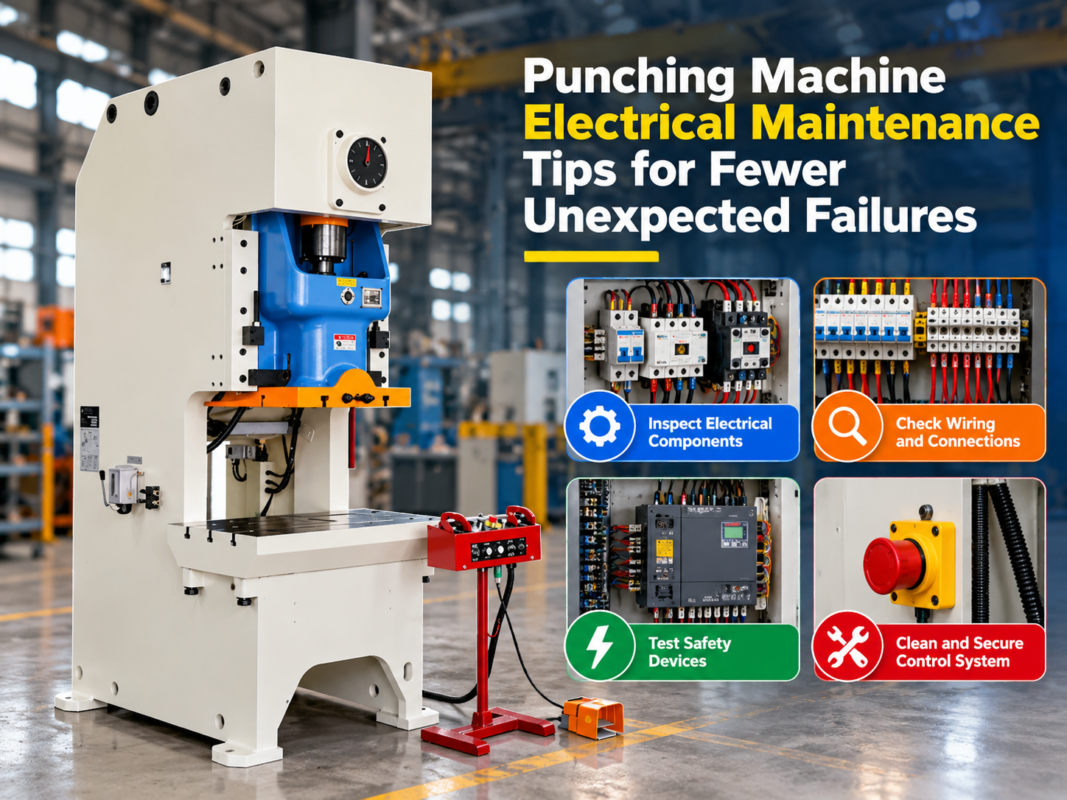
Modern press brakes rely on a complex web of sensors. To fix press brake ram not returning properly, you must verify the status of the limit switches and linear encoders. If the encoder on one side of the ram reports a position that is significantly different from the other side, the CNC system will trigger an emergency stop to prevent the ram from tilting and damaging the guides. Clean the encoder scales and ensure the reader heads are properly aligned.
The foot pedal and emergency stop buttons are also frequent culprits. A faulty contact in the foot pedal might send a “down” signal continuously, preventing the “up” command from being processed. Similarly, check the PLC (Programmable Logic Controller) input/output status. Most HARSLE machines have a diagnostic screen where you can see which signals are active. If the “Return” output is not lighting up on the PLC, the issue lies in the logic—perhaps a safety light curtain is obstructed or a door interlock is open.
3. Mechanical Obstructions and Lubrication
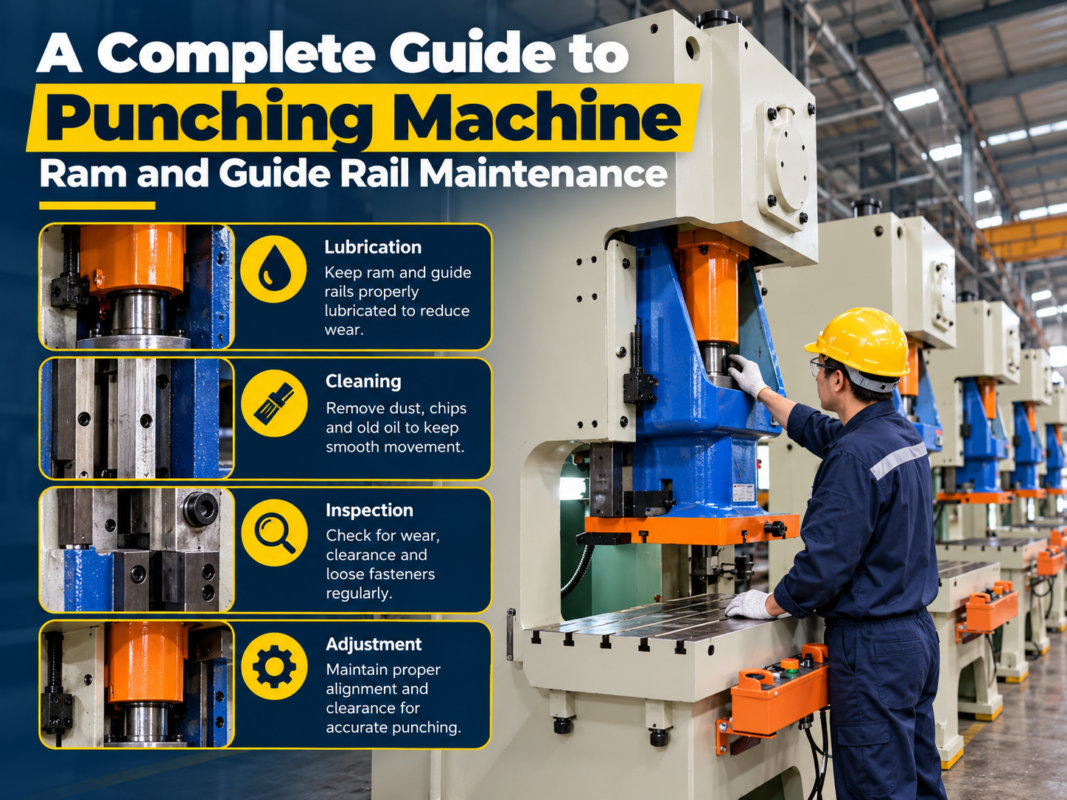
Sometimes the problem is purely physical. The ram of a press brake slides along specialized guide rails (gibs). If these guides are not properly lubricated, the friction can become so great that the hydraulic system cannot overcome it during the return stroke. This is especially common in shops with high levels of dust or scale from laser-cut parts, which can mix with grease to create a grinding paste. Clean the guides thoroughly and apply the manufacturer-recommended lubricant.
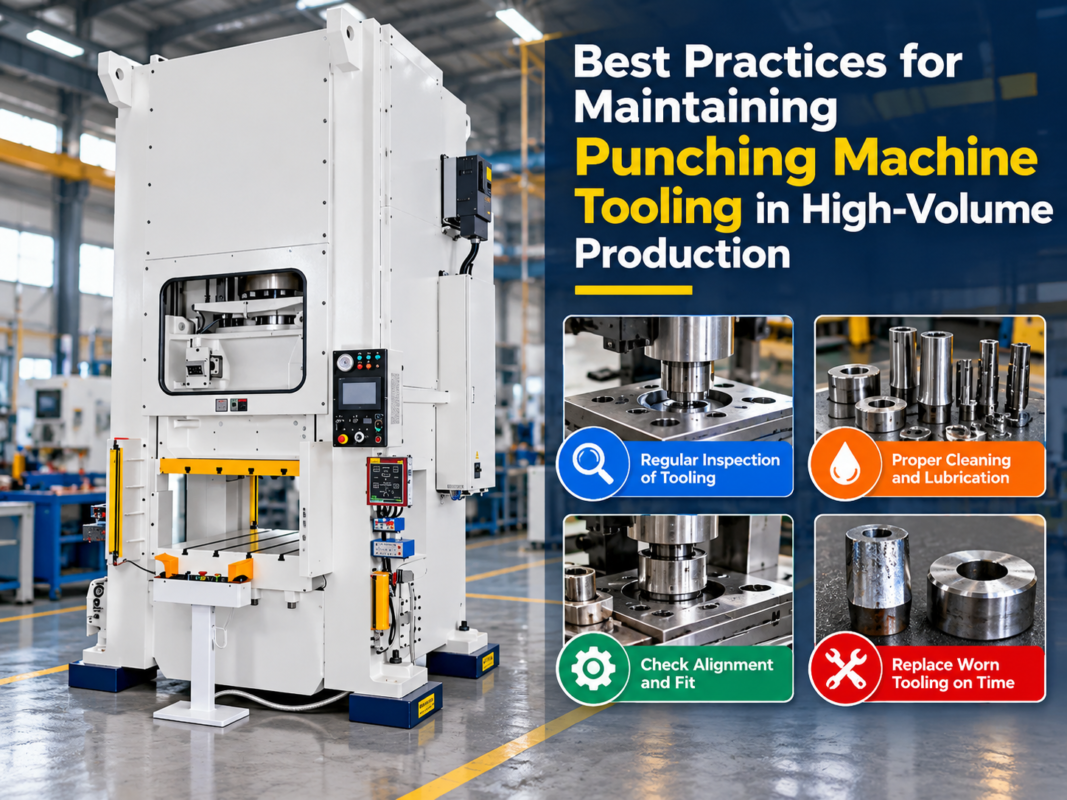
Check for mechanical interference with the backgauge. If the backgauge fingers are positioned incorrectly, the ram or the tooling might be catching on them during the upward movement. While modern CNCs usually prevent this through collision monitoring, older machines or manual overrides can lead to physical jams. Inspect the tooling as well; a deformed punch or die can sometimes “stick” to the workpiece, creating enough resistance to stall the ram’s return.
4. Nitrogen Return Cylinder Maintenance
Many high-speed press brakes use nitrogen-filled cylinders to assist in the ram’s return. These cylinders act like heavy-duty springs. If the nitrogen gas has leaked out over time, the ram will lose its upward assistance. Check the pressure gauges on the nitrogen accumulators. If the pressure is below the specified range, you will need to recharge the system with dry nitrogen. Never use compressed air, as the oxygen and moisture can cause internal combustion or corrosion within the high-pressure system.
Selection Advice: Choosing a Machine to Minimize Downtime
When looking to invest in new equipment, choosing a machine designed for reliability can prevent the need to frequently fix press brake ram not returning properly. HARSLE machines are engineered with high-quality components that specifically address these common failure points. When selecting a press brake, consider the following technical features:
| Feature | Benefit for Ram Return | Recommended Specification |
|---|---|---|
| Hydraulic Valves | Prevents sticking and ensures precise oil flow redirection. | Bosch Rexroth or Hoerbiger |
| Linear Encoders | Ensures synchronous return and prevents ram tilting. | Givi Misura or Heidenhain (0.01mm precision) |
| CNC Controller | Advanced diagnostics to quickly identify electrical faults. | Delem DA-53T or DA-66T |
| Guide System | Reduces friction and mechanical wear. | Self-lubricating or centralized auto-lube gibs |
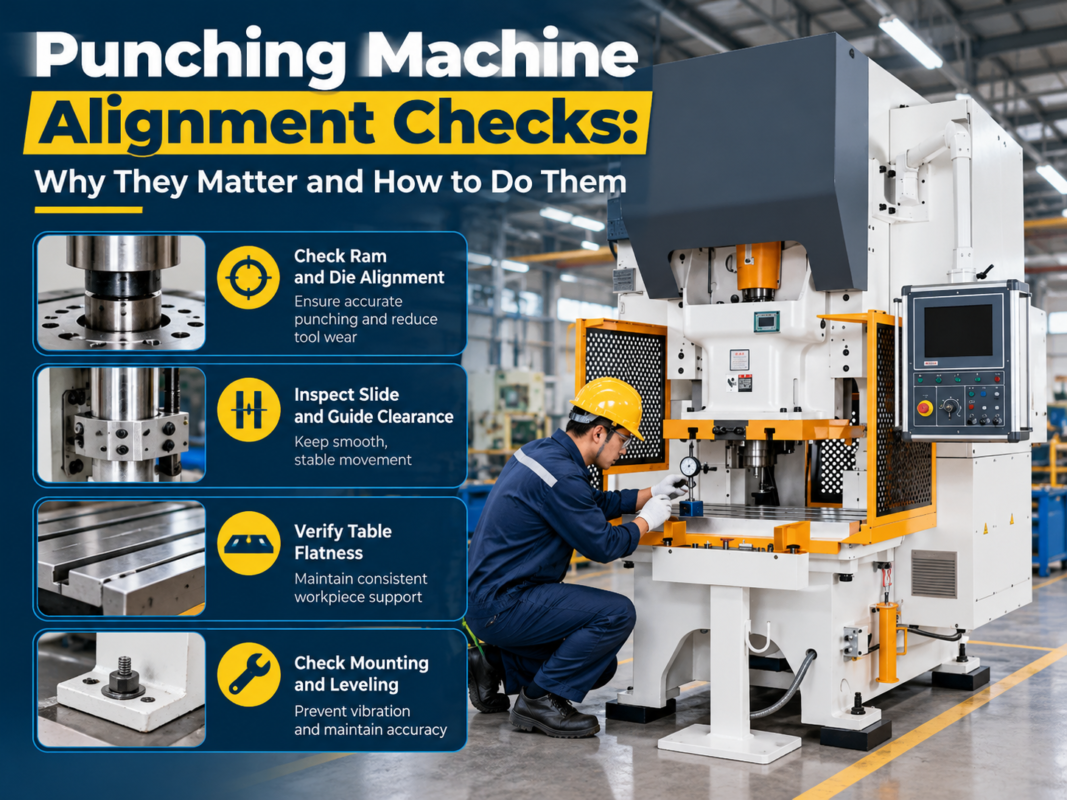
Furthermore, prioritize machines with a robust frame design. A frame that deflects too much under load can cause the ram to bind in the guides, leading to return issues. HARSLE utilizes finite element analysis (FEA) to ensure that our frames maintain perfect alignment even under maximum tonnage. Additionally, look for machines that offer easy access to the hydraulic manifold. If a valve does need cleaning or replacement, you don’t want your technician spending hours just trying to reach the component.
Finally, consider the after-sales support and availability of spare parts. A press brake is a long-term investment. Choosing a manufacturer like HARSLE ensures that you have access to technical documentation and replacement solenoids, seals, and sensors that are guaranteed to fit your specific model. This reduces the “guesswork” involved in repairs and gets your production line back up and running faster.
Frequently Asked Questions (FAQ)
Why does my press brake ram return slowly but eventually reaches the top?
This is usually indicative of a flow restriction or low pressure in the return circuit. Check for a partially clogged return filter or a solenoid valve that isn’t opening fully. It could also be caused by cold hydraulic oil; allow the machine to run in a warm-up cycle to reach optimal operating temperature (usually around 40°C or 104°F).
Can a bad backgauge setting prevent the ram from returning?
Yes. Many CNC controllers have safety interlocks. If the backgauge has not reached its programmed position for the next step, or if the controller senses a potential collision between the ram and the backgauge, it may prevent the ram from moving to the next phase of the cycle, which includes the return stroke.
How often should I check the nitrogen pressure in the return cylinders?
It is recommended to check the nitrogen pressure every six months. However, if you notice the ram becoming sluggish or if the machine is operating in a high-cycle environment, quarterly checks are safer. Always refer to your HARSLE manual for the specific pressure requirements for your tonnage.
What should I do if the ram is tilted and won’t move?
If the ram is tilted, do not attempt to force it up with the hydraulics, as this can score the cylinders. You must manually level the ram by adjusting the hydraulic valves (on torsion bar machines) or using the CNC’s calibration mode (on electro-hydraulic machines). In extreme cases, you may need to support the ram, disconnect the cylinders, and manually reset the position.
Is it possible for the foot pedal to be the cause?
Absolutely. The foot pedal is a high-wear item. If the internal spring is weak or the electrical switch is sticking, it may continue to send a “down” signal even after you release it. This will conflict with the return command. Inspect the pedal for debris and test the switch continuity with a multimeter.
Conclusion: Maintaining Peak Performance
Learning how to fix press brake ram not returning properly is an essential skill for any serious metal fabrication professional. While the problem can seem daunting due to the complexity of modern machinery, most issues stem from a few common areas: hydraulic contamination, sensor misalignment, or simple mechanical friction. By maintaining a rigorous preventative maintenance schedule—including regular oil changes, guide lubrication, and sensor cleaning—you can prevent these issues from occurring in the first place.
At HARSLE, we understand that every minute of downtime is lost revenue. That is why our machines are built with transparency in mind, featuring accessible components and intuitive CNC interfaces that make diagnostics straightforward. Whether you are troubleshooting an older unit or looking to upgrade to a new, high-precision CNC press brake, focusing on the quality of the hydraulic and control systems will always pay dividends in the long run. Keep your machine clean, keep your operators trained, and your ram will return reliably for years to come.
If you have followed these steps and your ram still refuses to return, it may be time to consult with a professional technician. Complex internal cylinder damage or PLC logic errors require specialized tools and knowledge. Contact your equipment provider for a detailed inspection to ensure your shop remains safe and productive.