Press Brake Tooling Issues That Cause Bending Defects and How to Solve Them


Introduction to Press Brake Tooling and Precision Bending
In the world of metal fabrication, precision is the benchmark of quality. The press brake is the workhorse of the shop floor, but its performance is only as good as the tooling it employs. When operators encounter inconsistencies in bend angles, surface marring, or structural cracks in the workpiece, the culprit is often found within the tooling setup. Understanding the Press Brake Tooling Issues That Cause Bending Defects Solve Them is essential for any fabrication business aiming to reduce scrap rates and improve throughput. HARSLE, a leader in industrial machinery, recognizes that even the most advanced hydraulic press brake cannot compensate for poorly maintained or incorrectly selected tools.
Tooling issues are not always obvious. They can range from microscopic wear on the punch tip to subtle misalignments in the die rail. These problems manifest as ‘bending defects’—a broad term covering everything from angular deviation to ‘dog-leg’ bends. To maintain a competitive edge, fabricators must adopt a proactive approach to tooling management. This guide provides a deep dive into the technical challenges associated with press brake tooling and offers actionable solutions to ensure every bend meets the required specifications.
Key Considerations Before Troubleshooting Tooling Issues
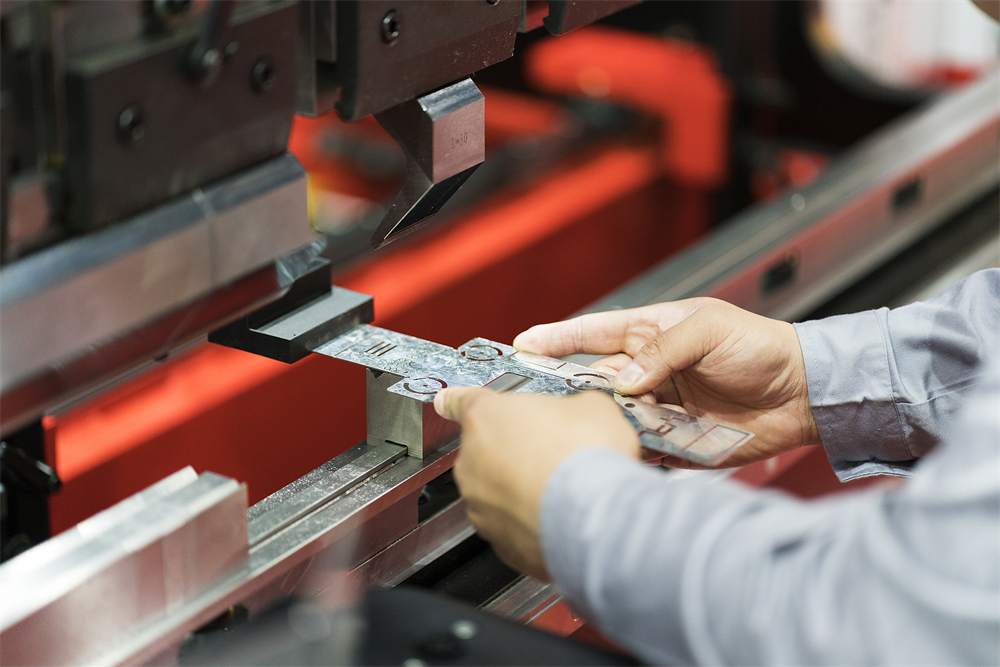
Before diving into specific defects, it is crucial to understand the foundational factors that influence bending outcomes. Tooling does not operate in a vacuum; it interacts with the machine’s hydraulic system, the material’s metallurgical properties, and the operator’s programmed parameters. One of the primary considerations is material consistency. Variations in sheet thickness or tensile strength can make perfectly good tooling appear faulty. If the material thickness fluctuates by even 5%, the resulting bend angle can vary significantly, especially in air bending applications.
Another key consideration is the compatibility between the tool and the machine. Using European-style tooling on an American-style ram without proper adapters, or vice versa, can lead to seating issues. Furthermore, the tonnage capacity of the tooling must be respected. Every punch and die has a maximum load limit per meter. Exceeding this limit doesn’t just cause defects; it poses a significant safety risk and can lead to permanent deformation of the tool holder or the press brake bed itself. Finally, the environment of the shop—specifically temperature and cleanliness—plays a role. Dust and metal shavings trapped between the die and the bed can throw off the entire alignment by fractions of a millimeter, which translates to degrees of error in the final product.
Technical Details: Common Tooling Issues and Their Solutions
1. Worn Punch Tips and Die Shoulders
The most common of the Press Brake Tooling Issues That Cause Bending Defects Solve Them is simple wear and tear. Over thousands of cycles, the sharp radius of a punch tip begins to flatten or become asymmetrical. Similarly, the shoulders of a V-die, where the material slides during the bending process, can develop grooves or ‘galling.’ When the punch radius changes, the inside bend radius of the part changes accordingly. This leads to inconsistent bend angles across the length of the part.
The Solution: Regular inspection using radius gauges is mandatory. If the punch tip shows signs of flattening, it may need to be precision reground by a professional service. However, regrinding changes the height of the tool, which must be accounted for in the CNC controller. For die shoulders, using hardened tooling (typically 50-55 HRC) significantly extends life. If galling occurs, the shoulders can sometimes be polished, but if deep grooves are present, the die must be replaced to prevent marking the workpiece.
2. Tooling Misalignment (The Centerline Problem)
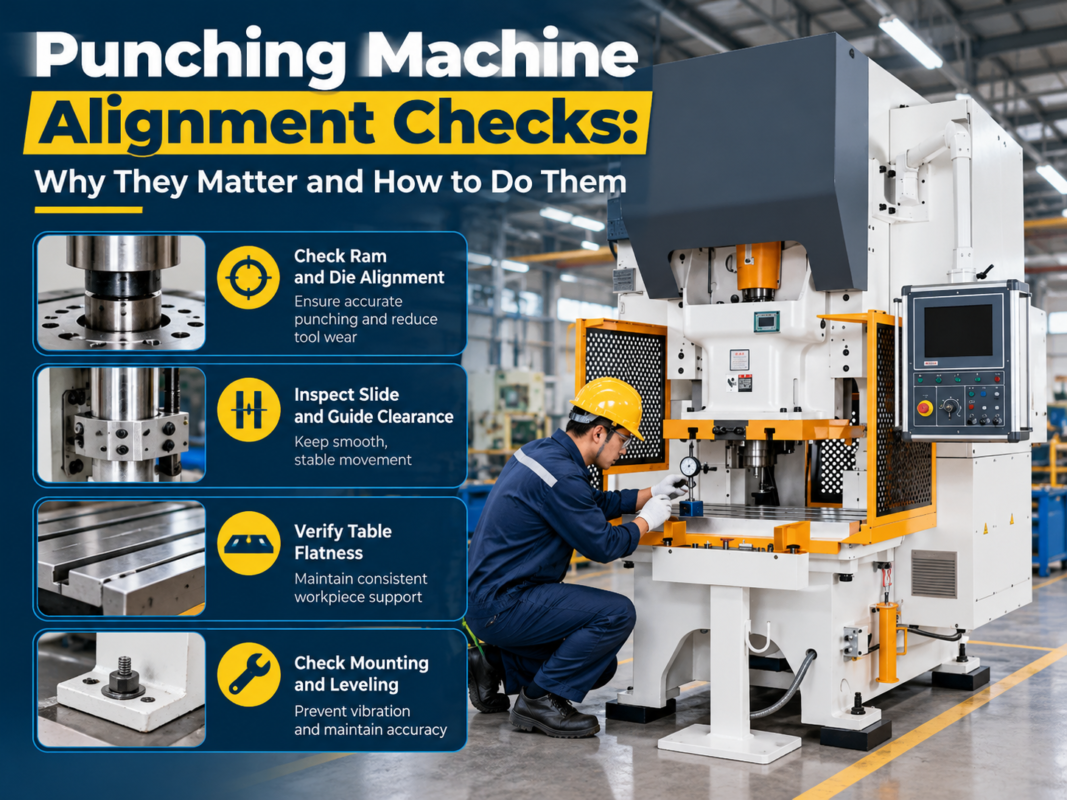
If the punch and die are not perfectly centered relative to each other, the material will be pushed more to one side than the other. This results in an asymmetrical bend, often referred to as a ‘flange length error’ or a ‘shifted bend.’ Misalignment can occur because the ram is not level, the die rail has shifted, or the individual tool segments are not seated properly in the clamps.
The Solution: Perform a ‘slug test’ or use alignment pins to ensure the punch is perfectly centered in the V-opening. Modern HARSLE press brakes often feature self-centering die holders, but manual checks are still recommended. Ensure that all tool segments are clean and free of debris before clamping. If the misalignment persists, check the machine’s gib adjustment and the parallelism of the ram to the bed.
3. Incorrect V-Opening Selection
Choosing the wrong V-die width is a frequent cause of bending defects. If the V-opening is too small for the material thickness, the tonnage required to make the bend increases exponentially. This can cause ‘orange peeling’ or cracking on the outside of the bend. Conversely, if the V-opening is too large, the part may not achieve the desired radius, and the accuracy of the bend angle becomes much harder to control due to increased springback.
The Solution: Follow the ‘8x Rule’ as a baseline: the V-opening should be approximately 8 times the material thickness for mild steel up to 12mm. For thicker materials or stainless steel, this may increase to 10x or 12x. Refer to a tonnage chart to ensure the selected V-opening keeps the required pressure within the safe operating limits of both the machine and the tooling.
4. Material Springback and Tooling Compensation
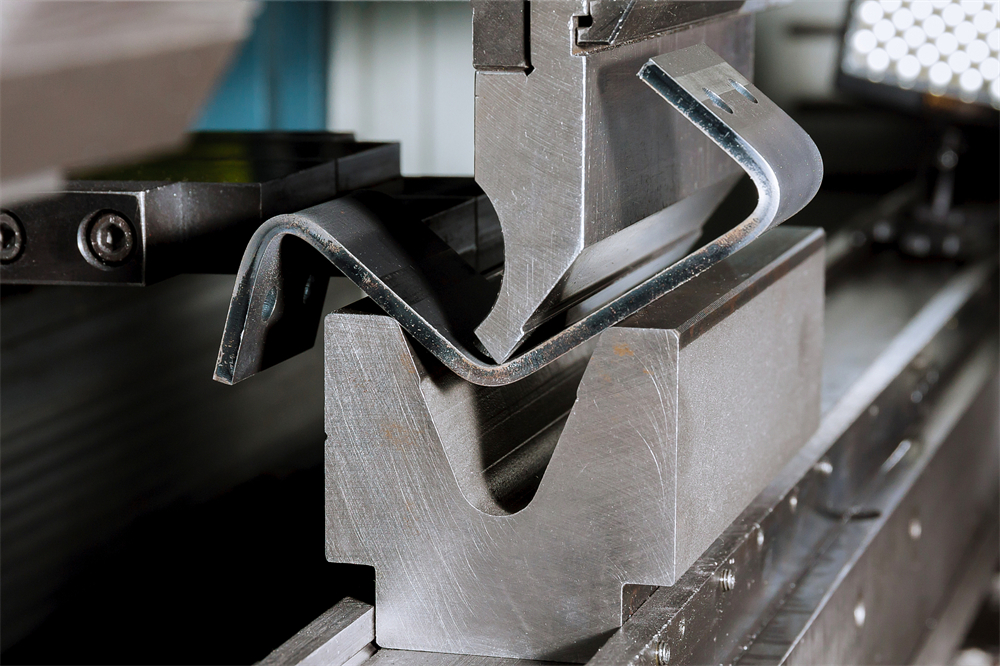
Springback is a natural phenomenon where the metal attempts to return to its original shape after the bending force is removed. Tooling issues arise when the punch angle does not allow for sufficient ‘over-bending.’ For example, if you are using a 90-degree punch and die to achieve a 90-degree bend in stainless steel, you will almost certainly fail because the material will spring back to 92 or 93 degrees.
The Solution: Use acute angle tooling (e.g., 85, 80, or even 30 degrees) for air bending. This allows the CNC controller to push the punch deeper into the die to compensate for springback. Additionally, ensure that the tooling is consistent; if one segment of the punch has a slightly different angle than the rest, the springback will be uneven across the length of the workpiece, causing a ‘bowing’ effect.
5. Tonnage Overload and Tool Deformation
Applying too much pressure to a tool can cause it to ‘set’ or permanently deform. This often happens when operators attempt to ‘bottom bend’ or ‘coin’ using tools designed only for air bending. Once a tool is deformed, it will produce inconsistent results forever, regardless of how the machine is programmed. This is one of the most expensive Press Brake Tooling Issues That Cause Bending Defects Solve Them because it usually requires total tool replacement.
The Solution: Always calculate the required tonnage before starting a job. Use the formula: P = (650 * S^2 * L) / V (for mild steel), where P is tonnage, S is thickness, L is length, and V is the V-opening. Ensure the calculated tonnage does not exceed the rated capacity engraved on the tool. If high-precision coining is required, invest in heavy-duty, specialized coining dies designed to withstand the extreme pressures.
Selection Advice: Choosing the Right Tooling to Avoid Defects
Preventing bending defects starts at the procurement stage. When selecting tooling for your HARSLE press brake, consider the following criteria to ensure long-term accuracy:
- Hardness and Material: Look for tooling made from high-quality alloy steel that has been deep-hardened. Surface-hardened tools may be cheaper, but once the thin hard layer wears through, the tool’s accuracy degrades rapidly.
- Precision Ground vs. Planed: Precision ground tooling is manufactured to extremely tight tolerances (+/- 0.01mm). While more expensive than planed tooling, it allows for ‘sectionalized’ setups where multiple tool segments can be used together without creating steps in the bend.
- Coating Options: For materials like aluminum or galvanized steel, consider tools with specialized coatings (like Nitriding or Chrome) to prevent material buildup on the die shoulders, which causes surface marking.
- Tooling Height: Ensure you have ‘tall’ tooling options for parts with deep return flanges. Using tools that are too short can lead to ‘collisions’ between the workpiece and the ram, causing both part defects and machine damage.
A well-organized tooling library is also essential. Tools should be stored in dedicated racks, cleaned after use, and periodically checked for straightness. Mixing and matching tools from different manufacturers can lead to height discrepancies, so it is best to stick to a single high-quality ecosystem for your precision work.
Frequently Asked Questions (FAQ)
Q1: Why is my bend angle different at the ends compared to the middle?
A: This is usually caused by ‘machine deflection’ or ‘crowning’ issues. However, from a tooling perspective, it can also be caused by worn punch segments at the ends or uneven seating of the die. Ensure your machine’s crowning system is properly calibrated and that the tooling is clean and uniformly clamped.
Q2: How often should I inspect my press brake tooling?
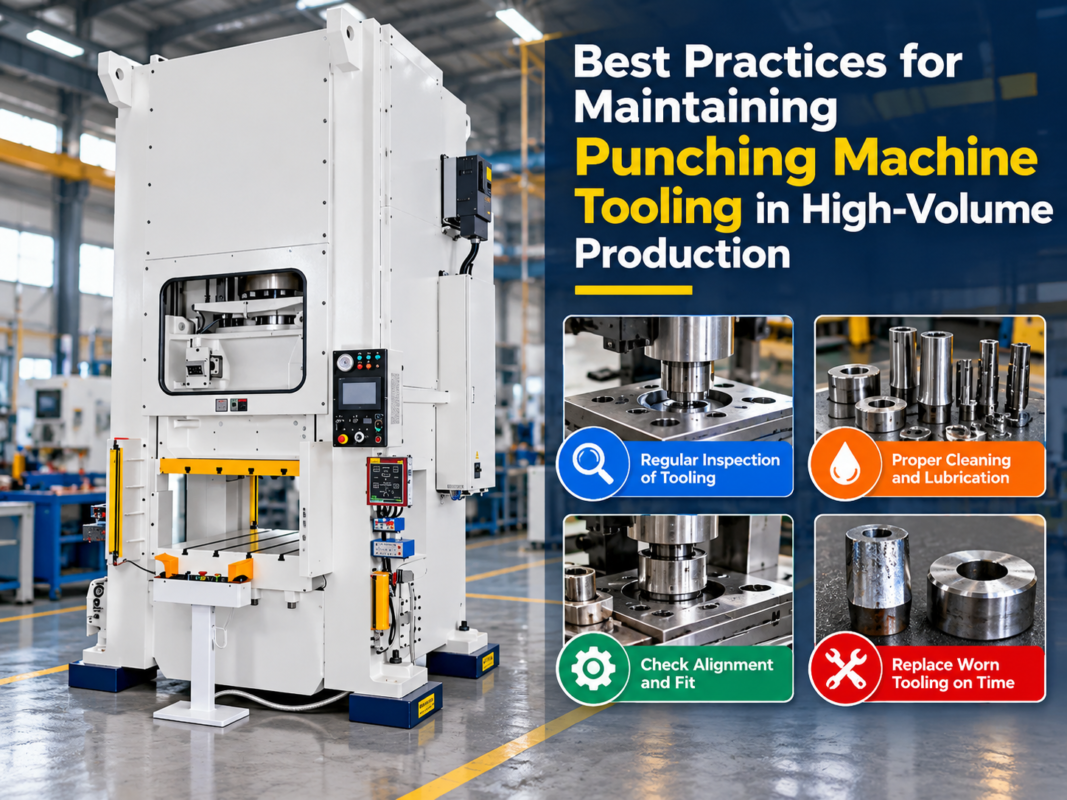
A: For high-volume shops, a visual inspection should be done daily. A more thorough technical inspection using micrometers and radius gauges should be performed monthly or whenever a recurring defect is noticed in the production line.
Q3: Can I use the same tooling for mild steel and stainless steel?
A: While physically possible, it is not recommended for high-precision work. Stainless steel is much more abrasive and will wear down the tooling faster. Furthermore, stainless steel requires more over-bend due to higher springback, often necessitating more acute punch angles.
Q4: What causes ‘marking’ or scratches on the outside of the bend?
A: This is typically caused by friction at the die shoulders. To solve this, you can use ‘no-mar’ die film (a thin plastic insert), use dies with larger shoulder radii, or invest in rotating-wing dies (like the Markless series) that eliminate sliding friction.
Q5: Is it better to buy one long tool or several segmented pieces?
A: Segmented tooling is generally superior for modern fabrication. It is easier for a single operator to handle, allows for complex setups with gaps for return flanges, and if one small section is damaged, you only need to replace that segment rather than a 3-meter long tool.
Conclusion: Mastering Tooling for Flawless Fabrication
Addressing Press Brake Tooling Issues That Cause Bending Defects Solve Them is a continuous process of education, maintenance, and investment. By understanding the mechanics of how wear, alignment, and selection impact the final workpiece, fabricators can significantly reduce waste and improve the quality of their output. HARSLE remains committed to providing not only the highest quality press brakes but also the technical knowledge required to operate them at peak efficiency.
Remember that the tooling is the only part of the machine that actually touches your customer’s product. Treating your punches and dies with the same respect as the machine’s CNC controller or hydraulic valves will pay dividends in the form of consistent, accurate, and high-quality metal components. Whether you are performing simple 90-degree bends or complex multi-stage sequences, the foundation of your success lies in the precision of your tools. Regular maintenance, informed selection, and a keen eye for detail are the hallmarks of a master fabricator.