
How Punching Machines Help Reduce Labor Costs in Metal Processing


Introduction to Labor Efficiency in Modern Metal Fabrication
In the contemporary industrial landscape, the metal processing sector faces a dual challenge: the rising cost of skilled labor and the increasing demand for high-precision, high-volume production. As manufacturers strive to remain competitive, the integration of advanced machinery has become a necessity rather than a luxury. Among these, the punching machine stands out as a cornerstone of efficiency. Understanding how punching machines help reduce labor costs in metal processing is essential for any facility looking to optimize its bottom line and streamline its workflow.
Labor costs are often the most significant variable expense in a fabrication shop. Traditional methods of metal punching, which relied heavily on manual layout, hand-operated presses, and constant human supervision, are no longer viable for large-scale operations. Modern punching machines, particularly those equipped with Computer Numerical Control (CNC), have revolutionized the industry by automating repetitive tasks, minimizing human error, and allowing a single operator to manage multiple processes simultaneously. This shift not only lowers the immediate payroll expenditure but also enhances the overall quality of the output.
HARSLE, a leader in metal fabrication machinery, recognizes that the true value of a punching machine lies in its ability to transform a labor-intensive process into a streamlined, automated system. By investing in high-quality punching equipment, companies can reallocate their human resources to more complex tasks, such as design and quality assurance, while the machine handles the heavy lifting. This article will delve into the specific ways these machines drive down costs and what technical features contribute most to this economic advantage.
Key Considerations: How Punching Machines Help Reduce Labor Costs In Metal Processing
When evaluating the impact of punching machines on labor costs, several key factors come into play. The primary driver is the reduction in manual intervention. In a manual setup, a worker must measure, mark, and position each piece of metal before the punch is executed. This process is time-consuming and prone to inaccuracies. A CNC punching machine eliminates these steps by using pre-programmed coordinates to position the workpiece and execute the punch with sub-millimeter precision. This automation significantly reduces the man-hours required per part produced.
Another critical consideration is the reduction in secondary operations. High-quality punching machines produce clean, burr-free holes and shapes, which minimizes the need for manual deburring or grinding. In many cases, the parts coming off a HARSLE punching machine are ready for the next stage of assembly or finishing immediately. By eliminating these extra steps, manufacturers save on the labor costs associated with post-processing, which can often be as expensive as the initial fabrication itself.
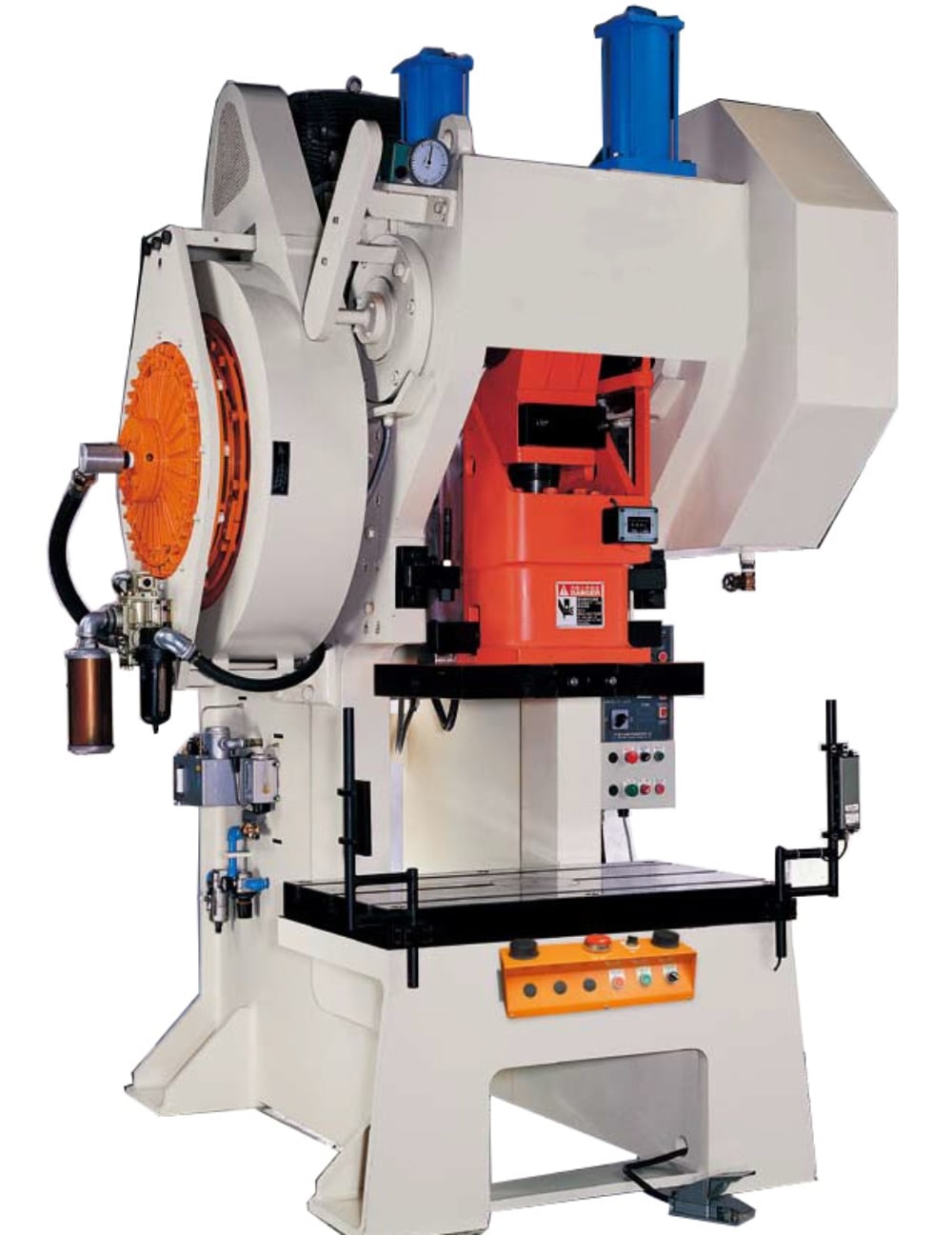
Furthermore, the speed of modern punching machines is incomparable to manual methods. A high-speed turret punch press can perform hundreds of hits per minute. To achieve the same output manually would require a large team of workers, each operating individual stations. By consolidating this work into a single machine, the facility reduces its headcount requirements while increasing its total throughput. This scalability is vital for businesses looking to grow without a linear increase in labor expenses.
Safety and ergonomics also play a role in labor cost reduction. Manual punching is physically demanding and carries a higher risk of workplace injuries, such as repetitive strain or accidents involving heavy machinery. These incidents lead to downtime, workers’ compensation claims, and increased insurance premiums. Automated punching machines are designed with advanced safety enclosures and light curtains, keeping the operator at a safe distance from the moving parts. A safer workplace is a more cost-effective workplace, as it ensures consistent productivity and lower overhead related to employee health and safety.
Technical Details of Labor-Saving Punching Technology
The technical architecture of a punching machine is what enables its labor-saving capabilities. At the heart of this is the CNC system. Modern controllers allow for the storage of thousands of programs, meaning an operator can switch between different jobs in a matter of minutes. This versatility reduces the “setup labor” that typically plagues manual shops. Instead of spending hours reconfiguring a press, the operator simply loads the material and selects the correct program from the interface.
Hydraulic and servo-electric drive systems also contribute to efficiency. Servo-electric punching machines, in particular, offer high energy efficiency and precise control over the ram’s movement. This precision ensures that the tool life is maximized, reducing the frequency of tool changes—a task that requires manual labor. Additionally, these systems are quieter and require less maintenance than older mechanical presses, further reducing the labor hours spent on machine upkeep.
The Role of Turret Configuration and Tooling
The turret is a critical component that directly impacts labor efficiency. A large-capacity turret allows the machine to hold a wide variety of tools simultaneously. This means the machine can perform multiple types of punches, notches, and forms on a single workpiece without the operator needing to stop the machine and manually swap out tools. Multi-tools, which house several smaller punches within a single turret station, further expand this capability.
| Feature | Manual Punching | CNC Punching Machine | Labor Impact |
|---|---|---|---|
| Setup Time | High (Manual alignment) | Low (Program loading) | Reduces non-productive hours |
| Accuracy | Variable (Human error) | High (0.01mm precision) | Eliminates rework and scrap |
| Speed | Slow (Manual feed) | Fast (Up to 600+ HPM) | Increases output per worker |
| Tool Changes | Frequent & Manual | Automatic (Turret system) | Minimizes machine downtime |
Nesting software is another technical marvel that helps reduce labor costs. By optimizing the layout of parts on a single sheet of metal, the software ensures maximum material utilization. This not only saves on raw material costs but also reduces the labor involved in handling scrap and managing inventory. The software automatically generates the most efficient path for the punching head, minimizing travel time and further speeding up the production cycle.
Selection Advice: Choosing the Right Machine for Your Facility
Selecting the right punching machine requires a careful analysis of your specific production needs and labor goals. The first step is to assess the volume and variety of your work. If your shop handles a high volume of standardized parts, a high-speed turret punch press is likely the best investment. However, for smaller batches or highly complex custom work, a machine with quick-change tooling and advanced software integration might offer a better return on investment (ROI) by reducing the labor spent on setup.
Consider the level of automation you require. Some HARSLE machines come equipped with automatic loading and unloading systems. These systems can pick up raw sheets, place them on the machine table, and remove the finished parts once the cycle is complete. While the initial investment is higher, these systems allow for “lights-out” manufacturing, where the machine runs unattended overnight. This effectively reduces labor costs to near zero for the duration of the run, providing a massive boost to profitability.
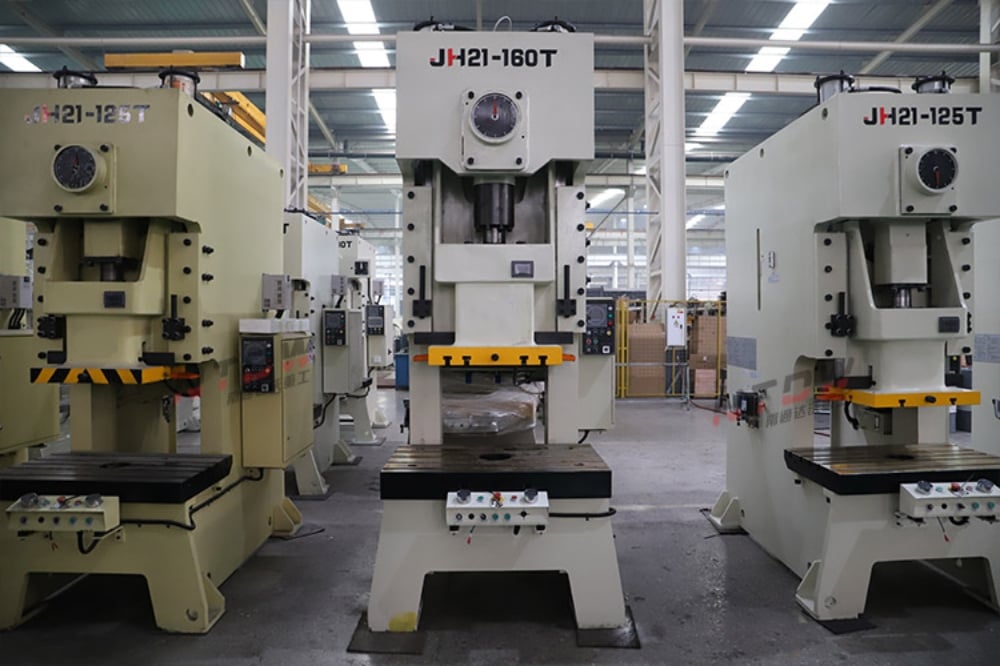
It is also important to evaluate the user interface and software compatibility. A machine that is difficult to program will require a highly specialized (and expensive) operator. Look for machines with intuitive, graphical interfaces that allow for easy programming on the shop floor. Compatibility with standard CAD/CAM software ensures that your design team can seamlessly transfer files to the production floor, reducing the labor spent on data entry and translation.
Finally, do not overlook the importance of after-sales support and training. A machine is only as efficient as the person operating it. Choosing a manufacturer like HARSLE, which provides comprehensive training and technical support, ensures that your staff can utilize the machine to its full potential. Proper training reduces the learning curve, minimizes errors, and ensures that the labor-saving features of the machine are fully realized from day one.
Frequently Asked Questions (FAQ)
How much can a punching machine actually reduce labor costs?
While the exact figure depends on the specific application, many facilities report a 30% to 60% reduction in labor costs per part after transitioning from manual or semi-automated processes to a high-speed CNC punching machine. This is achieved through faster cycle times, reduced setup, and the elimination of secondary finishing tasks.
Do I need a highly skilled engineer to operate a CNC punching machine?
While basic knowledge of metalwork is necessary, modern CNC systems are designed to be user-friendly. With proper training provided by the manufacturer, a standard machine operator can learn to run the equipment efficiently. The “intelligence” is largely built into the software, which reduces the need for highly specialized manual skills.
What is the typical ROI for an automated punching machine?
Most businesses see a return on investment within 18 to 36 months. The ROI is driven by labor savings, reduced material waste (scrap), and the ability to take on more work due to increased capacity. In high-volume environments, the ROI can be even faster.
Can a punching machine replace other types of equipment?
Yes, a versatile punching machine can often perform tasks that previously required separate machines, such as small-scale forming, ribbing, and countersinking. By consolidating these processes, you reduce the labor involved in moving parts between different workstations.
How does maintenance affect labor costs?
Preventative maintenance is key. While a machine requires labor for upkeep, modern systems are designed for easy access and have self-diagnostic features. Compared to the constant manual adjustments required by older mechanical presses, the total labor hours spent on maintenance for a new CNC machine are significantly lower.
Conclusion: The Future of Metal Processing with HARSLE
In conclusion, the question of how punching machines help reduce labor costs in metal processing finds its answer in the seamless integration of speed, precision, and automation. By replacing manual, error-prone methods with high-performance CNC technology, manufacturers can drastically lower their operational overhead. The reduction in man-hours, combined with the elimination of rework and the ability to run automated cycles, creates a leaner, more profitable production environment.
As the industry continues to evolve, the gap between shops using traditional methods and those utilizing advanced machinery will only widen. Investing in a HARSLE punching machine is not just an equipment upgrade; it is a strategic move toward long-term sustainability. By empowering your workforce with the best tools available, you ensure that your labor costs remain controlled while your production quality and capacity reach new heights. In the competitive world of metal fabrication, efficiency is the ultimate advantage, and the punching machine is the engine that drives it.












