
What Can a Punching Machine Do? Real-World Industrial Applications


Introduction to Modern Punching Technology
In the vast landscape of metal fabrication, the punching machine stands as a cornerstone of efficiency and versatility. Often overshadowed by the high-tech allure of laser cutters, the punching machine remains an indispensable asset for high-volume production and complex forming tasks. But exactly what can a punching machine do? Real-world industrial applications reveal that these machines are far more than simple hole-punchers; they are sophisticated systems capable of shaping, forming, and detailing metal with incredible speed and precision.
At HARSLE, we have observed the evolution of punching technology from manual mechanical presses to highly automated CNC turret punch presses. Today’s machines integrate advanced hydraulics, precision servo motors, and intelligent software to handle a variety of materials including mild steel, stainless steel, aluminum, and even certain polymers. The ability to perform multiple operations—such as punching, nibbling, embossing, and louvering—in a single setup makes the punching machine a powerhouse in the modern factory.
Understanding the full scope of a punching machine’s capabilities is essential for any manufacturer looking to optimize their production line. Whether you are producing simple brackets or complex electronic enclosures, the punching machine offers a cost-effective solution that often outperforms other methods in terms of cycle time and tool longevity. In this comprehensive guide, we will delve into the technical nuances, diverse applications, and critical selection criteria that define the modern punching machine landscape.
Key Considerations for Punching Machine Operations
Before diving into specific applications, it is crucial to understand the factors that dictate what a punching machine can achieve. The first consideration is material compatibility. While most punching machines are designed for sheet metal, the thickness and tensile strength of the material significantly impact the required tonnage. For instance, punching a 10mm hole in 2mm stainless steel requires much more force than the same hole in 2mm aluminum. Manufacturers must calculate the shear strength of the material to ensure the machine’s capacity is not exceeded.
Another vital factor is tooling versatility. A modern CNC turret punch press can hold dozens of tools simultaneously. This allows for rapid transitions between different hole shapes (round, square, obround) and forming operations. The quality of the tooling—specifically the clearance between the punch and the die—determines the cleanliness of the cut and the lifespan of the equipment. Improper clearance can lead to excessive burrs, tool wear, and even machine damage.
Furthermore, the volume of production plays a decisive role. Punching machines excel in medium to high-volume runs where the initial cost of tooling is offset by the extremely low cost per hit. Unlike laser cutting, which has a consistent cost regardless of the number of holes, punching becomes significantly cheaper as the number of identical features increases. This makes it the preferred choice for perforated sheets and repetitive industrial components.
Finally, one must consider the forming capabilities. A punching machine is not limited to removing material; it can also displace it. By using specialized forming tools, a punch press can create louvers for ventilation, countersinks for screws, extrusions for threading, and even hinges. This multi-functionality reduces the need for secondary operations, thereby shortening the overall production cycle and reducing labor costs.
Technical Details: How Punching Machines Work
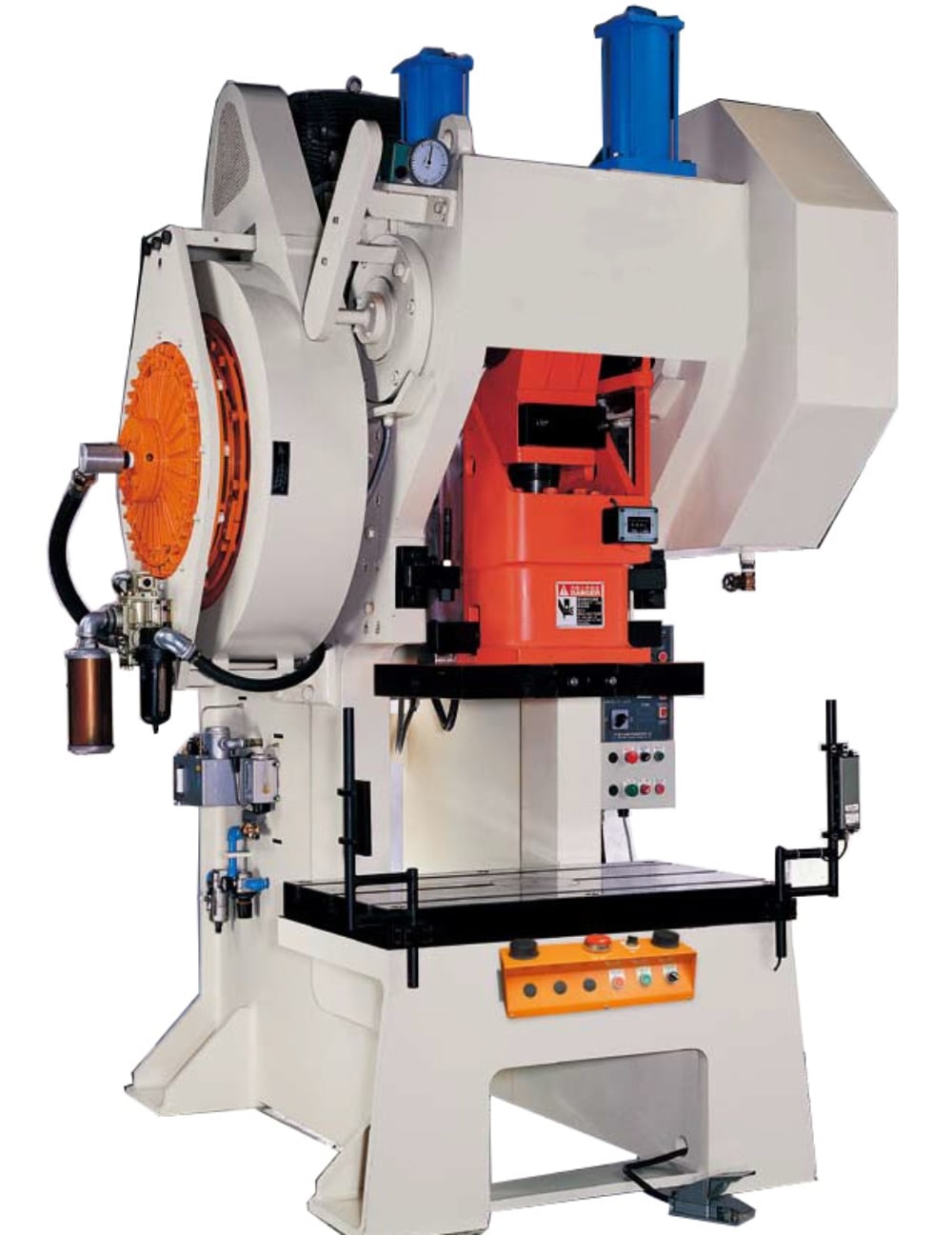
The mechanics of a punching machine are a blend of raw power and delicate control. At its core, the process involves a punch (the male component) being driven through a workpiece into a die (the female component). The resulting piece of scrap is called a slug. However, the method by which this force is delivered varies. Mechanical punching machines use a flywheel and crankshaft system to deliver high-speed, high-impact force, ideal for simple, repetitive tasks.
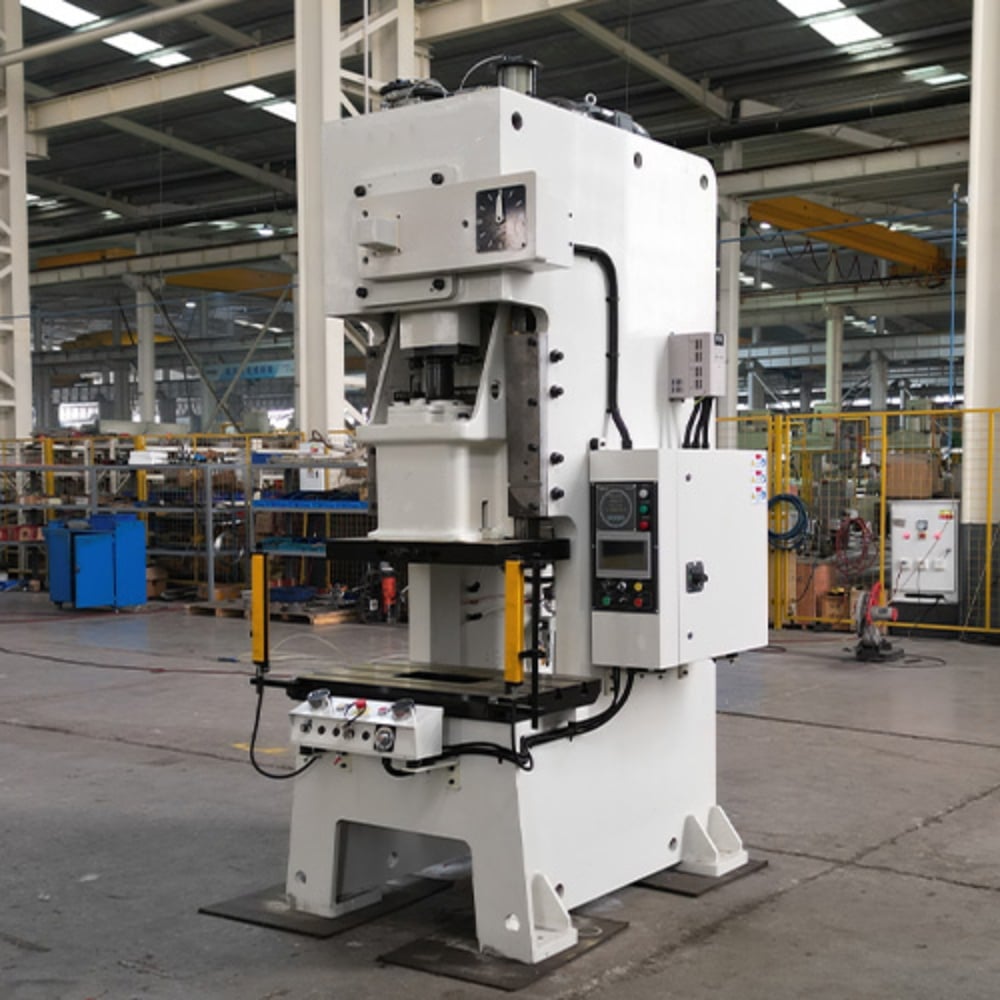
Hydraulic punching machines, on the other hand, offer more control over the ram’s movement. By using fluid pressure, these machines can provide full tonnage at any point in the stroke, which is particularly useful for forming operations where a slower, more controlled press is required. Modern CNC (Computer Numerical Control) systems have further refined this by allowing for “soft punching,” which reduces noise and vibration, extending the life of both the machine and the tooling.
The concept of nibbling is another technical marvel of the punching machine. When a shape is too large or complex for a single tool, the machine can perform a series of overlapping small punches to “nibble” out the desired contour. While this may not be as smooth as a laser cut, modern CNC nibbling is incredibly precise and can be finished with a quick deburring process. This capability allows a single set of standard tools to create an infinite variety of shapes.
Automation is the latest frontier in punching technology. Integrated loading and unloading systems allow machines to run unattended for hours, a concept known as “lights-out manufacturing.” These systems use vacuum suction cups to pick up raw sheets and robotic arms to stack finished parts. When combined with intelligent nesting software, which optimizes the layout of parts on a sheet to minimize waste, the efficiency of a punching machine is unmatched in the industrial sector.
Real-World Industrial Applications
When we ask, “What can a punching machine do? Real-world industrial applications provide the most compelling answers. The versatility of these machines allows them to serve a staggering array of industries, each with unique requirements for precision and durability.
1. Automotive Industry
In the automotive sector, punching machines are used to create a variety of structural and aesthetic components. From simple brackets that hold engine components in place to complex heat shields and interior panels, the speed of punching is vital for the fast-paced assembly lines of car manufacturers. High-strength steels are often used here, requiring heavy-duty hydraulic presses that can maintain precision over millions of cycles.
2. HVAC and Ventilation
The HVAC (Heating, Ventilation, and Air Conditioning) industry relies heavily on punching machines for creating grilles, ductwork, and unit housings. The ability to punch hundreds of small ventilation holes (perforations) in a matter of seconds is a task perfectly suited for a turret punch press. Additionally, the creation of louvers—slanted fins that allow air to pass while blocking debris—is a standard forming operation that punching machines handle with ease.
3. Electronics and Telecommunications
Look inside a server rack or a computer case, and you will see the work of a punching machine. These components require numerous precise cutouts for ports, fans, and mounting brackets. The electronics industry demands high precision and clean edges to ensure that sensitive components fit perfectly. Punching machines also create the “knockouts” found in electrical junction boxes, which allow electricians to easily remove a small piece of metal to run wiring.
4. Construction and Architecture
In modern architecture, perforated metal panels are frequently used for building facades, sunshades, and acoustic ceilings. Punching machines can create intricate patterns in large sheets of aluminum or stainless steel, providing both aesthetic appeal and functional benefits like light filtration and sound dampening. In structural construction, punching machines produce the heavy-duty connectors and plates used to join steel beams.
5. Appliance Manufacturing
From the drum of a washing machine to the back panel of a refrigerator, household appliances are full of punched components. The high-volume nature of appliance manufacturing makes the low per-part cost of punching extremely attractive. The ability to combine punching with forming (like creating the dimples in a dryer drum) in a single process is a major advantage for manufacturers like HARSLE’s clients.
Selection Advice: Choosing the Right Punching Machine
Selecting the right punching machine for your facility is a strategic decision that involves balancing current needs with future growth. The first step is to analyze your typical material thickness and type. If you primarily work with thin-gauge aluminum for electronics, a high-speed mechanical or light hydraulic press may suffice. However, if you are fabricating thick steel plates for construction, you will need a high-tonnage hydraulic machine with a robust frame.
Consider the turret capacity. A larger turret allows you to keep more tools loaded, reducing setup times between different jobs. For shops that handle a wide variety of small-batch orders, a large turret is a significant productivity booster. Conversely, for dedicated production lines making the same part all day, a smaller, faster turret or even a single-station press might be more efficient.
Software integration is another critical factor. Ensure the machine’s controller is compatible with your existing CAD/CAM software. Modern software can simulate the punching process, identifying potential collisions or tool interference before the first sheet of metal is even loaded. This “digital twin” approach saves time and prevents costly mistakes on the shop floor.
Finally, evaluate the after-sales support and maintenance requirements. Punching machines are high-impact tools that require regular lubrication, tool sharpening, and alignment checks. Choosing a reputable manufacturer like HARSLE ensures that you have access to spare parts, technical expertise, and training to keep your machine running at peak performance for decades. Don’t just buy a machine; invest in a partnership that supports your production goals.
Frequently Asked Questions (FAQ)
Can a punching machine replace a laser cutter?
While a punching machine can perform many tasks a laser cutter does, it is not a direct replacement. Punching is faster and cheaper for repetitive holes and forming operations (like louvers). However, laser cutters are better for extremely complex, organic shapes and very thick materials where tooling would be prohibitively expensive or physically impossible.
What is the maximum thickness a punching machine can handle?
This depends entirely on the machine’s tonnage and the material’s shear strength. Standard industrial turret punch presses typically handle up to 6mm or 8mm mild steel. Specialized heavy-duty presses can punch through 20mm or more, but these are usually single-station machines used in heavy structural fabrication.
How long do punching tools last?
Tool life varies based on the material being punched and the maintenance routine. With proper lubrication and regular sharpening, a high-quality punch and die set can last for hundreds of thousands of hits. Punching stainless steel will wear tools faster than aluminum or mild steel.
Is CNC punching noisy?
Traditional mechanical punching can be quite loud due to the impact. However, modern hydraulic CNC machines feature “soft-punch” technology that controls the speed of the hit, significantly reducing noise levels. Using sharp tools and proper die clearance also helps minimize noise and vibration.
Conclusion: The Future of Punching in Industry
In conclusion, when exploring what can a punching machine do? Real-world industrial applications demonstrate that this technology remains at the heart of efficient manufacturing. Its unique ability to combine high-speed material removal with complex forming operations gives it a distinct advantage over other fabrication methods. From the cars we drive to the buildings we inhabit and the appliances we use daily, the influence of the punching machine is everywhere.
As we look to the future, the integration of AI and IoT (Internet of Things) will only make these machines smarter and more autonomous. Predictive maintenance will alert operators to tool wear before it affects part quality, and cloud-based nesting will optimize material usage across global production networks. For manufacturers, the punching machine is not just a tool of the present, but a scalable solution for the future.
At HARSLE, we are proud to provide the machinery that drives these industries forward. By understanding the technical capabilities and industrial applications of punching machines, businesses can make informed investments that enhance their productivity, reduce waste, and maintain a competitive edge in an ever-evolving global market. Whether you are a small job shop or a large-scale industrial manufacturer, the versatility of the punching machine offers a path to greater efficiency and innovation.


