
Punching Machine Applications in Bus, Train, and Transport Equipment Manufacturing: A Comprehensive Guide


Introduction to Punching Machine Applications in the Transport Sector
The global transportation industry is undergoing a massive transformation, driven by the need for more efficient, lightweight, and durable vehicles. Whether it is the production of high-speed trains, urban transit buses, or heavy-duty transport trailers, the precision of metal fabrication plays a pivotal role. Among the various technologies used in these factories, Punching Machine Applications In Bus, Train, Transport Equipment Manufacturing stand out as a cornerstone of modern production lines. These machines provide the speed and accuracy required to process large volumes of sheet metal into complex components that form the skeleton and skin of modern transport systems.
HARSLE, a leader in metal fabrication machinery, recognizes that the transport sector demands more than just basic hole-punching. It requires versatile CNC turret punch presses capable of handling diverse materials, from lightweight aluminum alloys used in aerospace and high-speed rail to high-strength stainless steel for bus chassis. The integration of advanced CNC (Computer Numerical Control) technology has allowed manufacturers to move away from manual layouts, significantly reducing human error and increasing throughput. In this guide, we will explore how punching machines are utilized across the transport manufacturing landscape, the technical specifications that matter most, and how to select the right equipment for these demanding environments.
The evolution of the punching machine has mirrored the evolution of the transport industry itself. In the early days, mechanical presses were used for simple, repetitive tasks. Today, modern CNC punching centers are multi-functional hubs capable of punching, forming, ribbing, and even threading. This versatility is essential for the transport sector, where a single panel might require dozens of different hole sizes, ventilation louvers, and mounting brackets. As we delve deeper into the specific applications, it becomes clear that the punching machine is not just a tool, but a strategic asset in the quest for manufacturing excellence.
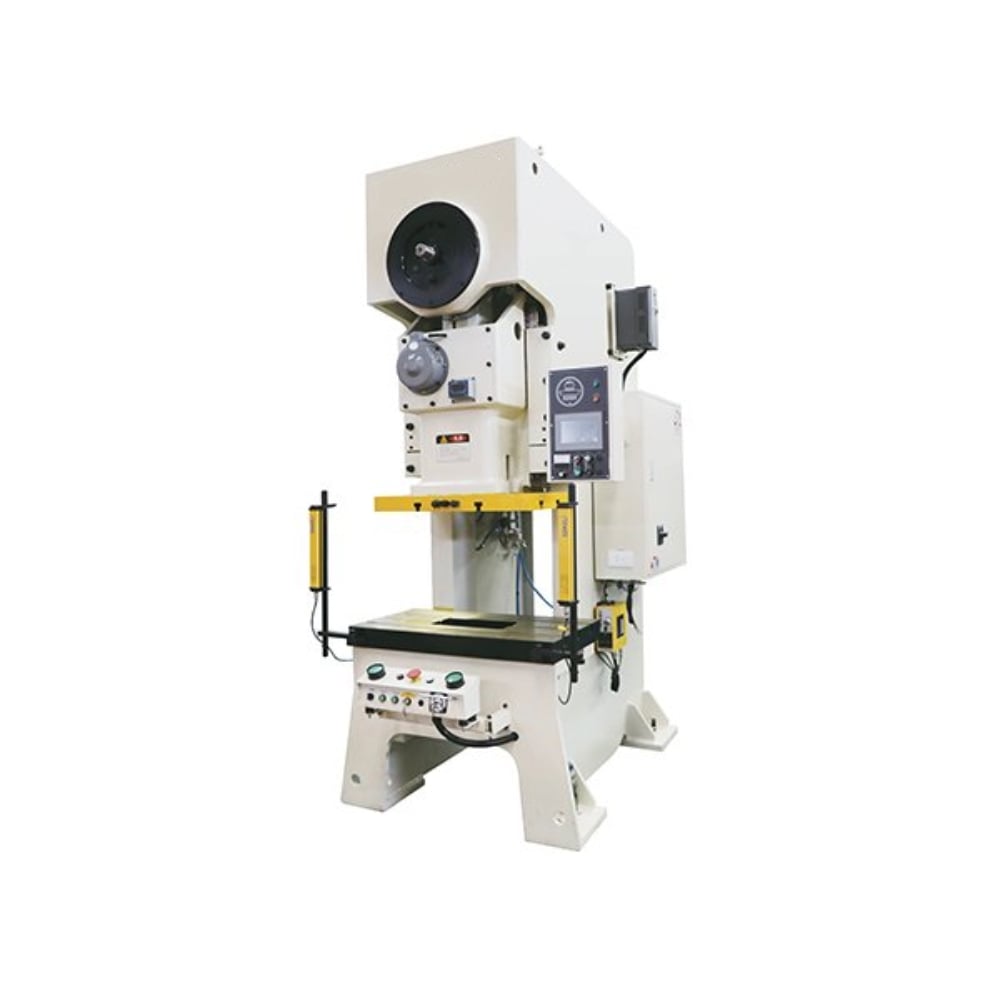
Key Considerations for Transport Equipment Fabrication
When implementing Punching Machine Applications In Bus, Train, Transport Equipment Manufacturing, several critical factors must be considered to ensure the final product meets safety and quality standards. The first consideration is material compatibility. Transport vehicles are increasingly using specialized alloys to reduce weight without sacrificing structural integrity. A punching machine must be able to handle these materials without causing work hardening or excessive burrs, which could lead to structural fatigue over time.
Precision and repeatability are equally vital. In the assembly of a bus or a train carriage, thousands of parts must fit together with sub-millimeter accuracy. Any deviation in the placement of a bolt hole or a mounting bracket can lead to significant delays on the assembly line. CNC punching machines excel here, offering repeatability that manual processes simply cannot match. Furthermore, the ability to program complex nesting patterns ensures that material waste is minimized, which is a significant cost factor when dealing with expensive metals like stainless steel or specialized aluminum.
Another key consideration is the integration of secondary operations. Modern transport components often require more than just holes. They need louvers for ventilation, countersinks for flush-mounted screws, and embossed areas for structural reinforcement. High-end punching machines, such as those offered by HARSLE, allow these features to be created in a single setup. This reduces the need for secondary machines, lowers labor costs, and minimizes the risk of damage during part handling between different stations.
Finally, the scale of production must be addressed. Transport manufacturing often involves large-format sheets. A punching machine with a large throat depth and an efficient sheet-repositioning system is necessary to process these oversized panels. Automation features, such as automatic load/unload systems, can further enhance productivity, allowing for lights-out manufacturing in high-volume environments. Safety standards are also paramount; machines must be equipped with light curtains, emergency stops, and enclosed work areas to protect operators in a busy industrial setting.
Technical Details of CNC Punching in Transport Manufacturing
The technical prowess of a punching machine is defined by its drive system, turret configuration, and control software. In the context of Punching Machine Applications In Bus, Train, Transport Equipment Manufacturing, the choice between hydraulic and servo-electric drives is significant. Hydraulic systems offer immense power and are often preferred for thicker materials used in chassis components. Servo-electric systems, on the other hand, provide exceptional energy efficiency and high-speed nibbling capabilities, making them ideal for thinner interior panels and decorative elements.
Turret Configuration and Tooling
The turret is the heart of the punching machine. For transport manufacturing, a high-capacity turret is essential. This allows the machine to hold a wide variety of tools—ranging from small round punches to large rectangular dies and specialized forming tools—without requiring frequent manual tool changes. Multi-tool stations further expand this capacity, allowing a single station to hold up to 8 or 16 different small tools. This flexibility is crucial when fabricating complex train interior panels that feature various cutouts for lighting, HVAC, and communication systems.
CNC Control and Software Integration
Modern punching machines are powered by sophisticated CNC controllers, such as those from Fanuc or Siemens. These controllers manage the precise movement of the X and Y axes, the rotation of the turret, and the timing of the punch stroke. Advanced software integration allows engineers to import CAD files directly into the machine’s nesting software. This software optimizes the layout of parts on a sheet to maximize material utilization and calculates the most efficient tool path to minimize cycle time. In the transport industry, where part geometries can be highly irregular, this digital workflow is indispensable.
| Feature | Requirement in Bus/Train Manufacturing | Benefit |
|---|---|---|
| Tonnage | 30 to 50 Tons | Ability to punch through thick structural steel and stainless steel. |
| Throat Depth | 1250mm to 1500mm+ | Accommodates large side panels and roof sections. |
| Hit Rate | 600 to 1000 HPM | High-speed production for large batches of components. |
| Auto-Index Stations | 2 to 4 Stations | Allows tools to rotate at any angle, reducing the number of tools needed. |
| Positioning Accuracy | ±0.1mm | Ensures perfect alignment during vehicle assembly. |
The table above highlights the typical specifications required for high-performance punching in the transport sector. Beyond these specs, the rigidity of the machine frame (often an O-frame or Bridge-frame design) is critical for maintaining accuracy over years of heavy use. A rigid frame prevents deflection during high-tonnage hits, ensuring that the punch and die remain perfectly aligned, which extends tool life and improves edge quality.
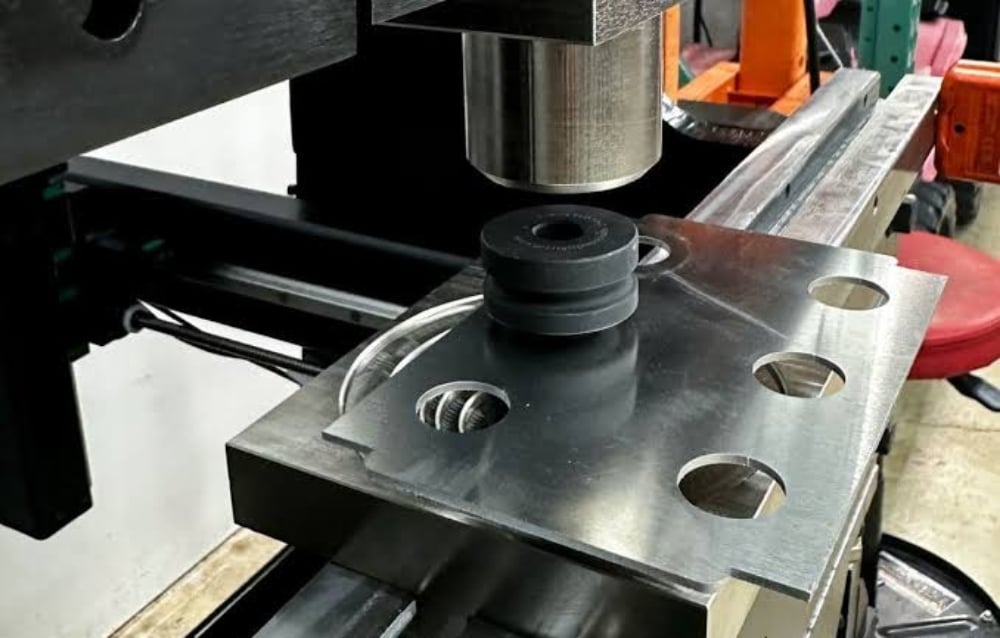
Specific Applications in the Transport Industry
The versatility of Punching Machine Applications In Bus, Train, Transport Equipment Manufacturing is best demonstrated through specific use cases. Each segment of the transport industry has unique requirements that the punching machine must address.
Bus and Coach Manufacturing
In bus manufacturing, punching machines are used extensively for both structural and aesthetic components. The chassis often requires thick steel plates with precise holes for engine mounting and suspension systems. Meanwhile, the bodywork involves large aluminum or galvanized steel panels. Punching machines create the window openings, door frames, and the perforated panels used in engine compartments for cooling. The ability to create louvers in-situ is particularly useful for battery cooling vents in modern electric buses.
Rail and Locomotive Production
The rail industry demands extreme durability. Train carriages feature long, continuous panels that require precise punching for rivets and fasteners. Interior components, such as luggage racks, seat frames, and ceiling panels, are often made from stainless steel or aluminum. Punching machines are used to create intricate patterns for acoustic dampening in ceiling panels and to fabricate the electrical cabinets that house the train’s control systems. The high repeatability of CNC punching ensures that every carriage in a fleet is identical, simplifying maintenance and repair.
Specialized Transport Equipment
Beyond buses and trains, punching machines are vital for manufacturing trailers, refrigerated trucks, and specialized logistics equipment. For example, the “E-track” systems used in trailers to secure cargo are often produced using high-speed punching lines. Refrigerated units require panels with specific thermal properties and precise cutouts for refrigeration units. The flexibility of the CNC turret punch press allows manufacturers to switch between different trailer designs quickly, catering to custom orders without significant downtime.
Selection Advice: Choosing the Right Punching Machine
Selecting a machine for Punching Machine Applications In Bus, Train, Transport Equipment Manufacturing requires a deep understanding of your production goals. Here is a checklist to guide your decision-making process:
- Assess Material Thickness: Determine the maximum thickness of the materials you will process. If you are primarily working with 6mm steel for chassis parts, you will need a higher tonnage machine (at least 50 tons) compared to a shop focusing on 2mm aluminum interior panels.
- Evaluate Sheet Size: Transport components are often large. Ensure the machine has a sufficient throat depth and a reliable repositioning system to handle long sheets without losing accuracy.
- Tooling Capacity: Look for a turret with enough stations to minimize tool changes. If your parts require many different hole sizes or forming operations, a larger turret or the use of multi-tools is a must.
- Software Compatibility: Ensure the machine’s software integrates seamlessly with your existing CAD/CAM systems. Features like automatic nesting and remote diagnostics can significantly improve ROI.
- After-Sales Support: Industrial machinery is a long-term investment. Choose a manufacturer like HARSLE that provides robust technical support, readily available spare parts, and operator training.
- Automation Options: Consider whether you need automatic loading and unloading. While it increases initial cost, it can drastically reduce labor costs and increase machine utilization in high-volume transport manufacturing.
It is also worth considering the environmental impact. Servo-electric punching machines consume significantly less power than traditional hydraulic models and do not require hydraulic oil, making them a cleaner choice for modern, sustainable factories. However, for the heaviest applications, the raw power of a high-end hydraulic system remains the industry standard.
Frequently Asked Questions (FAQ)
1. What materials can be processed by punching machines in transport manufacturing?
Punching machines can process a wide range of materials including cold-rolled steel, stainless steel, aluminum alloys, galvanized steel, and even certain types of heavy-duty plastics or composites used in vehicle interiors. The key is selecting the correct punch and die clearance for each material type.
2. How does CNC punching compare to laser cutting for bus and train parts?
While laser cutting is excellent for complex contours and very thick materials, CNC punching is significantly faster for repetitive hole patterns and offers the unique ability to perform forming operations like louvering, embossing, and countersinking. In many transport manufacturing setups, both machines are used in tandem to leverage their respective strengths.
3. Can punching machines handle the large panels used in train roofs?
Yes, provided the machine is equipped with a large throat depth and an automatic repositioning system. This allows the machine to move the sheet and continue punching along the entire length of a 10-meter or 20-meter panel with high precision.
4. What maintenance is required for a CNC turret punch press?
Regular maintenance includes lubricating the turret and moving axes, checking hydraulic oil levels (for hydraulic models), inspecting the electrical system, and sharpening or replacing tools. Proper tool maintenance is especially important in transport manufacturing to ensure clean edges and prevent material deformation.
5. Is it possible to punch high-strength steel used in safety-critical components?
Yes, but it requires a high-tonnage machine and specialized tooling made from high-grade tool steel or carbide. The machine must also be rigid enough to handle the shock of punching high-strength materials without vibrating, which could affect accuracy.
Conclusion: The Future of Punching in Transport Manufacturing
The role of Punching Machine Applications In Bus, Train, Transport Equipment Manufacturing continues to expand as technology advances. With the rise of electric vehicles (EVs) in the bus and truck sectors, the demand for precision-punched components for battery enclosures and thermal management systems is skyrocketing. These components require high precision and the ability to work with specialized materials that dissipate heat efficiently.
Furthermore, the trend toward Industry 4.0 means that punching machines are becoming more connected. Real-time data monitoring allows manufacturers to track tool wear, predict maintenance needs, and optimize production schedules from a central control room. HARSLE remains at the forefront of this movement, providing machines that are not only powerful and precise but also smart and efficient.
In conclusion, whether you are building the next generation of high-speed trains or a fleet of urban transit buses, the punching machine is an indispensable partner. By choosing the right equipment and leveraging the full capabilities of CNC technology, manufacturers can achieve the perfect balance of speed, quality, and cost-effectiveness, ensuring they remain competitive in the fast-paced world of transport equipment manufacturing.












