How CNC Punching Machines Expand Metal Fabrication Applications


The Evolution of Sheet Metal Processing
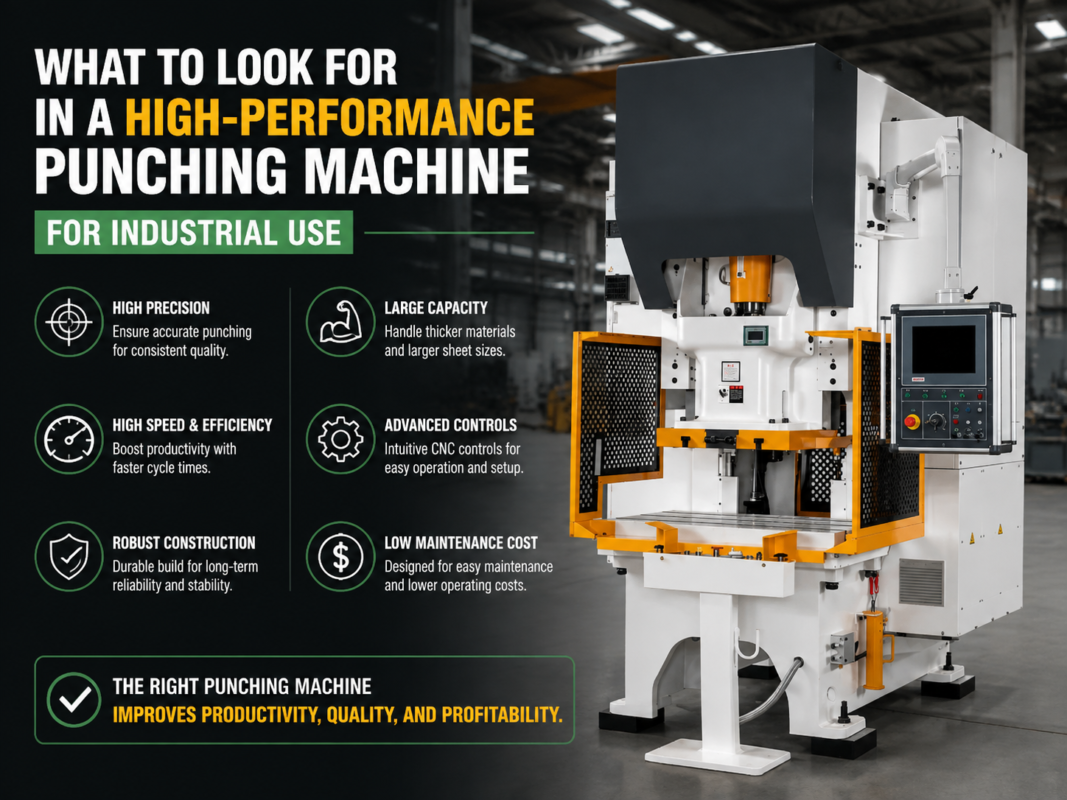
The landscape of modern manufacturing has undergone a seismic shift with the integration of Computer Numerical Control (CNC) technology. Among the most transformative tools in this evolution is the CNC punching machine. Traditionally, metal punching was a labor-intensive process, requiring manual layout, physical templates, and significant downtime for tool changes. Today, CNC punching machines expand metal fabrication applications by offering unparalleled precision, speed, and versatility. These machines are no longer just for simple hole-punching; they have become multi-functional work centers capable of forming, threading, and complex contouring.
For industrial manufacturers, the adoption of CNC punching technology represents a move toward high-efficiency production environments. By automating the movement of the sheet metal and the selection of tools, these machines minimize human error and maximize material utilization. HARSLE, a leader in the metal fabrication machinery industry, has been at the forefront of this technological surge, providing equipment that meets the rigorous demands of global supply chains. The ability to program complex sequences allows fabricators to transition from prototype to mass production with minimal friction.
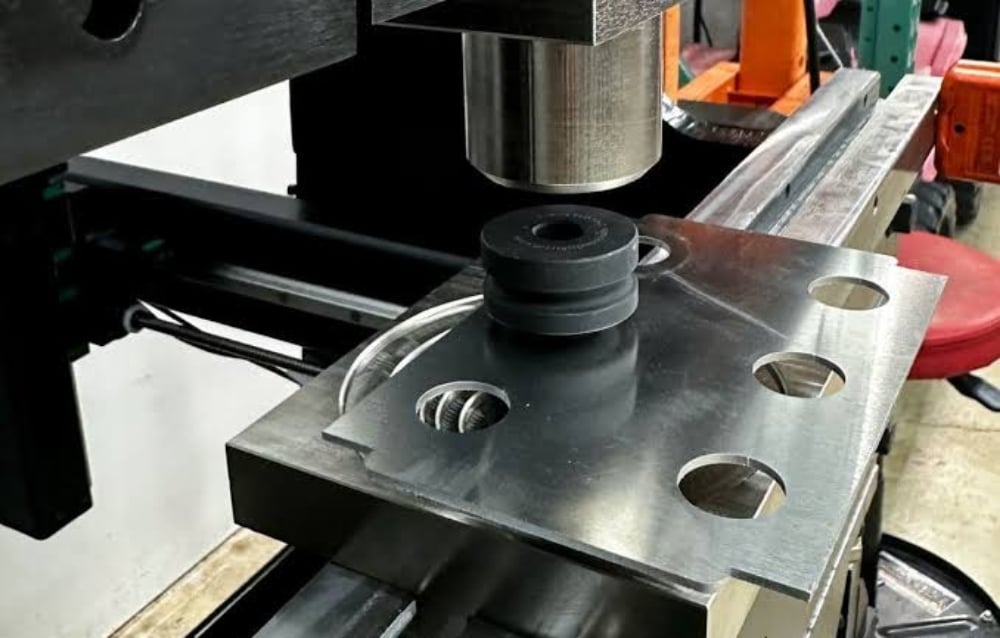
As we look deeper into how CNC punching machines expand metal fabrication applications, it is essential to understand that their value lies in their flexibility. Unlike specialized machines that only perform one task, a CNC turret punch press can house dozens of different tools, allowing it to complete a finished part in a single setup. This capability reduces the need for secondary operations, thereby lowering the overall cost per part and shortening lead times for customers across various sectors, from electronics to heavy machinery.
Key Considerations for Modern Metal Fabrication
When evaluating how CNC punching machines expand metal fabrication applications, several key considerations come into play. The first is the sheer versatility of the tooling. Modern CNC punch presses are equipped with turrets that can hold a wide variety of tools, including standard rounds, squares, and rectangles, as well as specialized forming tools. This means a single machine can create louvers, knockouts, countersinks, and even ribs for structural reinforcement. This multi-functional approach is a primary driver for shops looking to diversify their service offerings.
Another critical factor is the speed of operation. CNC punching machines are exceptionally fast, especially when dealing with repetitive patterns or large numbers of holes. While laser cutting has gained popularity for complex outer contours, the mechanical punch remains the king of speed for internal geometries and forming operations. The high hit rate of modern machines—often exceeding 600 hits per minute—ensures that high-volume orders are processed in a fraction of the time required by older methods.
Material compatibility is also a major consideration. CNC punching machines are effective across a broad spectrum of materials, including cold-rolled steel, stainless steel, aluminum, and even certain plastics. The ability to handle different gauges, typically ranging from 0.5mm to over 6mm depending on the machine’s tonnage, makes it a staple in shops that serve diverse industries. Furthermore, the precision of CNC control ensures that even thin, delicate materials are processed without warping or excessive burring.
Finally, the integration of advanced software cannot be overlooked. Modern CAD/CAM systems allow for sophisticated nesting, which optimizes the layout of parts on a sheet to minimize waste. This software also simulates the punching process, identifying potential collisions or errors before the machine even starts. This digital twin approach reduces scrap and ensures that the first part produced is as perfect as the thousandth. For businesses, this translates to higher profitability and a more sustainable manufacturing process.
Technical Details of CNC Punching Machines
To truly appreciate how CNC punching machines expand metal fabrication applications, one must delve into the technical specifications that define their performance. The heart of the machine is the turret and the drive system. Turrets are typically categorized as “thick” or “thin,” referring to the style of tooling they accept. Thick turret tooling is widely considered the industry standard due to its durability and better guidance, which leads to longer tool life and higher precision. The number of stations in a turret can range from 12 to over 50, often including “auto-index” stations that can rotate a tool to any angle, significantly increasing the machine’s flexibility.
The drive system is another technical marvel. Historically, hydraulic systems were the standard, providing the high force necessary for thick materials. However, the industry is seeing a shift toward servo-electric drive systems. Servo-electric punches offer better energy efficiency, quieter operation, and precise control over the ram’s position. This precision is vital for forming operations, where the depth of the stroke must be controlled to within microns to achieve consistent results in tasks like countersinking or embossing.
| Feature | Hydraulic CNC Punch | Servo-Electric CNC Punch |
|---|---|---|
| Power Consumption | High (Constant pump operation) | Low (Power used only during stroke) |
| Precision | High | Ultra-High (Micron control) |
| Maintenance | Moderate (Oil changes, seals) | Low (Fewer moving parts) |
| Noise Level | Higher | Lower |
| Forming Capability | Good | Excellent |
The CNC controller serves as the brain of the operation. Modern controllers, such as those used by HARSLE, feature user-friendly interfaces that allow operators to monitor machine status in real-time. These systems support G-code and M-code programming but also offer conversational programming for simpler tasks. Connectivity is also a key technical trend; many machines are now IoT-enabled, allowing for remote diagnostics and performance tracking, which is essential for maintaining high uptime in a competitive market.
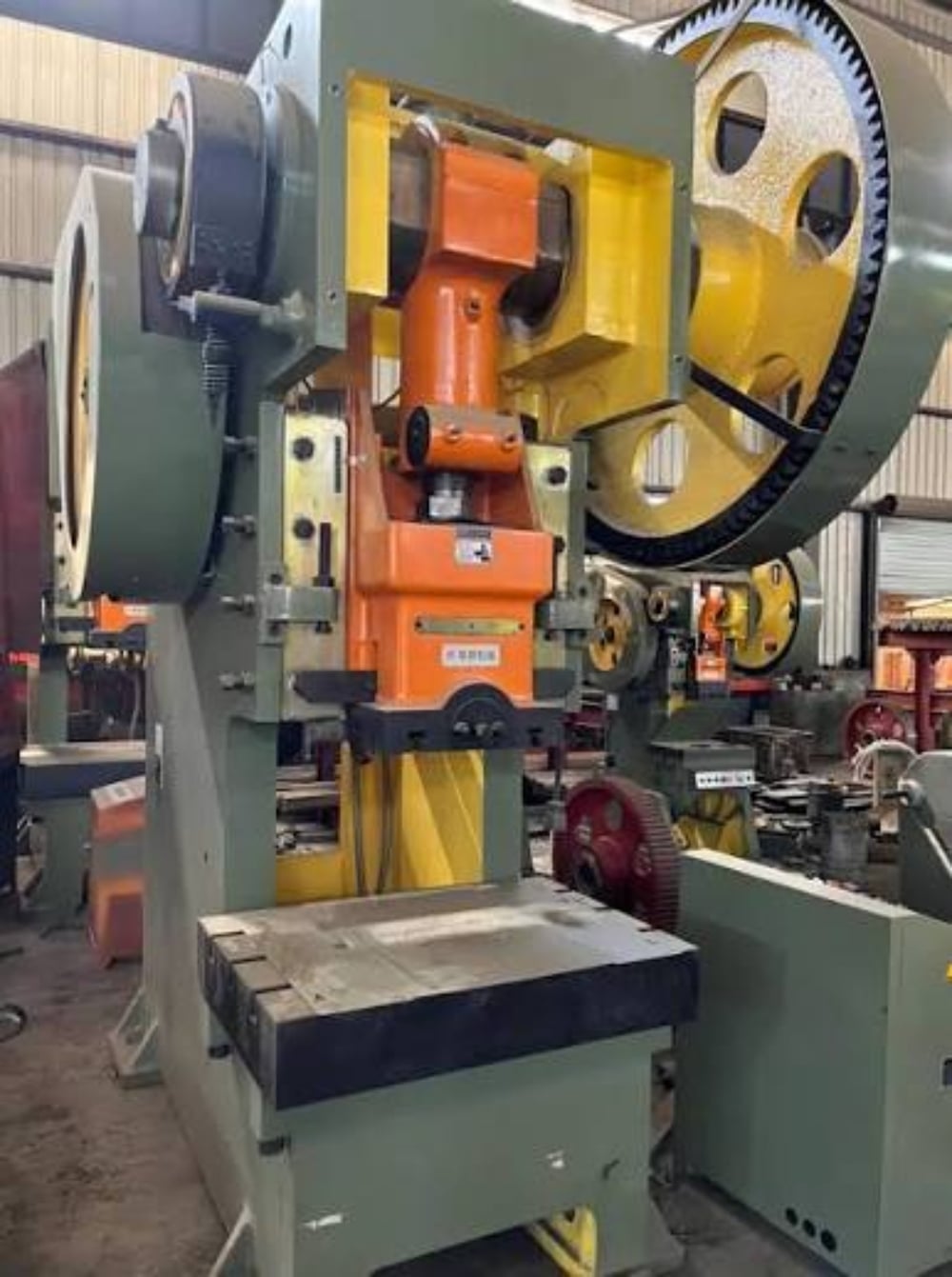
Furthermore, the frame design—usually a closed O-frame or an open C-frame—impacts the machine’s stability and the maximum sheet size it can handle. O-frames are generally more rigid, reducing deflection during high-tonnage hits and ensuring better alignment between the punch and the die. This rigidity is crucial for maintaining tight tolerances over long production runs. The combination of a robust frame, a precise drive system, and intelligent software is what allows these machines to push the boundaries of what is possible in sheet metal fabrication.
Expanding Applications Across Industries
The versatility of these machines is best demonstrated by the wide range of industries they serve. In the electronics sector, CNC punching machines expand metal fabrication applications by creating intricate enclosures for servers, computers, and telecommunications equipment. These parts often require numerous small holes for ventilation, precise cutouts for connectors, and formed features like standoffs or grounding tabs. The ability to perform all these tasks on one machine makes CNC punching the most cost-effective solution for these high-precision components.
In the HVAC (Heating, Ventilation, and Air Conditioning) industry, the demand for large panels with specific perforated patterns and louvers is immense. CNC punching machines excel here, as they can quickly process large sheets of galvanized steel or aluminum. The forming capabilities are particularly useful for creating the louvers required for airflow while maintaining the structural integrity of the panel. This efficiency allows HVAC manufacturers to keep up with seasonal demands and large-scale construction projects.
The automotive and aerospace industries also benefit significantly. While many structural components are stamped or forged, there is a vast array of brackets, heat shields, and interior panels that are perfectly suited for CNC punching. In aerospace, where weight reduction is critical, the ability to punch complex lightening holes with high repeatability is invaluable. The precision of CNC technology ensures that these parts meet the stringent safety and quality standards required in these high-stakes sectors.
Architectural metalwork is another growing field. Perforated facades, decorative screens, and custom ceiling panels are increasingly popular in modern building design. CNC punching machines allow architects and designers to realize complex aesthetic visions by translating digital patterns directly onto metal sheets. The ability to vary hole sizes and spacing across a single sheet creates visual gradients and textures that would be impossible or prohibitively expensive to achieve through other means. This intersection of art and engineering is a testament to the expanding role of CNC punching in the modern world.
Selection Advice for Industrial Buyers
Choosing the right CNC punching machine is a strategic decision that can define a fabrication shop’s capabilities for a decade or more. The first step in the selection process is to analyze your typical workload. If your shop primarily handles thin-gauge materials for electronics, a high-speed machine with a large tool capacity might be the priority. Conversely, if you are working with thicker plates for industrial equipment, the tonnage and frame rigidity become the most critical factors. HARSLE offers a range of tonnages, typically from 20 to 50 tons, to suit different application needs.
Consider the following checklist when evaluating a machine:
- Tonnage: Does the machine have enough force to punch your thickest material at the largest required hole diameter?
- Turret Capacity: How many tools can the machine hold? More stations mean fewer manual tool changes and higher productivity.
- Auto-Index Stations: How many stations can rotate? This is vital for complex geometries and reducing the total number of tools needed.
- Sheet Size and Repositioning: What is the maximum sheet size the machine can handle without repositioning? Efficient repositioning systems are necessary for large panels.
- Software Integration: Is the machine compatible with your existing CAD/CAM software? Ease of programming is a major factor in operational efficiency.
- After-Sales Support: Does the manufacturer offer robust technical support, spare parts availability, and training?
It is also wise to look at the total cost of ownership, not just the initial purchase price. Servo-electric machines may have a higher upfront cost but offer significant savings in electricity and maintenance over time. Additionally, consider the footprint of the machine. In many shops, floor space is at a premium, and a compact design that does not sacrifice performance can be a major advantage. Finally, always request a live demonstration or a sample part run to verify the machine’s precision and finish quality on your specific materials.
Maintenance and Safety Protocols
To ensure that CNC punching machines continue to expand metal fabrication applications effectively, a rigorous maintenance schedule is mandatory. The most common cause of downtime is tool wear. Dull punches and dies not only produce poor-quality parts with excessive burrs but also put unnecessary strain on the machine’s drive system. Implementing a regular tool sharpening program and using high-quality tool coatings can significantly extend the life of your equipment. Furthermore, keeping the turret clean and well-lubricated ensures smooth tool indexing and prevents jams.
For hydraulic machines, oil quality is paramount. Regular oil changes and filter replacements prevent contaminants from damaging sensitive valves and pumps. In servo-electric machines, maintenance is generally simpler, focusing on the mechanical components like ball screws and linear guides. Regardless of the drive type, checking the alignment between the punch and die (the “clearing”) is a critical task that should be performed periodically to prevent tool breakage and ensure part accuracy.
Safety is equally important. Modern CNC punching machines are equipped with light curtains, emergency stop buttons, and interlocked guarding to protect operators. However, safety also depends on proper training. Operators must be taught how to load sheets correctly, how to handle sharp tools safely, and how to respond to machine alarms. A culture of safety not only protects the workforce but also prevents costly damage to the machinery caused by improper use. Regular safety audits and adherence to international standards like CE or ISO are hallmarks of a professional fabrication environment.
Frequently Asked Questions
1. How does CNC punching compare to laser cutting?
CNC punching is generally faster and more cost-effective for repetitive patterns, internal holes, and forming operations (like louvers). Laser cutting is superior for complex external contours and thicker materials where a mechanical punch might struggle. Many modern shops use both technologies to complement each other.
2. Can a CNC punching machine handle stainless steel?
Yes, CNC punching machines can process stainless steel, but it requires higher tonnage and specialized tooling due to the material’s hardness and work-hardening properties. Proper lubrication is also essential when punching stainless steel to prevent galling.
3. What is “nibbling” in CNC punching?
Nibbling is a process where the machine makes a series of overlapping punches to create a large or complex shape that is bigger than any single tool in the turret. While it is slower than a single hit, it allows for great flexibility in creating custom contours.
4. How long do CNC punch tools last?
Tool life depends on the material being punched, the thickness, and the maintenance of the tool. With regular sharpening and proper lubrication, a high-quality punch can last for hundreds of thousands of hits.
5. Is CNC punching suitable for small batch production?
Absolutely. While it excels at high volumes, the ease of programming and the ability to keep a wide variety of tools in the turret make it very efficient for small batches and prototyping as well.
Conclusion
In conclusion, CNC punching machines expand metal fabrication applications by bridging the gap between traditional mechanical processing and high-tech automation. Their ability to perform multiple operations—punching, forming, and marking—within a single cycle makes them an indispensable asset for any modern fabrication shop. As industries demand higher precision, faster turnaround times, and more complex designs, the role of the CNC turret punch press will only continue to grow.
By investing in high-quality machinery from reputable manufacturers like HARSLE, businesses can ensure they stay competitive in an ever-changing market. Whether you are producing simple brackets or complex architectural facades, the versatility and efficiency of CNC punching technology provide the foundation for innovation and growth. As we look to the future, the continued integration of smart technology and sustainable drive systems will further solidify the CNC punching machine’s place as a cornerstone of industrial manufacturing.