How to Evaluate Punching Machine Capacity, Speed, and Accuracy Before Purchase


Introduction to Evaluating Punching Machine Performance
In the competitive world of metal fabrication, selecting the right machinery is not just about the initial investment; it is about the long-term productivity and precision the machine brings to your shop floor. When you look to evaluate punching machine capacity, speed, and accuracy before purchase, you are essentially looking at the three pillars that determine your operational efficiency. A machine that lacks capacity will limit the thickness of materials you can process, while a lack of speed will create bottlenecks in high-volume production. Conversely, a machine that lacks accuracy will lead to high scrap rates and assembly issues downstream.
HARSLE understands that for modern manufacturers, the decision-making process involves a deep dive into technical specifications and real-world performance metrics. This guide is designed to walk you through the critical factors of capacity, speed, and accuracy, providing you with the knowledge needed to make an informed investment. Whether you are upgrading from manual processes or expanding a high-tech CNC facility, understanding these metrics is the first step toward achieving a high return on investment (ROI).
Price Range Overview: What to Expect
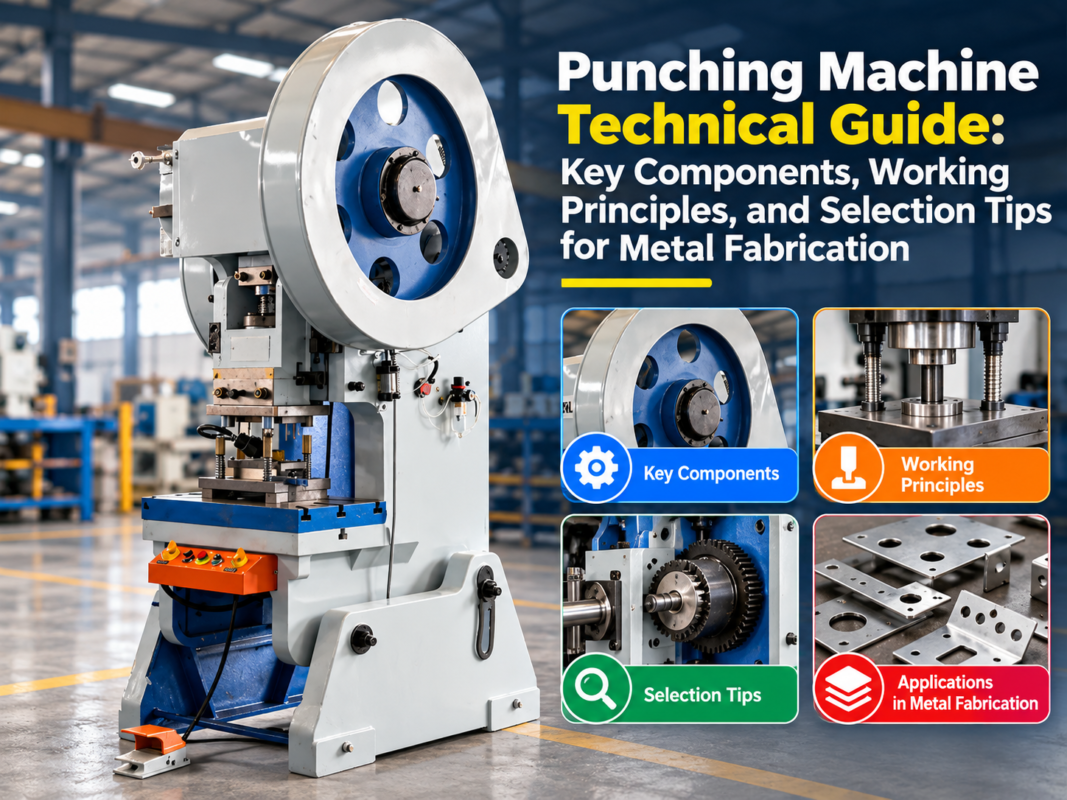
The price of a punching machine varies significantly based on its technology, automation level, and brand reputation. Generally, the market is divided into three primary tiers: entry-level manual or mechanical punches, mid-range CNC hydraulic punches, and high-end servo-electric turret punch presses. Understanding where your needs fall within these ranges is crucial for budgeting.
- Entry-Level (Manual/Mechanical): $5,000 – $25,000
These machines are typically used for low-volume production or simple hole-punching tasks. They offer limited capacity (usually under 20 tons) and rely heavily on operator skill for accuracy. While affordable, they lack the speed and repeatability required for complex industrial fabrication. - Mid-Range (CNC Hydraulic): $40,000 – $90,000
This is the sweet spot for many small to medium-sized fabrication shops. These machines offer CNC control, allowing for automated positioning and multi-tool turrets. They typically provide 20 to 30 tons of punching force and are capable of handling a wide variety of sheet metal thicknesses with respectable speed. - High-End (Servo-Electric/High-Speed Turret): $120,000 – $350,000+
Designed for 24/7 high-volume production, these machines utilize advanced servo-electric technology. They offer the highest hits-per-minute (HPM) rates, exceptional energy efficiency, and precision that remains consistent over years of heavy use. They often come with automated loading and unloading systems.
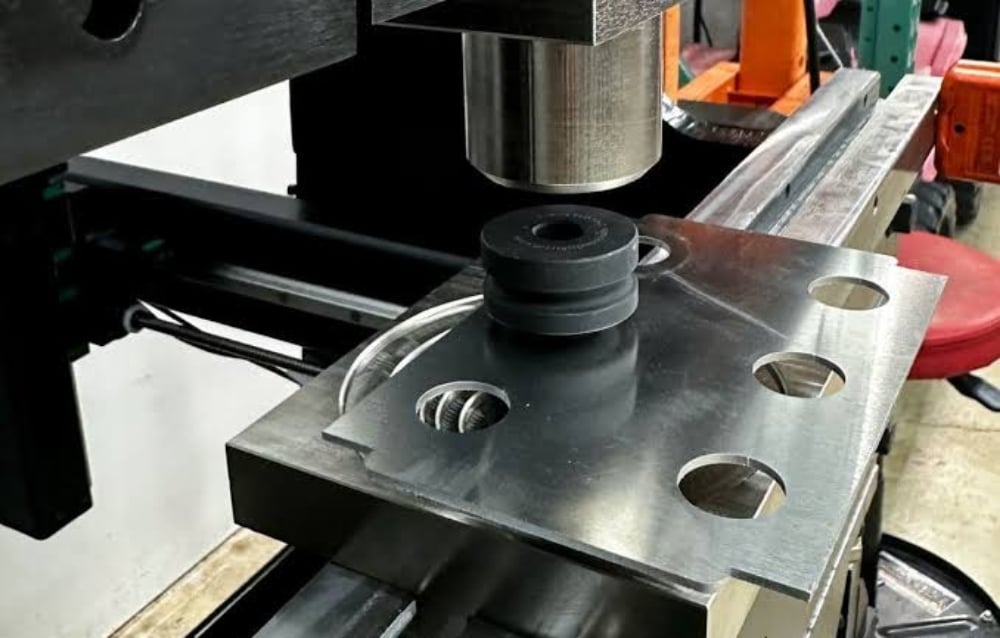
Main Cost Drivers in Punching Machinery
When you evaluate punching machine capacity, speed, and accuracy before purchase, you will notice that certain features drive the price up more than others. Identifying these drivers helps you decide where to allocate your budget for the best performance gains.
1. Tonnage and Frame Construction
The tonnage (punching force) is perhaps the most significant cost driver. A 30-ton machine requires a much more robust frame and more powerful hydraulic or servo systems than a 15-ton machine. Furthermore, the frame type—O-frame (bridge) vs. C-frame (gap)—impacts both cost and accuracy. O-frames are generally more expensive because they offer superior rigidity, which minimizes “frame yawn” or deflection during high-tonnage hits, ensuring better tool alignment and longer tool life.
2. Turret Configuration and Tooling Stations
The number of stations in the turret directly affects the machine’s versatility. A machine with 16 stations will be cheaper than one with 32 or 50 stations. Additionally, the inclusion of “Auto-Index” stations—which allow the tool to rotate to any angle—adds significant cost but drastically reduces the number of tools needed and the time spent on manual tool changes.
3. Control Systems and Software
The “brain” of the machine, the CNC controller (such as Fanuc, Siemens, or proprietary HARSLE systems), plays a massive role in the price. High-end controllers offer faster processing speeds, better graphical interfaces, and more advanced nesting software. This software is vital for optimizing material usage and reducing waste, which contributes to the overall value of the machine.
Configuration Impact on Capacity, Speed, and Accuracy
The technical configuration of the machine determines its physical limits. To effectively evaluate punching machine capacity, speed, and accuracy before purchase, you must look at how the drive system and mechanical components interact.
Evaluating Capacity
Capacity is not just about the maximum thickness of the metal. It also involves the maximum sheet size the machine can handle without repositioning. Look for the “throat depth” and the X/Y axis travel. If you frequently work with 4×8 foot sheets, a machine that can handle that size in a single setup will be much more efficient than one requiring multiple repositions. Furthermore, consider the “punching diameter vs. thickness” ratio; a machine might be rated for 6mm steel, but it may only be able to punch a 20mm hole in that thickness, not a 50mm hole.
Evaluating Speed
Speed is measured in Hits Per Minute (HPM). However, you must distinguish between “marking speed,” “nibbling speed,” and “25mm centers speed.” A machine might boast 1000 HPM for marking, but only 300 HPM when moving 25mm between holes. The acceleration and deceleration rates of the X and Y axes are often more important than the raw HPM, as they determine how quickly the machine moves between punch locations.
Evaluating Accuracy
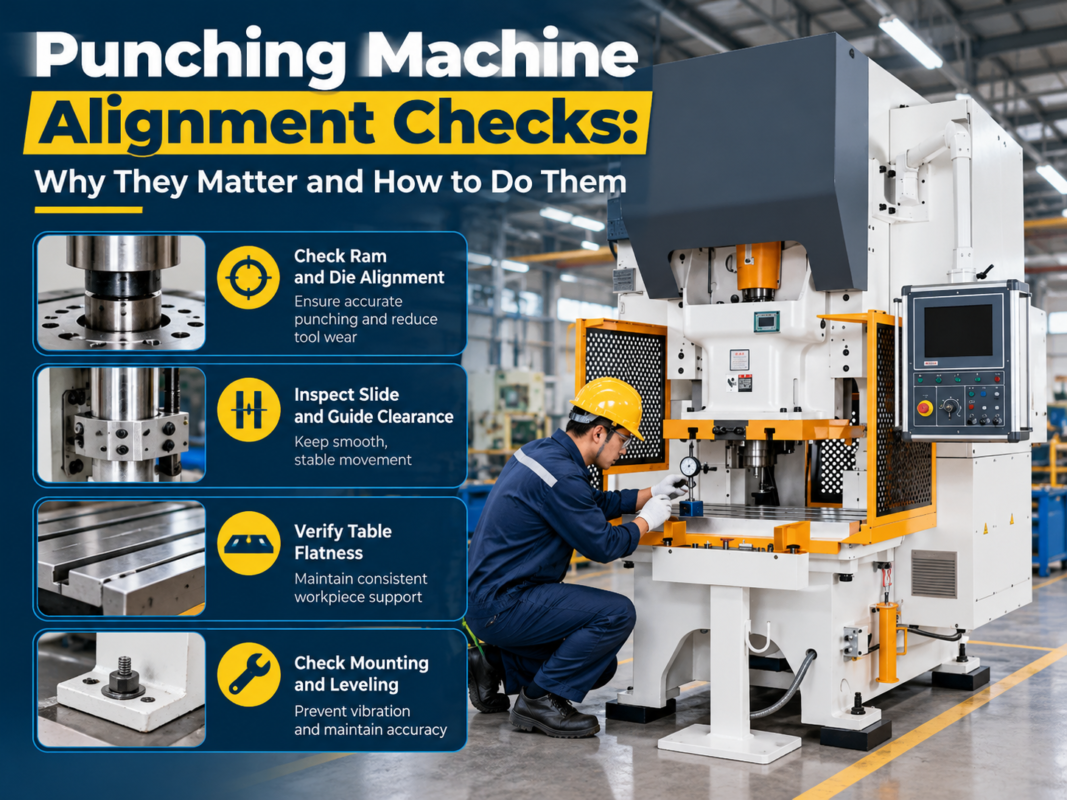
Accuracy is defined by positioning accuracy and repeatability. High-quality machines offer positioning accuracy within ±0.1mm. This is achieved through high-precision ball screws, linear guides, and stable frame designs. When evaluating accuracy, ask about the machine’s thermal stability—does the accuracy drift as the hydraulic oil heats up during a long shift? Servo-electric machines often have an advantage here as they generate less heat than hydraulic systems.
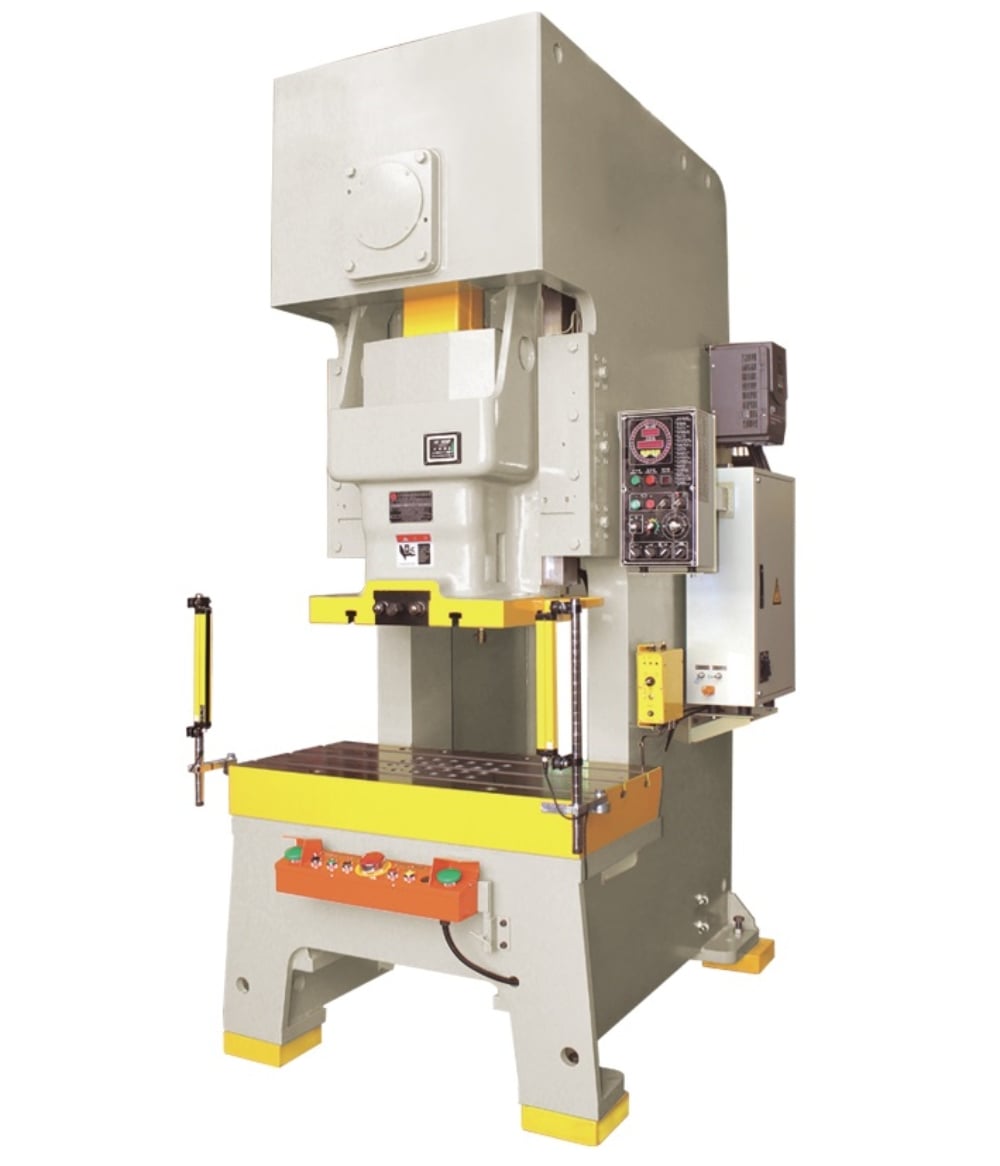
Hidden Costs to Consider
The purchase price is only the beginning. To truly evaluate punching machine capacity, speed, and accuracy before purchase, you must factor in the total cost of ownership (TCO).
- Tooling Investment: Unlike a laser cutter, a punching machine requires physical tools for every shape. A full set of high-quality thick-turret tools can cost several thousand dollars. You also need to account for the cost of a tool grinder to maintain punch sharpness.
- Power Consumption: Hydraulic machines require the pump to run constantly, consuming significant electricity even when not punching. Servo-electric machines only consume power during the actual stroke, which can save thousands of dollars in annual energy costs.
- Maintenance and Spare Parts: Hydraulic systems require oil changes, filter replacements, and seal maintenance. CNC systems require periodic software updates and electronic component checks. Ensure that spare parts are readily available from the manufacturer.
- Floor Space and Installation: Some large turret presses require specialized foundations (reinforced concrete) to handle the vibration and weight. This civil engineering work can add significant upfront costs.
ROI Calculation: Making the Business Case
Calculating the Return on Investment (ROI) is the final step in the evaluation process. To do this, compare your current production costs (or the cost of outsourcing) against the projected costs of the new machine. Factors to include in your ROI calculation:
- Labor Savings: How many man-hours will be saved by the machine’s speed and automation?
- Material Utilization: Advanced nesting software can often reduce scrap by 10-15%, which adds up to massive savings over a year.
- Secondary Operations: A high-accuracy machine produces parts that don’t need deburring or manual correction, saving time in the assembly department.
- Increased Capacity: The ability to take on more complex or higher-volume jobs that you previously had to turn down.
For example, if a $100,000 machine saves $3,000 a month in labor and $1,000 a month in material waste, the machine pays for itself in just 25 months, not accounting for the increased revenue from higher throughput.
Buying Advice: A Step-by-Step Checklist
Before signing a purchase agreement, follow this checklist to ensure you have thoroughly evaluated the punching machine capacity, speed, and accuracy:
- Request a Sample Part: Send a CAD file of your most complex part to the manufacturer. Have them punch it and send you the finished piece. Measure the hole tolerances and check for burrs.
- Verify the HPM: Ask for the hits-per-minute on 25mm centers, not just the maximum marking speed.
- Check the Turret Compatibility: Ensure the machine uses standard tooling (like Ultra-style or Thick Turret) so you aren’t locked into a single, expensive tooling supplier.
- Assess the Software: Is the CAM software user-friendly? Does it support automatic nesting? Can it import files from your existing CAD programs?
- Evaluate After-Sales Support: Does the manufacturer have technicians in your region? What is the typical response time for a service call?
Frequently Asked Questions (FAQ)
What is the difference between a mechanical and a hydraulic punching machine?
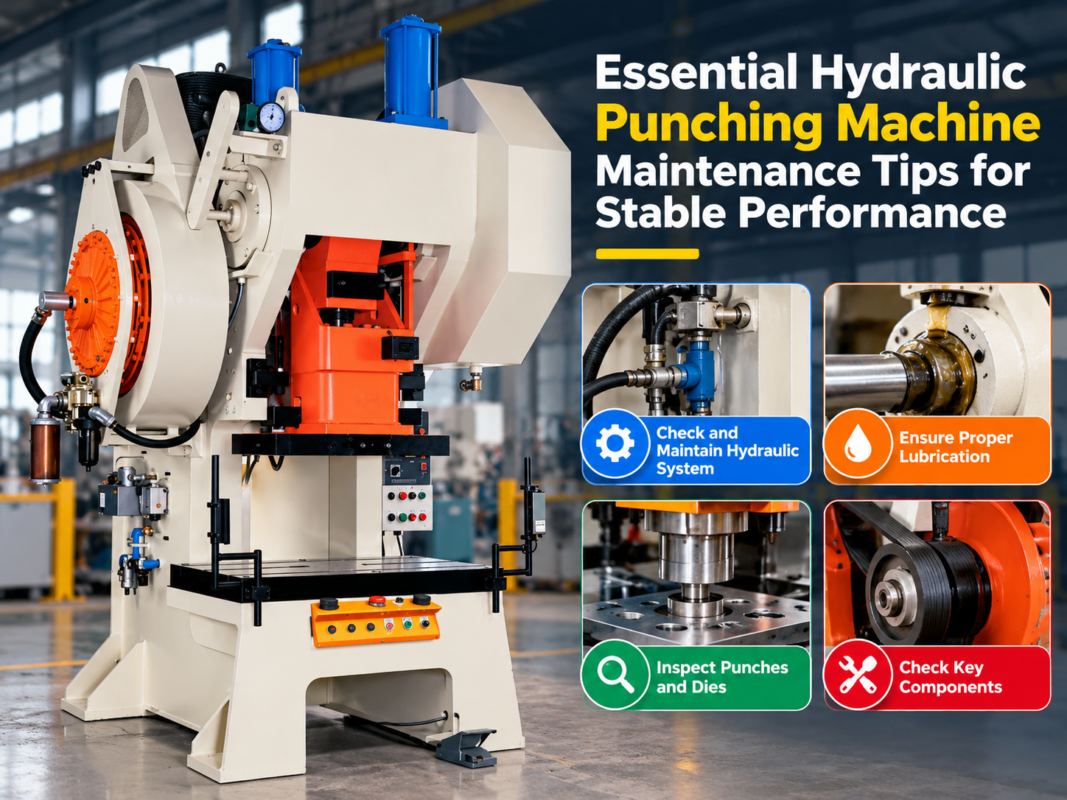
Mechanical punching machines use a flywheel to store energy, providing a fixed stroke. They are fast but lack flexibility. Hydraulic machines use fluid power, allowing for adjustable stroke lengths and constant pressure throughout the hit, which is better for forming operations like louvers or ribs.
How does servo-electric technology compare to hydraulic?
Servo-electric machines are more energy-efficient, quieter, and more accurate because the ram position is controlled electronically. They also require less maintenance since there is no hydraulic oil to manage. However, they generally have a higher initial purchase price.
What tonnage do I need for my shop?
This depends on the thickest material and the largest hole diameter you plan to punch. A common formula is: Tonnage = (Perimeter of hole x Material Thickness x Shear Strength) / 2000. Most general fabrication shops find that a 20-30 ton machine covers 90% of their needs.
Can a punching machine replace a laser cutter?
Not entirely, but they are complementary. Punching machines are much faster for repetitive holes and can perform forming operations (like countersinks and tabs) that lasers cannot. Lasers are better for complex, irregular contours in thicker materials.
How often should I sharpen my punching tools?
Tool life depends on the material being punched. Stainless steel wears tools faster than aluminum. Generally, tools should be inspected every 10,000 to 50,000 hits and sharpened as soon as you notice a slight increase in burr height on the workpiece.
Conclusion
To evaluate punching machine capacity, speed, and accuracy before purchase is to safeguard the future of your manufacturing business. By looking beyond the sticker price and analyzing the technical configurations, hidden costs, and potential ROI, you ensure that the machine you bring onto your floor is an asset, not a liability. HARSLE remains committed to providing high-performance machinery that meets these rigorous standards, helping fabricators worldwide achieve precision and efficiency in every hit.