Manual vs CNC Punching Machine: Which One Is Best for Your Workshop?


Introduction to the Punching Machine Dilemma
In the competitive landscape of modern metal fabrication, the choice of machinery can dictate the trajectory of a workshop’s growth. Among the most critical decisions for any facility manager or business owner is the selection between a manual punching machine and a Computer Numerical Control (CNC) punching machine. This decision is not merely about the initial purchase price; it involves a complex evaluation of production volume, precision requirements, labor availability, and long-term scalability. At HARSLE, we have observed that workshops often struggle to balance the immediate cost savings of manual equipment against the high-efficiency potential of CNC systems.
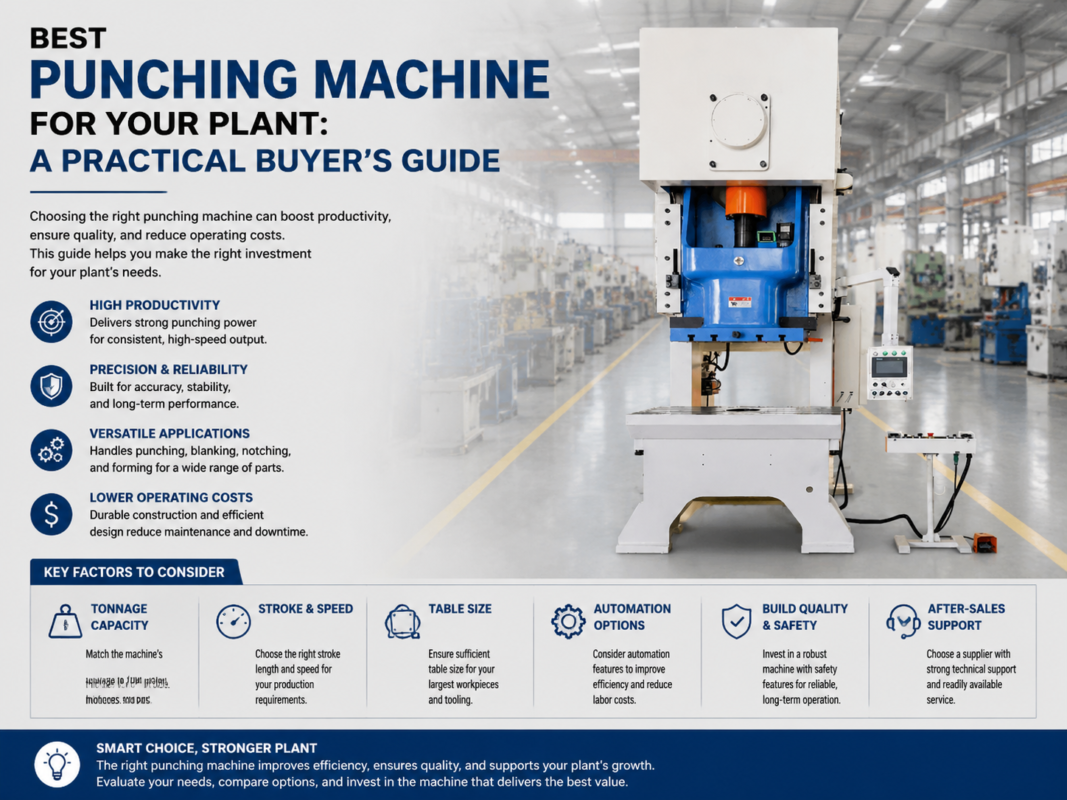
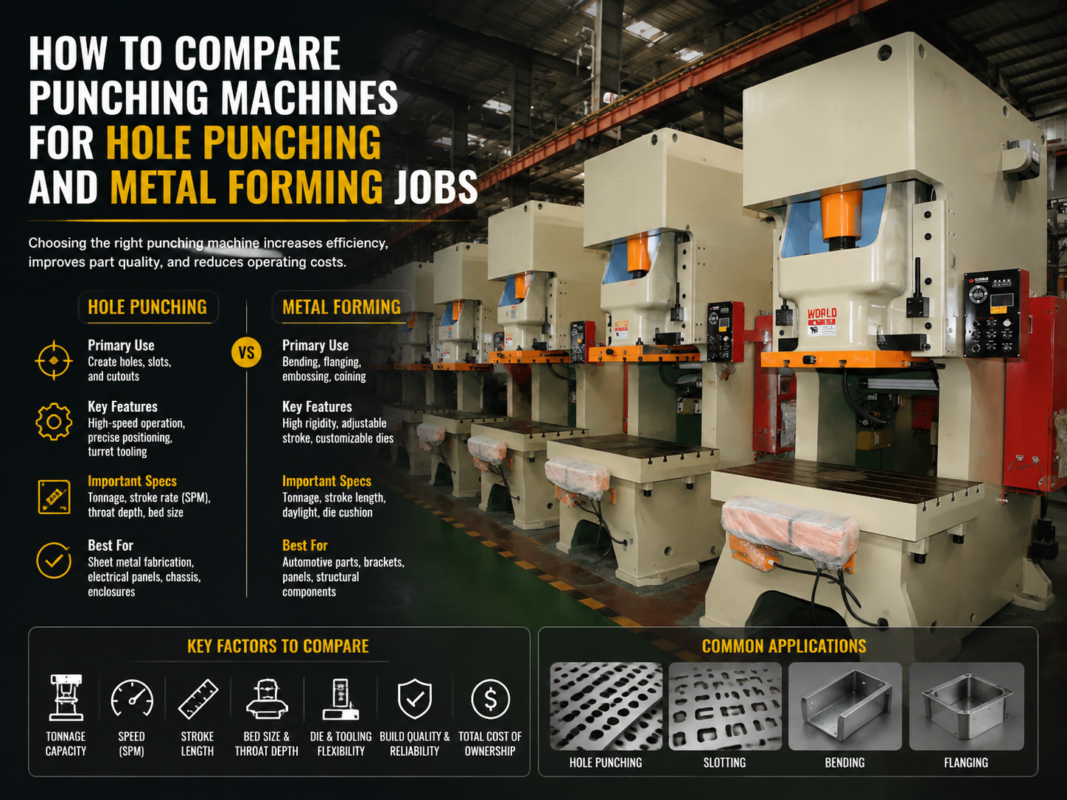
Punching machines are the workhorses of sheet metal shops, responsible for creating holes, louvers, and complex cutouts in materials ranging from thin aluminum to heavy-duty stainless steel. While the fundamental physics of the punch-and-die process remains the same, the method of execution differs vastly between manual and automated systems. A manual machine relies heavily on the operator’s skill and physical coordination, whereas a CNC machine utilizes sophisticated software and high-speed servo motors to execute precise patterns with minimal human intervention. Understanding the nuances of Manual Vs CNC Punching Machine: Which One Is Best Workshop? requires a deep dive into the financial and operational mechanics of both technologies.
Price Range Overview: Initial Investment Realities
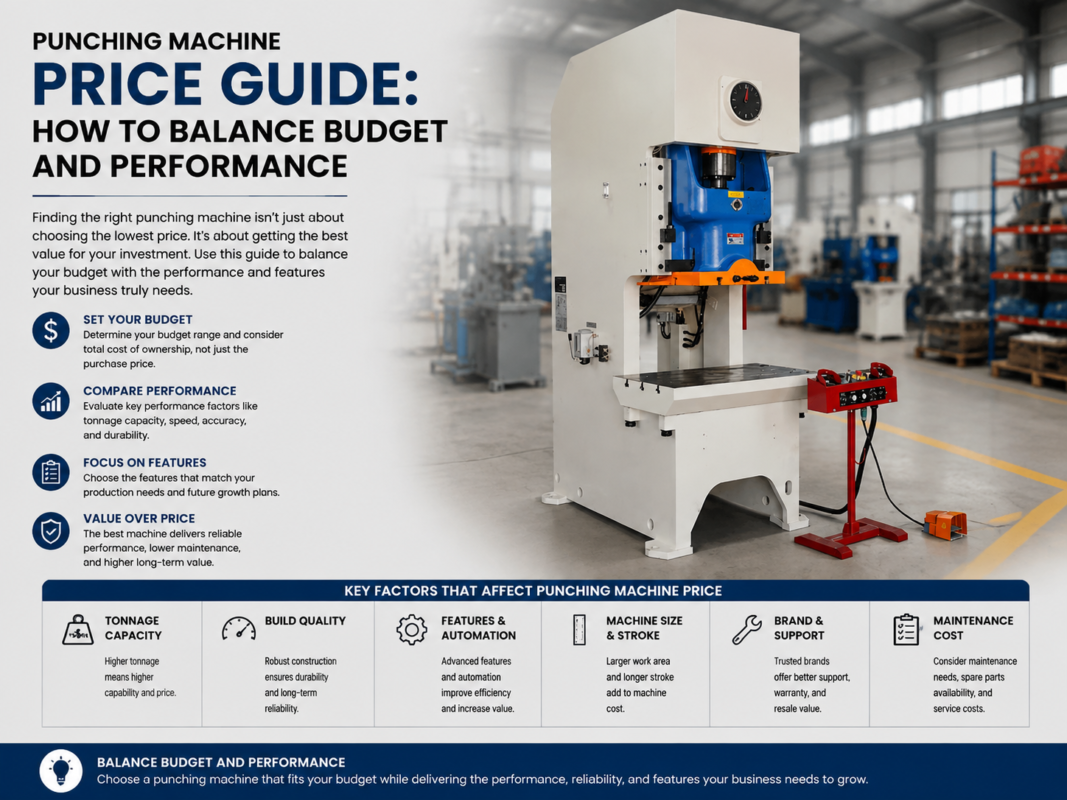
The financial barrier to entry is perhaps the most significant differentiator between manual and CNC punching machines. For a startup workshop or a small-scale maintenance shop, a manual punching machine offers an accessible entry point. Typically, a high-quality manual mechanical punch press can range from $2,000 to $10,000, depending on its tonnage and throat depth. These machines are often built with robust cast-iron frames and simple mechanical linkages, making them durable and easy to finance for small businesses.
In contrast, CNC punching machines, particularly CNC turret punch presses, represent a substantial capital investment. Entry-level CNC models usually start around $35,000, while high-performance, multi-station turret machines from reputable manufacturers like HARSLE can exceed $150,000. This price gap reflects the inclusion of advanced components such as CNC controllers (like Fanuc or Siemens), high-precision ball screws, linear guides, and complex hydraulic or servo-electric drive systems. While the price tag is higher, the capabilities—such as automated tool changing and high-speed nibbling—are exponentially greater than those of manual counterparts.
| Machine Type | Estimated Price Range (USD) | Target Application |
|---|---|---|
| Manual Mechanical Punch | $2,000 – $8,000 | Prototyping, Low-volume repairs |
| Manual Hydraulic Punch | $5,000 – $15,000 | Thick plate punching, Small batches |
| Entry-Level CNC Punch | $30,000 – $60,000 | Small-to-medium production runs |
| High-Speed CNC Turret Punch | $80,000 – $250,000+ | Mass production, Complex geometries |
Main Cost Drivers in Punching Operations
When evaluating Manual Vs CNC Punching Machine: Which One Is Best Workshop?, one must look beyond the sticker price and consider the operational cost drivers. The primary driver for manual machines is labor. A manual operator must manually position the sheet metal, often using physical stops or templates, and trigger the punch for every single hole. This process is slow and prone to human error, which can lead to costly material scrap. In a high-wage environment, the labor cost per part on a manual machine can quickly erode profit margins.
For CNC machines, the cost drivers shift toward electricity, software, and specialized maintenance. However, the labor cost per part is significantly lower because one operator can often manage multiple machines or perform other tasks while the CNC cycle is running. Furthermore, CNC machines optimize material usage through nesting software, reducing waste. The precision of CNC—often within ±0.1mm—ensures that every part is identical, virtually eliminating the cost of rework that is common with manual operations where fatigue can lead to misaligned punches.
Configuration Impact: Technical Specifications and Capabilities
The configuration of a punching machine determines its versatility. Manual machines are usually single-station units. If a part requires three different hole sizes, the operator must stop, change the tool, and re-process the batch for each size. This setup time is a major bottleneck. Manual machines are also limited by their throat depth, which restricts the size of the sheet metal that can be processed without flipping or repositioning the material.
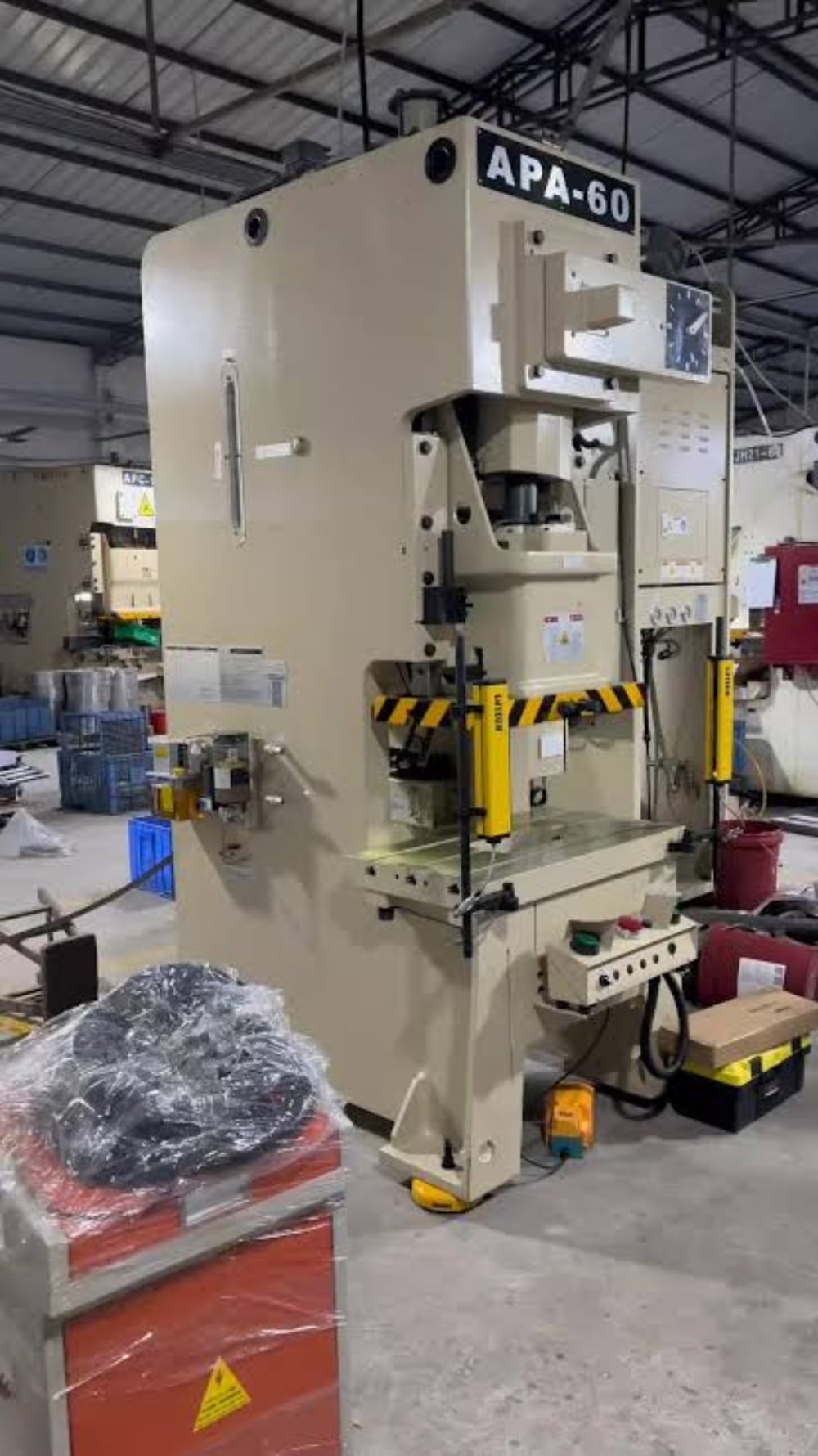
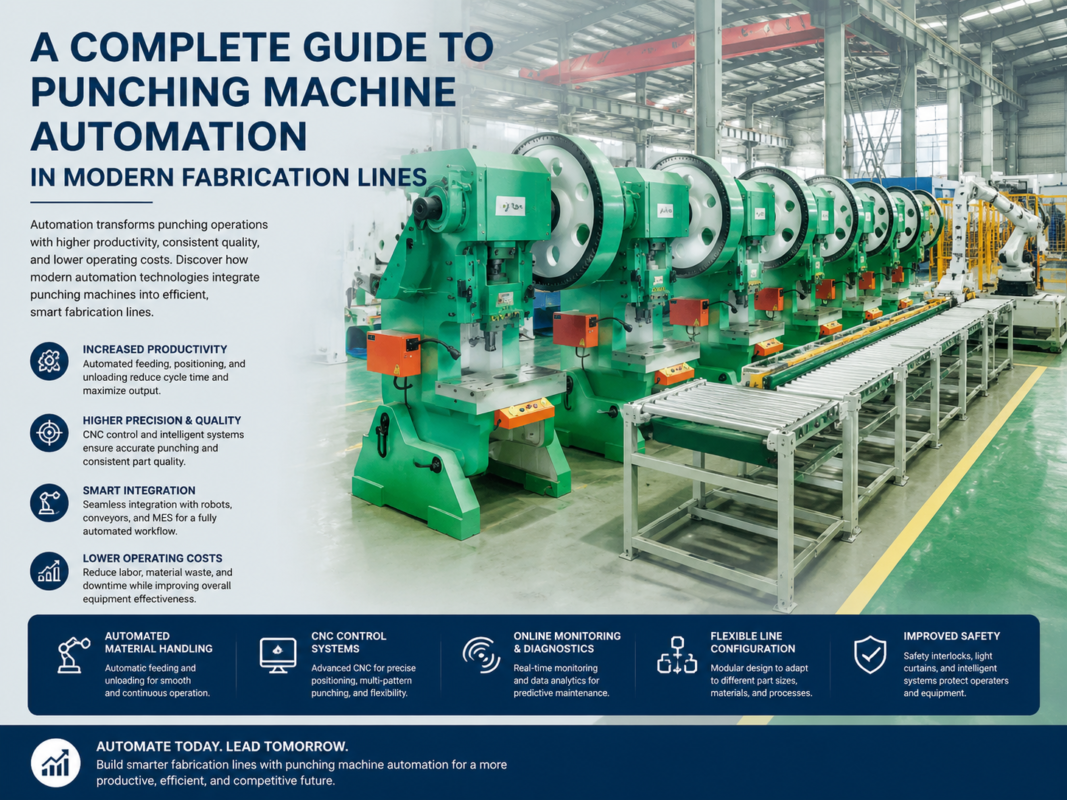
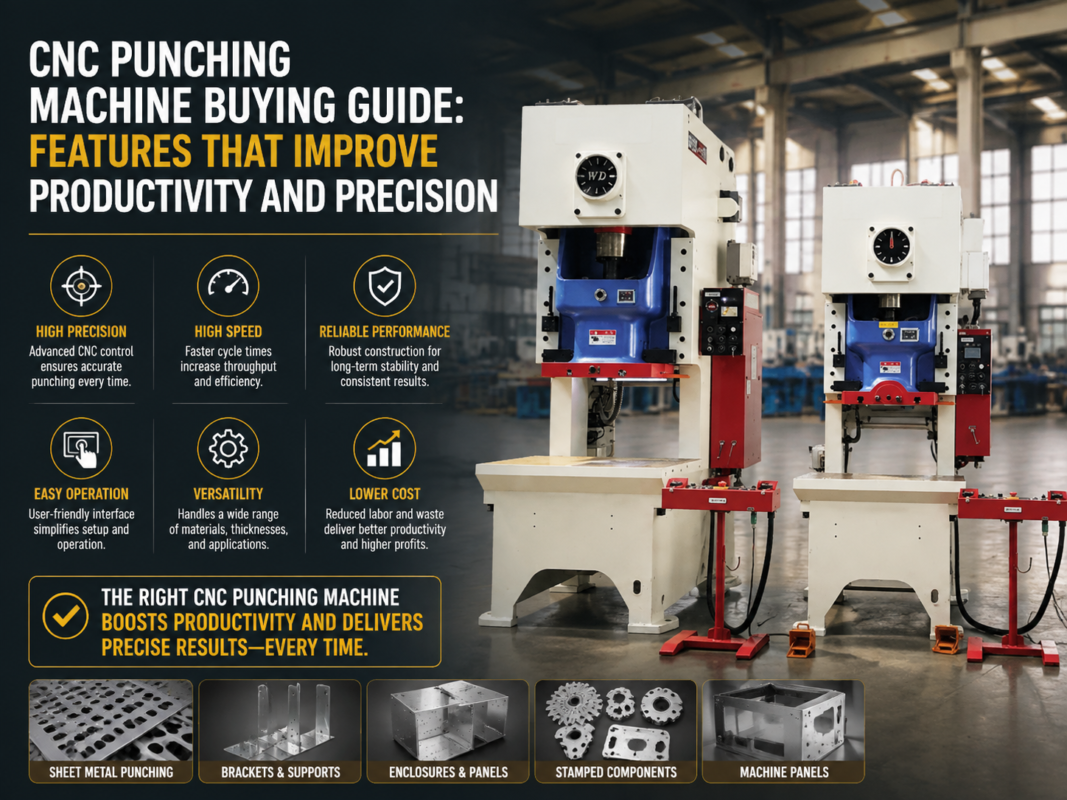
CNC machines, especially turret configurations, solve the tool-change problem by housing 12 to 50+ tools in a rotating turret. The machine automatically selects the required tool in seconds. Advanced configurations also include “Auto-Index” stations, which allow the tool to rotate to any angle, enabling the creation of complex shapes and angles without specialized tooling. This level of configuration allows a workshop to handle diverse projects—from electrical enclosures to decorative architectural panels—with a single machine setup. The integration of hydraulic servo systems in modern CNC punches also allows for “soft punching,” which reduces noise and extends tool life compared to the jarring impact of mechanical manual presses.
Hidden Costs: What You Don’t See on the Invoice
Every workshop owner knows that the purchase price is just the tip of the iceberg. Manual machines have relatively low hidden costs; they require basic lubrication, occasional tool sharpening, and minimal electrical power. However, the “hidden” cost of a manual machine is the opportunity cost—the business you lose because you cannot meet tight deadlines or handle high-volume orders.
CNC machines come with a different set of hidden expenses. Software licenses for CAD/CAM integration can cost thousands of dollars annually. The environment also matters; CNC electronics are sensitive to dust and temperature fluctuations, potentially requiring a climate-controlled area or specialized filtration. Training is another significant factor. You cannot simply hire a general laborer to run a CNC turret punch; you need someone skilled in G-code or specific machine interfaces. Additionally, the specialized tooling for CNC machines (thick turret vs. thin turret) is more expensive than the simple punch-and-die sets used in manual machines.
ROI Calculation: When Does CNC Pay Off?
Calculating the Return on Investment (ROI) is essential for determining Manual Vs CNC Punching Machine: Which One Is Best Workshop?. For a manual machine, the ROI is often realized quickly due to the low investment, provided the workload is consistent but low-volume. If you are punching 50 holes a day, a manual machine is perfectly adequate. The payback period might be less than six months.
However, for a CNC machine, the ROI calculation is based on throughput. Consider a scenario where a manual operator takes 10 minutes to punch a complex panel, while a CNC machine takes 45 seconds. If the workshop processes 100 such panels a day, the CNC machine saves over 15 hours of labor daily. Even with a $100,000 investment, the savings in labor and the increase in capacity can lead to a full ROI within 18 to 24 months. Furthermore, the ability to take on high-precision contracts that manual shops cannot fulfill adds a strategic value that is hard to quantify but vital for long-term growth.
Buying Advice: Making the Final Decision
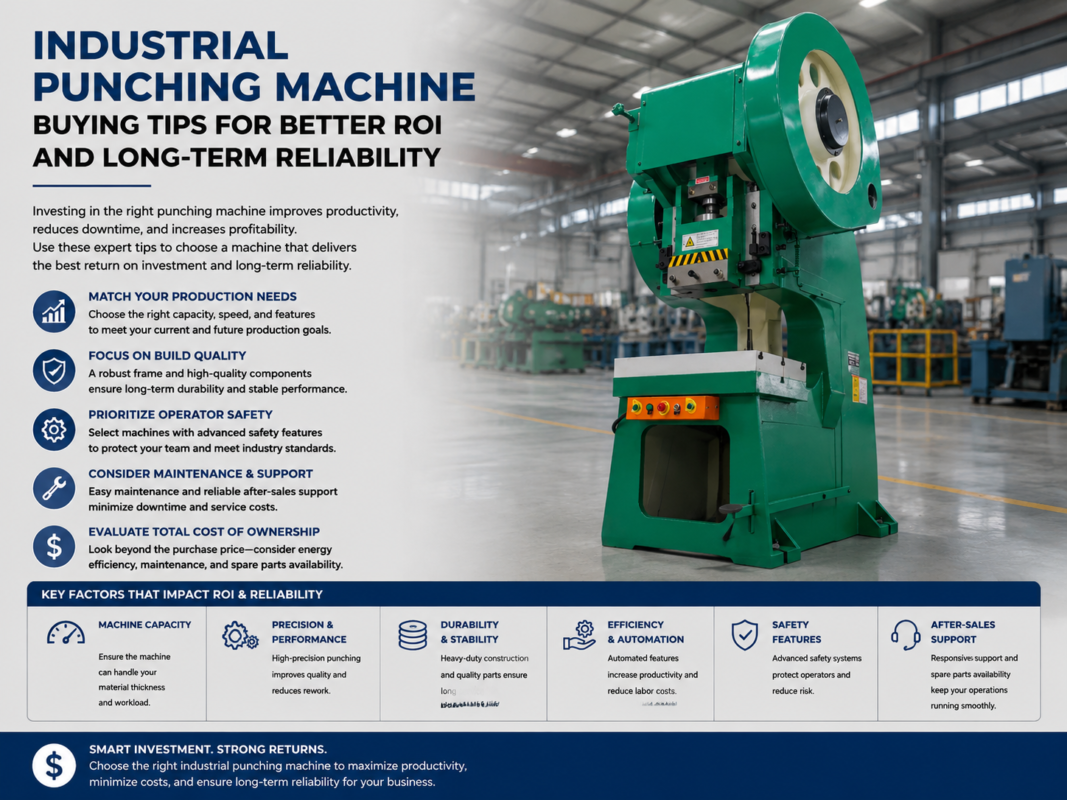
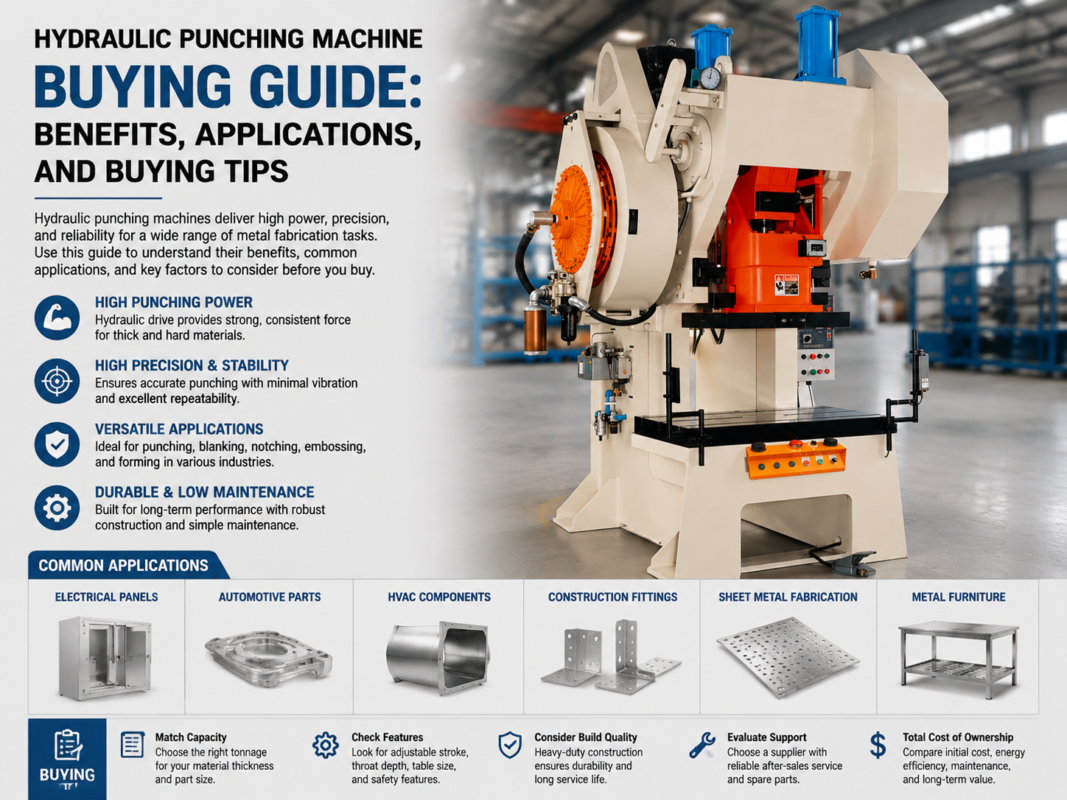
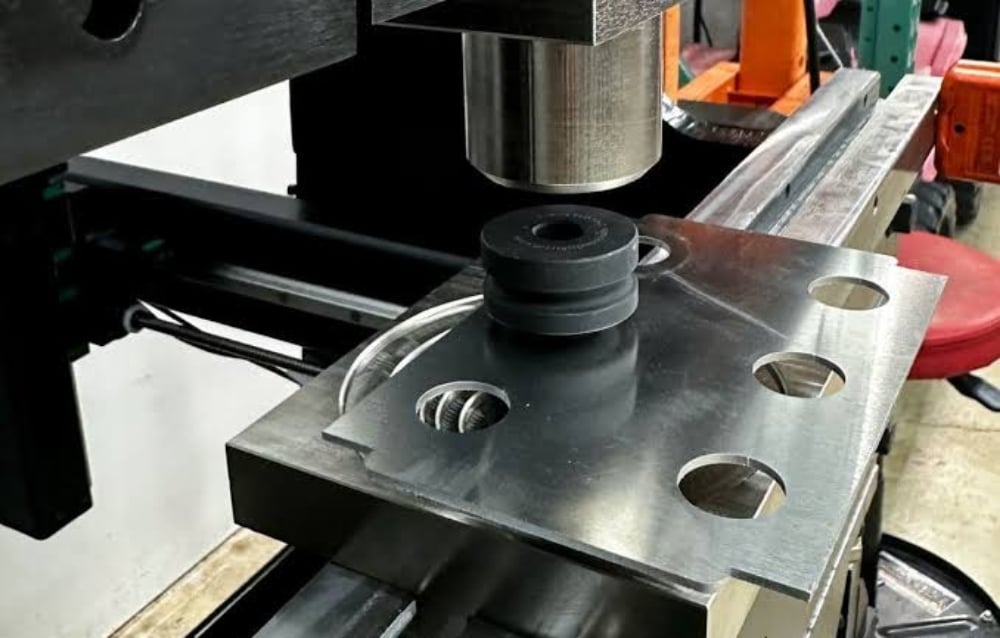
Choosing the right machine requires an honest assessment of your current and future needs. If your workshop focuses on custom, one-off prototypes, artistic metalwork, or basic repair services, a manual punching machine is a reliable and cost-effective choice. It offers the tactile control needed for unique tasks and doesn’t require complex programming. HARSLE offers several heavy-duty manual hydraulic punches that provide excellent power for these applications.
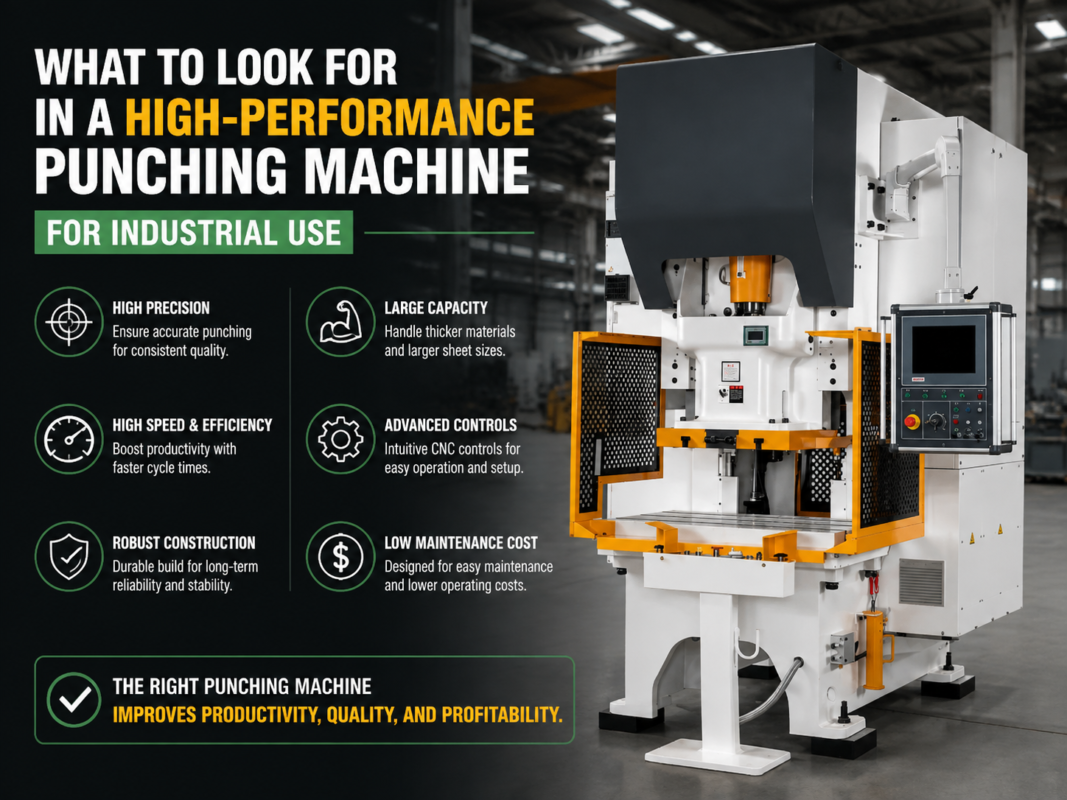
On the other hand, if you aim to scale your business, supply parts to the automotive or electronics industries, or handle large batches of standardized products, a CNC punching machine is non-negotiable. When buying a CNC machine, look for features like a rigid O-frame design for stability, a user-friendly controller, and a reputable service network. Don’t just buy for today’s needs; buy for the capacity you want to have in three years. A 24-station turret is often the “sweet spot” for growing workshops, providing enough versatility without the extreme cost of 50-station units.
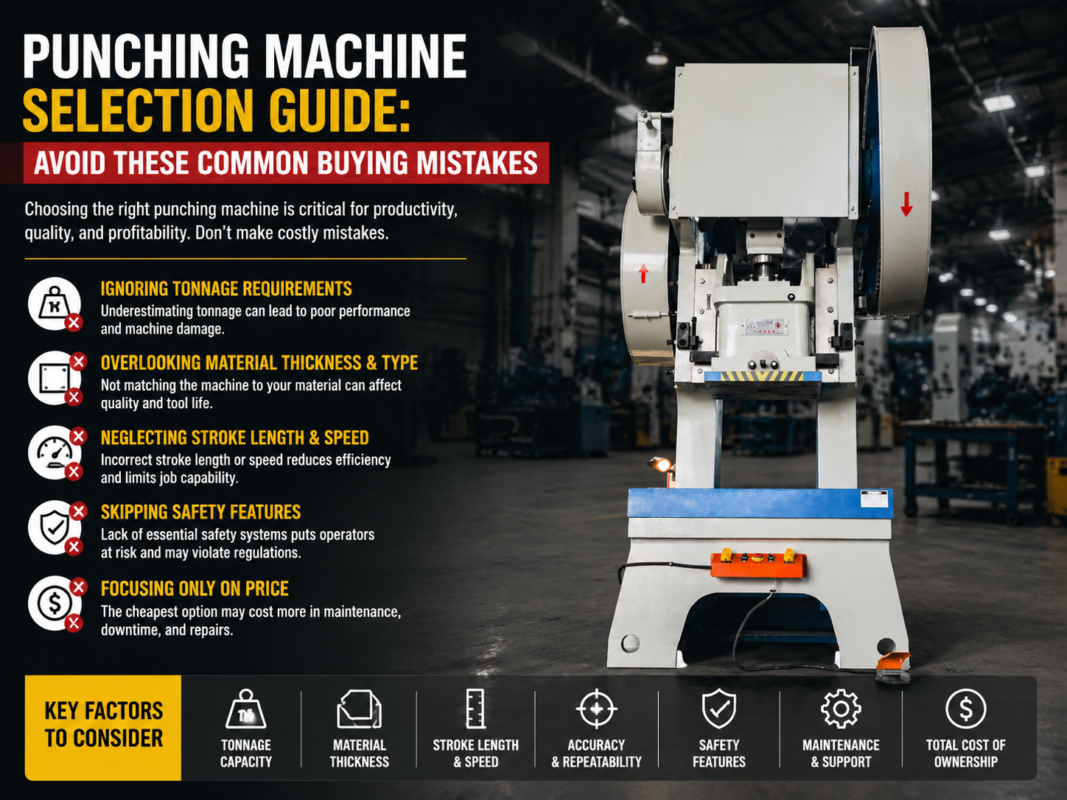
Buyer’s Checklist for Punching Machines:
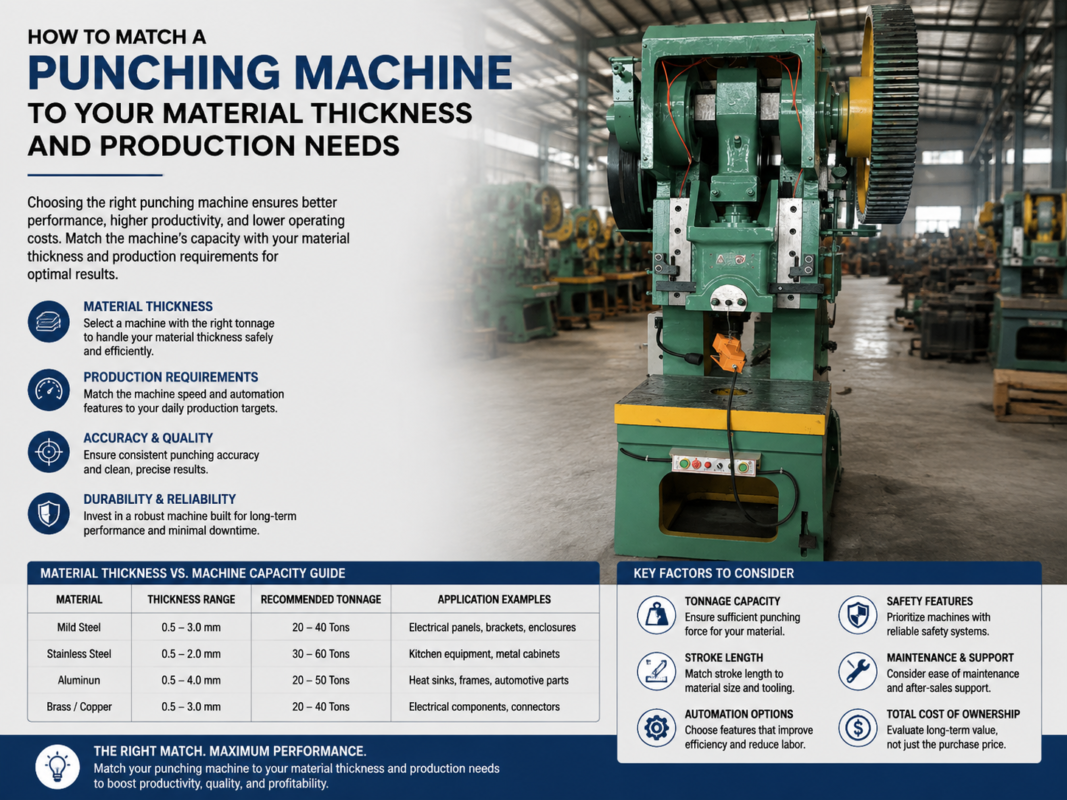
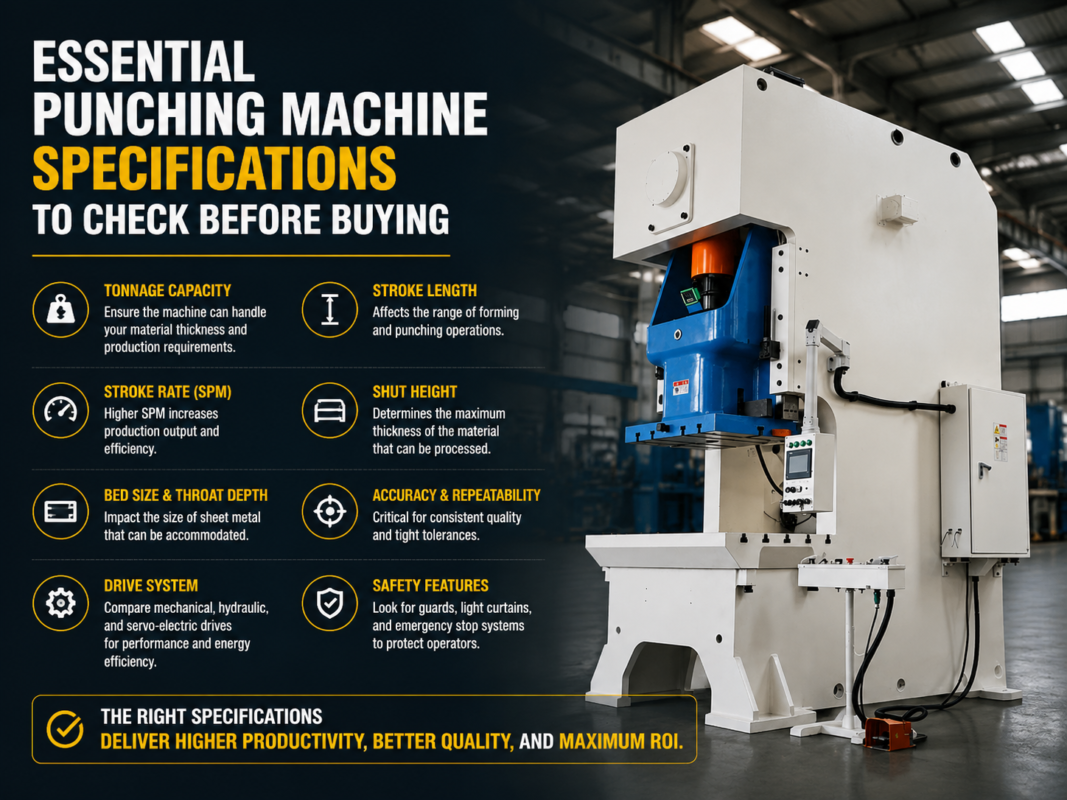
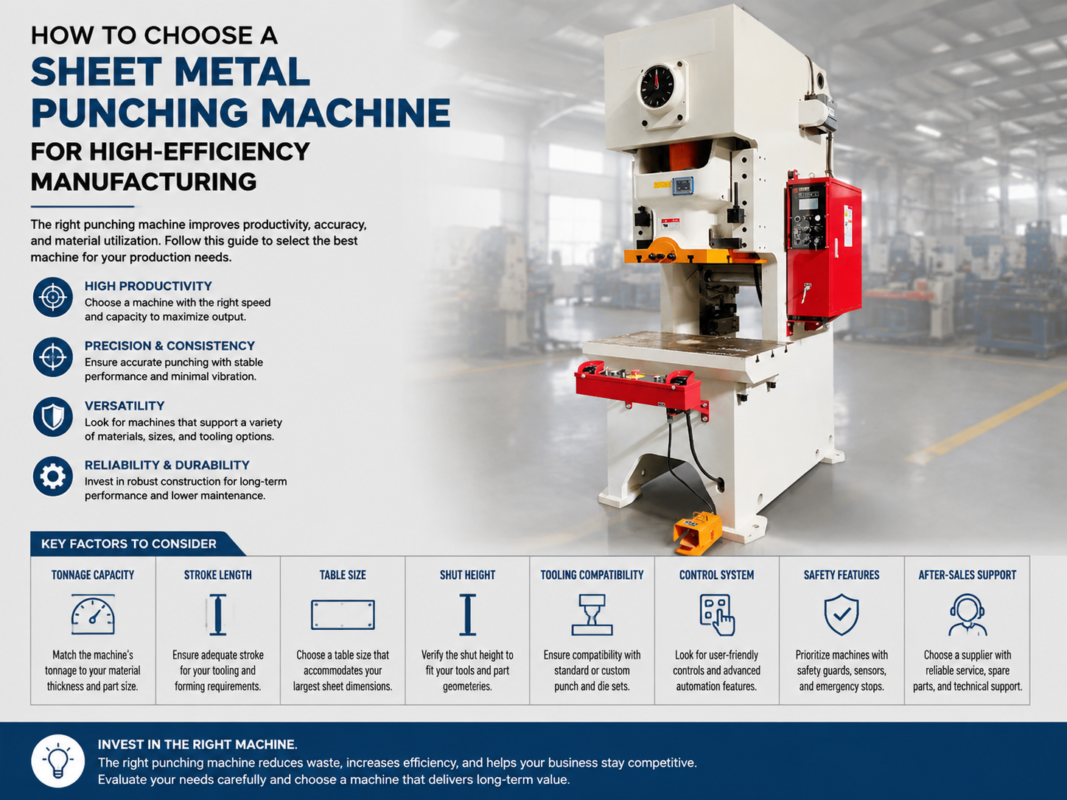
- Material Type and Thickness: Ensure the machine’s tonnage matches your heaviest requirements.
- Production Volume: If you punch more than 500 holes per day, CNC is likely necessary.
- Floor Space: CNC machines require a larger footprint and safety zones.
- Operator Skill: Do you have the staff to program a CNC, or will you need to invest in training?
- Tooling Compatibility: Check if the machine uses standard tooling that is easy to source.
Frequently Asked Questions (FAQ)
1. Can a manual punching machine be upgraded to CNC later?
Generally, no. The structural and mechanical requirements for CNC (such as ball screws and servo mounts) are integrated into the frame from the beginning. While some retrofitting kits exist for very specific machines, it is almost always more cost-effective to buy a purpose-built CNC machine.
2. How much maintenance does a CNC punching machine require compared to a manual one?
CNC machines require significantly more maintenance. This includes daily cleaning of sensors, weekly checks of hydraulic oil levels and filters, and periodic calibration of the X and Y axes. Manual machines mostly require regular greasing and tool sharpening.
3. Is CNC punching better than laser cutting?
It depends on the application. CNC punching is much faster and cheaper for creating standard holes and forming features like louvers, bridges, or threads (tapping). Laser cutting is better for extremely complex outer contours and thicker materials where punching might cause deformation.
4. What is the average lifespan of a HARSLE punching machine?
With proper maintenance, a HARSLE manual punch can last 20+ years due to its simple mechanical nature. A CNC turret punch typically has a productive lifespan of 10-15 years before the electronics or high-speed mechanical components require significant overhauls.
5. Does a CNC machine require a special foundation?
High-speed CNC turret punches generate significant vibration. Most manufacturers recommend a reinforced concrete pad (often 300mm to 500mm thick) to ensure accuracy and prevent the machine from shifting during high-speed operation.
Conclusion
In the debate of Manual Vs CNC Punching Machine: Which One Is Best Workshop?, there is no one-size-fits-all answer. The “best” machine is the one that aligns with your production goals, budget, and technical capability. Manual machines offer simplicity and low entry costs, making them ideal for small-scale operations. CNC machines offer speed, precision, and scalability, serving as the backbone of modern industrial fabrication. By carefully weighing the initial investment against long-term operational efficiency and ROI, you can select a HARSLE punching machine that will drive your workshop toward greater success.