Choosing the Right Punching Machine for Sheet Metal Fabrication: A Buyer’s Technical Guide


Technical Overview of Punching Machines in Modern Fabrication
In the realm of sheet metal fabrication, the punching machine remains a cornerstone of production efficiency. Whether you are producing simple washers or complex perforated enclosures, the ability to rapidly and accurately remove material or create forms is essential. Choosing Punching Machine Sheet Metal Fabrication: A Buyer’s Technical perspective requires an understanding of how these machines have evolved from simple mechanical linkages to sophisticated CNC-controlled systems. At its core, a punching machine uses a punch and a die to shear a hole or create a shape in a metal workpiece. The process relies on high-pressure force to overcome the shear strength of the material.
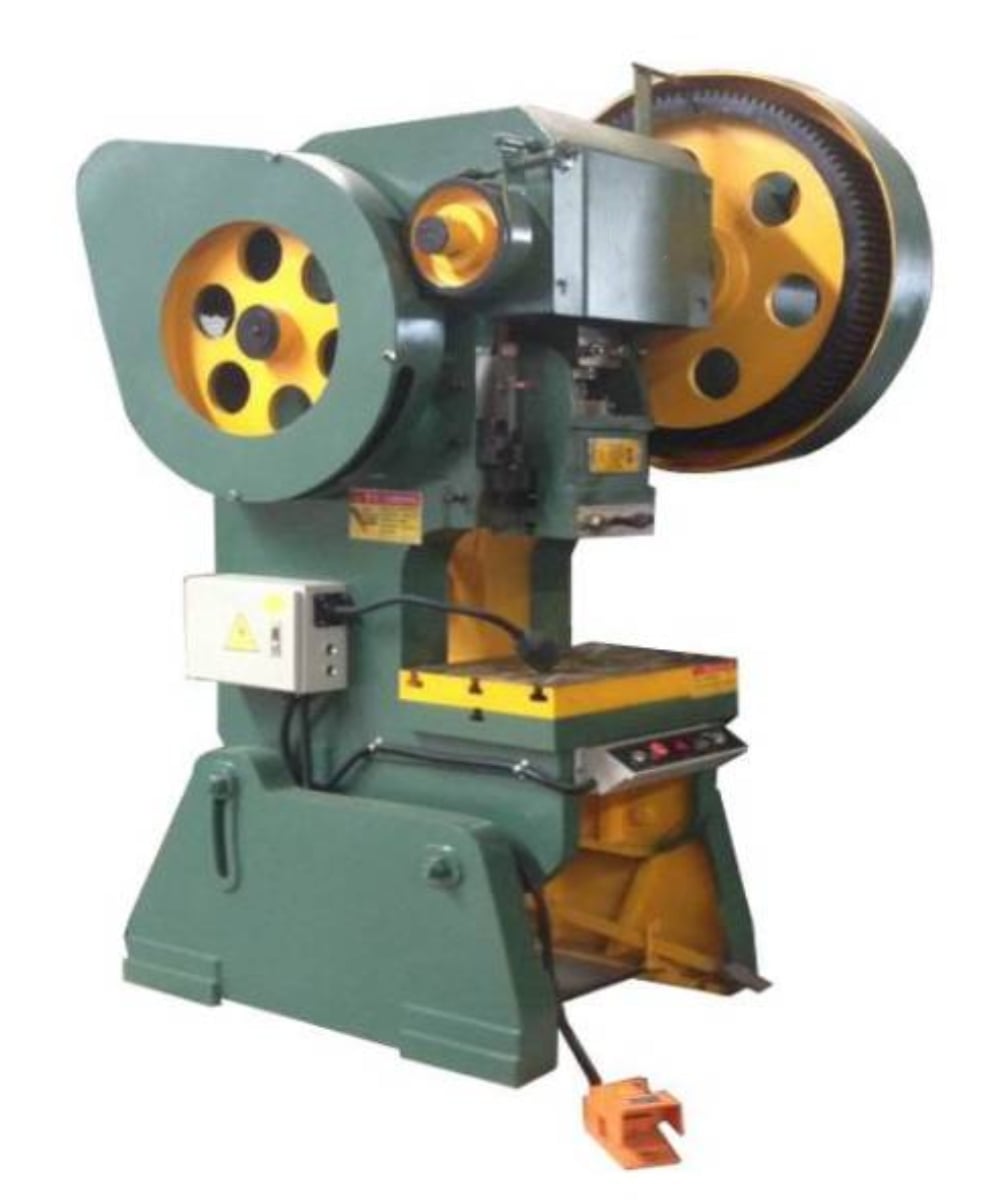
Modern punching machines are generally categorized into three main types: mechanical, hydraulic, and CNC turret punch presses. Mechanical presses utilize a flywheel to store energy, which is then released via a clutch and crankshaft mechanism to drive the ram. These are known for their high speed and are ideal for high-volume, repetitive tasks. Hydraulic presses, on the other hand, use fluid power to move the ram. They offer full tonnage throughout the entire stroke and provide greater control over the ram’s position and speed, making them versatile for forming and deep drawing operations.
The CNC Turret Punch Press (NCT) represents the pinnacle of versatility. It features a rotating turret that holds dozens of different tools, allowing the machine to switch between shapes and sizes instantly under computer control. This eliminates the need for manual tool changes and enables the fabrication of complex parts with multiple hole sizes and geometries in a single setup. For a buyer, the choice between these technologies depends heavily on the balance between production volume, part complexity, and the required precision of the finished product.
Furthermore, the integration of automation, such as sheet loaders and unloaders, has transformed punching from a labor-intensive process into a highly streamlined operation. When evaluating a machine, one must consider not just the punching action itself, but the entire workflow—from raw sheet handling to the sorting of finished parts. HARSLE machines are designed with these workflows in mind, ensuring that the technical capabilities of the hardware are matched by the efficiency of the operational software.
Core Parameters: Understanding the Machine Specifications
When Choosing Punching Machine Sheet Metal Fabrication: A Buyer’s Technical evaluation must start with the core parameters. The most critical specification is Tonnage. Tonnage refers to the maximum force the machine can exert. If the tonnage is too low, the machine will fail to shear the material, potentially damaging the frame or the motor. Conversely, excessive tonnage for thin materials is an inefficient use of energy and capital. Most industrial applications range from 20 to 100 tons, though specialized heavy-duty machines can exceed this significantly.
Throat Depth is another vital parameter. This is the distance from the center of the punch to the back frame of the machine. It determines the maximum width of the sheet that can be processed. For example, a machine with a 1250mm throat depth can handle a sheet up to 2500mm wide if the sheet is flipped, or 1250mm in a single pass. Buyers must match the throat depth to their standard sheet sizes to avoid unnecessary secondary operations or material limitations.
Stroke Length and Speed (measured in Strokes Per Minute or SPM) dictate the machine’s productivity. Stroke length is the distance the ram travels from its highest point to its lowest. For simple punching, a short stroke is faster and more efficient. However, if you plan to perform forming operations like louvers or ribs, a longer, adjustable stroke is necessary. SPM is particularly important for high-volume manufacturers; a CNC turret punch might reach 600 to 1000 SPM for nibbling operations, significantly reducing cycle times.
Finally, consider the Tooling Capacity and Turret Configuration. In CNC machines, the number of stations in the turret (e.g., 24, 32, or 50 stations) determines how many different tools can be ready for use. Additionally, the inclusion of “Auto-Index” stations—which allow the tool to rotate to any angle—greatly increases the flexibility of the machine, allowing a single rectangular tool to punch at any orientation, thereby reducing the total number of tools required in the inventory.
Calculation Method: Determining Required Punching Force
To ensure you select a machine with adequate capacity, you must calculate the required punching force for your thickest and hardest materials. The standard formula for punching force (P) is based on the perimeter of the cut, the thickness of the material, and its shear strength. The formula is expressed as:
P (kN) = L × t × τ / 1000
Where:
– L is the total perimeter of the hole (mm). For a round hole, L = π × d. For a square hole, L = 4 × side.
– t is the material thickness (mm).
– τ (Tau) is the shear strength of the material (N/mm²). As a rule of thumb, shear strength is approximately 80% of the material’s tensile strength.
For example, if you are punching a 50mm diameter hole in 3mm thick mild steel (with a shear strength of approximately 400 N/mm²), the calculation would be: (π × 50) × 3 × 400 = 188,495 Newtons. Converting this to kilonewtons gives roughly 188.5 kN. Since 1 ton is approximately 9.8 kN, this operation requires about 19.2 tons of force.
It is crucial to include a Safety Factor. Engineering standards recommend adding a 20-30% buffer to the calculated force to account for tool wear, material variations, and machine vibration. In the previous example, a 25-ton or 30-ton machine would be the appropriate choice to ensure longevity and consistent performance. Operating a machine at its absolute maximum capacity for extended periods leads to premature frame fatigue and hydraulic seal failure.
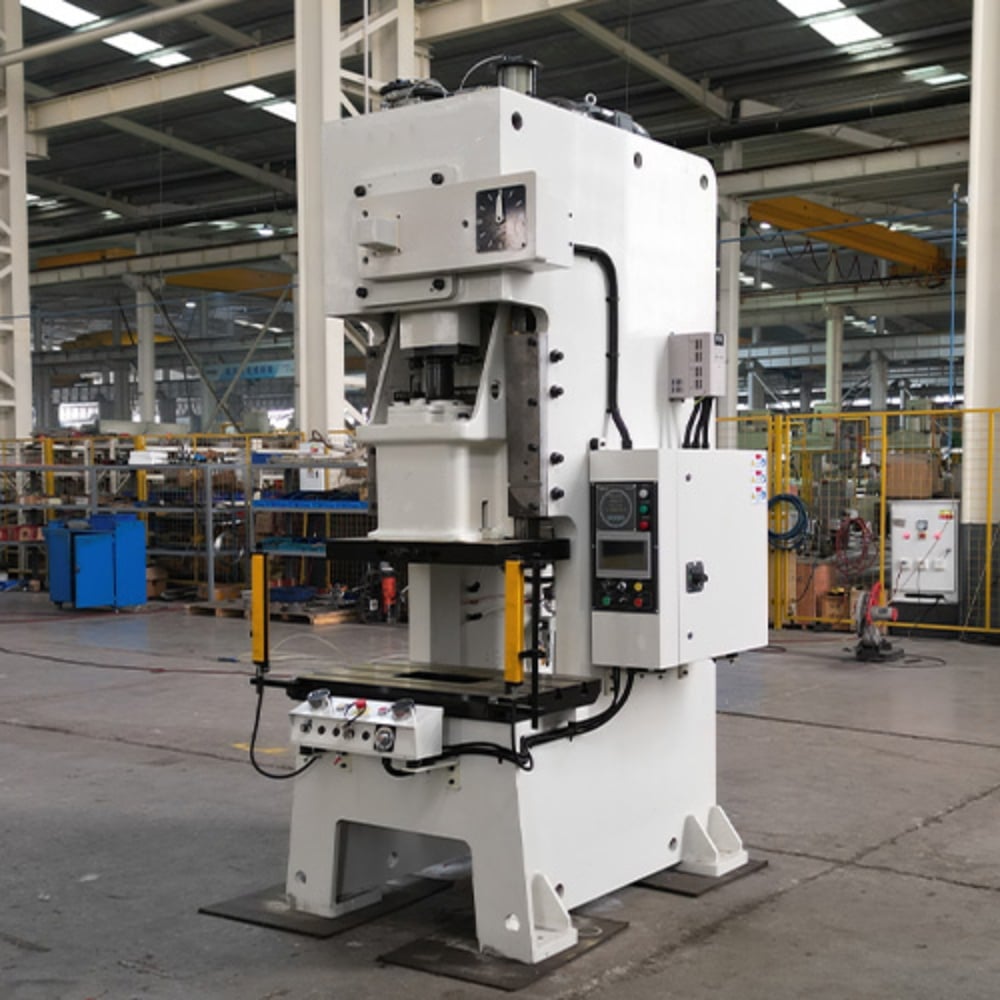
Parameter Comparison Table
The following table provides a technical comparison between the three primary types of punching machines to assist in the selection process based on typical industrial requirements.
| Feature | Mechanical Power Press | Hydraulic Punching Machine | CNC Turret Punch Press |
|---|---|---|---|
| Drive System | Flywheel / Crankshaft | Hydraulic Cylinder | Servo-Hydraulic / Electric |
| Best For | High-speed blanking | Heavy plate / Forming | Complex parts / Prototyping |
| Stroke Control | Fixed / Limited | Fully Adjustable | Programmable / Precise |
| Tooling | Single Stage / Progressive | Single Tool | Multi-tool Turret |
| Accuracy | Moderate | High | Very High (+/- 0.1mm) |
| Setup Time | Long (Manual) | Moderate | Short (Software driven) |
Common Engineering Mistakes in Machine Selection
One of the most frequent mistakes when Choosing Punching Machine Sheet Metal Fabrication: A Buyer’s Technical journey is underestimating the impact of material type. Stainless steel, for instance, has a much higher shear strength than mild steel or aluminum. A machine that handles 6mm mild steel with ease may struggle or even sustain damage when attempting to punch 6mm stainless steel. Buyers often look only at the thickness capacity without cross-referencing the material’s mechanical properties.
Another common error is ignoring die clearance. Die clearance is the space between the punch and the die. If the clearance is incorrect for the material thickness, the punching force required increases significantly, and the quality of the hole edge degrades (burrs become prominent). While this is a tooling issue, the machine’s ability to maintain precise alignment between the ram and the bolster is what makes proper clearance effective. Choosing a machine with a flimsy frame (low rigidity) will lead to misalignment, causing rapid tool wear and inconsistent results.
Furthermore, many buyers fail to account for future-proofing. They purchase a machine that meets their current needs exactly, only to find that a new contract requires a slightly larger sheet size or a more complex pattern that their current turret configuration cannot handle. Investing in a machine with a slightly larger throat depth or more turret stations than currently required is often a more cost-effective long-term strategy than having to replace the machine two years later.
Lastly, neglecting the software ecosystem is a major pitfall. For CNC machines, the CAD/CAM software is the brain of the operation. If the software is difficult to use, lacks nesting capabilities (to save material), or is incompatible with your existing design files, the hardware’s speed becomes irrelevant. Always evaluate the user interface and the technical support provided by the manufacturer for their control systems.
Selection Checklist for Technical Buyers
Before finalizing a purchase, use this checklist to ensure all technical and operational bases are covered:
- Material Specifications: What is the maximum thickness and highest shear strength material you will process?
- Tonnage Requirement: Have you calculated the force for your largest perimeter punch and added a 25% safety factor?
- Workpiece Dimensions: Does the throat depth and table size accommodate your largest standard sheets?
- Production Volume: Do you need the high SPM of a mechanical/CNC press, or is the slower, controlled force of a hydraulic press sufficient?
- Precision Requirements: What are your tolerances? CNC turret presses offer the highest repeatability.
- Tooling Compatibility: Does the machine use standard tooling (like Thick Turret style) that is easy to source and replace?
- Floor Space and Power: Does your facility have the footprint and the electrical capacity (Amperage/Voltage) to support the machine?
- Maintenance and Support: Does the manufacturer (like HARSLE) provide accessible spare parts, remote diagnostics, and on-site training?
Frequently Asked Questions (FAQ)
1. What is the difference between a punching machine and a laser cutting machine?
While both cut shapes from sheet metal, punching is significantly faster for repetitive shapes (like grids of holes) and can perform forming operations like louvers, countersinks, and ribs, which a laser cannot. Laser cutting is better for highly intricate, irregular contours and thicker materials where tooling costs would be prohibitive.
2. How often should I sharpen my punching tools?
Tool maintenance depends on the material being punched. Generally, tools should be inspected every 10,000 to 50,000 hits. Punching stainless steel will dull tools much faster than aluminum. Sharpening tools regularly (removing only 0.1mm to 0.2mm) extends their total life and reduces the load on the machine’s motor and frame.
3. Can a punching machine handle galvanized steel?
Yes, but galvanized steel can leave zinc deposits on the tools, leading to “galling.” This requires specialized coatings on the punches or the use of lubricants to prevent the material from sticking to the tool surface. The machine itself handles galvanized steel the same way it handles mild steel of the same thickness.
4. Is a CNC turret punch press worth the investment for a small shop?
If your shop produces a variety of parts in small to medium batches, the reduction in setup time and the ability to run complex programs automatically often justifies the cost. For very low-volume, simple work, a single-station hydraulic punch may be more economical.
5. What safety features should I look for?
Modern machines should include light curtains, emergency stop buttons, and interlocked guarding. For mechanical presses, a reliable hydraulic overload protection system is essential to prevent frame damage during a jam or misfeed.