Industrial Punching Machine Buying Tips for Better ROI and Long-Term Reliability


Introduction to Strategic Punching Machine Procurement
In the competitive landscape of metal fabrication, the acquisition of an industrial punching machine is more than just a capital expenditure; it is a strategic investment that dictates the operational efficiency and profitability of a workshop for decades. Whether you are a small job shop or a large-scale industrial manufacturer, understanding the nuances of Industrial Punching Machine Buying Tips for Better ROI and Long-Term Reliability is crucial. A well-chosen machine reduces labor costs, minimizes material waste, and ensures consistent part quality, while a poor choice can lead to frequent downtime and mounting maintenance expenses.
The modern punching machine has evolved from simple mechanical presses to highly sophisticated CNC-controlled systems capable of complex forming, tapping, and high-speed nibbling. This evolution means that buyers must look beyond the initial price tag and evaluate the total cost of ownership (TCO). By focusing on long-term reliability and Return on Investment (ROI), businesses can secure a competitive edge. This guide provides a comprehensive roadmap for navigating the complexities of the punching machine market, ensuring that your next purchase is both technically sound and financially prudent.
Price Range Overview: Navigating the Market Tiers
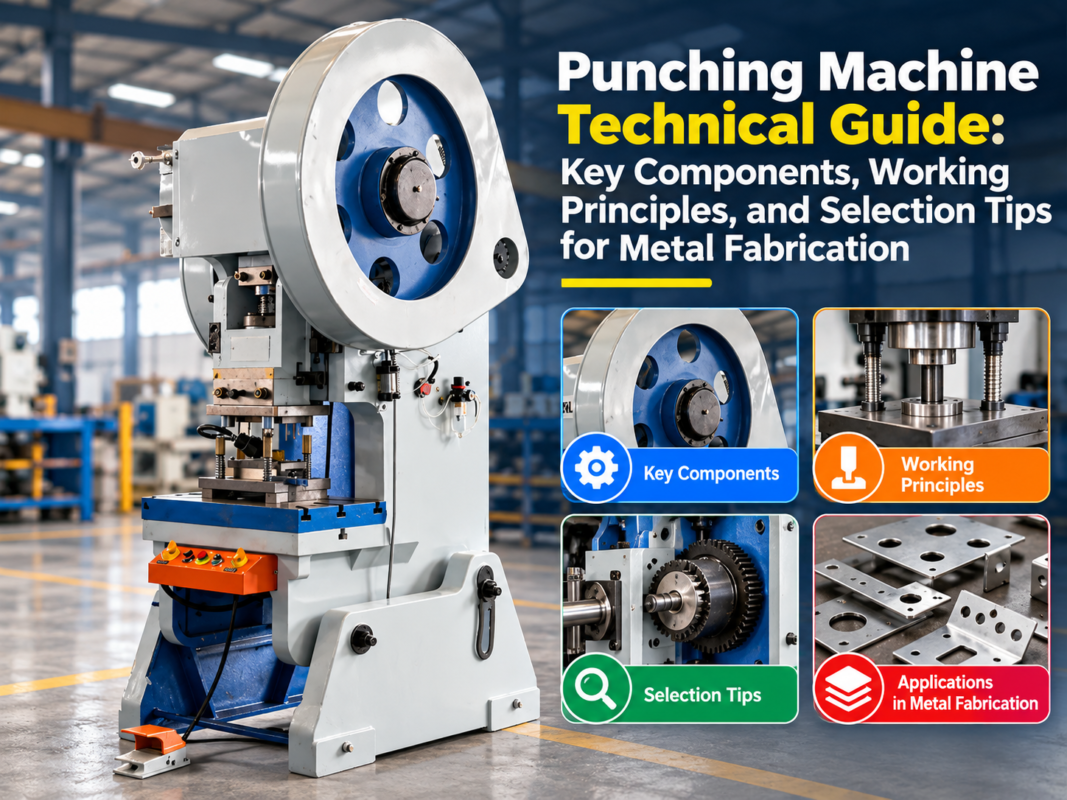
The market for industrial punching machines is diverse, with prices ranging from a few thousand dollars to over half a million. Understanding where your needs fit within this spectrum is the first step toward a smart purchase. Generally, the market is divided into three primary categories: entry-level manual machines, mid-range hydraulic presses, and high-end CNC turret punch presses.
Entry-level machines, often manual or semi-automatic mechanical presses, typically range from $5,000 to $25,000. These are ideal for low-volume production, simple hole-punching tasks, or prototype development. While they offer the lowest initial cost, they require more manual labor and offer less precision compared to their automated counterparts. For businesses focusing on high-volume output, the labor costs associated with these machines can quickly erode the initial savings.
Mid-range machines, which include hydraulic punching machines and basic CNC single-station presses, usually fall between $30,000 and $80,000. These machines offer a balance of power and control, making them suitable for medium-sized fabrication shops. They provide better repeatability and can handle thicker materials than entry-level models. In this tier, you begin to see features like digital readouts and programmable stroke lengths, which contribute significantly to long-term reliability and ease of use.
High-end CNC Turret Punch Presses represent the pinnacle of punching technology, with prices starting at $100,000 and exceeding $500,000 for fully automated systems. These machines are designed for 24/7 operation, featuring large tool carousels, auto-indexing stations, and sophisticated nesting software. While the upfront cost is substantial, the ROI is driven by extreme speed, minimal setup times, and the ability to perform multiple operations in a single setup. For high-capacity facilities, these machines often pay for themselves within 24 to 36 months through sheer volume and precision.
Main Cost Drivers in Punching Machine Acquisition
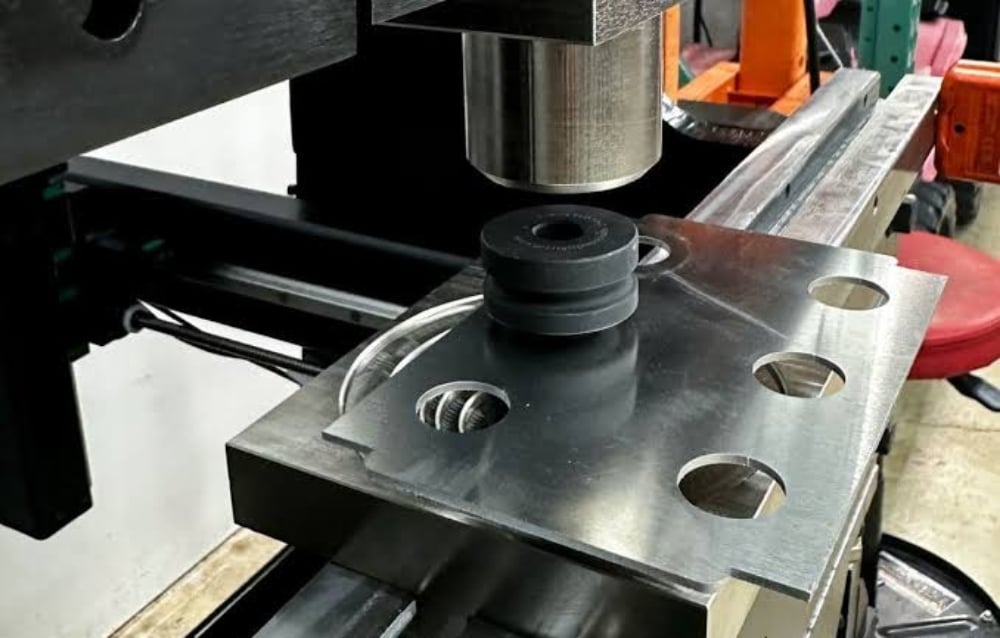
Several technical factors dictate the price and performance of an industrial punching machine. Understanding these drivers allows buyers to prioritize features that align with their specific production goals. The most significant cost driver is Tonnage. The force required to punch through metal increases with material thickness and hole diameter. A 30-ton machine is standard for light-to-medium sheet metal, but heavy-duty applications may require 100 tons or more. Purchasing a machine with insufficient tonnage leads to premature wear, while excessive tonnage results in unnecessary energy consumption and higher capital costs.
The Frame Construction is another critical factor. Machines typically feature either a C-frame (open-gap) or an H-frame (bridge-type). C-frames offer better accessibility for large sheets but are prone to “deflection” or “yawning” under high pressure, which can affect punch-and-die alignment. H-frames are more rigid and maintain better alignment over time, contributing to long-term reliability, though they often come at a premium price. For high-precision work, the rigidity of the frame is non-negotiable.
The Drive System—mechanical, hydraulic, or servo-electric—also significantly impacts the price. Mechanical drives are robust and fast but offer limited control over the stroke. Hydraulic systems provide full power throughout the stroke and are highly versatile. However, the industry is rapidly shifting toward Servo-Electric Drives. While more expensive initially, servo-electric machines are significantly more energy-efficient, quieter, and require less maintenance because they eliminate hydraulic oil, pumps, and seals. This shift is a key component of modern Industrial Punching Machine Buying Tips for Better ROI.
Configuration Impact on Production Efficiency
The configuration of the machine determines its versatility and throughput. One of the most important decisions is choosing between a Single-Station and a Turret configuration. Single-station machines require manual tool changes between different hole sizes or shapes, which is time-consuming. Turret punch presses hold dozens of tools simultaneously, allowing the machine to switch between them in seconds. For complex parts with multiple hole types, a turret configuration is essential for maintaining a high ROI.
Auto-Index Stations are another high-value configuration feature. These allow the tool to rotate to any angle, reducing the total number of tools needed in the turret and allowing for complex contours and nesting patterns. Without auto-indexing, a shop might need multiple sets of the same tool at different angles, which increases tooling costs and setup time. Furthermore, the integration of CNC Controllers (such as Fanuc or Siemens) provides the brainpower for the machine. High-end controllers offer better diagnostic tools, easier programming interfaces, and better compatibility with CAD/CAM software, all of which enhance long-term reliability by reducing operator error.
| Feature | Impact on ROI | Impact on Reliability |
|---|---|---|
| Servo-Electric Drive | High (Energy savings) | High (Fewer moving parts) |
| Auto-Index Stations | Medium (Reduced tooling) | Neutral |
| H-Frame Design | Neutral | Very High (Precision) |
| Automatic Lubrication | Low (Initial cost) | High (Component life) |
| Nesting Software | High (Material yield) | Neutral |
Identifying and Managing Hidden Costs
The purchase price of a punching machine is only the “tip of the iceberg.” To ensure long-term reliability and a positive ROI, buyers must account for hidden costs that emerge during the machine’s lifecycle. Tooling is perhaps the most significant ongoing expense. High-quality punch and die sets are expensive, and using low-quality tooling can damage the machine’s ram and turret. Implementing a proper tooling maintenance and sharpening program is vital to prevent these costs from spiraling out of control.
Installation and Training are often overlooked. A sophisticated CNC machine requires a precision-leveled foundation and specialized electrical hookups. Furthermore, the ROI of a high-tech machine is zero if the operators do not know how to use it efficiently. Investing in comprehensive training ensures that the machine is operated within its design limits, preventing accidental damage and maximizing throughput from day one. Additionally, consider the Cost of Consumables, such as hydraulic oil (for hydraulic machines), filters, and wear plates.
Energy consumption is a major operational cost. Older mechanical or hydraulic machines can be incredibly power-hungry, even when idling. Modern servo-electric machines only consume significant power during the actual punch stroke, which can lead to energy savings of up to 60-70%. Over a 10-year lifespan, these savings can amount to tens of thousands of dollars, directly impacting the ROI calculation. Finally, consider Floor Space. A machine with a large footprint may require you to reorganize your entire shop, leading to indirect costs in logistics and material handling.
Calculating ROI: The Financial Justification
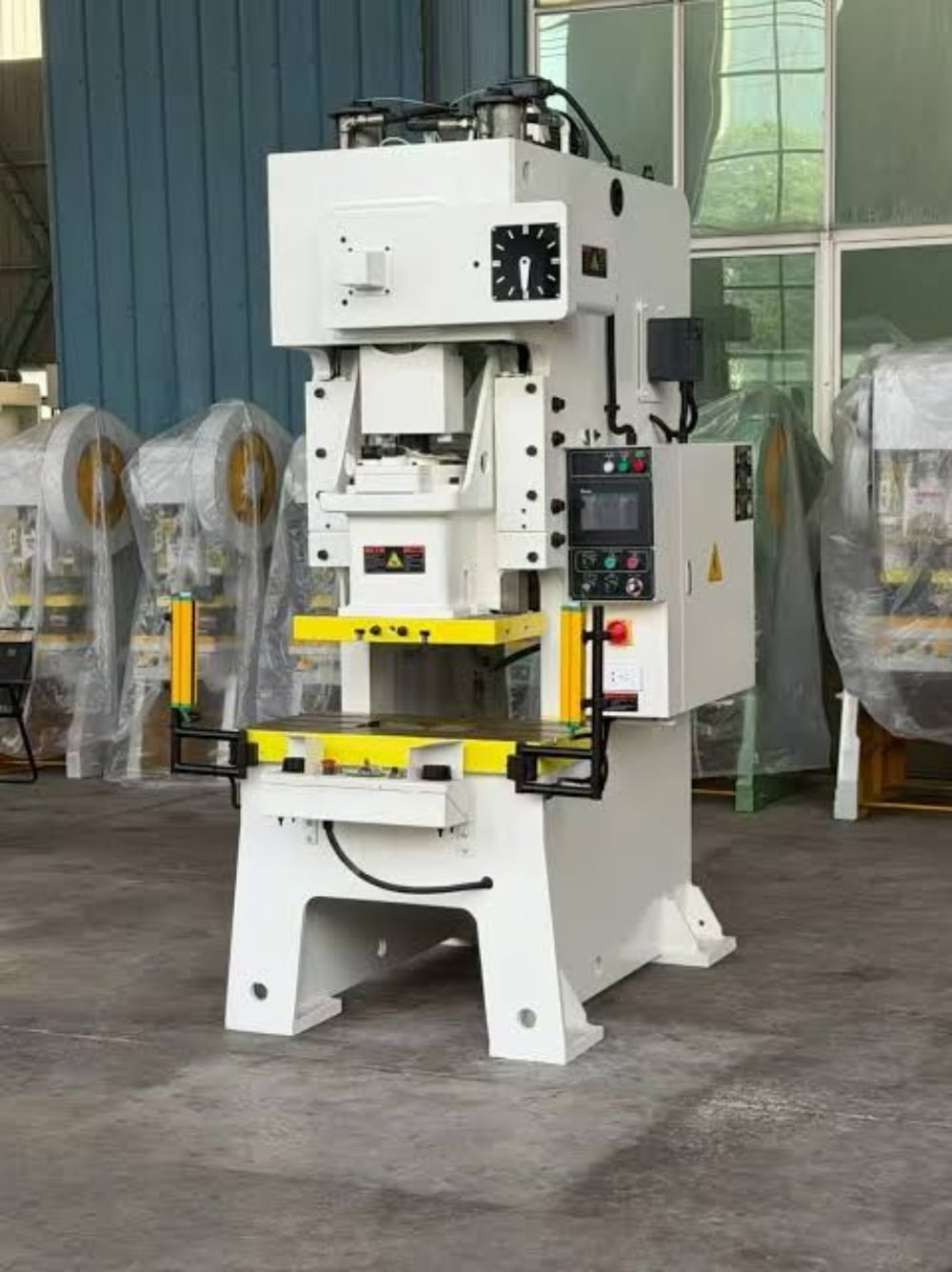
To justify the purchase of an industrial punching machine, a formal ROI calculation is necessary. The basic formula is: ROI = (Net Profit from Investment / Cost of Investment) x 100. However, for industrial machinery, this must be broken down into tangible savings and revenue increases. Start by calculating the Labor Savings. If a new CNC machine can do the work of three manual machines, the reduction in headcount or the ability to reassign workers to other tasks represents a direct gain.
Next, factor in Material Utilization. Advanced nesting software, often bundled with CNC punching machines, can improve material yield by 10-15%. In an industry where material costs represent a large portion of the final product price, this saving is substantial. Also, consider Scrap Reduction. High-precision machines produce fewer defective parts, reducing the cost of wasted material and the labor spent on rework. Finally, calculate the Increased Capacity. A faster machine allows you to take on more orders and meet tighter deadlines, directly increasing your top-line revenue.
A comprehensive ROI analysis should also include the Payback Period—the time it takes for the machine to pay for itself. For most industrial equipment, a payback period of 2 to 4 years is considered excellent. By documenting these figures, management can make an objective decision based on data rather than intuition, ensuring that the machine contributes to the long-term financial health of the company.
Expert Buying Advice for Long-Term Reliability
When you are ready to make a purchase, the choice of manufacturer is as important as the machine’s specifications. Look for companies like HARSLE that have a proven track record in the metal fabrication industry. A reliable manufacturer provides more than just a machine; they provide a partnership. Check for the availability of Spare Parts. A machine that sits idle for three weeks waiting for a proprietary sensor from overseas is a liability, not an asset. Ensure the manufacturer has a local or responsive service network.
Technical specifications should be verified through Live Demonstrations or material testing. Send samples of your most challenging materials to the manufacturer and ask them to perform test punches. Observe the edge quality, the noise level, and the speed of the operation. Pay close attention to the Warranty Terms. A standard one-year warranty is common, but some manufacturers offer extended warranties on critical components like the frame or the CNC controller, which is a strong indicator of their confidence in the machine’s long-term reliability.
Finally, consider Future-Proofing. Your needs today might not be your needs in five years. Opt for a machine with a modular design or one that can be easily upgraded with automation features like auto-loaders or robotic stacking systems. This flexibility ensures that your investment remains relevant as your business grows, further securing your ROI. Always prioritize a machine that offers a balance of high-quality components (like HIWIN linear guides or Schneider electrics) and robust construction.
Frequently Asked Questions (FAQ)
1. How do I determine the right tonnage for my punching machine?
The required tonnage is calculated based on the perimeter of the hole, the thickness of the material, and the shear strength of the metal. The formula is: Tonnage = (Perimeter x Thickness x Shear Strength) / 2000. It is always recommended to choose a machine with a capacity 20-30% higher than your maximum calculated requirement to ensure long-term reliability and prevent frame fatigue.
2. Is a servo-electric punching machine worth the extra cost?
In most cases, yes. While the initial purchase price is higher than hydraulic models, the savings in energy, the elimination of hydraulic oil maintenance, and the increased precision and speed usually result in a much higher ROI over the machine’s lifespan. They are also much quieter, improving the working environment.
3. What is the difference between a thick turret and a thin turret?
Thick turret tooling is generally more robust and offers better alignment, which is ideal for heavy-duty applications and high-speed punching. Thin turret tooling is more compact and often found on smaller or older machines. Thick turret has become the industry standard for most modern CNC machines due to its superior durability and ease of maintenance.
4. How often should I perform maintenance on my punching machine?
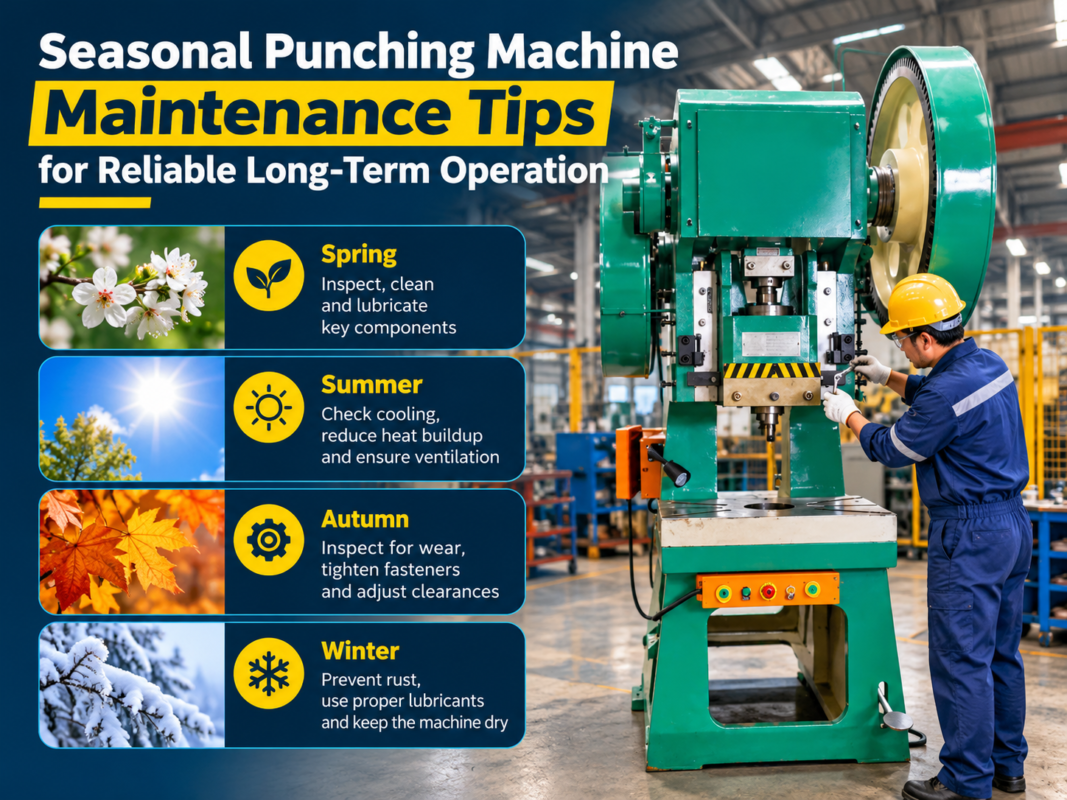
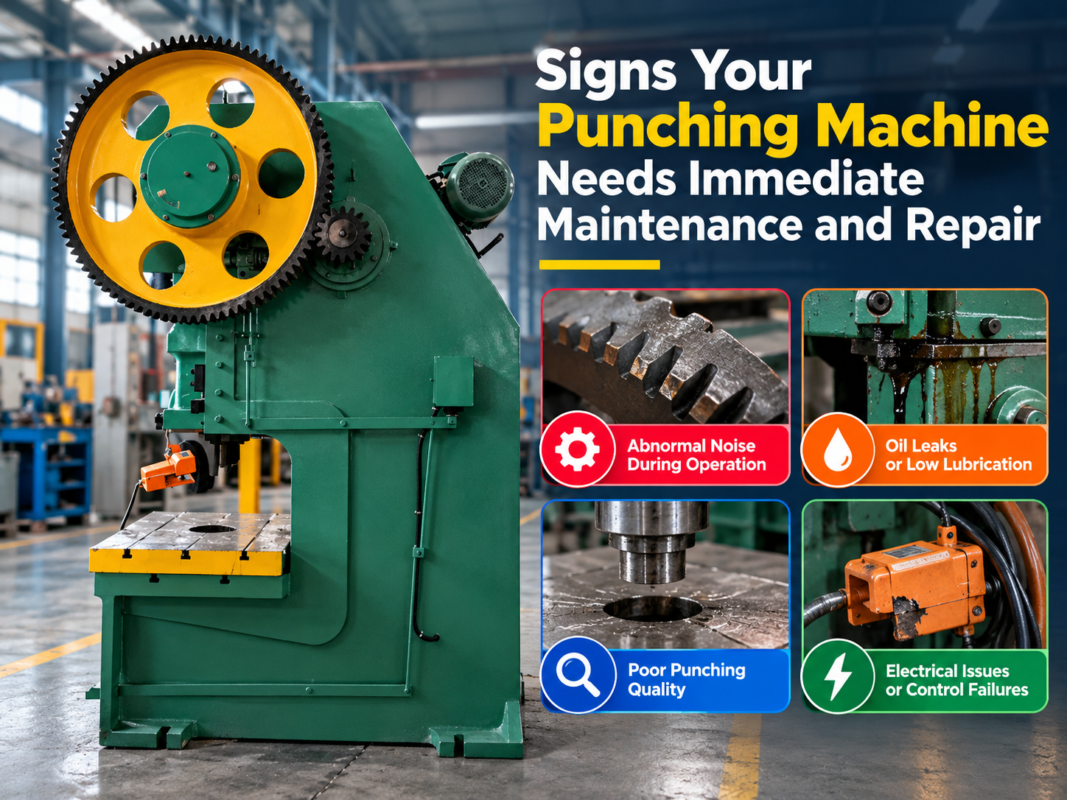
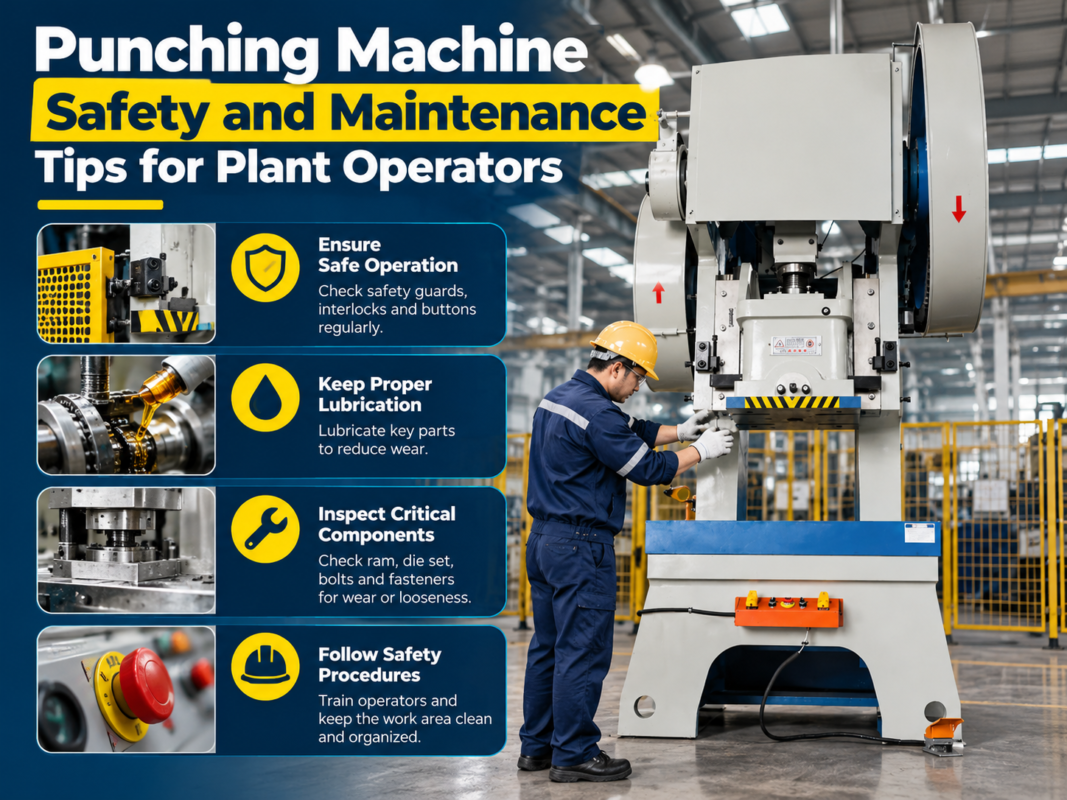
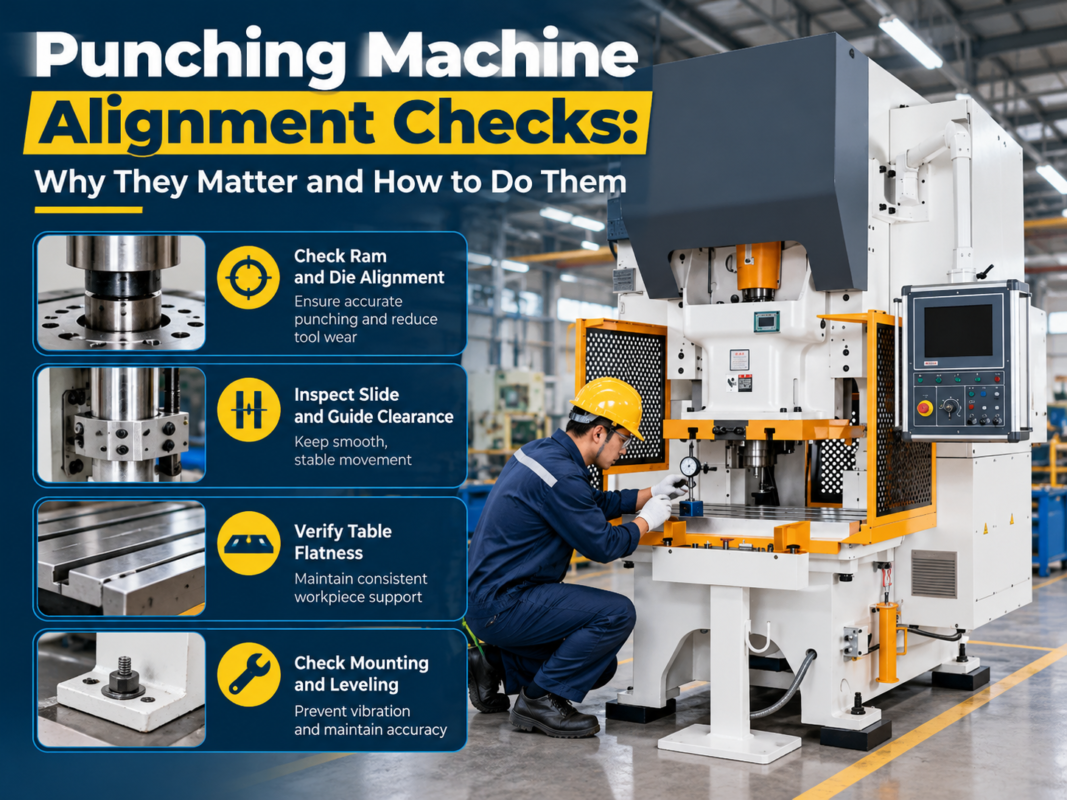
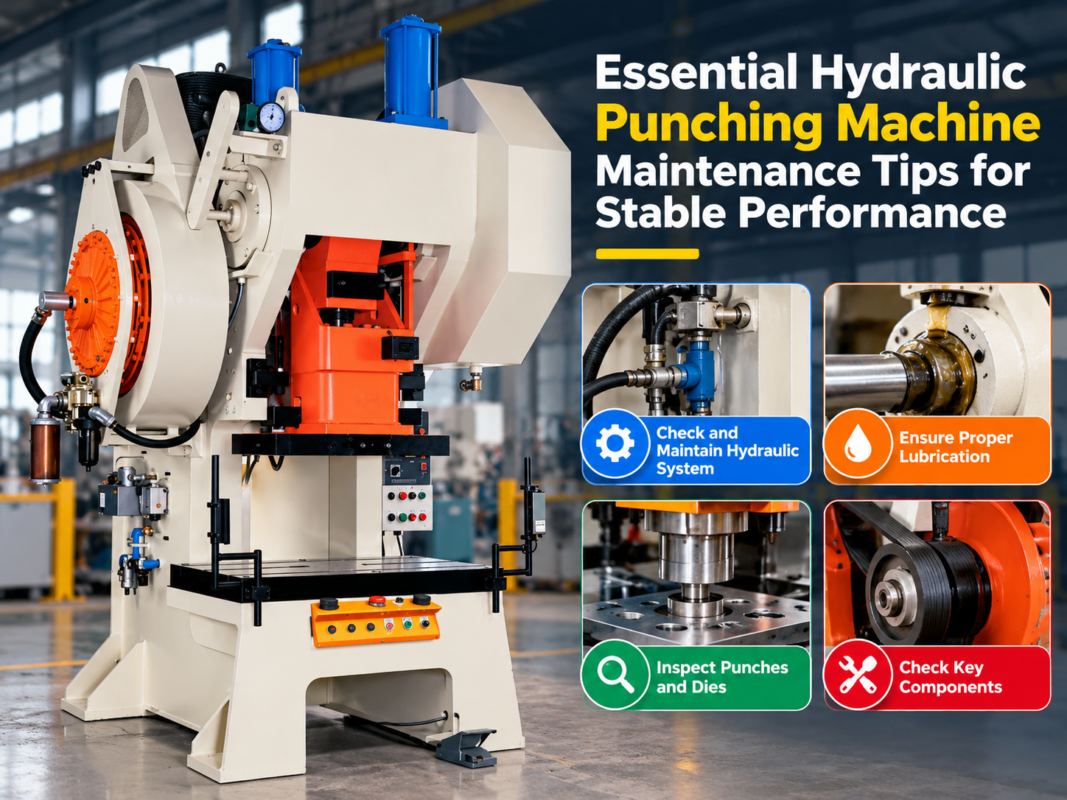
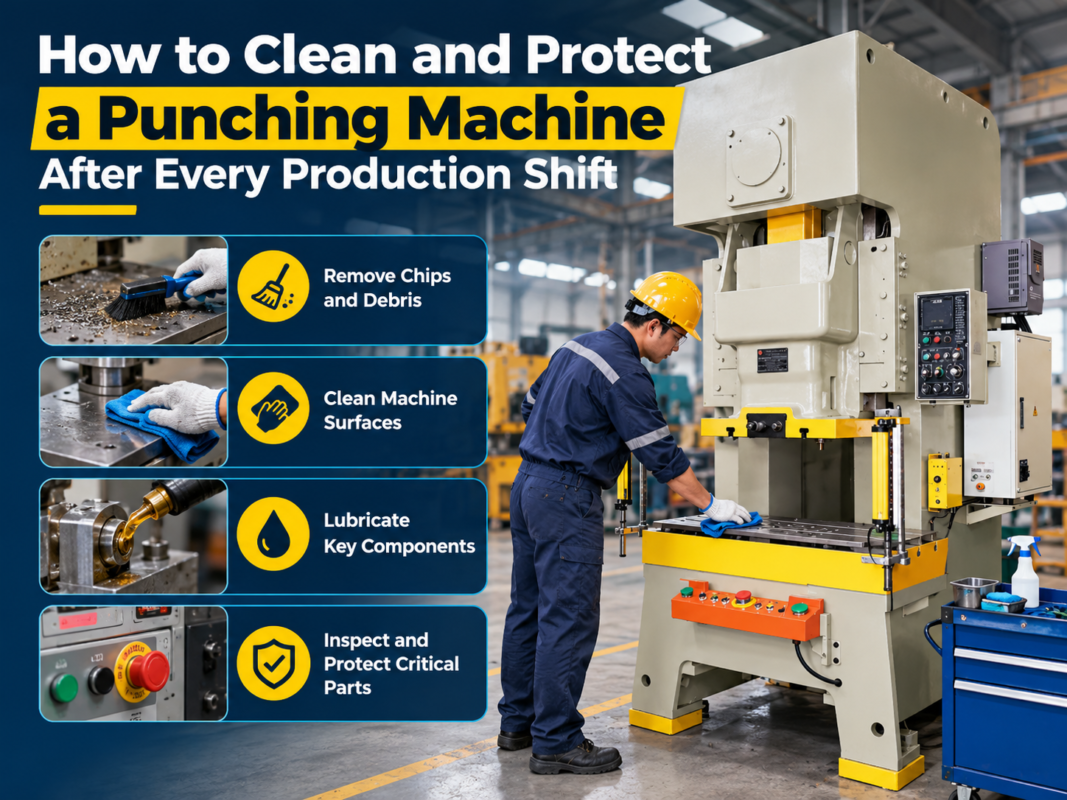
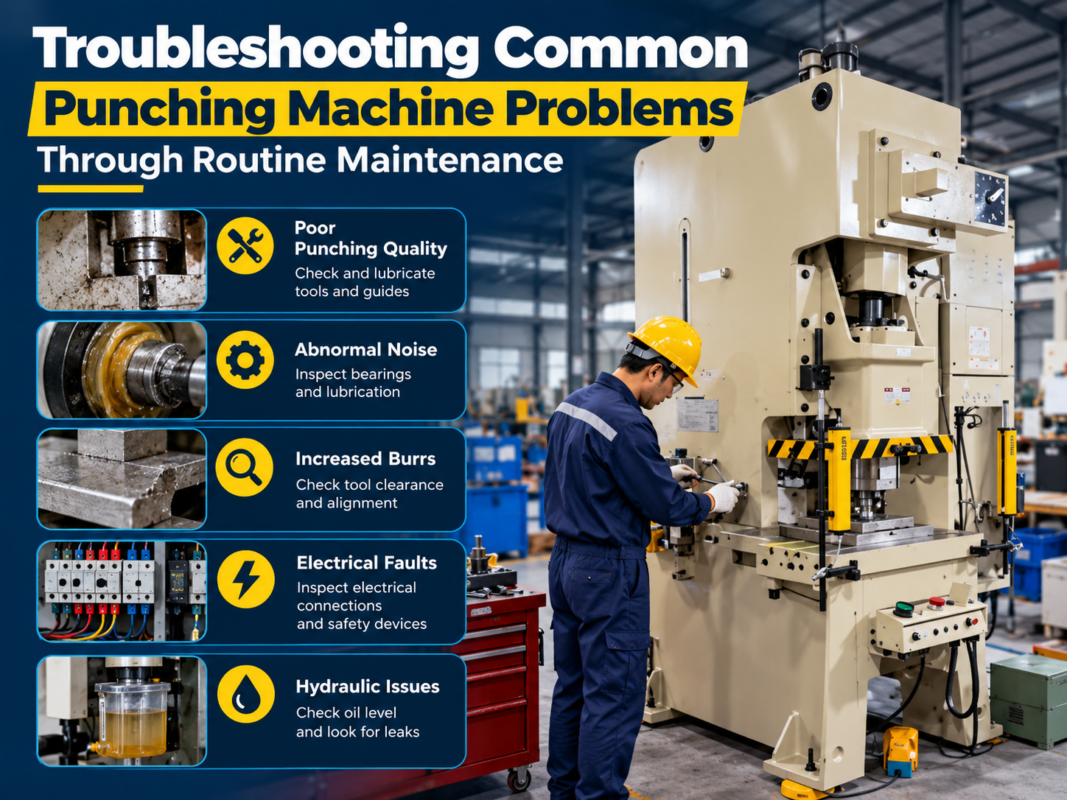
Daily maintenance should include cleaning and basic lubrication. Weekly checks should focus on tool alignment and hydraulic levels (if applicable). A comprehensive professional inspection should be conducted annually. Following the manufacturer’s maintenance schedule is the single most important factor in ensuring long-term reliability.
5. Can I punch stainless steel with a standard punching machine?
Yes, but stainless steel is much harder than mild steel or aluminum. It requires significantly more tonnage (about 50% more than mild steel) and specialized, hardened tooling. If you plan to punch stainless steel regularly, ensure your machine is rated for the extra stress and that you use high-quality coatings on your punches.
6. How does nesting software improve ROI?
Nesting software automatically arranges the parts to be punched on a sheet of metal to minimize waste. By squeezing more parts out of every sheet, you reduce material costs. Advanced software also optimizes the tool path, reducing the time the machine spends moving between holes, which increases overall throughput.