Hydraulic vs Mechanical Punching Machine: Technical Differences for Industrial Use


Technical Overview: Understanding the Core Mechanics
In the realm of metal fabrication, the choice between a hydraulic and a mechanical punching machine is a fundamental decision that dictates production efficiency, part quality, and long-term operational costs. At HARSLE, we recognize that industrial users require a deep understanding of how these machines deliver force to the workpiece. The primary technical difference lies in the method of energy transmission and the resulting stroke characteristics. While both machines are designed to shear, punch, or form metal, their internal architectures cater to vastly different manufacturing environments.
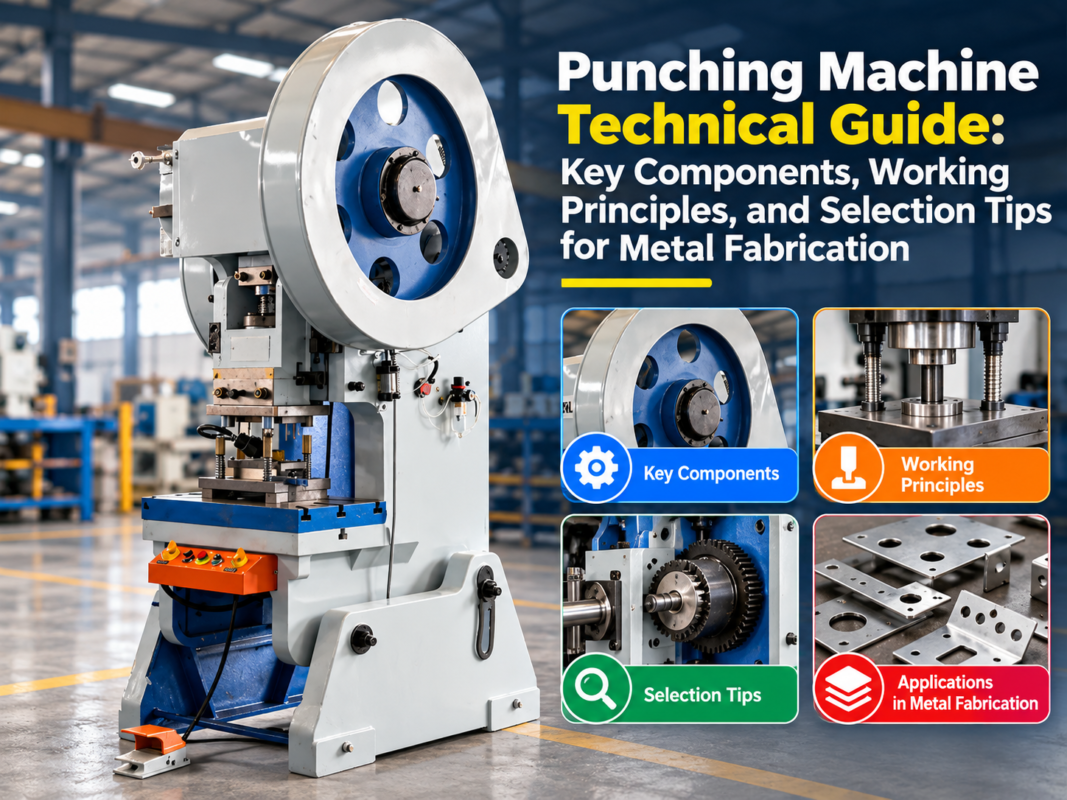
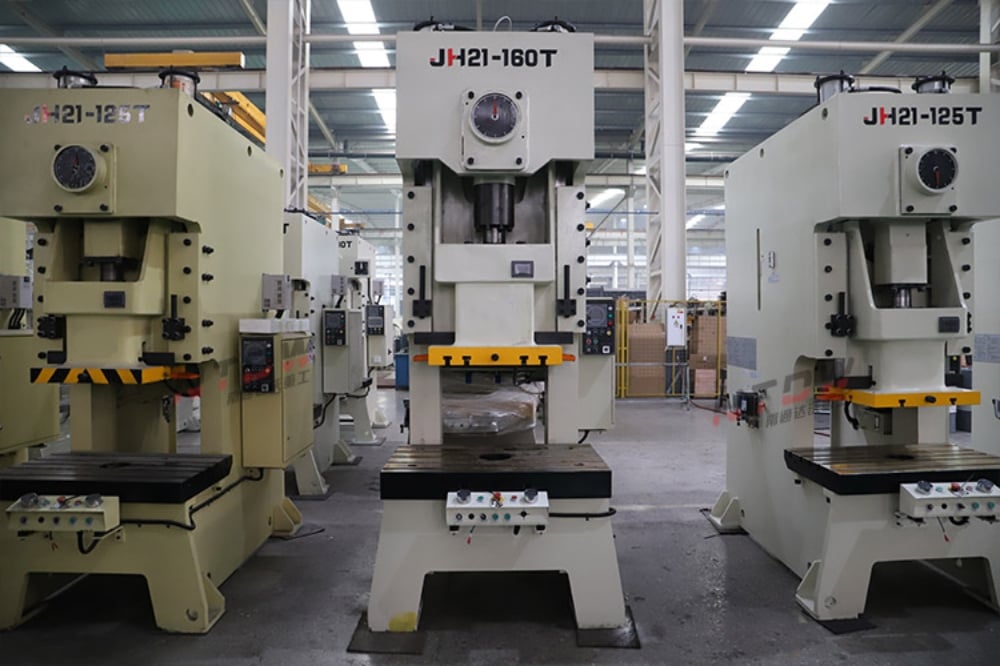
Mechanical punching machines operate on the principle of kinetic energy storage. A motor drives a large, heavy flywheel, which stores energy while spinning. When the operator initiates a stroke, a clutch engages the flywheel to a crankshaft or eccentric gear system. This mechanical linkage converts the rotary motion of the flywheel into the linear motion of the ram. Because the energy is delivered via a fixed mechanical link, the stroke length is constant, and the speed of the ram is highest at the middle of the stroke, decelerating as it reaches the bottom dead center (BDC). This makes mechanical presses exceptionally fast, often reaching hundreds of strokes per minute (SPM), which is ideal for high-volume, repetitive tasks involving thinner materials.
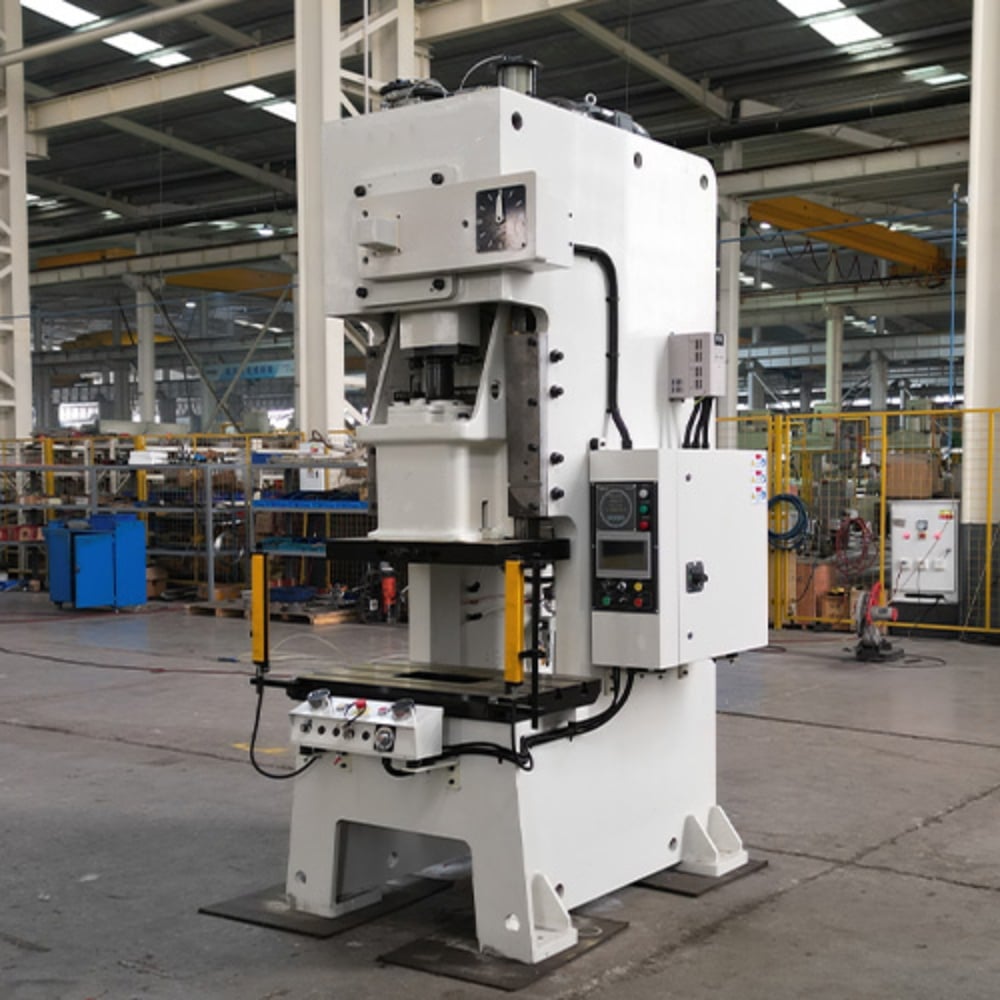
Conversely, hydraulic punching machines utilize fluid power to generate force. An electric motor drives a hydraulic pump, which forces oil into a cylinder. The pressure of the oil moves a piston connected to the ram. Unlike the mechanical system, a hydraulic press can deliver its full rated tonnage at any point during the stroke. This flexibility allows for variable stroke lengths and adjustable speeds. Hydraulic systems are inherently more controlled, allowing the operator to pause the ram or change its velocity mid-stroke. This capability is critical for complex forming operations, deep drawing, or punching very thick plates where a slow, steady application of force prevents material fracturing or excessive tool wear.
From an engineering perspective, the mechanical press is a “displacement-limited” machine, meaning its capacity is defined by the geometry of the crankshaft. The hydraulic press is a “pressure-limited” machine, where the maximum force is governed by the relief valve setting in the hydraulic circuit. Understanding this distinction is the first step in evaluating Hydraulic Vs Mechanical Punching Machine: Technical Differences Industrial Use for your specific facility.
Core Parameters: Tonnage, Speed, and Precision
When comparing these two technologies, several core parameters must be analyzed to determine their suitability for industrial applications. The first and most critical parameter is Tonnage. In a mechanical press, the rated tonnage is only available near the bottom of the stroke. If the material is too thick and the punch contacts the metal too early in the cycle, the machine may not have enough torque to complete the rotation, potentially stalling the flywheel or damaging the clutch. In contrast, a hydraulic press provides a flat tonnage curve, meaning a 100-ton hydraulic press can exert 100 tons of force the moment the tool touches the material, regardless of the ram’s position.
Speed and Cycle Time represent the second major parameter. Mechanical presses are the undisputed kings of speed. In high-speed stamping and punching applications, such as the production of electrical connectors or automotive washers, a mechanical press can operate at speeds exceeding 400-600 SPM. Hydraulic presses are significantly slower due to the time required for fluid to move through valves and cylinders. While modern CNC hydraulic punching machines have improved significantly, they generally top out around 100-150 SPM for short-distance nibbling and much less for full-stroke punching. Therefore, for high-volume throughput, mechanical is usually the preferred choice.
Precision and Stroke Control are where hydraulic machines often take the lead. Because the stroke of a hydraulic machine is controlled by electronic sensors and valves, the depth of the punch can be adjusted with extreme accuracy (often within 0.01mm). This is vital for applications like countersinking or partial-depth punching. Mechanical presses, while repeatable, are limited by the physical dimensions of their crankshaft. Adjusting the shut height on a mechanical press requires moving the entire ram assembly via a motorized screw, which is less flexible than the software-defined stroke limits of a hydraulic system.
Energy efficiency and noise levels also differ. Mechanical presses are generally noisier due to the impact of the clutch and the sudden release of energy at BDC. They also consume energy continuously to keep the flywheel spinning. Hydraulic presses only consume significant power when the ram is moving, though the cooling systems for the hydraulic oil add to the total energy footprint. For modern green manufacturing initiatives, the choice often depends on the specific duty cycle of the production line.
Calculation Method: Determining Punching Force
To select the right machine, engineers must accurately calculate the required punching force. The formula for calculating the force (P) required to punch a hole is universal, but how that force is applied depends on the machine type. The standard formula is:
P = L × t × τ
- P: Punching force (in Newtons or Tons)
- L: Perimeter of the hole (mm). For a round hole, L = π × d.
- t: Material thickness (mm).
- τ: Shear strength of the material (N/mm²).
For example, if you are punching a 50mm diameter hole in 6mm thick mild steel with a shear strength of 400 N/mm², the calculation would be: (3.14 × 50) × 6 × 400 = 376,800 Newtons, which is approximately 38.4 tons. When using a mechanical press, you should select a machine with a rated capacity at least 20-30% higher than the calculated force to account for the energy drop-off above BDC. For a hydraulic press, you can operate closer to the rated capacity because the force is constant.
Furthermore, one must consider the “stripping force,” which is the force required to pull the punch back out of the material. This is typically 10-15% of the punching force. Hydraulic machines handle stripping force exceptionally well because the cylinder can apply equal pressure in the upward direction. Mechanical machines rely on heavy springs or urethane strippers, which can wear out over time and require more frequent maintenance.
Parameter Table: Side-by-Side Comparison
The following table summarizes the technical differences between hydraulic and mechanical punching machines to assist in industrial decision-making.
| Feature | Mechanical Punching Machine | Hydraulic Punching Machine |
|---|---|---|
| Drive Mechanism | Flywheel, Crankshaft, Clutch | Hydraulic Pump, Cylinder, Valves |
| Tonnage Delivery | Peak force near bottom of stroke | Full tonnage throughout the stroke |
| Stroke Length | Fixed (determined by crankshaft) | Fully adjustable and programmable |
| Speed (SPM) | High (up to 600+ SPM) | Moderate (typically 40-150 SPM) |
| Overload Protection | Shear pins or hydraulic overloads | Built-in relief valves (very safe) |
| Maintenance | Focus on clutch, brake, and bearings | Focus on seals, oil, and filters |
| Best Use Case | High-volume, thin material, simple parts | Heavy plate, complex forming, versatility |
Common Engineering Mistakes in Machine Selection
One of the most frequent mistakes in industrial procurement is overestimating the speed requirements while underestimating the material thickness. Many shops purchase a high-speed mechanical press for its throughput, only to find that the impact force on thicker materials causes premature tool breakage and excessive vibration. Mechanical presses deliver a “shock” to the material, which can lead to work-hardening at the edges of the hole, making subsequent operations like tapping or bending more difficult.
Another common error is ignoring the “Snap-Through” force. When a punch breaks through the material, the stored energy in the machine frame is suddenly released. In mechanical presses, this can cause a massive reverse load that damages the crankshaft bearings. Hydraulic presses are also susceptible to this, but modern hydraulic systems use shock absorbers or decompression cycles to mitigate the effect. Failing to account for snap-through when punching high-strength alloys can lead to catastrophic frame failure over time.
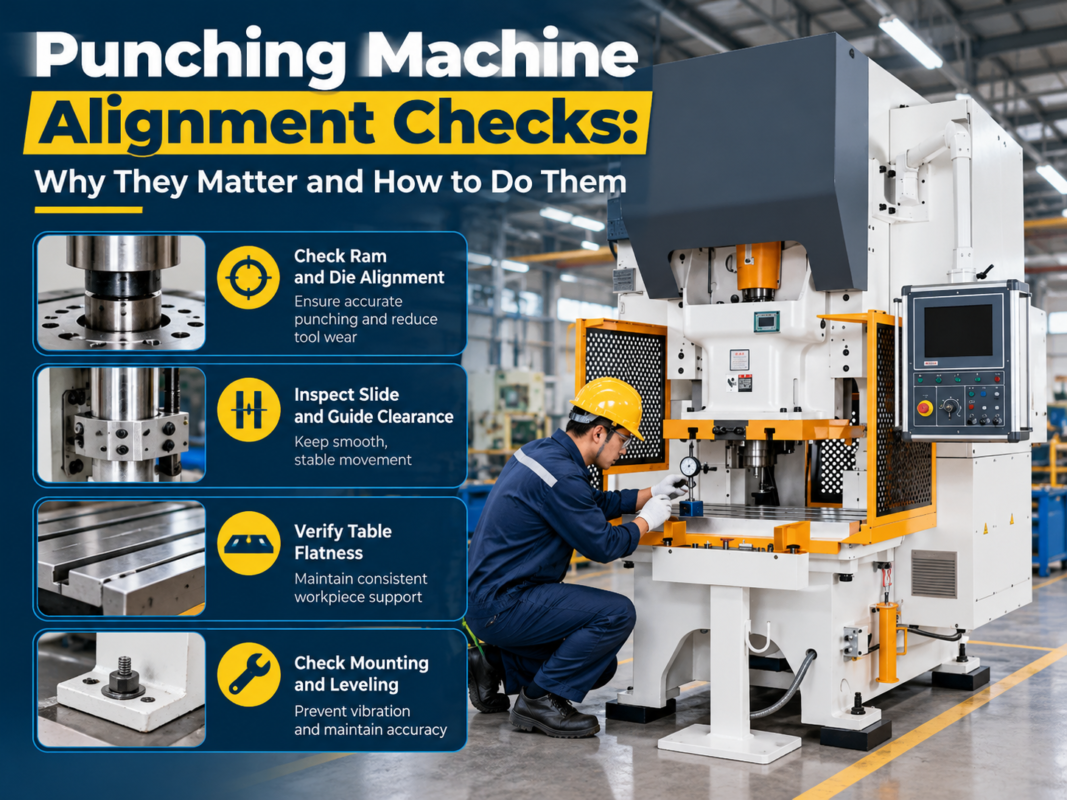
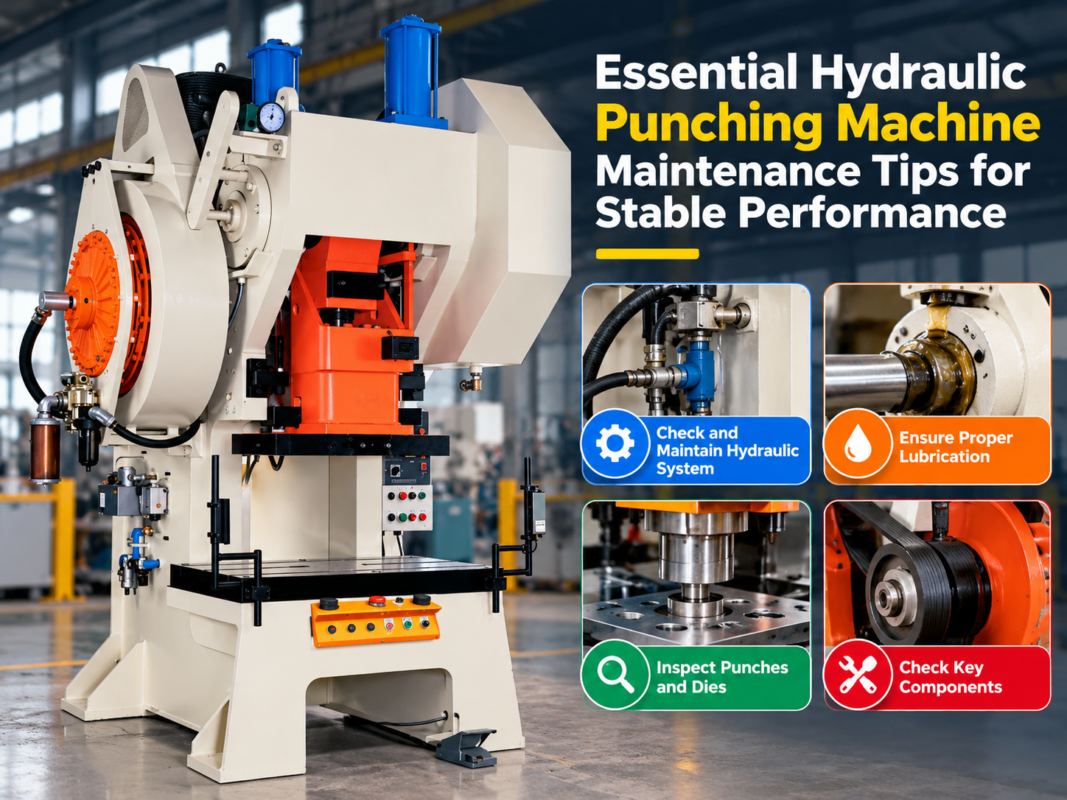
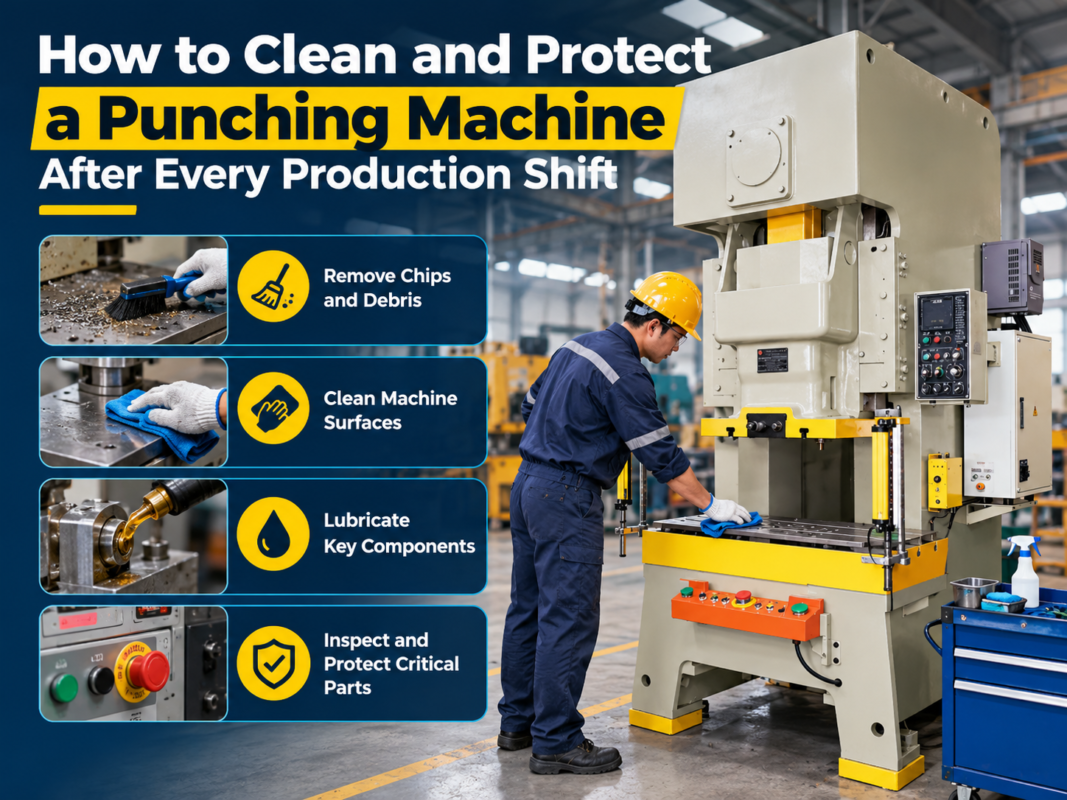
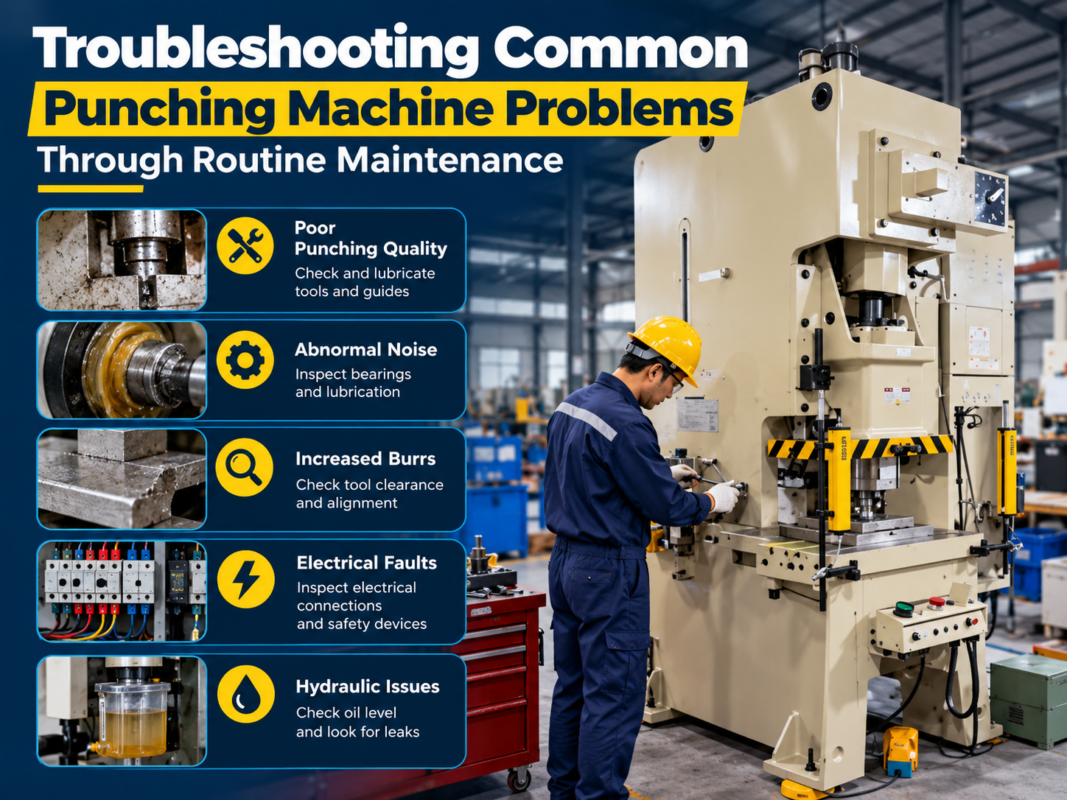
Maintenance neglect is a third area where engineering teams falter. Mechanical presses require precise lubrication of the toggle links and crankshaft. If the clutch is not adjusted correctly, it can slip, leading to heat buildup and failure. Hydraulic presses, on the other hand, are often neglected in terms of oil quality. Contaminated hydraulic fluid is the leading cause of valve failure and cylinder scoring. Engineers must implement a strict fluid analysis program to ensure the longevity of a hydraulic punching system.
Finally, miscalculating the “Work Energy” versus “Tonnage” is a technical pitfall. Tonnage is the force, but work energy is the force times the distance. A mechanical press might have the tonnage to punch a hole, but if the flywheel doesn’t have enough stored energy to push through the entire thickness of the material, the flywheel speed will drop too much, causing the motor to overheat. This is why for thick materials, even if the tonnage is within limits, a hydraulic press is often the safer engineering choice.
Selection Checklist: Choosing the Right Machine
To ensure you select the best equipment for your facility, follow this comprehensive checklist developed by HARSLE’s technical team:
- Material Specifications: What is the maximum thickness and shear strength of the materials you will process? (Use Hydraulic for >6mm plate; Mechanical for <3mm high-speed work).
- Production Volume: How many parts per shift are required? If you need 10,000+ parts daily, a mechanical press is likely necessary.
- Part Complexity: Do you need to perform forming, louvering, or countersinking? Hydraulic machines offer the stroke control needed for these tasks.
- Tooling Life: Are you using expensive carbide tools? The controlled entry of a hydraulic ram can extend tool life by reducing impact shock.
- Floor Space and Infrastructure: Mechanical presses often require deeper foundations due to vibration. Hydraulic presses require space for the power unit and cooling systems.
- Operator Skill Level: CNC hydraulic machines often have more intuitive software interfaces for quick setup, whereas mechanical presses may require more manual adjustment of the die set and shut height.
- Future Proofing: Will your product line expand to thicker materials? A hydraulic press offers more versatility for future changes in material specs.
FAQ: Hydraulic vs Mechanical Punching Machine
1. Which machine is more durable for long-term industrial use?
Both are durable if maintained. Mechanical presses have fewer electronic components but more high-wear moving parts like clutches. Hydraulic presses have fewer moving parts but are sensitive to heat and oil contamination. Generally, a well-maintained mechanical press can last 40+ years, while a hydraulic press may need a seal and valve overhaul every 10-15 years.
2. Can I use a mechanical punching machine for deep drawing?
It is not recommended. Deep drawing requires a constant velocity and controlled pressure to allow the metal to flow into the die. The accelerating/decelerating nature of a mechanical crankshaft usually causes the material to tear. Hydraulic presses are the standard for drawing operations.
3. Is a hydraulic punching machine slower for all tasks?
Not necessarily. While the full stroke is slower, many modern CNC hydraulic punching machines use a “short stroke” or “nibbling” mode where the ram only moves a few millimeters. In these specific cases, the speed difference for thin materials is minimized, though mechanical still holds the edge for pure speed.
4. How does the noise level compare between the two?
Mechanical presses are significantly louder. The “thump” of the flywheel engaging and the impact of the tool on the metal create high decibel levels. Hydraulic presses are quieter, with the primary noise coming from the hydraulic pump motor and the fluid rushing through the valves.
5. Which machine is easier to set up for new jobs?
Hydraulic machines are generally easier to set up. Since the stroke limits are programmed into the CNC controller, there is no need to manually adjust the ram height or change physical limit switches. This reduces setup time from 30 minutes to just a few minutes, which is ideal for small-batch production.
6. What is the price difference?
Initially, mechanical presses can be more expensive due to the massive castings and precision-ground crankshafts required. However, for very high-tonnage applications (over 500 tons), hydraulic presses become more cost-effective to build. Operating costs for mechanical presses are lower in high-volume scenarios, while hydraulic presses may have higher electricity costs due to the pump running.
In conclusion, the choice between Hydraulic Vs Mechanical Punching Machine: Technical Differences Industrial Use depends on the balance between speed and flexibility. HARSLE provides both technologies, ensuring that whether you need the rapid-fire production of a mechanical system or the precision and power of a hydraulic system, your fabrication needs are met with industrial-grade reliability.