Common Punching Machine Problems and How to Troubleshoot Them: A Technical Guide


Technical Overview of Modern Punching Machines
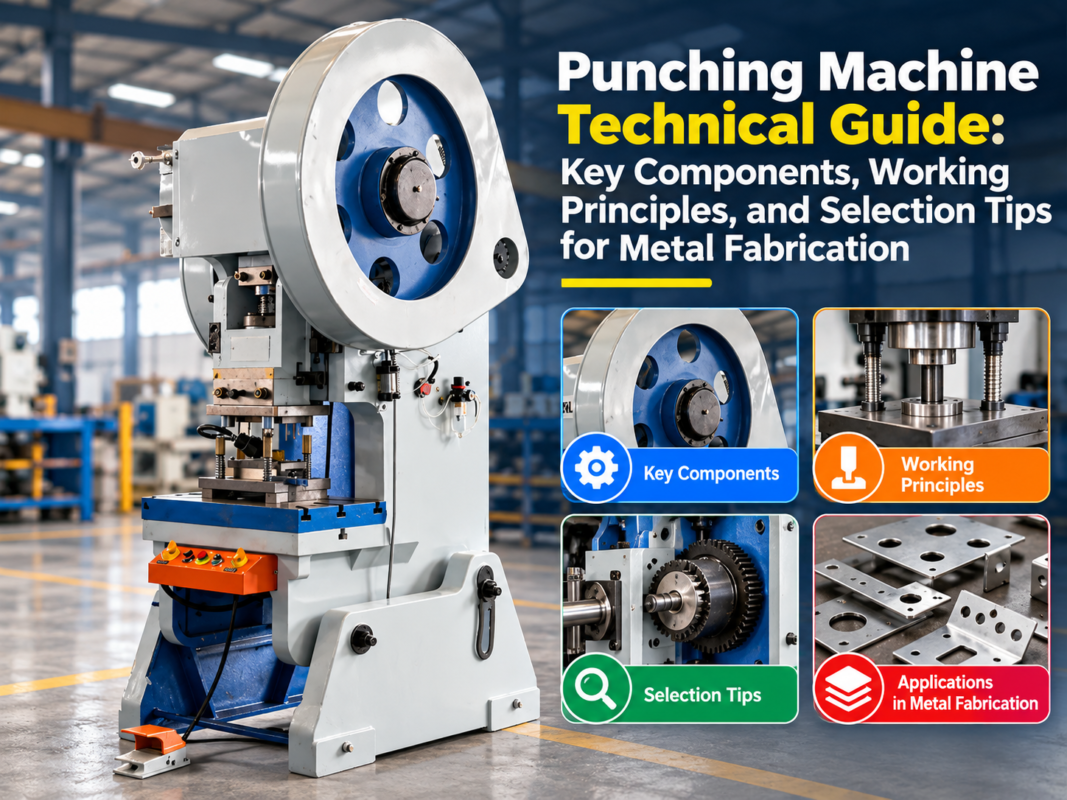
In the realm of industrial metal fabrication, the punching machine stands as a cornerstone of productivity. Whether it is a traditional mechanical press, a high-speed hydraulic punch, or a sophisticated CNC turret punching machine, these systems are designed to deliver high-tonnage force to shear, blank, or form sheet metal with extreme precision. HARSLE has long been at the forefront of developing these machines, ensuring that they meet the rigorous demands of modern manufacturing environments. However, even the most robust equipment can encounter operational hurdles. Understanding common punching machine problems troubleshoot them effectively is essential for maintaining uptime and ensuring the longevity of your investment.
A punching machine operates on the principle of converting energy—either from a flywheel or a hydraulic circuit—into linear motion. This motion drives a punch through a workpiece and into a die. The interaction between the punch, the material, and the die is a high-stress event that requires perfect alignment, appropriate lubrication, and precise timing. When any of these factors deviate from the norm, the quality of the finished part suffers, and the machine itself may sustain damage. Technical proficiency in troubleshooting involves not just fixing the symptom, but identifying the root cause, whether it be mechanical wear, electrical faults, or operator error.
Modern machines, especially those from HARSLE, integrate advanced sensors and CNC controllers to monitor performance in real-time. Despite these advancements, the physical nature of metal shearing means that wear and tear are inevitable. A comprehensive understanding of the machine’s technical architecture—including the drive system, the ram assembly, and the tool-holding mechanism—is the first step in effective troubleshooting. By adopting a proactive maintenance stance, fabricators can mitigate the risks associated with common punching machine problems and ensure a seamless production flow.
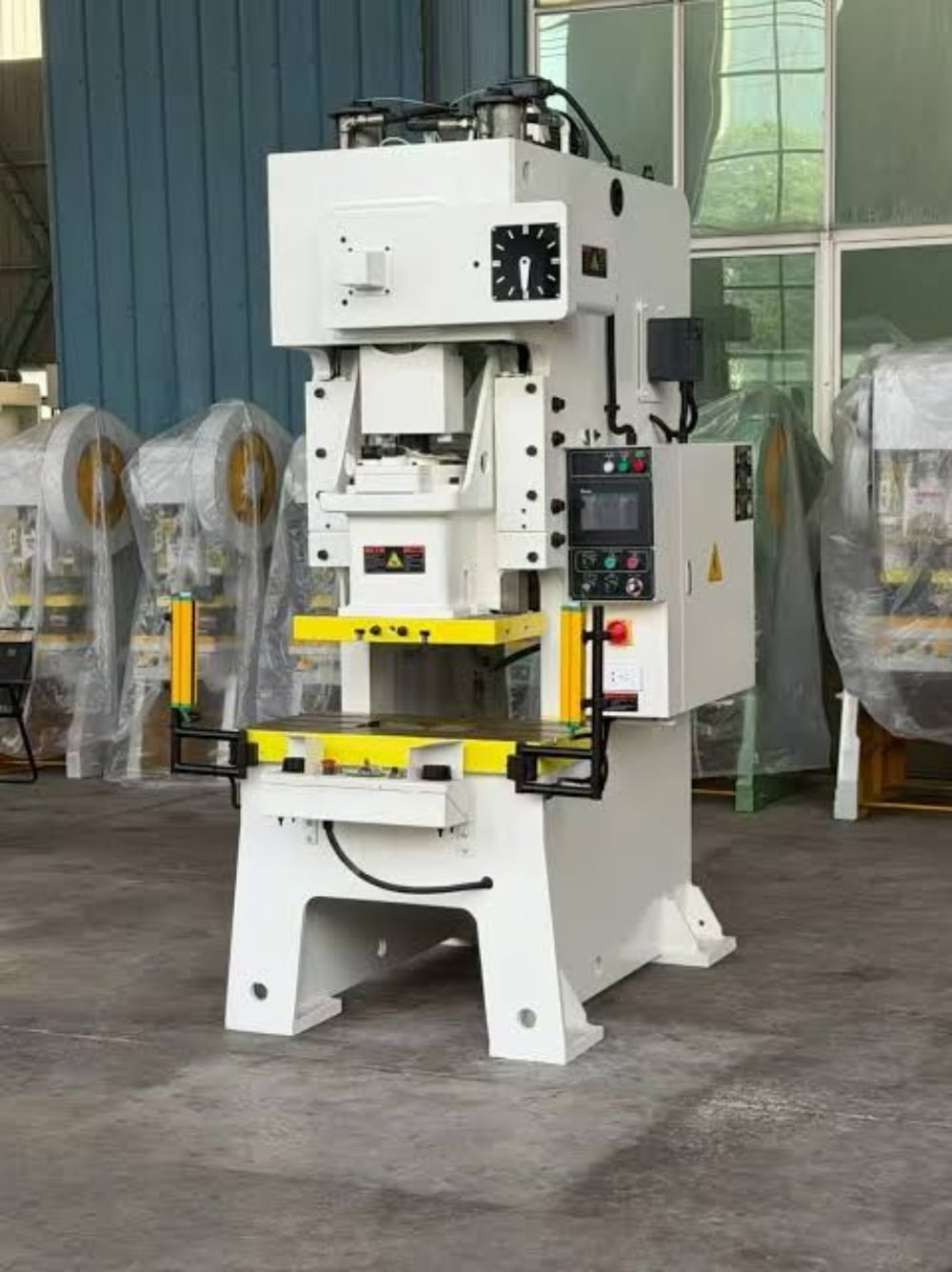
Core Parameters Defining Machine Performance
To troubleshoot a punching machine effectively, one must first understand the core parameters that define its operational envelope. These parameters are the benchmarks against which performance is measured. The primary parameter is Tonnage, which represents the maximum force the machine can exert. Exceeding this limit is a frequent cause of structural failure or hydraulic bypass. Tonnage requirements vary based on material thickness and shear strength, and using a machine under-powered for the task is a recipe for chronic mechanical issues.
Another critical parameter is the Stroke Length and Rate. The stroke length determines the depth of the punch’s travel, while the rate (measured in hits per minute) dictates the machine’s speed. In CNC turret punches, the Positioning Accuracy and Repeatability are paramount. These are often influenced by the lead screws, servo motors, and the stability of the machine frame. If a machine begins to produce parts that are out of tolerance, the troubleshooting process must focus on these motion control components.
Furthermore, the Throat Depth determines the maximum size of the sheet that can be processed. While this is a physical constraint rather than a dynamic parameter, it influences how the material is supported. Improper material support can lead to vibration and deflection, which are often misdiagnosed as tool wear. Understanding the Turret Capacity and the speed of tool changes is also vital for high-volume operations. A delay in tool indexing can indicate issues with the pneumatic or hydraulic shot pins that lock the turret in place.
Calculation Method for Punching Force and Clearance
Accurate calculations are the foundation of successful punching operations. One of the most common reasons for machine failure is the miscalculation of the required punching force. The formula for calculating the punching force (P) in kilo-Newtons (kN) is generally expressed as:
P = L × t × τ
Where:
L = The total perimeter of the punched shape (mm). For a round hole, L = π × d.
t = The thickness of the material (mm).
τ = The shear strength of the material (N/mm²). As a rule of thumb, shear strength is often taken as 80% of the tensile strength.
If the calculated force exceeds 80% of the machine’s rated capacity, it is advisable to use a larger machine or implement shear-angled punches to reduce the peak load. Troubleshooting often reveals that “mysterious” machine stalls are simply the result of trying to punch high-tensile stainless steel with parameters calculated for mild steel.
Equally important is the Die Clearance. Clearance is the space between the punch and the die, usually expressed as a percentage of the material thickness. For most applications, a total clearance of 15% to 20% of the material thickness is ideal. If the clearance is too tight, it increases the force required and causes excessive tool wear. If it is too loose, it results in large burrs and poor edge quality. When troubleshooting edge quality issues, the first step should always be to verify that the die clearance matches the material thickness and type currently being processed.
Technical Parameter Comparison Table
The following table provides a comparison of typical parameters for different classes of punching machines. This serves as a reference for selecting the right equipment and identifying when a machine is being pushed beyond its design limits.
| Machine Type | Tonnage Range (Tons) | Max Material Thickness (mm) | Stroke Rate (HPM) | Typical Applications |
|---|---|---|---|---|
| Mechanical C-Frame | 15 – 100 | 3 – 6 | 60 – 120 | Simple blanking, high-speed stamping |
| Hydraulic Single-End | 30 – 200 | 6 – 20 | 20 – 50 | Heavy plate punching, structural steel |
| CNC Turret Punch | 20 – 50 | 2 – 6 | 300 – 1000 | Complex sheet metal parts, nibbling |
| Pneumatic Punch | 1 – 10 | 0.5 – 2 | 150 – 200 | Light electronics, thin foil components |
Common Engineering Mistakes and Troubleshooting Strategies
Engineering mistakes in the setup and operation of punching machines often lead to recurring problems. One of the most frequent errors is improper tool alignment. If the punch and die are not perfectly concentric, the punch will hit the side of the die, leading to chipped tooling or, in extreme cases, damage to the machine’s ram. Troubleshooting this requires a precision alignment tool or a “slug test” to check for even burnish marks around the perimeter of the hole.
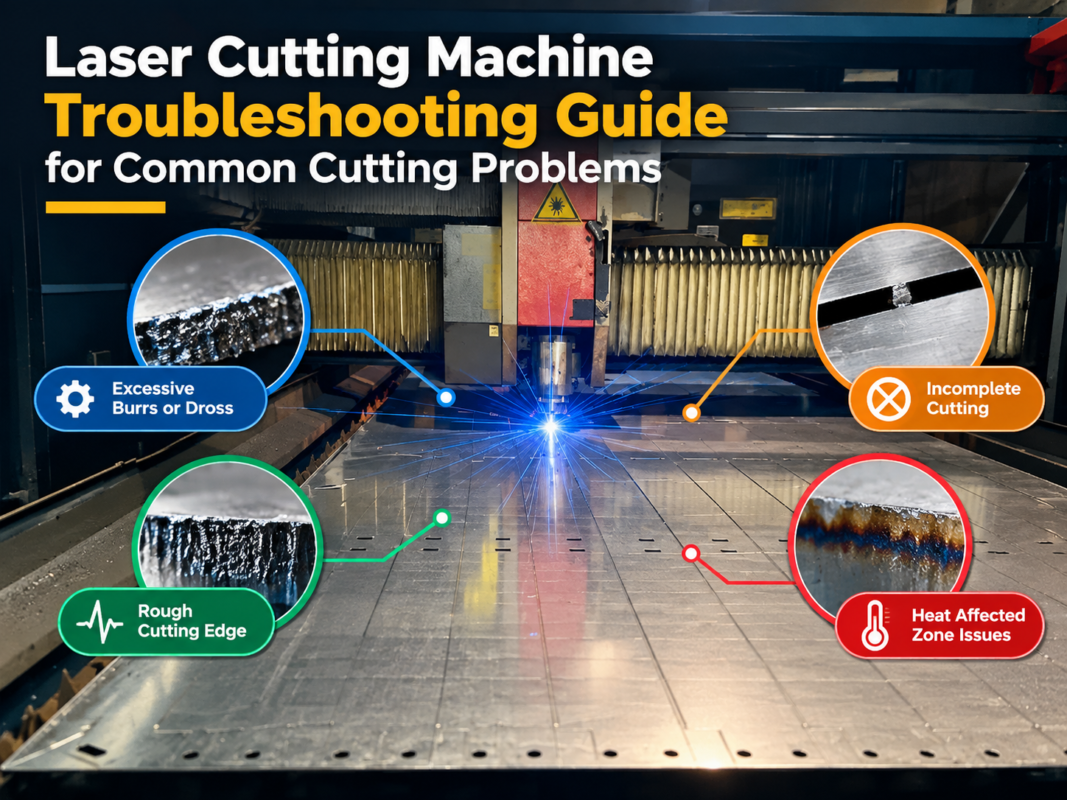
Issue 1: Excessive Burr Formation
Burrs are the most common quality issue in punching. While some burr is inevitable, excessive burrs indicate a problem. The primary cause is usually dull tooling or excessive die clearance. As the punch edge rounds off, it begins to push the metal rather than shear it. To troubleshoot, inspect the punch and die edges under magnification. If they appear rounded, they must be sharpened. If the tools are sharp, verify that the die clearance is not too large for the material thickness.
Issue 2: Slug Pulling and Sticking
Slug pulling occurs when the waste piece (the slug) sticks to the face of the punch and is pulled back out of the die, often landing on the sheet and causing damage during the next hit. This is frequently caused by vacuum effect or residual magnetism. Troubleshooting involves checking the slug-retention features of the die or applying a small amount of lubricant to the punch tip to break the vacuum. In some cases, installing a urethane ejector pin in the punch can solve the problem permanently.
Issue 3: Hydraulic System Overheating
In hydraulic punching machines, overheating is a significant concern. It leads to thinned oil, which reduces lubrication and causes seal failure. The root cause is often a clogged oil cooler or a relief valve set too low, causing the pump to work constantly against high pressure. Troubleshooting should start with a check of the oil temperature and a visual inspection of the cooling fins. Ensure the hydraulic fluid is at the correct level and meets the manufacturer’s viscosity specifications.
Issue 4: Positioning Inaccuracy in CNC Systems
When a CNC turret punch fails to hit the correct coordinates, the problem is usually in the drive train. Backlash in the lead screws or loose couplings on the servo motors are common culprits. Additionally, dirt or debris on the linear guides can cause the system to bind. To troubleshoot, perform a “squareness check” by punching a large rectangle and measuring the diagonals. If they are not equal, the X and Y axes are out of alignment and require mechanical adjustment or parameter compensation in the controller.
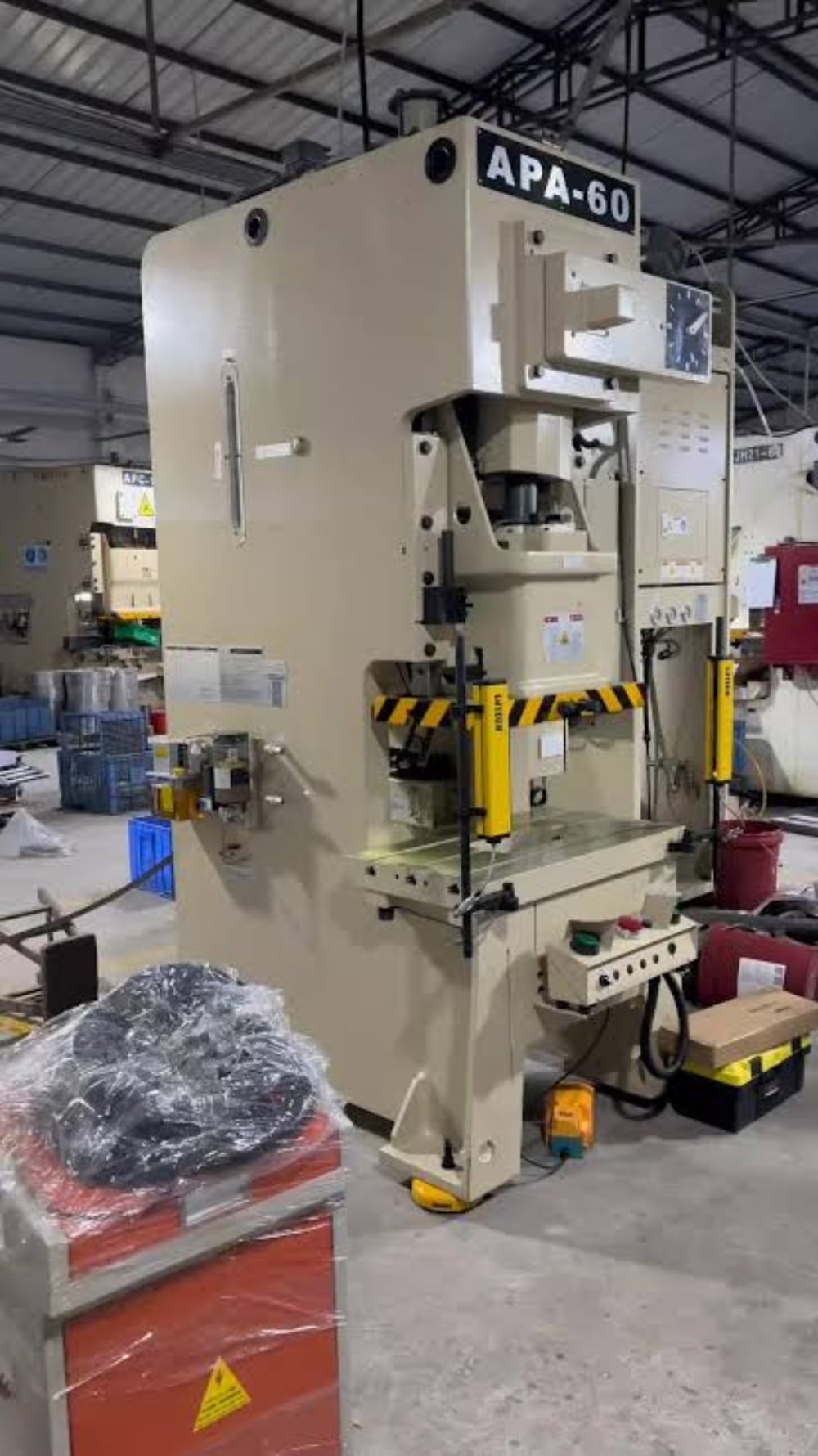
Selection Checklist for Industrial Punching Machines
Choosing the right machine is the best way to avoid common punching machine problems troubleshoot them later. When evaluating a HARSLE machine or any industrial punch, use the following checklist to ensure the equipment meets your technical requirements:
- Tonnage Capacity: Does the machine have at least 20% more tonnage than your highest calculated requirement?
- Frame Rigidity: Is the frame a heavy-duty welded steel structure or cast iron? A rigid frame minimizes deflection and extends tool life.
- Control System: Does the CNC controller offer intuitive troubleshooting diagnostics and real-time monitoring?
- Tooling Compatibility: Does the machine use standard long-style or thick-turret tooling that is easily sourced and maintained?
- Safety Features: Are light curtains, emergency stops, and interlocked guards standard?
- Hydraulic Efficiency: Does the machine feature a variable displacement pump or a servo-hydraulic drive to reduce heat and energy consumption?
- After-Sales Support: Does the manufacturer provide detailed technical manuals and readily available spare parts?
Frequently Asked Questions (FAQ)
How often should I sharpen my punching tools?
Tool sharpening frequency depends on the material being punched. For mild steel, tools should generally be sharpened after every 50,000 to 100,000 hits. For stainless steel, this interval may drop to 20,000 hits. A good rule of thumb is to sharpen the tool when the burr height exceeds 10% of the material thickness.
Why is my machine making a loud “banging” noise during the stroke?
A loud banging noise often indicates “breakthrough shock.” This happens when the material suddenly gives way under high pressure. While some noise is normal, excessive shock can damage the machine. This can be mitigated by using shear-angled punches or by ensuring the machine’s dampening system is functioning correctly.
What is the best lubricant for punching operations?
The best lubricant depends on the material. For aluminum, a light evaporating oil is often used to prevent galling. For heavy-duty steel punching, a high-pressure sulfur-based oil or a specialized synthetic lubricant is recommended. Proper lubrication reduces friction, heat, and the likelihood of slug pulling.
Can I punch holes that are smaller than the material thickness?
Generally, it is not recommended to punch a hole with a diameter smaller than the material thickness (e.g., a 5mm hole in 6mm plate). Doing so puts immense stress on the punch tip, leading to frequent breakage. If you must do this, use specialized heavy-duty punches and reduce the punching speed significantly.
How do I fix a turret that is out of alignment?
Turret misalignment is a serious issue that usually requires a technician. It involves re-aligning the upper and lower turret disks using a precision alignment mandrel. Before calling for service, check if the shot pins are worn or if there is debris in the turret indexing gear, as these are simpler fixes for common punching machine problems troubleshoot them.
By following these guidelines and maintaining a rigorous service schedule, you can ensure that your HARSLE punching machine remains a reliable and productive asset in your facility. Troubleshooting is a skill that combines technical knowledge with practical observation, and mastering it is key to manufacturing excellence.