Punching Machine Maintenance Guide for Longer Service Life and Stable Performance

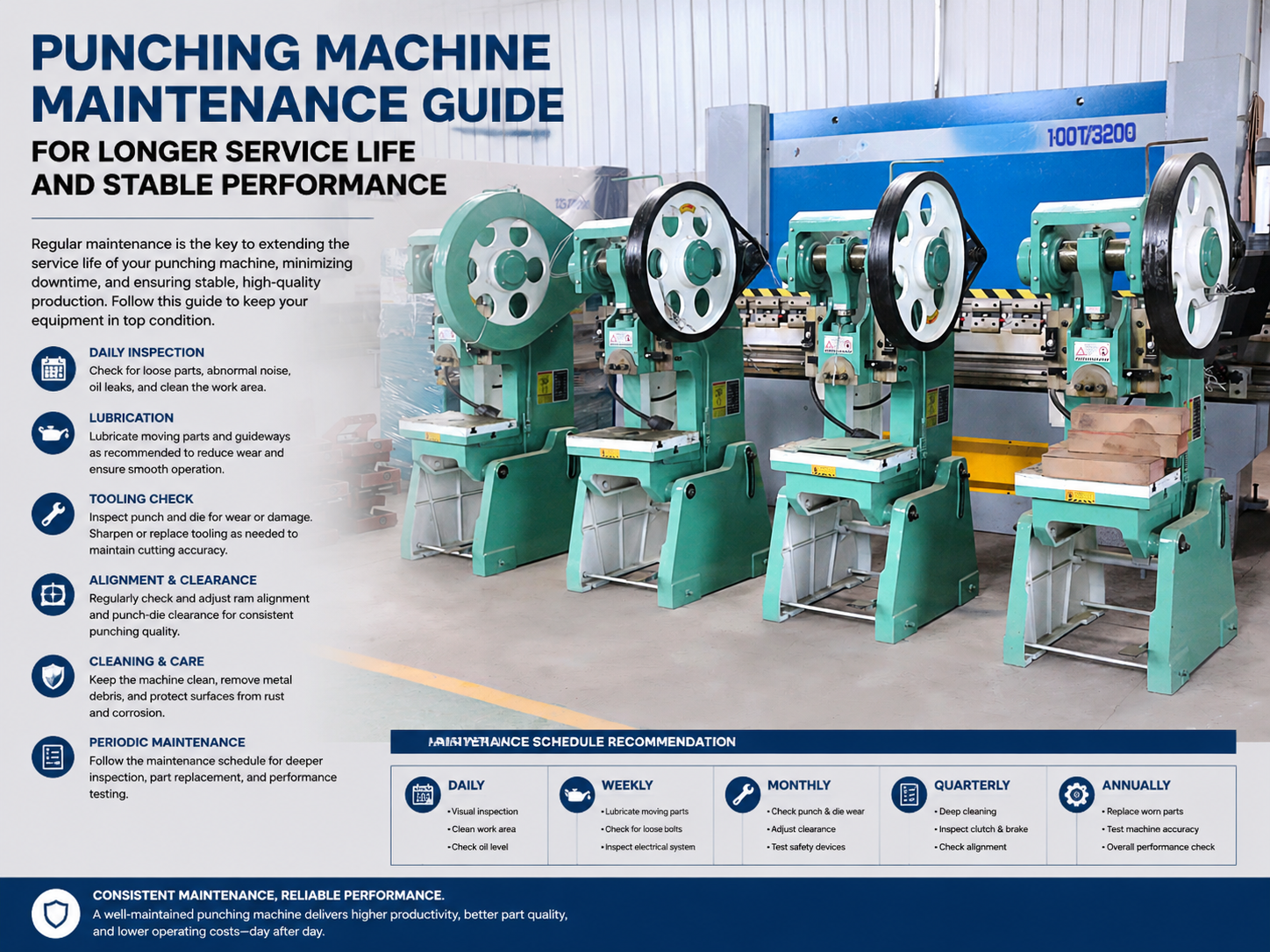
Technical Overview of Punching Machine Maintenance
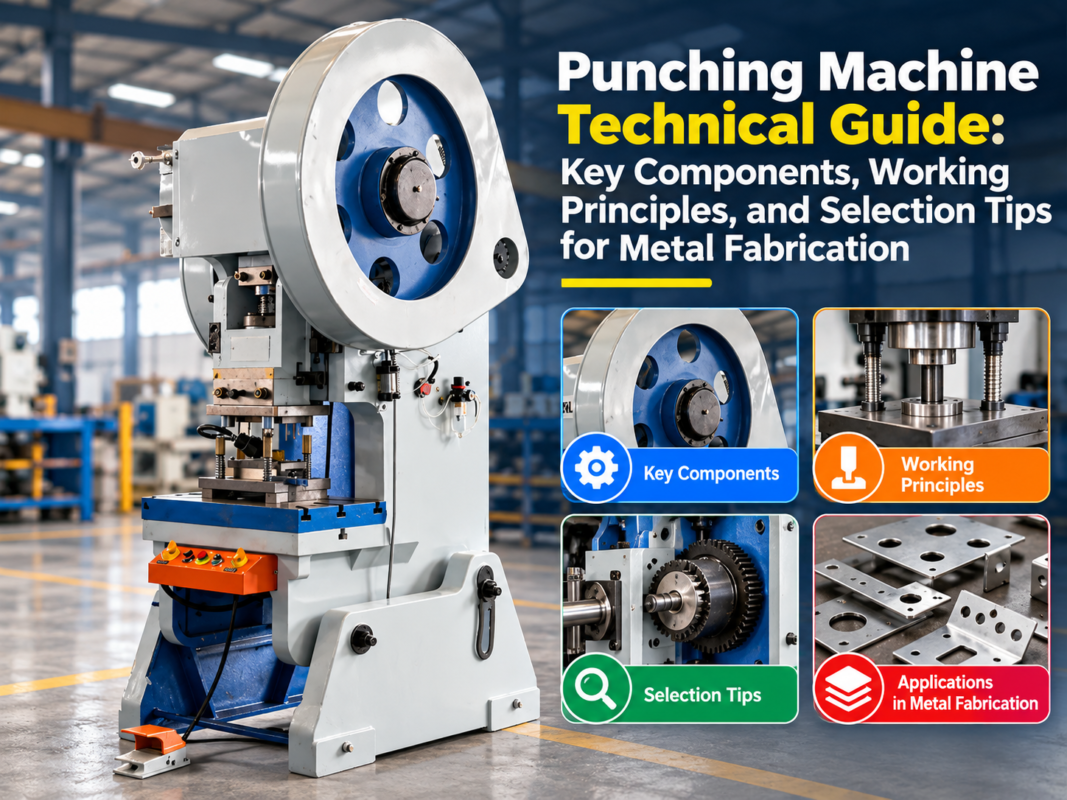
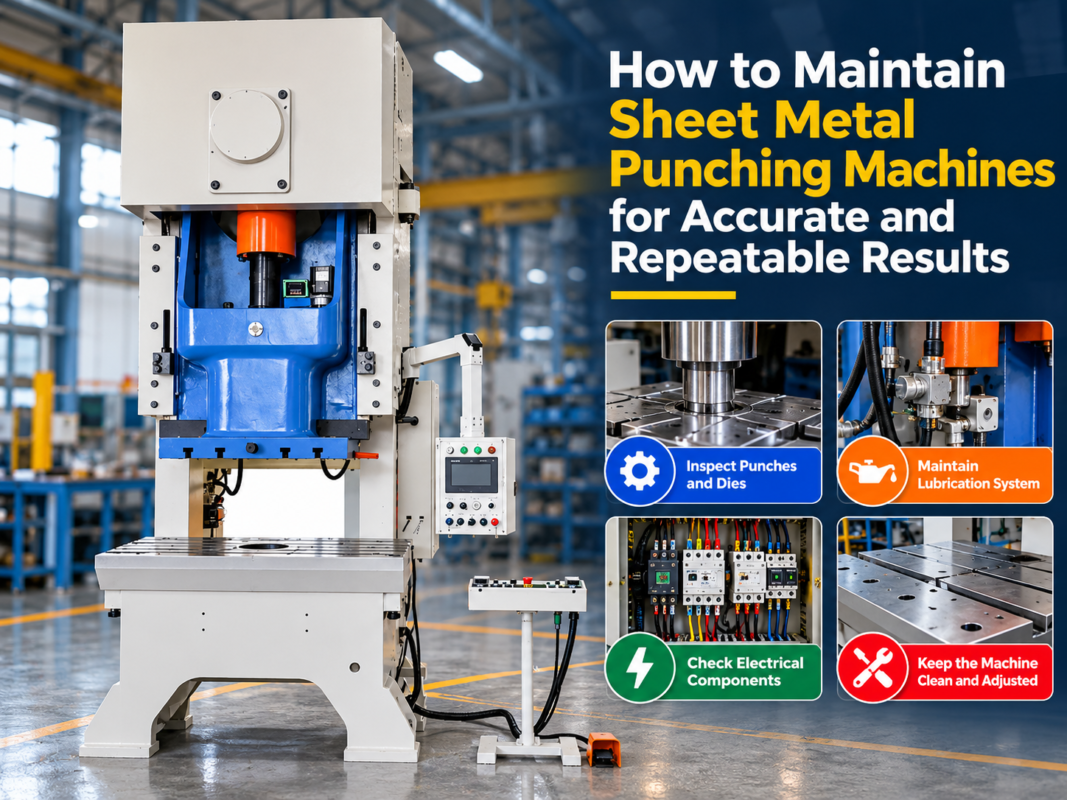
In the high-stakes world of metal fabrication, the reliability of your equipment determines your bottom line. A punching machine is the workhorse of many production lines, converting raw sheet metal into precision components through sheer force and mechanical accuracy. However, the intense repetitive stress placed on these machines means that Punching Machine Maintenance for Longer Service Life and Stable Performance is not just a recommendation—it is a necessity. Proper maintenance ensures that the mechanical components, such as the crankshaft, flywheel, and clutch, operate in harmony without premature wear.
Modern punching machines, whether mechanical or hydraulic, rely on tight tolerances. When a machine is poorly maintained, these tolerances begin to drift. This leads to ‘burrs’ on the workpiece, increased noise levels, and eventually, catastrophic failure of the drive system. Technical maintenance involves a multi-layered approach: lubrication management, structural integrity checks, and electrical system calibration. By understanding the physics behind the punch—where kinetic energy is transferred into shear force—operators can better appreciate why a single loose bolt or a clogged oil line can disrupt the entire manufacturing process.
HARSLE punching machines are engineered for durability, but even the most robust designs require systematic care. The goal of this guide is to provide a deep dive into the technical aspects of keeping your press in peak condition. We will explore the core parameters that define machine health and the specific calculation methods used to ensure you are not overloading your equipment, which is the leading cause of shortened service life.
Core Parameters Influencing Machine Longevity
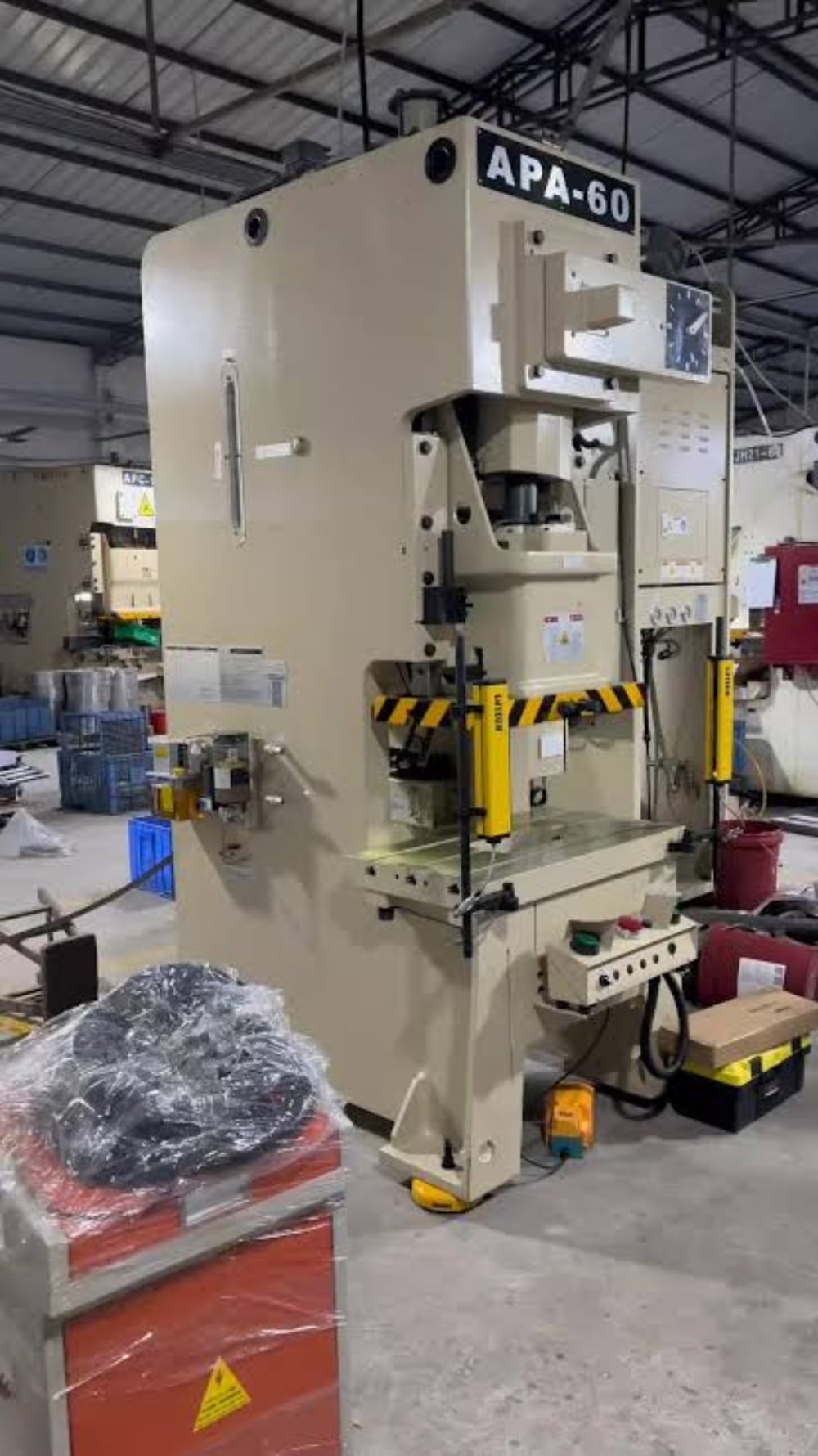
To achieve Punching Machine Maintenance for Longer Service Life and Stable Performance, one must first understand the core parameters that govern the machine’s operation. These parameters are the benchmarks against which all maintenance activities are measured. If a machine is operated outside its designed parameters, no amount of lubrication will prevent damage.
- Nominal Pressure (Tonnage): This is the maximum force the press can exert. Continuous operation at 100% capacity accelerates wear on the bearings and frame. Maintenance involves verifying that the pressure gauges are accurate and that the hydraulic or mechanical systems are delivering the expected force without internal leakage.
- Stroke Length and Frequency: The distance the slide travels and how many times it does so per minute (SPM). High-speed punching generates significant heat. Maintenance must focus on the cooling systems and the thermal expansion of the slide guides.
- Shut Height: The distance between the bolster plate and the slide when the stroke is at its lowest point. Incorrect shut height adjustment can lead to ‘bottoming out’ the die, which sends a shockwave through the machine frame, potentially cracking the cast iron or steel structure.
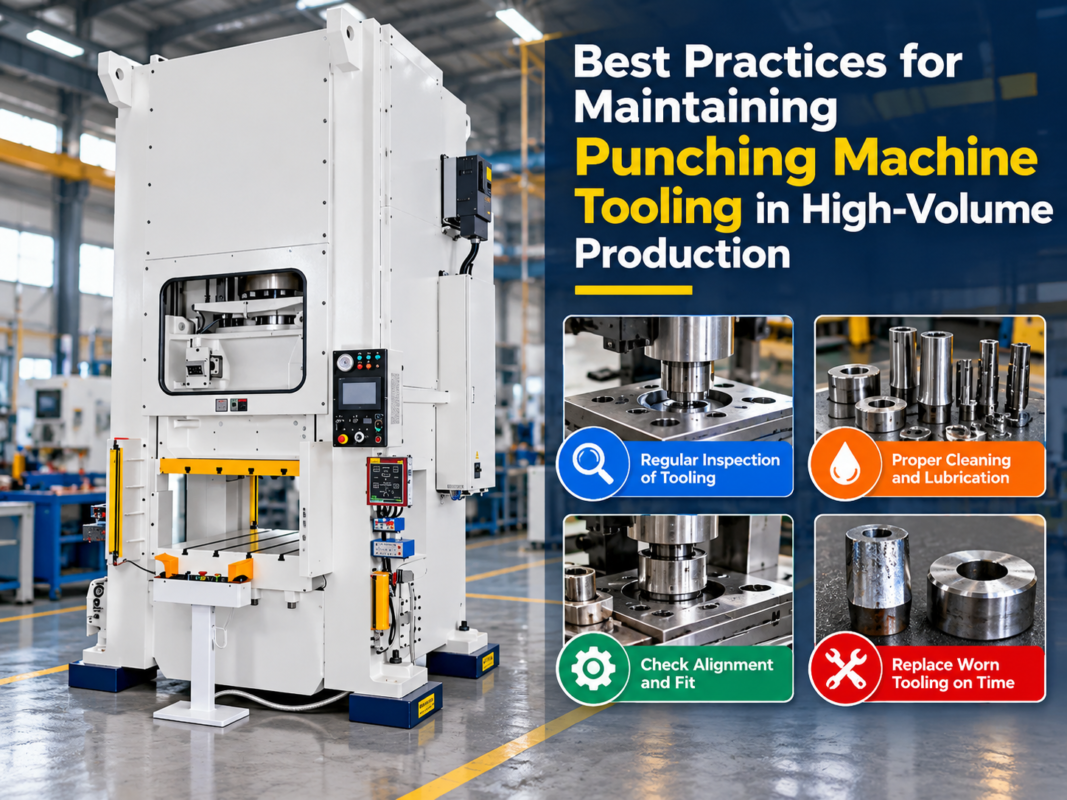
- Die Clearance: While often considered a tooling issue, improper die clearance increases the tonnage required to punch a hole, thereby putting unnecessary strain on the machine’s motor and drive train.
Monitoring these parameters allows maintenance teams to identify trends. For instance, if the machine requires more energy (amperage) to complete the same punch than it did a month ago, it indicates increased friction in the gibs or a dulling die, both of which require immediate intervention to maintain stable performance.
Calculation Method for Punching Force and Maintenance Limits
A critical aspect of Punching Machine Maintenance for Longer Service Life and Stable Performance is ensuring the machine is never overloaded. Overloading is often the result of incorrect calculations during the setup phase. To protect the machine, engineers must calculate the required punching force (P) for every new job.
The standard formula for calculating punching force is:
P = L × t × τ
Where:
P = Punching force (kN)
L = Perimeter of the punched shape (mm)
t = Material thickness (mm)
τ = Shear strength of the material (MPa)
For example, if you are punching a 50mm diameter hole in a 3mm thick stainless steel plate (shear strength approx. 500 MPa), the calculation would be: (50 × π) × 3 × 500 = 235,619 N, or approximately 236 kN. If your machine is rated for 250 kN, you are operating at nearly 95% capacity. For Stable Performance, it is recommended to operate at no more than 75-80% of the machine’s nominal capacity. Operating consistently at the limit causes the frame to flex (deflection), which misaligns the punch and die, leading to rapid tool wear and stress fractures in the machine body.
Furthermore, maintenance teams should calculate the ‘Energy Balance.’ If the flywheel slows down too much during a stroke (more than 10-15%), it indicates the motor is being overworked. Adjusting the maintenance schedule to include more frequent motor brush inspections or belt tensioning can mitigate this risk.
Punching Machine Technical Parameter Table
The following table outlines the typical specifications for HARSLE punching machines and the corresponding maintenance focus areas for each class of equipment.
| Machine Type | Tonnage Range | Primary Drive | Maintenance Focus | Service Interval |
|---|---|---|---|---|
| J23 Series Open Back | 10T – 100T | Mechanical / Crankshaft | Lubrication of Pitman Arm & Crank | Daily |
| JH21 Series C-Frame | 25T – 400T | Pneumatic Clutch | Air Filter & Brake Lining | Weekly |
| H-Frame High Speed | 60T – 500T | Dynamic Balance System | Vibration Analysis & Cooling | Monthly |
| Hydraulic Punching | 30T – 200T | Hydraulic Cylinder | Oil Purity & Seal Integrity | Quarterly |
This table serves as a quick reference for facility managers to align their Punching Machine Maintenance for Longer Service Life and Stable Performance strategies with the specific mechanical requirements of their fleet.
Common Engineering Mistakes in Punching Machine Operation
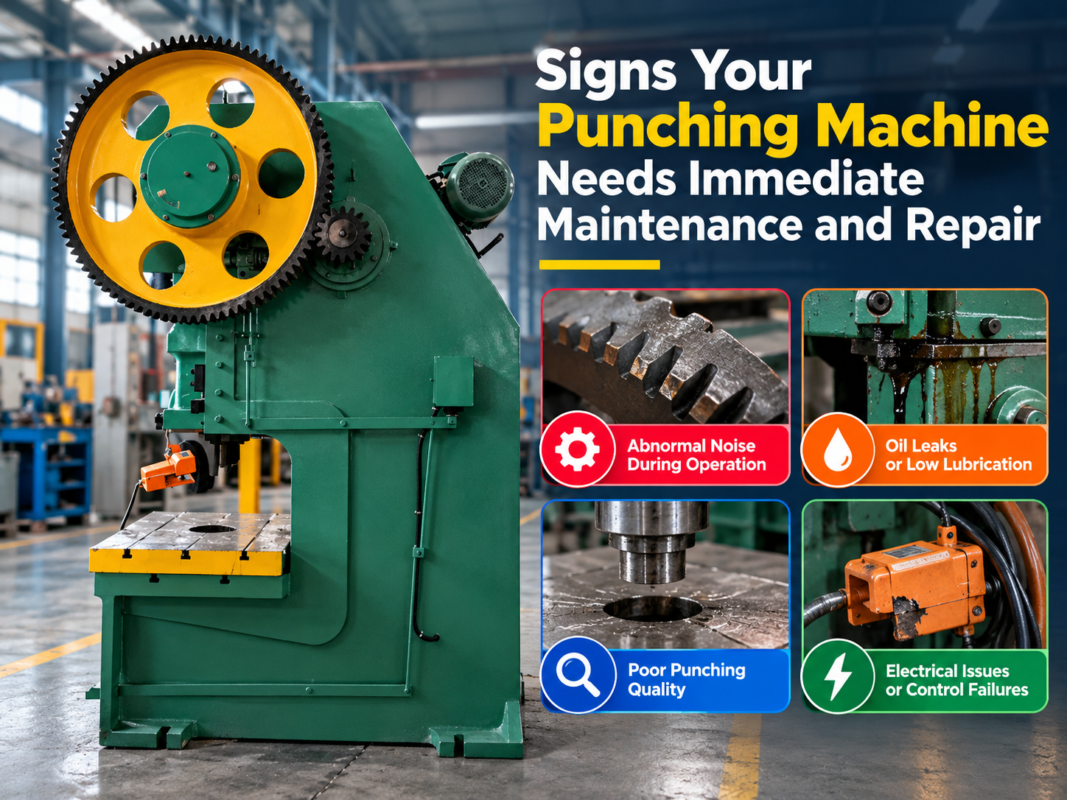
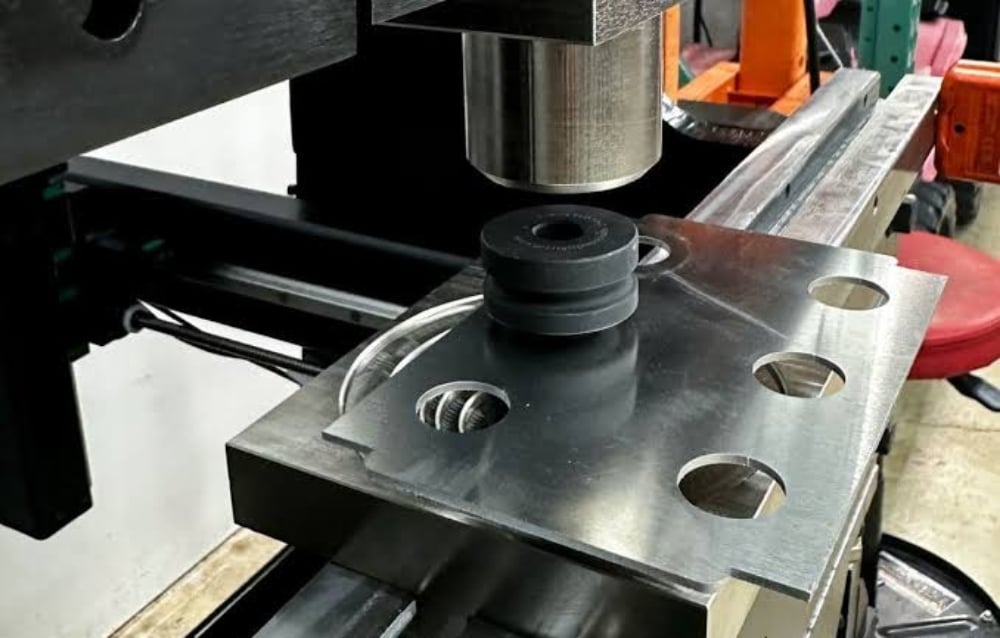
Even with a maintenance plan, certain engineering and operational mistakes can undermine the goal of Longer Service Life. One of the most common errors is the neglect of the lubrication system. Many operators assume that if the auto-lube reservoir is full, the machine is being lubricated. However, individual lines can become clogged with metal dust or thickened oil, leaving critical bearings bone-dry while the sensor reports a ‘normal’ status. Manual verification of oil flow at the friction points is essential.
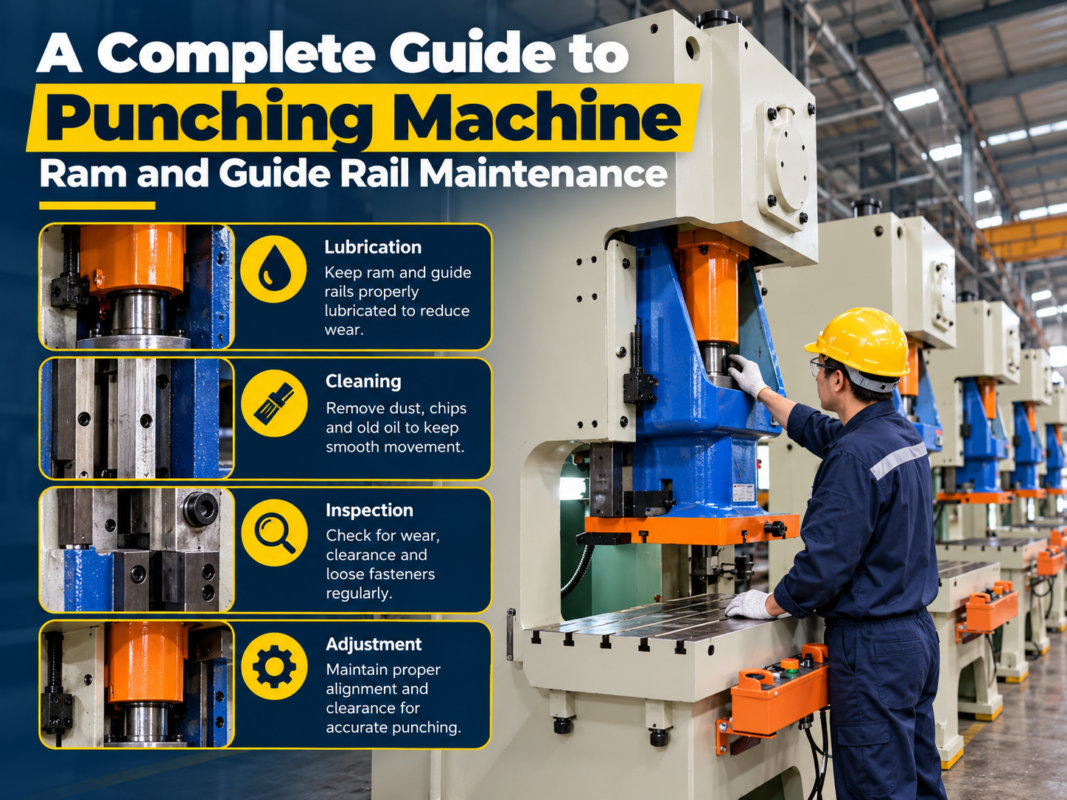
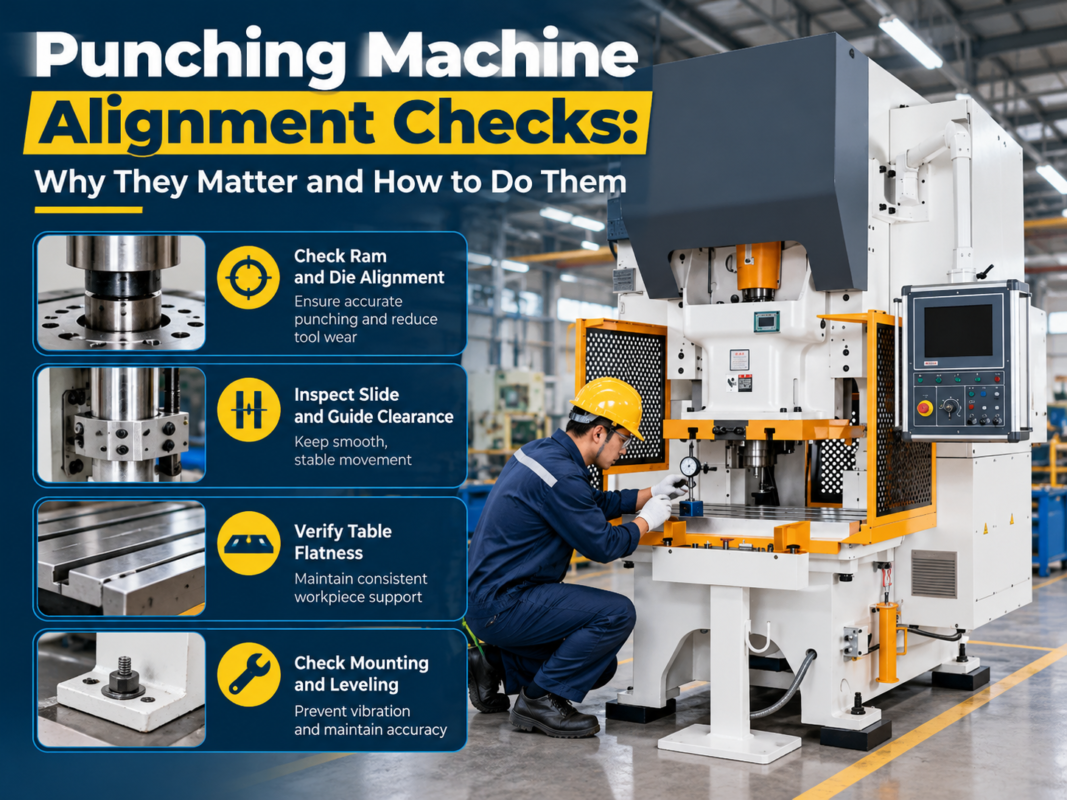
Another frequent mistake is the improper setting of the ‘Gib Clearance.’ The gibs guide the slide’s vertical movement. If they are too tight, they generate excessive heat and can seize; if they are too loose, the slide will ‘shudder’ during the punch, destroying the die and putting lateral stress on the crankshaft. Maintenance must include a precision measurement of gib clearance using feeler gauges at least twice a year.
Finally, ignoring the ‘Reverse Tonnage’ or ‘Snap-through’ force is a silent killer of punching machines. When the material finally shears, the stored energy in the frame is released instantly, creating a reverse shock. If the machine is not equipped with shock absorbers or if they are poorly maintained, this reverse force can snap tie-rods and damage the clutch mechanism. Ensuring that the machine is properly leveled and anchored to a heavy foundation helps dissipate this energy.
Selection Checklist for Maintainable Punching Machines
When purchasing a new machine, selecting one designed for easy maintenance is the first step toward Stable Performance. Use this checklist during your procurement process:
- Centralized Lubrication System: Does the machine feature a programmable automatic lubrication system with blockage detection?
- Overload Protection: Is there a hydraulic overload protector that can be reset easily, or does it use a sacrificial shear plate? (Hydraulic is preferred for uptime).
- Accessibility: Can the clutch and brake assembly be accessed without dismantling the entire flywheel housing?
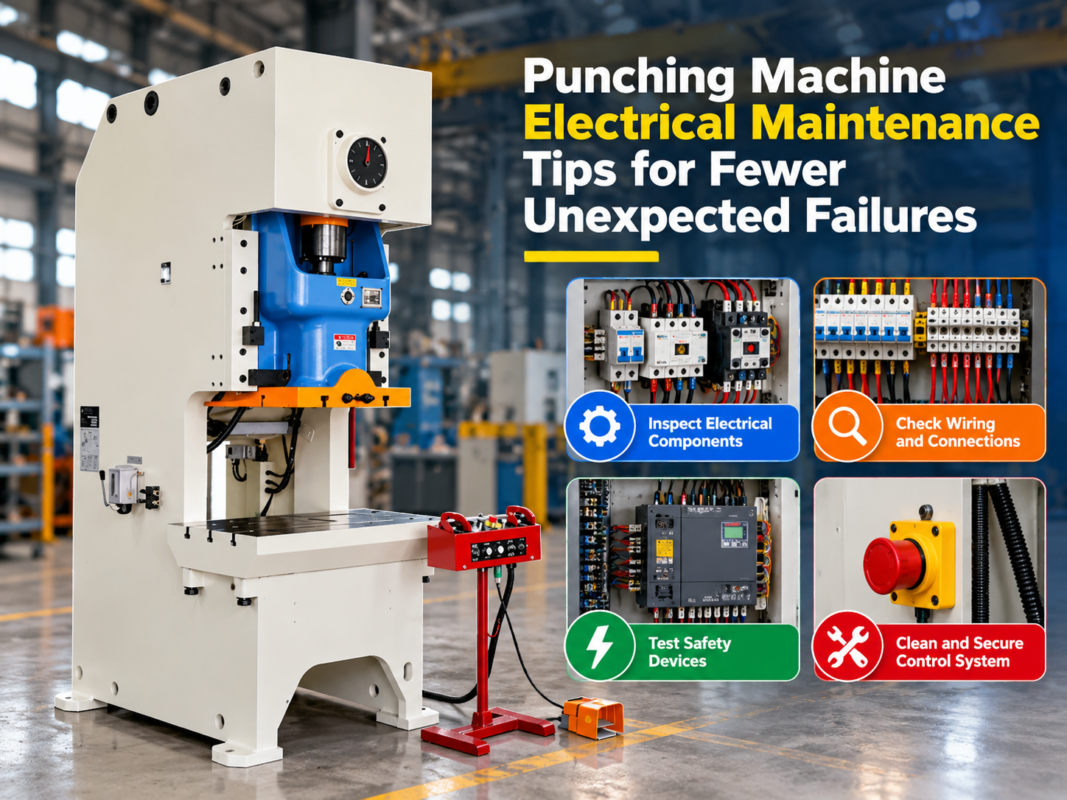
- Control Diagnostics: Does the PLC provide specific error codes for maintenance issues (e.g., “Low Air Pressure” vs. a generic “Machine Fault”)?
- Component Standardization: Are the electrical and hydraulic components from reputable global brands (like Schneider, Rexroth, or Siemens) for which parts are easily sourced?
- Frame Rigidity: Is the frame made of high-grade cast iron or welded steel that has been stress-relieved? A rigid frame requires less frequent realignment.
Frequently Asked Questions (FAQ)
How often should I change the hydraulic oil in my punching machine?
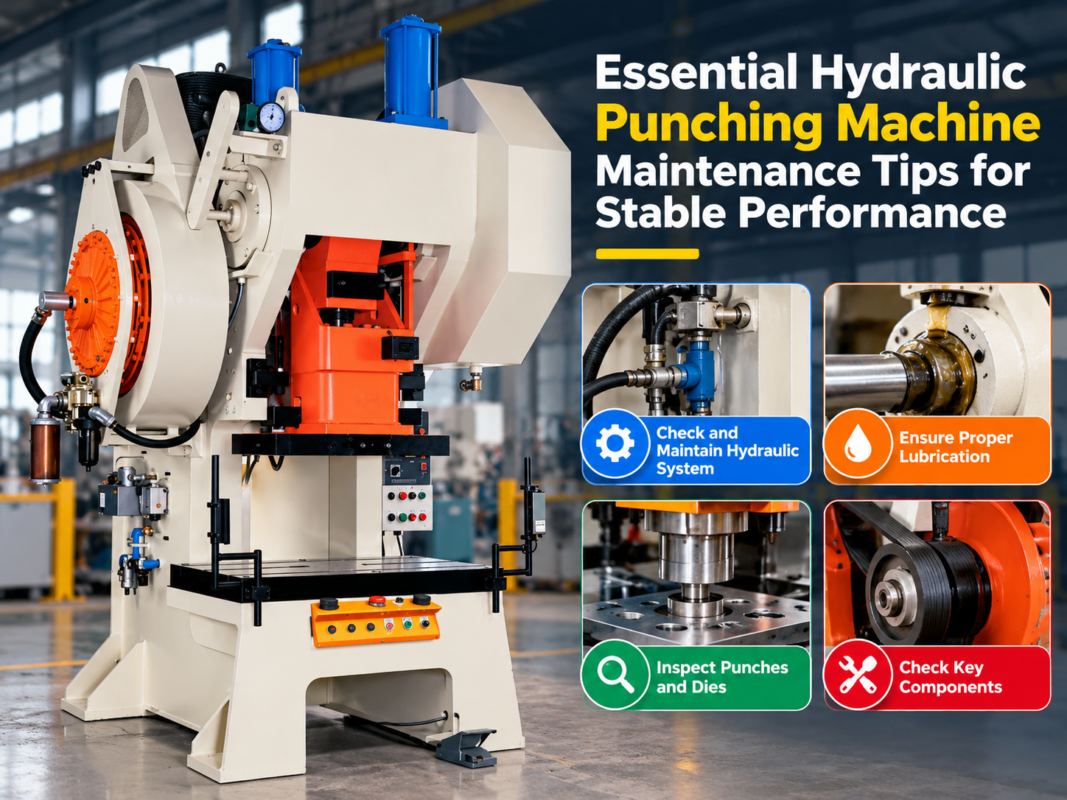
For Stable Performance, hydraulic oil should typically be changed every 2,000 to 3,000 operating hours. However, you should perform an oil analysis every six months to check for oxidation and particulate contamination. Always replace the filters at the same time as the oil.
Why is my punching machine making a loud ‘banging’ noise during the stroke?
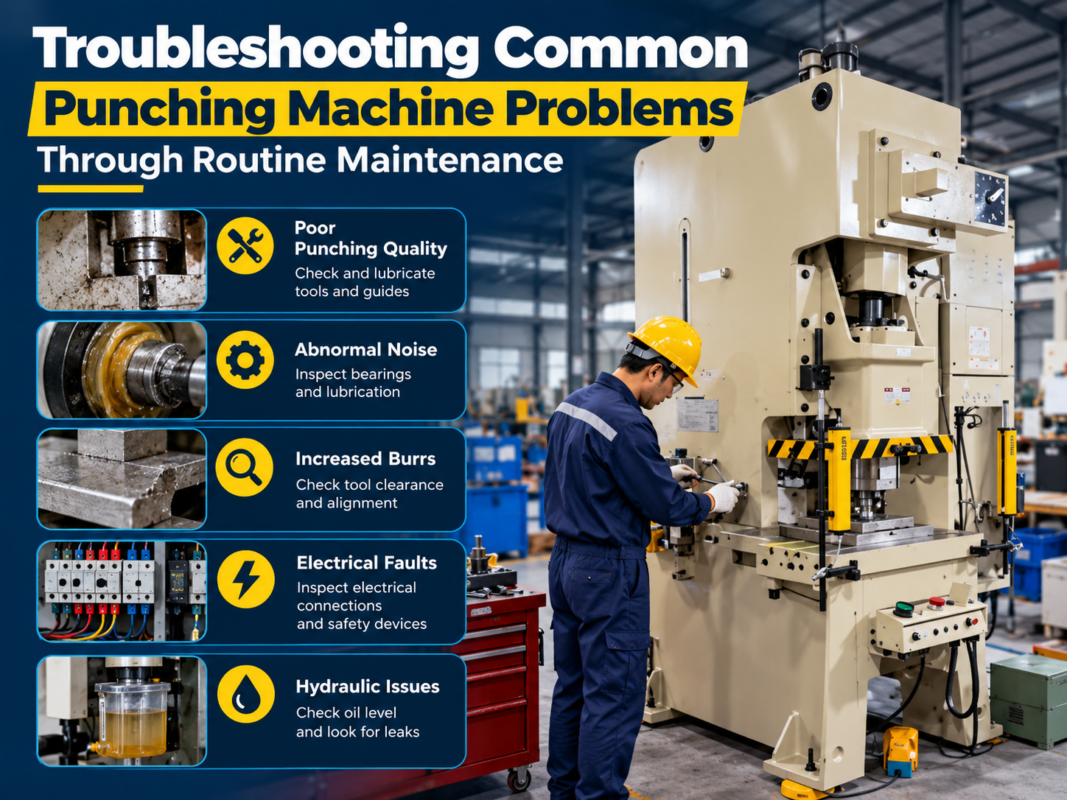
A loud bang often indicates excessive ‘Snap-through’ force or that the die is bottoming out. Check your shut height adjustment and ensure the material thickness has not changed. It could also indicate a loose flywheel or worn-out bearings in the main drive.
Can I use any industrial grease for the lubrication points?
No. Punching machines require specific Extreme Pressure (EP) lubricants that can withstand the high-impact loads of the punching cycle. Using the wrong grease can lead to the lubricant being squeezed out of the bearing surface, causing metal-on-metal contact.
What is the most critical daily maintenance task?
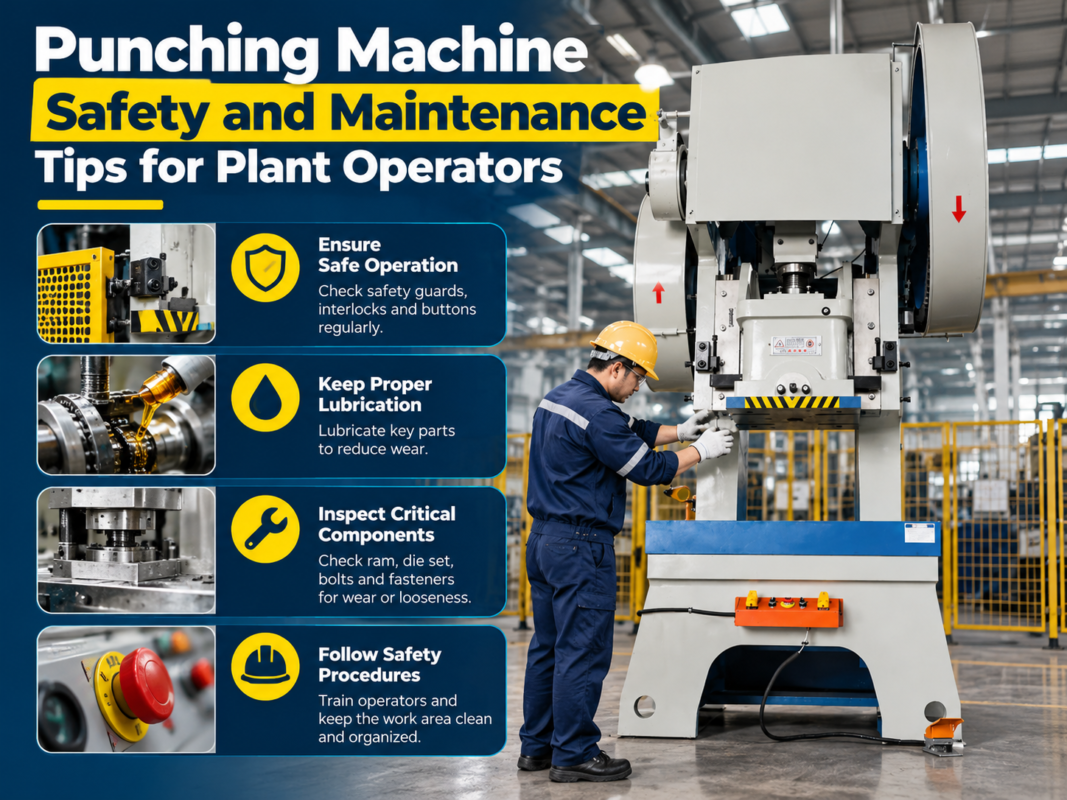
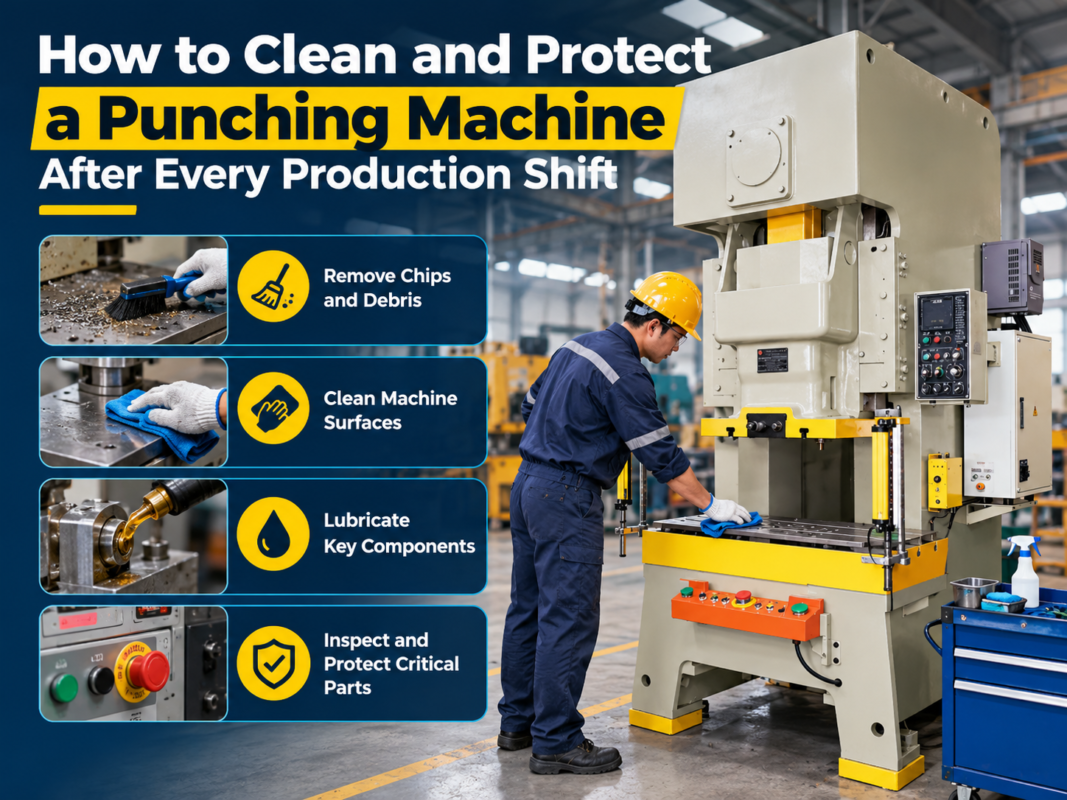
The most critical task is the visual inspection of the lubrication flow and the cleaning of the slide guides. Removing metal chips and debris from the guides prevents them from being ground into the precision surfaces, which is vital for Longer Service Life.
How does temperature affect punching machine performance?
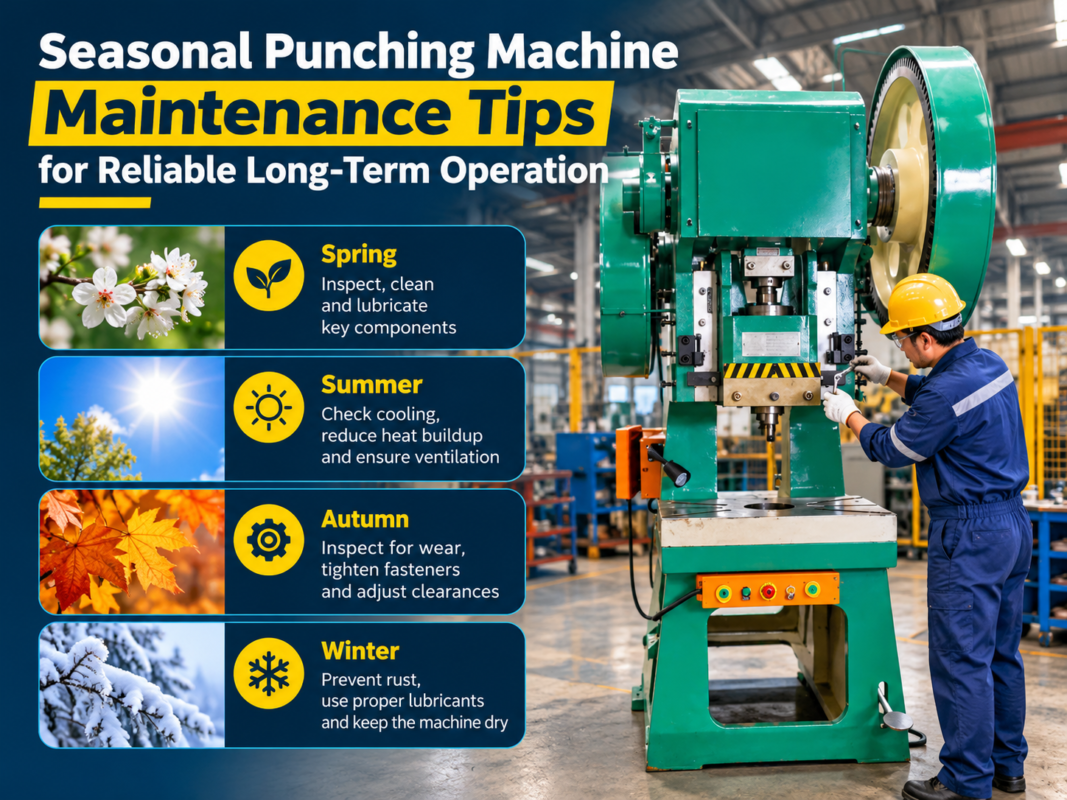
High temperatures reduce the viscosity of the lubricating oil, making it less effective. It also causes thermal expansion of the mechanical parts, which can tighten clearances. If your shop is not climate-controlled, you may need to adjust your maintenance frequency during summer months or install an oil cooler.
What are the signs of a failing pneumatic clutch?
Signs include sluggish engagement, the slide ‘drifting’ after the stop command, or unusual hissing sounds (air leaks). If the brake lining is worn, the machine will not stop at the Top Dead Center (TDC), which is a major safety hazard and requires immediate repair.
How do I ensure the machine stays level?
Vibration from punching can cause even the heaviest machines to shift over time. Use a precision spirit level on the bolster plate every six months. If the machine is out of level, it will cause uneven wear on the gibs and reduce the accuracy of your parts.