
Safety Checklist for Operating a Punching Machine in the Workshop: A Comprehensive Technical Guide


Technical Overview of Punching Machine Safety and Operation
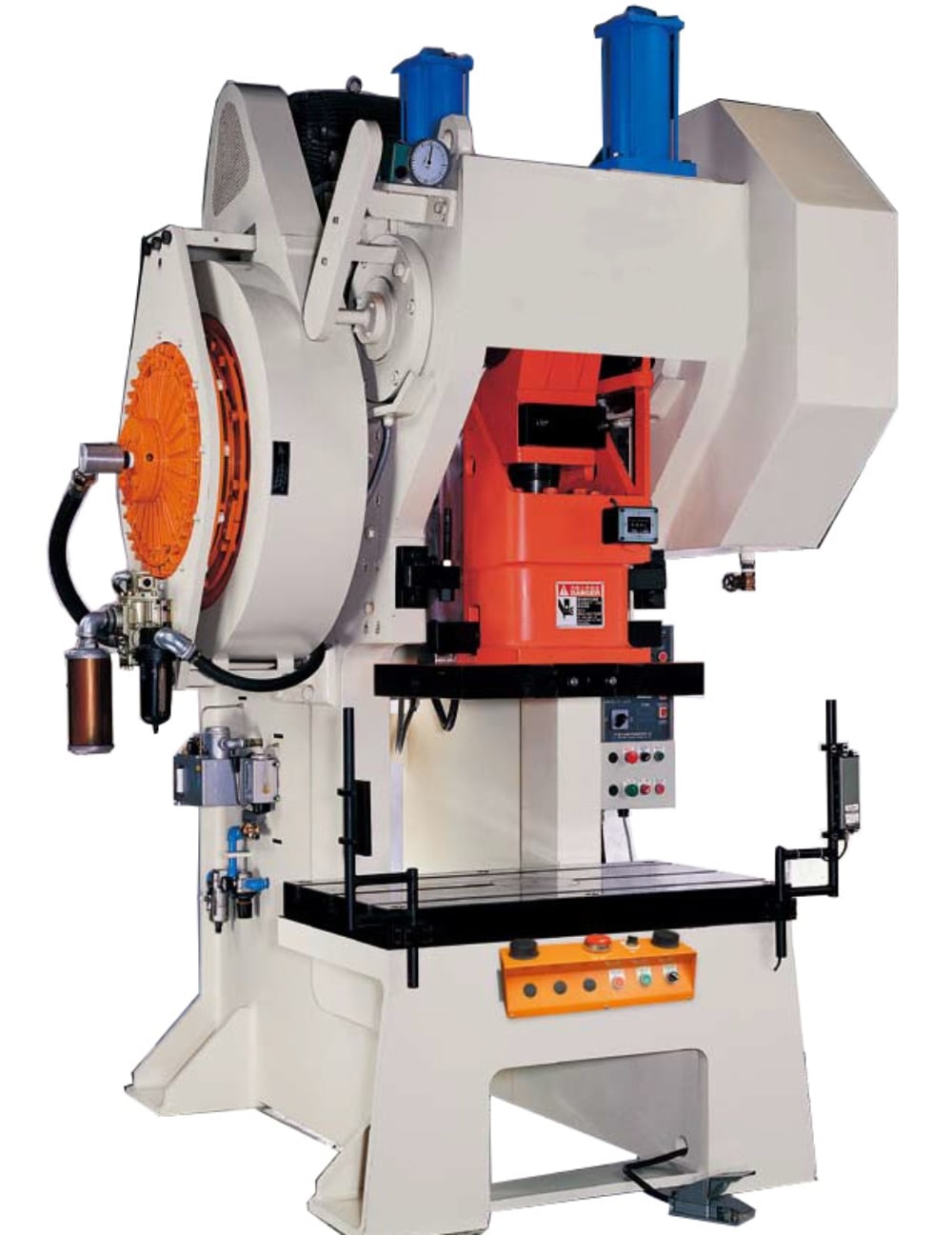
In the modern metal fabrication environment, the punching machine remains a cornerstone of high-speed production. Whether it is a mechanical flywheel-driven press or a high-precision hydraulic CNC punching machine, the physics involved in shearing metal requires a rigorous approach to safety. The Safety Checklist Operating A Punching Machine In Workshop is not merely a bureaucratic requirement; it is a technical necessity designed to protect the operator, the tooling, and the structural integrity of the machine itself. At HARSLE, we emphasize that a safe machine is an efficient machine.
A punching machine operates by converting energy—either stored in a rotating flywheel or generated by hydraulic pressure—into a linear force that drives a punch through a workpiece into a die. This process involves extreme pressures, often exceeding hundreds of tons. The technical complexity arises from the synchronization of the clutch, the brake, and the ram movement. Understanding the mechanical advantage and the potential energy stored within the system is the first step in implementing a robust safety protocol. Failure to respect these forces can lead to catastrophic equipment failure or severe personal injury.
Modern industrial punching machines are equipped with various safety interfaces, including light curtains, two-hand control stations, and emergency stop circuits. However, the efficacy of these systems depends entirely on the operator’s adherence to a standardized Safety Checklist Operating A Punching Machine In Workshop. This guide delves into the technical parameters, calculation methods, and operational best practices that define a world-class safety culture in metalworking facilities.
Core Parameters of Punching Machine Safety
To effectively utilize a Safety Checklist Operating A Punching Machine In Workshop, one must first understand the core technical parameters that govern the machine’s behavior. These parameters dictate the limits of the machine and provide the data necessary for safe setup and operation. Overlooking these specifications is a primary cause of workshop accidents.
1. Nominal Pressure (Tonnage)
The nominal pressure, or tonnage, is the maximum force the press is designed to exert at a specific point in its stroke (usually near the bottom dead center for mechanical presses). Operating beyond this limit can cause the frame to stretch or the crankshaft to snap. A safety checklist must always include a verification that the required punching force for a specific job does not exceed 80% of the machine’s rated capacity to allow for a safety margin.
2. Stroke Length and Adjustment
The stroke length determines the distance the ram travels from its highest point to its lowest. For safety, the stroke must be adjusted so that the punch fully clears the material but does not bottom out against the die holder. Incorrect stroke adjustment can lead to “die smashing,” which sends metal fragments flying across the workshop.
3. Strokes Per Minute (SPM)
SPM defines the operational speed. High-speed punching requires faster reaction times from safety sensors and more robust vibration dampening. When following a Safety Checklist Operating A Punching Machine In Workshop, the operator must ensure the SPM is appropriate for the material thickness and the complexity of the part to prevent overheating and tool galling.
4. Shut Height
The shut height is the distance between the slide and the bed when the stroke is at its lowest position and the adjustment is all the way up. Ensuring the tooling fits within this window is critical. If the shut height is too small for the tool, the machine will lock up at bottom dead center, creating a dangerous high-tension situation that is difficult to resolve safely.
Calculation Method for Punching Force
A critical component of the Safety Checklist Operating A Punching Machine In Workshop is the pre-operational calculation of the required force. Guessing the tonnage required for a hole is a dangerous practice that leads to machine overload. The standard formula for calculating punching force (P) is based on the perimeter of the cut, the material thickness, and the shear strength of the material.
The formula is generally expressed as:
P (Tons) = (L × t × τ) / 2000
- L: Total length of the cut perimeter (mm or inches). For a round hole, L = π × diameter.
- t: Material thickness (mm or inches).
- τ (Tau): Shear strength of the material (PSI or N/mm²). As a rule of thumb, shear strength is approximately 80% of the material’s ultimate tensile strength.
- 2000: Conversion factor to convert pounds to short tons (if using imperial units).
For example, if you are punching a 50mm diameter hole in 3mm thick mild steel (shear strength approx. 345 N/mm²), the calculation would be: (157.08mm × 3mm × 345 N/mm²) = 162,577 Newtons, which is approximately 16.5 metric tons. By performing this calculation as part of your Safety Checklist Operating A Punching Machine In Workshop, you ensure that a 20-ton or 25-ton press is used, providing the necessary overhead for safety.
Punching Machine Technical Parameter Table
The following table provides a reference for typical parameters found in industrial punching machines. These values should be cross-referenced with your specific machine’s manual during the safety inspection process.
| Machine Model (Typical) | Nominal Force (kN) | Stroke Length (mm) | Max. Shut Height (mm) | Worktable Size (mm) | Motor Power (kW) |
|---|---|---|---|---|---|
| HARSLE J23-25 | 250 | 65 | 180 | 340 x 520 | 2.2 |
| HARSLE J23-40 | 400 | 80 | 230 | 420 x 650 | 3.0 |
| HARSLE J23-63 | 630 | 100 | 270 | 480 x 710 | 5.5 |
| HARSLE J23-100 | 1000 | 130 | 350 | 580 x 850 | 7.5 |
| HARSLE J23-160 | 1600 | 160 | 400 | 680 x 1000 | 11.0 |
Common Engineering Mistakes in Punching Operations
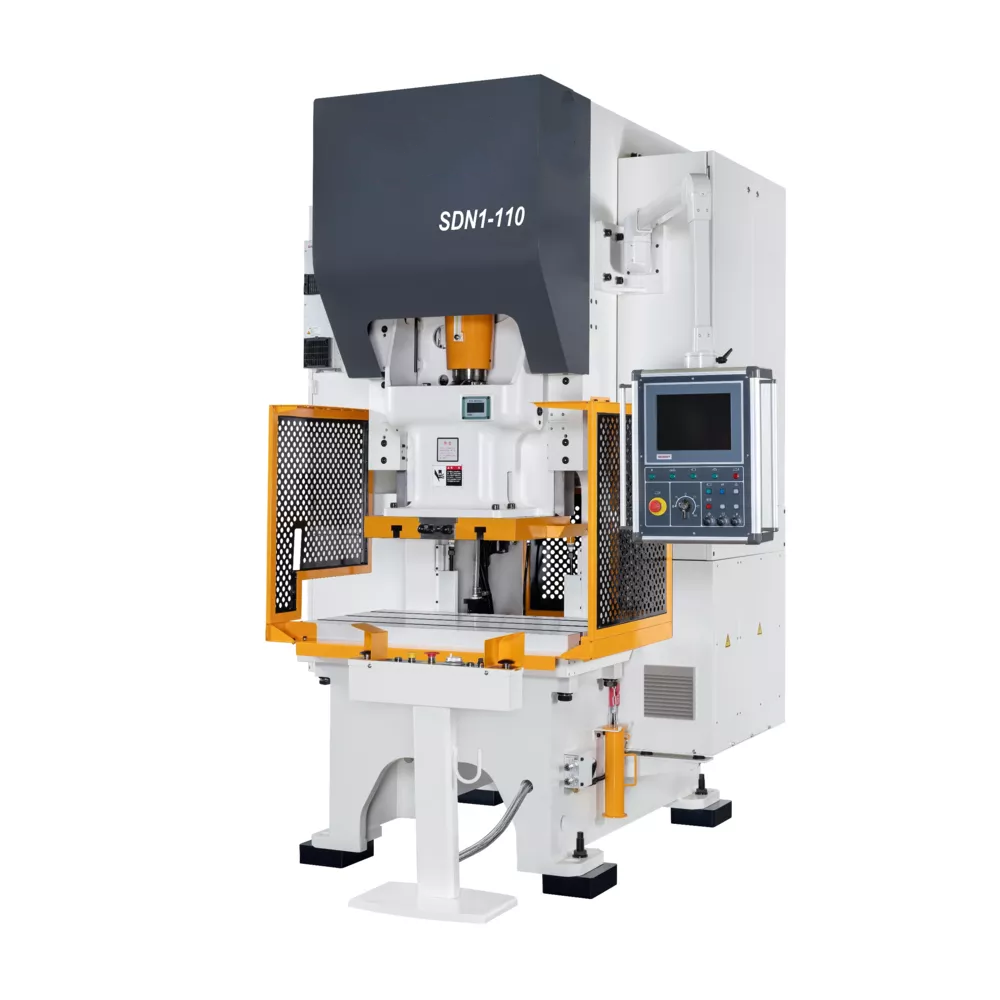
Even with a Safety Checklist Operating A Punching Machine In Workshop, certain engineering oversights can lead to hazardous conditions. Recognizing these mistakes is essential for maintaining a safe workshop environment.
Ignoring Slug Pulling
Slug pulling occurs when the waste material (the slug) sticks to the punch and is lifted out of the die on the upstroke. If the operator does not notice this and feeds the next piece of metal, the machine will attempt to punch through two layers of material. This doubles the required force instantly and can shatter the tooling or damage the ram. A safety checklist must include checking the vacuum or ejector pins that prevent slug pulling.
Improper Die Clearance
Die clearance is the space between the punch and the die. If the clearance is too tight, it increases the required tonnage and causes excessive wear. If it is too loose, the material will “draw” into the die rather than shearing, potentially jamming the machine. Engineers must specify the correct clearance based on material type and thickness to ensure the machine operates within safe parameters.
Bypassing Safety Interlocks
In a misguided attempt to increase production speed, some operators attempt to bypass light curtains or tie down one of the two-hand control buttons. This is a critical violation of the Safety Checklist Operating A Punching Machine In Workshop. Modern CNC punching machines from HARSLE include tamper-proof software to prevent these actions, but manual machines require strict supervision to ensure safety devices remain functional.
Inadequate Lubrication
Metal punching generates significant heat and friction. Failure to lubricate the gibs, the crankshaft, and the workpiece itself leads to thermal expansion. This expansion can cause the ram to seize or the tooling to weld itself to the workpiece. A comprehensive safety checklist must prioritize the inspection of the automatic lubrication system or the manual application of oil.
Selection Checklist for a Safe Punching Machine
When acquiring new equipment, safety should be the primary selection criterion. Use this checklist to evaluate the safety features of a punching machine before purchase:
- Frame Rigidity: Does the machine use a high-tensile cast iron or welded steel frame to minimize deflection under load?
- Overload Protection: Is the machine equipped with a hydraulic overload protector that can dump pressure instantly if the tonnage limit is exceeded?
- Braking System: Does it feature a reliable pneumatic clutch-brake combination that stops the ram immediately when the emergency stop is pressed?
- Control System: Does the PLC (Programmable Logic Controller) include self-diagnostic safety routines?
- Ergonomics: Are the controls positioned to prevent operator fatigue, which is a leading cause of accidents?
- Light Curtains: Are Type 4 safety light curtains integrated into the machine’s control circuit?
- Noise Reduction: Does the design include features to keep noise levels below 85dB, or are sound enclosures available?
The Ultimate Safety Checklist Operating A Punching Machine In Workshop
This section provides the actionable Safety Checklist Operating A Punching Machine In Workshop that every operator should follow daily. Divide these tasks into pre-operational, operational, and post-operational phases.
Pre-Operational Phase
- PPE Inspection: Ensure the operator is wearing ANSI-approved safety glasses, hearing protection, and cut-resistant gloves. Avoid loose clothing or jewelry.
- Machine Environment: Clear the area around the machine of scrap metal, oil spills, and tripping hazards.
- Tooling Check: Inspect the punch and die for cracks, chips, or dullness. Ensure the die is securely bolted to the bolster plate.
- Lubrication Levels: Check the oil reservoir and ensure all grease points are serviced.
- Safety Device Test: Trigger the light curtains and the emergency stop to verify the machine halts immediately.
Operational Phase
- Material Alignment: Use guides and stops to ensure the workpiece is positioned correctly. Never reach into the point of operation while the flywheel is turning.
- Monitor Sound: Listen for unusual grinding, banging, or squealing noises, which indicate misalignment or lack of lubrication.
- Slug Management: Periodically check that slugs are falling freely through the bed and not accumulating in the die.
- Tonnage Monitoring: If the machine has a tonnage monitor, ensure the readings stay within the calculated safe range.
Post-Operational Phase
- Power Down: Turn off the motor and wait for the flywheel to come to a complete stop before leaving the machine.
- Clean Up: Remove all scrap and finished parts. Wipe down the machine surfaces to prevent rust.
- Reporting: Document any minor issues or tool wear in the maintenance log to prevent future failures.
Frequently Asked Questions (FAQ)
What is the most common cause of punching machine accidents?
The most common cause is the “point of operation” violation, where an operator reaches into the die area to clear a jam or adjust a part while the machine is still powered or the flywheel is spinning. Adhering to a Safety Checklist Operating A Punching Machine In Workshop and using proper lockout/tagout procedures can eliminate this risk.
How often should I sharpen my punching tools?
Tooling should be sharpened as soon as the burr height on the punched part exceeds 10% of the material thickness. Dull tools require significantly more force to punch, which increases the risk of machine overload and catastrophic tool failure.
Can I punch stainless steel on a machine rated for mild steel?
Yes, but you must account for the higher shear strength. Stainless steel is much harder than mild steel, so you must reduce the maximum thickness or hole diameter to stay within the machine’s tonnage rating. Always recalculate the force before switching materials.
What should I do if the machine locks at bottom dead center?
Never attempt to force the machine cycle forward. You must back off the ram adjustment or, in the case of a hydraulic press, release the pressure valve. If it is a mechanical press, you may need to use a specialized hydraulic jack to lift the ram off the die. This is a high-risk procedure that should only be performed by trained maintenance personnel.
Why is the “Safety Checklist Operating A Punching Machine In Workshop” important for CNC machines?
While CNC machines have more automated safety features, they also operate at much higher speeds. A mistake in the program or a loose clamp can result in a high-speed collision. The checklist ensures that the physical environment and the mechanical components are ready for the automated sequence.
How do light curtains work on a punching machine?
Light curtains emit a web of infrared beams across the danger zone. If any beam is broken, the safety controller sends a signal to the clutch-brake system to stop the ram instantly. They are a non-physical barrier that allows for high productivity while maintaining a high safety standard.












